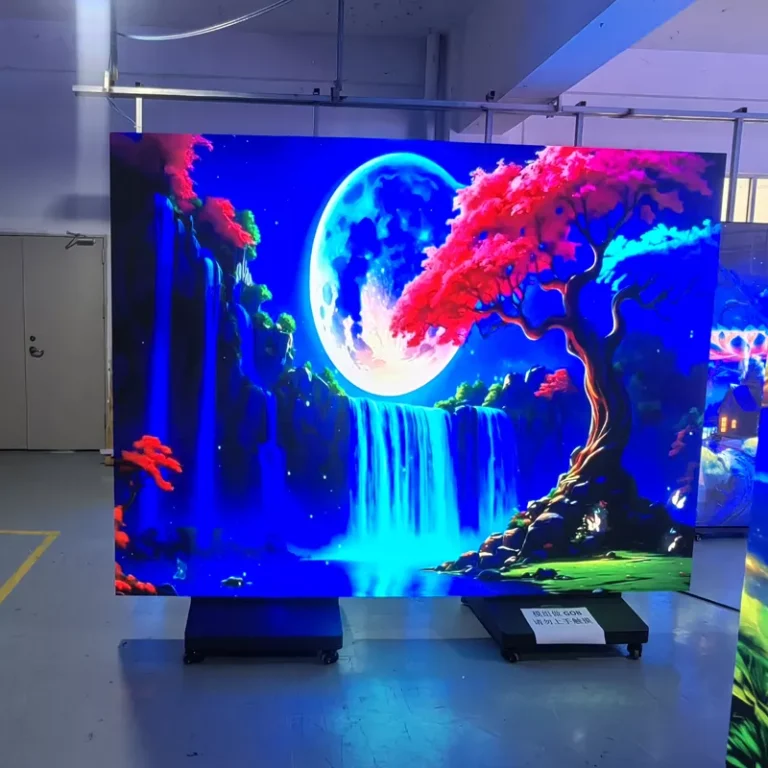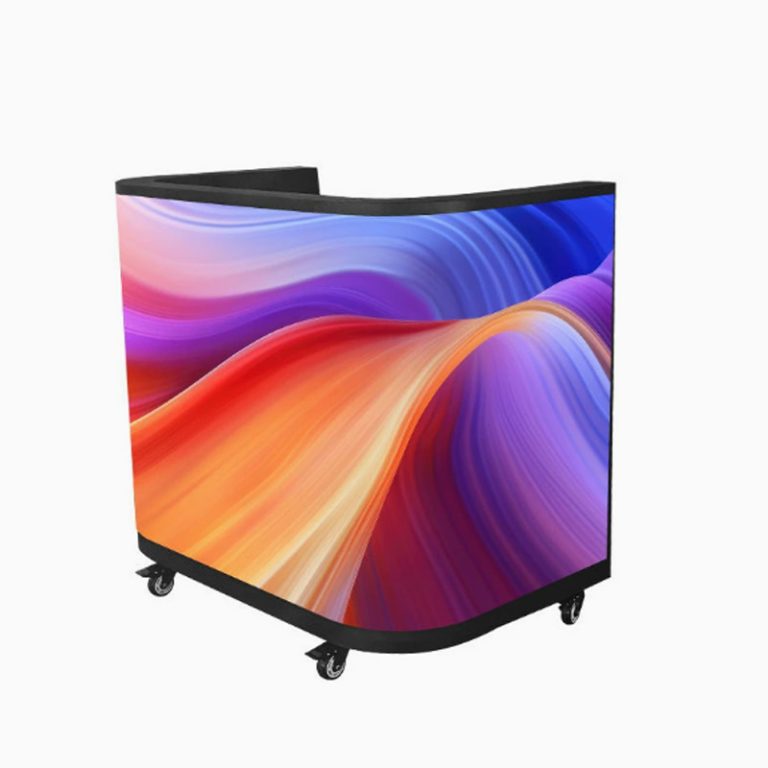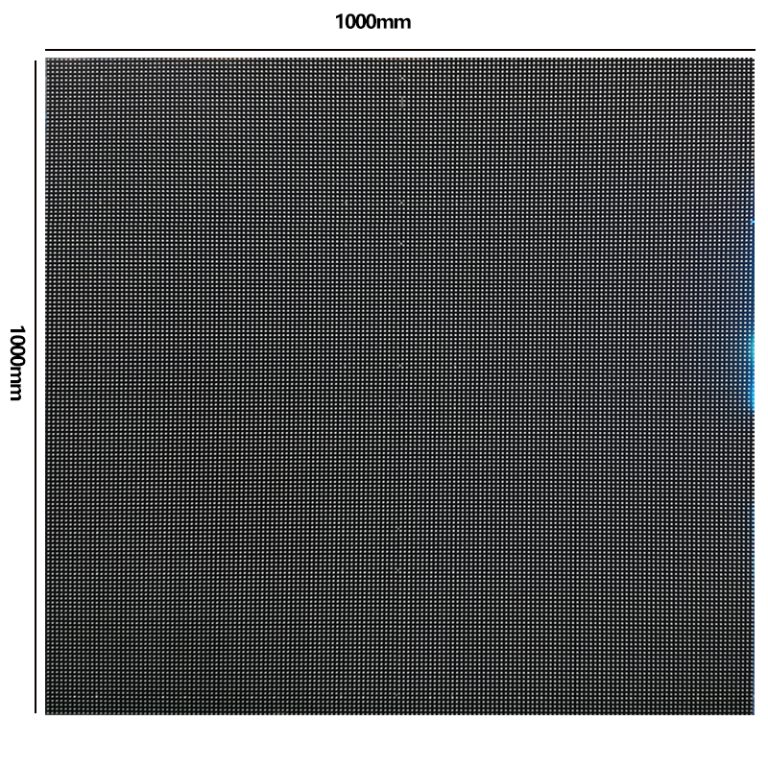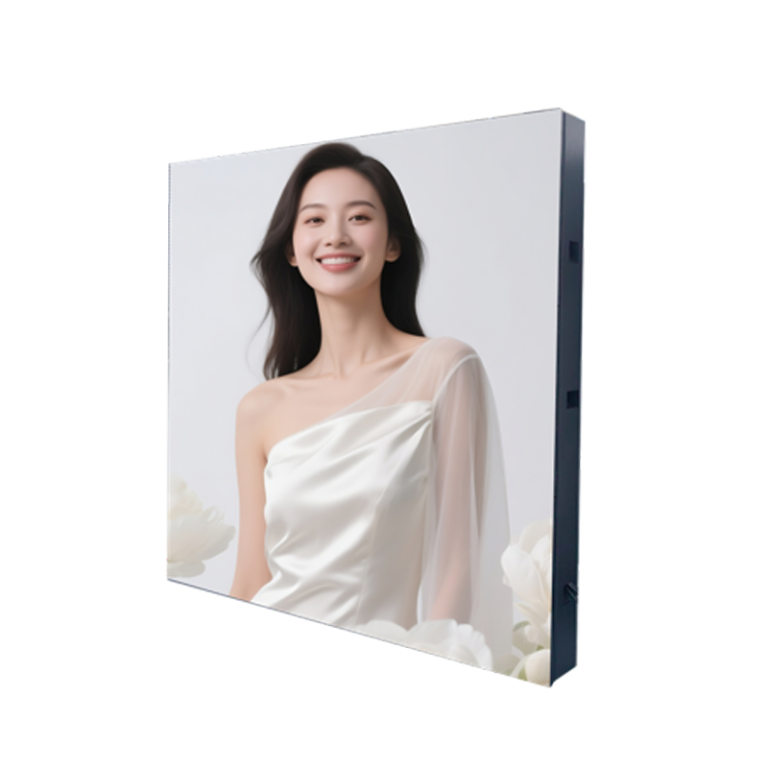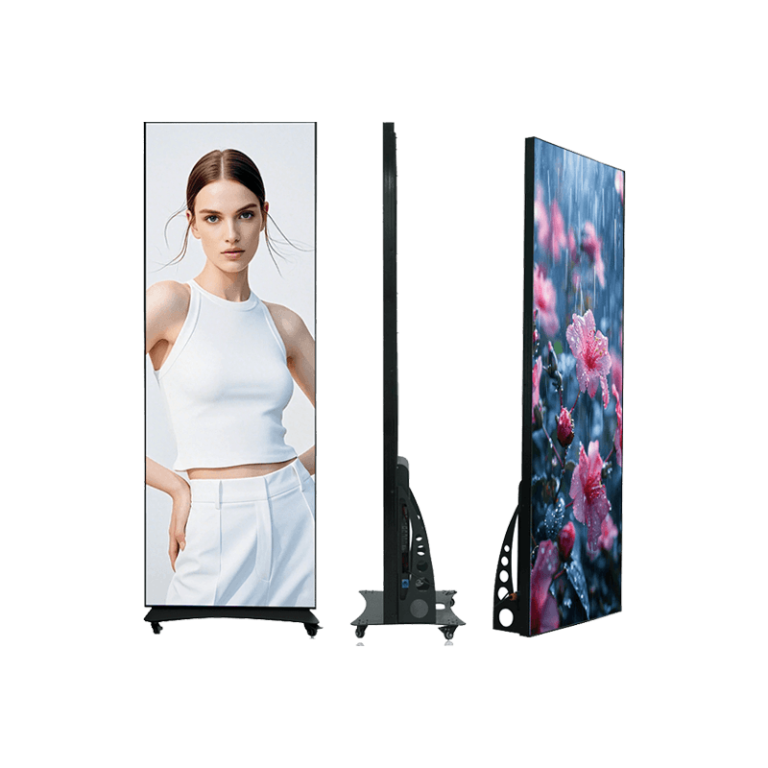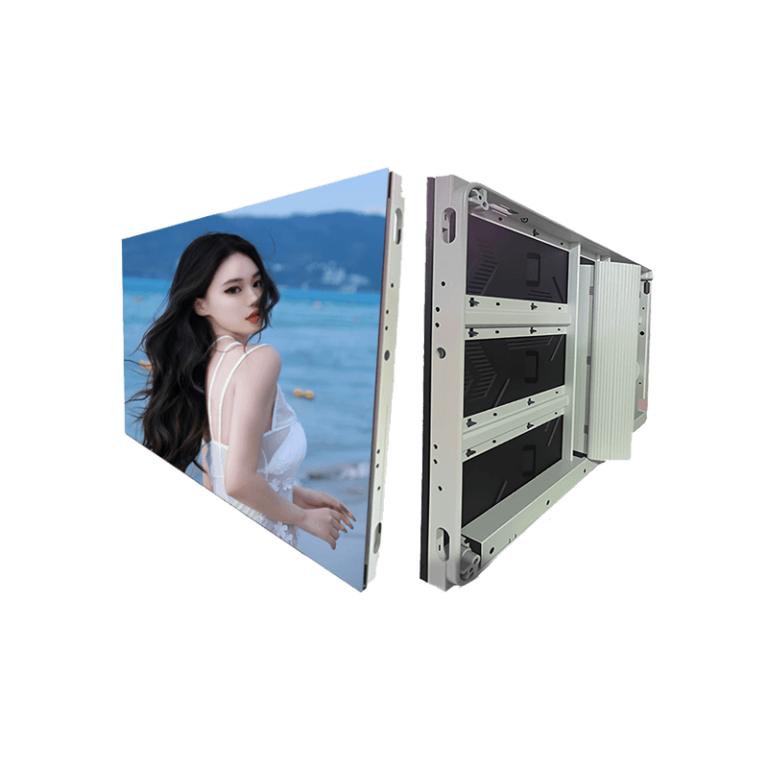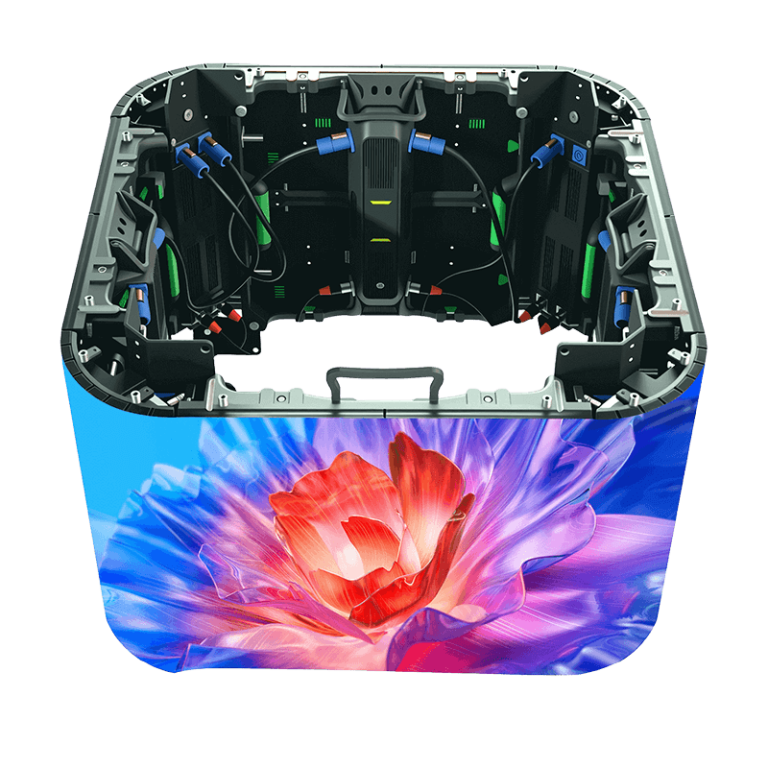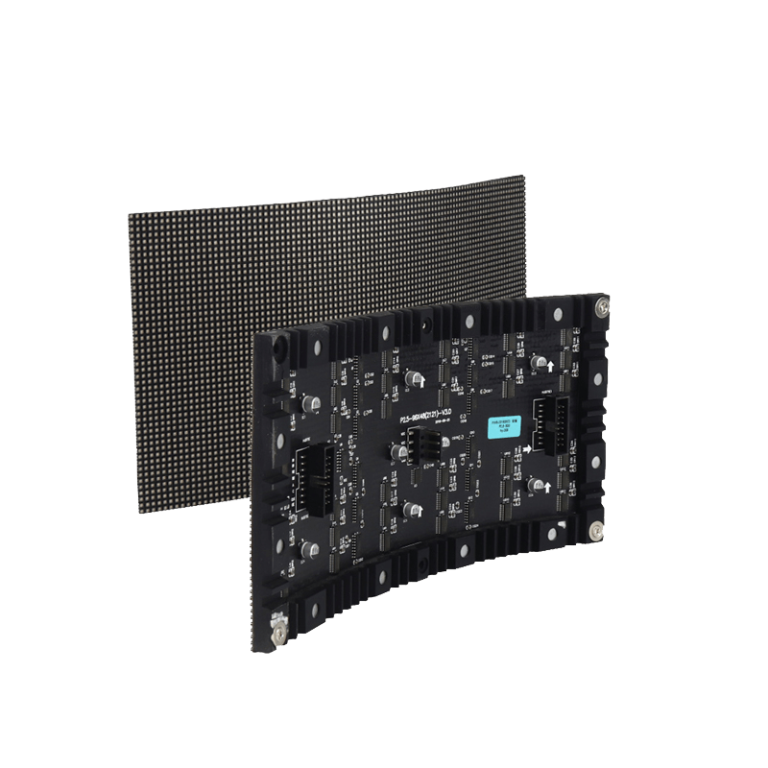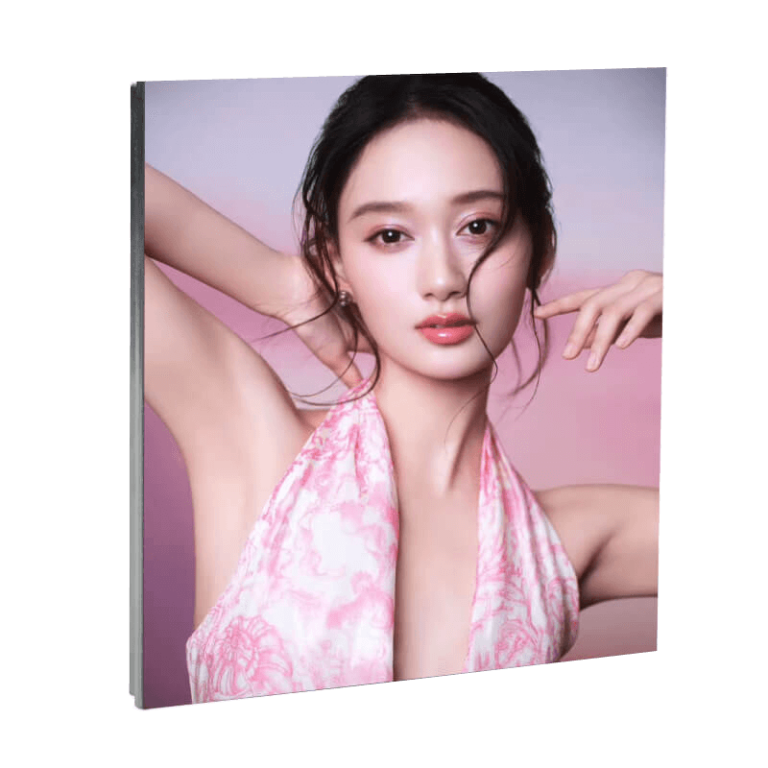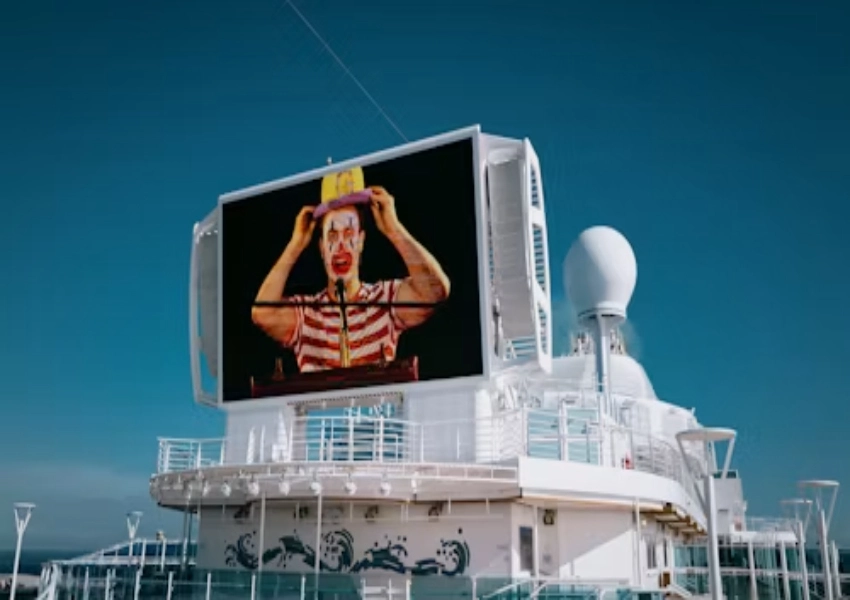
An outdoor LED display’s IP rating is not a decorative specification. It decides how well a screen keeps dust, rain, wind-driven moisture, and routine washing away from the electronics. A buyer can choose the right pixel pitch, brightness, and cabinet size, yet still end up with service calls if the protection level does not match the site.
For many fixed outdoor applications, an IP65 LED screen is the normal starting point. The first digit, 6, means dust-tight protection. The second digit, 5, means protection against low-pressure water jets from different directions. That is usually enough for outdoor advertising, building facades, scenic area screens, plazas, and transport displays when the cabinet, module, cable entry, and drainage are designed properly.
What IP Ratings Actually Tell Buyers
An IP code tells a narrow but important story. It does not prove that a display has strong brightness, good heat dissipation, safe structure, stable calibration, or long service life. It only describes enclosure protection against solids and water under defined test conditions. That makes it useful, but not complete.
The First Digit Controls Dust
Outdoor displays face dust from roads, construction sites, wind, dried leaves, and polluted air. Dust can settle on the module face, block heat paths, and enter poorly sealed cabinets. A first digit of 6 is the highest dust-protection class in the common IP system. For outdoor LED screen protection, anything below that should be questioned unless the display is in a sheltered semi-outdoor area.
The Second Digit Controls Water
The water’s edge is where projects get messy. Rain rarely falls straight down. Wind can push water into cable entries, cabinet seams, and rear service doors. Washing can also hit the face and side of the screen. IP65 covers water jets, while higher water ratings may be considered for special exposure, but a higher number alone does not fix poor sealing around connectors.
Why IP65 Is Often The Practical Baseline
A waterproof LED display for normal outdoor work needs a balance between sealing and heat release. If the cabinet is sealed but runs hot, long-term brightness can suffer. If the cabinet breathes too freely, dust and moisture can enter. IP65 is popular because it gives strong dust and water protection while still allowing sensible cabinet engineering.
Leyaled's painel LED externo includes outdoor display choices for advertising, public information, media, and fixed projects. The buyer’s job is to match the page type to the project: direct sunlight, coastal moisture, high dust, wind load, cleaning frequency, service access, and daily operating hours.
Front Protection And Rear Protection
Some outdoor screens protect the front more strongly than the rear because the front faces rain and dust. Others use front-and-rear IP65 protection. The right choice depends on installation. A wall-mounted screen with a sheltered rear has different risks from a freestanding billboard exposed on all sides. The quote should state front and rear IP values clearly.
Cable Entries And Maintenance Doors
Many failures happen at the weak points, not the center of the module. Cable glands, power boxes, receiving-card covers, maintenance doors, and cabinet joints need careful sealing. A weatherproof LED billboard should also have drainage thinking. Water that cannot enter is good; water that enters and cannot leave is worse.
Site Conditions That May Need More Than Basic IP65
IP65 is a strong baseline, but the site may ask for more engineering. Coastal roads bring salt air. Desert or roadside locations bring fine dust. Tropical climates bring high humidity and heavy rain. Cold regions bring freeze-thaw cycles that stress seals. A screen placed under a roof edge may receive constant runoff at one cabinet row.
Coastal And High-Humidity Sites
In coastal locations, anti-corrosion treatment matters as much as the IP number. Screws, cabinet coatings, connectors, and PCB protection need attention. A buyer should ask about anti-oxidation, moisture-proof treatment, and whether spare modules are sealed and stored properly before service.
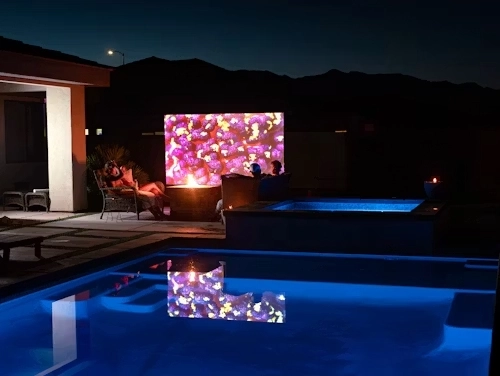
Direct Sun And Heat
Waterproofing cannot trap heat. Outdoor displays may run at 5,500 nits, 6,500 nits, or higher depending on the model and site. Heat dissipation, aluminum or steel cabinet design, power supply quality, and dimming schedules help protect both visibility and seals. High temperature can make weak gaskets age faster.
Product Examples For Outdoor Protection
Leyaled's display ao ar livre P2.604 is a useful example where brightness and protection meet. It has a 2.6 mm pitch, a 160-degree wide viewing angle, 10,000 nits of brightness, a die-cast aluminum cabinet, a special heat-dissipation frame, and outdoor advertising or vehicle-mounted display scenarios. A finer-pitch outdoor screen like this needs serious sealing because close viewers notice even small module issues.
For a larger outdoor sign, the ar livre LED outdoor P6 direction is more closely tied to a weatherproof LED billboard. This line describes a cabinet built for wind, rain, sand, UV exposure, IP65-level or stronger waterproof design, a reinforced steel structure, and sealed joints around the cabinet. Those details matter when the display is expected to sit outside for years rather than just pass a short inspection.
Leyaled‘s broader manufacturing profile also supports this protection discussion. The Shenzhen factory uses high-quality LED beads and driver chips, 72 hours of extreme testing, high-and low-temperature cycling, and brightness decay checks. The company also lists onsite installation support, a 3-year free warranty, lifetime technical support, 24-hour response, and 48-hour onsite repair support. For outdoor LED display IP rating decisions, after-sales access is not a small detail. It is part of the risk plan.
How To Specify IP Rating In A Purchase Request
The ideal purchase request covers more than just stating that an IP65-rated cabinet is needed. It has to explain the site for which the display is intended to be used. This includes country, climate, distance from sea, orientation of screen, mounting height, rear exposure, rain direction, cleaning method, daily runtime, required brightness, and, last but not least, maintenance access. With this information, the supplier is able to advise on a suitable cabinet and appropriate sealing.
The request for a quote for an outdoor display should, furthermore, include information on front and rear IP rating, material of the cabinet, sealing of modules, type of connectors, sealing of the power box, coating of the PCB, drainage path, operating temperature, and a plan for spare parts. Outdoor display quotes that connect the IP number to the real behavior of screens on the intended site of use, rather than just listing numbers in a table, are reliable and useful to make a practical decision.
If the display is intended to be used outside, exposed to the elements, and running on a daily basis, then the IP rating of IP65 should be seen as the floor. Harsh sites, such as those near the sea or with high exposure to rain and extreme temperatures, require more robust sealing, corrosion resistance, better heat conduction, and more regular inspection and maintenance. A waterproof LED display lasts longer when the IP rating of the cabinet, the design of the cabinet, and the maintenance plan all point in the same direction.
FAQ
Q1: Is IP65 enough for an outdoor LED display?
A1: IP65 is a common baseline for outdoor displays. Harsh coastal, dusty, or fully exposed sites may need added corrosion treatment, stronger sealing, and closer maintenance planning.
Q2: Does waterproof mean the screen can be installed anywhere outdoors?
A2: No. A waterproof LED display still needs proper structure, drainage, cable sealing, heat dissipation, grounding, and safe maintenance access.
Q3: What should buyers ask besides outdoor LED display IP rating?
A3: Ask about front and rear protection, cabinet material, connector sealing, PCB coating, heat path, operating temperature, aging tests, warranty, and spare modules.