No campo da tecnologia de exibição profissional, a diferença entre sinalização LED e telas LED forma como grupos compartilham informação visual. Essas duas opções dependem de bases de hardware comparáveis, mas variam muito nas configurações de gestão, espaço de píxel e aplicações típicas.
Entender os conceitos principais de sinalização LED e telas LED
Definir sinais LED em Tecnologia Moderna de Visualização
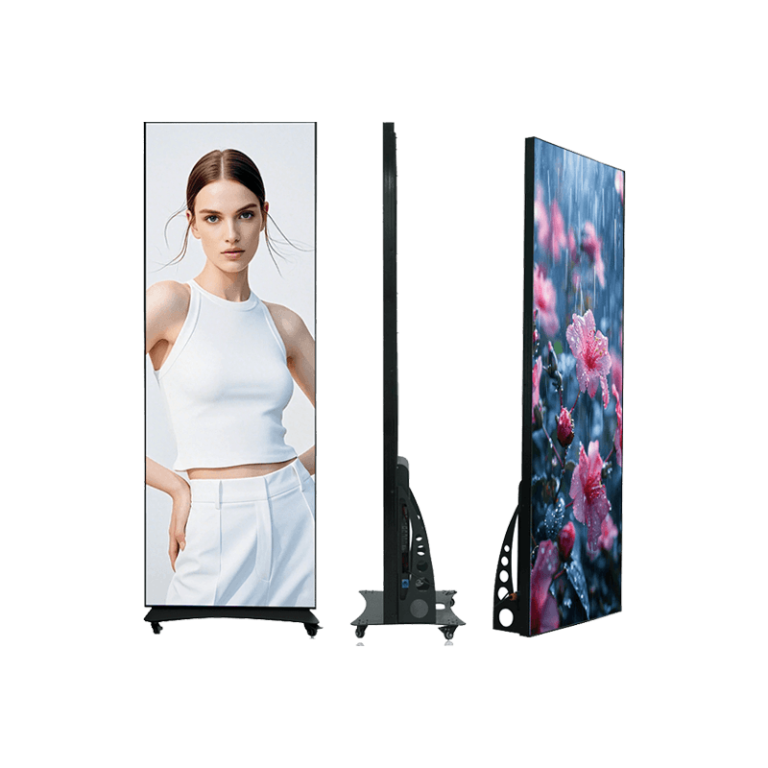
Signagem LED significa configurações modulares de visualização projetadas principalmente para imagens fixas ou algo alteradas como logos, avisos ou guias da empresa. Os engenheiros criam essas instalações para trabalhar constantemente em lugares internos e externos onde a dependência é mais importante. Você frequentemente os vê em centros de viagens, frontes de lojas e áreas de escritório. Eles fornecem níveis de luz constantes e simples manutenção.
Módulos de sinalização vêm com coberturas protetivas que manejam bem o tempo para arranjos fixos de visualização. Sua construção garante resistência contra terra e água, e mantém as necessidades de manutenção baixas.
Definir telas LED e suas capacidades funcionais
As telas LED construem essa ideia adicionando vídeo vivo, ligações de transmissão ao vivo e características baseadas no toque. As pessoas as usam em estúdios de TV, lugares esportivos, programas comerciais e sistemas inteligentes da cidade.
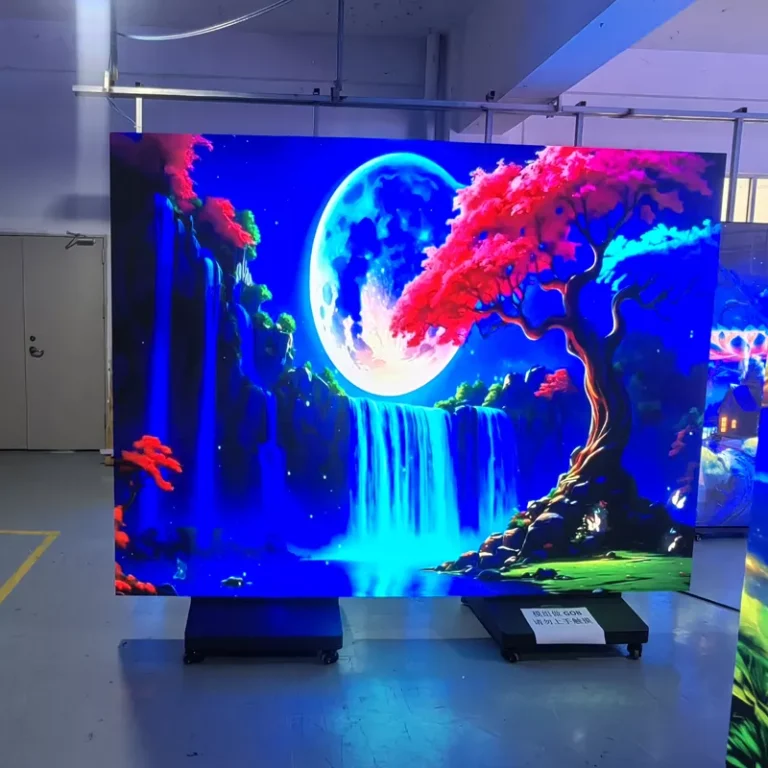
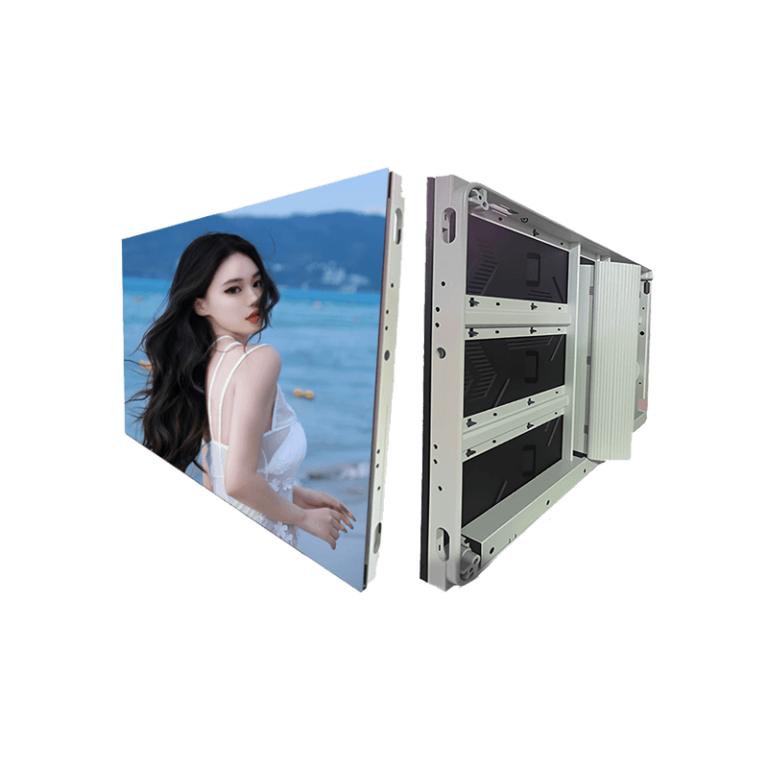
A tela LED do exterior P3.91 se adapta aos usos do exterior a curto prazo, com características principais que correspondem às necessidades reais: seu pico de 3,91 mm oferece uma boa mistura de aguda e despesas. Este tipo de tela maneja conteúdo de movimento claro a velocidades de atualização acima de 3840 Hz, o que dá desempenho suave sem flickering, mesmo quando as câmaras o gravam.
Comparação de Arquitetura Técnica
A construção de ambos os tipos de exibição estabelece sua qualidade de saída e objetivos principais.
Diferenças de Pixel Pitch e Resolution
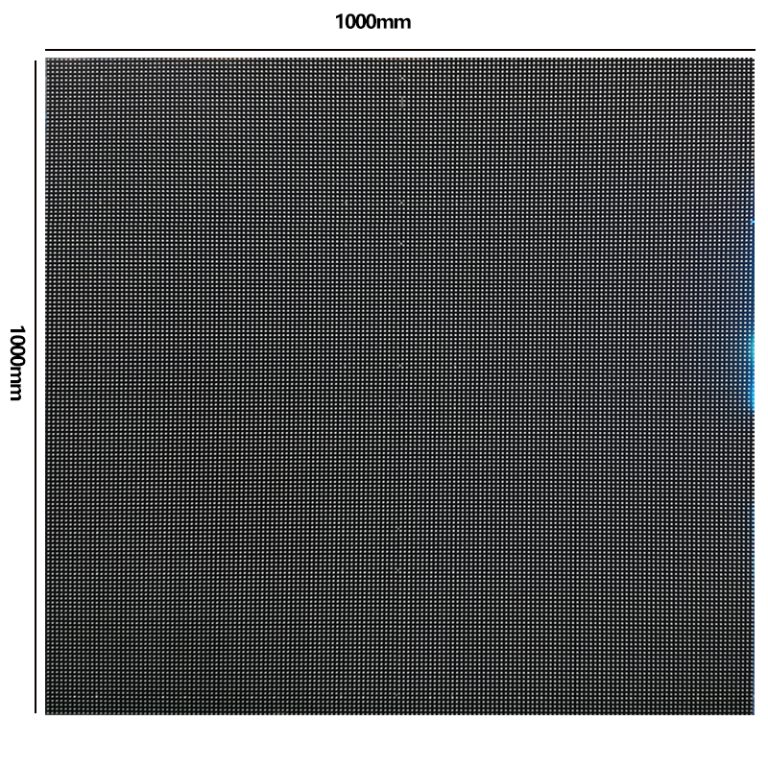
Pixel pitch, que medi em milímetros, afeta diretamente a agudez da imagem. Os picsels mais rigorosos levam a imagens mais claras que funcionam para intervalos de visão mais próximos. Esse display de LED P6 se encaixa com vistas externas de intervalos médios, com seus detalhes chave melhorados por 15 anos de conhecimento de campo. Enquanto a sinalização LED pode usar pontos mais amplos como P6 ou P10 para vista clara em maiores intervalos, telas modern as como fora P3.91 dar vistas detalhadas de perto perfeitas para envolver tarefas de mídia.
Brilhança, Contraste e Calibração de Cores
A sinalização externa geralmente precisa de brilho mais forte, muitas vezes mais de 6000 cd/m ², para lutar contra o sol brilhante. O brilho forte (≥6000 cd/m ²) mantém as imagens brilhantes e desligadas no sol direto. Por outro lado, as telas LED focam na correspondência de cores verdadeiras através de métodos flexíveis para manter um olhar constante na mudança de configurações de luz. Essa lacuna permite que a sinalização fica fácil de ler fora, enquanto as telas criam cenas reais dentro ou em reuniões.
Sistemas de Controlo e Tecnologias de Gestão do Contente
Configurações de sinalização funcionam em controladores básicos que repetem conteúdo planejado sem computação pesada. Por outro lado, as telas digitais ligam-se a processores fortes que gerem entradas ao vivo ou respostas de toque de várias fontes como DVI ou HDMI. Usa um sistema de controle combinado, e leva muitos sinais de vídeo, incluindo DVI, VGA e HDMI, o que permite mostrar vídeos, palavras e fotos imediatamente. As ferramentas CMS ligadas também permitem controles remotos e supervisão principal de várias configurações.
Considerações de Design e Instalação Estruturais
Ambos os tecnológicos dependem da construção modular de caixas, mas elas diferem em combinar a complexidade.
Module Construction and Cabinet Design Variations
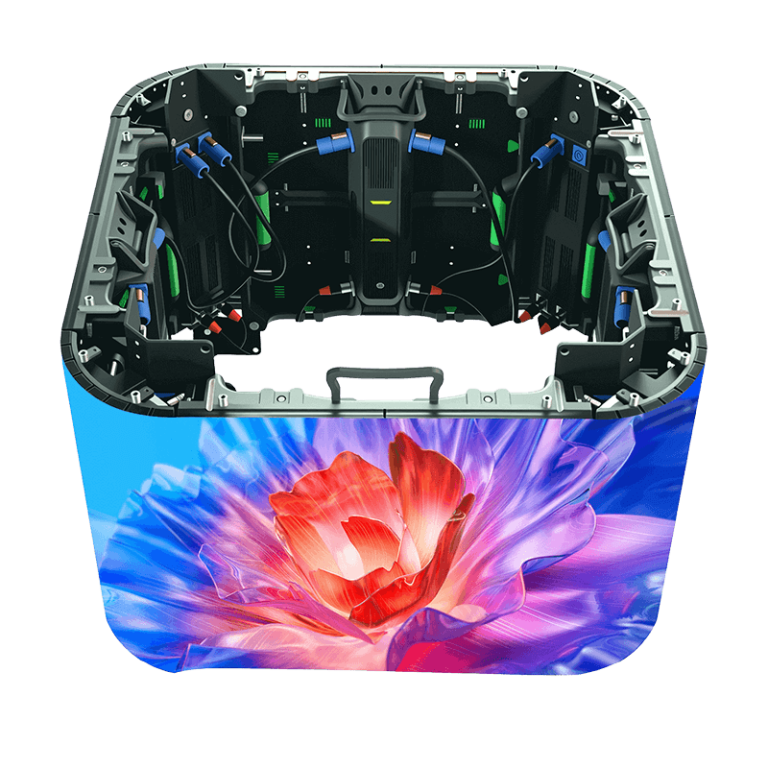
Os itens de sinalização têm caixas fechadas que resistem a danos climáticos; ao mesmo tempo, as telas LED adicionam caminhos de fluxo de ar para se arrefriar de vídeos em curso. O armazém de ferro à prova de água funciona para proteger ferramentas no exterior, particularmente com exibições LED. Por exemplo, o taboleiro LED exterior P6 emprega a ço laminado a frio com revestimento resistente ao sol para lidar com temperaturas duras de -20 °C a 50 °C, e mantém uma forma firme.
Fatores de manutenção e longevidade
A sinalização enfatiza partes fechadas que precisam de pouca reparação; a maioria inclui painéis de fronte para mudanças rápidas. Os ecrãos precisam de ajustamento regular de cores por causa de maiores detalhes de execução, mas eles oferecem módulos de intercâmbio que cortam os tempos de parada. Módulos padrão permitem simples separação e troca, o que reduz mais tarde o funcionamento e fixação de custos muito. Esse design flexível faz uso duradouro mesmo em condições difíceis.
Metricas de Performance em Escenários de Uso Diferente
Ao verificar as medidas de saída, o ambiente decide qual tecnologia funciona melhor.
Aplicações internas: Ambientes de retalho, empresa e exposição
A sinalização interna aumenta a força da marca com imagens constantes e fixas sob a luz equilibrada. Enquanto isso, telas de atualização rápida transformam os espectáculos comerciais em desenhar experiências com projetos em movimento ou espectáculos de toque.
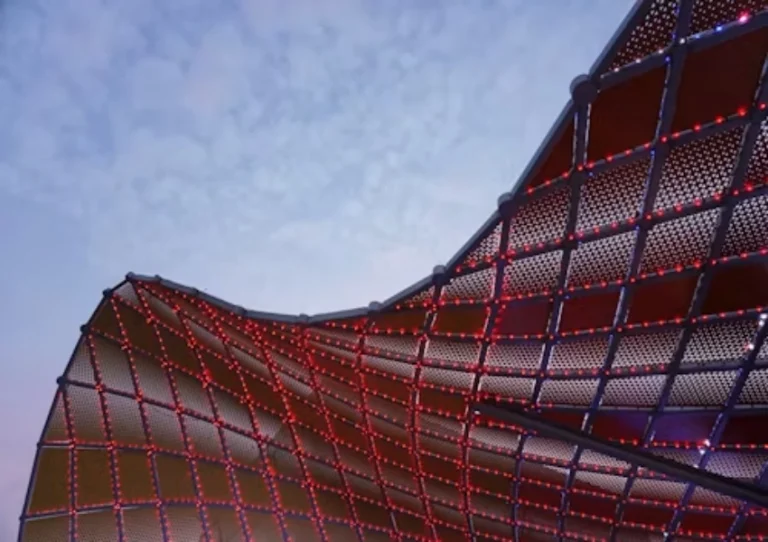
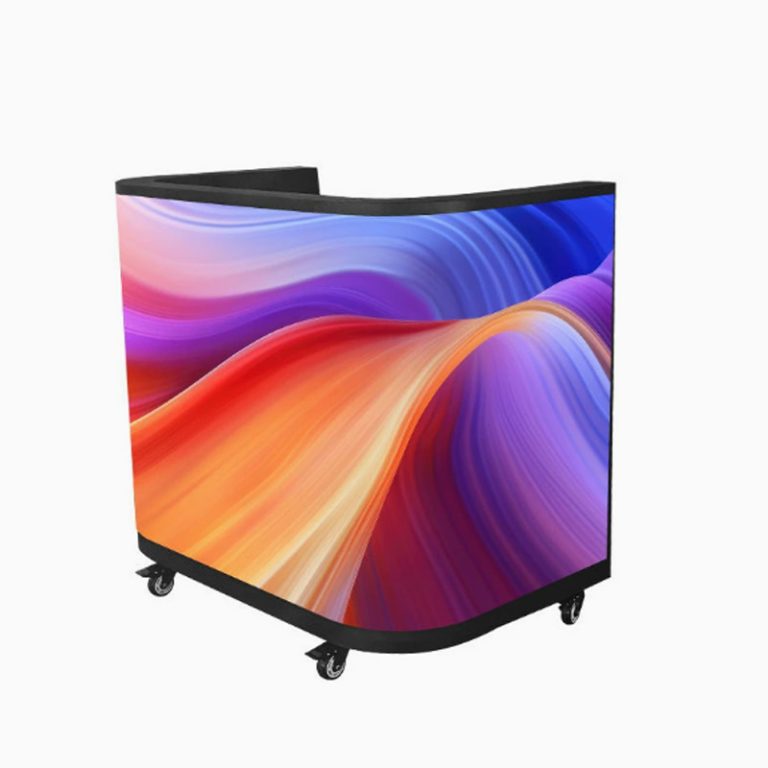
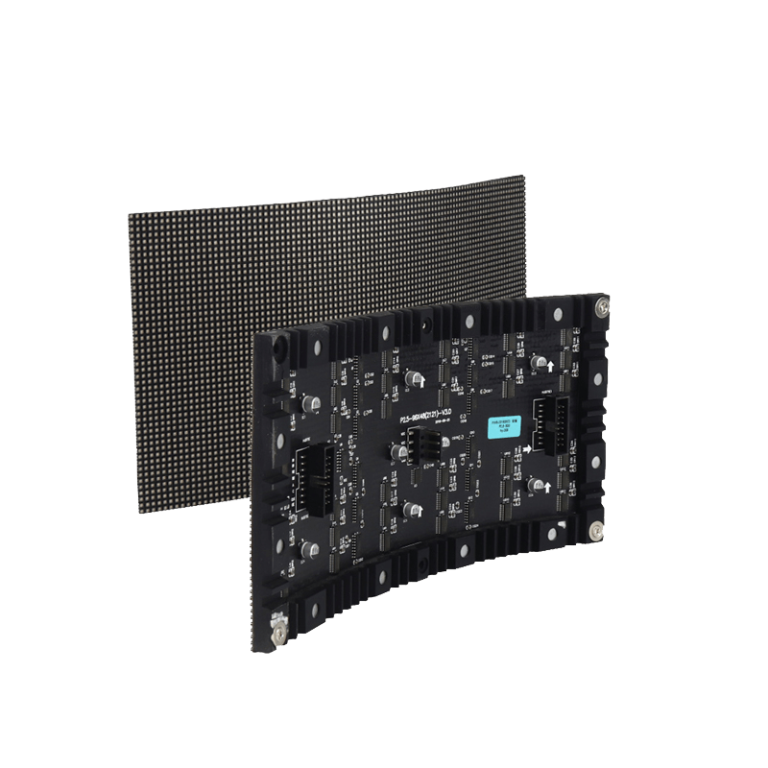
Como pontos-chave para compartilhar detalhes, salas de exposição contam com LED mostras muito, que se transformaram em um "coração visual". Pantalla Flexível LED mostra essa gama – pode curvar em formas dobradas ou redondas para ideias de estágio fresco, e mantém articulações suaves abaixo de 0,5 mm de espaço.
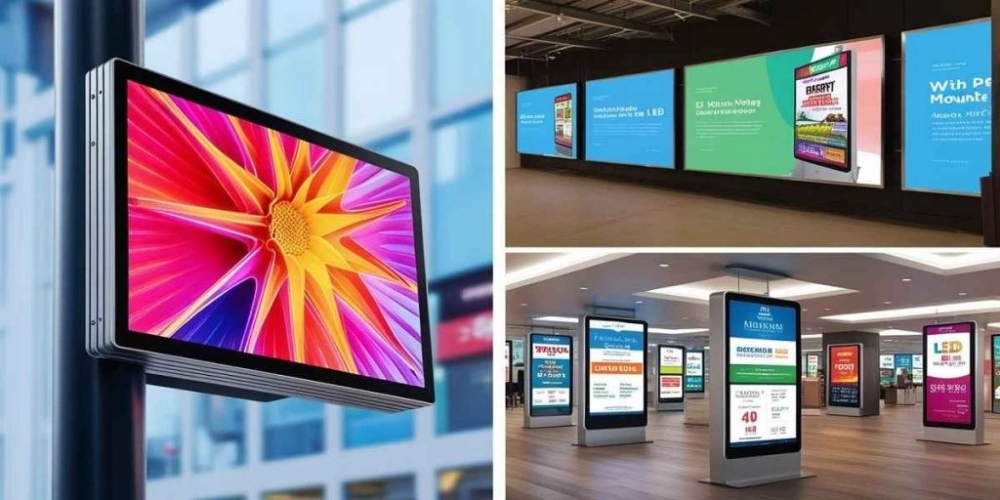
Aplicações ao ar livre: Advertising, Transportation Hubs, and Public Displays
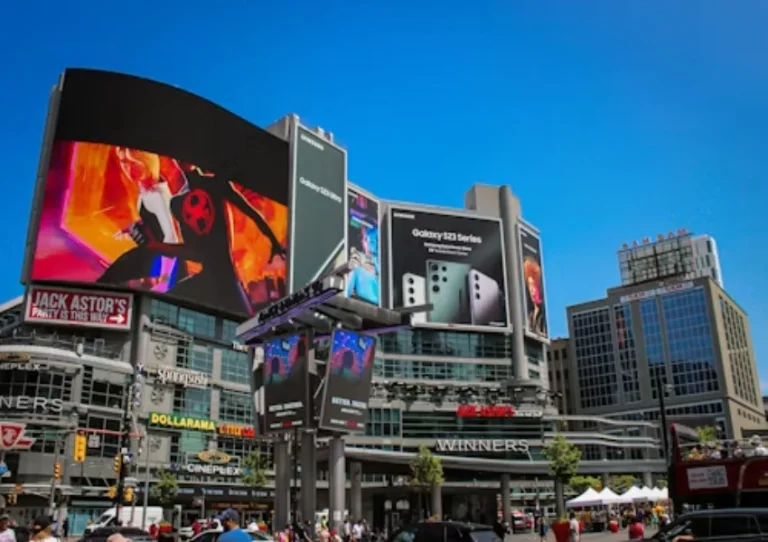
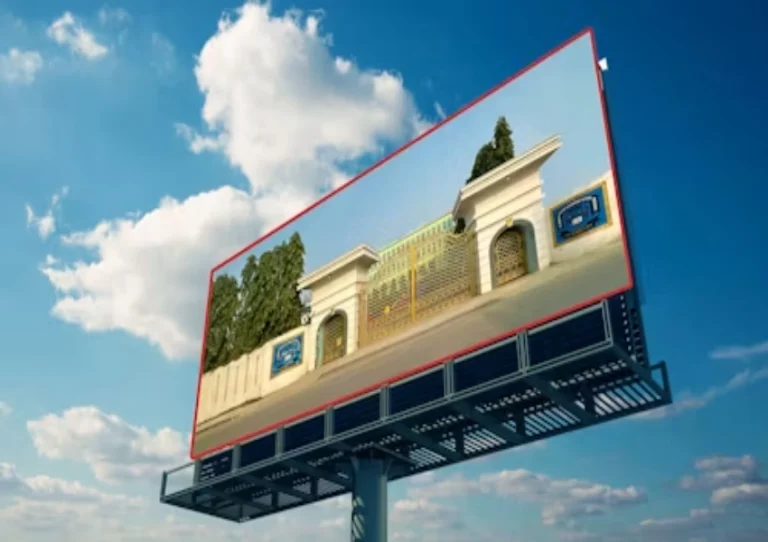
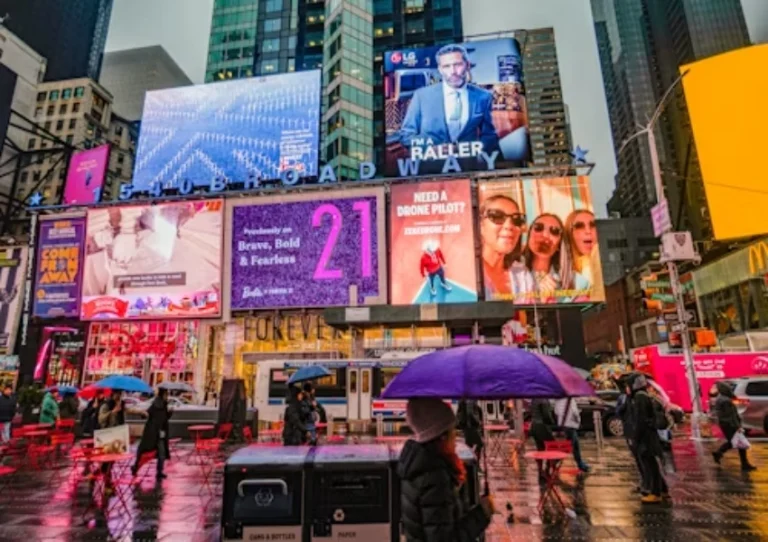
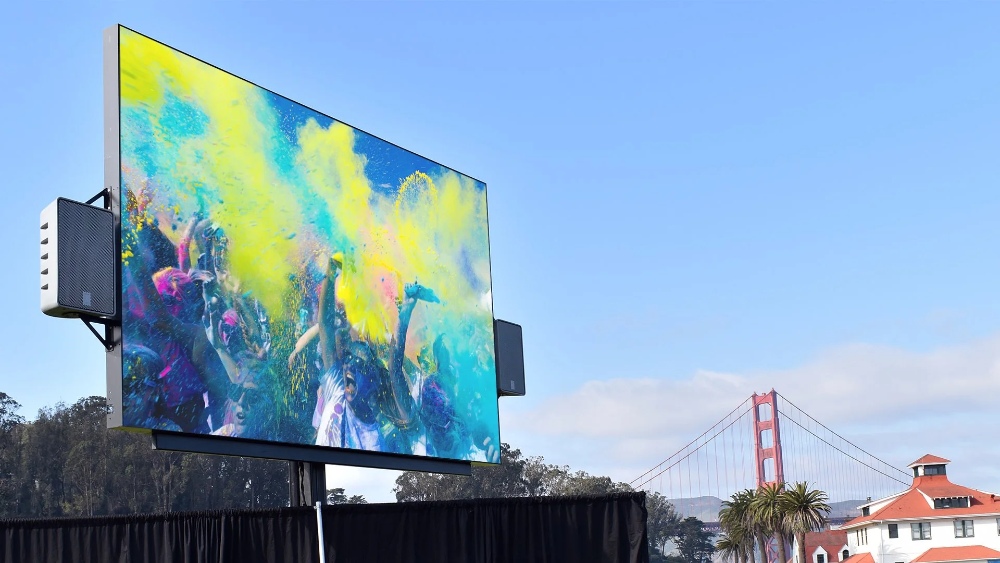
As instalações externas devem enfrentar raios solares, chuva, forças de vento e mudanças de calor sem cair luz ou construção firme. Os ecrãs de anúncio externo sentam-se em todas as partes dos caminhos diários dos compradores, assegurando-se que os compradores apanham o ponto principal rápido. Nossa Visualização externa P6 mostra essa rigidez com guardas IP65 contra água e terra enquanto mantém fotos agudas dia ou noite.
Eficiência de custos e análise da sustentabilidade operacional
Além da produção tecnológica, a longevidade econômica entra em jogo, pesando os custos iniciais contra o valor contínuo.
Inicial Investment vs Operational Value Over Time
A sinalização fixa muitas vezes enfrenta menores custos de início das peças básicas; Ainda assim, as telas vivas ganham maior gasto apoiando tipos de conteúdo variados como vídeos ligados ao vivo ou discos de toque que aumentam o interesse do espectador ao longo do tempo.
Patrões de consumo de energia e impacto ambiental
O uso de energia muda por tipo de tarefa: sinalização fixa usa menos energia cada hora do que telas de vídeo vivas, mas chips frescos restringem essa diferença muito. O uso de baixa energia e uma long a vida, até 100.000 horas ou mais, adequados para tarefas de longo prazo e estabilidade. Esses passos fazem ambas as escolhas acrescentam bem ao edifício digital verde’ s objetivos.
Escolha entre sinalização LED e telas LED: Considerações Estratégicas
Escolhar entre essas tecnologias depende de objetivos de mensagens, não apenas partes.
Coincidir o tipo de visualização com os Objetivos de Comunicação
Os grupos devem verificar se querem visão de marcas fixas ou contos vivos através de conteúdos em movimento. O intervalo de visão também decide a chave – uma tela de posição estreita como a série P3 se encaixa perto das visões, enquanto a sinalização de posição maior se encaixa com sinais rodoviários ou lados de construção que precisam de luz forte de segurança sobre os intervalos.
Futura Escalabilidade e Potencial de Integração
Ambas as instalações sustentam o crescimento modular, mas elas variam em profundidade de ligação com redes IoT ou redes inteligentes da cidade. À medida que as cidades se mudam para pontos digitais ligados, escolher mostras crescentes assegura um futuro adequado sem custos de troca completos.
Leyaled: Introdução breve
Na nossa base em Leyaledfocamos em fazer ambos os tipos sob regras de qualidade rigorosas aprovadas pelas marcas ISO 9001:2008 e CE. Nossa fábrica em Shenzhen cobre 7.200 m ² com oito linhas automobilísticas SMT instaladas para construir exibições de cor completa indoor/outdoor feitas para os mercados mundiais. Com 15 anos de conhecimento apoiado por uma equipe de mais de 50 em R&D, D, habilitado em design ligeiro e manejo inteligente de energia, oferecemos trabalho personalizado OEM/ODM em sete dias após o plano estar bem, fazendo configurações rápidas que correspondam às necessidades do cliente em empregos de exibição de negócios em todo o mundo.
Nossa visão insiste em dar respostas construídas exatamente que misturam rigidez com ideias frescas – de configurações curvas dobráveis a grandes painéis de anúncios externos – todos apoiados por ajuda completa após vendas através de nossa rede de serviços mundial. Para perguntas sobre construções de projetos personalizados ou conselhos de itens adequados às necessidades de seu local, nós os acolhemos para conectar através de nosso página de contato.
FAQ
Q1: O que define a diferença principal entre sinalização LED e uma tela LED?
A1: A lacuna chave depende do papel – a sinalização LED mostra notas fixas ou parcialmente alteradas para o trabalho sem parar em níveis de luz fixos; As telas LED gerem vídeos em movimento completo com fortes configurações de controle que voltam ao toque ao vivo.
Q2: Como o pico afeta a qualidade da imagem?
A2: Os picos mais rigorosos tornam imagens mais claras adequadas para vistas mais próximas; Os pontos mais amplos aumentam a visão de longe enquanto cortam custos por metro quadrado, então a escolha depende da configuração sobre detalhes puros.
Q3: As telas flexíveis de LED são confiáveis ao ar livre?
A3: Sim; Tipos flexíveis atuais como a série P3 usam bases de poliímides com coberturas resistentes ao calor que permitem manter uma construção firme em mudanças climáticas ao mesmo tempo que dando unições suaves para novas tarefas de construção.