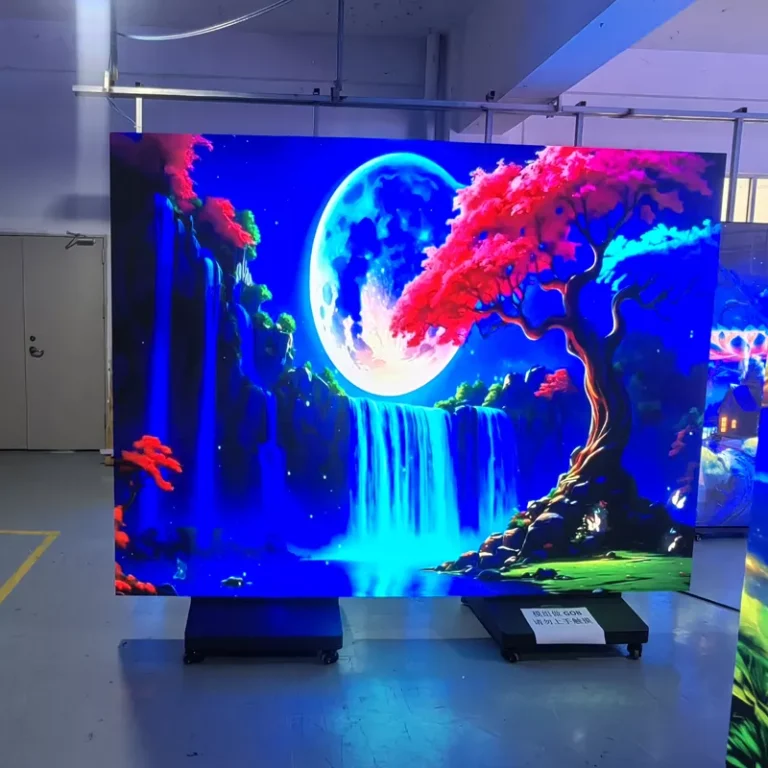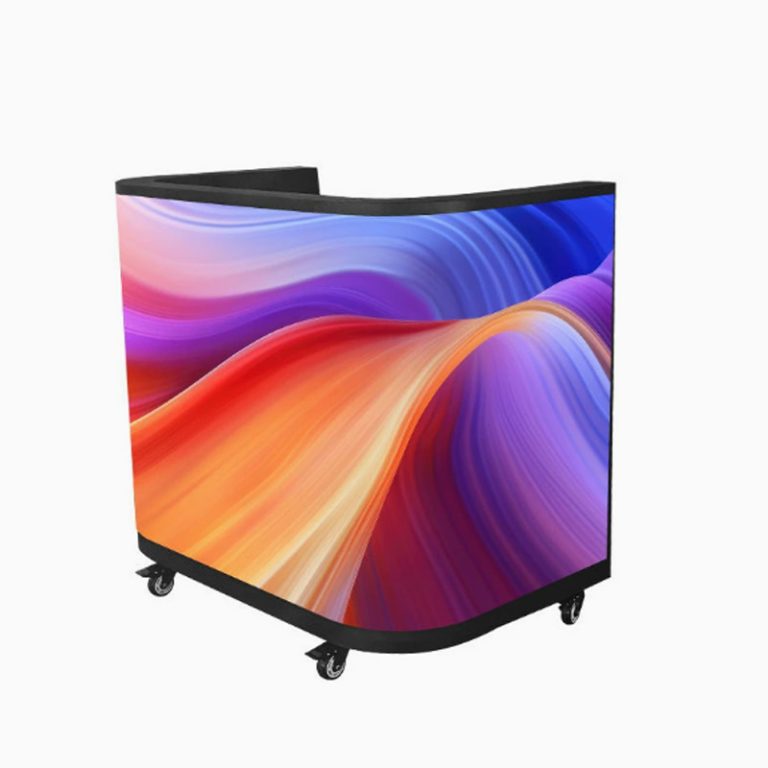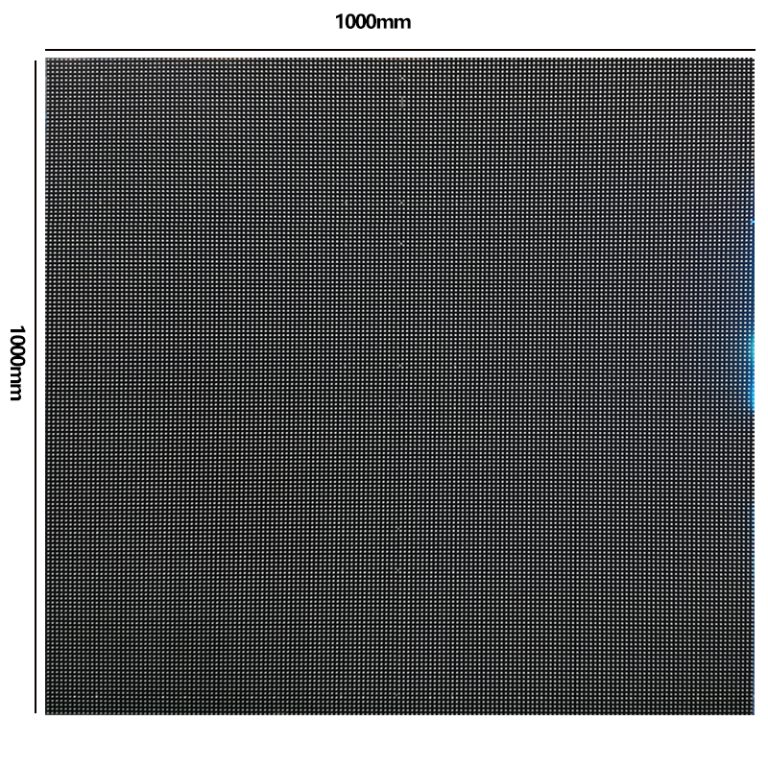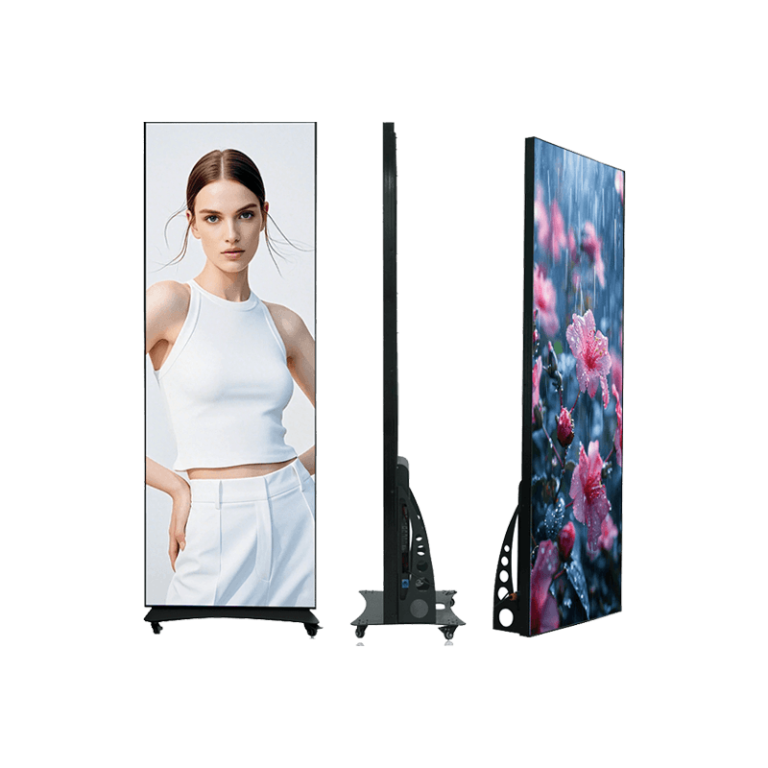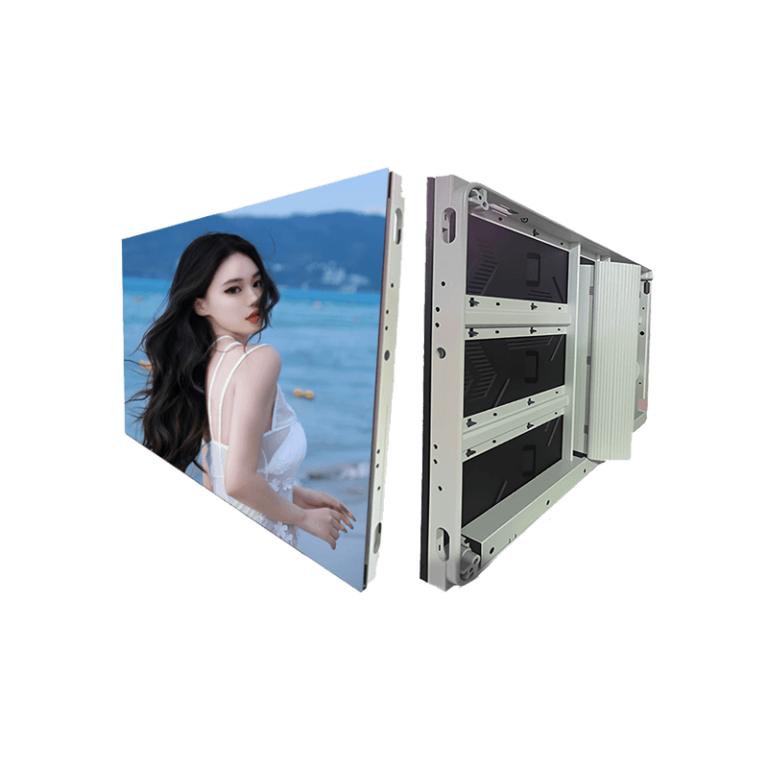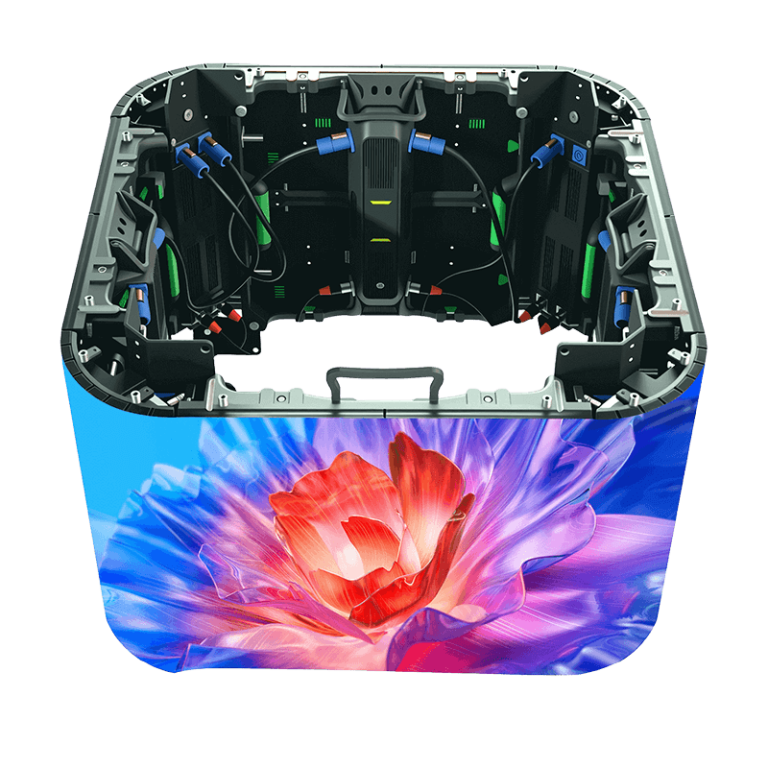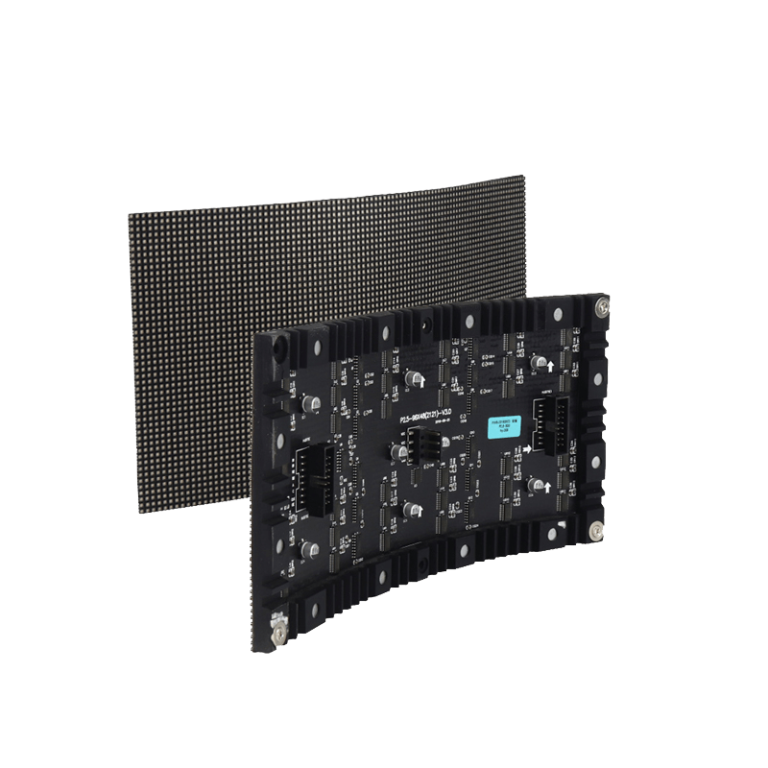
Bulk ordering changes the risk profile of an LED project. A sample may look good for an hour in a meeting room, then the first large shipment reveals a color shift, mismatched cabinet dimensions, weak packing, unclear spare parts, or a service process that ends after payment. The strongest LED display manufacturer is not simply the one with an attractive price. It is the supplier that can show how the product will remain consistent from the approved sample through final inspection and field replacement.
The first job is to make the specification comparable. State the pitch, cabinet size, use environment, viewing distance, brightness range, refresh or scan requirement where relevant, control system, service method, accessories, delivery terms, spare allowance, and acceptance test. A vague request for an LED wall makes it easy for an LED screen supplier to quote different products under the same name.
Check the Factory Against the Product You Need
Ask an LED display factory what it actually builds, what it sources, and which production stage controls the final result. A supplier may offer indoor, outdoor, fixed, flexible, and poster formats, but that does not mean every line is equally mature. Request the proposed bill of materials, module and cabinet drawings, process photographs for the relevant product family, and an explanation of who owns quality decisions when components change.
Do not treat a factory visit as a showroom tour. Trace one order path: incoming components, module assembly, cabinet assembly, power and signal work, calibration, aging, packaging, and shipment records. Leyaled has integrated LED display manufacturing, independent factory buildings, automated production lines, and product coverage across indoor and outdoor full-color displays and modules. It also describes 72-hour extreme testing, including temperature cycling and brightness-decay checks. Ask for evidence tied to the quoted configuration, not a generic slide.
Separate Capacity Claims From Control Evidence
Output volume matters only when it can be maintained without product drift. Instead of accepting a large capacity claim, ask how production batches are identified, how substitute LEDs or driver components are approved, and how calibration data follows modules or cabinets. If the supplier cannot explain the lot-control process, a large order may combine hardware that looks similar but ages or colors differently.
Inspect Module and Cabinet Consistency
The module is where many visible issues begin. Check dead pixels, dim pixels, stuck colors, dark lines, bright lines, damaged masks, connector seating, and uniformity across a full wall rather than one panel. Run solid red, green, blue, white, gray, and black test patterns at the intended operating brightness. Then inspect the wall from the normal viewing distance and a close service distance. A single good module is not proof of a stable batch.
Cabinet consistency matters just as much. Verify cabinet dimensions, flatness, lock fit, corner protection, power boxes, signal routing, labels, and the ability to swap a module without creating a visible seam. For a close-view display, a fine-pitch indoor display can be a useful product route for discussing pitch and cabinet alignment. The buyer should still request the exact tolerance and service method for the product actually ordered.
Ask for Test Evidence and Clear Acceptance Rules
LED display quality control should have named tests, not a promise that products are checked. Build an acceptance checklist around visual inspection, dead-pixel criteria, color and brightness uniformity, power-on stability, input switching, heat behavior, mechanical assembly, and the final packaging list. If the screen will be outdoors, add the relevant ingress rating, connector protection, sealing method, structure documents, and site-specific installation conditions.
An IP label is not enough by itself. Confirm whether it applies to the cabinet face, rear, connectors, installed joints, or a particular orientation. The same care applies to structural claims. Ask for cabinet drawings, mounting points, weight, maintenance access, and the load information required by the project engineer. An ar livre P2.604 tela product path illustrates why configuration detail matters; a fixo LED display discussion should reach these documents before the purchase order is released, not after the support steel is installed.

Use a Pre-Shipment Inspection That Matches the Real Project
The pre-shipment inspection should use the actual order, not a perfect demonstration set. Power up enough cabinets to reveal batch variation. Check the controller and inputs that will be delivered. Compare module serial or batch references with the agreed list. Photograph packing, spare kits, labels, accessories, and cabinet corners before sealing the shipment. If an independent inspector is used, give that person a written acceptance standard rather than a vague instruction to check quality.
Protect the Order With Samples, Spares, and Documentation
A sample is most useful when it becomes the reference standard. Keep its configuration, brightness setting, color preset, module type, cabinet details, and test record. If the production run changes a core component, the buyer should know before shipment. This does not mean every approved engineering adjustment is unacceptable; it means substitutions require a traceable review instead of a surprise in the container.
Spare modules, receiving cards, power supplies, cables, masks, and locks need their own line items. The correct ratio depends on screen area, product type, service access, and how quickly the site can receive replacements, so it should be agreed upon rather than guessed. A custom LED display manufacturer should also provide drawings, wiring information, controller settings, packing lists, test records, and an after-sales boundary that states response routes, warranty scope, and exclusions.
Choose a Supplier That Can Support the Handover
The final decision should weigh price against the evidence trail. Compare the technical specification, materials disclosure, sample match, test record, packing plan, spare plan, inspection procedure, installation support, and fault-response process. A lower initial offer can become expensive if the buyer has no practical way to identify the right replacement module or prove that a delivered cabinet differs from the sample.
Leyaled's display manufacturing capability can be evaluated through the same lens: request the proposed product details, factory test evidence, service plan, and a sample-to-mass-production comparison. The knowledge base describes technical personnel, automated lines, quality testing, and support practices, but every bulk order needs its own verified document pack. That discipline gives the buyer a fair basis for choosing an LED display manufacturer before the quantity is locked.
FAQ
Q1: What is the most important check before a bulk LED order?
A1: Match the approved sample to a written specification and acceptance plan. The order should state modules, cabinets, controls, testing, spares, packaging, and the evidence required before shipment.
Q2: How can buyers check color consistency?
A2: Inspect a representative assembled wall using solid colors, grays, low brightness, normal brightness, and moving content. Check from a normal viewing distance as well as near the cabinets.
Q3: Should a buyer rely on an IP rating alone?
A3: No. Confirm the exact protected parts, joints, connectors, installation orientation, maintenance process, and supporting structure for the selected outdoor product.