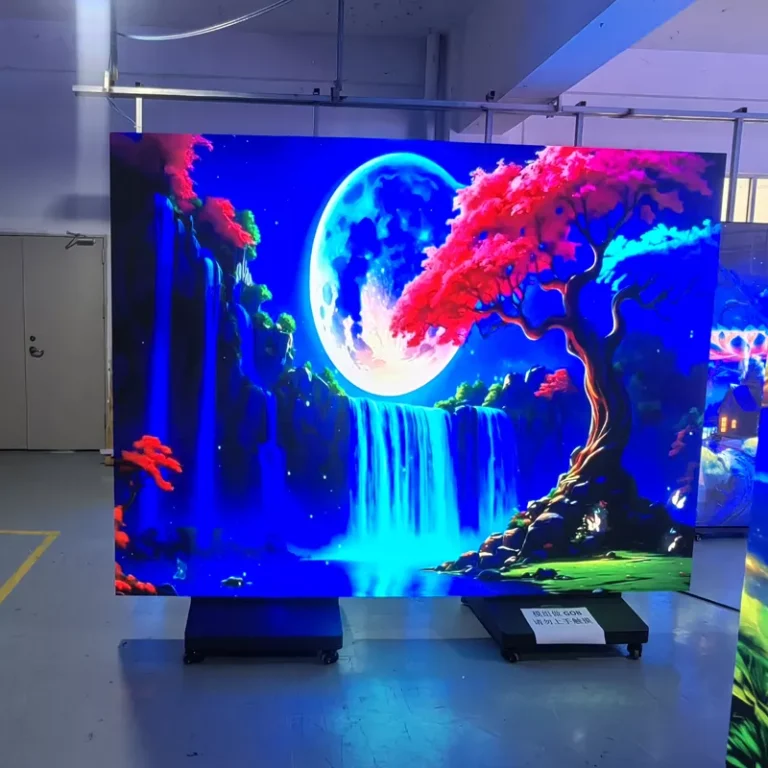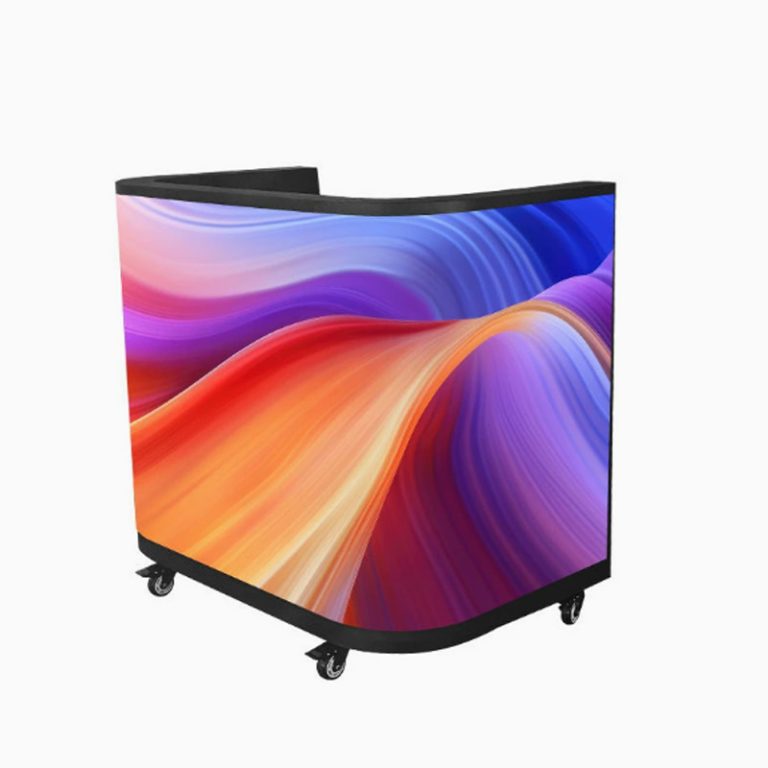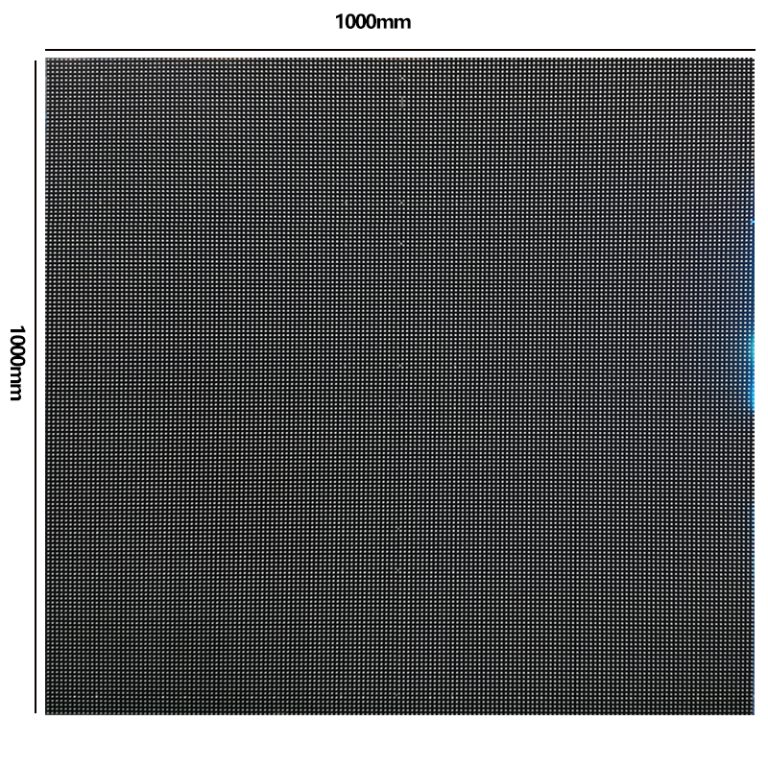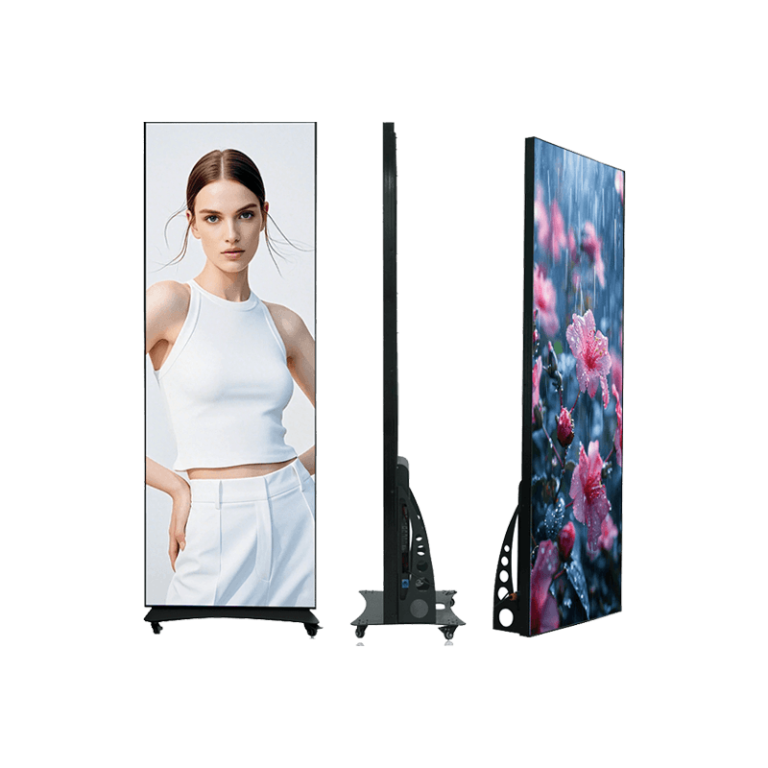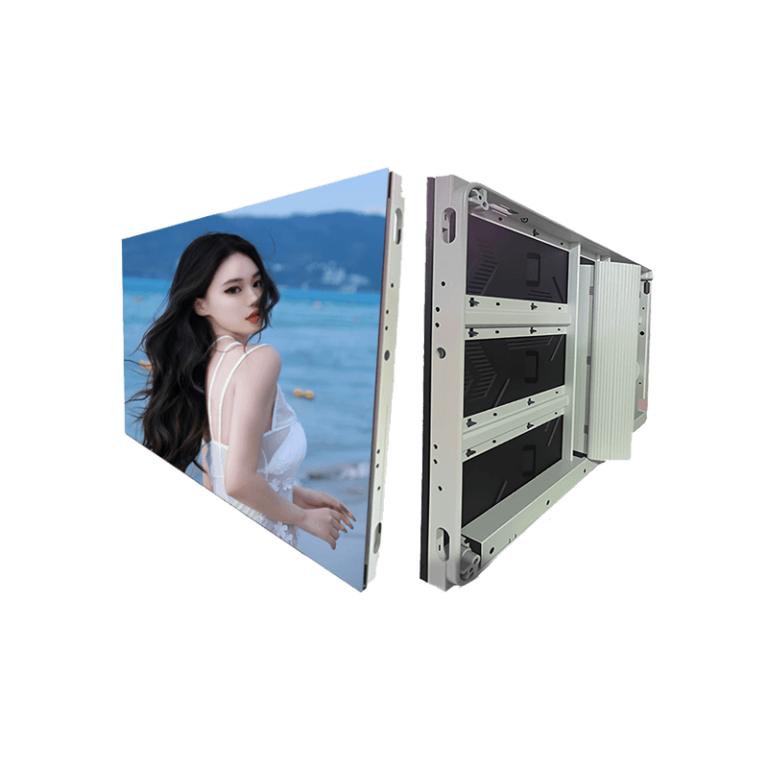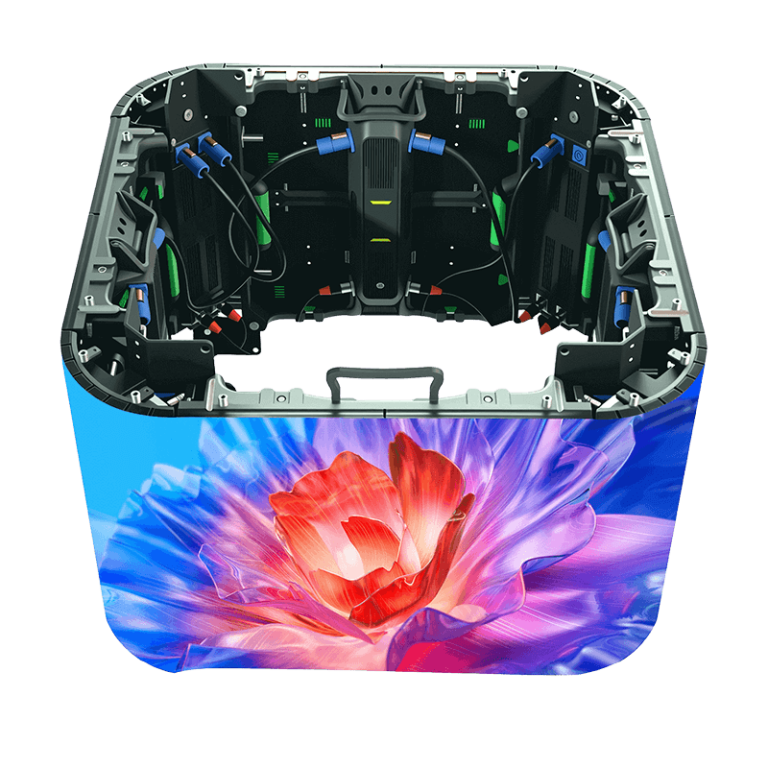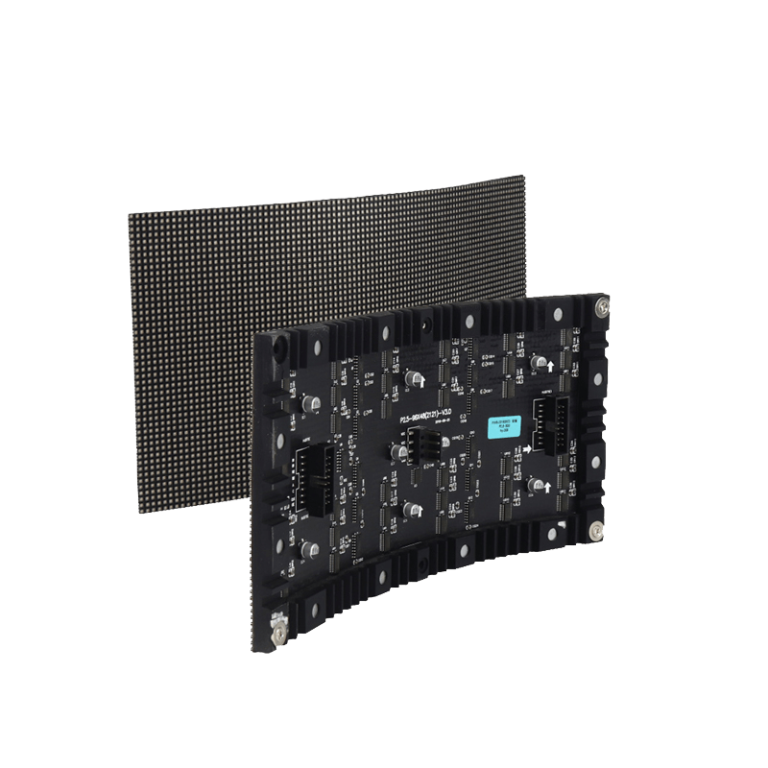
As telas de LED transparentes remodelaram o campo da exibição, mesclando imagens digitais com o ambiente cotidiano. Seu valor reside tanto nos visuais impressionantes quanto na engenharia inteligente que permite a passagem da luz, mantendo a nitidez da imagem.
Princípios fundamentais por trás dos displays de LED transparentes
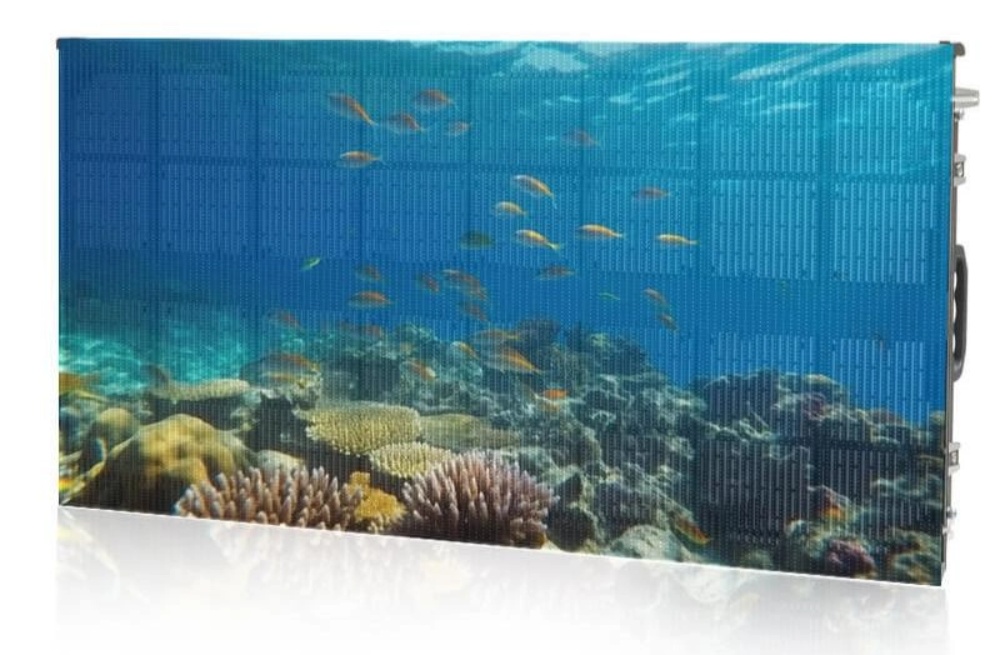
Os painéis de LED transparentes se diferenciam das telas de LED comuns por permitirem que a luz atravesse a superfície do display. É comum vermos displays de LED semitransparentes em vitrines de lojas, tanto em ambientes externos quanto internos. Esses displays exibem anúncios sem bloquear a luz natural. Cada módulo transparente utiliza tiras de PCB muito finas com micro-LEDs. As tiras são dispostas em um padrão que deixa espaços abertos, permitindo que os espectadores vejam através da tela. Os displays de LED transparentes atingem uma taxa de transparência de 65% a 90%, e cada tira de LED tem apenas 2 mm de espessura. A disposição lado a lado das tiras forma espaços que produzem o efeito de transparência.
Toda a estrutura depende de placas de circuito impresso cuidadosamente fabricadas e micro-LEDs selados que enviam luz diretamente para o observador, bloqueando o mínimo possível. A visibilidade nítida é obtida por meio de bases ocas ou de vidro que equilibram a quantidade de pixels com a passagem de luz. Telas transparentes geralmente oferecem uma taxa de transparência de 40% a 90%, dependendo do modelo. Elas utilizam designs com LEDs de vidro ou ocos para que a visão por trás permaneça clara.
Componentes-chave que definem transparência e brilho
Os fabricantes escolhem materiais de alta transparência, como vidro de qualidade óptica e películas condutoras transparentes, para obter tanto nitidez quanto brilho. O número e a disposição dos LEDs moldam a nitidez e a transparência da imagem simultaneamente. Um espaçamento entre pixels menor melhora a resolução, mas reduz a transmissão de luz. As configurações de brilho mantêm a tela visível mesmo sob forte luz solar. Em uso normal, o brilho ultrapassa 6000 cd e pode chegar a dezenas de milhares de cd quando necessário. Essa flexibilidade permite que os displays de LED transparentes funcionem bem tanto em lojas internas quanto em fachadas de edifícios.
Complexidade da Engenharia e Desafios de Produção
Cada tela de LED transparente passa por um processo de produção detalhado que exige engenharia precisa e ideias inovadoras em relação aos materiais.
Processos de fabricação avançados
Cada tela requer uma montagem cuidadosa, onde LEDs ultrafinos são colocados em bases transparentes sem comprometer a resistência. Manter o brilho uniforme em grandes áreas continua sendo um desafio, pois o fluxo de corrente e o alinhamento da luz podem variar. Telas de LED com grade transparente geralmente utilizam uma placa de circuito impresso com um centro oco para permitir a visualização. A adição de sistemas de resfriamento traz outro problema, já que o ar precisa circular sem obstruir a visão. A convecção passiva resolve esse problema em vez de grandes ventiladores ou unidades de ar condicionado.
Fatores de custo na produção de telas de LED transparentes
O custo de uma tela de LED transparente reflete suas exigências técnicas. Materiais de alta qualidade, como películas de vidro condutoras e chips micro-LED, elevam os custos de produção. Etapas personalizadas exigem ferramentas especiais e mão de obra especializada, o que aumenta ainda mais as despesas. A escala de produção limitada, em comparação com telas de LED convencionais, também eleva o preço unitário, pois a economia de escala é menor. Esses custos se justificam considerando a melhor qualidade de imagem e o menor consumo de energia que as telas comuns não conseguem igualar.
Vantagens de desempenho em relação aos displays de LED convencionais
Os displays transparentes representam um avanço, e não apenas uma pequena atualização. Eles criam novas experiências visuais, ao mesmo tempo que utilizam o espaço e a energia de forma mais inteligente.
Estética visual e integração arquitetônica
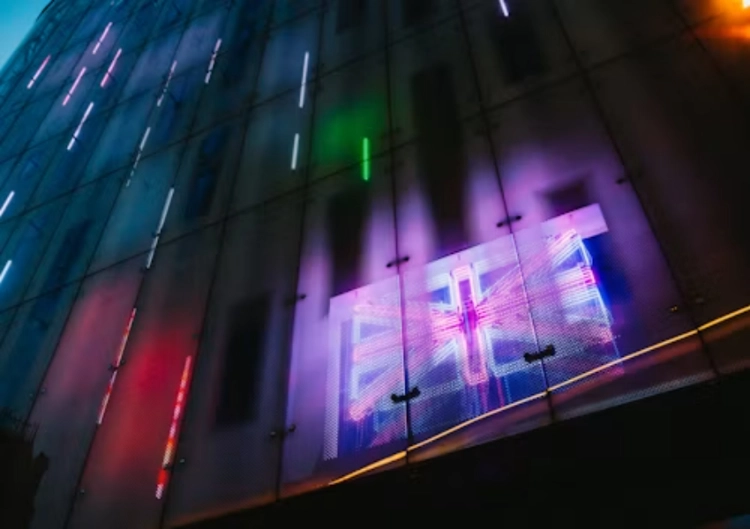
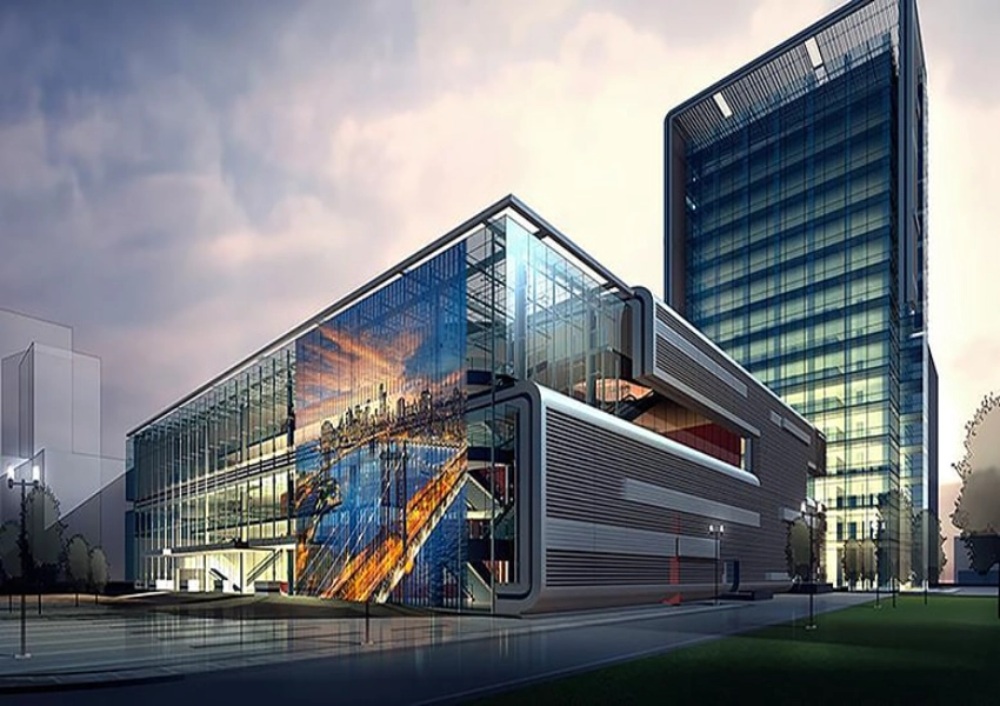
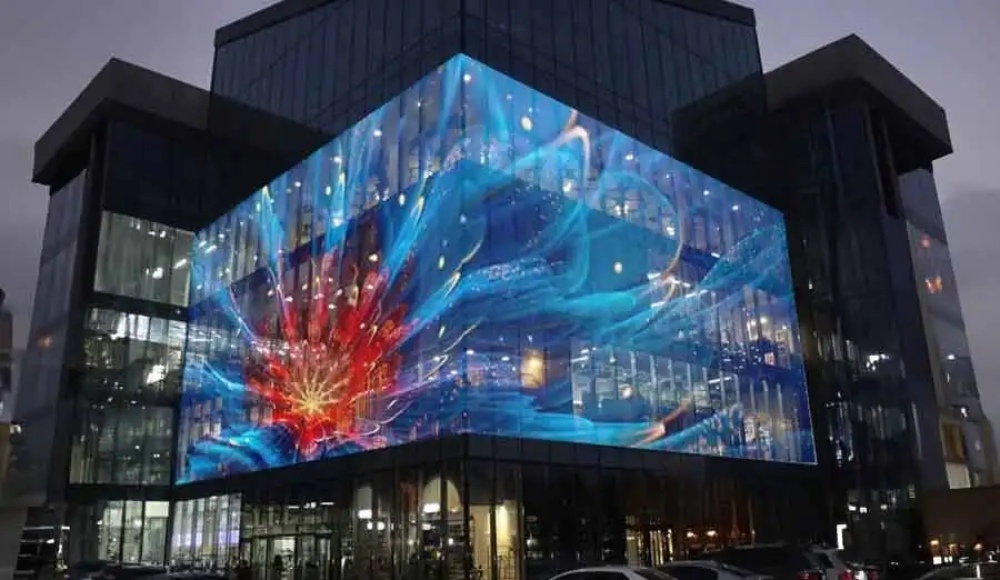
A principal vantagem reside na forma como se integram perfeitamente aos edifícios. Oferecem alta transparência e perfis finos. Quando fixadas em fachadas de vidro ou painéis de fundo de palco, mantêm a luz natural enquanto exibem conteúdo brilhante que parece flutuar no ar. O design de tiras vazadas se integra a estruturas modernas sem adicionar volume ou obstruir a visão. Quando as telas transparentes são instaladas em fachadas de vidro, não alteram a entrada de luz natural no edifício durante o dia. Essa combinação de vistas panorâmicas e sinalização em movimento é ideal para lojas de alto padrão, hotéis e espaços culturais que desejam displays digitais elegantes como os nossos. Pantalla LED transparente.
Eficiência energética e benefícios operacionais
O desempenho energético está entre seus pontos fortes. Os displays de LED transparentes funcionam com alta transparência, sem ruído e com baixo consumo de energia. Não precisam de equipamentos de refrigeração adicionais e resfriam naturalmente através do fluxo de ar. Como apenas os pixels ativos são iluminados, em vez de toda a iluminação de fundo, esses sistemas reduzem o consumo de energia em mais de 30% em comparação com os modelos padrão. A menor geração de calor contribui para uma maior vida útil dos componentes. A construção modular simplifica os reparos, já que módulos individuais com defeito podem ser substituídos sem a necessidade de desmontar painéis inteiros, o que reduz o tempo de inatividade para usuários que operam 24 horas por dia, 7 dias por semana.
Aplicações de mercado que impulsionam a demanda por telas de LED transparentes
A natureza flexível da tecnologia LED transparente permite sua utilização em diversos setores que buscam tanto comunicação eficaz quanto uma estética aprimorada.
Ambientes comerciais e de varejo
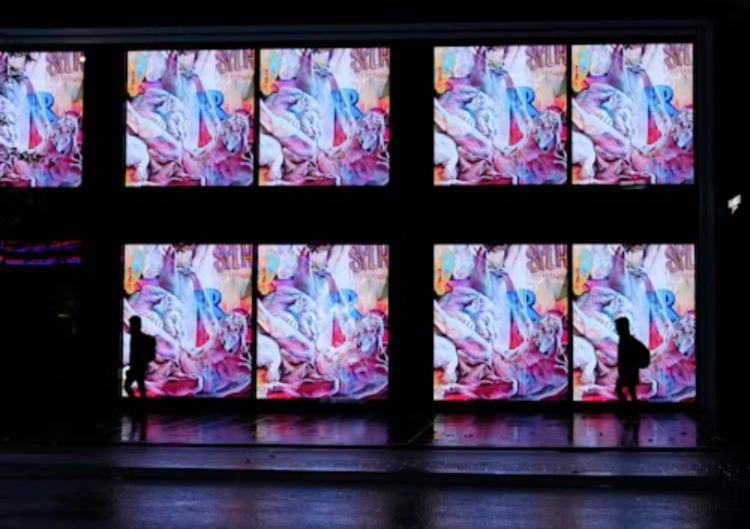
Lojistas instalam displays transparentes nas vitrines para exibir vídeos promocionais sem esconder os produtos. Essa escolha aumenta o engajamento do cliente em até 25%. Telas de LED transparentes em formato de grade são ideais para fachadas de vidro de médio e grande porte. Os consumidores veem essas instalações como ferramentas de branding modernas e discretas, que melhoram o ambiente e promovem os produtos do dia para a noite.
Usos corporativos, de exposição e de entretenimento
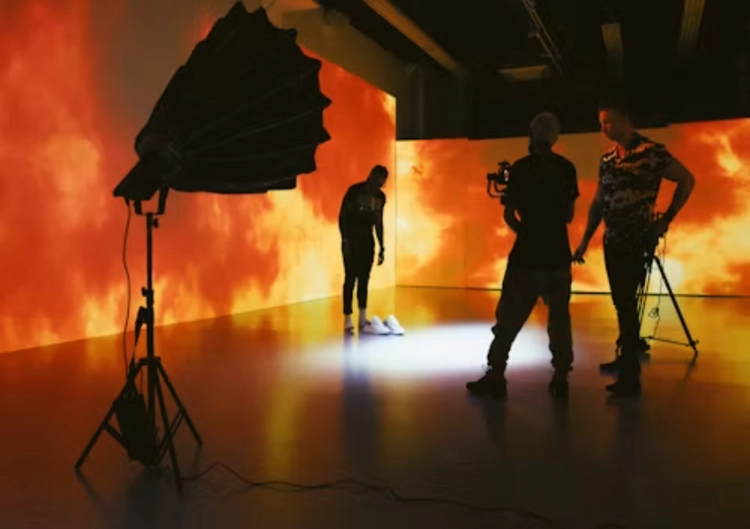
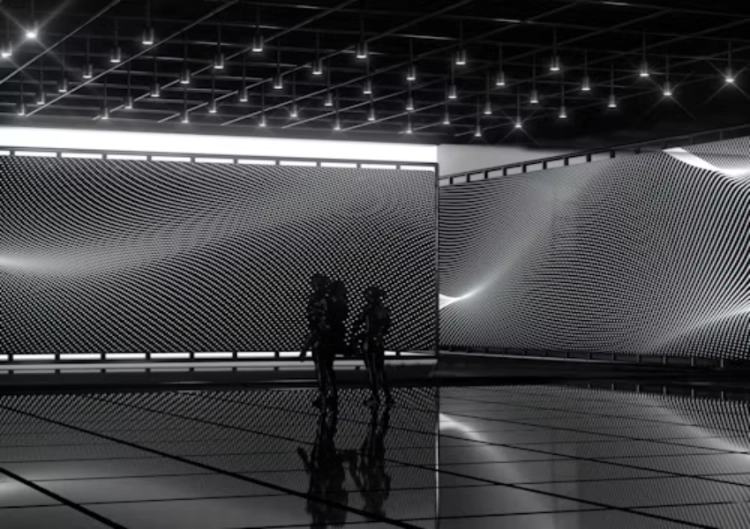
Os lobbies corporativos usam-nos nas áreas de recepção para atualizações ao vivo ou histórias da marca. Os museus instalam-nos acima das exposições para notas interativas. Os espetáculos cênicos utilizam-nos como cenários mutáveis que misturam artistas ao vivo com animações gráficas digitais para criar fortes efeitos espaciais. As opções de montagem flexíveis ajudam, como demonstrado em Soluções Leyaled. Em salões de joias, telas de LED transparentes criam a ilusão de que as peças em exposição flutuam sobre fundos em movimento. Essa variedade explica por que a demanda por ferramentas visuais inovadoras continua crescendo entre os organizadores de eventos.
Fatores que influenciam a precificação de telas de LED transparentes em diferentes mercados
Os preços variam em todo o mundo, mas diversos detalhes técnicos sempre influenciam o custo e o desempenho nesse grupo de sistemas de exibição avançados.
Especificações técnicas que afetam a variação de custos
Tamanho do pixel e densidade de resolução
O espaçamento entre pixels define a resolução da imagem. Quanto menor, mais nítida a imagem, porém o custo aumenta porque mais diodos cabem em cada metro quadrado, exigindo um posicionamento mais preciso durante a montagem SMT realizada em salas limpas em nossa unidade de Shenzhen, certificada pela norma ISO 9001:2008 (FWS Technology Co., Ltd.), equipada com 8 linhas de produção SMT automatizadas de última geração.
Níveis de brilho e precisão de cores
As versões para uso externo precisam de diodos muito brilhantes que mantenham a fidelidade de cor sob luz solar direta. Componentes de alta qualidade elevam o preço, mas garantem resultados consistentes em locais como shoppings ou terminais de aeroporto, onde os níveis de luminosidade variam frequentemente durante o horário comercial.
Requisitos de ambiente de instalação e personalização
Formas complexas de edifícios, como paredes de vidro curvas, exigem estruturas personalizadas que alinhem cargas e trajetórias de luz com precisão. Esse fator impacta os orçamentos de projetos personalizados, especialmente em obras emblemáticas que necessitam de junções perfeitas de ponta a ponta, como as encontradas em nossos edifícios. Sobre Nós Registros de projetos de locais em todo o mundo.
Avaliando a proposta de valor: por que o preço premium é justificado
Mesmo com um custo inicial mais elevado do que os LEDs ou LCDs padrão, as telas transparentes proporcionam ganhos claros a longo prazo, através de maior envolvimento do público, custos operacionais mais baixos e melhor adaptação ao ambiente.
Considerações sobre o retorno do investimento a longo prazo para empresas
As empresas se beneficiam de uma imagem de marca mais forte, pois as pessoas notam anúncios atraentes, porém discretos, que constroem identidade e aumentam o fluxo de clientes. Essa característica de visibilidade flexível pode aumentar as visitas noturnas à loja em 40% e a conversão de anúncios em 25%. A alta qualidade de construção também reduz as paradas para manutenção e diminui o custo total de propriedade ao longo dos anos, em comparação com sistemas de projeção que sofrem desgaste ou desvios de lâmpada.
Leyaled: Seu fornecedor de confiança de telas de LED
Em LeyaledNa FWS Technology Co., Ltd., investimos fortemente em soluções de displays transparentes que equilibram liberdade criativa e desempenho estável. Contamos com mais de quinze anos de experiência em fabricação integrada em nossa unidade de Shenzhen, na Zona Industrial de Liwu (a FWS Technology Co., Ltd. possui 14 anos de história e oito linhas de produção automatizadas SMT de última geração). Nossa equipe de P&D, com mais de cinquenta especialistas, trabalha no design óptico para manter a estabilidade das cores em diferentes condições de iluminação, ao mesmo tempo que mantém o consumo de energia baixo por metro quadrado. Isso é fundamental para a operação sustentável em edifícios com foco em eficiência energética em todo o mundo.
Para equipes que precisam de ferramentas visuais premium para edifícios comerciais ou espaços de marketing e desejam uma fusão perfeita entre clareza física e narrativa digital, convidamos você a conferir nossa linha completa no site oficial e entrar em contato conosco através do página de contato Para obter aconselhamento personalizado sobre o seu projeto.
FAQ
Q1O que determina se uma tela de LED transparente é adequada para instalação externa ou interna?
A1: Os modelos para uso externo priorizam o brilho acima de 6000 cd/m² e possuem carcaças resistentes às intempéries para suportar raios UV. Os modelos para uso interno utilizam pixels mais finos para melhor resolução em distâncias de visualização mais curtas.
Q2Como o espaçamento entre pixels influencia a qualidade do desempenho e o preço?
A2: Um espaçamento menor entre os pixels proporciona imagens mais nítidas, mas aumenta a complexidade de produção, uma vez que é necessário montar mais diodos por área, o que eleva os custos de material e montagem proporcionalmente à densidade.
Q3As telas de LED transparentes são compatíveis com tecnologias interativas como a realidade aumentada?
A3: Sim. Os sistemas de controle modernos lidam com rastreamento de gestos e camadas de realidade aumentada, permitindo que os usuários interajam com o conteúdo, mantendo intactas a taxa de transparência e a resistência do painel.