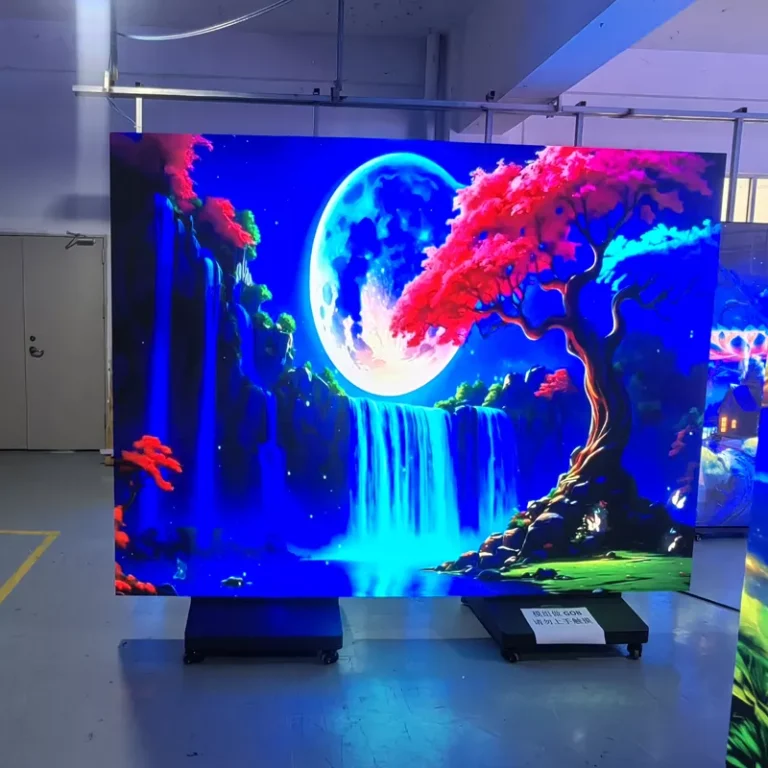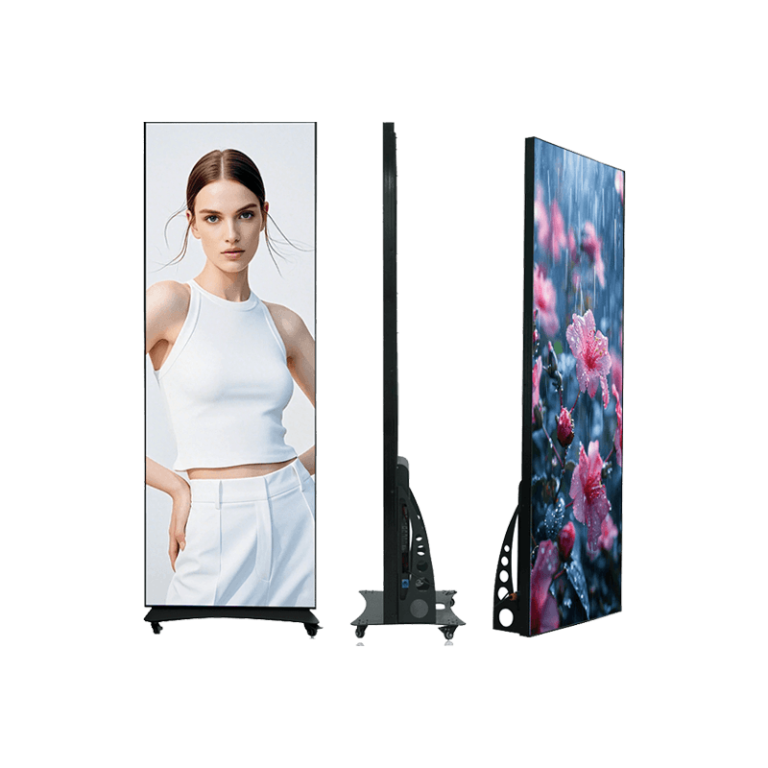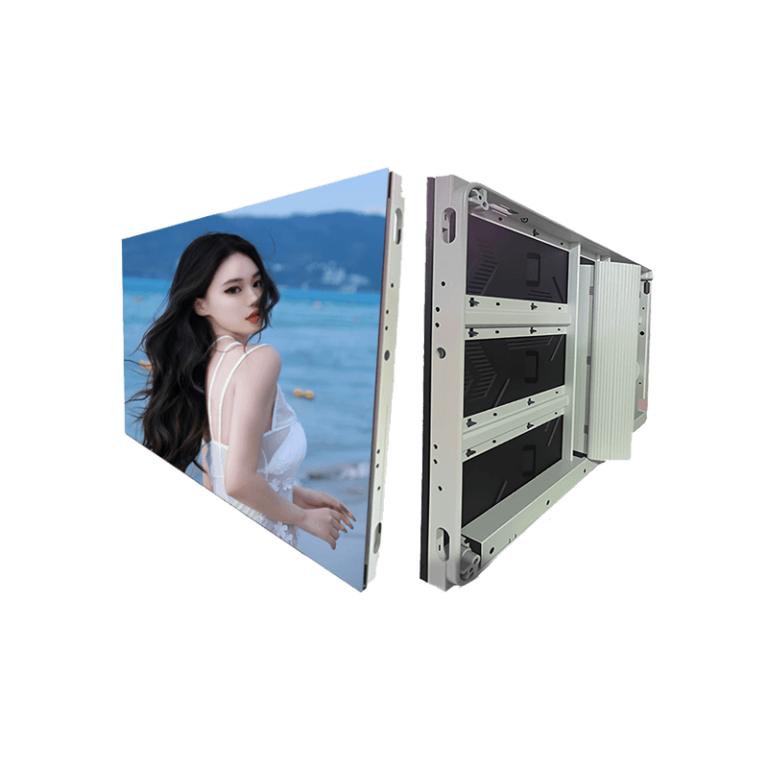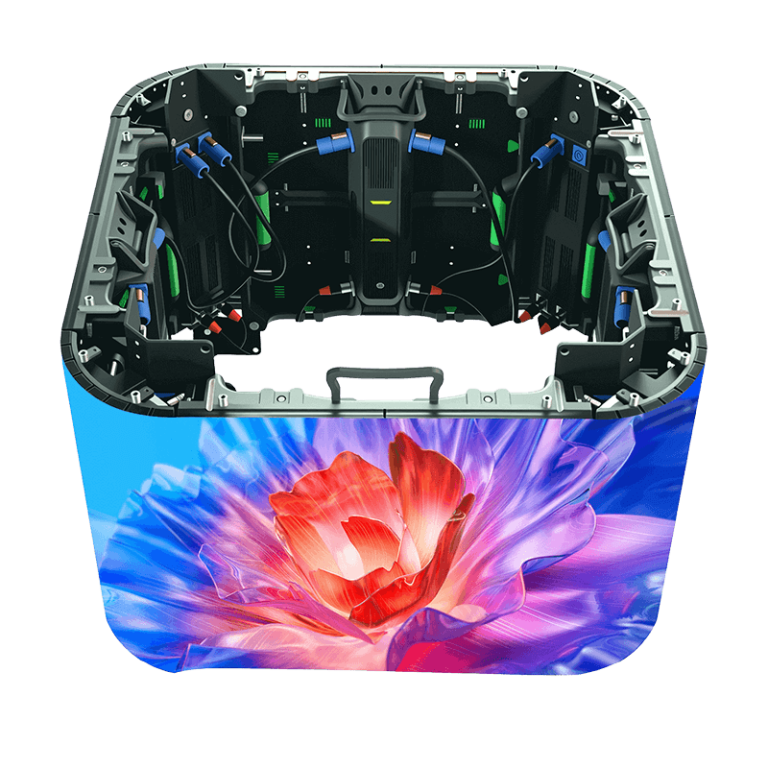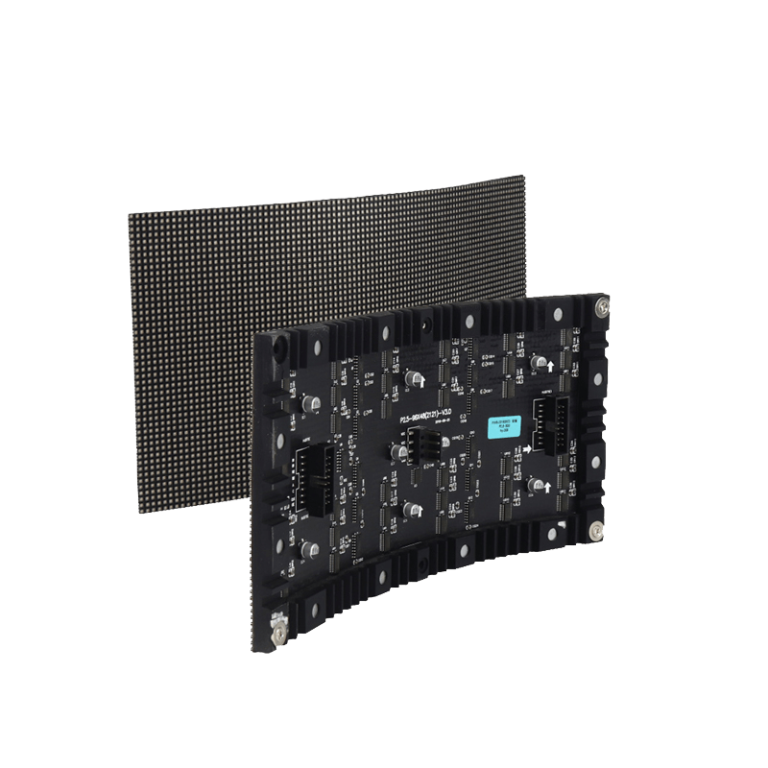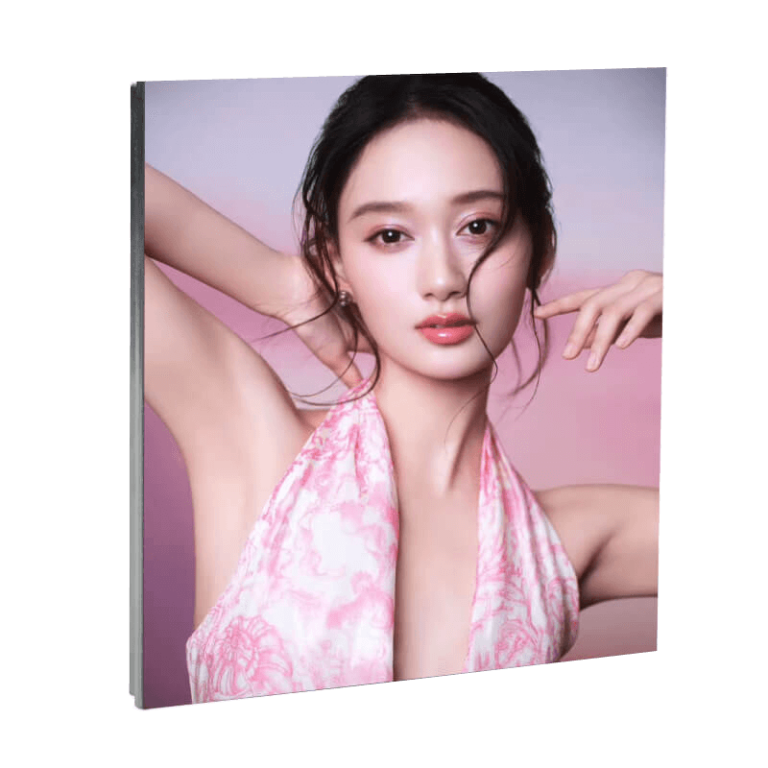
Les systèmes d'affichage intelligents s'appuient sur des innovations LED de pointe qui combinent commandes interactives et mises à jour instantanées des données. Ils offrent une image nette, des animations fluides et une gestion flexible du contenu. Le balayage dynamique assure une image stable, sans scintillement ni distorsion, tandis que les animations restent riches et variées. La vidéo est également fluide. Cette stabilité permet de passer facilement du texte aux graphiques et à la vidéo, tout en conservant une excellente clarté.
Les principes fondamentaux des systèmes d'affichage intelligents
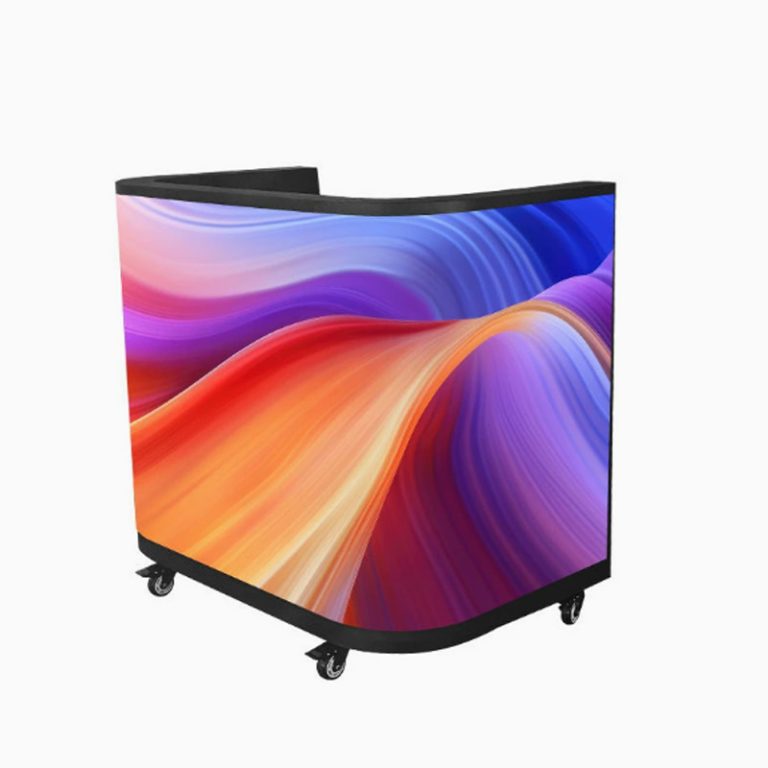
Des connexions robustes constituent un élément clé de ces installations. Les puces réseau Gigabit et la conception modulaire permettent aux utilisateurs de gérer les mises à jour à distance et les transferts de données longue portée sans répéteurs supplémentaires. La conception modulaire réduit également le temps de maintenance et permet une installation flexible dans des lieux tels que les salons professionnels ou les salles de surveillance. Par exemple, notre Affichage LED en aluminium de profil Il offre un accès à la fois par l'avant et par l'arrière et fonctionne avec les configurations incurvées pour des visuels plus attrayants.
Bases techniques de la technologie d'écran vert
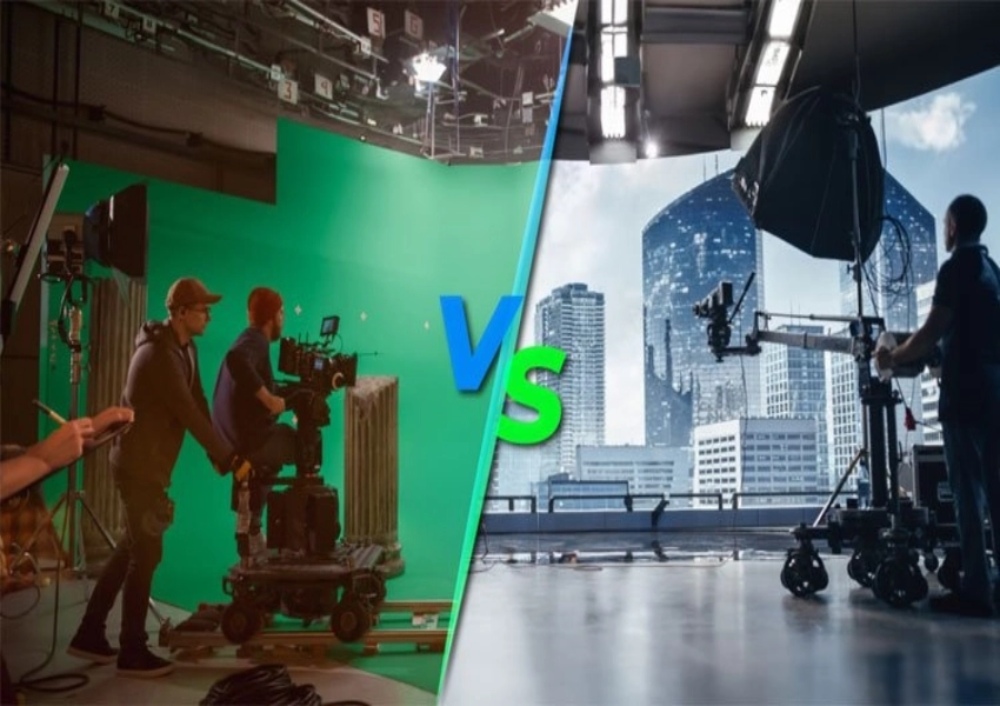
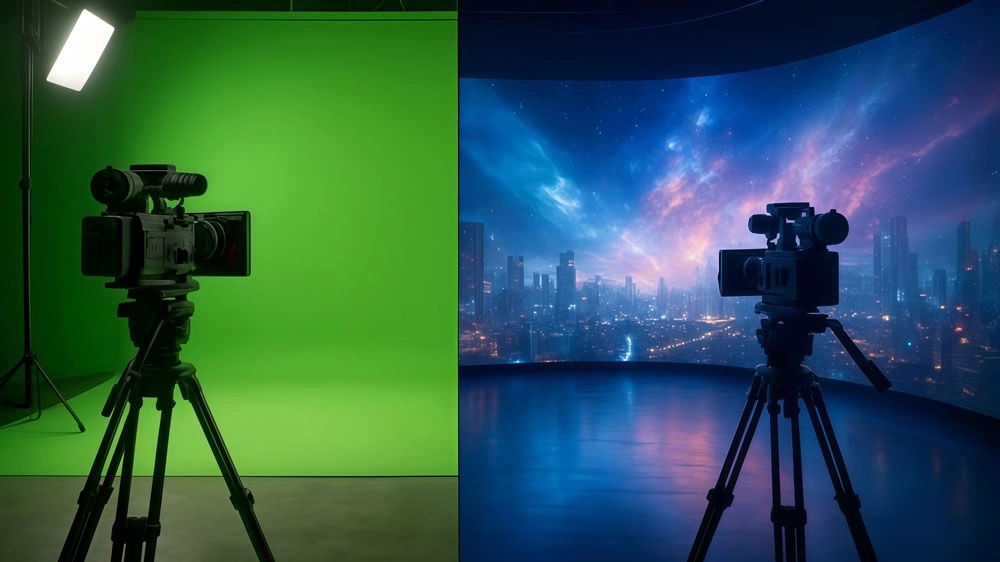
Les outils d'incrustation sur fond vert reposent sur la technique de l'incrustation chromatique, qui consiste à remplacer un arrière-plan uni par des scènes numériques. Un bon éclairage et des tons de couleur uniformes sont essentiels pour éviter les fuites de lumière et obtenir des contours nets autour des personnes et des objets. Contrairement aux écrans LED qui affichent les images directement sur le plateau, les écrans verts nécessitent un travail de montage ultérieur pour intégrer de nouveaux environnements. Cette méthode reste populaire au cinéma et à la télévision car elle permet un travail d'imagerie de synthèse détaillé.
Analyse comparative de la qualité de la sortie visuelle
Fidélité de l'image et précision des couleurs
La qualité d'image se distingue nettement lorsque les écrans intelligents sont comparés aux écrans verts. Les systèmes LED offrent une forte luminosité, une large gamme de couleurs et un contraste élevé qui reste net même en cas de variations de luminosité. Le contraste élevé et la large gamme de couleurs garantissent des images nettes et éclatantes quelles que soient les conditions d'éclairage. En revanche, le résultat obtenu avec un écran vert dépend de la maîtrise du travail de l'équipe de montage sur les calques.
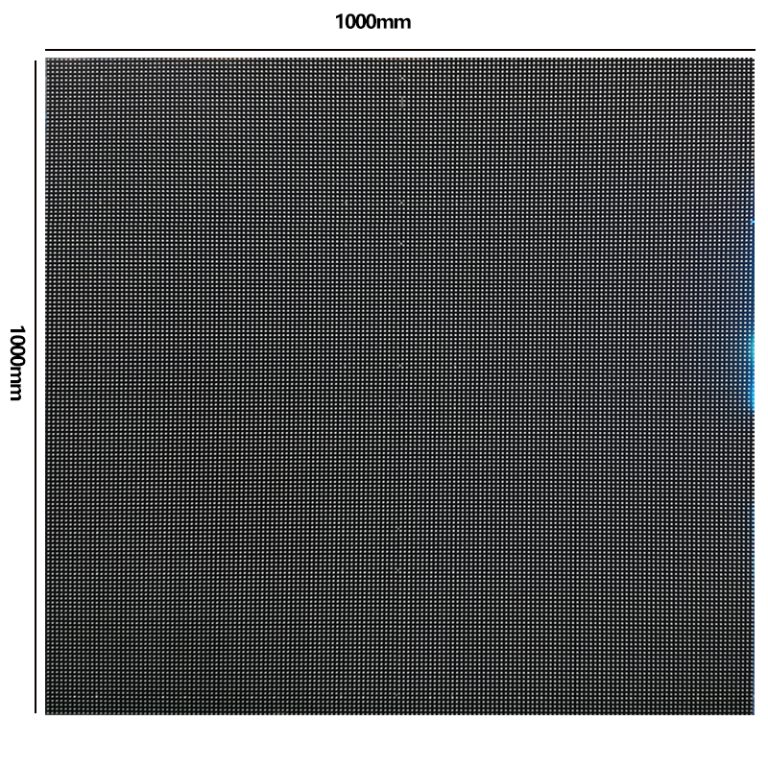
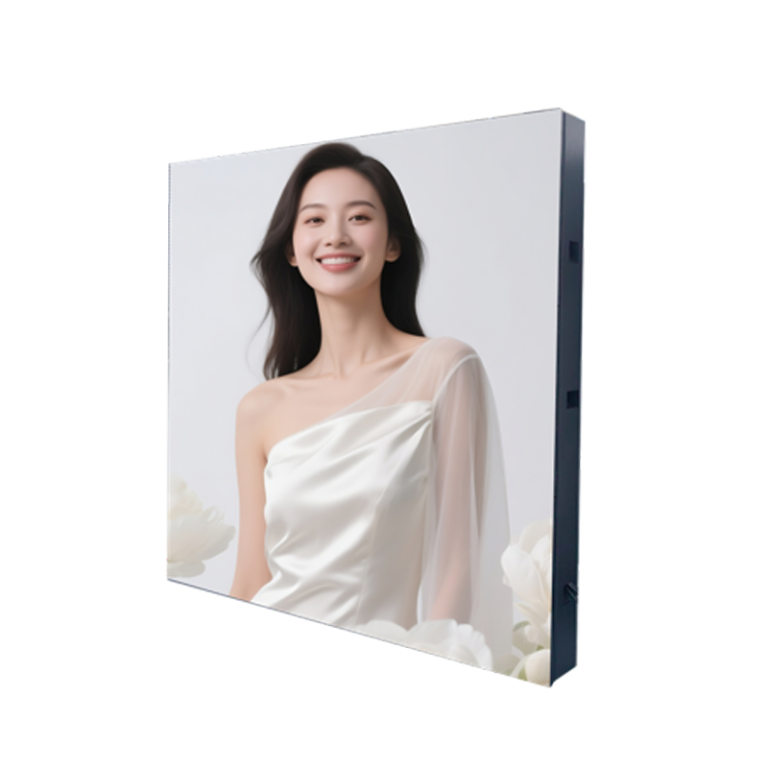
Des produits comme le Vitrine d'affichage intérieure P4.81 Ce niveau de soin est démontré par des joints de panneaux précis, un rapport de contraste de 8000:1 et un angle de vision de 160° qui maintient une luminosité uniforme sans reflets gênants dans les espaces de studio.
Facteurs de profondeur, de réalisme et d'immersion
Les écrans intelligents LED créent une ambiance plus réaliste en projetant une lumière naturelle sur les personnes et les objets présents dans la scène. Cet éclairage naturel permet d'intégrer harmonieusement les acteurs à leurs décors numériques, un avantage que les écrans verts n'ont pas, car ils nécessitent l'ajout de reflets en post-production. La résolution ultra haute définition, souvent 4K ou 8K, offre une grande finesse de détails. Associés à des outils de rendu en temps réel, ces écrans peuvent ajuster la profondeur et les paramètres instantanément pendant le tournage.
Le écran intérieur P2.604 Elle met en valeur cette caractéristique grâce à son espacement de pixels réduit de 2,604 mm qui offre des images nettes adaptées aux scènes virtuelles ou aux studios d'entreprise où le réalisme est primordial.
Efficacité des flux de travail et flexibilité de la production
Exigences d'installation et d'étalonnage sur site
Les configurations d'écrans intelligents exigent une correspondance précise des pixels, mais permettent un montage rapide grâce à des cadres modulaires. L'écran se compose de modules distincts, ce qui simplifie son assemblage. Les écrans verts nécessitent des contrôles d'éclairage rigoureux afin d'éviter les ombres irrégulières ou les fuites de couleur qui compliqueraient l'incrustation ultérieure.
Nos modèles à cadre en aluminium accélèrent encore davantage les choses. profils en aluminium P6.67, Par exemple, l'utilisation de matériaux légers et d'une bonne maîtrise de la chaleur convient aux grands événements en extérieur nécessitant un montage rapide sans perte de solidité.
Flux de travail en temps réel vs post-production
Les écrans intelligents permettent aux réalisateurs de visualiser les scènes finalisées en temps réel, grâce au rendu instantané des arrière-plans. Cela réduit considérablement les modifications répétées qui ralentissent souvent le travail sur fond vert, lorsque les équipes attendent le résultat du compositing. Les utilisateurs peuvent également modifier les thèmes d'affichage instantanément et obtenir des données actualisées immédiatement. Ce retour d'information rapide permet aux équipes de prendre des décisions plus rapidement et de réduire le temps de production global.
Incidences en matière de coûts et allocation des ressources
Investissement initial et coûts d'entretien
Les systèmes d'affichage intelligents nécessitent généralement un investissement initial plus important en raison de leurs composants LED et systèmes de contrôle avancés. Cependant, ils permettent de réaliser des économies à long terme grâce à leur durée de vie prolongée et à la réduction des tâches de montage. Les LED consomment moins d'énergie, chauffent moins que les écrans traditionnels et ont une durée de vie pouvant atteindre 100 000 heures, voire plus. Les écrans verts sont certes moins chers à l'achat, mais les coûts liés aux logiciels et au temps consacré à la composition peuvent rapidement s'accumuler. La conception robuste de notre gamme pour intérieur garantit des années d'utilisation sans nécessiter de remplacements ou de réinitialisations fréquents.
Considérations relatives à la consommation d'énergie et à la durabilité
L'affichage LED consomme de l'énergie, mais son rendement est supérieur à celui de nombreuses solutions de projection. Grâce à des conceptions éco-responsables et à faible empreinte carbone, les nouveaux panneaux LED optimisent leur consommation énergétique. Des fonctionnalités telles que l'alimentation à tension divisée intégrée à nos modèles en aluminium profilé contribuent à réduire les émissions de carbone tout en maintenant une luminosité supérieure à 6 500 nits, garantissant une visibilité optimale même en plein soleil.
Scénarios d'application dans différents secteurs d'activité
Environnements de production cinématographique, télévisuelle et virtuelle
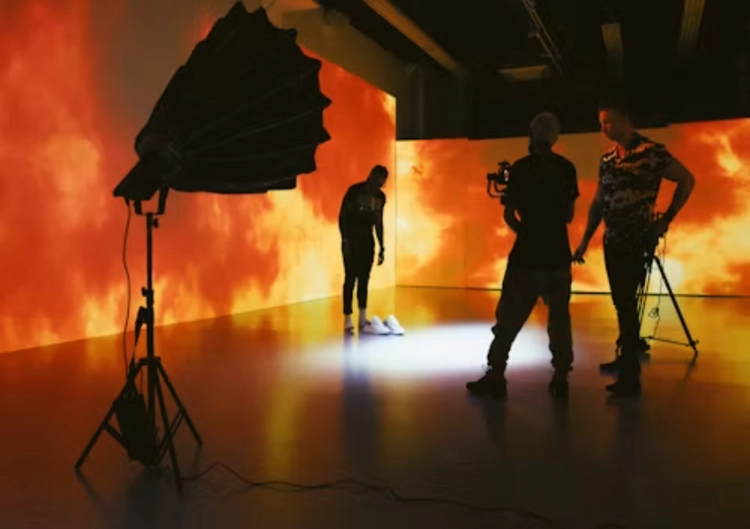
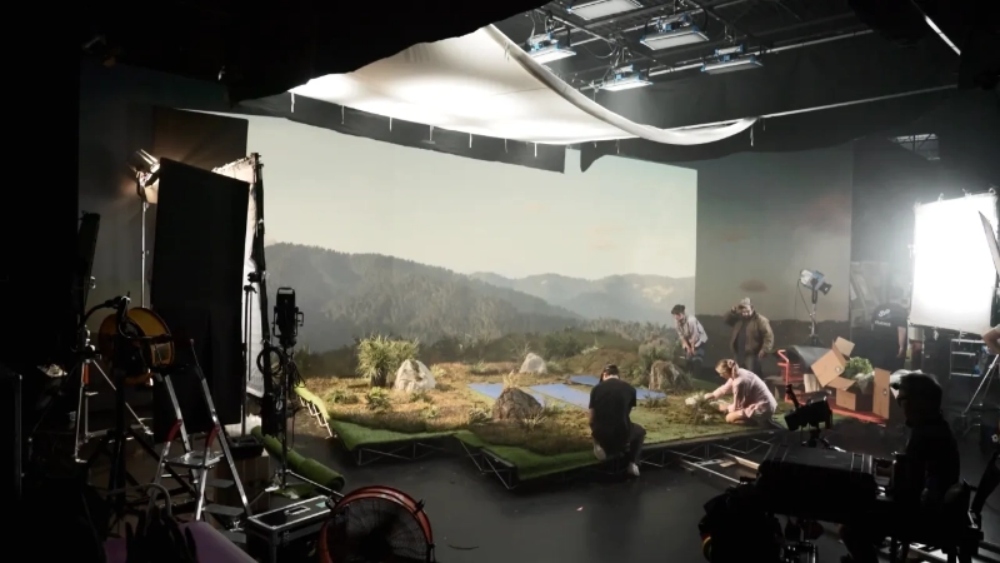
Dans le cinéma, les écrans intelligents révolutionnent la narration en prenant en charge les effets visuels directement à la prise de vue. Au lieu de changer les arrière-plans en postproduction, comme avec l'incrustation chromatique, les équipes peuvent enregistrer le rendu final en direct sur des murs LED incurvés ou larges qui réagissent aux mouvements de caméra. Les panneaux LED couleur de studio utilisent des écrans à petit pas de haute qualité, reconnus pour leurs transitions fluides, leurs couleurs riches, leur taux de rafraîchissement élevé et leur faible consommation d'énergie. Ces caractéristiques conviennent aux studios de diffusion qui exigent à la fois une image percutante et une performance stable. Les écrans verts restent une solution efficace pour les environnements entièrement en images de synthèse, mais de nombreuses équipes combinent désormais les deux techniques pour une plus grande liberté créative.
Applications d'entreprise, événementielles et commerciales
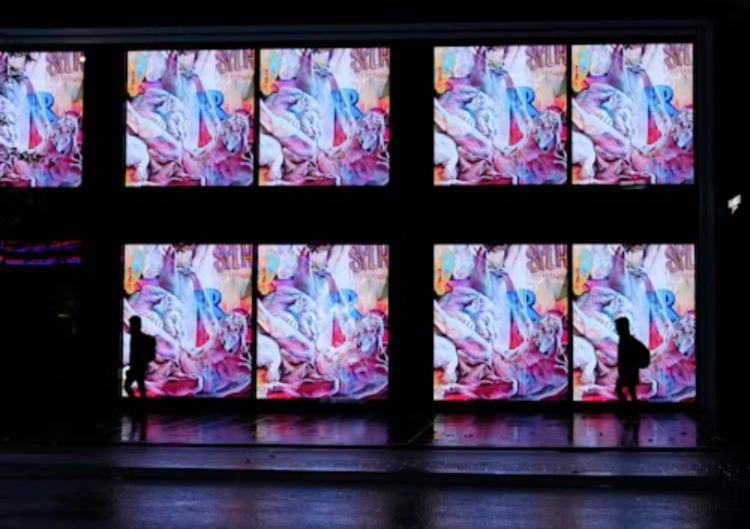
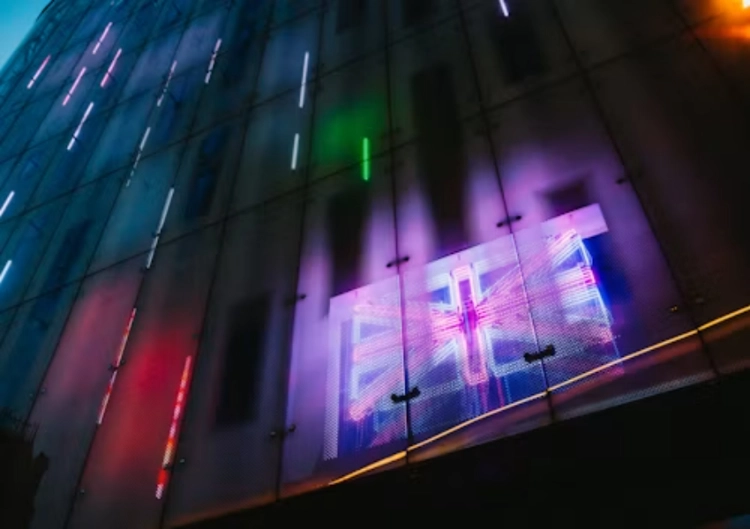
En dehors du divertissement, la technologie d'affichage intelligent prend en charge les salles d'exposition, les salons professionnels, les points de vente et les rassemblements publics qui recherchent une interaction active. Les écrans d'entreprise présentent les détails des produits grâce à des visuels nets. Les panneaux LED interactifs transforment les visiteurs en participants, ce qui est idéal pour les lancements de produits ou les événements de marque. La série P4.81 pour l'intérieur, par exemple, apporte une touche de couleur aux présentations, tandis que les systèmes extérieurs en profilés d'aluminium résistent à l'humidité et au soleil dans les espaces ouverts.
Tendances futures de l'intégration des technologies de production visuelle
Progrès dans les capacités de l'affichage LED
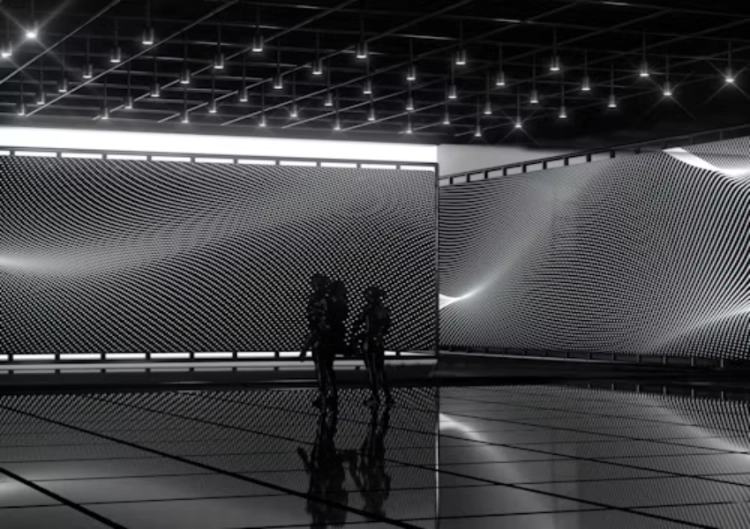
La technologie MicroLED améliore sans cesse le nombre de pixels et l'homogénéité de la luminosité sur les grands écrans. Associée à des outils d'IA capables d'analyser en temps réel la luminosité ambiante ou la distance entre les personnes, elle permettra aux futurs écrans de réagir plus rapidement à leur environnement. Petit pas de pixel, légèreté, joints invisibles et larges angles de vision caractérisent la prochaine génération d'écrans conçus pour de nombreuses applications intérieures et extérieures.
Évolution des écosystèmes de production virtuelle
Les moteurs temps réel associent désormais les techniques d'incrustation chromatique aux murs LED en direct en intégrant directement les données de suivi de la caméra aux images affichées. Les outils cloud accélèrent le travail en permettant aux équipes distantes de gérer les ressources sans perte de synchronisation entre les scènes virtuelles et les écrans physiques.
Convergence vers des modèles de production hybrides
À mesure que les performances et les coûts de ces deux technologies se rapprochent, les configurations hybrides, alliant la flexibilité de l'incrustation chromatique au réalisme des LED, se généralisent. Cette combinaison permet de maîtriser les dépenses tout en offrant aux équipes un plus large éventail de possibilités pour la réalisation de projets, qu'il s'agisse de films, d'expositions muséales ou d'espaces de formation.
À propos de Leyaled – Solutions d'affichage professionnelles innovantes
Nous nous concentrons sur la production complète d'écrans LED, de la conception à la vente mondiale. Leyaled. Notre site de Shenzhen s'étend sur 7 200 mètres carrés et exploite huit lignes SMT automatisées conformes aux normes ISO 9001:2008 et CE. FWS Technology Co., Ltd. est une entreprise technologique spécialisée dans la R&D, la fabrication et la vente d'écrans LED.
Notre gamme comprend des panneaux couleur intérieurs et extérieurs (P2 à P6) pour les événements et les projets de construction à travers le monde. Un réseau de vente performant couvre l'ensemble de la Chine (Est, Sud, Centre et Nord). Chaque unité est soumise à des contrôles rigoureux, certifiés CNAS et TÜV SÜD, garantissant un fonctionnement fiable pendant plus de 50 000 heures. Les clients recherchant des solutions OEM/ODM personnalisées collaborent avec notre équipe d'ingénieurs, capable de concevoir des solutions sur mesure en une semaine environ, offrant ainsi une réactivité supérieure à celle de nombreux fournisseurs standards.
Pour plus de détails sur nos projets ou pour obtenir une assistance technique concernant l'aménagement de salles de réunion ou d'enseignes extérieures, consultez notre site web. page de contact, où nos spécialistes vous offrent des conseils adaptés à vos besoins.
FAQ (questions fréquentes)
Q1 : En quoi un écran intelligent LED surpasse-t-il une configuration traditionnelle à fond vert ?
A1 : Les écrans intelligents offrent un retour visuel direct pendant le tournage et évitent les étapes de composition ultérieures. Ils créent également un éclairage précis entre les sujets et les arrière-plans, ajoutant un réalisme que les surfaces chromatiques plates ne peuvent égaler à elles seules.
Q2 : Quel produit Leyaled convient le mieux à une utilisation en studio intérieur ?
A2 : Le boîtier d'affichage intérieur P4.81 répond parfaitement aux besoins des studios grâce à son rapport de contraste de 8000:1 et son angle de vision de 160° qui offrent d'excellents résultats dans des espaces contrôlés comme les studios de diffusion ou les salles d'entreprise.
Q3 : Les solutions d’extérieur de Leyaled sont-elles respectueuses de l’environnement ?
A3 : Oui. Ils utilisent des LED basse consommation et un contrôle thermique efficace, comme on le voit dans les profilés en aluminium P6.67, ce qui réduit la consommation d'énergie tout en assurant une longue durée de vie pour les projets éco-responsables du monde entier.