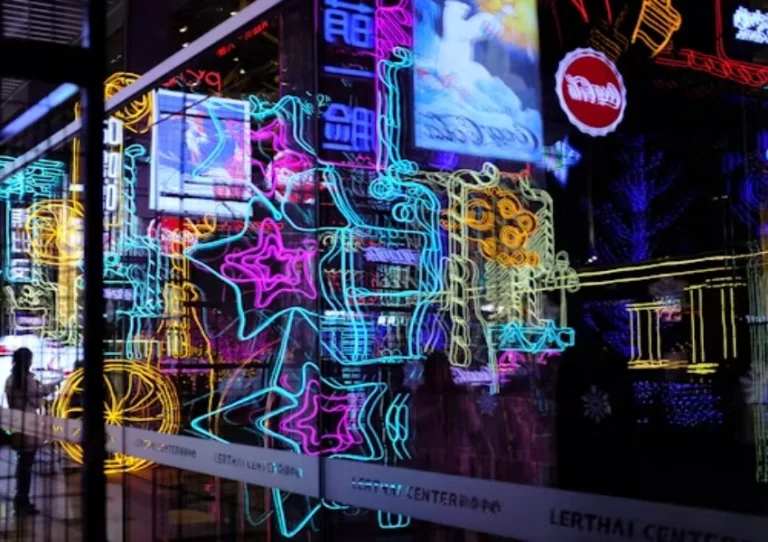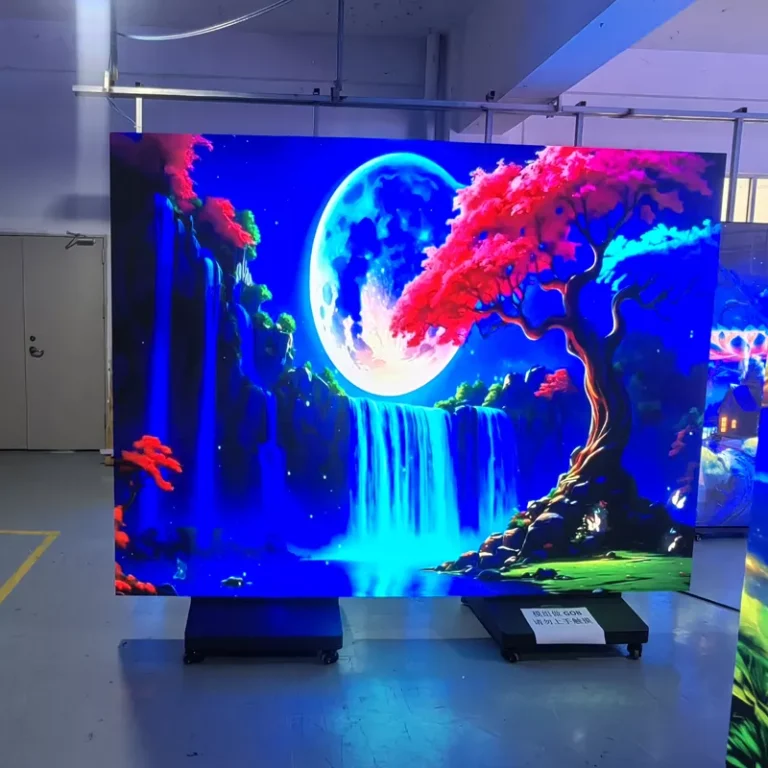
Event planners often put interactive LED floor and projection mapping in the same short list because both can turn an ordinary surface into part of the show. The similarity ends there. One is a physical display surface built to be walked on; the other throws an image onto an existing surface. The better choice depends on whether the audience will stand on it, how much daylight or stage light is present, what the floor is made of, and how much control the production team needs once the doors open.
A projection can make a room feel transformed with little visible hardware. An LED floor tile screen brings its own brightness, image plane, and mechanical protection. That distinction matters at product launches, corporate gatherings, museum-style activations, and dance-led shows. The right decision comes from the event condition, not a generic claim about which effect looks more impressive.
Start With the Audience Interaction
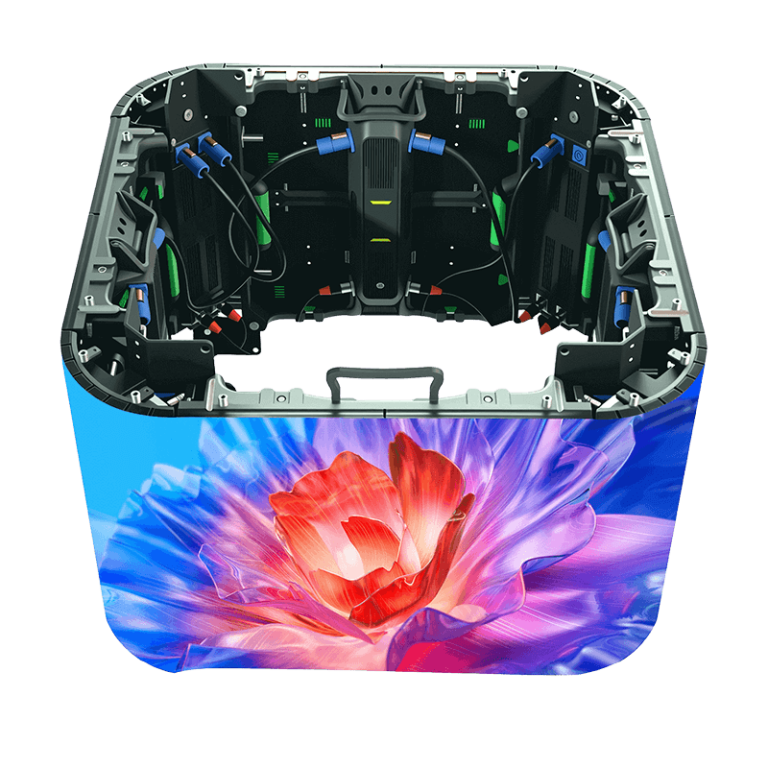
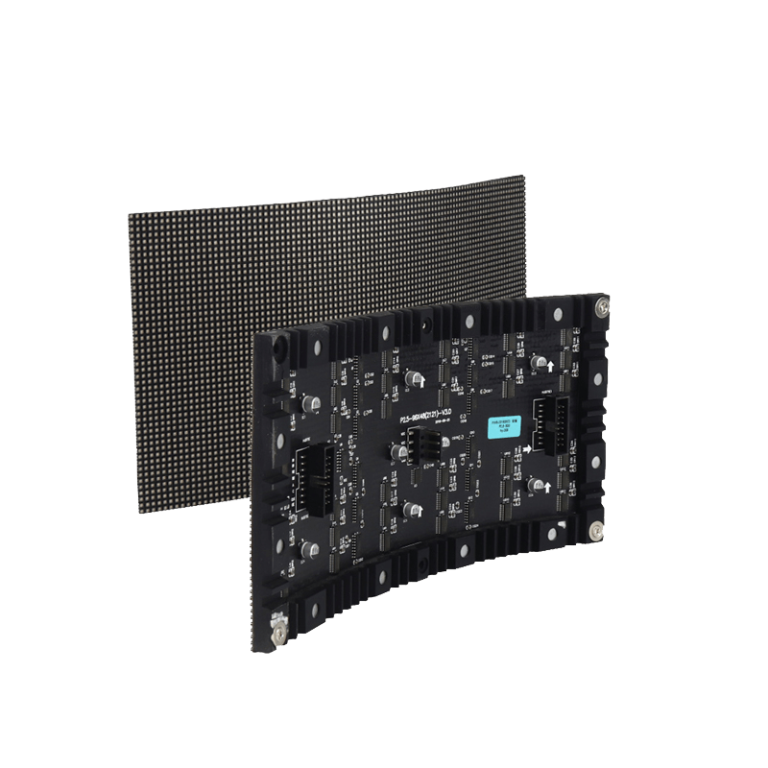
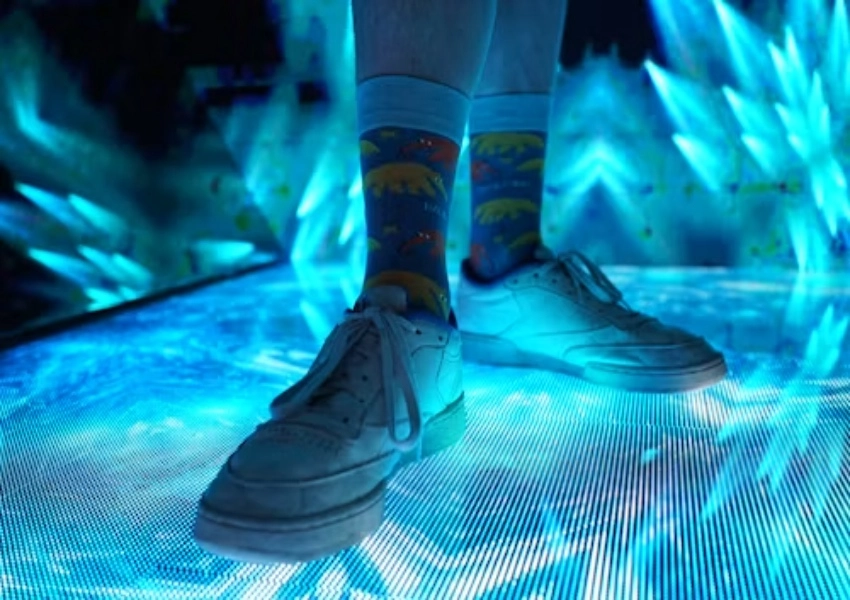
The first question is simple: will people walk, dance, or run across the visual surface? A dance floor LED screen is designed for that job. Leyaled has floor tiles with a load capacity of up to 2,500 kg per square meter, IK10 impact protection, IP65 protection, and modular cabinets that can be replaced individually. Those are project facts that should be on the technical brief before creative ideas are approved.
Projection mapping can be excellent when the audience only looks at a wall, a facade, a table, or a sculptural object. It becomes less predictable on a busy floor. Shoes, moving bodies, haze, spill light, uneven finishes, and temporary furniture all change the projected image. For a scheduled performance that may be acceptable. For a public activation where visitors constantly cross the area, the physical resilience of an LED écran is usually the safer starting point.
Do Not Treat Foot Traffic as a Minor Detail
Ask for the expected traffic pattern, not just the total guest count. A narrow entrance, a photo point, or a dance circle creates repeated impact in one place. The surface needs a layout that tolerates those loads, has no loose edge at transitions, and leaves a plan for replacing a damaged cabinet. Cables and power paths also need to stay away from the active walking area. A visual concept that ignores those details tends to become an operations problem.
Ambient Light Changes the Comparison
Projection gains its strongest contrast in a dark, controlled room. A window wall, bright foyer, exhibition hall lighting, or daylight from a loading door can wash out the effect quickly. An immersive event display based on LED has more usable output in mixed light, although it should still be set to a comfortable level for the audience and cameras. Higher brightness is not a substitute for content with clear contrast and good visual hierarchy.
Leyaled floor tile configurations have adjustable brightness from 800 to 4,500 nits and a 7,680Hz refresh rate for P3.91 and P4.81 formats. These figures do not decide every event, but they help a buyer ask the right follow-up questions: what brightness will be used in this venue, how will the surface look on the planned camera, and can the processor hold smooth motion when the content reacts to guests?
Compare the Build, Not Just the Creative Quote
Projection mapping often appears inexpensive because the display surface is already in the room. That can be true for a clean flat wall with controlled light. The price changes when the project needs a high-output projector, a protected mounting position, careful blending, a calibrated media server, blackout work, or an operator to correct alignment after furniture moves. A complex irregular object can also require more content preparation than the initial storyboard suggests.
An interactive LED floor has a different cost structure: cabinet area, supporting base, power and data distribution, structural transitions, processors, content mapping, transport, and spare modules. The benefit is a repeatable pixel grid. Once the floor geometry is locked, the content team works to known resolution and coordinates rather than remapping an unpredictable surface at every venue. For a recurring show, that repeatability may matter more than the first-day equipment number.
Think About Image Continuity
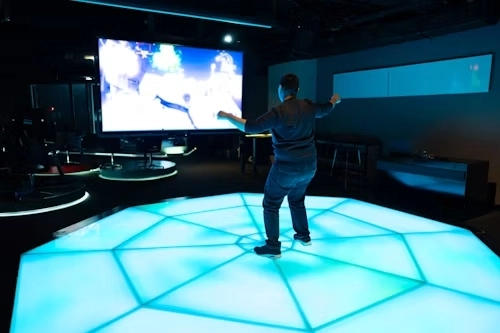
A projected image can be interrupted by shadows when people or scenery cross the beam. An LED floor emits at the surface, so it does not suffer the same shadow problem. It can still create issues: glossy footwear can reflect highlights, a low camera angle can expose individual pixels, and a poorly levelled cabinet joint can catch attention. Use a fixé LED affichage style of site review for the support, joints, and service access instead of treating the floor as only a decorative layer.
Plan Content Around the Technology
Projection mapping is well suited to illusion, animated architecture, and scenes that use existing geometry as part of the story. It can be the better artistic choice when the effect belongs on a wall or ceiling and the room can be darkened. Interactive LED floor content is strongest when guests can trigger a response, when performers need a dependable cue surface, or when a brand needs sharp graphic color beneath people moving through the scene.
The content team should receive the final floor resolution, cabinet map, orientation, safety border, and camera positions early. Avoid fine type near cabinet seams. Keep high-risk visual elements away from edges and access hatches. Motion should have enough scale to read from the audience position rather than only from a designer’s close monitor. A creative LED display direction is useful when a project needs unusual geometry, but the control and maintenance plan needs to remain practical.
Choose One Event Risk and Reuse
Choose projection mapping when the surface is not walked on, ambient light can be controlled, and the creative treatment relies on mapping to an existing object. Choose an interactive LED floor when the floor itself is the experience, the venue is bright or variable, guests will cross the surface, or the production needs a robust screen that can be rebuilt for future programs. Hybrid setups can also work: projection for architecture, LED for the active zone.
Later in the buying process, Lprovince can support a discussion around tile pitch, load case, brightness, cabinet count, processor mapping, and spare modules. Leyaled has modular floor designs and event display formats; request a sample layout and an on-site test with the actual content. That turns the projection mapping vs LED floor choice into a decision based on the event, not a sales slogan.
FAQ (questions fréquentes)
Q1: Is an interactive LED floor safe for dancers?
A1: It can be, when the cabinet load rating, impact rating, surface finish, joints, edge treatment, cable routing, and support base fit the actual activity. Confirm the complete floor build, not only the module.
Q2: Does projection mapping work in a bright event hall?
A2: It may work, but contrast usually falls as ambient light rises. Test the projector, surface, and planned lighting at the venue before committing to the creative.
Q3: Which option is easier to reuse across events?
A3: An LED floor generally provides a more repeatable pixel canvas. Projection can be reused too, but each new surface and projector position requires fresh alignment and content checks.