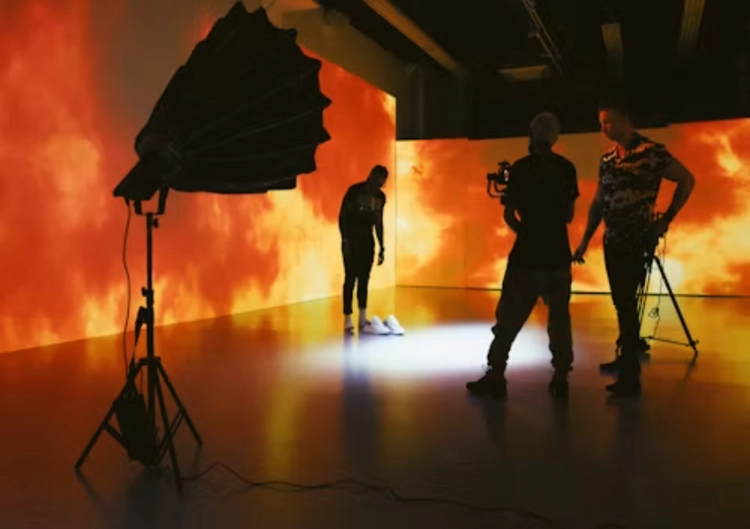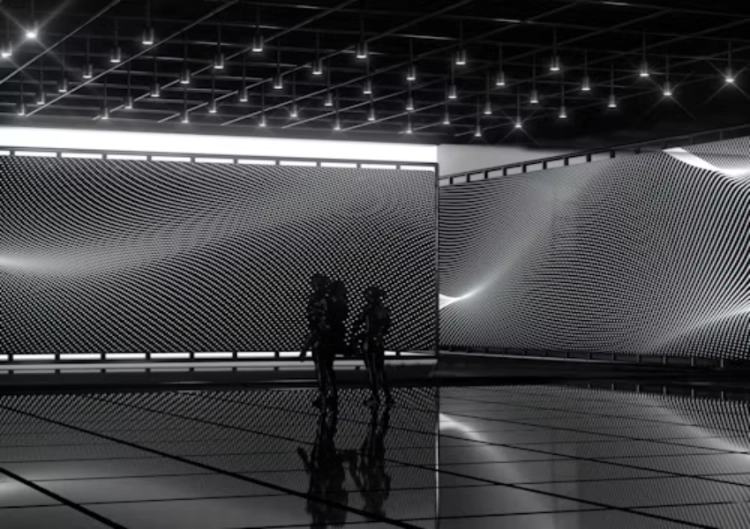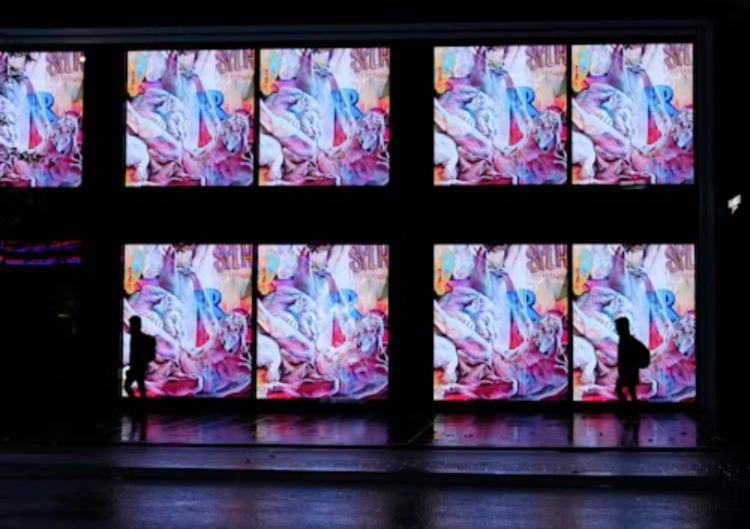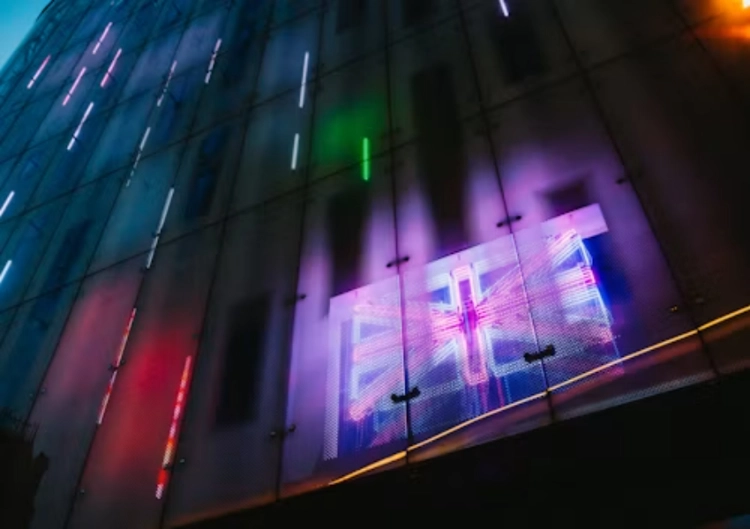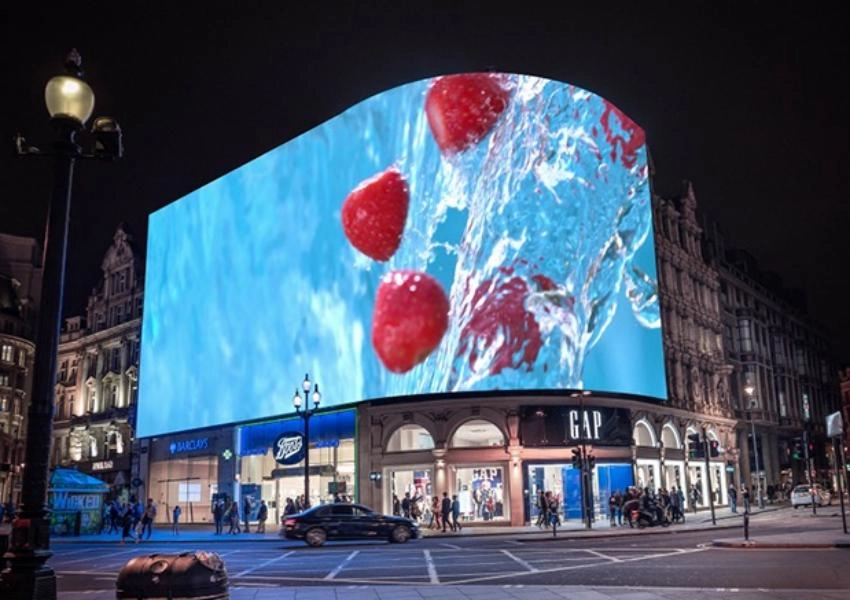
La tecnología de pantallas LED para exteriores está evolucionando rápidamente, impulsada por los avances en la ciencia de los materiales, la ingeniería de semiconductores y los sistemas de control inteligentes. A medida que la transformación digital se acelera en todos los sectores, estas innovaciones están redefiniendo la forma en que las ciudades, las marcas y los organizadores de eventos conectan con el público a través de la comunicación visual a gran escala.
Avances en la tecnología de chips y píxeles LED
Las tecnologías MiniLED y MicroLED lideran la próxima generación de pantallas LED para exteriores. Estos chips ultracompactos ofrecen un brillo y una resolución excepcionales, manteniendo al mismo tiempo una alta eficiencia energética. La pantalla LED para exteriores utiliza LED de brillo ultra alto con colores primarios rojo, verde y azul, lo que permite una visualización a todo color. Esto garantiza que, incluso bajo la luz solar directa, el contenido publicitario se mantenga nítido y vibrante.
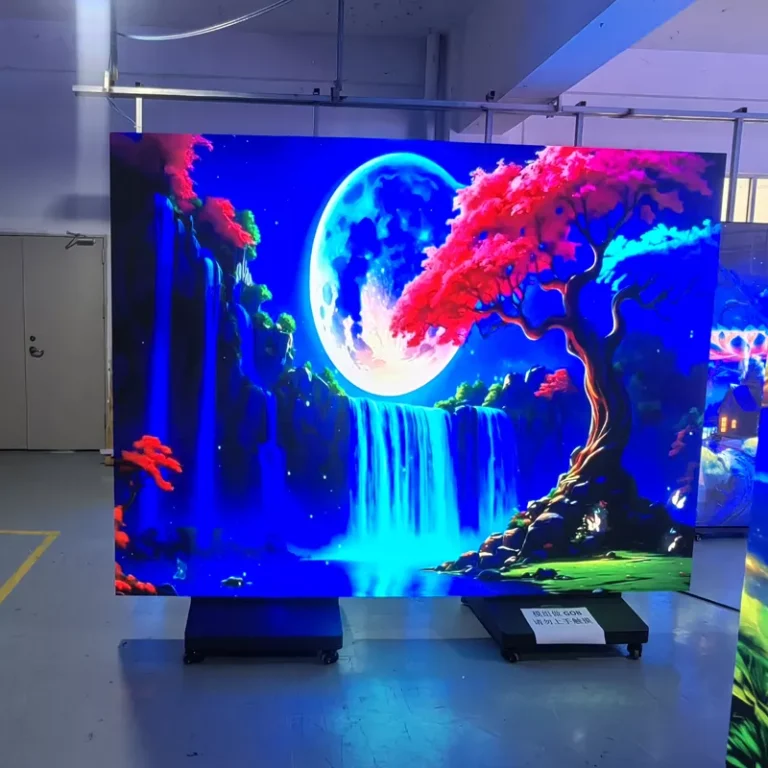
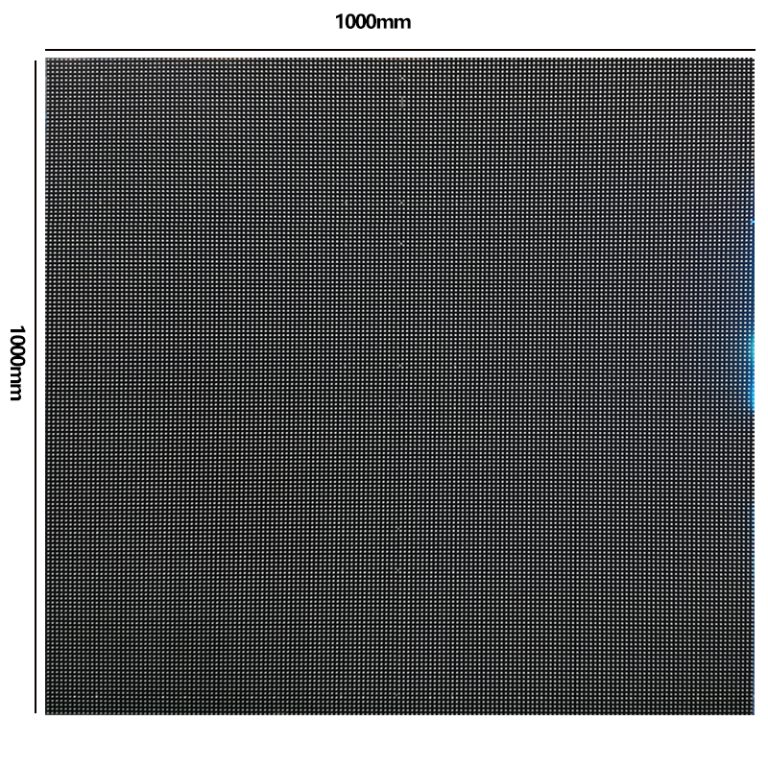
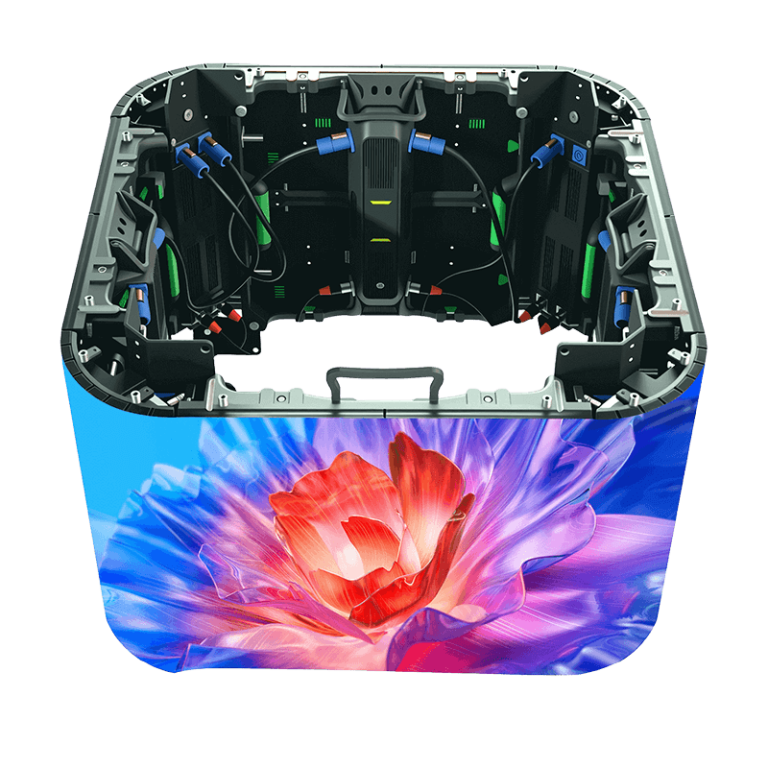
La reducción del paso de píxeles es otra tendencia definitoria. Productos como el pantalla al aire libre P2.604 Este cambio se ejemplifica con un paso de píxel de 2,6 mm que ofrece imágenes nítidas a cualquier distancia de visualización. Proporciona 10 000 nits de brillo, con una nitidez impecable incluso bajo la luz solar directa, y altas frecuencias de actualización que garantizan una reproducción fluida para publicidad exterior. La mayor precisión cromática y las relaciones de contraste optimizan aún más el rendimiento a la luz del día, permitiendo que el contenido dinámico luzca realista en instalaciones de gran formato.
Evolución del diseño de las pantallas digitales para exteriores
A medida que la arquitectura se vuelve más expresiva y la modularidad más crucial para la escalabilidad, la innovación en el diseño desempeña un papel fundamental en la configuración de las modernas pantallas LED para exteriores.
Estructuras de exhibición modulares y flexibles
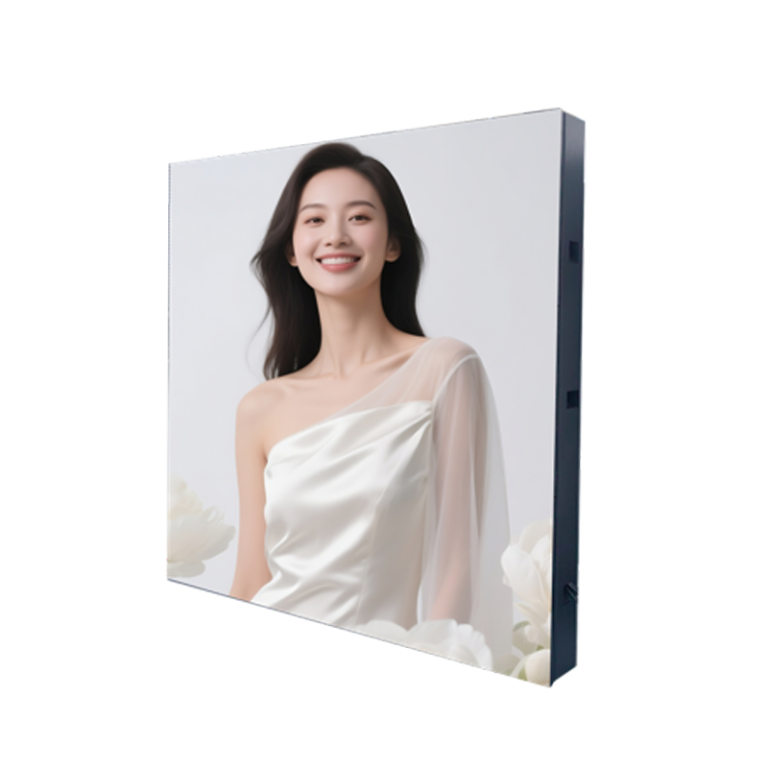
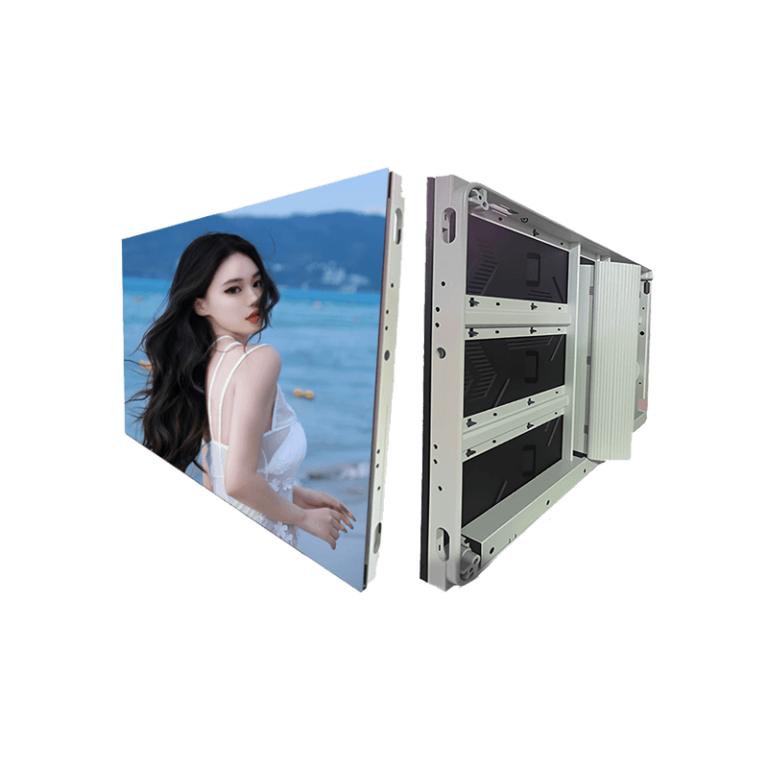
Los paneles modulares ligeros facilitan mucho la instalación y la reparación. Son resistentes y duran mucho tiempo. La pantalla LED para exteriores utiliza un marco de gabinete ligero. Esto simplifica el traslado y la instalación de la unidad. Pantalla exterior P6.25 Esto queda bien demostrado. Cuenta con una carcasa de aluminio fundido a presión. Su diseño permite fijaciones tanto por la parte frontal como por la trasera, lo que facilita la unión de pantallas grandes. Su clasificación de protección IP65 garantiza un funcionamiento estable en cualquier condición climática, soportando temperaturas de hasta -20 °C y hasta +60 °C.
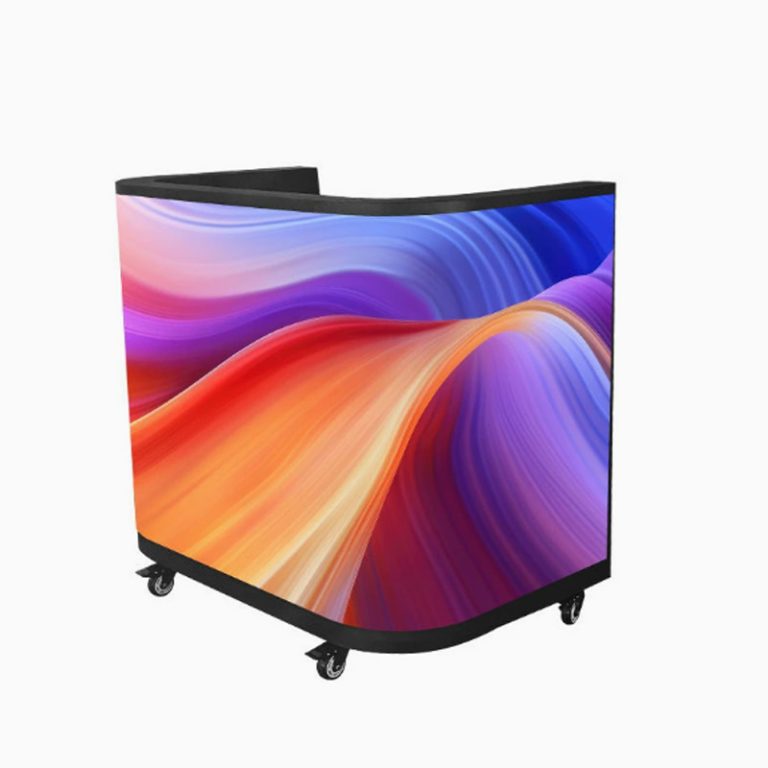
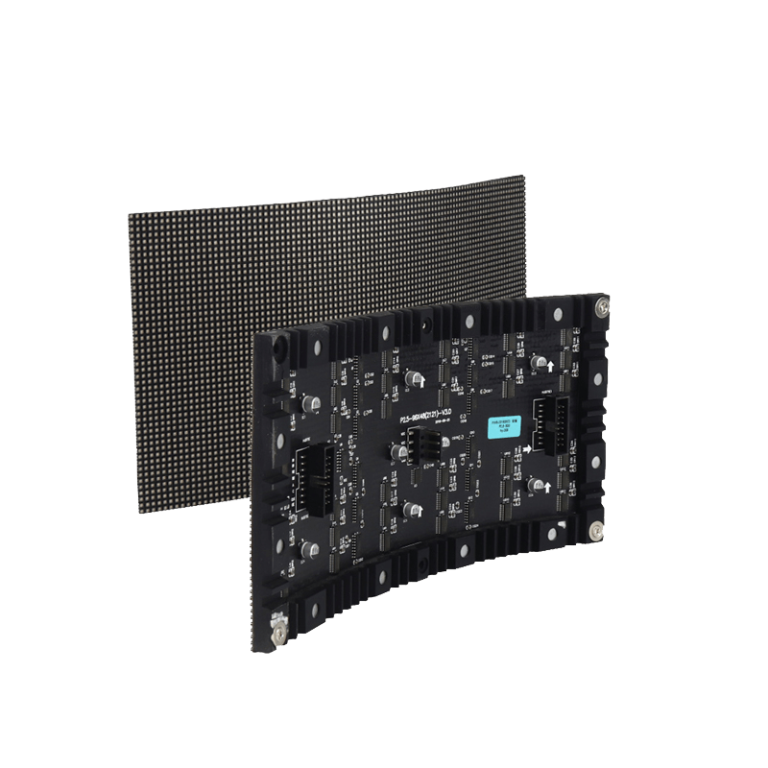
Las formas curvas y flexibles ofrecen nuevas posibilidades a los diseñadores de edificios. Permiten integrar fácilmente las pantallas en las paredes o en las obras de arte público. Las pantallas flexibles permiten a los creadores adaptar vídeos a formas redondas o irregulares. La imagen se mantiene nítida y clara en todo momento.
Innovaciones en eficiencia energética y sostenibilidad
La sostenibilidad influye en las decisiones de compra de las empresas. Los grupos buscan opciones ecológicas para reducir sus costes operativos. Las pantallas LED para exteriores suelen utilizar diseños de bajo consumo, lo que ayuda a disminuir los gastos diarios. Los controladores de baja potencia, junto con las funciones de brillo automático, evitan el consumo excesivo de energía durante la noche o en días nublados.
Los sistemas de energía solar se están convirtiendo en una opción cada vez más popular. Son ideales para lugares remotos donde el acceso a la red eléctrica convencional es difícil. Los fabricantes utilizan materiales reciclables para la construcción de los gabinetes, cumpliendo así con estrictas normas ecológicas y contribuyendo a una mayor durabilidad de los productos.
Conectividad y capacidades interactivas en pantallas de vídeo LED
La convergencia de las tecnologías del Internet de las Cosas (IoT) con la señalización digital exterior está transformando la comunicación visual estática en plataformas de interacción dinámica.
Integración de IoT para la interacción de datos en tiempo real
Las conexiones en la nube permiten a los equipos gestionar el contenido de las pantallas desde una ubicación central. Pueden actualizar múltiples ubicaciones simultáneamente. Los sensores ayudan a crear anuncios inteligentes. El sistema adapta el mensaje según la cantidad de público. También reacciona a las condiciones climáticas locales o al tráfico intenso. Las redes 5G se están implementando en todas partes. Ofrecen velocidades de datos muy rápidas. Esto permite actualizaciones instantáneas entre pantallas separadas por kilómetros. Las marcas pueden operar sin problemas, coordinando campañas publicitarias en ciudades enteras.
Experiencias de visualización interactivas e inmersivas
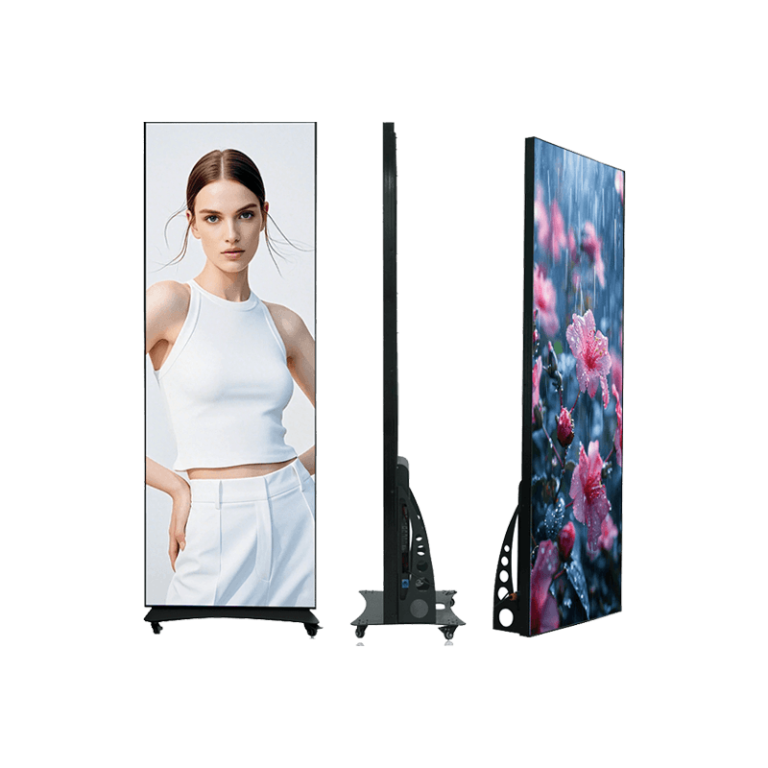
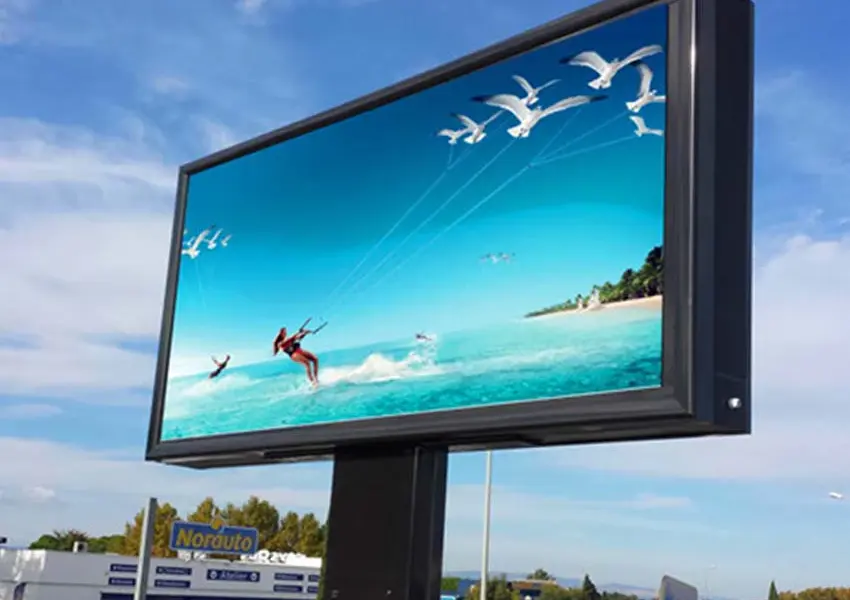
Las pantallas públicas ahora hacen más que simplemente mostrar videos. Invitan a las personas a participar e interactuar. Los paneles táctiles impulsan a los usuarios a interactuar directamente en eventos o tiendas. La realidad aumentada agrega detalles adicionales a la pantalla. Esto brinda a los anunciantes nuevas formas de contar sus historias. Pantallas como la cartel led al aire libre P6 Este dispositivo muestra un cambio significativo. Su diseño robusto está pensado para la interacción con el público. La pantalla cuenta con certificación IP65 de resistencia al agua y al polvo. Ni la lluvia intensa ni el viento fuerte afectarán su funcionamiento. Ofrece imágenes nítidas incluso bajo la luz del sol. Además, se conecta con teléfonos móviles, lo que permite a los usuarios interactuar con videos en directo desde sus propios dispositivos.
El papel de los ecosistemas de software en la gestión de la señalización digital exterior.
Las plataformas de software constituyen el cerebro de cada sistema de pantallas LED exteriores conectadas.
Sistemas avanzados de gestión de contenido (CMS)
Las herramientas de programación con IA mejoran la forma en que los mensajes llegan a las personas. Seleccionan el mejor momento del día o se adaptan a las condiciones climáticas. También utilizan datos de audiencia de plataformas de seguimiento. La sincronización entre múltiples ubicaciones mantiene los mensajes de marca uniformes en todas partes. Aun así, permite realizar cambios locales específicos cuando sea necesario. Las herramientas de seguimiento de datos se encuentran integradas en estos sistemas de gestión de contenido (CMS). Registran cuánto tiempo las personas ven las pantallas. Estos datos ayudan a los anunciantes a mejorar sus planes. Basan sus decisiones en los hábitos reales de la audiencia en lugar de simples conjeturas.
Consideraciones sobre seguridad y gestión de redes
La ciberseguridad es fundamental hoy en día. Las pantallas conectadas son componentes clave de las redes de las ciudades inteligentes. Las normas de seguridad de datos impiden que usuarios no autorizados pirateen el sistema. Las actualizaciones frecuentes de software corrigen rápidamente los nuevos riesgos de seguridad. Los sistemas de red de respaldo garantizan que las pantallas nunca se apaguen, manteniendo el sistema en funcionamiento incluso en caso de un fallo en el suministro eléctrico principal. Esto es crucial para los indicadores vitales. Los paneles de información de transporte y las alertas de emergencia dependen de esta disponibilidad constante.
Dinámica del mercado que influye en la adopción de pantallas LED para exteriores de cara a 2026.
Las herramientas digitales siguen transformando el negocio publicitario mundial. Ahora, las marcas valoran más los anuncios flexibles y atractivos que los simples carteles impresos.
Transformación de las estrategias publicitarias hacia la transformación digital
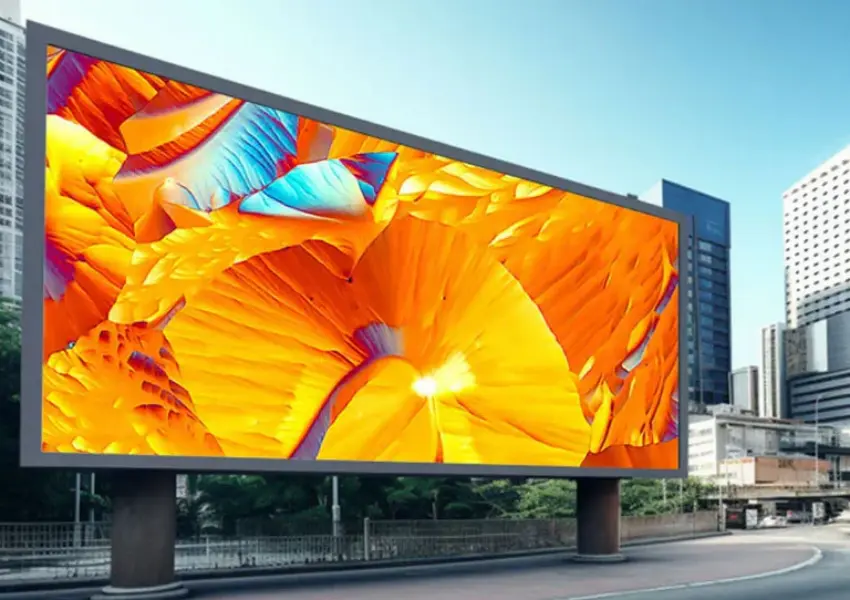
Las empresas se están alejando de las vallas publicitarias tradicionales. Buscan pantallas de vídeo dinámicas que ofrezcan actualizaciones instantáneas e interacciones divertidas. Las pantallas LED para exteriores permiten cambios de contenido remotos, lo que permite a las empresas adaptar rápidamente sus anuncios ante las fluctuaciones del mercado. Tiendas, estadios deportivos y empresas de transporte público adquieren cada vez más pantallas digitales, combinando vídeos entretenidos con datos útiles del día a día. El marketing experiencial genera una gran demanda de pantallas de alta definición. Las marcas buscan pantallas LED para exteriores de ultra alta resolución, que captan la atención con gráficos animados en lugar de fotografías estáticas.
Normas reglamentarias e integración de la infraestructura urbana
Las ciudades tienen normas estrictas sobre el brillo, la seguridad y el medio ambiente de las pantallas. Cumplir con estas leyes es fundamental para la seguridad en las ciudades. Las alianzas entre ciudades contribuyen a la creación de redes públicas inteligentes. Las pantallas conectadas comparten alertas públicas y funcionan junto con cámaras de seguridad y sensores meteorológicos. Las leyes de zonificación locales regulan la ubicación de las pantallas, así como su tamaño y horario de funcionamiento. Estas normas guían directamente la planificación de los proyectos de pantallas gigantes por parte de los compradores.
Sobre nosotros: un socio comprometido con la excelencia.
En LeyaledNos especializamos en el diseño de pantallas LED a todo color de última generación para interiores y exteriores, fruto de más de una década de excelencia en investigación en nuestras instalaciones de Shenzhen, que abarcan 7200 metros cuadrados y están equipadas con ocho líneas de producción SMT avanzadas. Leyaled es una empresa de alta tecnología especializada en la industria integrada de pantallas LED, que abarca I+D, producción y ventas. Nuestros productos, incluidas pantallas fijas modulares como la pantalla LED a todo color para exteriores P6.25, cuentan con la certificación ISO 9001:2008, lo que garantiza su fiabilidad en entornos extremos, desde la humedad tropical hasta el calor del desierto. Con una sólida red de marketing en toda China, nos esforzamos por iluminar el mundo con colores vibrantes y contribuir al avance de la industria nacional. Creemos que la artesanía de calidad combinada con la ingeniería inteligente crea no solo pantallas, sino también conexiones duraderas entre marcas y audiencias de todo el mundo.
Preguntas frecuentes
P1: ¿Qué hace que la tecnología moderna de pantallas LED para exteriores sea adecuada para condiciones climáticas adversas?
A1: Utilizan materiales resistentes como gabinetes de aluminio fundido a presión. Estos se combinan con sellos herméticos con clasificación IP65. Esto protege contra el agua, la luz solar intensa y los vientos fuertes. Además, soporta temperaturas extremas, desde -20 °C hasta +60 °C.
P2: ¿Cómo mejoran los sistemas de control inteligentes la eficiencia energética?
A2: Las herramientas de brillo automático ajustan la luz de la pantalla según la luz del cielo. Los sensores de calor integrados evitan que la placa se sobrecaliente. En conjunto, reducen el consumo de energía de forma segura, sin comprometer la nitidez de la imagen.
P3: ¿Por qué elegir diseños modulares como las series P2.6 o P6 para instalaciones de gran tamaño?
A3: Las estructuras modulares simplifican el montaje gracias a sus mecanismos de bloqueo rápido, que permiten un empalme perfecto. Admiten configuraciones curvas para diseños creativos y un mantenimiento sencillo, minimizando los costes operativos a largo plazo.