There is no honest one-line answer to LED wall setup time. A crew can click together a small, preplanned display quickly. A wide stage wall with flown sections, power distribution, processors, safety checks, and camera feeds is a different job. Buyers who use a single number from a quotation often lose time at the venue because the number describes cabinet assembly, not the whole LED screen installation.
The better question is: which parts of the job are repeatable, and which parts belong to this site? Quick-lock cabinets, standard sizes, and prepared signal maps shorten repeat work. Survey gaps, uneven floors, late content, or a last-minute change to the rigging plan do not. A useful schedule separates those pieces before the first case is opened.
Break LED Wall Setup Time Into Real Tasks
A practical event LED screen setup has five clocks running at once: unloading, support or rigging preparation, cabinet assembly, cable and control work, and image commissioning. The wall may look complete after the last cabinet is locked, yet it is not ready for an audience until the signal path, brightness, colors, safety devices, and spare cabinet plan have been checked.
For a ground-stacked wall, the support structure and level base come first. For a flown wall, the approved load plan, motors, truss, pick points, and safety bonds set the pace. These steps cannot be made faster by purchasing a lighter cabinet. Treat them as venue and engineering time, not display time.
Cabinet Assembly Is Only One Part
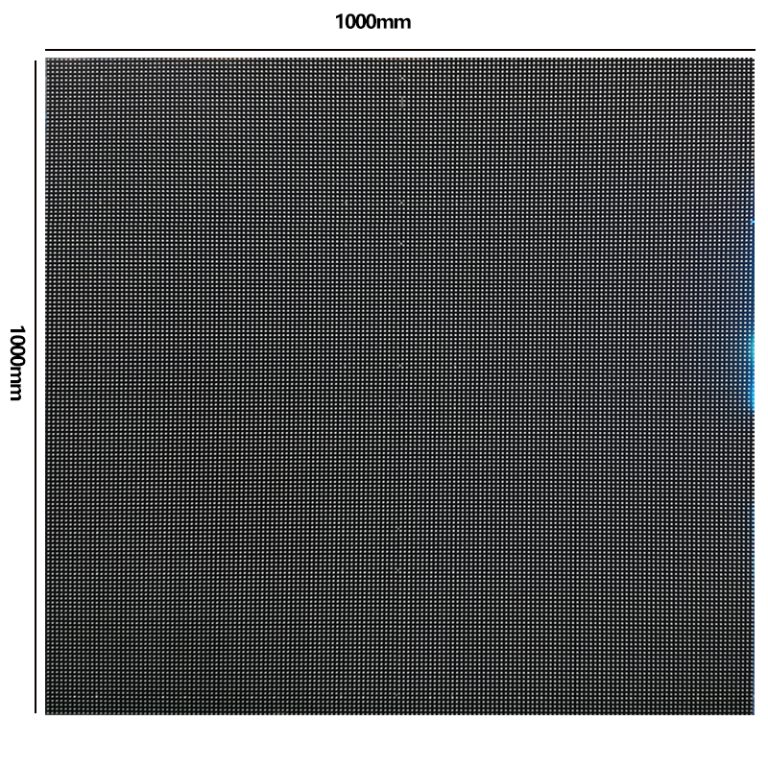
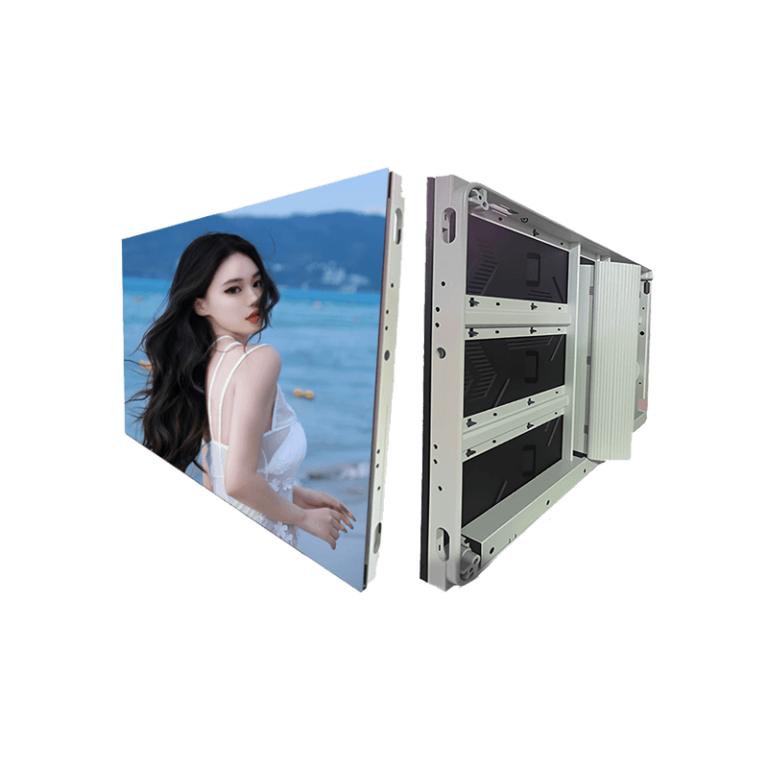
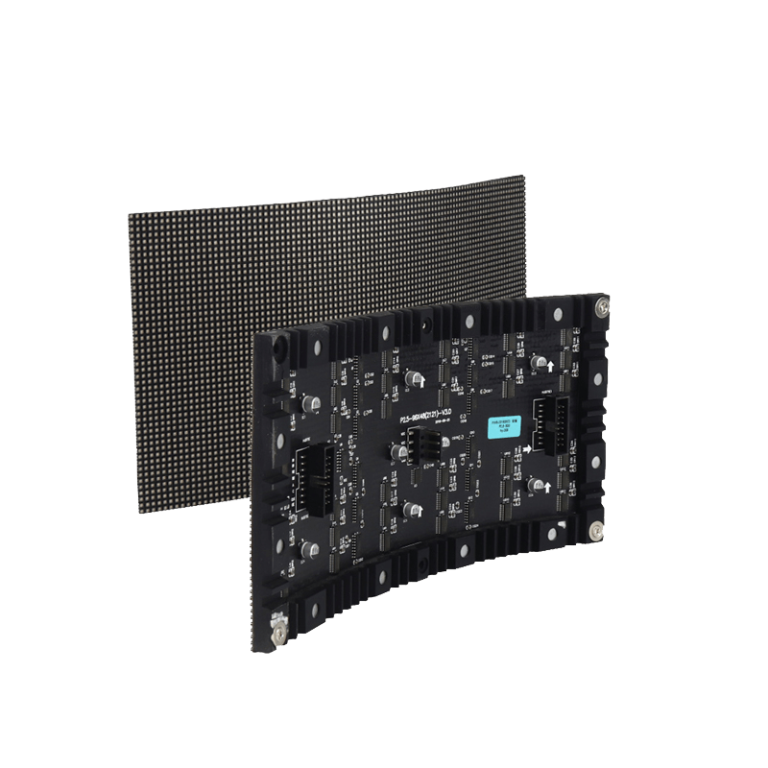
Common 500 x 500 mm and 500 x 1000 mm die-cast aluminum cabinets make layout and handling predictable. Leyaled also has thin, light cabinets designed for quick assembly and dismantling, with synchronous control and common video inputs. That helps an experienced crew work smoothly, especially when the same wall is built often. It does not remove the need to inspect every lock, locating pin, power connector, and signal jumper.
A quick-lock LED cabinet is valuable because it fixes the mechanical relationship between adjacent cabinets without extra bolts at every joint. It must still be seated squarely. If a locating pin is missed or a lock is closed under side load, the small gap can become visible once the wall is lit. Crews should check flatness by rows instead of discovering a wave after all panels are in place.
What Shortens the Work Without Cutting Corners
The fastest jobs are prepared before the truck arrives. The screen drawing should show cabinet count, mixed cabinet sizes, power branches, data direction, processor input, hanging or stacking points, and the position of spares. Labeled cases, pretested cables, and a known sequence for left-to-right assembly stop small searches from becoming delays.
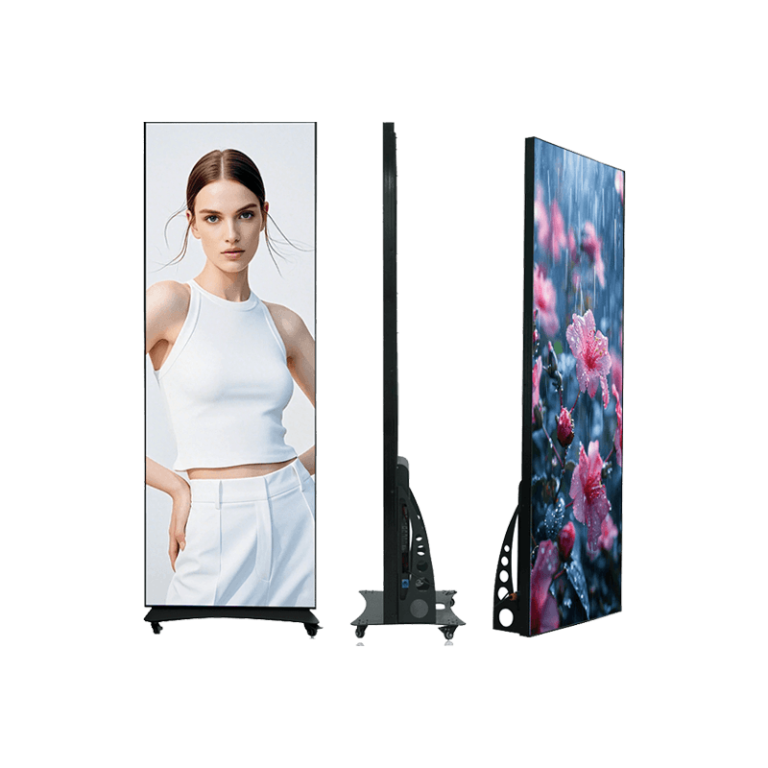
A portable LED wall also benefits from a transport plan. Flight cases should protect modules and keep cabinet types together; they should not become a random store of power boxes, curved locks, and short cables. The industry reference material treats flight cases as both protection and a handling aid. That is practical: fewer damaged corners and fewer missing accessories mean less rework during a short load-in.
Choose Cabinet Weight With the Crew in Mind
Weight affects more than freight. It changes how many people are needed at a lift point, how quickly a row can be held in position, and how much fatigue builds during repeated setup. Leyaled uses die-cast aluminum cabinet construction across event-oriented formats, while related indoor and outdoor models use 500 x 500 mm or 500 x 1000 mm cabinet dimensions. Buyers should request the exact cabinet and power-box weight for the chosen configuration rather than assume all panels in a product family handle the same way.
For repeated projects, aluminio fundido a presión P6 equipment can be a sensible reference point when the job needs a robust cabinet format. A estándar led pantalla layout can also simplify parts planning where the visual design does not require a special shape. The product decision should follow handling, viewing distance, and operating conditions together.
Budget Time for Cable, Calibration, and Testing
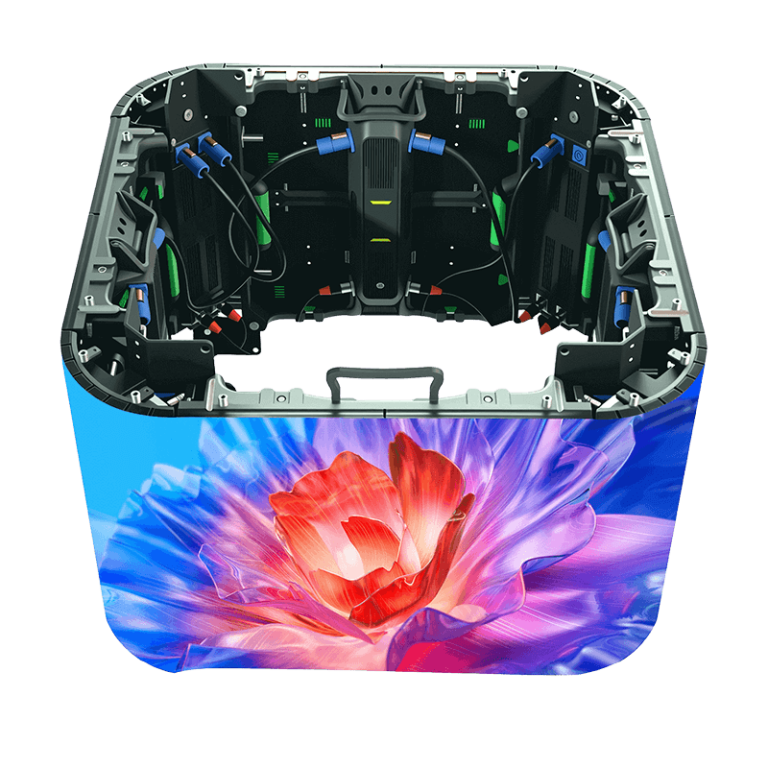
Cable work is where an apparently fast assembly often slows down. Every power branch needs capacity and protection suited to the design. Every data route needs a correct direction and a clean handoff to the processor. Loose connectors, crossed data runs, and unlabeled backup cables are small faults that take too long to trace in a dark venue.
Commissioning should include a solid-color check, a moving-content check, a full brightness review, and a signal-fail test. The LED industry knowledge base also calls out brightness uniformity, color consistency, and pixel health as operating checks. On camera-facing events, add a short camera test before doors open. A wall that looks fine to the eye can still show scan artifacts with the planned camera settings.
Un pantalla al aire libre P2.604 direction illustrates why setup planning changes outdoors: high brightness, weather exposure, power distribution, and mixed cabinet splicing add checks beyond indoor staging. Do not treat the outdoor schedule as an indoor schedule with a rain cover.
Dismantling Needs Its Own Method
Dismantling should be planned while the wall is being installed. The same sequence is normally reversed: shut down content correctly, isolate power, remove signal and power runs without yanking connectors, lower or unload cabinets in controlled rows, inspect damage, then return each item to its labeled case. Rushing the load-out is a reliable way to bend a corner, lose a lock, or store a wet cable beside electronics.
If a wall has been used outdoors, dry and inspect it before long storage. Check module faces, seals, cable ends, and cabinet locks. Record dead pixels, bent frames, or damaged connectors before the next project. Repeated event use rewards a disciplined handover more than a heroic late-night teardown.
Set a Schedule That Reflects the Actual Project
Ask a supplier for a task-by-task installation plan, not a promise that the wall is quick. It should state the cabinet format, total area, stacking or flying method, crew roles, cable plan, access time, power readiness, test window, and contingency. Include the time needed to correct a bad cabinet or swap a power box. That allowance is not waste; it protects the opening time.
In the latter stage of supplier selection, fijado led pantalla capability can matter even for a repeat-build project because structural coordination and service access affect the operating plan. Leyaled combines display manufacturing with project-oriented technical support, including factory testing such as high-and low-temperature cycling and brightness decay checks. For a frequently assembled wall, ask for those records together with cabinet drawings and spare-part guidance from Lprovincia.
Preguntas frecuentes
Q1: How long does an LED screen installation take?
A1: It depends on area, rigging or stacking, crew experience, cable routes, access, and testing. Cabinet locking is only one part of the schedule.
Q2: Do quick locks make a portable LED wall safe?
A2: They speed cabinet joining, but safety still depends on the approved support method, correct locking, cable strain relief, and venue load controls.
Q3: What usually delays event LED screen setup?
A3: Late site access, incomplete rigging, unclear power routes, untested content, missing accessories, and no time set aside for commissioning are common causes.