Der ROI von LED-Werbetafeln hängt nicht allein von der Bildschirmgröße ab. Das gleiche Gehäuse, der gleiche Pixelabstand und die gleiche Helligkeit können an einem Standort profitabel sein, an einem anderen jedoch nur halb genutzt werden. Die Einnahmen resultieren aus Aufmerksamkeit, wiederholter Nutzung, Werbeplatzpreisen und der Verfügbarkeit der Werbetafel. Die Kosten entstehen durch die Konstruktion, die Display-Hardware, den Stromverbrauch, die Wartung, das Content-Management und den Zeitaufwand für die Anzeigenschaltung.
Eine kluge Investition in LED-Werbetafeln beginnt mit der Straße, nicht mit dem Angebot des Herstellers. Verkehrsrichtung, Haltezeiten, Betrachtungsabstand, lokale Werbenachfrage und die Konkurrenz in der Umgebung beeinflussen die Einnahmen. Die Display-Spezifikationen müssen diese Einnahmen sichern. Ist der Bildschirm zu klein, zu dunkel oder fällt er zu oft aus, sinken die Einnahmen der digitalen Werbetafel, selbst wenn der Standort vielversprechend erscheint.
Der Standort bestimmt die Umsatzobergrenze
Ein digitaler Werbebildschirm generiert Einnahmen, wenn genügend Menschen ihn häufig genug sehen, um die Werbekosten zu rechtfertigen. Eine stark befahrene Straße ist dafür geeignet, die Verkehrsgeschwindigkeit spielt jedoch eine entscheidende Rolle. An einer langsamen Kreuzung haben Autofahrer möglicherweise acht bis fünfzehn Sekunden Zeit, den Bildschirm wahrzunehmen. Auf einer vielbefahrenen Autobahn sind es unter Umständen nur zwei bis drei Sekunden, es sei denn, der Bildschirm ist groß und die Botschaft einfach.
Verkehrsfluss und Verweilzeit
Die Verweildauer beeinflusst den Wert der Inhalte. Ein kurzes Betrachtungsfenster begünstigt große Markenbilder, starken Kontrast und wenig Text. Ein längeres Betrachtungsfenster ermöglicht Produktinformationen, lokale Angebote und animierte Sequenzen. Einkäufer, die die Kosten für digitale Außenwerbung planen, sollten sich fragen, ob die potenziellen Werbekunden Markenpräsenz, lokale Werbung, öffentliche Informationen oder hochwertige Bewegtbilder benötigen. Diese Anwendungsfälle erfordern unterschiedliche Bildschirmgrößen und Pixelabstände.
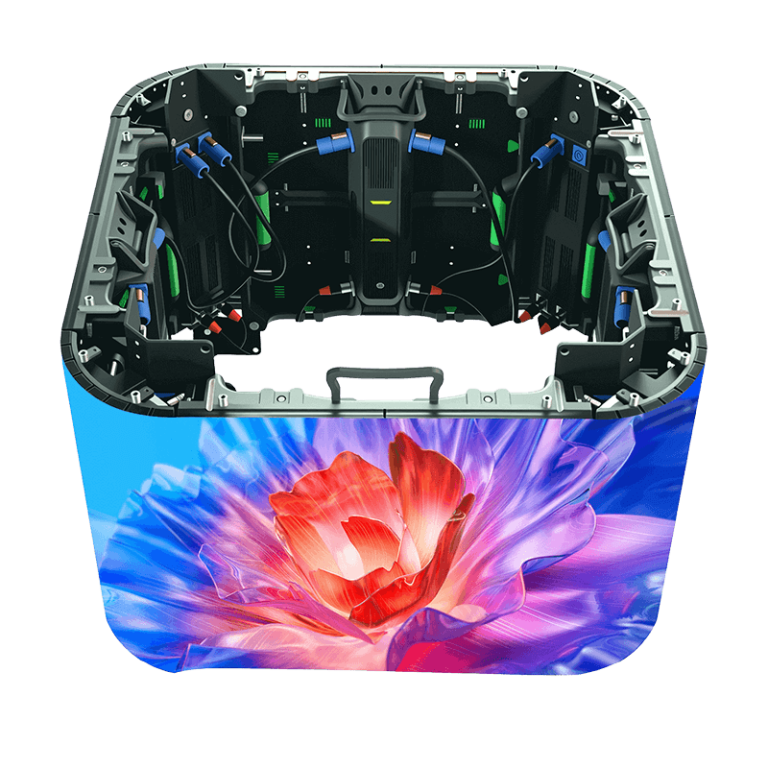
Leyalted im Freien LEDs Anzeige Dies umfasst Außenwerbung und öffentliche Displays, bei denen hohe Helligkeit, Witterungsbeständigkeit und modulare Wartung wichtig sind. Die Rentabilitätsfrage hängt selten nur von einem einzelnen Produkt ab. Vielmehr geht es um das Zusammenspiel von Standortwert und Displaykapazität.
Wettbewerb rund um den Standort
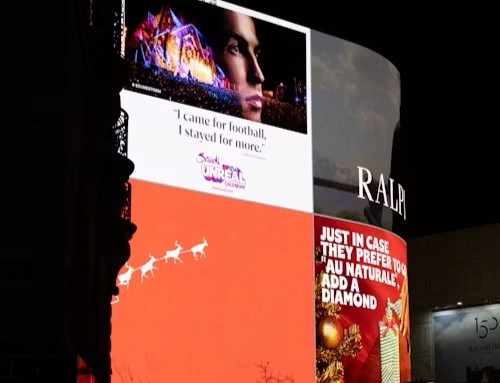
Eine Werbetafel in der Nähe mehrerer anderer heller Bildschirme benötigt möglicherweise eine höhere Helligkeit, eine präzisere Kalibrierung oder ein größeres Format, um sich von der Masse abzuheben. Ein Bildschirm in einem weniger frequentierten Bereich kann durch Exklusivität und wiederholte Sichtbarkeit punkten. Auch der Standort beeinflusst die Werbekategorien. Einzelhandelsgebiete, Verkehrsknotenpunkte, Stadionzufahrten und Geschäftsviertel ziehen unterschiedliche Werbetreibende an.
Bildschirmgröße beeinflusst sowohl Preis als auch Preismacht
Ein größerer Bildschirm ist in der Regel teurer, ermöglicht aber auch höhere Werbeeinnahmen, sofern die Website die Größe nutzen kann. Die Größe sollte anhand der lesbaren Inhaltsfläche und nicht nur der Gehäuseabmessungen beurteilt werden. Ein hoher, schmaler Bildschirm mag auf einer Zeichnung beeindruckend aussehen, ist aber wenig effektiv, wenn die Fahrer ihn nicht rechtzeitig erfassen können.
Anpassung der Größe an die Betrachtungsdistanz
Für die Einnahmen aus digitalen Werbetafeln am Straßenrand sind größere Text- und Bildblöcke oft wichtiger als eine extrem hohe Auflösung. Auf Plätzen, vor Einkaufszentren oder in unmittelbarer Nähe von Straßen erzielen Werbetreibende mit einem engeren Zeilenabstand und mittlerer Größe möglicherweise bessere Ergebnisse, da sie so ansprechendere Werbemittel einsetzen können. Die Größe der Werbetafel sollte so gewählt werden, dass die Botschaft in der verfügbaren Betrachtungszeit gut lesbar ist.
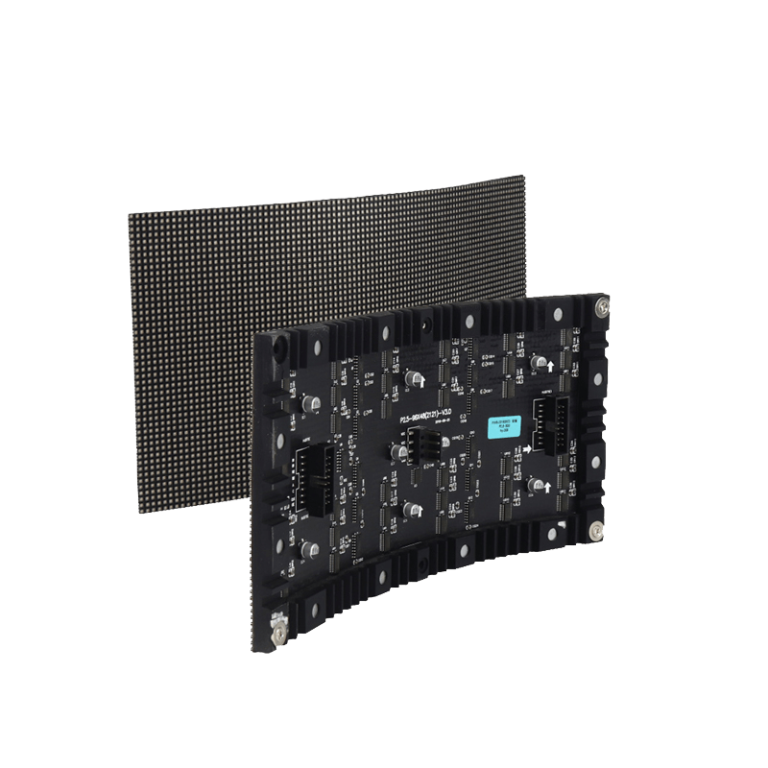
Leyalted Standard LEDs Anzeige Das Portfolio bietet Käufern eine umfassendere Vergleichsgrundlage für verschiedene Arten von Festdisplays. Für die Investitionsplanung hilft es, nicht nur Außenwerbetafelmodelle, sondern auch Gehäusekonstruktion, Bildwiederholfrequenz, Helligkeit und Serviceart innerhalb der Standarddisplay-Familie zu vergleichen. Dadurch wird die Kaufentscheidung nicht allein vom Preis abhängig gemacht.
Anforderungen an den Werbeinhalt
Manche Werbetreibende benötigen lediglich eine hohe Sichtbarkeit. Andere wünschen sich lebendige Farben, Bewegung und detailreiche Produktaufnahmen. Ein Bildschirm, der Hauttöne, Farbverläufe oder schnelle Videos nicht flüssig darstellen kann, schränkt die potenziellen Werbekategorien ein. Bildwiederholfrequenz, Graustufen, Farbkonsistenz und Kalibrierung beeinflussen daher den ROI, selbst wenn sie nicht direkt im Budget eingeplant sind.
Die Betriebskosten müssen in die Kapitalrendite eingerechnet werden.
Die Kosten für digitale Außenwerbetafeln umfassen mehr als nur die Anschaffungskosten. Strom, Wartungsbesuche, Reinigung, Modulaustausch, Support für das Steuerungssystem, Strukturinspektion und Content-Planung fallen alle innerhalb der Amortisationszeit an. Ein realistisches ROI-Modell sollte sowohl die maximale Leistungsaufnahme für die elektrische Auslegung als auch die durchschnittliche jährliche Leistungsaufnahme berücksichtigen.
Für den Außenbereich werden oft 5.000 Nits oder mehr bei Tageslicht benötigt, und einige Leyaled Die Leuchtdichte von Outdoor-Produkten liegt je nach Modell und Anwendung zwischen 5.500 und 10.000 cd/m². Eine höhere Helligkeit schützt zwar den Werbewert am Tag, führt aber auch zu mehr Wärmeentwicklung und höherem Energieverbrauch. Ein optimierter Helligkeitsplan senkt den Stromverbrauch nachts und gewährleistet gleichzeitig die Lesbarkeit des Bildschirms sowie die Einhaltung der örtlichen Lichtschutzbestimmungen.
Verfügbarkeit und Service-Reaktion
Jede Stunde ohne Werbung verursacht Umsatzeinbußen. Wenn Werbetreibende eine Kampagne buchen und die Anzeige ausfällt, muss der Betreiber möglicherweise Ersatzleistungen erbringen oder verliert das Vertrauen der Kunden. Leyaleds werkseitige 72-Stunden-Alterungstests, Helligkeitsabnahmeprüfungen, Temperaturzyklen und die Verwendung hochwertiger LEDs und Treiberchips gewährleisten langfristige Zuverlässigkeit. Das Unternehmen bietet außerdem 3 Jahre Garantie, lebenslangen technischen Support, 24-Stunden-Reaktionszeit und 48-Stunden-Reparaturservice vor Ort – wichtige Faktoren für die Risikobewertung eines Medienbetreibers.
Spezifikationsentscheidungen, die die Amortisation beeinflussen
Die Investitionsentscheidungen für LED-Werbetafeln sollten sich am jeweiligen Vertriebsmodell orientieren. Für Premium-Markenkampagnen kann eine feinere Pixelteilung, höhere Bildwiederholfrequenz und bessere Graustufendarstellung sinnvoll sein. Bei einer großen Autobahn-Werbetafel sind Größe, Helligkeit und robuste Gehäuse möglicherweise wichtiger als eine hohe Pixeldichte. Eine Informationstafel für die Gemeinde legt unter Umständen mehr Wert auf stabilen Betrieb und niedrige Wartungskosten als auf detailreiche Bilder.
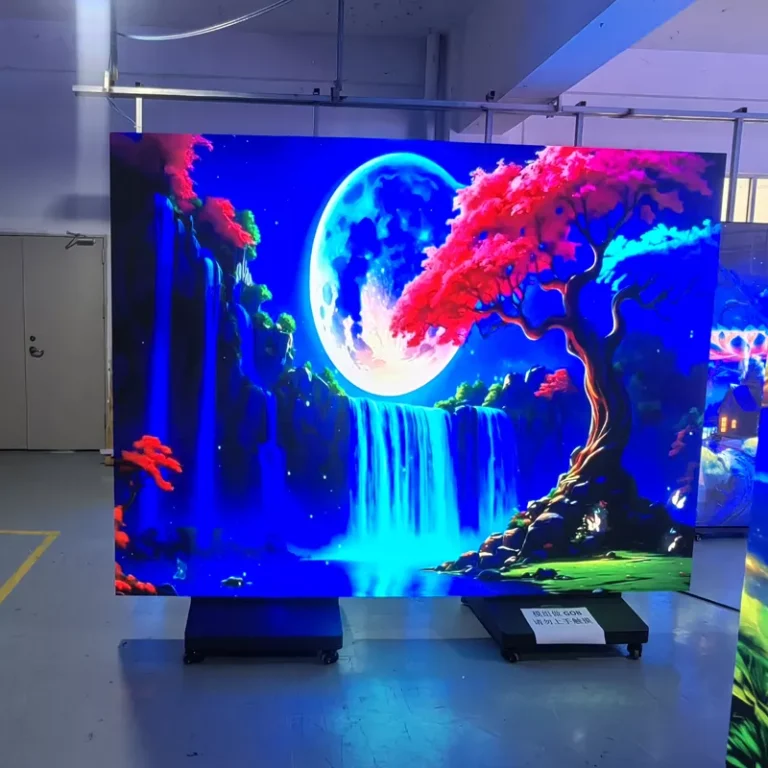
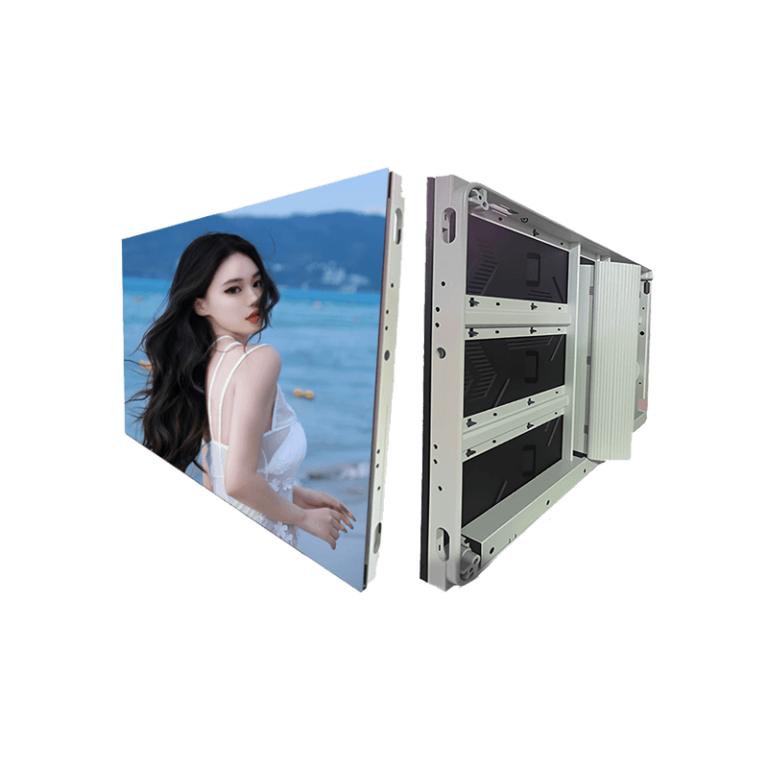
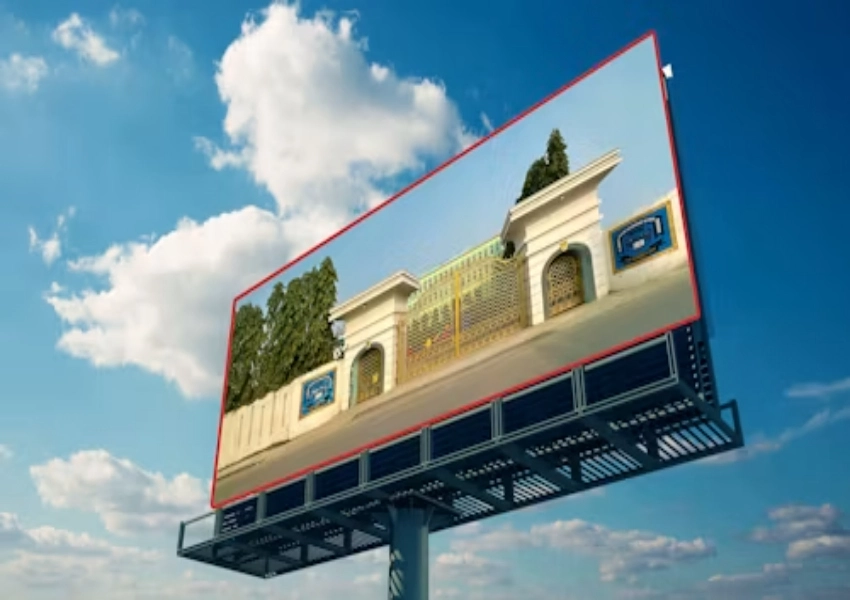
Die im Freien P6,25-Zoll-Display Die LED-Werbetafel eignet sich ideal für Projekte, bei denen große Betrachtungsdistanzen und Witterungsbeständigkeit wichtig sind. Sie ist wasser- und staubdicht (IP65), verfügt über ein Gehäuse aus Aluminiumdruckguss, bietet hohe Leuchtkraft im üblichen Außenbereich und ermöglicht die Wartung von vorne oder hinten. Diese Eigenschaften reduzieren den Wartungsaufwand und tragen so zur langfristigen Rentabilität der LED-Werbetafel bei.
Ein LED-Bildschirm Lieferant Die Diskussion sollte daher nicht nur den Preis der Gehäuse, sondern auch die Amortisationsannahmen umfassen. Hilfreiche Fragen sind beispielsweise: erwartete tägliche Werbeplätze, durchschnittliche Auslastung, lokale Stromkosten, angestrebter Helligkeitsplan, Wartungszugang, Ersatzteile, Inhaltskontrolle und ob der Standort aufgrund des blockierten Zugangs von hinten eine Wartung an der Vorderseite benötigt.
Ein weiterer Aspekt, der den ROI nach der Installation oft beeinflusst, ist die Möglichkeit des Betreibers, verschiedene Werbeformate zu verkaufen. Ein Bildschirm mit stabiler Farbwiedergabe, flüssiger Videowiedergabe und planbarer Ausspielzeit ermöglicht die Vermarktung von Markenkampagnen, lokalen Angeboten, öffentlichen Bekanntmachungen und Veranstaltungshinweisen ohne ständige Nachbearbeitung. Diese Flexibilität trägt dazu bei, freie Werbeplätze zu füllen – und genau hier entscheiden viele Werbeeinnahmenmodelle stillschweigend über Erfolg oder Misserfolg.
FAQ (häufig gestellte Fragen)
Frage 1: Was hat den größten Einfluss auf den ROI von LED-Werbetafeln?
A1: Standort, Betrachtungszeit, Auslastungsgrad, Betriebszeit, Bildschirmgröße und lokale Werbepreise sind in der Regel wichtiger als ein kleiner Unterschied im Gehäusepreis.
Frage 2: Wie lassen sich die Kosten für digitale Außenwerbetafeln schätzen?
A2: Umfasst Displayhardware, Stahlkonstruktion, Installation, Stromverteilung, Steuerungssystem, Elektrizität, Wartung, Reinigung, Ersatzmodule und zukünftige Serviceeinsätze.
Frage 3: Kann ein besserer Bildschirm die Einnahmen aus digitalen Werbetafeln steigern?
A3: Ja, wenn bessere Helligkeit, Größe, Farbe, Bildwiederholfrequenz und Zuverlässigkeit höherwertige Kampagnen ermöglichen oder Ausfallzeiten reduzieren, die andernfalls die abrechnungsfähige Reichweite verringern würden.