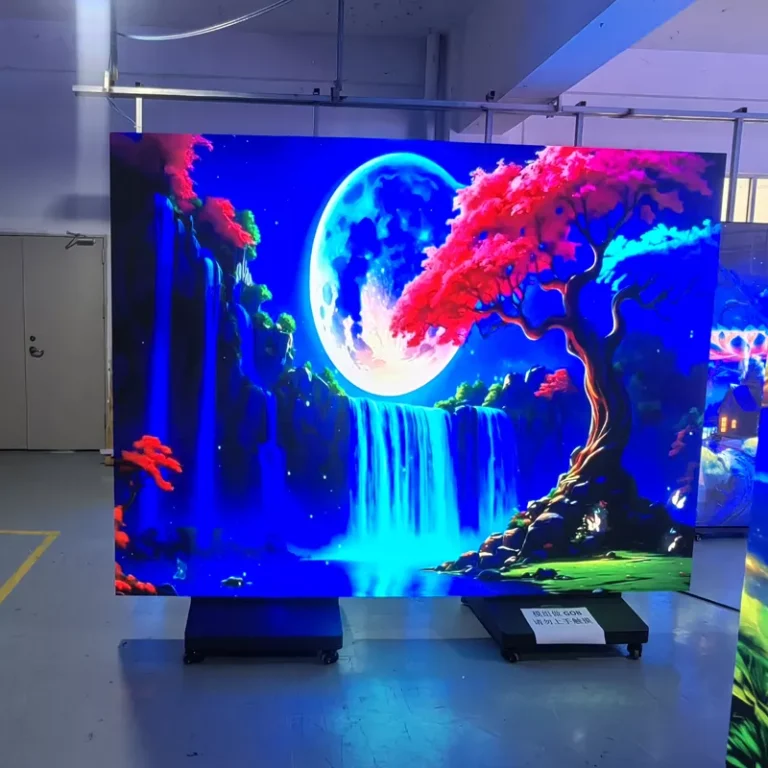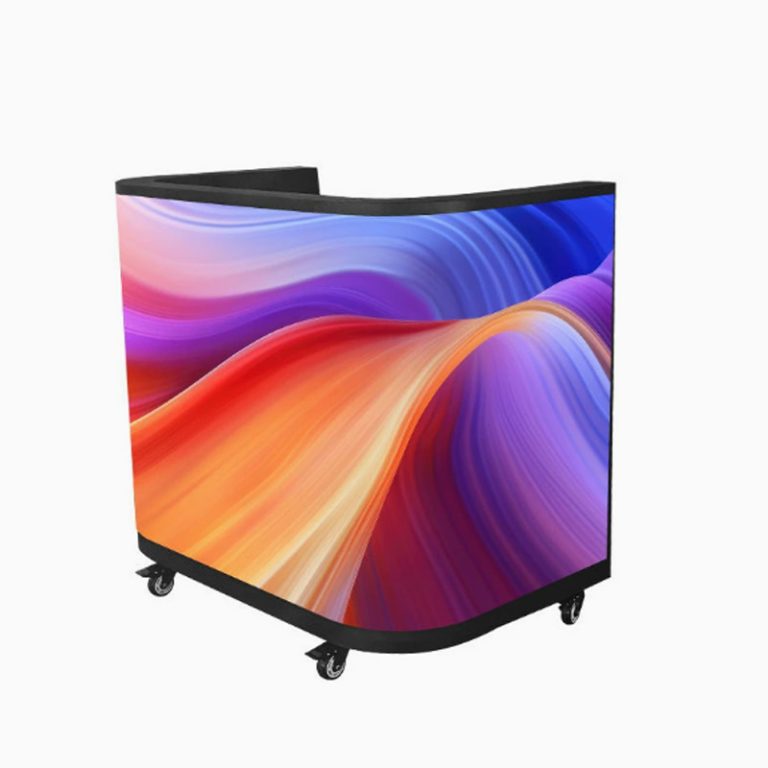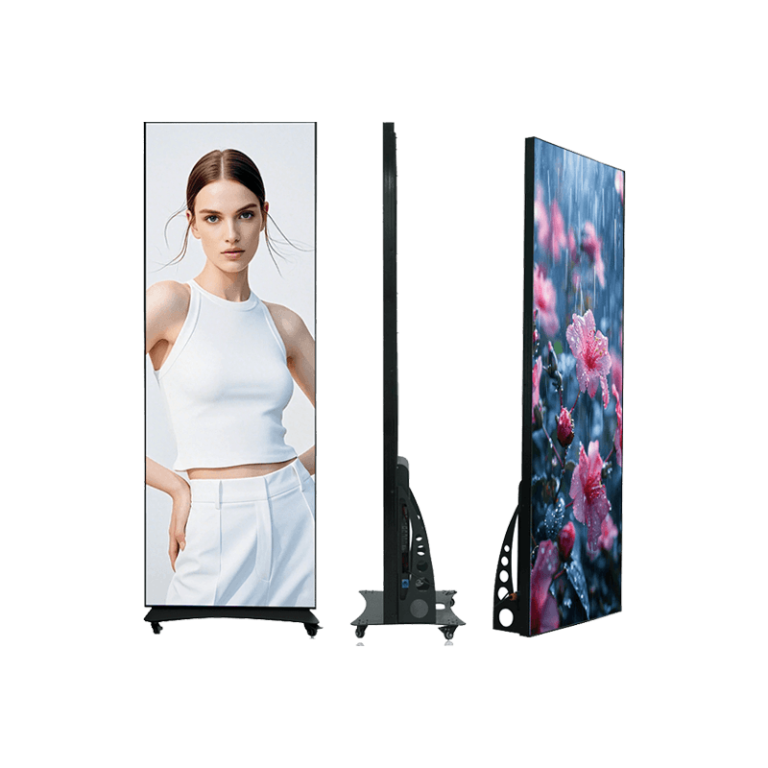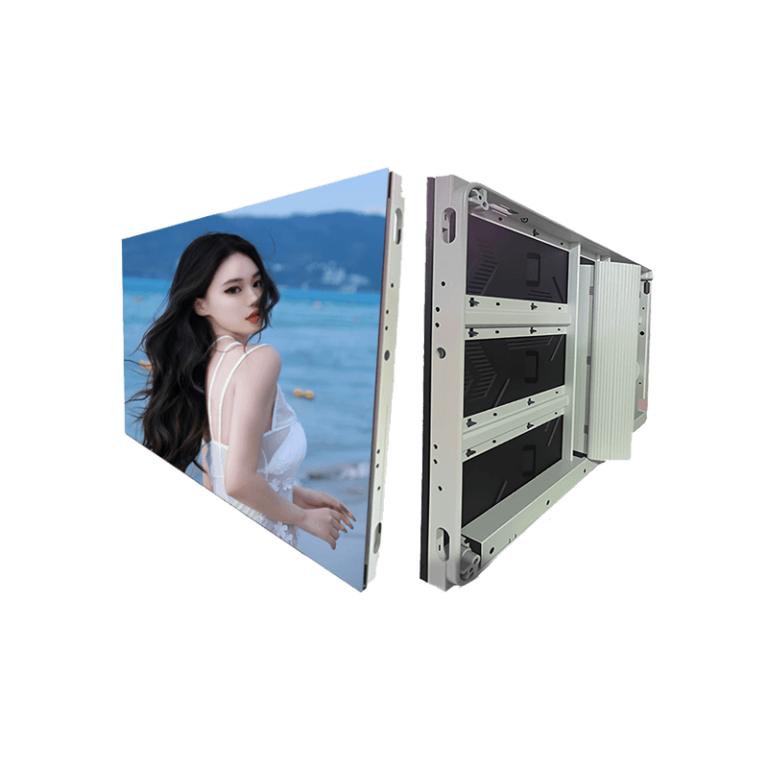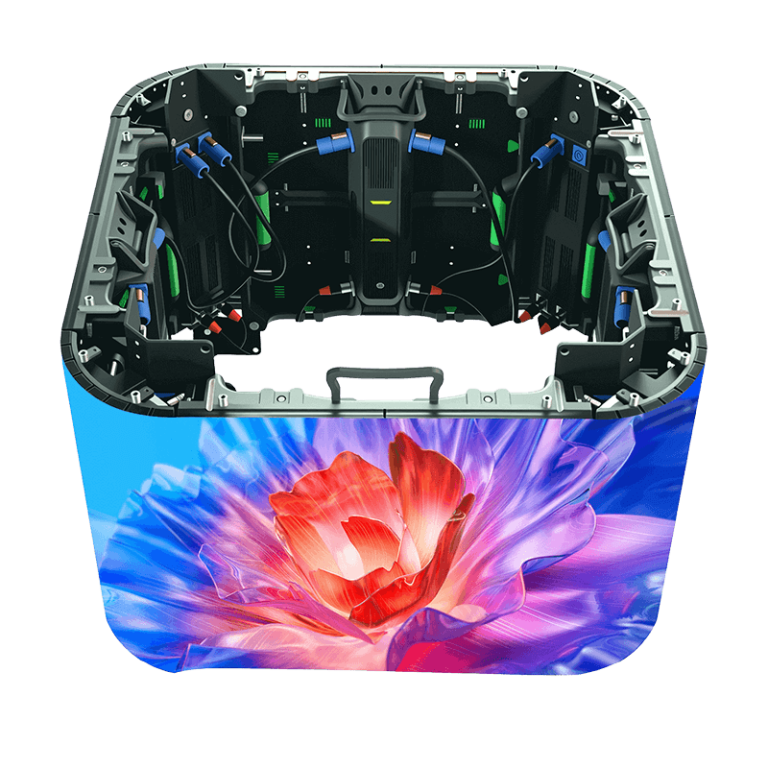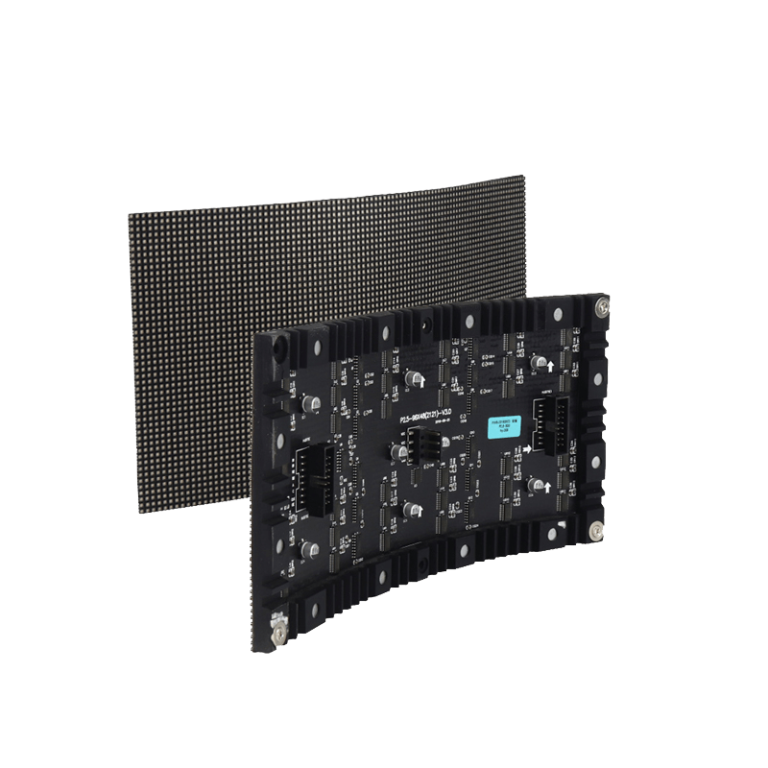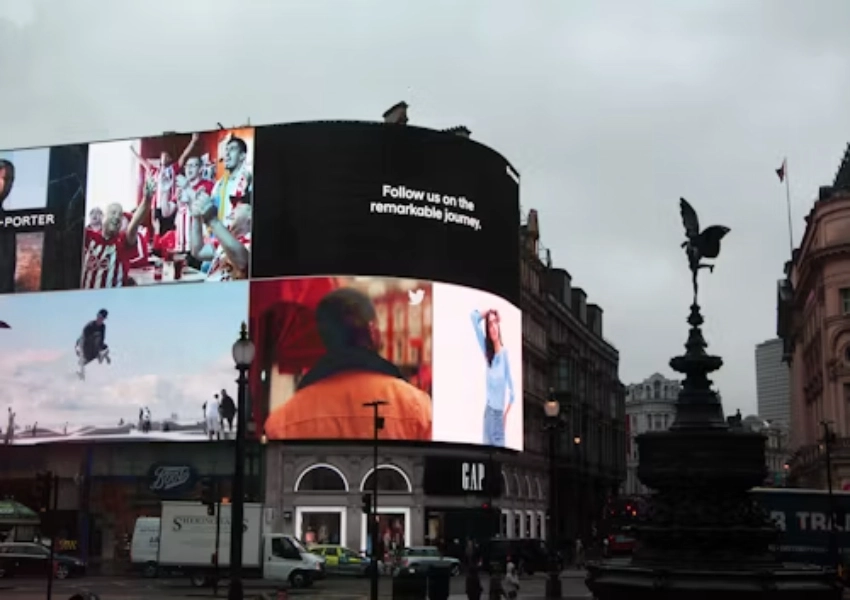
A flexible LED screen can make a curved lobby wall, a cylindrical stage backdrop, or a flowing retail display look effortless. The hard part is that the screen is not forgiving. A small cabinet offset, an over-tightened module, or a rushed power test can show up later as a dark pixel, a wavy seam, or a curve that looks right from one angle and wrong from another.
Good installation starts before the first module touches the frame. Buyers and integrators need to treat the curve, the module surface, and the electrical system as one working body. That is where the real benefits of flexible LED displays appear: shaped surfaces, lighter structures, close viewing comfort, and front maintenance, without the flat, boxy look of a conventional wall. Leyaled positions its شاشة عرض LED around these practical project needs, not only around the screen size on a quote sheet.
Why Dead Pixels Start Before The Screen Turns On
Dead pixels are often blamed on LED quality alone, but field failures usually come from a chain of small stresses. Flexible modules bend, twist, connect, heat up, cool down, and carry current across tight spaces. If that chain is handled roughly, the fault may not appear during the first power-on test. It may appear after transport, after the second day of operation, or after the screen has been cleaned and recalibrated.
Module Handling And Bend Radius
A curved flexible LED screen should never be forced into shape by hand pressure at the lamp surface. The module needs to follow the designed arc. Leyaled flexible modules are built for creative shapes such as inner arcs, outer arcs, cylinders, waves, and spiral forms. Large-angle bending, with single modules able to bend left and right and a maximum bending arc above 110 degrees. Those numbers matter, but they are not a license to twist the module until it fits.
During installation, the team should hold the module by its frame or magnetic mounting area, keep tools away from the LED face, and avoid repeated bending at the same small point. The safest approach is boring in a good way: check the arc, test one module line, then repeat. A module that feels slightly strained at the first row will look worse after the full wall adds weight and thermal movement.
Power And Signal Stress
Dead pixels can also come from unstable power, loose signal paths, and uneven cabinet grounding. Before the display is closed, every power cable and data cable should have enough slack for the curve without hanging loose inside the cabinet. Tight cables can pull connectors during expansion and contraction. Loose cables can rub against metal edges or block heat paths. Both problems are easy to miss when the image looks fine in a quick demo.
Curve Accuracy Depends On The Substructure
The display can only follow the structure behind it. If the steel frame or mounting surface has flat spots, the LED wall will copy them. If the radius changes unexpectedly, the module seams will tell on the installer. For a creative installation, the frame is not a background detail. It is part of the visual system.
Measuring The Arc Before Mounting
A reliable flexible LED screen installation should start with a physical radius check. The project drawing may call for a smooth cylinder, but the finished wall, column, or stage frame may carry tolerances from welding, cladding, or site work. Installers should mark the centerline, confirm the radius at several heights, and check whether the screen is expected to wrap around corners, doors, or service panels.
لياليد outdoor flexible display line is useful for shaped spaces because it is built around flexible display applications rather than only flat fixed walls. Still, the product choice has to match the actual radius, viewing distance, access route, and maintenance plan. A buyer should ask for the recommended module size, magnet layout, cabinet support, and minimum practical service clearance before approving the structure.
Indoor commercial curves can use a different route. The indoor flexible display category is more suitable when the screen sits in a lobby, showroom, broadcast corner, or retail space where brightness demand is lower but seam quality is easier for viewers to notice at close range.
Keeping Seams Honest
Uneven curves usually appear first at the seams. A 1 mm offset may not sound serious, but on a dark background or a slow-moving gradient it can create a visible line. Seam checks should be done with black, white, red, green, blue, and grayscale content, not only with a bright video clip. A vivid video hides small faults. Solid test screens expose them.
Long curved walls also need room for thermal movement. LED cabinets and modules expand and contract with temperature, especially in large screens used for many hours per day. If the installer closes every gap too tightly at room temperature, the wall may develop pressure marks or seam misalignment later. The better practice is to follow the supplier’s tolerance and locking sequence, then recheck after a warm-up period.
Electrical Checks That Catch Problems Early
A curved wall should be tested like a finished display, not like a pile of modules. The screen needs full-load tests, low-brightness tests, refresh checks, receiving-card checks, and a thermal review. This is especially important for curved work because maintenance access is often tighter than on a flat wall.
Cabinet And Module Testing
Before handover, each cabinet or module group should run through a clear test list: no dead pixels, no color blocks, no black screen, no delayed response, no visible flicker, and no hot cable points. Leyaled’s production quality process includes high-quality LED beads and driver chips, plus 72 hours of extreme testing with high and low temperature cycling and brightness decay checks. That factory-side testing gives the project a better start, but site testing still has to catch transport damage and installation pressure.
إن الصمام شاشة مرنة product direction also fits this point because its flexible FPC circuit boards, magnetic installation, and front maintenance design are built for shaped installations where fast access can reduce downtime. Front access is valuable only when the structure leaves enough room for safe module removal. That detail should be settled before the decorative surface is closed.
Remote Monitoring After Handover
Post-installation monitoring is not a luxury on a curved flexible wall. A good control setup can watch brightness, temperature, and pixel health, then flag abnormal brightness, high temperature, or dead pixels before a minor fault spreads into a visible service issue. The maintenance team should also keep spare modules from the same batch whenever possible, since color consistency is easier to protect when replacements match the original order.
Where Leyaled Specs Fit The Job
لياليد, founded in Shenzhen in 2012, operates as an LED display R&D, production, and sales manufacturer with automated production lines and a factory footprint around 7,000 square meters. The practical value for buyers is not the factory story by itself. It is the combination of flexible module design, testing discipline, onsite installation support, a 3-year free warranty, lifetime technical support, and service response routines that matter after the screen is running.
For a buyer comparing curved display options, the most useful questions are simple. Can the supplier confirm the bend range for the exact module? Can the same team talk about cabinet tolerances, magnet strength, heat paths, power routes, calibration, and spare parts? Can the screen be serviced from the front where rear access is blocked? If those answers are clear, the benefits of flexible LED displays become much easier to realize in a real project.
أسئلة متكررة
Q1: What causes dead pixels after a flexible LED screen is installed?
A1: Common causes include rough module handling, over-bending, unstable power, tight signal cables, heat buildup, transport damage, and poor seam pressure control during installation.
Q2: How can uneven curves be reduced on a curved flexible LED screen?
A2: Check the physical radius first, mount modules in a controlled sequence, test solid colors and grayscale, and leave proper tolerance for thermal movement.
Q3: Does front maintenance matter for curved LED walls?
A3: Yes. Front maintenance helps when rear access is blocked, but the frame and decorative finish must leave enough room to remove and replace modules safely.