There is no single step line where every LED wall suddenly becomes pixelated. One viewer may notice the pixel structure sooner than another. A person reading small type, a camera filming a grey background, and a visitor looking at bold video content will each experience the same wall differently. Fine-pitch LED viewing distance is a useful planning idea, but it should be treated as a range shaped by pitch, content, eyesight, lighting, and viewing time.
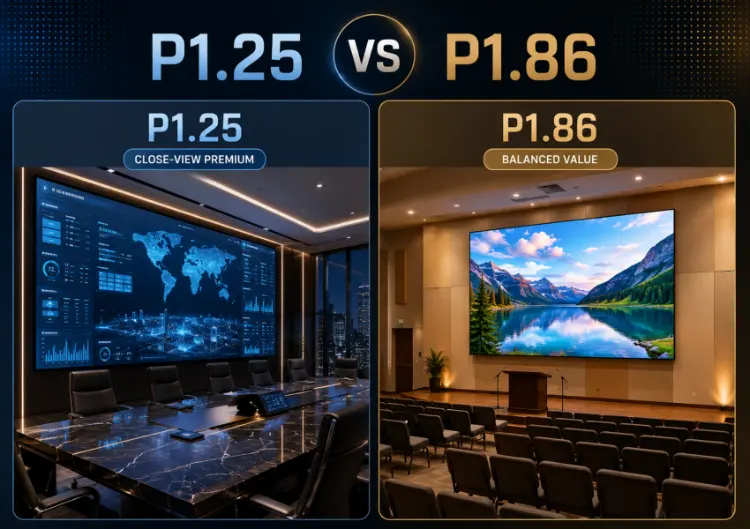
The question also changes with screen purpose. A conference wall may be judged from a front table. A retail screen may be approached by shoppers. A stadium display is usually viewed from farther away, while a studio wall may be inspected through a lens. The correct answer comes from the closest normal use, not from a generic number copied into a quotation.
What Pixel Pitch Can Tell You
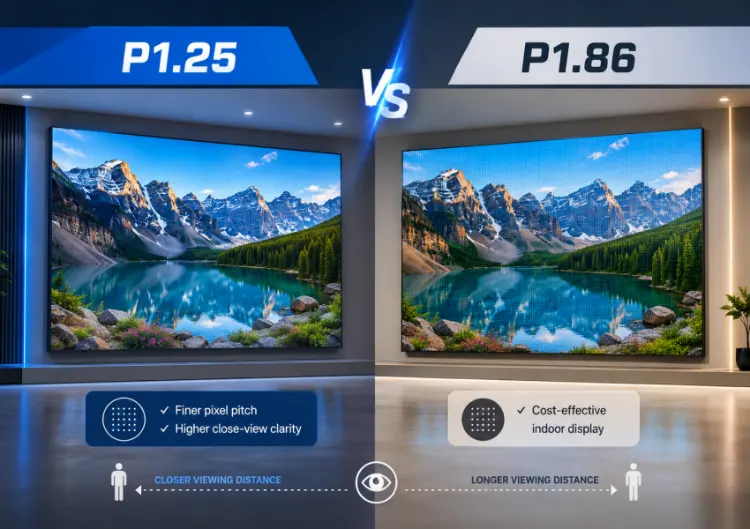
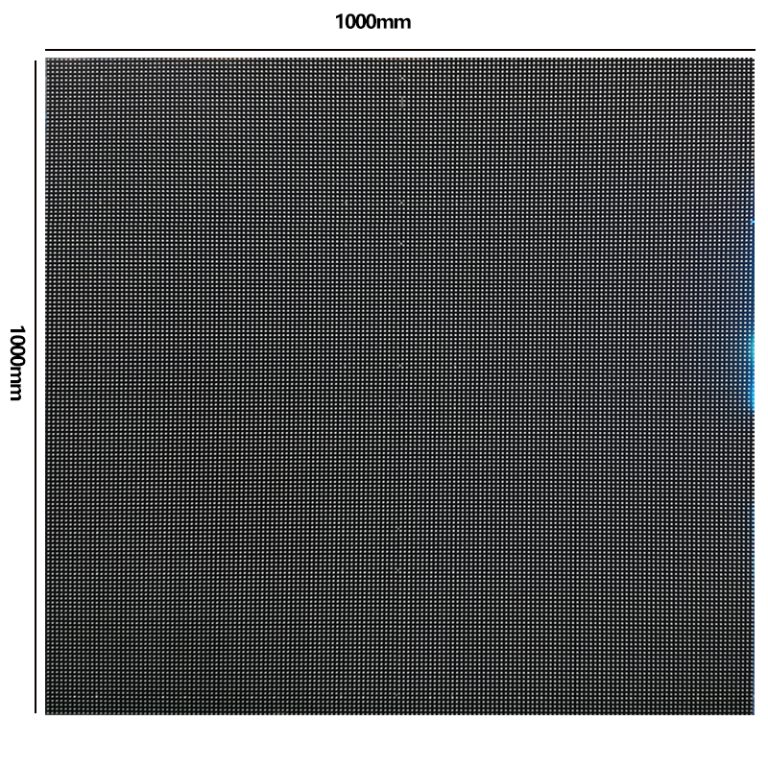
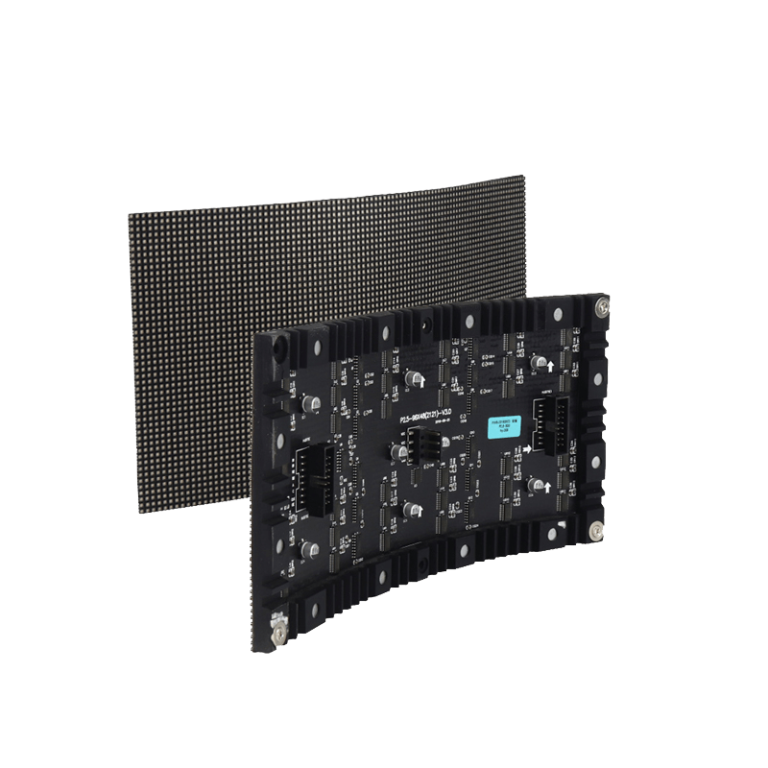
Pixel pitch is the distance between neighbouring LED pixels, measured from centre to centre. A smaller pitch places more pixels into the same area, allowing finer edges and smoother small details at a shorter distance. A larger pitch can look clean when the audience is farther away and may reduce the cost of a large wall. This is why pixel pitch distance is a starting point for selection, not a complete image-quality verdict.
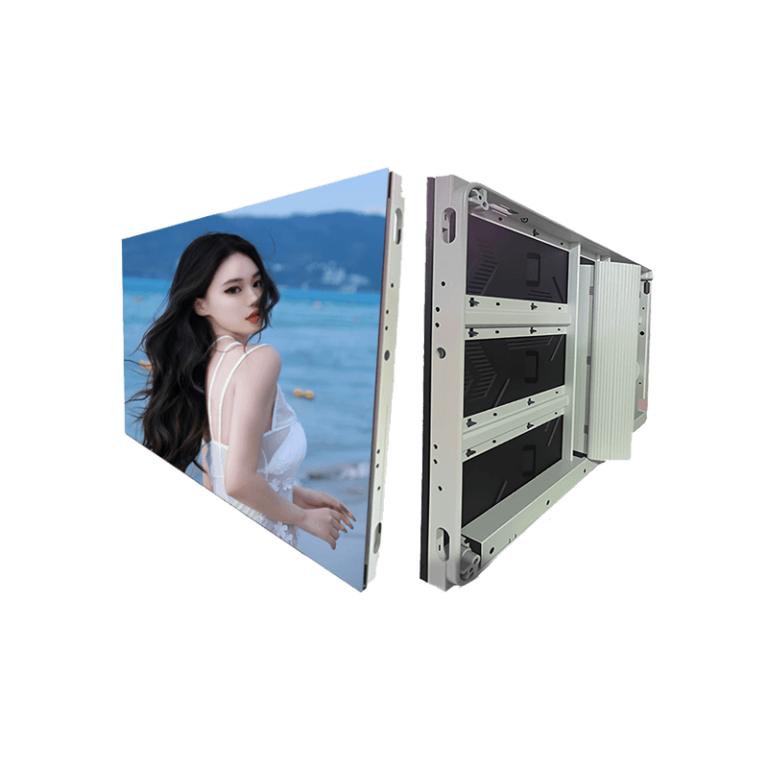
Indoor P1.25 at an approximate 1.2-15 m optimal viewing range, P1.56 at 1.5-20 m, and P1.86 at 1.8-20 m. Another indoor reference lists P3.91 at 3-20 m. These ranges show how pitch and viewing distance are related, but they should not be turned into a guaranteed minimum for every viewer. The content, brightness, module quality, and room still matter.
Use a Practical Distance Model, Then Challenge It
A common planning shortcut estimates a minimum distance from the pitch, often using a multiplier of the pixel pitch. Such a formula can help compare options at the start of a project. It does not account for eyesight, moiré, source resolution, high-contrast text, camera exposure, or how long people stand near the wall. The model should produce a test distance, not a promise that pixels will be invisible.
Content Changes the Point of Visibility
Large moving images are forgiving. Thin white lines on a dark background are not. Small text, spreadsheets, faces, product labels, architectural drawings, and slow gradients can reveal structure earlier than a colourful video. Ask the content team for the most demanding real material and test it at the closest audience position. A wall that looks smooth with a promotional clip may show pixel spacing when a white presentation slide appears.
Brightness also changes perception. At very high brightness, the eye can be drawn to individual light points and hard edges. At a comfortable indoor setting, the same wall may appear more uniform. Outdoor screens add daylight, glare, and longer viewing distances. An outdoor P3 display and an شاشة عرض خارجية P6.25 serve different audience zones, so outdoor selection should include daylight visibility and content size rather than pitch alone.
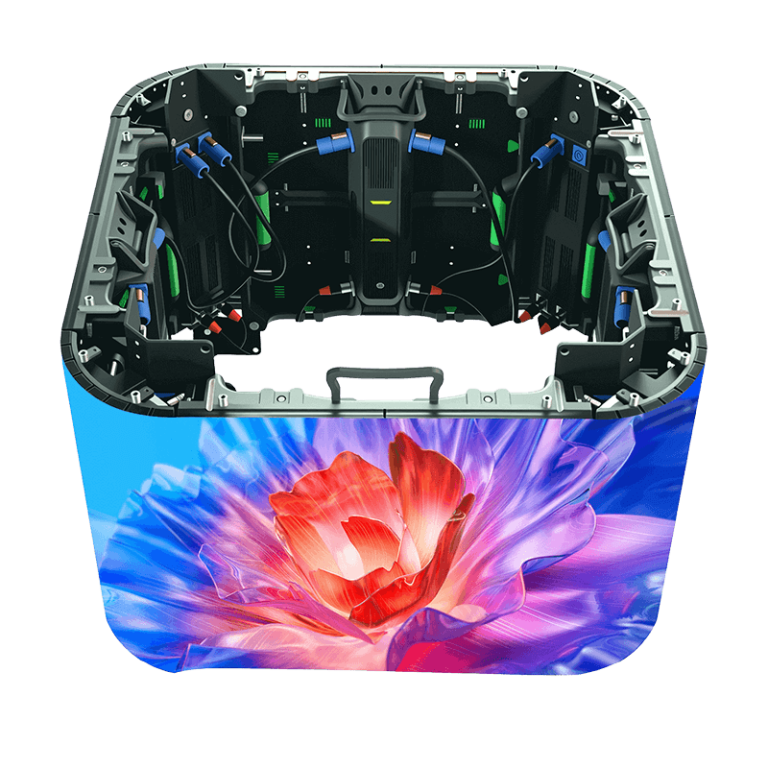
The screen’s physical size matters because a large wall can be viewed from several angles and distances. A curved wall changes the angle between the viewer and each section. Cabinet flatness, alignment, calibration, and viewing angle can make a bigger difference than a small pitch change on paper. Inspect the joins and corners, not only the centre of one module.
Eyesight, Lighting, and Camera Use
People do not share identical visual acuity. Age, corrective lenses, contrast sensitivity, and time spent looking at the wall all affect when the structure becomes noticeable. A short walk-by test may not expose an issue that appears during a two-hour meeting. Put the wall in the intended room, at the intended brightness, and ask several people to read the real content from the nearest seat.
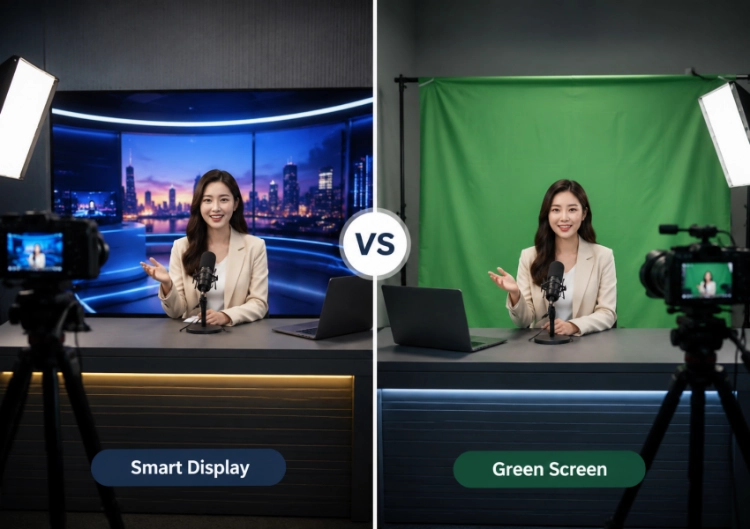
Camera use requires a separate check. Refresh rate, scan mode, shutter, frame rate, exposure, focus, and lens distance can reveal scan lines or texture that the eye does not see. The fine pitch LED viewing distance for a camera may be longer than the comfortable distance for a person, especially when the shot uses a wide aperture or a large neutral background. Record test footage before the processor, brightness, and calibration settings are finalized.
How to Build a Buyer-Side Viewing Test
A useful test can be simple. Mark the nearest viewer, the main audience line, and the camera line on the floor. Display five types of content: small text, a grey gradient, skin tones, a dark scene, and fast motion. Check at low, normal, and higher working brightness. Walk toward the wall slowly, then step back. Note the first distance at which structure becomes distracting, not the first moment an expert can detect any pixel.
Repeat the test at the side angle and with the actual room lights on. If the wall is for sports or public venues, include a wide viewing section and check whether the image remains consistent across the viewing angle. A stadium screen application may place greater weight on brightness, protection, and long-distance readability than on close text inspection. The test should reflect the business use, not just a showroom demonstration.
Choosing the Pitch Without Overbuying
A small pitch LED display is worth selecting when the closest normal viewer, content detail, or camera position repeatedly exposes the limits of a larger pitch. It may be unnecessary when the wall is seen from far away, the content uses large shapes, or the budget is better spent on brightness control, processing, calibration, structure, and service access. The best pixel pitch is the one that meets the visual threshold with practical headroom.
Share the installation size, nearest and typical viewing distances, content samples, camera information, lighting conditions, viewing angles, and budget with the supplier. Leyaled has indoor, outdoor, commercial, and venue-oriented display paths. لياليد can start the category review, but the chosen model should be confirmed against a sample and written test conditions.
A distance rule can narrow the list. It cannot replace judgement. Pixel pitch, content, eyesight, lighting, camera settings, screen geometry, and the quality of the finished installation all shape the point where pixels become visible. Treat the formula as a conversation starter, then let the real viewing test decide.
أسئلة متكررة
Q1: Is there one guaranteed minimum distance for every fine-pitch LED wall?
A1: No. Visibility depends on pitch, content, eyesight, brightness, screen quality, lighting, viewing angle, and camera conditions. A distance rule can only provide an initial estimate.
Q2: Does a smaller pitch always look better?
A2: Smaller pitch can improve close-detail rendering, but it may add cost without visible value when viewers are farther away, or content is simple. Processing and calibration also matter.
Q3: Should camera distance be included in LED wall selection?
A3: Yes. Test the actual camera, lens, frame rate, shutter, brightness, content, and focus distance because the camera may reveal texture or scan behaviour earlier than the eye.