A stadium LED screen has to serve several audiences at once. Spectators need a clear replay and readable score. Sponsors need advertising that remains visible when the action is fast. The operations team needs a system that can switch sources reliably, survive a crowded match day, and be repaired without closing a large part of the venue. Those needs are different from a simple indoor presentation screen.
The best choice starts by separating screen roles. A main stadium video wall, a perimeter LED screen, an LED scoreboard screen, and concourse displays may share some technology, but they face different viewing distances, content, physical risks, and maintenance conditions. Treating them as one purchase usually creates compromises in the wrong place.
Define the Job of Each Screen
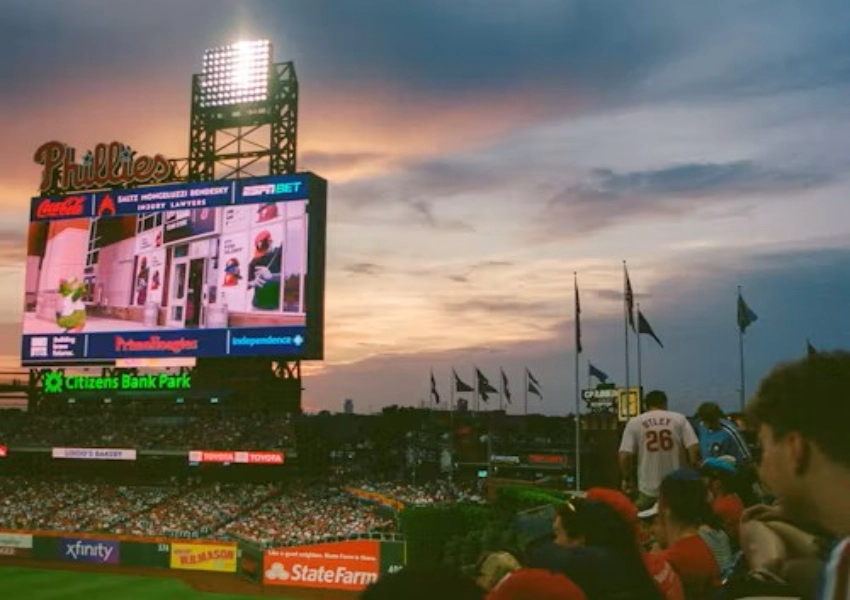
The main screen normally carries live video, replays, lineups, score information, and sponsor packages. It needs enough resolution for the closest seats, good viewing angles for side seating, and stable motion handling. Perimeter boards face a lower camera angle and rapid advertising rotations. Their key concerns include brightness, camera-friendly refresh, impact resistance, and a safe physical profile near the field.
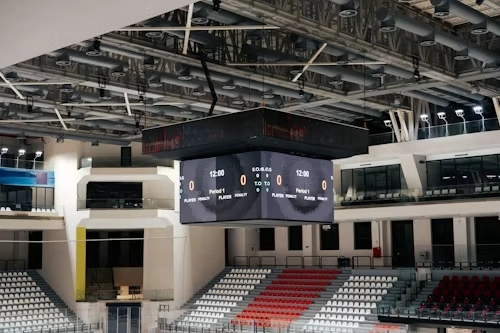
An LED scoreboard screen may put information ahead of cinematic video. Clock, score, possession, fouls, and simple sponsor panels must remain readable in changing light. The control system should therefore support the venue’s sports-data workflow as well as normal video playback. Ask who controls the score feed, who owns the replay switcher, and what happens when a source drops.
Viewing Distance Sets Pixel Pitch
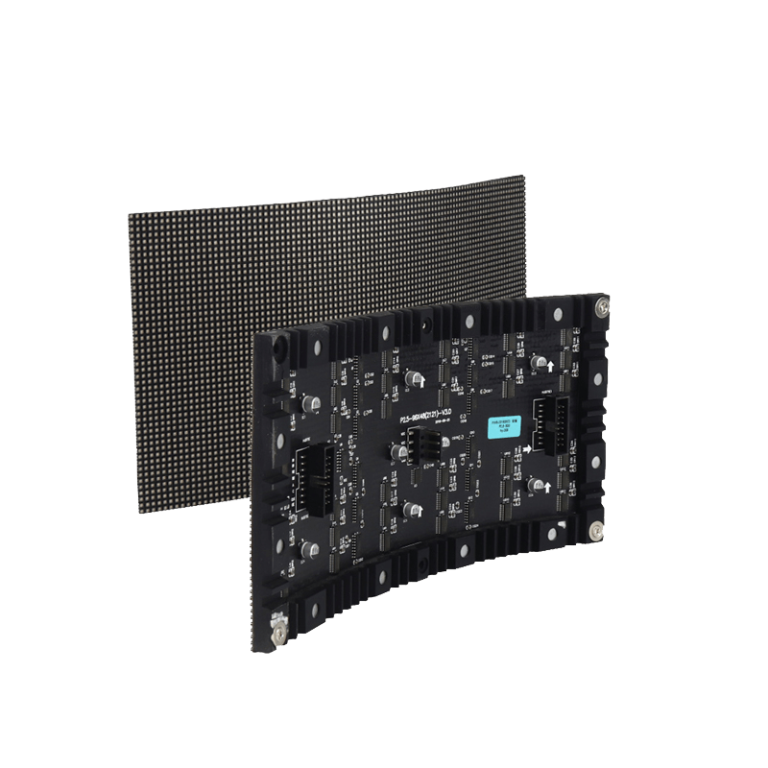
Pixel pitch should follow the nearest meaningful viewer, not the smallest pixel a supplier can offer. A large stadium screen viewed from distant stands can use a coarser pitch than a close concourse screen while still looking clear in a replay. A stadyum ekranı product direction is useful for mapping these demanding sports conditions, but buyers should calculate seating distances, screen size, content type, and budget for every zone.
Do not use a fixed rule such as one pitch for every stadium. A television-facing perimeter board may require a different choice from a high-mounted replay screen. The key is to balance the real viewing distance, broadcast camera position, and the amount of detail in the content.
Brightness, Refresh, and Viewing Angle Affect the Match-Day Image
Outdoor venues can move from bright sun to floodlit evening within one event. Buyers should confirm the working brightness range, automatic adjustment method, and image quality at reduced brightness. High output is important in daylight, but glare after dark creates a different problem for athletes, spectators, neighbors, and broadcast cameras.
Refresh rate matters when sports LED display content is filmed for live coverage or replay. Fast pans across a perimeter LED screen can expose scan artifacts that are not visible from the stands. Leyaled has high-refresh configurations in the 3840Hz and 7680Hz range for different display formats. Request the exact scan and processing configuration, then test it with the venue’s cameras and typical advertising motion.
The viewing angle is equally practical. Seats on the far sides and corners should still see the score and replay clearly. Verify the quoted angle using actual seating sightlines, not only an open-floor demonstration. A screen mounted high above one stand can behave very differently once roof structure and lighting enter the picture.
Weather, Ball Impact, and Access Are Not Secondary Details
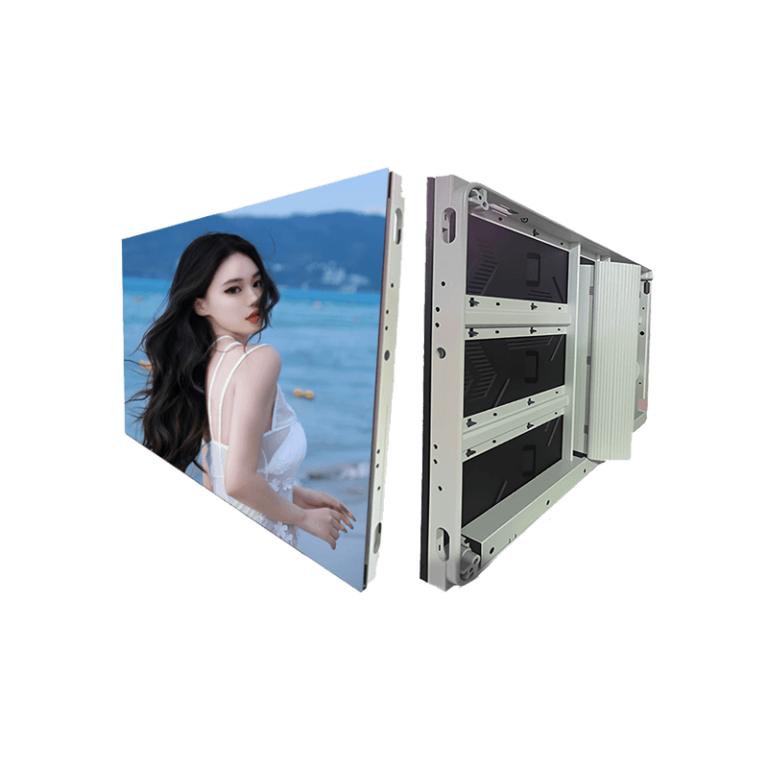
A stadium installation is exposed to rain, dust, heat, wind, vibration, crowd activity, and occasionally ball impact. The product and structure need suitable environmental protection, drainage, secure cable routing, and a mounting design reviewed for the site. For outdoor equipment, IP65 is commonly relevant, but the buyer should verify the rating for the actual cabinet, joints, connectors, front surface, and service method rather than rely on a category label.
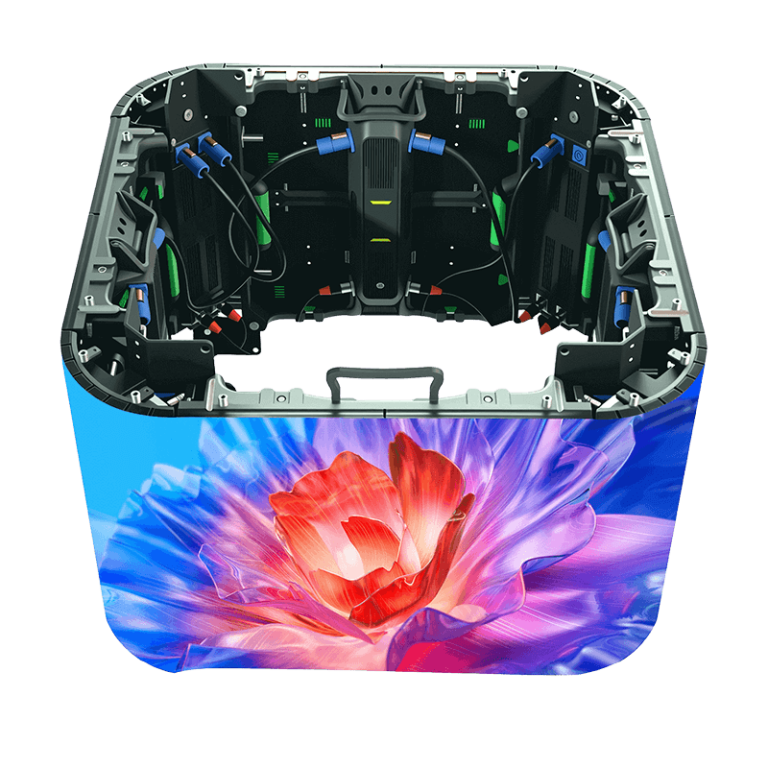
Front or rear maintenance access changes the operating cost. A wall that needs a lift and a major work zone for every module replacement can interrupt stadium operations. The dış mekan NEDEN OLMUŞ billboard product line is a useful comparison for weather-facing, high-brightness display work, while the stadium plan needs its own review of protection, screen position, and access route.
Plan Service Before the First Match
Specify a maintenance corridor, safe access points, cabinet identification, spare modules, spare power supplies, and a way to isolate a small fault without taking down the entire wall. Record brightness and color settings at handover. Leyaled has factory testing, including high and low temperature cycling and brightness decay checks, as well as ongoing technical support. Those practices help, but site staff still need a clear escalation and replacement process.
Build the Control System Around Operations
A stadium video wall needs more than a media player. It may accept camera feeds, replay outputs, scoreboard data, sponsor schedules, emergency messages, and remote status monitoring. The processor should be selected around the input count, required redundancy, latency tolerance, screen mapping, and operator workflow. Test switching between the real sources before the first fixture.
Remote monitoring can track temperature, brightness, and pixel status so the team spots a problem before it becomes a visible block during a match. The LED industry knowledge base also identifies live streaming, close-up replay, slow-motion replay, and multi-zone playback as common event functions. The operations team should decide which of those are truly needed, then commission them with the content provider.
For installations where cabinet body and mounting depth matter, alüminyum profil NEDEN OLMUŞ görüntülemek information can help frame the structural discussion. If a close spectator zone needs more detail, dış mekan ekranı P3 may be a relevant product path. These links are starting points; field measurements and an engineering review still decide the final system.
Buy on Whole-Life Match-Day Value
Compare quotes using more than square meters and peak brightness. Include screen role, pixel pitch, brightness range, refresh and camera test, IP protection, cabinet weight, structural work, access, processor, data integration, spare parts, factory test evidence, commissioning, and service response. A lower initial quote can cost more if it cannot support live replays, breaks repeatedly, or needs disruptive maintenance.
Leyaled’s experience with indoor and outdoor full-color displays, sports-stadium applications, automated production, and documented aging tests makes a later-stage technical review practical. When assessing Leyaled‘s proposal, request a site-specific plan with screen roles, viewing distances, control inputs, maintenance routes, and a match-day test procedure. That gives the stadium LED screen a better chance of working long after the opening ceremony.
SSS
Q1: What pixel pitch should a stadium LED screen use?
A1: It depends on nearest seating distance, screen height and size, content, and camera needs. Main replay walls and close perimeter zones often need different pitches.
Q2: Does a perimeter LED screen need a camera test?
A2: Yes. Fast camera pans and moving sponsor content can reveal scan artifacts, so test the actual broadcast cameras, shutter settings, brightness, and content.
Q3: What should be included in stadium screen maintenance planning?
A3: Include access routes, cabinet identification, spares, power isolation, weather checks, calibration records, monitoring, and a response plan for match-day faults.