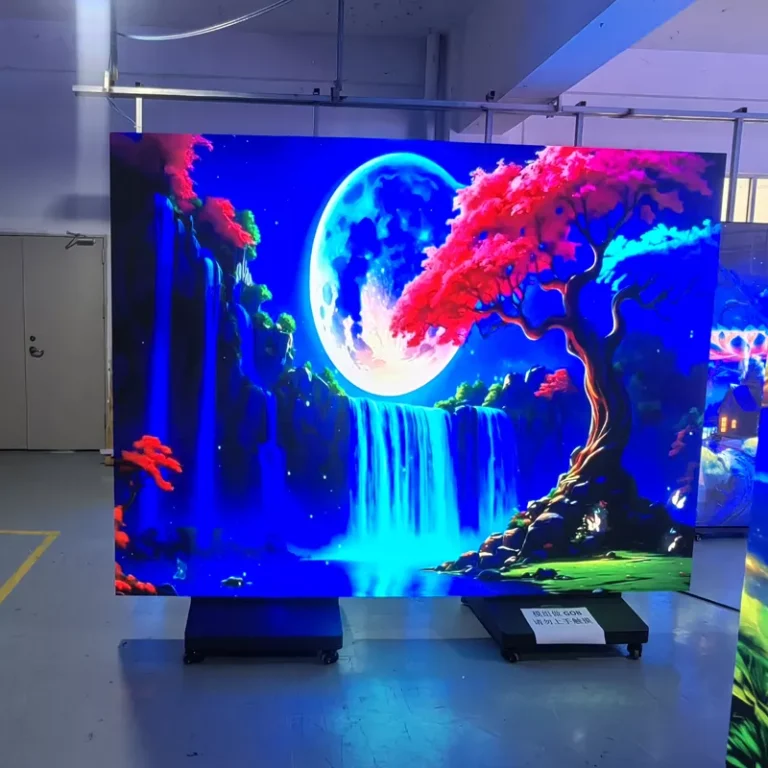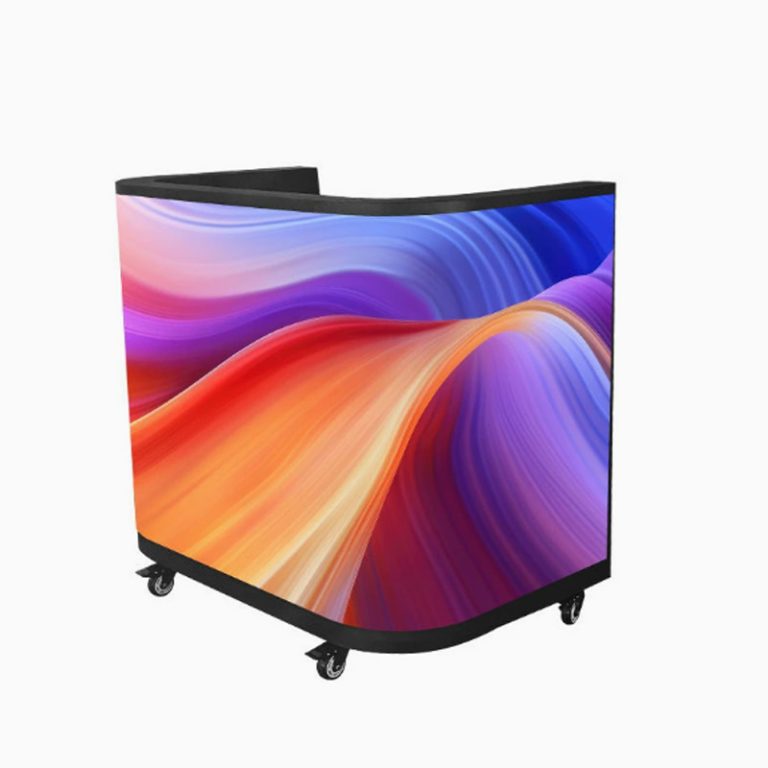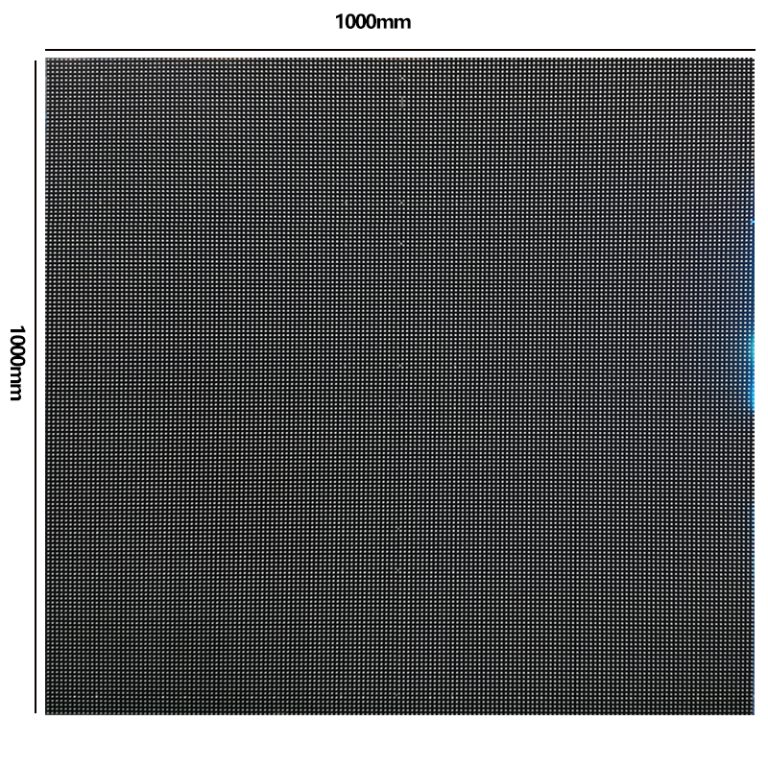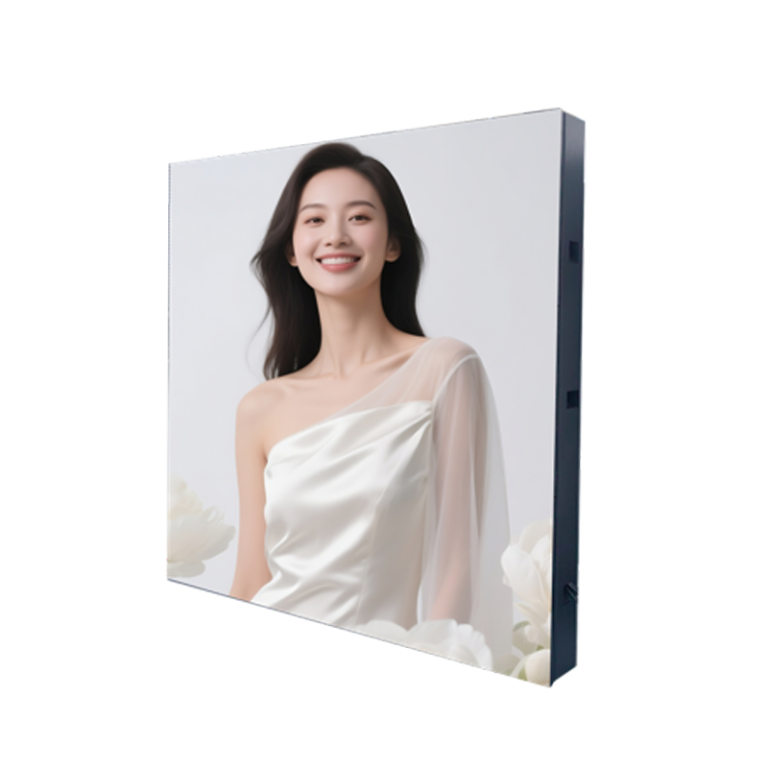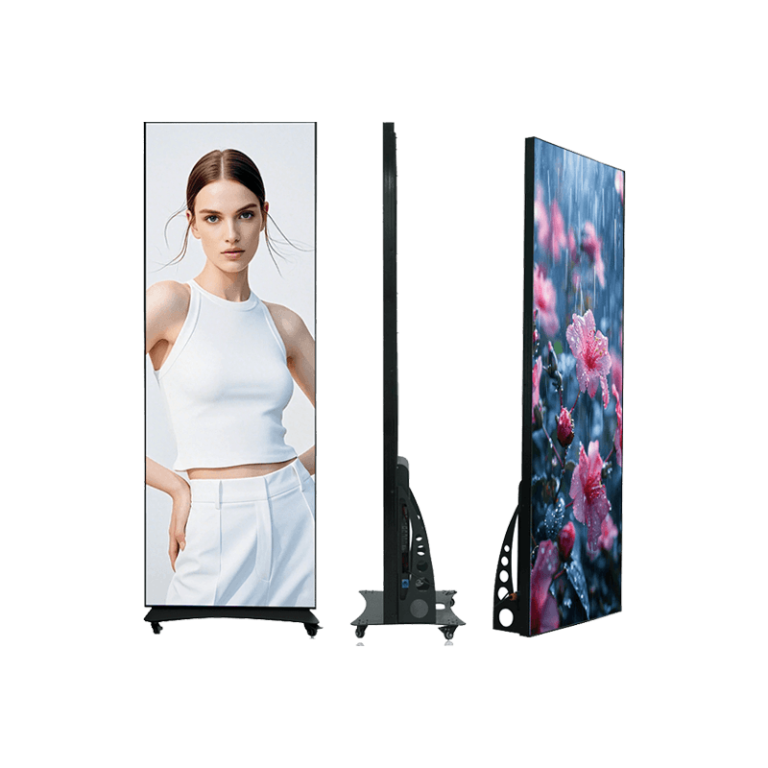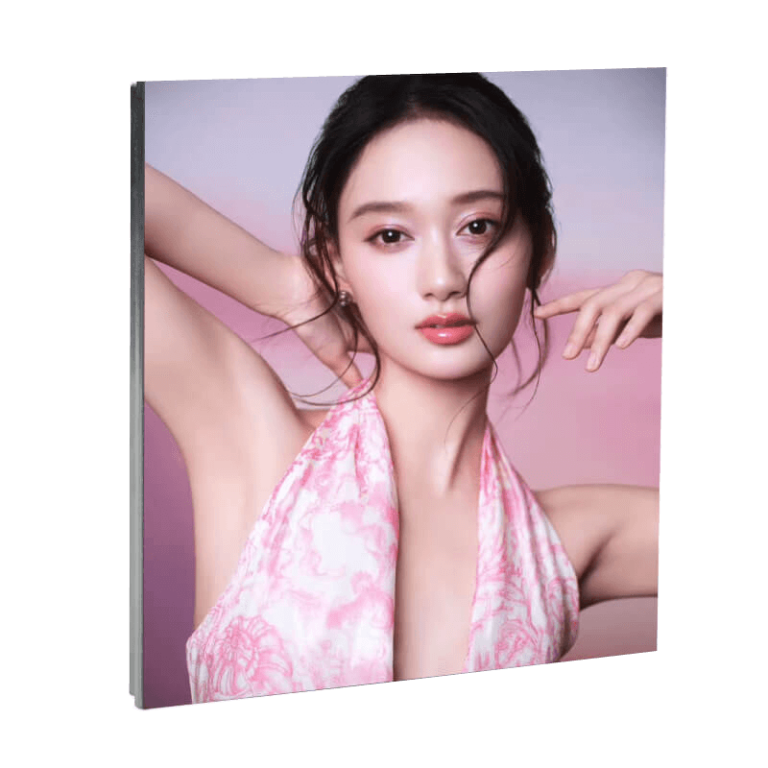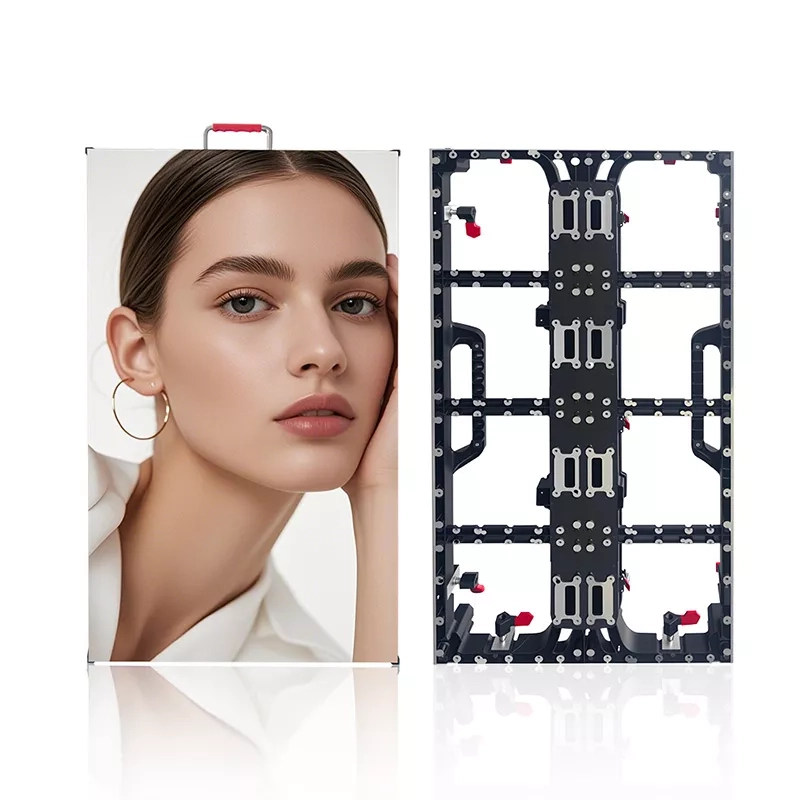
Dijital egemenliğin hüküm sürdüğü bu çağda, görsel etki dikkat çekmenin para birimidir. İster küresel bir müzik festivali, ister yüksek riskli bir kurumsal fuar düzenliyor olun, ister kalıcı bir dijital reklam panosu kampanyası başlatıyor olun, içeriğinizi sergilemek için seçtiğiniz ortam, içeriğin kendisi kadar önemlidir.
Etkinlik planlayıcıları, reklam ajansları ve görsel-işitsel ekipman kiralama şirketleri için en büyük ikilem, LED teknolojisinin karmaşık dünyasında yol bulmaktır. Sabit bir kurulum mu yatırım yapılmalı? Kiralama çözümü daha mı uygun? Hangi piksel aralığı en iyi yatırım getirisini (ROI) sağlar?
At LayaledBu zorlukların farkındayız. LED ekranların entegre üretim ve ticaretinde uzmanlaşmış yüksek teknoloji bir kuruluş olarak, 14 yılı aşkın süredir odaklanmış uzmanlıkla2026 yılında sabit ve kiralık LED ekranlar alanında yolunuzu bulmanıza yardımcı olmak için bu kapsamlı kılavuzu hazırladık.
Bölüm 1: Temel Kavramlar
Teknik özelliklere geçmeden önce, LED mimarisinin iki ana kategorisi arasında ayrım yapmak çok önemlidir: Kiralık Ve Sabit.
1.1 Kiralık LED Ekran Mimarisinin Tanımlanması
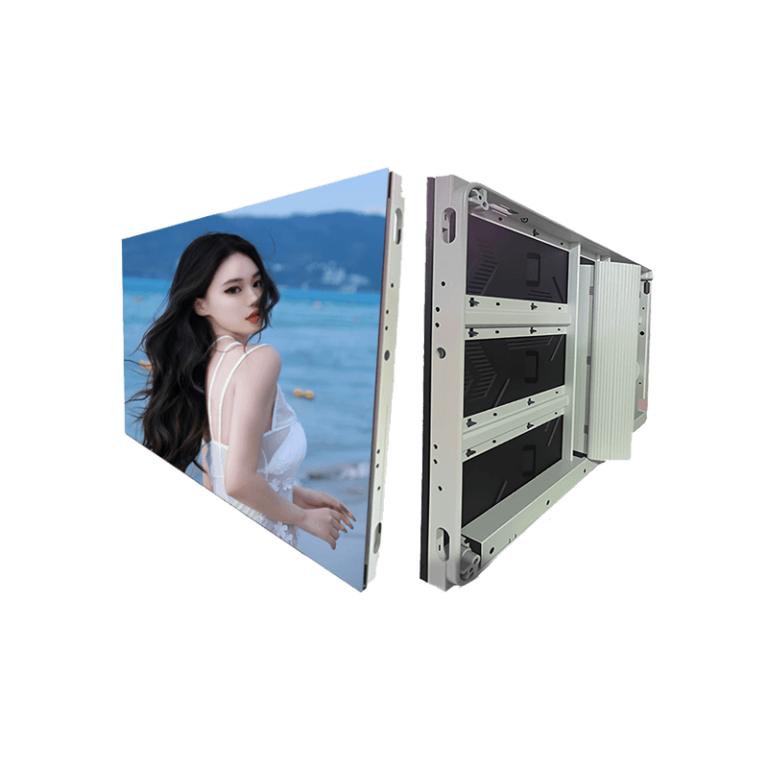
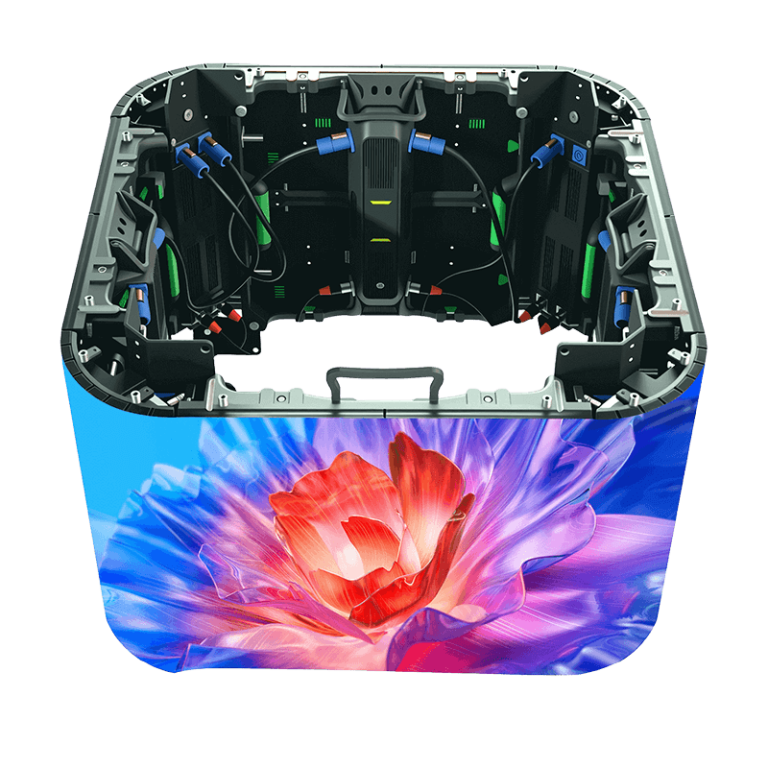
Kiralık LED Ekran Kısa süreli etkinliklerin ve hareketli mekanların zorlu ihtiyaçları için özenle tasarlanmış, hızlı kurulum ve sağlamlığı ön planda tutan bir görüntü sabitleme sistemidir. Set tipi sistemlerin aksine, bu sistemler genellikle dökme alüminyum veya magnezyum karışımından oluşan çok hafif çerçeve malzemeleri kullanır; bu da toplam ağırlığı önemli ölçüde azaltarak taşıma kutularında kolayca taşınmasını sağlar. Ayrıca, işçilerin büyük video duvarlarını saatler içinde alet kullanmadan monte edip sökebilmelerini sağlayan, hassas CNC kesimli hızlı kilitli parçalar da içerir; tüm bunlar, sık sık yapılan taşıma döngülerine ve tekrarlanan kurulumlara dayanacak şekilde sağlam bir yapıda gerçekleştirilir.
1.2 Sabit Kurulumlu LED Ekranın Tanımlanması
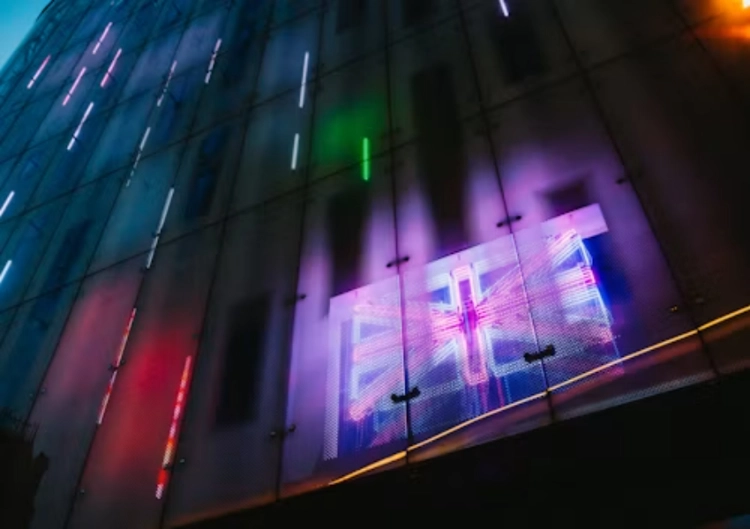
Öte yandan, sabit LED ekranlar, uzun ömürlülük ve hava koşullarına dayanıklılığın en önemli olduğu yol levhası, saha skor panosu veya mağaza vitrini gibi tek bir noktada uzun süreli kullanım için planlanmıştır. Bu düzeneklerde, üst yapı sağlamlığını ve rüzgar itişine ve yer sarsıntılarına karşı sağlam bir tutuşu sağlamak için genellikle kalın demir veya çelik kutular kullanılır. Yıllarca hava koşullarına dayanacak şekilde, az bakım gerektirecek şekilde iyi bir giriş bloğu ile üretilirler ve genellikle tam yapı gereksinimlerine uygun boyutlarda yapılırlar.
1.3 Karşılaştırmalı Analiz: Kiralık Konutlar vs. Sabit Konutlar
Bu iki tür arasındaki fark, yapım ve iş parçalarına bakıldığında açıkça görülmektedir. Kiralık stantlarda ilk hamle dökme alüminyum kutular ve taşıma kutuları ile yapılırken, set stantlarda tek seferlik kurulum için ahşap kutularda gönderilen ağır demir veya çelik kapaklar kullanılır. Kurulum açısından, kiralık stantlarda hızlı kilit sistemleri ve hızlı kurulum için arkadan bükmeli asma veya istifleme yöntemleri bulunurken, set stantlarda dayanıklı cıvatalar, çelik çerçeveler ve sağlam tel bağlantılar gereklidir. Bakım kuralları da büyük ölçüde değişir; kiralık stantlar, etkinliklerdeki durma süresini kısaltmak için hızlı, anında parça değişimine olanak sağlayacak şekilde tasarlanırken, set stantlarda genellikle belirli servis süreleri için ön veya arka bakım kapıları gerekir. Sonuç olarak, kiralık stantların temel amacı kısa ve hızlı bir kurulum iken, set stantların amacı uzun ömür ve istikrar sağlamaktır.
Bölüm 2: Kiralık LED Ekranlar – Sınıflandırma ve Uygulamalar
Kiralık ekranlar etkinlik sektörünün temelini oluşturur, ancak özelliklerinin operasyonel ortama dikkatlice uyarlanması gerekir.
2.1 Çevresel Özellikler ve Uygulama Senaryoları
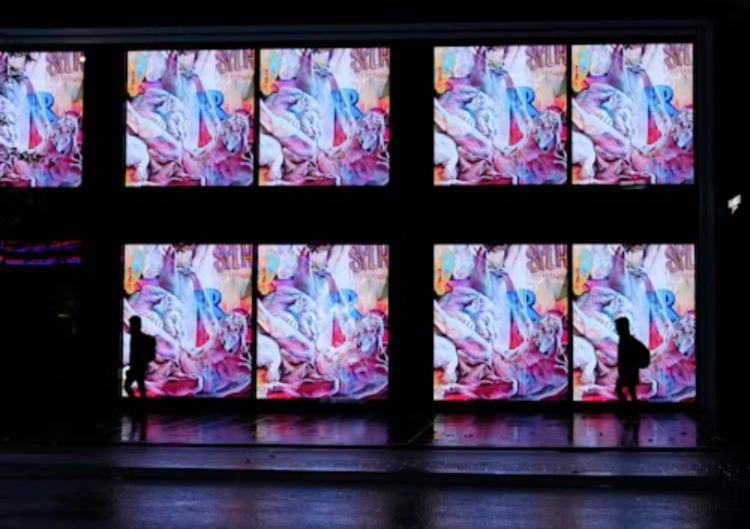
Kiralık ekranların türü, esas olarak ışık ihtiyaçlarına ve bulundukları yerlere uygun giriş bloklarına göre belirlenir. İç Mekan Kiralık Ekranlar, yüksek renk karışımı, yüksek yenileme hızları ve küçük piksel aralıkları (genellikle P1.9 ila P2.9) ile üretilir; bu da onları büyük sunumlar ve otomobil fuarları için önemli kılar. Başka bir deyişle, Dış Mekan Kiralık Ekranlar, doğrudan güneş ışığına karşı görüşü korumak için genellikle 5500 nit'in üzerinde yüksek ışık geçirgenliği ve yağmur ve toza karşı dayanıklı IP65 dereceli hava koşullarına karşı koruma sağlamalıdır.
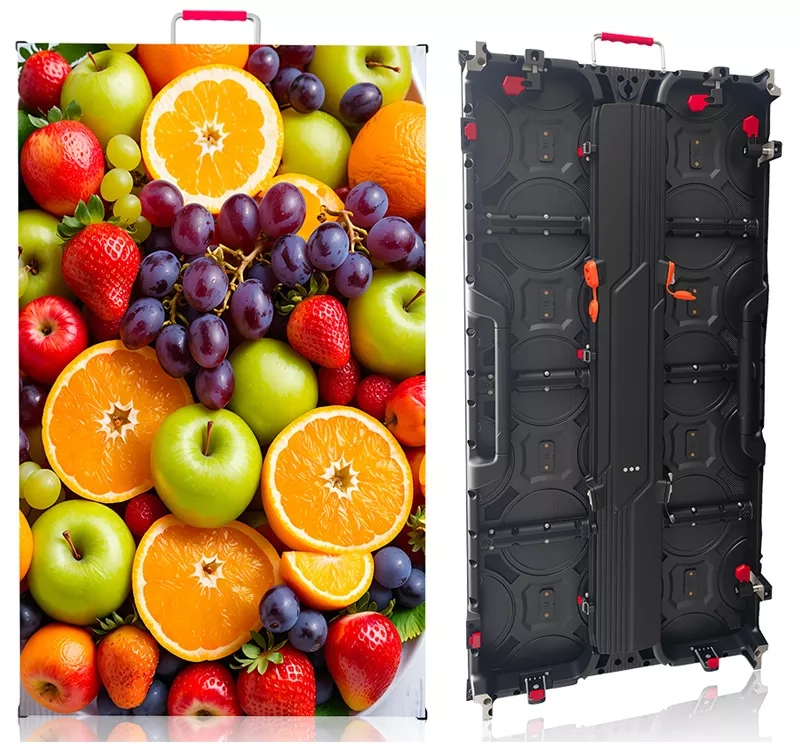
Leyaled Çözümü: Biz, aramızdaki boşluğu kapatıyoruz. Dış Mekan P3.91 Kiralık LED EkranGeleneksel olarak P3.91 "orta yol" olarak kabul edilirken, en son mühendislik çalışmalarımız onu en iyi seçenek haline getiriyor. Dış mekanlarda geçici kullanım için en iyi seçimHem 5 metre mesafeden net metin ve logolar için gereken çözünürlüğü sunarken, hem de açık hava festivalleri için gereken sağlamlığa sahiptir.
2.2 Yaratıcı Biçim Faktörleri ve Yapısal Çok Yönlülük
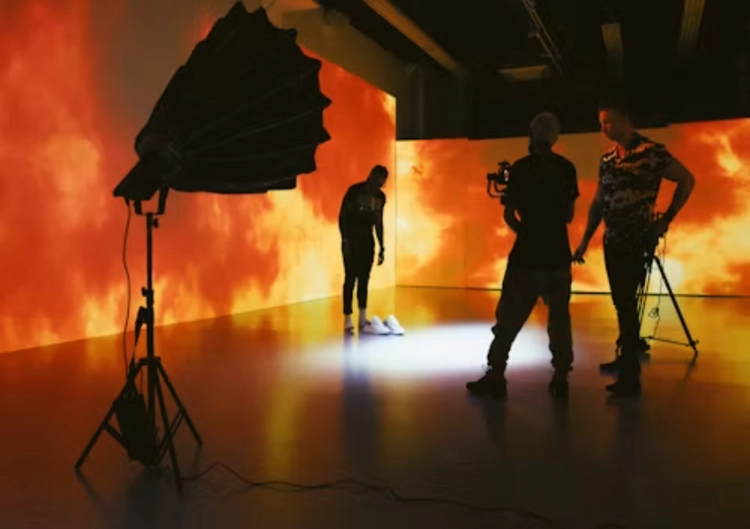
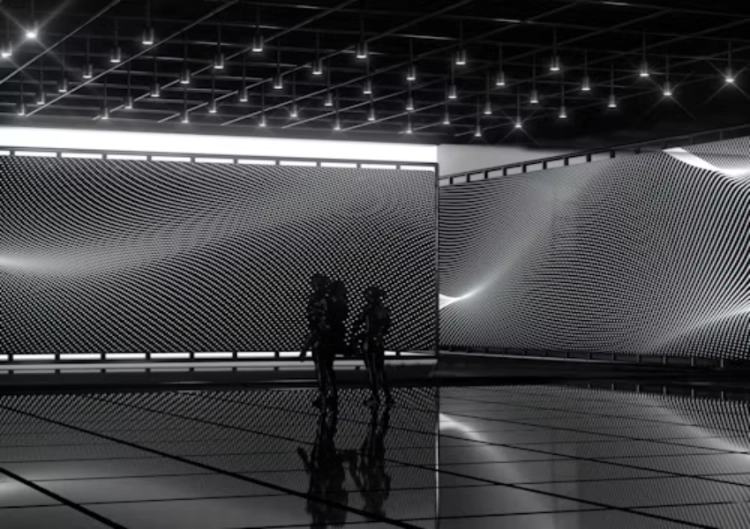
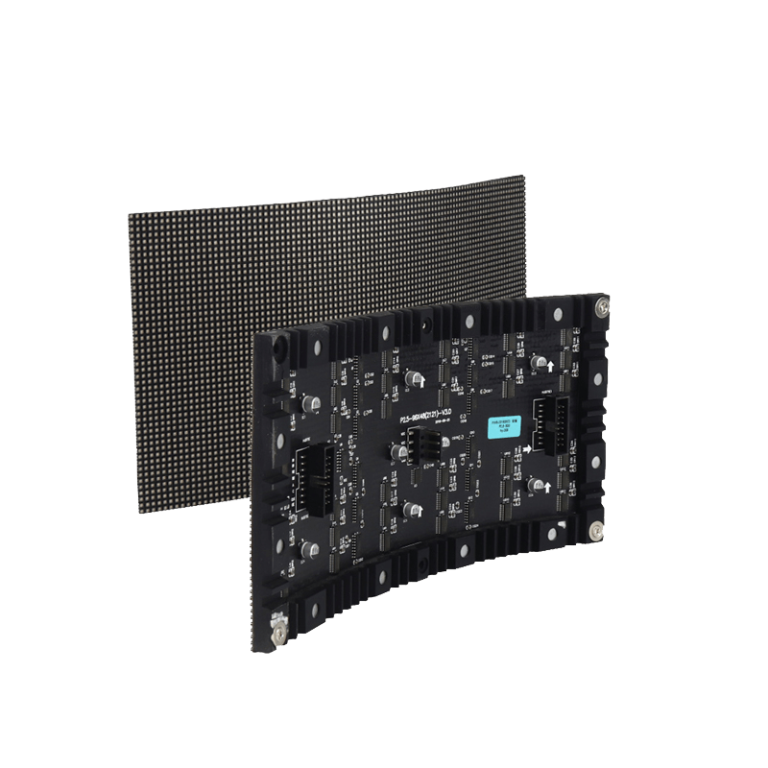
Modern etkinlik prodüksiyonu, geleneksel düz dikdörtgenlerin sınırlamalarını aşan görsel tuvaller gerektiriyor ve karmaşık geometrileri destekleyen donanımlara ihtiyaç duyuyor. Bu ihtiyacı karşılamak için sektör, çeşitli çözümler geliştirdi. Kavisli ve Esnek Ekranlar Daldırıcı dışbükey veya içbükey dalgalar oluşturma yeteneğine sahip olmanın yanı sıra, Şeffaf Ekranlar Holografik sahne efektleri için yüksek şeffaflık sunan P3.91 kabinlerimiz, şu özelliklerle tasarlanmıştır: esnek ekleme yetenekleriBu sayede, ≤0,5 mm'lik bir boşluk toleransıyla dikdörtgenler, yaylar ve diğer yaratıcı şekiller halinde sorunsuz bir şekilde birleştirilebilmeleri sağlanır; böylece sahne tasarımcıları donanım sınırlamalarıyla kısıtlanmadan yaratıcılıklarını serbest bırakabilirler.
Bölüm 3: Teknik Detaylara Giriş – Teknik Özellikleri Okuma
Kiralık bir LED ekranı değerlendirirken, özellikle de çok yönlü ve işlevsel bir model olan şu gibi bir cihazı ele alırsak: Leyaled Outdoor P3.91Performansın ardındaki verileri anlamanız gerekiyor.
3.1 Piksel Aralığı ve Görsel Keskinlik
Piksel aralığı, bitişik LED kümeleri arasındaki merkezden merkeze mesafe olarak tanımlanır ve çözünürlüğü ve optimum izleme mesafesini belirleyen en önemli faktördür. Sektör, ultra ince piksel aralıklarının (örneğin, P1.5) dış mekan kullanımı için aşırı pahalı ve kırılgan olması, kaba piksel aralıklarının (örneğin, P10) ise yakın mesafede pikselleşmeye neden olması gibi bir ikilemle karşı karşıyadır. Leyaled Outdoor P3.91 Bu sorun, görsel netliği maliyet verimliliğiyle mükemmel bir şekilde dengeleyen 3,91 mm'lik bir "altın oran" oluşturarak çözülür. Bu özel aralık, alfanümerik metinlerin, kurumsal logoların ve yüksek hareketli video içeriklerinin, farklı izleme mesafelerinden bile net bir şekilde görünmesini sağlar. 5 ila 20 metreBu da onu, görsel kalitenin olmazsa olmaz olduğu konser dekorları ve sergi tanıtım etkinlikleri için ideal bir çözüm haline getiriyor.
3.2 Zamansal Çözünürlük ve Yayın Hazırlığı
Görüntü büyütme (IMAG) içeren canlı etkinlikler ve yayınlar için, ekranın yenileme hızı, görsel bozulmaları önlemek açısından kritik bir performans ölçütüdür. Standart piyasa ürünleri 1920 Hz civarında seyrederken, Leyaled Outdoor P3.91 üstün bir yenileme hızıyla tasarlanmıştır. yenileme hızı ≥3840HzBu yüksek zamansal çözünürlük, profesyonel yayın kameraları veya mobil cihazlar tarafından yakalandığında tarama çizgilerini, titremeyi ve hareket bulanıklığını ortadan kaldırarak canlı yayın ve medya dokümantasyonu için kusursuz görsel çıktı sağlar.
3.3 Çevresel Dayanıklılık ve Süreklilik
Dış mekan kiralama kurulumları, tahmin edilemeyen hava koşullarıyla karşı karşıya kalır ve işin devamlılığını sağlayacak ekipmanlara ihtiyaç duyar. Ekranlarımız, -20℃ ile 50℃ arasında değişen sıcaklıklarda kesintisiz çalışma sağlarken yağmur ve tozdan da koruma sağlayan, yüksek IP65 su geçirmezlik derecesine sahip olarak üretilmiştir. Ayrıca, Orta Doğu gibi bölgelerde güçlü güneş ışığının yıpratıcı etkisine karşı da dayanıklıdır. Leyaled P3.91 LED kapağında, uzun süreli UV ışınlarına maruz kalmanın neden olduğu sarımsı tonu engellerken, koyu ve gölgeli seviyeleri koruyan özel bir UV önleyici polimer kaplama bulunur.
3.4 Isı Yönetimi ve Verimlilik
Etkili ısı dağıtımı, bileşenlerin bozulmasını önlemek ve LED'lerin ömrünü uzatmak için son derece önemlidir. Bu sorunu çözmek için kiralık kabinlerimiz, bir ısı dağıtım sistemi içermektedir. Genişletilmiş havalandırma aralığına sahip aerodinamik arka kapak tasarımıBu sistem, doğal konveksiyonlu soğutmayı kolaylaştırır. Gelişmiş bu termal yönetim sistemi, ekranın termal kısıtlama veya aşırı ısınma olmadan 8 saati aşan süreler boyunca kesintisiz çalışmasına olanak tanıyarak, uzun süreli etkinlikler sırasında bileşen arızası riskini önemli ölçüde azaltır.
Bölüm 4: Kurulum ve Lojistik – Gizli Maliyetler
Kiralama sektöründe operasyonel verimlilik doğrudan karlılıkla ilişkilidir; ağırlık ve montaj süresi ise başlıca maliyet faktörleridir.
4.1 Lojistik için Yapısal Optimizasyon
Geleneksel teşhir sistemlerinde ağır demir dolaplara olan bağımlılık, kaçınılmaz olarak lojistik maliyetlerini artırır ve işçi yorgunluğunu yükseltir. Leyaled P3.91 bu sorunu, aşağıdaki yöntemle çözmektedir: hassas döküm alüminyum alaşımıBu sayede, yalnızca dikkat çekici bir dolap ağırlığına ulaşılmıştır. Ünite başına 8-10 kg (yaklaşık 17 kg/m²). Bu yapısal optimizasyon, taşıma sırasında yakıt tüketiminin azalmasına ve montaj ekipleri üzerindeki fiziksel yükün önemli ölçüde düşmesine doğrudan katkıda bulunur.
4.2 Hızlı Dağıtım Mekanizmaları
“Hızlı Kurulum ve Sökme” yöntemimiz sayesinde iş kolaylığı daha da artıyor. Hassas, alet gerektirmeyen hızlı kilitli parçalar sayesinde, 2-3 kişilik küçük bir teknisyen ekibi 50 metrekarelik bir ekranı sadece 1-2 saat içinde tamamen monte edebiliyor. Bu hızlı kurulum özelliği, gösteri alanının sökülmesi, taşınması ve yeni bir yere kısa sürede tekrar kurulması gereken turne gösterileri için önemli bir avantaj sağlıyor.
4.3 Modüler Bakım ve Yedeklilik
Canlı yayınlarda teknik arıza olasılığını azaltmak için, kurulum parça tekrarı ve erişilebilirlik göz önünde bulundurularak yapılmıştır. Bir piksel arızalanırsa veya bir parça kırılırsa, sistem doğrudan sıcak değiştirme özelliğini destekler; bu sayede bir çalışan, tabela akışını durdurmadan veya tüm duvarı kapatmadan, saniyeler içinde kutudan çıkan arızalı parçayı değiştirebilir. Bu güç, Ortalama Onarım Süresini (MTTR) önemli ölçüde kısaltır ve kesintisiz bir görüntü sunulmasını sağlar.
Bölüm 5: Stratejik Yatırım – Kiralık Gayrimenkul Envanterinizi Oluşturma
AV kiralama şirketleri ve etkinlik prodüksiyon firmaları için envanterlerini genişletme kararı, kullanım oranları, sermaye harcamaları (CAPEX) ve operasyonel lojistik konularında stratejik bir analiz gerektirir.
İşletmeniz sık sık diğer tedarikçilerden ekipman kiralıyorsa (çapraz kiralama), kümülatif maliyetler hızla sahiplik fiyatını aşabilir. Yılda 15'ten fazla etkinlik gerçekleştiren yüksek sıklıkta kullanım yapan kuruluşlar için, satın alma Leyaled P3.91 ekonomik açıdan daha üstün bir seçenek haline geliyor. Kendi Leyaled ekran filonuzu edinerek, işletme giderinizi ekonomik bir avantaja dönüştürüyorsunuz. yüksek getirili varlıkBu çok yönlü ekran, hem açık hava festivalleri için yeterince sağlam hem de büyük kapalı mekanlar için yeterince keskin olmasıyla çift amaca hizmet ederek kullanım oranınızı ve yatırım getirinizi en üst düzeye çıkarır.
Bölüm 6: Üretim Ortağınız Olarak Leyaled'i Neden Seçmelisiniz?
Piyasada çok sayıda LED üreticisi var, ancak Layaled Kaliteye ve B2B ortaklığına olan bağlılığıyla öne çıkıyor.
- Gerçekliği Test Edildi:2012 yılında kurulan şirketimiz, 14 yıllık odaklanmış uzmanlığıyla öne çıkmaktadır. Dış Mekan P3.91 Kuzeyin dondurucu kışlarından çöl iklimlerinin kavurucu sıcağına kadar gerçek dünya senaryolarında kanıtlanmıştır.
- Görsel Mükemmellik:Yüksek kontrastlı maskelere, yüksek yenileme hızlarına (≥3840Hz) ve parlaklığa (≥5500 nit) öncelik veriyoruz; böylece sosyal medya çağında ekranınız öne çıkacak.
- Hiç Uyumayan Destek:Biz sağlıyoruz 3 yıl ücretsiz garanti Ve ömür boyu teknik destekBu sayede hiçbir zaman "siyah ekran" anıyla yalnız başınıza karşılaşmazsınız.
Çözüm
Teknoloji ve sanat arasındaki sınır giderek bulanıklaşıyor. İster bir süperstar için sahne arka planı, ister bir fuar için dijital tabela tasarlıyor olun, LED ekranınızın kalitesi izleyici deneyimini belirler.
O Leyaled Outdoor P3.91 Kiralık LED Ekran Mevcut kiralama sınıfı donanımın zirvesini temsil eder: dış mekan koşullarına dayanacak kadar sağlam, yakından izleme için yeterince keskin ve her yere taşınabilecek kadar hafiftir. Performansı, kiralama işletmesi sahiplerinin pratik ekonomik ihtiyaçlarıyla dengeler.
Görsel envanterinizi bir üst seviyeye taşımaya hazır mısınız? Leyaled ile bugün iletişime geçin. P3.91 serisi satın alımı için fiyat teklifi almak veya özel proje gereksinimlerinizi görüşmek üzere bizimle iletişime geçin. Gelin birlikte muhteşem bir şey inşa edelim.
SSS
S: Outdoor P3.91 Kiralık LED Ekran, iç mekan etkinliklerinde de kullanılabilir mi?
A: Evet, kesinlikle. Dış mekan kullanımı için güneşe karşı yüksek parlaklık (genellikle ≥5500 nit) ile üretilmiş olsa da, ışık değişebilir. Gölge ölçeğini veya gölge detayını kaybetmeden iç mekan spot ışıkları için parlaklığı düşürebilirsiniz. 3,91 mm piksel aralığı, 5 metre veya daha fazla iç mekan izleme menzili için yeterince küçüktür; bu da onu, birçok kullanım türü için tek bir ekran isteyen kiralama şirketleri için çok esnek bir "hibrit" stok ürünü haline getirir.
S: Canlı bir etkinlik sırasında bir modül hasar görürse ne olur? Ekranı kapatmamız gerekiyor mu?
A: Hayır, ekranı kapatmanıza gerek yok. Leyaled P3.91 kutuları, çalışır durumdayken parça değiştirme ve parça bakımı için tasarlanmıştır. Bir parça arızalanırsa veya hasar görürse, bir çalışan kutunun içinden tam olarak o parçayı birkaç dakika içinde değiştirebilir. Bu, görüntünün kesintisiz kalmasını ve etkinliğin sorunsuz bir şekilde ilerlemesini sağlar.
S: Ekran, özellikle yüksek sıcaklık ve şiddetli yağmur gibi aşırı hava koşullarına nasıl dayanıyor?
A: Ekran, IP65 standardına uygun olarak üretilmiştir, bu da onu tamamen toz geçirmez ve yağmura karşı su geçirmez hale getirir. Isı dağılımı için, ısıyı doğal olarak dağıtan alüminyum karışımı kullanılmıştır ve hava akışı için ekstra geniş alan sağlayan özel bir arka kapakla birleştirilmiştir. Ayrıca, yüksek çalışma gücü, ekranın 50℃'ye kadar sıcaklıklarda istikrarlı bir şekilde çalışmasını ve güçlü güneş ışınlarından kaynaklanan sararmayı önlemesini sağlayan UV koruyucu bir kaplama ile birleştirilmiştir; bu da onu Orta Doğu gibi zorlu iklim koşulları için uygun hale getirir.