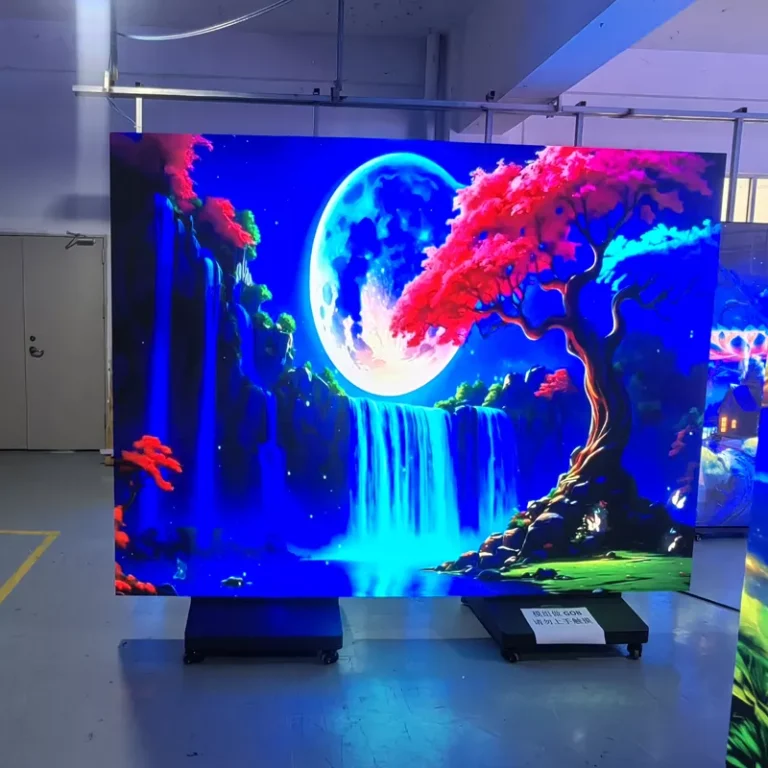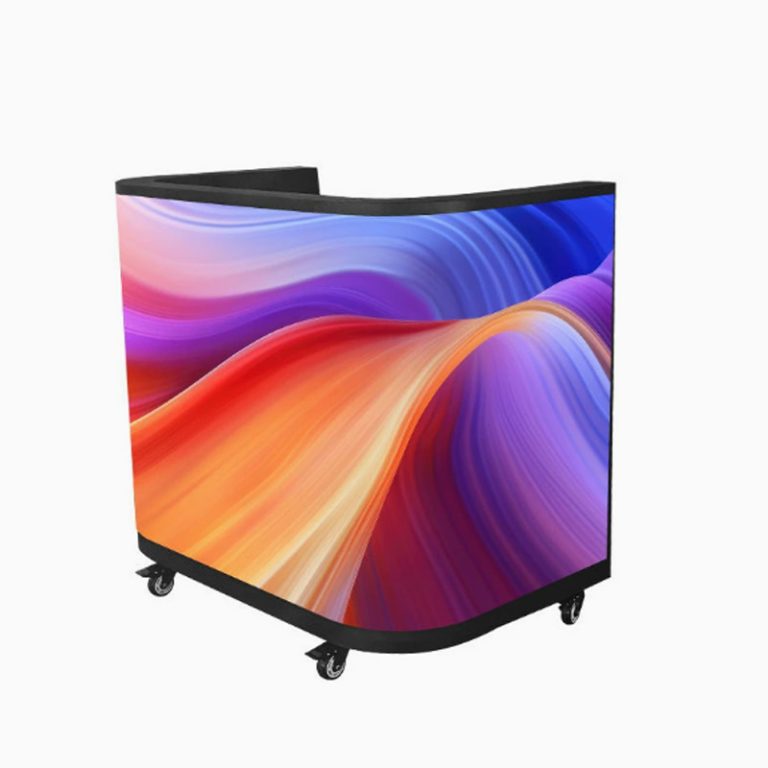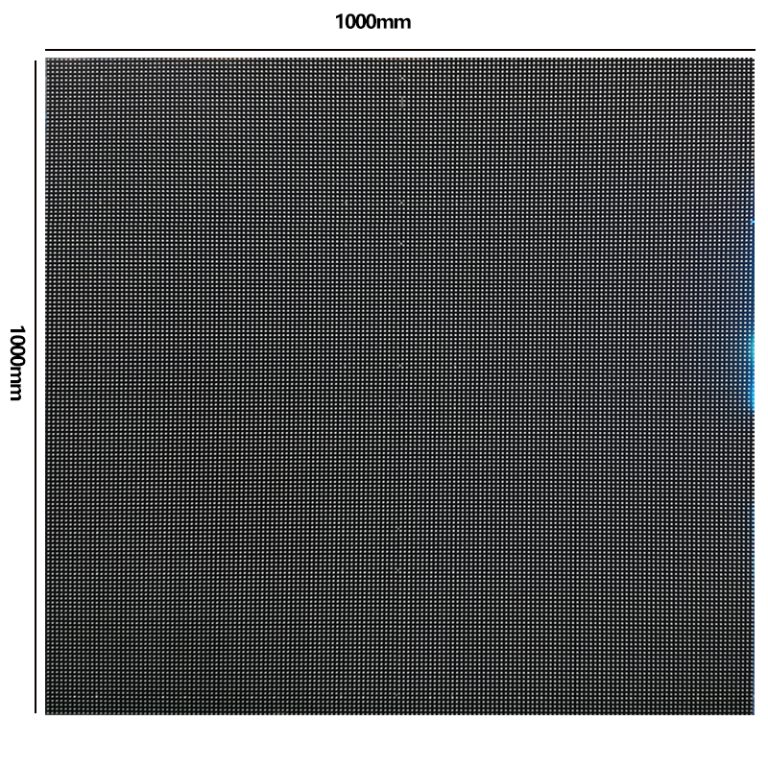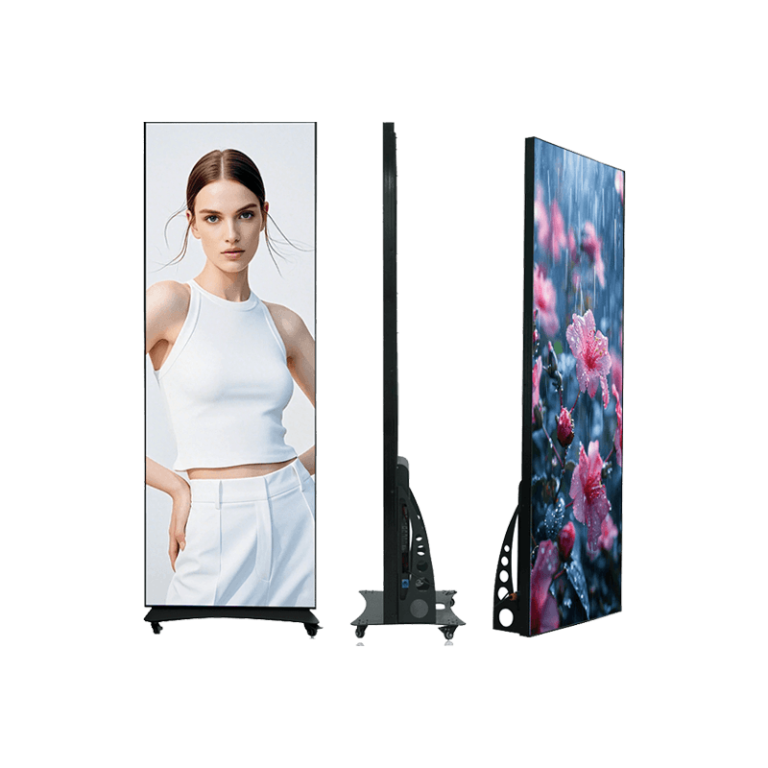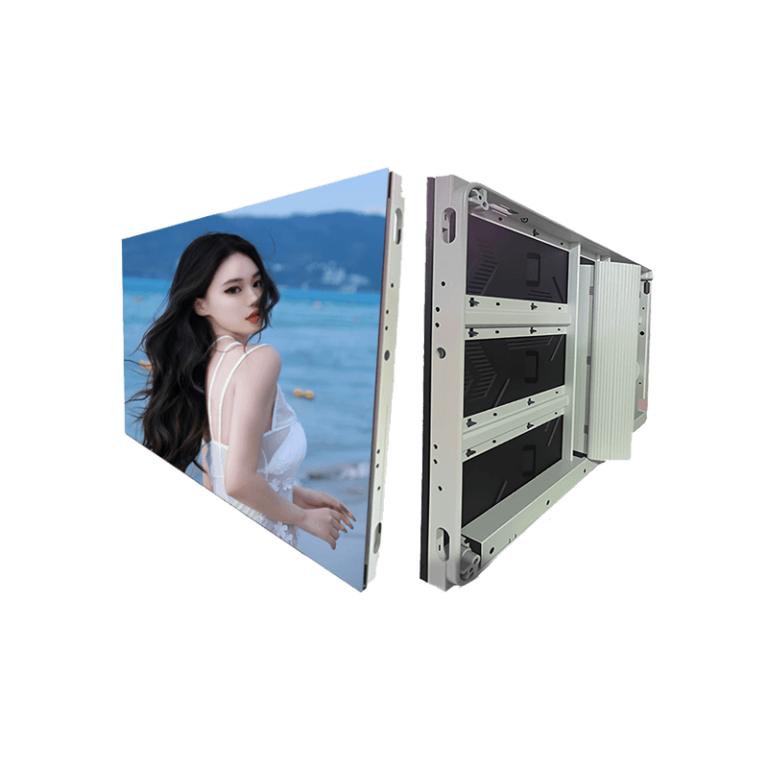
В сфере цифровых дисплеев наступила новая фаза, где гибкость и креативность меняют принципы визуальной коммуникации. Переход от жестких панелей к гибким светодиодным экранам знаменует собой реальный прогресс в материаловедении и микроэлектронике. Эти экраны могут сгибаться, сворачиваться или изгибаться, сохраняя при этом качество изображения.
Эволюция гибких дисплейных систем
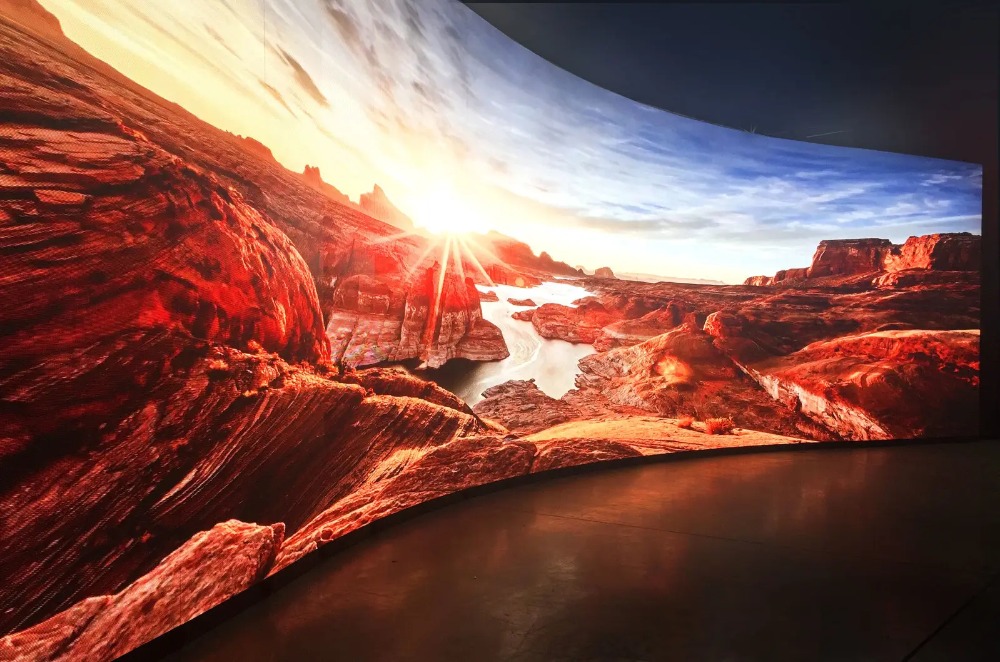
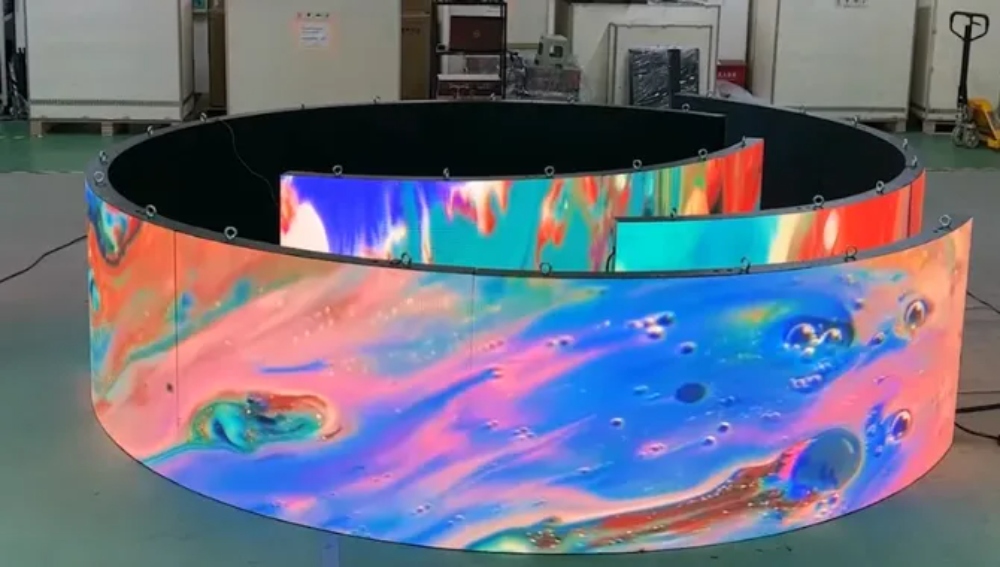
Инженеры начали этот процесс, уменьшив размеры светодиодных компонентов и создав полимерные основания, способные выдерживать многократные изгибы. Один модуль может изгибаться до 35 градусов влево или вправо, с общей дугой более 110 градусов. Это позволяет дизайнерам создавать внутренние дуги, цилиндры, волны и спирали, которые никогда не могли быть достигнуты с помощью плоских панелей.
Благодаря достижениям в области материалов, для лицевых панелей и оснований стали использоваться высокотемпературные силиконовые герметики. Эти материалы обладают хорошей прочностью на сжатие, оставаясь при этом эластичными. В сочетании с корпусами для светодиодов поверхностного монтажа, результат идеально вписывается в архитектуру зданий и коммерческих помещений.
Основные принципы работы гибких светодиодных экранов
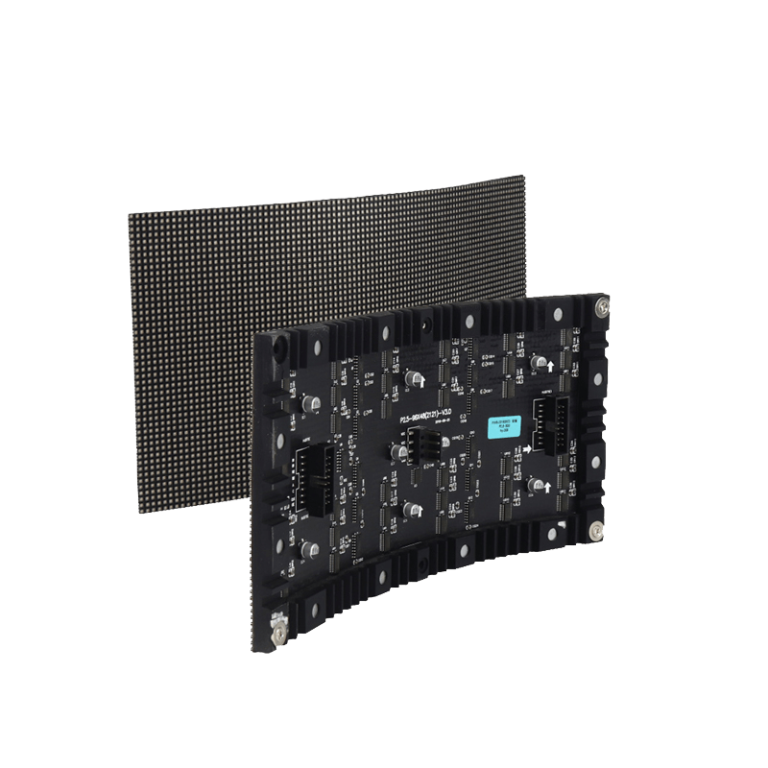
В каждом надежном гибком светодиодном дисплее используются гибкие подложки, инкапсулирующие слои и пиксельные модули. Эти компоненты работают вместе, чтобы поддерживать стабильную яркость и цветопередачу. Экраны основаны на гибких модулях, оснащенных мощными магнитными разъемами, и печатных платах FPC, изготовленных из гибких изоляционных материалов. Платы обеспечивают равномерный электрический ток после многочисленных изгибов. Разработчики решают проблемы выравнивания при изгибе, следуя правилам нейтральной оси. Они также применяют распределенное сканирование для обеспечения стабильности изображения на изогнутых поверхностях.
Инновации, обеспечивающие надежные и гибкие светодиодные дисплеи.
Для достижения стабильной работы гибких систем необходима постоянная работа над материалами, более мелкими компонентами и интеллектуальными системами управления. Эти шаги помогают экранам оставаться надежными в сложных физических условиях.
Современные материалы для долговечности и гибкости.
В современных дисплеях вместо стекла используются полимерные подложки. Такой выбор повышает ударопрочность и снижает вес. Один модуль весит всего 100 грамм. Эластичные проводники обеспечивают дополнительную прочность, предотвращая скручивание и сжатие во время установки или транспортировки.
Контроль температуры остается важным. Слои графена быстро рассеивают тепло, не теряя при этом гибкости. Такой подход обеспечивает длительное использование на мероприятиях и в наружной рекламе, где температура часто меняется.
Миниатюризация и модульные подходы к проектированию
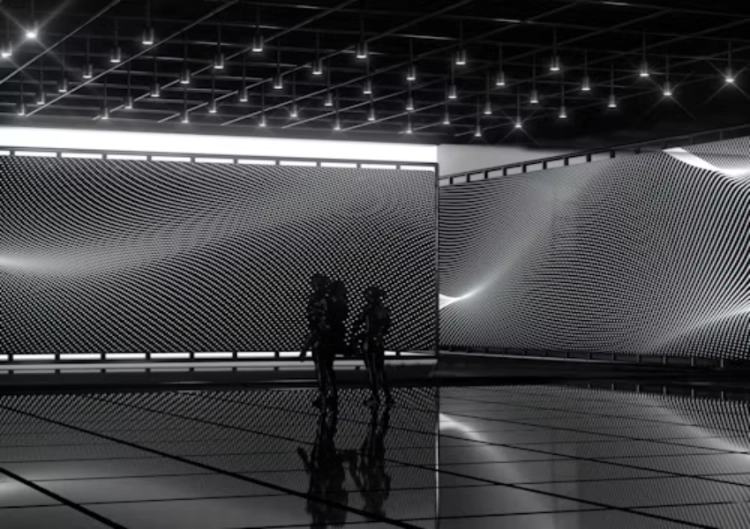
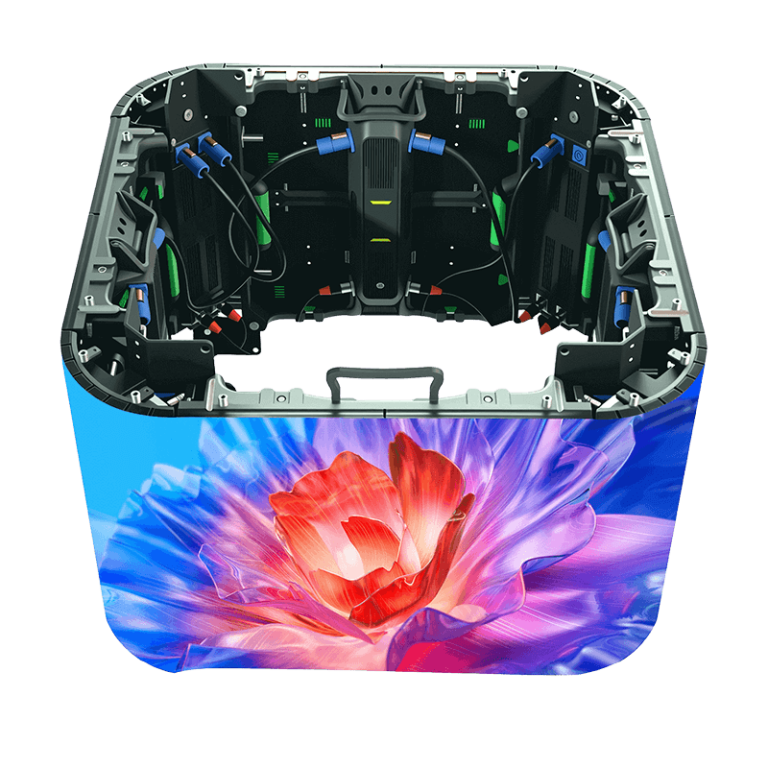
Мини-светодиоды обеспечивают более мелкий шаг пикселей и более высокое разрешение, при этом идеально подходящие для изогнутых форм. Распределенное сканирование и модульная конструкция повышают стабильность. Модули соединяются в произвольные формы, такие как прямоугольные стенки, цилиндры или волны, с зазорами менее 0,5 мм, как показано на рисунке. Гибкий светодиодный экран. Легкая конструкция упрощает установку и снижает потребность в поддержке в аэропортах и торговых центрах, где креативные рекламные конструкции способствуют маркетингу.
Усовершенствования интеллектуальных систем управления и обработки сигналов
Адаптивная маршрутизация сигнала обеспечивает стабильное изображение на поворотах за счет регулировки напряжения в зависимости от движения пикселей. Экраны работают, управляя яркостью и цветом светодиодов через схемы драйверов. Эти системы обеспечивают яркие и точные цвета даже при скручивании дисплея во время показов или транспортировки.
Применение и стратегии внедрения гибких светодиодных экранов
Гибкие цифровые технологии находят применение во многих областях, от архитектуры до развлечений. Для каждого варианта использования необходимы специфические условия монтажа, циркуляции воздуха и доступа для обслуживания.
Архитектурные и коммерческие инсталляции
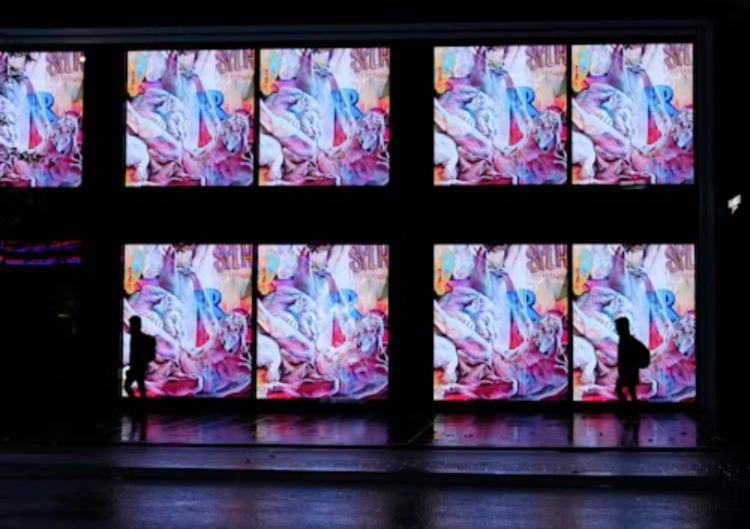
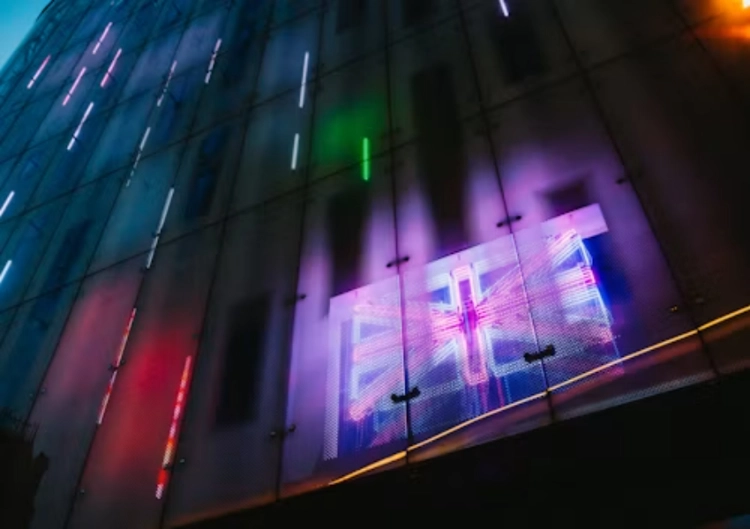
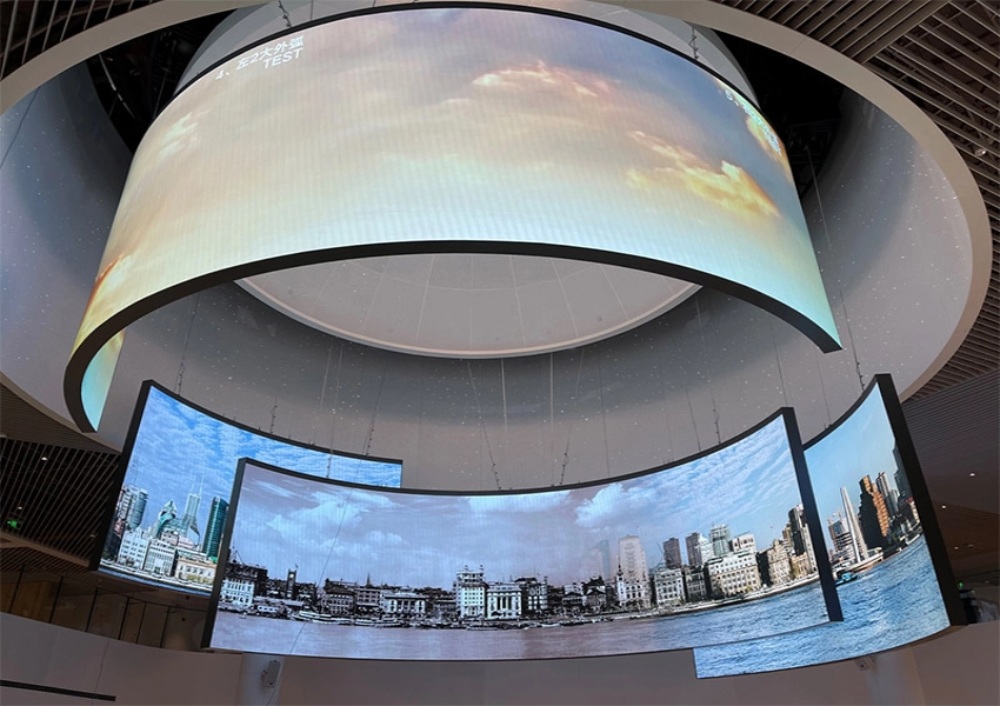
В современных динамичных фасадах зданий используются гибкие панели, повторяющие изгибы стен и потолков. Гибкие светодиодные экраны устанавливаются на фасадах, потолках и лестницах, добавляя в конструкции как искусство, так и технологии. В торговых помещениях их используют для создания историй, которые плавно перетекают вдоль линий здания, а не остаются в рамках рамок. IoT-соединения позволяют удаленно проверять и обновлять контент из центральных узлов, таких как те, что используются в... Решения для светодиодных дисплеев Для промышленности. Изогнутые конструкции могут задерживать тепло, поэтому конструкции с задним доступом улучшают циркуляцию воздуха и ускоряют ремонт без полного демонтажа.
Использование креативных медиа и сценических постановок
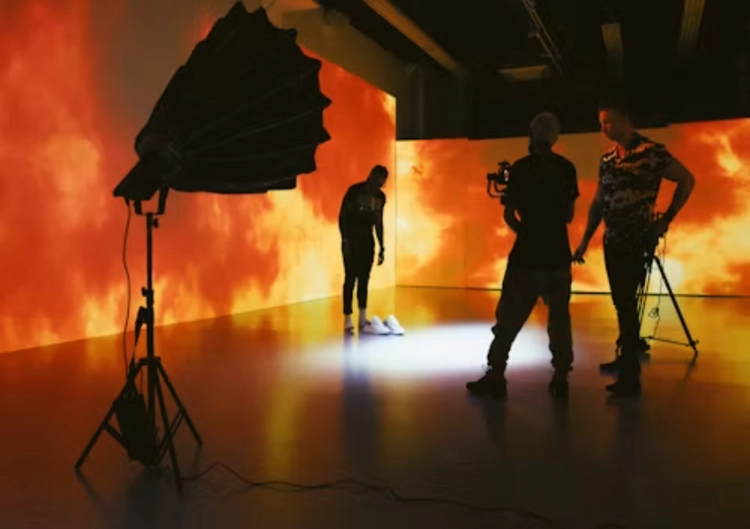
В сценических постановках часто используются кинетические конструкции, созданные из модульных, гибких панелей. Они образуют цилиндры или движущиеся волны, соответствующие световым эффектам. На концертах и гала-вечерах экраны соединяются с изогнутыми или волнообразными задниками, добавляя глубину. Легкая конструкция упрощает транспортировку и быструю установку для выставок в помещениях и живых мероприятий, требующих быстрого развертывания и широких углов обзора, как это видно на примере... гибкий экранный дисплей.
Инженерные проблемы в разработке надежных гибких светодиодных дисплеев
Инновации повышают производительность, однако контроль усталости и энергопотребление остаются ключевыми факторами при создании надежных и гибких систем для непрерывной работы в сложных условиях.
Управление механическими напряжениями и усталостью
Многократные изгибы создают напряжение в паяных соединениях. Нейтральное расположение оси уменьшает точки напряжения в каждом слое. По сравнению со стандартными светодиодными дисплеями, гибкие версии предлагают больше возможностей для изменения формы и податливости. Перед продажей проводятся тысячи испытаний при различной влажности для подтверждения долговечности. Это соответствует правилам ISO9001:2008, используемым на всех этапах производства. Лейалед.
Оптимизация энергоэффективности и теплоотвода
Высокая яркость при низком энергопотреблении требует эффективных драйверных чипов и стабильного регулирования тока. Графеновые рассеиватели равномерно распределяют тепло по тонким слоям, сохраняя при этом необходимую прозрачность для витрин магазинов или приборных панелей автомобилей.
Перспективные тенденции в технологии гибких цифровых дисплеев
Дальнейший прогресс указывает на большую гибкость, более интеллектуальные функции, лучшую экологичность и более широкую интеграцию. Эти изменения позволят органично вписать цифровой контент в повседневную жизнь, от зданий до носимых устройств.
Интеграция с новыми технологиями
Гибридные системы micro-LED и OLED обеспечат более высокую контрастность, сохраняя при этом гибкость для автомобильных приборных панелей или интерактивной мебели. Прозрачные варианты позволят архитекторам добавлять динамические визуальные эффекты на стекло, не загораживая обзор, что будет способствовать развитию проектов «умных городов».
Вопросы устойчивого развития и жизненного цикла
Перерабатываемые полимеры сокращают количество отходов после окончания срока службы, а энергосберегающие процессы снижают выбросы углекислого газа. Гибкие светодиодные экраны также потребляют меньше энергии и служат дольше. Модульный ремонт повышает ценность продукции, позволяя командам заменять детали, а не целые панели, что способствует внедрению принципов замкнутого цикла в производстве.
О нас — ведущие новаторы в области гибких цифровых дисплеев
В компании Leyaled мы специализируемся на высокопроизводительных гибких цифровых решениях для профессиональных условий, где необходимы как инженерная точность, так и творческая свобода. Компания FWS Technology Co., Ltd. разрабатывает, производит и продает светодиодные дисплеи. Наш завод в Шэньчжэне занимает более 7200 квадратных метров и управляет восемью автоматизированными линиями поверхностного монтажа. Это оборудование обеспечивает стабильную производительность для полноцветных панелей для внутреннего и наружного применения, соответствующих стандартам ISO 9001:2008.
Наша торговая сеть охватывает Восточный, Южный, Центральный и Северный Китай. Мы стремимся привнести яркие краски в проекты, поддерживая при этом промышленный рост. Качество стоит на первом месте, что подтверждается испытаниями CNAS, UL, SGS и TÜV SÜD, гарантирующими надежность. Более 30 инженеров занимаются индивидуальными заказами OEM и ODM с семидневным сроком выполнения. От изогнутых модулей для фасадов зданий до сценических конструкций, настроенных с помощью ИИ, мы предлагаем комплексные решения, сочетающие в себе привлекательный внешний вид и надежную инженерию.
Если вам нужны передовые, надежные и гибкие светодиодные дисплеи для коммерческого или наружного применения, посетите наш сайт. Контактная страница для поддержки проектов по всему миру.
Часто задаваемые вопросы
В1: Чем надежный и гибкий светодиодный дисплей отличается от традиционных плоских панелей?
A1: В нем используются силиконовые подложки и проводка на гибкой печатной плате, которые сохраняют проводимость при изгибах. Частота обновления остается выше 3840 Гц для плавного воспроизведения на кривых участках.
В2: Подходят ли эти гибкие светодиодные экраны для использования на открытом воздухе?
A2: Да. Они обладают влагозащитой IP65+, прочными магнитными креплениями для быстрой сборки и задним доступом, подходящим для фасадов, подверженных воздействию погодных условий.
В3: Как компания Leyaled обеспечивает долговечность своей продукции?
A3: Мы проводим длительные испытания на старение в экстремальных условиях и соблюдаем международные стандарты сертификации. Производительность остается стабильной после 72 часов непрерывной работы в профессиональных условиях.