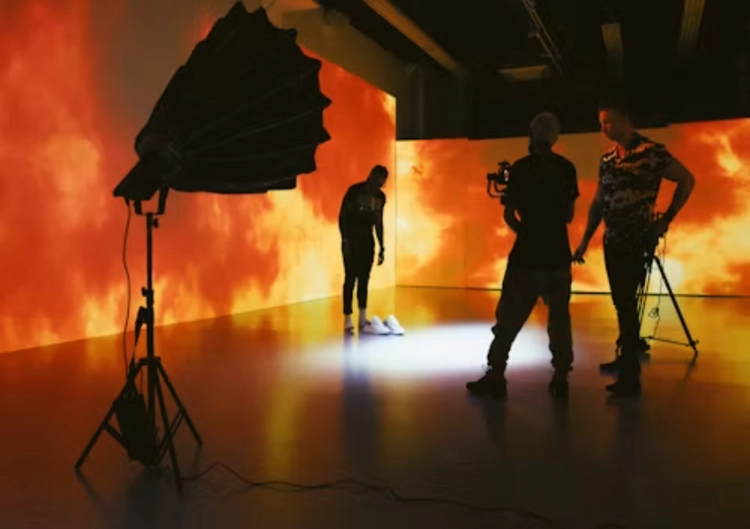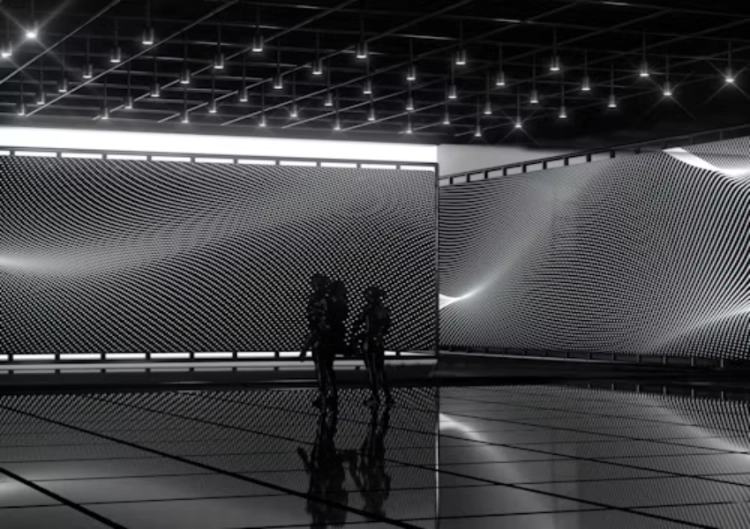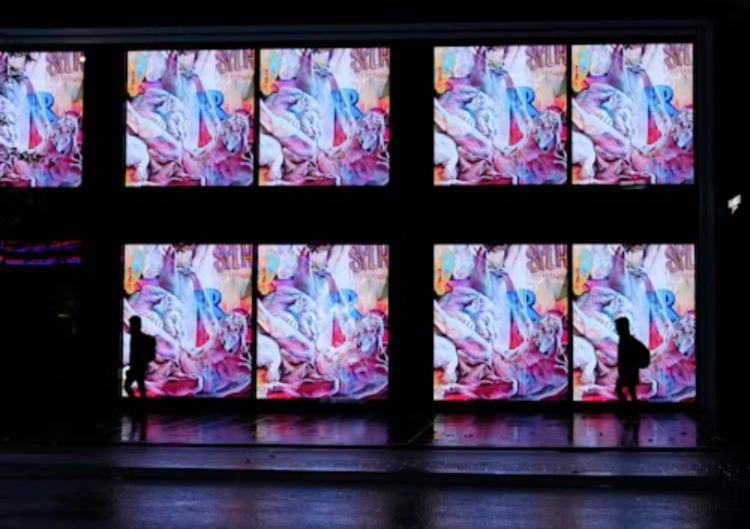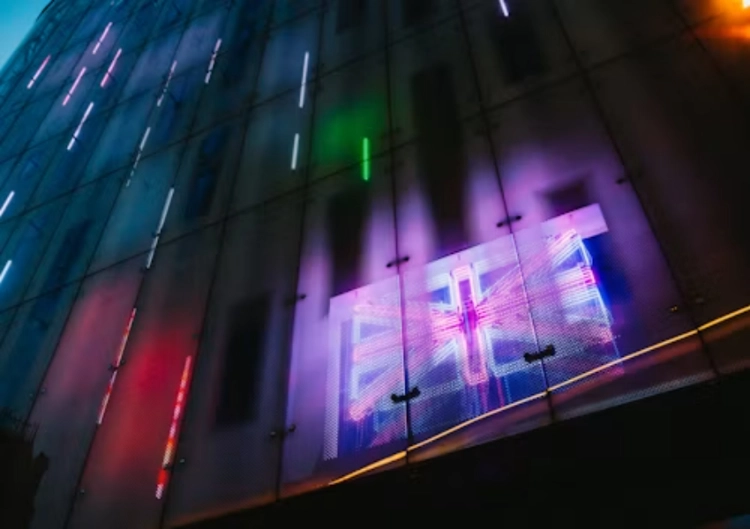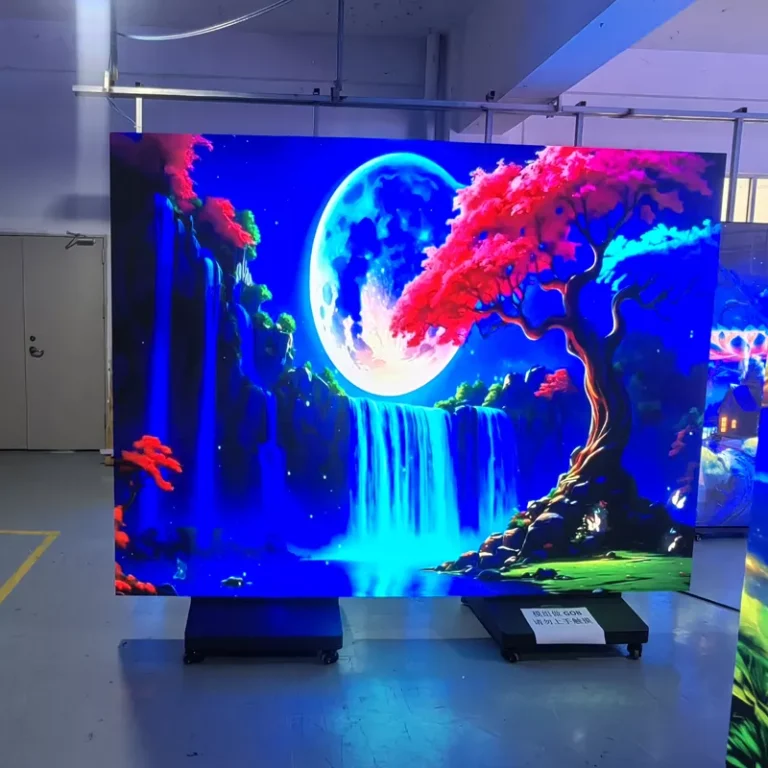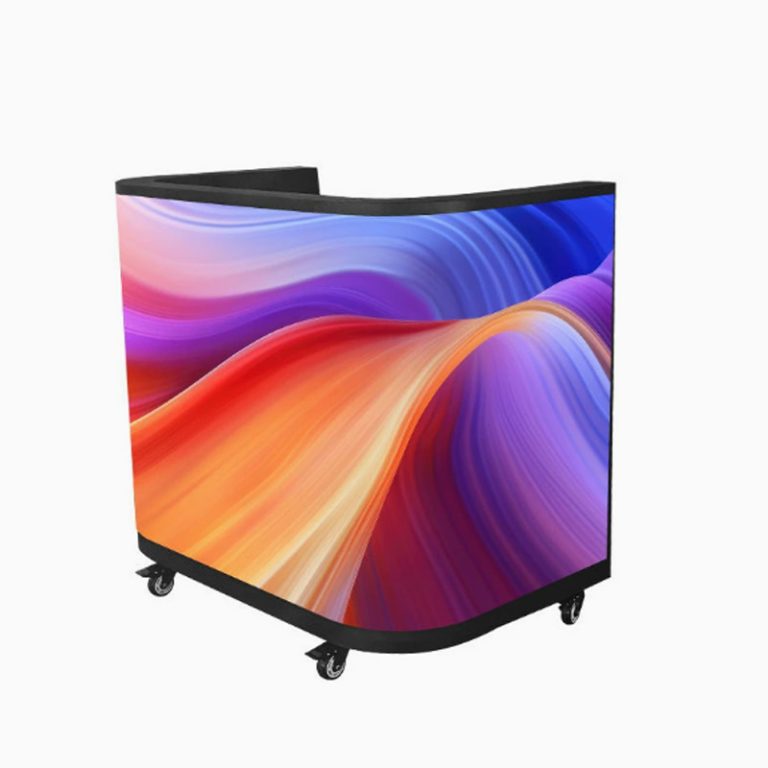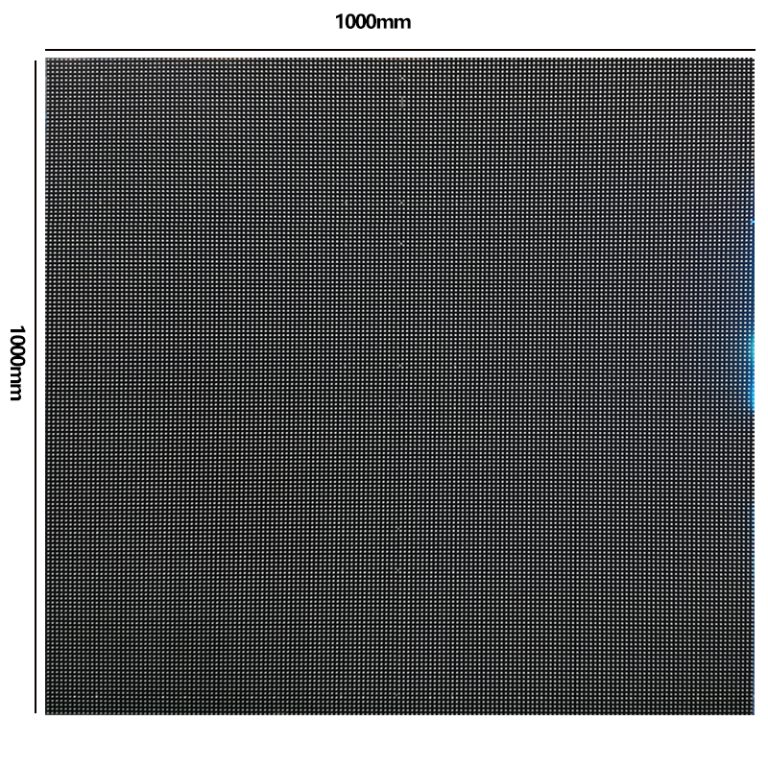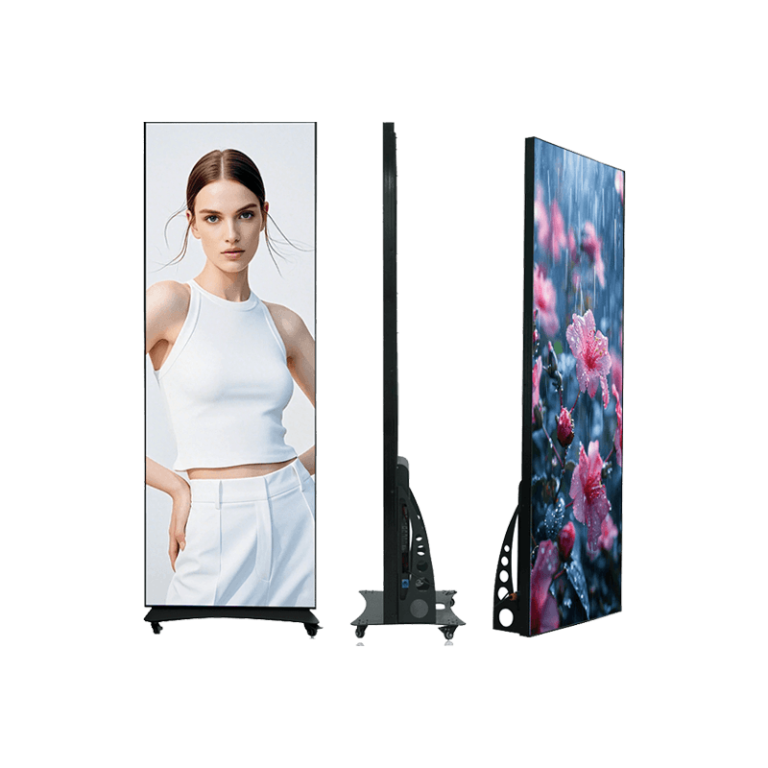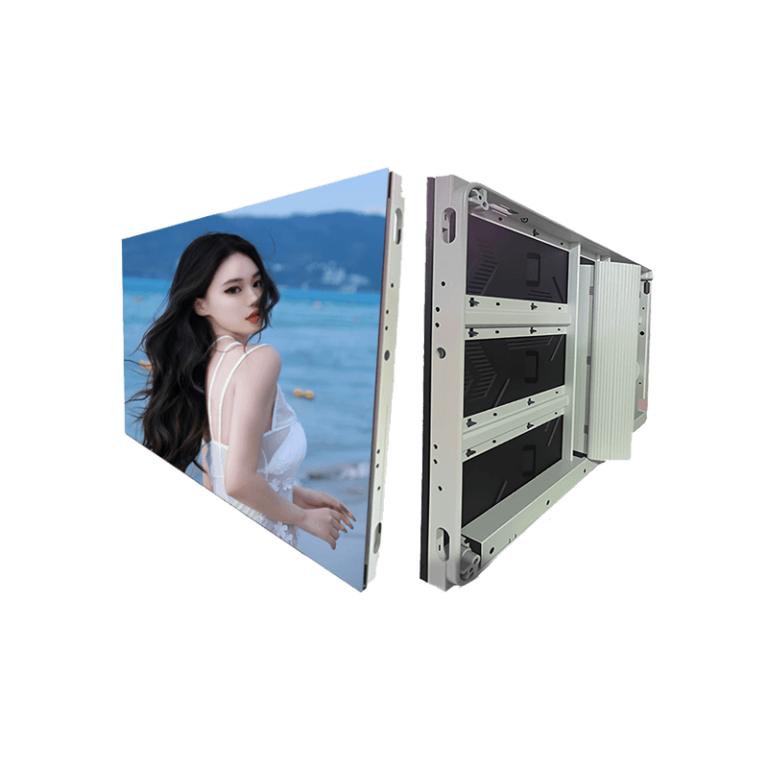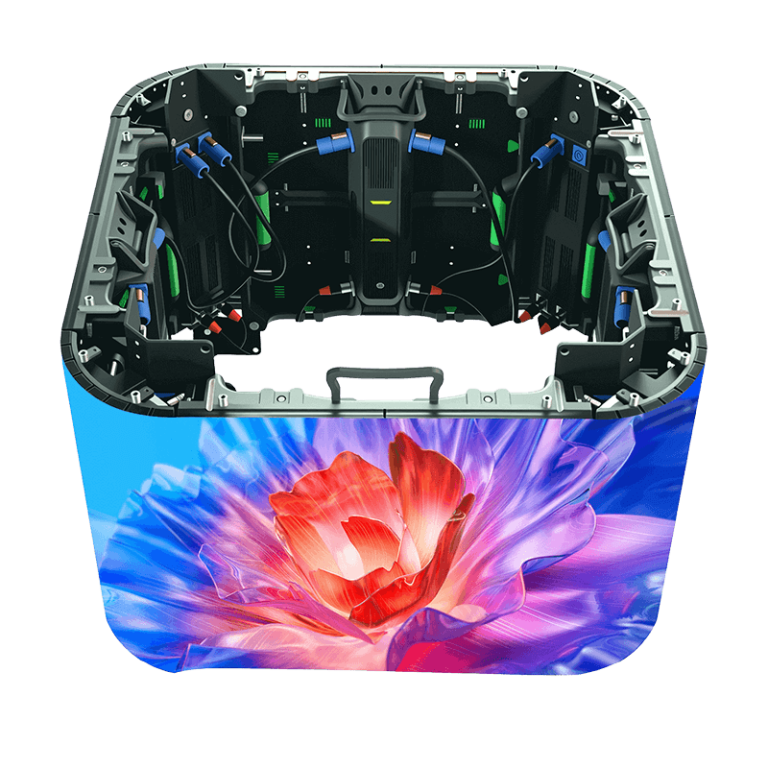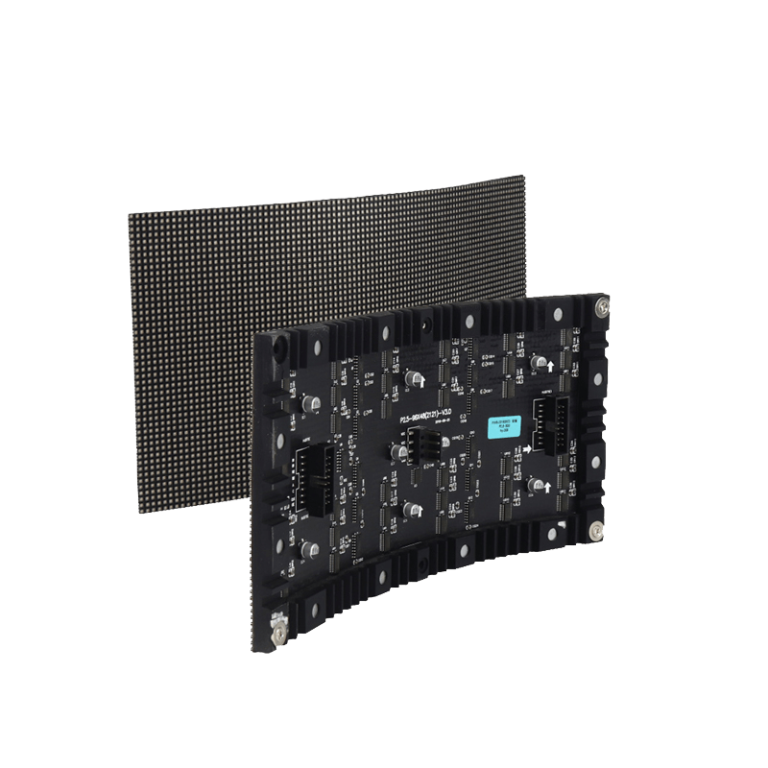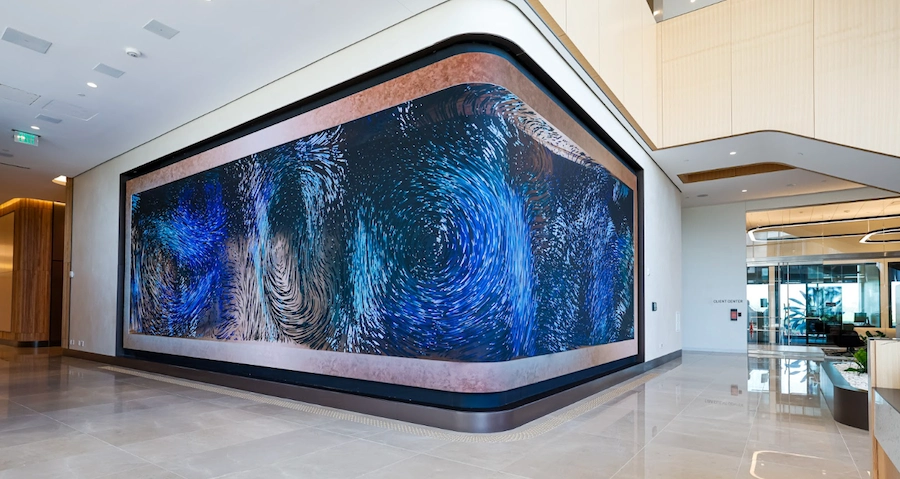
Как специалисты по производству современных светодиодных дисплеев, мы в Лейалед Мы посвятили годы совершенствованию методов, которые стимулируют визуальные сообщения на спортивных площадках, торговых зонах и фронтах зданий. Наша цель - поставлять экраны, которые сочетают в себе тщательное строительство, энергосбережение и долговременную надежность. Мы объединяем исследования, изготовление и поддержку, чтобы предложить клиентам по всему миру полные ответы - от фиксированных настроек на открытом воздухе до прозрачных настроек светодиодов - в соответствии с их размером работы и настройкой. Каждый экран проходит жесткие проверки на стабильность света, водостойкость и теплоустойчивость, чтобы гарантировать стабильную работу в любой ситуации. Наша линейка охватывает наружные фиксированные панели, уникальные светодиодные доски и прозрачные типы, построенные как для прочности, так и для внешнего вида.
Мы знаем, что триумф крупных настроек, таких как Jumbotrons, зависит не только от конструкции или прочности света, но и от ключевой технической детали - пиксельного расстояния. В следующих частях рассматривается, как эта функция формирует работу, подход к планированию и удовлетворенность пользователей.
Основы пиксельного расстояния в светодиодных дисплеях
Пиксельная высота означает пространство между серединами близлежащих пикселей на светодиодной части. Более жесткий расстояние пикселей приводит к лучшему загружению пикселей и, следовательно, более четкому качеству изображения. С другой стороны, более широкий шаг снижает остроту, но повышает пригодность для дальних точек зрения. Выбор правильного высоты пикселя прямо влияет на ясность, экономию денег и участие толпы.
Используя методы прямого сканирования, изображение остается твердым, без статики, и острым и показывает яркие и разнообразные результаты движения; Видео проходит гладко. Эта твердость гарантирует, что даже с различных точек зрения или диапазонов, материал сохраняет ясность без потрясения или крущения - жизненно важная черта для больших Джамботронов в живых шоу или музыкальных мероприятиях.
Как Pixel Pitch влияет на производительность Jumbotron
При планировании полевых экранов или внешних сборных панелей обычно выбираются более широкие пиксельные расстояния, поскольку они сохраняют целостность зрения на большие расстояния, сокращая затраты на квадратный метр. Для более близких наблюдательных мест, таких как внутренние поля или городские площади, более тесные поля дают подробные фотографии, которые поднимают зрителей глубоко.
Соответствование остроты с прочностью света и энергопотреблением является ключевым. Сильная мощность и энергосбережение: Подталкивая низкие отходы и экологический уход, светодиодные экраны движутся к большей энергосбережению. Этот матч гарантирует, что даже острые экраны остаются рабочими во время текущих бегов.
Технические аспекты светодиодного дисплея Pixel Pitch
Техническая связь между остротой и диапазоном часов определяет, насколько хорошо экран делится материалом с огромными толпами. Чем меньше высота пикселя, тем меньше нужен лучший диапазон часов для гладкого зрения.
Связь между разрешением и расстоянием
Острота быстро растет по мере сокращения пиксельного шага. Тем не менее, каждая настройка требует точной математики, чтобы соответствовать остроте с близостью толпы. Например, экран P3 может выглядеть идеально внутри, но дополнительно для наблюдателей в 100 метрах на поле.
Настройка светодиодного шоу с большим экраном сочетает в себе множество основных методов, включая четкое светодиодное номерное шоу, плавное соединение частей шоу, обработку изображений с несколькими экранами, переключение знаков и сетевой разговор. Эти смешанные настройки обеспечивают равномерное распространение света по широким областям, сохраняя однородность цвета даже при меняющихся световых состояниях.
Яркость, контраст и однородность цвета
Внешние джумботроны должны оставаться видимыми под прямым солнцем, поэтому сильные светодиоды жизненно важны. Чтобы сохранить цвет верным на тысячах частей, при их сборке используется стабильная настройка. Каждая часть подвергается строгим проверкам, чтобы убедиться, что она стабильно работает в различных состояниях настройки. Лучшие настройки управления также повышают уровень контраста, изменяя количество света на основе сдвигов окружающего света.
Стратегии проектирования для крупномасштабных джумботронных установок
Планирование твердого большого светодиодного экрана требует больше, чем проводов - это требует ухода за зданием и монтажа для установки частей, таких как сила ветра или изменение тепла.
Структурная интеграция и экологическая адаптативность
Сильные металлические рамы дают стабильность строительства, удерживая при этом общий вес легко для поднятых настроек. Водонепроницаемые шаги в сочетании с хорошим высвобождением тепла продлевают рабочий срок, останавливая износ части от влаги или перегрева. Металлическая конструкция должна придерживаться установленных шагов, чтобы убедиться в стабильности конструкции и отсутствии длительного изгиба. Строительство на основе частей облегчает техническое обслуживание, позволяя обмениваться одной платой без полного разрыва настройки - ключ для сокращения времени остановки в событиях.
Оптимизация просмотра с помощью выбора пиксельного расстояния
Выбор правильного высоты пикселя меняет чувство толпы, выравнивая остроту зрения с настройками места. Например:
Приложения на стадионах (например, P6.67 наружные светодиодные дисплеи)
Наши Алюминиевый профиль P6.67 дают верхние уровни света, подходящие для спортивных полей, где наблюдатели сидят в смешанных диапазонах. Их широкий обзор гарантирует, что каждый наблюдатель получает стабильное качество изображения независимо от места сидения.
Наружная реклама (например, П3 наружные фиксированные дисплеи)
Тесные типы открытого воздуха, такие как наши Накрытый дисплей P3 Сделайте живые фотографии даже при жестком дневном свете - идеально подходят для торговых знаков или городских СМИ, требующих как долговечности, так и ухода за внешним видом.
Прозрачные светодиодные экраны для архитектурной интеграции
Прозрачные экраны позволяют присоединиться к стеклянным фасадам, не блокируя естественного света или движущегося или здания, обеспечивая при этом живой номерный материал, который хорошо подходит для твердых залов или фасадов магазинов.
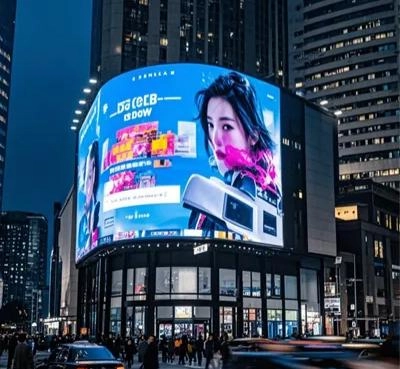
Эксперт Leyaled в производстве светодиодных дисплеев
Технологическая база нашей фирмы заключается в смешивании новых идей с созданием навыков, чтобы принести прочные настройки зрения в мир.
Обзор компании и технологические возможности
В Leyaled мы сосредоточиваемся на современных светодиодных дисплеях, которые связывают новость исследования с точным управлением производством. Мы помогаем мировым рынкам товарами, сделанными для закрытых мест на открытом воздухе, творческими формами, четкими фронтами и установками визуального центра заказов - все это построено для удержания в жестких условиях. Светодиодный экран, изготовленный из специальной литой металлической коробки, уделяет приоритет легкости, тонкости и быстрой настройке. Этот взгляд распространяется по всему нашему набору: легкие, но прочные конструкции позволяют легко разместить, сохраняя при этом целостность конструкции в течение многих лет работы.
Преимущества продукта, подчеркнутые инженерным совершенством
Точная инженерия и контроль качества
Каждая часть проходит многоэтапные правила проверки, убедившись, что даже свет отправляется над частями независимо от напряжения настройки, например, мокрые или дрогающие лица в движении.
Варианты настройки для крупных проектов
Мы предоставляем настройки соответствия на основе потребностей набора задач - будь то выбор лучших номеров пикселей или планирование планов деталей, соответствующих формам жесткой конструкции - обеспечивая гладкие соединения в кадрах конструкции клиента. Чувствуйте себя свободными Свяжитесь с нами!
Практические соображения при планировании проекта Jumbotron
Установка сильного большого светодиодного дисплея требует умного планирования, которое взвешивает деньги, потраченные на запланированные посещения сайта, сохраняя при этом доверие к работе на протяжении всей его жизни.
Балансирование эффективности затрат с визуальным воздействием
Выбор подходящего шага пикселя пропускает ненужные расходы на сверхжесткую остроту, где это’ Не видны далекими наблюдателями. Часть настроек также поддерживает рост; поздние улучшения могут произойти без обмена полными настройками благодаря установке блокировочных путей между досками. Легкий и легкий для установки: складная конструкция, небольшой размер, легкий для хранения. Такие особенности строительства снижают большие затраты на перемещение, связанные с перевозкой или размещением в планах многомероприятий.
Техническое обслуживание и долгосрочные факторы надежности
Легкий доступ остается главным в нашем виде обслуживания - доски с передним доступом позволяют техникам быстро попасть в места для ремонта, не разрушая больших частей стены экрана. Он сочетает в себе коробку распространения мощности, метод ПЛК и метод управления рабочим ПК и поддерживает далекое управление компьютером. Эта умная база поднимает ключи доверия во время работы для основных задач, таких как комнаты управления прямыми шоу или неотложные информационные сети.
Вывод: Максимизация визуальной производительности с помощью оптимального дизайна пиксельного расстояния
Выбор лучшего диапазона пикселей - это не просто технический номер - это запланированный выбор, формирующий экономию денег, уровни присоединения к толпе и просмотр знака через лучшее изображение истины в широких областях. Наши современные методы светодиодного дисплея сочетают в себе высокочеткое зондирование с практическими способами обработки энергии, подходящими для смешанных мест - от мировых полей до городских знаков - обеспечивая долговременную работу, поддерживаемую профессиональными навыками строительства, выращенными за годы установки новости в настройках цифрового зрения.
Часто задаваемые вопросы
Вопрос 1: Какие факторы определяют идеальную высоту пикселей для крупномасштабного дисплея?
А1: Идеальный высот пикселя зависит от расстояния просмотра относительно размера экрана; ближайшие аудитории требуют более тонких тонов, в то время как удаленные зрители получают выгоду от более крупных тонов, которые оптимизируют соотношение затрат и производительности без ощутимой потери деталей.
Q2: Как ваша компания обеспечивает надежность продукта в различных средах?
A2: Мы осуществляем строгие испытания, охватывающие диапазоны тепловой выносливости от крайнего холода до воздействия тепла наряду с водонепроницаемой проверкой уплотнения, обеспечивая стабильную выход яркости независимо от изменений климата во всем мире.
Q3: Как клиенты могут получить техническую поддержку или консультации по проекту?
A3: Клиенты могут связаться с нами через нашу онлайн-страницу контакта, где специализированные инженеры предоставляют персонализированные руководящие указания по выбору спецификации или индивидуальному планированию решений, соответствующих их оперативным потребностям до начала этапов начала производства.