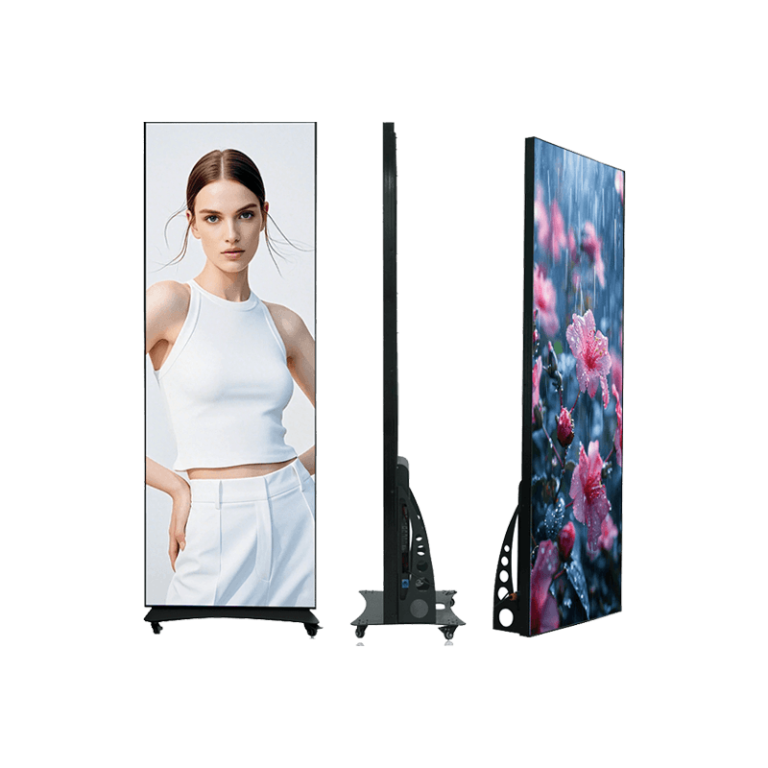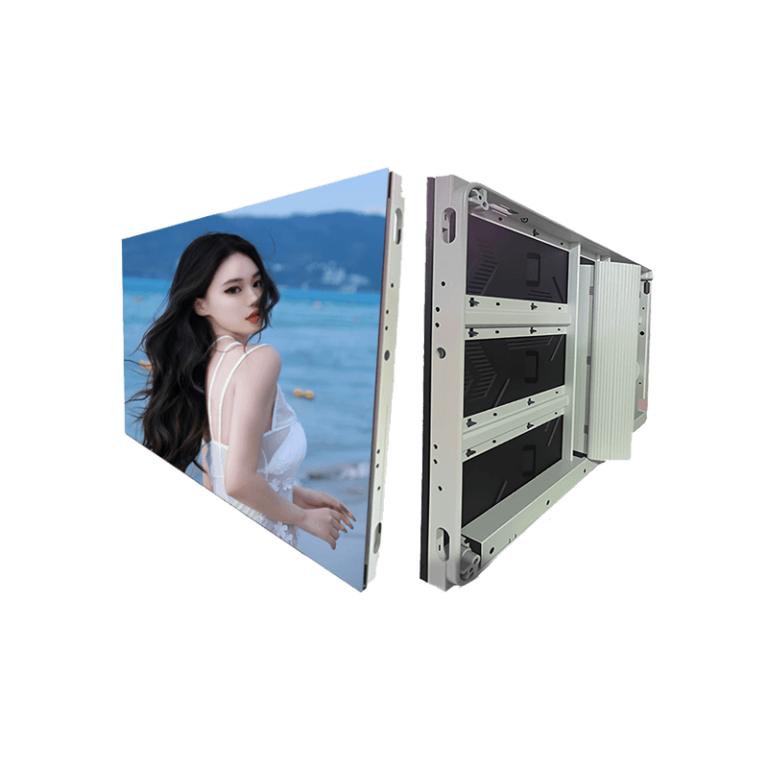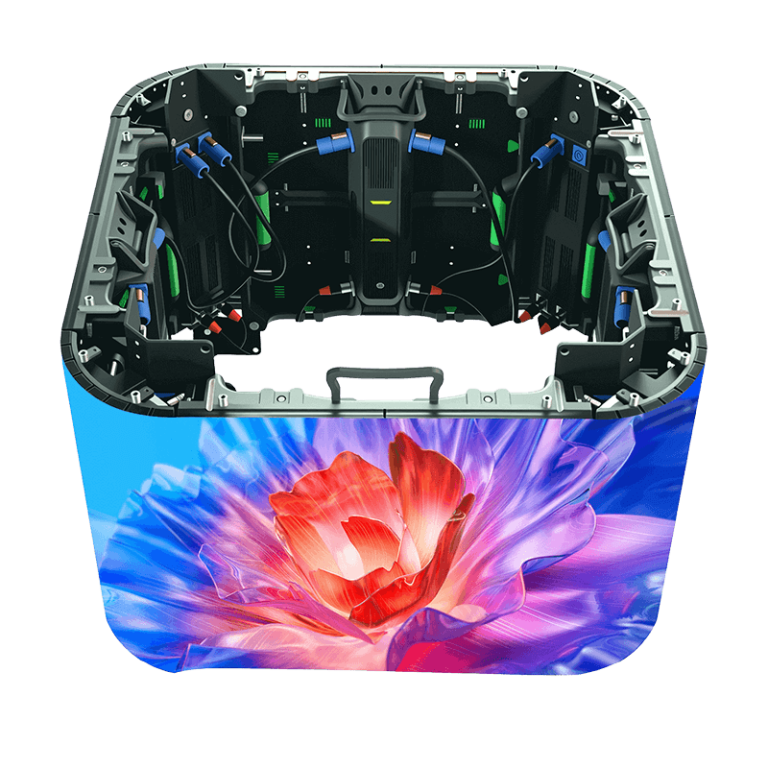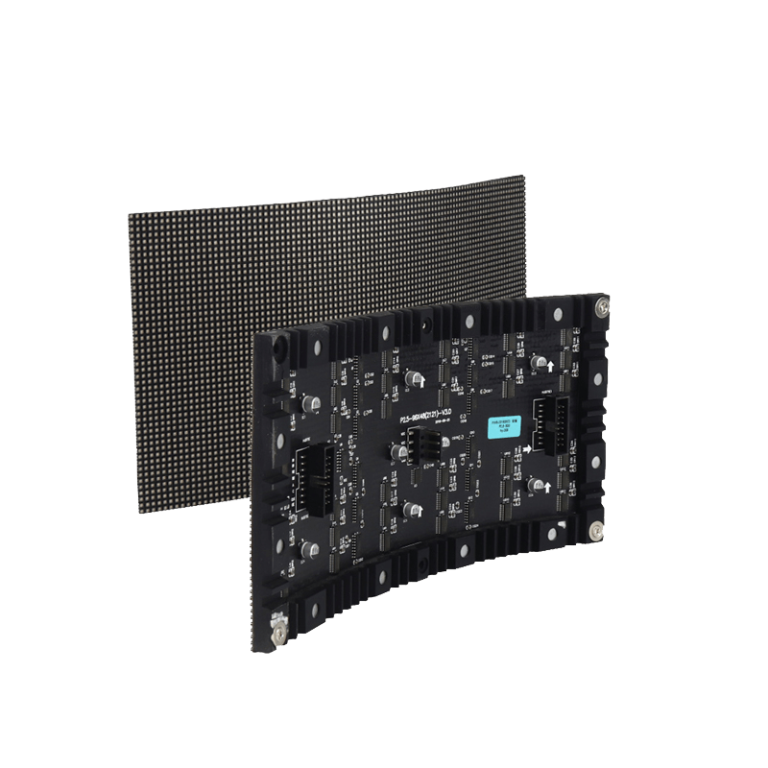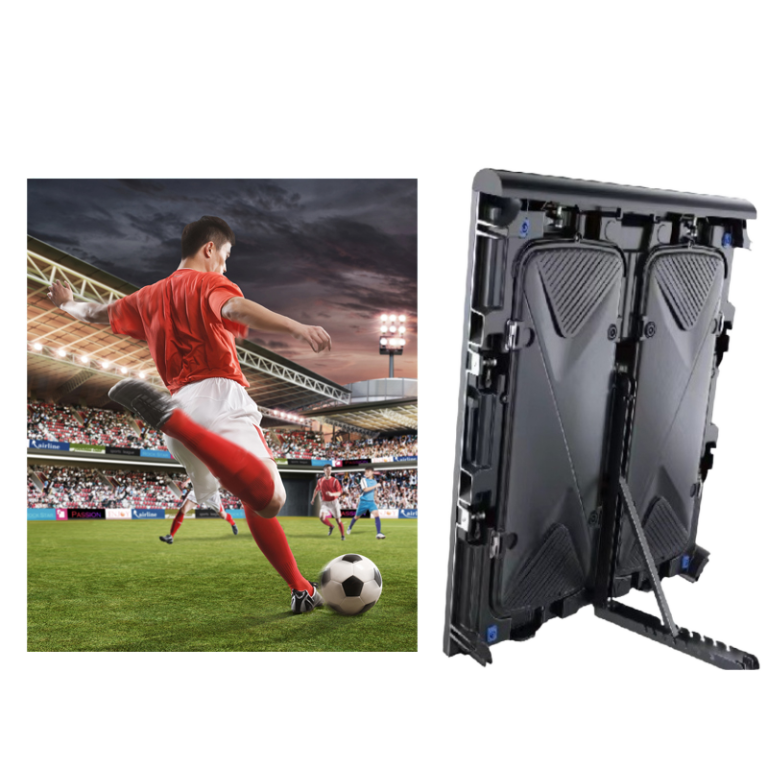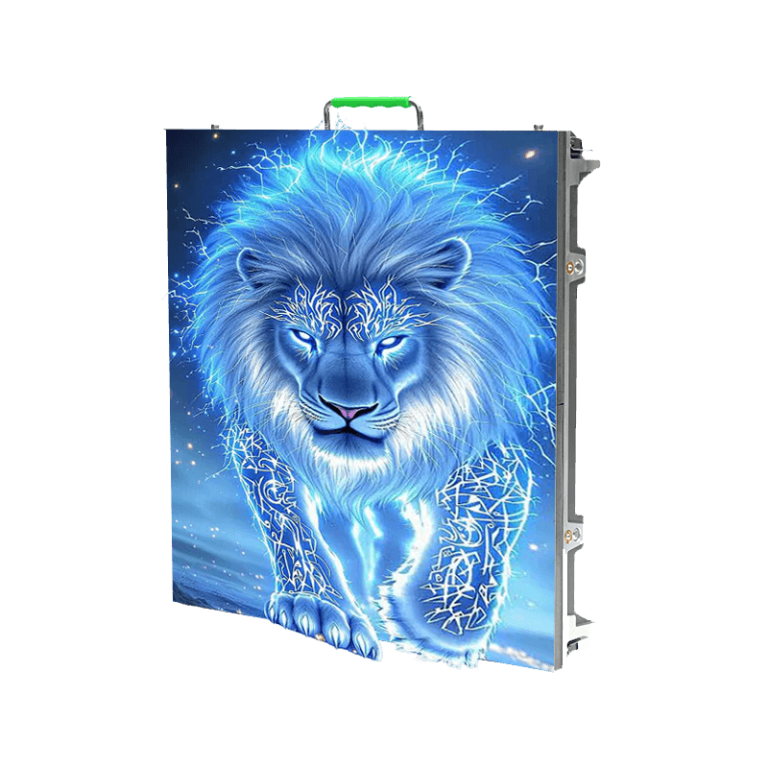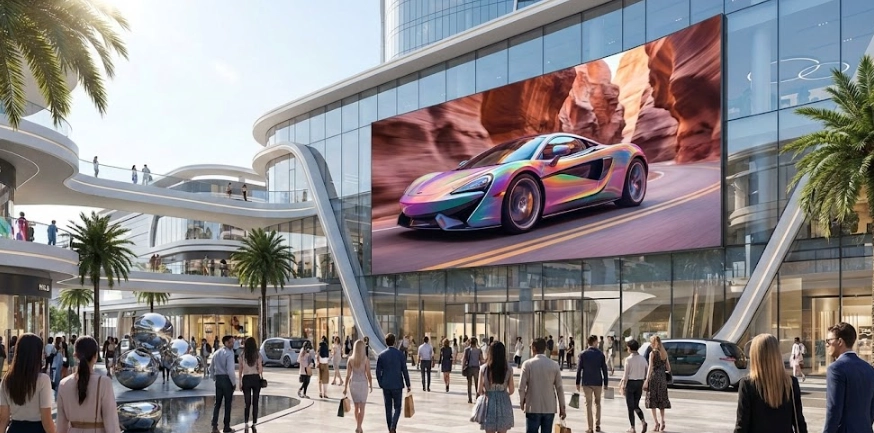
As we head toward 2026, the world of digital advertising keeps changing in big ways. The old times of blurry, faint screens are slipping away, giving way to a strong need for super-clear pictures that grab eyes right away. For companies and advertisers, picking the correct gear is no longer mainly about how big it is; it’s about sharpness, toughness, and making sure your spending lasts into the future. Whether you plan to update a shop front or set up a huge digital billboard, the tech you select now has to handle the video needs of the coming years.
At Leyaled, we have worked for more than 14 years leading this change in visuals. Based in the tech center of Shenzhen, we run a 7,000-square-meter site focused on research, development, and building. We do not just sell; we design and make thousands of screens for customers around the world. From tough 72-hour aging checks to earning National High-tech Enterprise status, our goal is to deliver solid, power-saving, and top-notch visual setups. We think a strong screen does more than show pictures; it links brands to folks.
In this full guide, we will explain the basics of how an outdoor LED video display board operates and give a close look at the P3 vs P5 pixel pitches. By the end, you will understand which option gives the best outdoor digital signs for sale to boost your reach in 2026.
The Mechanics: How Does an Outdoor LED Video Display Board Work?
To choose wisely, you need to understand the setup that drives these large visual tools. Unlike screens for inside use, an outdoor LED video display board has to face bright sun, rain, and wild weather changes while showing a clear picture.
SMD Technology and Pixel Configuration
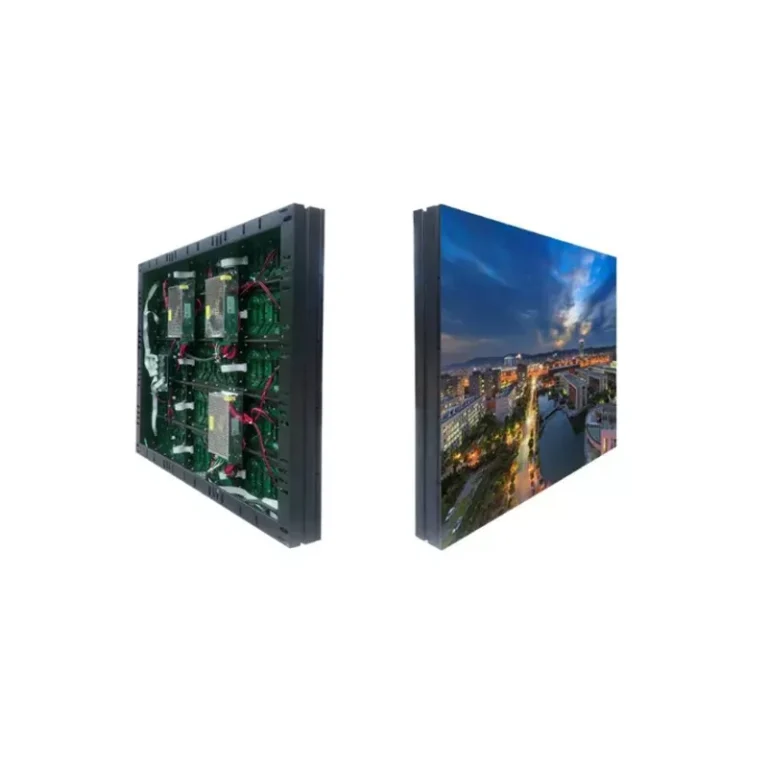
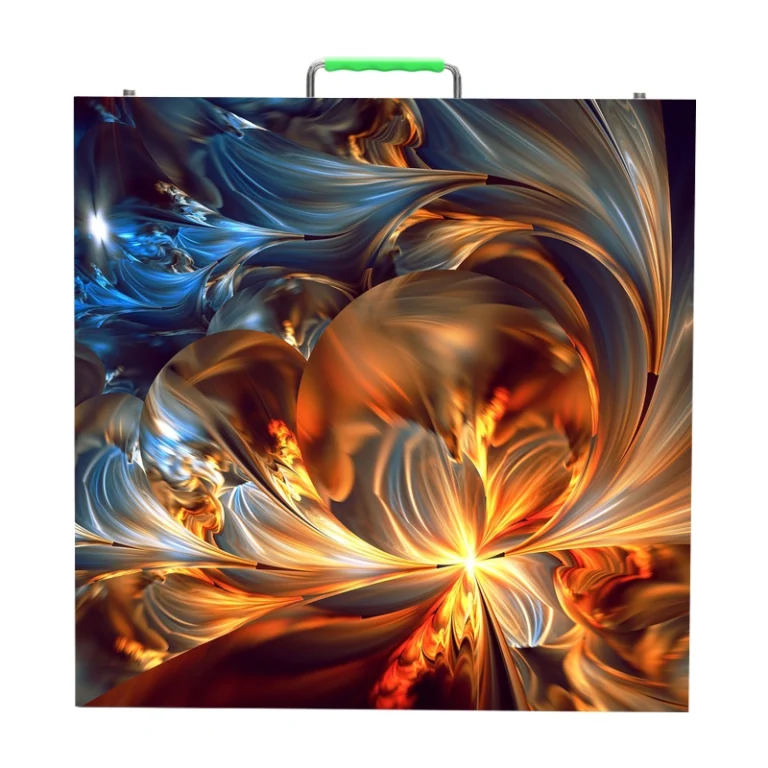
The heart of our display tech is the Surface Mounted Device (SMD). For outside jobs, we often use sturdy types like SMD2525 or SMD1921. These parts hold up much better than the earlier DIP methods. Each pixel includes a set of light-emitting diodes in a 1R1G1B setup (1 Red, 1 Green, 1 Blue). By changing the strength of these main colors, our setup can create millions of shades with great precision. This method lets colors mix smoothly, so whether you show a still logo or a fast video, the images stay clear and bright.
Combating Sunlight with High Brightness
The main hurdle for any outside screen is sunlight. A usual inside screen runs at 600-800 nits, which would look totally dark in direct sunlight. For an outside fix to work well, it needs way more light output. Our systems are built to reach a white balance brightness from 5,500 to 10,000 nits (cd/m²). This wide light range makes sure your content stays easy to see and read, even at midday on a clear day. Plus, we add smart brightness control tech. It lets the screen tone down at night to cut light waste and save power, while boosting output in daylight to beat the sun.
IP65 Waterproofing and Durability
Electronics often clash with water, but outdoor signs must handle wet conditions. We make this happen with careful building steps, using special “three-proof” paint and glue fill methods. Our modules have a custom waterproof rubber seal and several layers of shielding. This leads to an IP65 protection rating, so the unit stays dust-free and stands up to water sprays from all sides at low pressure. Be it a dusty work area or a wet open space, the inside parts—like driver chips and power units—keep dry and working. The working temperature spans from -20℃ to 60℃, also guaranteeing that cold winters or hot summers won’t stop your message.
P3 vs P5: Analyzing the Difference for 2026
When looking for outdoor digital signs for sale, the “P” number is the key detail you will see. “P” means Pixel Pitch—the actual space in millimeters from the middle of one pixel to the middle of the next one.
Though both P3 and P5 see a lot of use, they suit different needs based on how far people view and on cost.
Visual Resolution and Dot Density
The gap in sizes—3mm against 5mm—may look minor, but it affects sharpness in a huge way.
- The P5 Standard: A P5 screen holds 40,000 dots per square meter. It has served as a reliable choice for a long time, giving a fair mix of price and output for big displays where watchers stay distant.
- The P3 Advantage: Our display outdoor P3 shows the move to clearer outside visuals. In particular, our P3.076 model has a real dot count of 105,688 dots per square meter.
- The Verdict: The P3 gives over twice the pixel count of the P5. So, pictures on a P3 screen come out much crisper, lines look smoother, and writing reads better. As 4K videos become common in 2026, the coarser setup of P5 could seem rough or spotty if the screen isn’t very large.
Optimal Viewing Distance
The pixel pitch sets how near a person can get before spotting single LED spots.
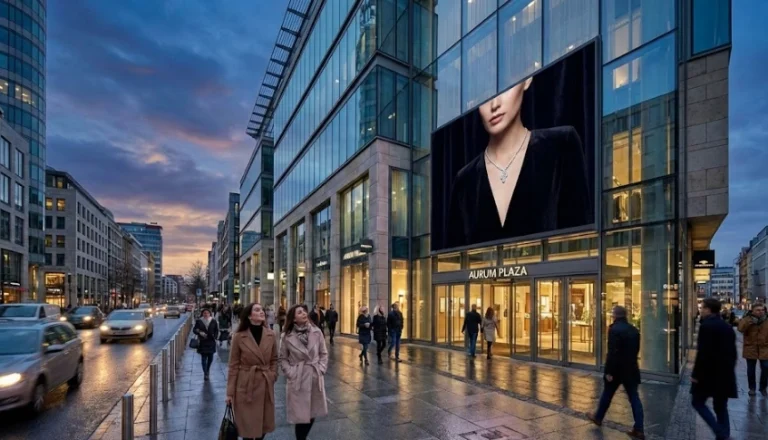
- P3 (Close Range): The best viewing spot for P3 begins at only 3 meters. This sets it as the better pick for ads near walkers, mall fronts, bus stops, and outside shop signs where folks pass close to the screen.
- P5 (Mid-to-Long Range): The P5 works best from 5 meters out and farther. It fits well for rooftops, road billboards, or big stadium setups where crowds keep a good distance.
If your crowd walks on paths gazing at your display, P5 could seem rough, but P3 will appear like a smooth TV.
Why P3 is the Top Choice for the Future

As we push further into the digital world, what people expect from picture quality keeps growing. The outdoor LED video display board field is heading to smaller pixel spaces. Here is why focusing on P3 tech prepares you well for 2026.
Superior Content Compatibility
Ad materials now come in sharper formats than before. Putting a clear ad on a dull screen loses fine points and punch. The P3 line makes sure small details—like patterns in clothing ads or tiny words in info shows—turn out sharp and plain. This skill matters a lot for top brands that won’t risk their look on weak gear.
Energy Efficiency and Heat Dissipation
New P3 screens focus not just on extra pixels; they stress better power handling. We use a dual-voltage power supply drive in several of our top outside units. This method shifts the voltage to match the needs of red, green, and blue chips, which vary in power traits. The outcome cuts energy use versus old screens. Less power means less warmth made. Paired with our full-aluminum cast units that have strong heat-release fins, the screen stays cooler. A cooler unit lasts longer and needs fewer fixes, which lowers the total cost of owning it over the years.
Versatility in Application
The P3 size works in many ways. Our P3.91 outdoor line, for example, suits both rental and fixed setups.
- Wide Viewing Angles: With a 160° side-to-side and 160° up-and-down view angle, the display keeps its color even when people come from far sides.
- High Refresh Rates: Handling refresh speeds of 1920Hz to 3840Hz (and up to 7680Hz in some premium types), these screens work great with cameras. This helps for gatherings or spots that get recorded for online shares or TV, with no scan lines showing up.
Installation and Structural Integrity
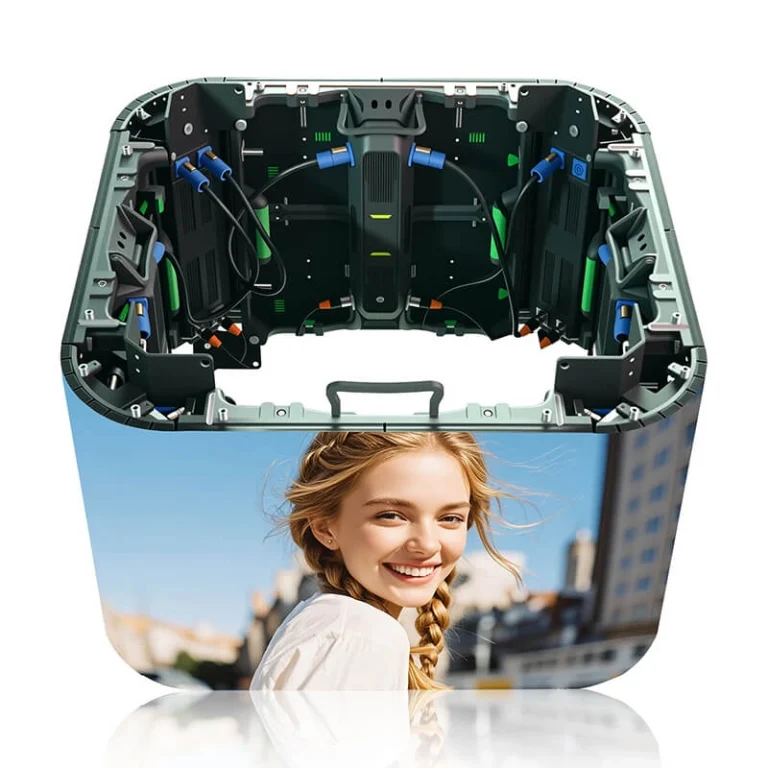
Picking the right panel also means thinking about the frame that supports it. We have shifted from heavy iron boxes to fresh die-cast aluminum ones.
Ease of Maintenance
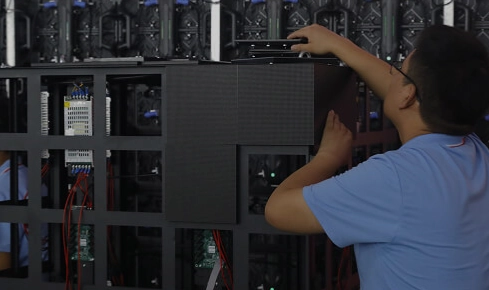
Fixes are part of using outdoor tools. We provide plans that allow front and back access.
- Front Maintenance: Great for wall-fixed screens with no room behind.
- Rear Maintenance: Suits billboards with easy-reach spots. Our modules allow fast put-together and take-apart. In several lines, the power box and modules swap without pulling down the whole build, which cuts work time and stops long breaks.
Safety First
Safety tops the list in open areas. Our units use an all-aluminum base shell, which resists fire well and passes high fire tests like TUV 5VB. Also, the firm link design holds steady in windy spots.
Why Partner With Us?
Choosing a maker counts as much as the item itself. We are not sellers in between; we are a committed builder with real results.
Proven Expertise
With 14 years of steady skill, we have handled every shift in the LED field. Our group includes 40% trained tech staff, so we lead with engineers. We have finished key jobs in Southeast Asia, Europe, and the Americas, learning about varied weather and rules.
Uncompromising Quality
Quality forms our base to keep going. We skip cheap parts. Every screen goes through a firm 72-hour extreme testing before shipping. This covers hot and cold cycles plus light fade checks. We make sure that once you power it up, it keeps running.
Comprehensive Service
We back our products with a 3-year free warranty and ongoing tech help. We know in ads, time equals cash. That is why we vow to reply to any issue within 24 hours. Sobre Nós to find out more about our approvals, plant skills, and worldwide help network.
Conclusion
The growth in outdoor ads is clear and steady. As we eye 2026, the line between a basic display and a strong tool sharpens. Though P5 still works for far-off views, the P3 outdoor LED video display board rises as the better pick for strong, clear links in city spots.
By going with a P3 fix, you put money into better sharpness, stronger power savings, and a setup ready for future digital items. Do not let your word blend into the noise. Pick the tech that makes your brand stand out the most.
Are you set to lift your outside reach? Contact us now to talk about your needs, and let us craft a visual fix that brings wins.
FAQ
Q: What is the expected lifespan of your outdoor LED display boards?
A: Our outdoor LED displays aim to endure, with a planned life of over 100,000 hours. To reach this length, we pick fine copper wire and gold wire tube wraps for steadiness, along with good heat release plans that ease part wear as time goes on.
Q: Can the screen brightness be adjusted automatically for day and night?
A: Yes, our screens have smart brightness shift features. They hold clear sight under bright sun with output up to 10,000 nits, and drop light at night to cut power use and avoid light bother, keeping the show at the right level always.
Q: Is the P3 outdoor screen difficult to install and maintain?
A: No way. Our P3 outdoor series uses light die-cast aluminum boxes that handle easily. We build them for ease, with choices for front and back fixes. So, modules and power parts change fast without hard tools, which saves on setup and later care costs.