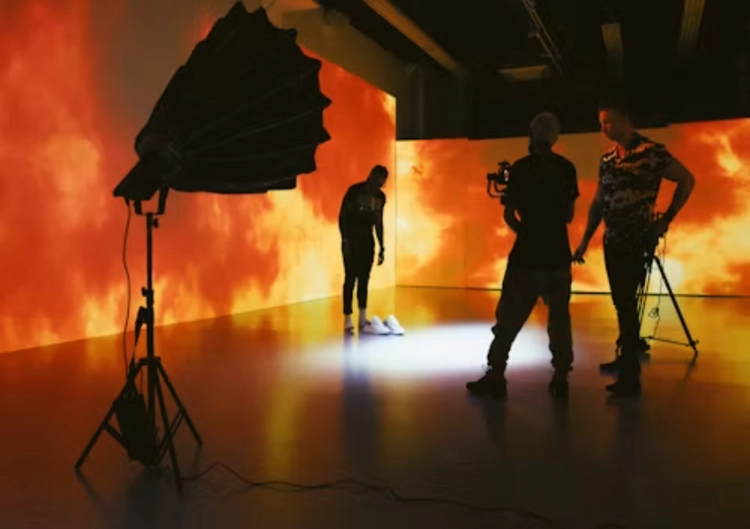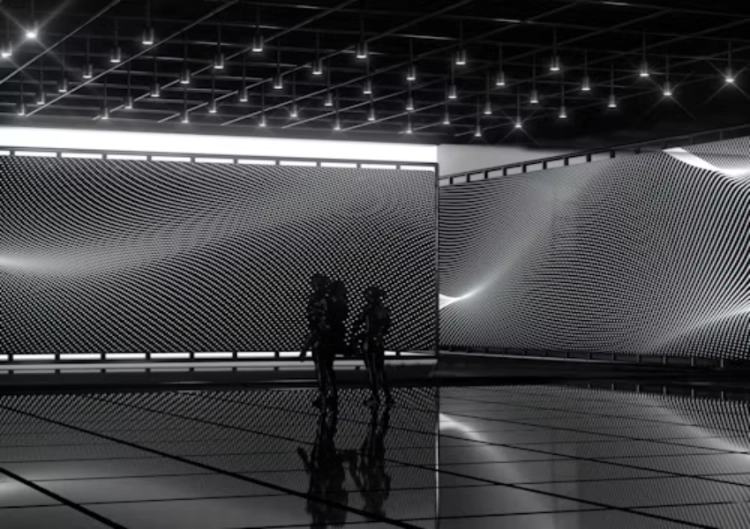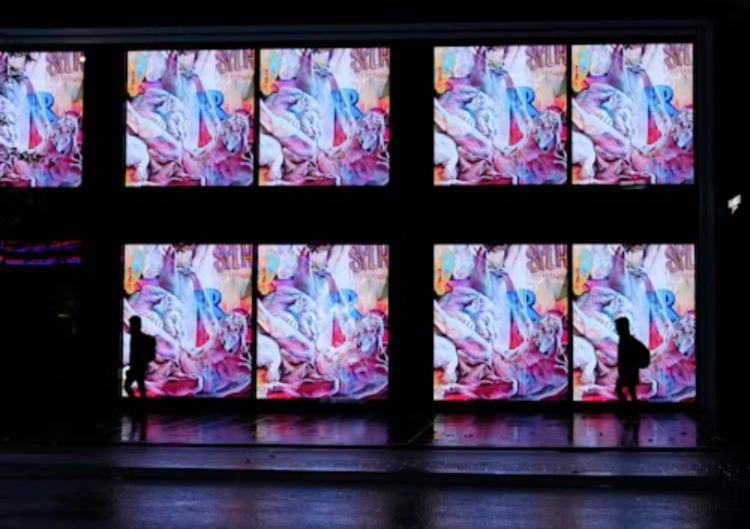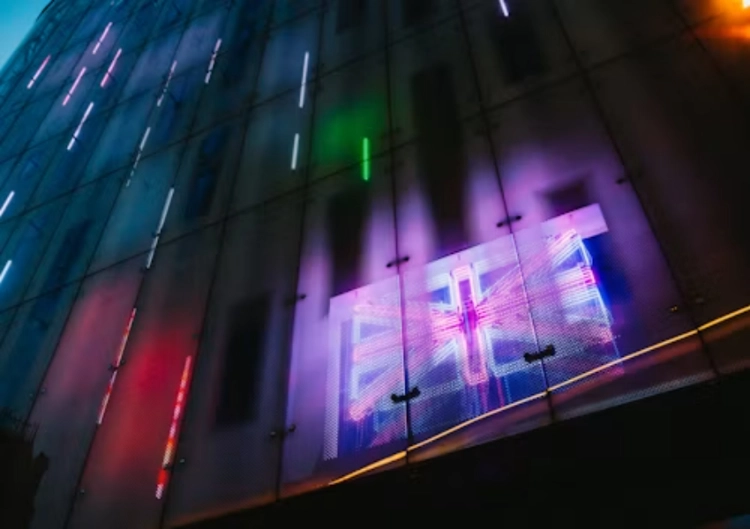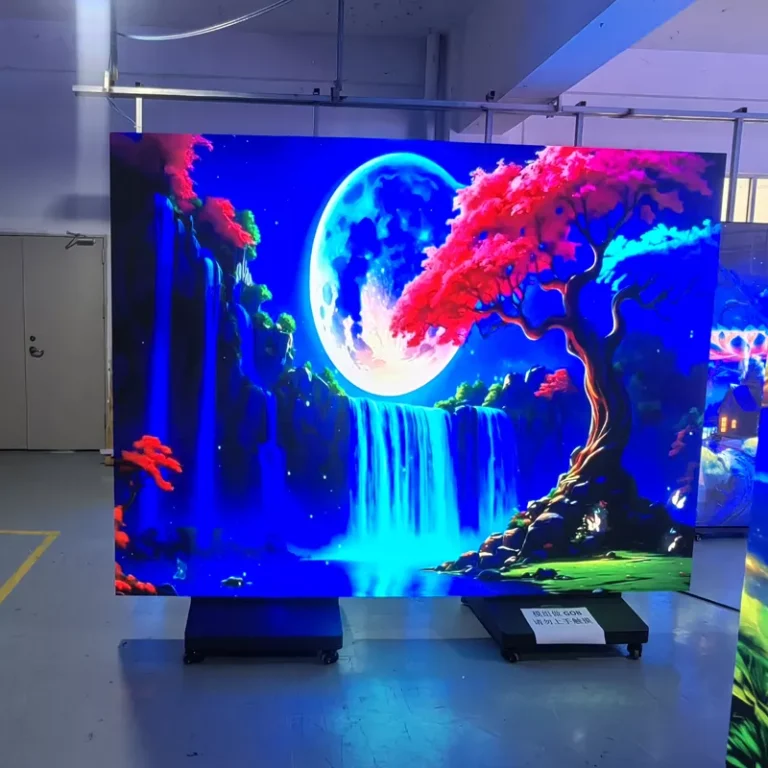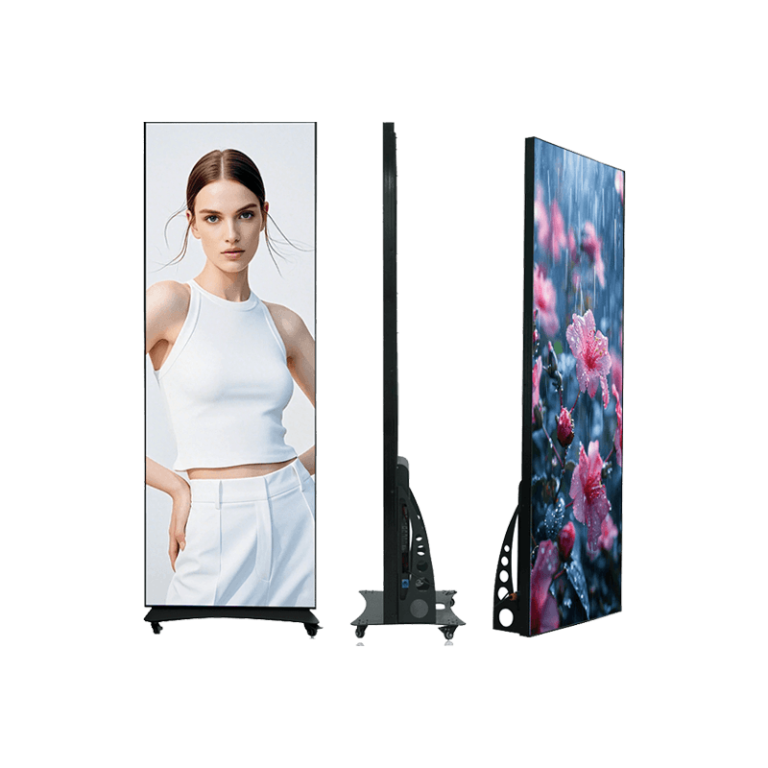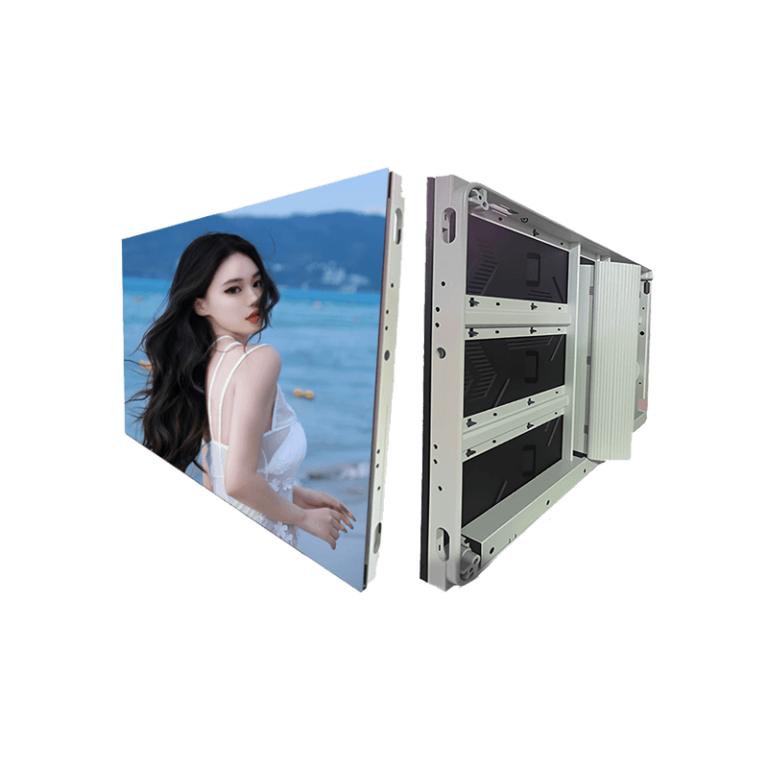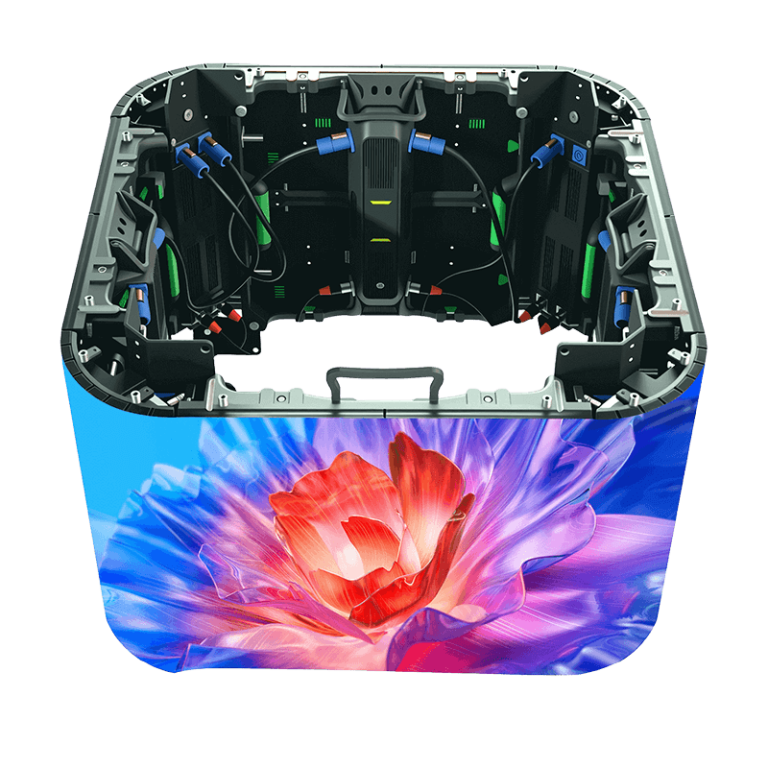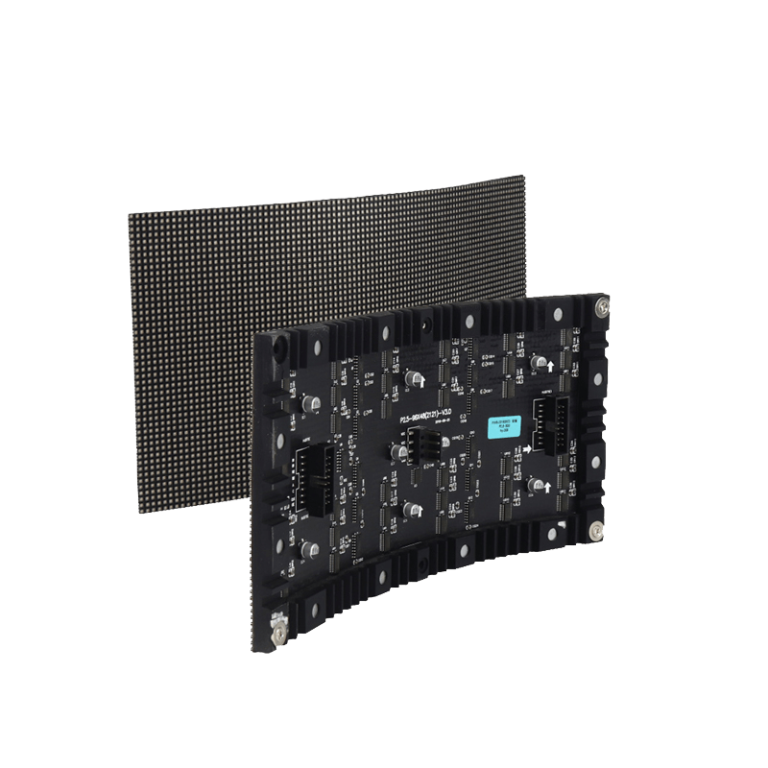
O rápido crescimento da tecnologia de telas de LED transformou a produção de eventos em um meio dinâmico para contar histórias envolventes e compartilhar marcas. De grandes shows a reuniões de negócios, as telas de LED para eventos agora atuam como o principal foco visual. Elas conectam o público ao conteúdo com clareza e precisão incomparáveis.
A evolução da tecnologia de displays de LED na produção de eventos.
Avanços no espaçamento entre pixels e na resolução dos LEDs
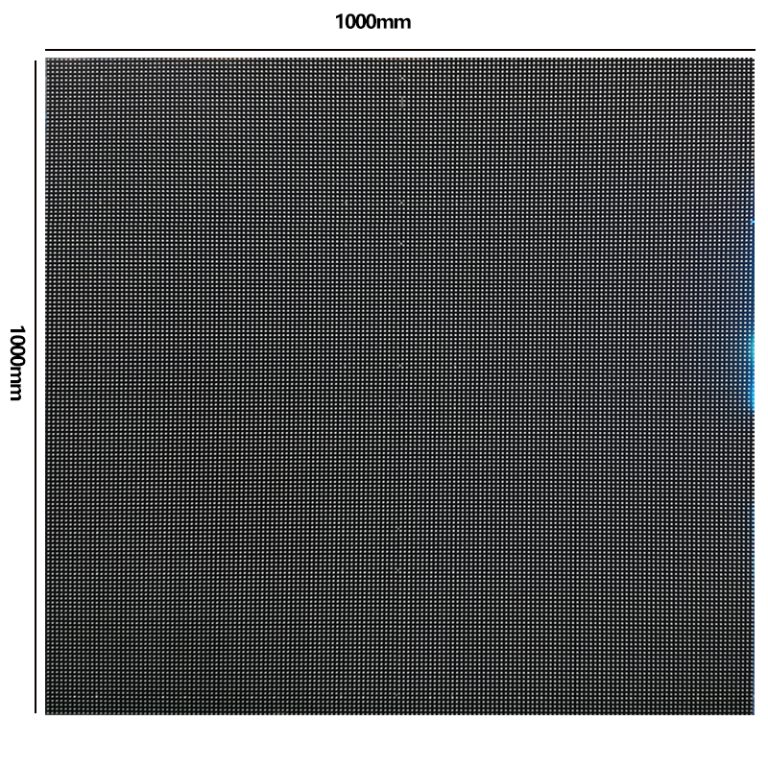
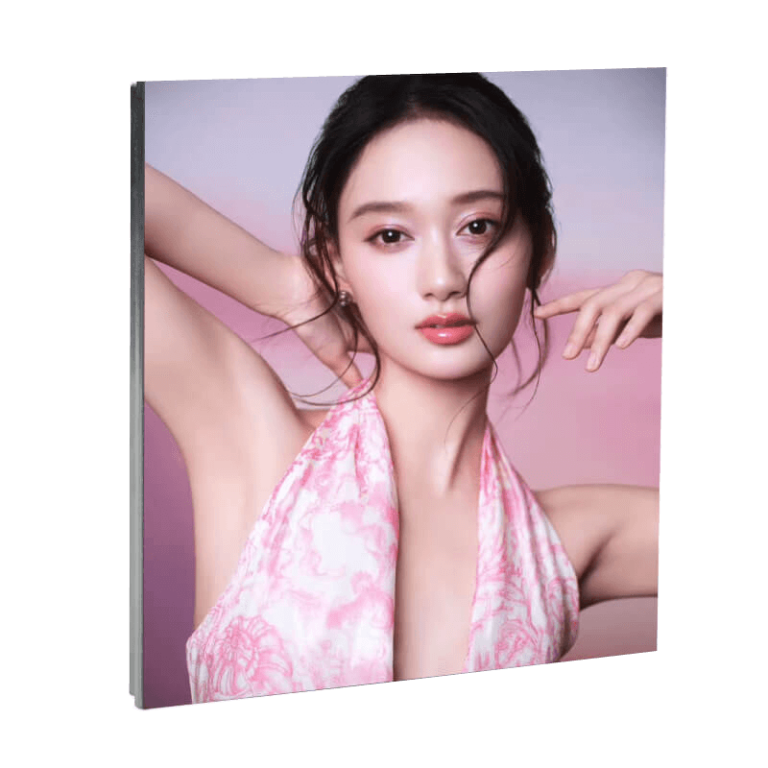
Os displays de LED de alta resolução são hoje o padrão máximo para recursos visuais em eventos. O display de LED de alta definição P3.91 para ambientes internos oferece uma qualidade de imagem incrivelmente nítida, graças ao seu espaçamento de pixels de 3,91 mm. Ele apresenta alta densidade de pixels, cores vibrantes e intensas e uma alta taxa de atualização. Todos esses recursos garantem que o conteúdo em movimento seja exibido de forma suave e estável. Esse avanço na densidade de pixels proporciona flexibilidade na distância de visualização, sendo ideal tanto para salas pequenas quanto para grandes arenas. Painéis de alta resolução como o Expositor interno P3.91 A tecnologia de junção suave aumenta a profundidade visual, garantindo que cada pequeno detalhe permaneça nítido de qualquer ângulo.
Melhorias no design e na estrutura dos painéis de LED
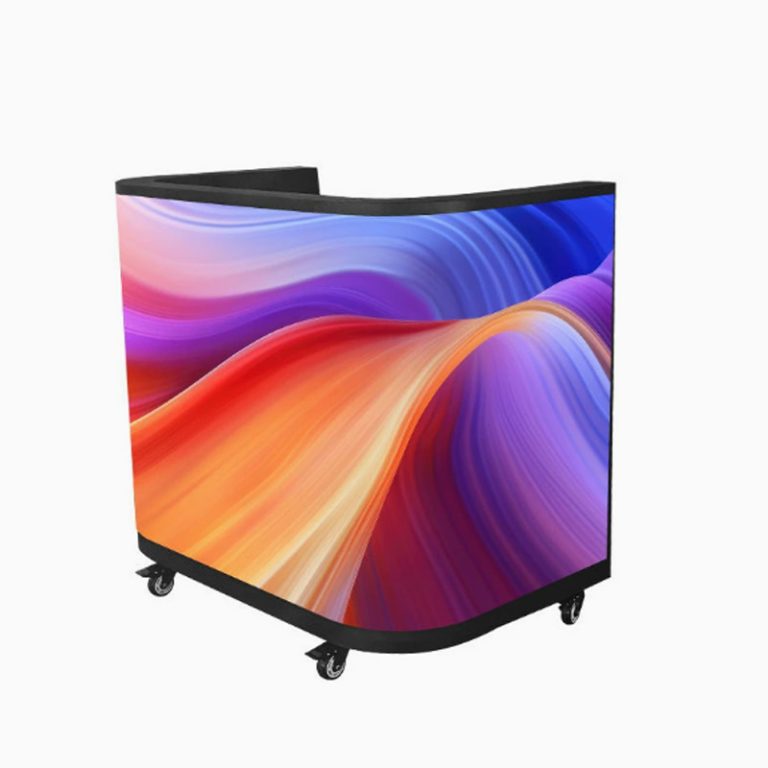
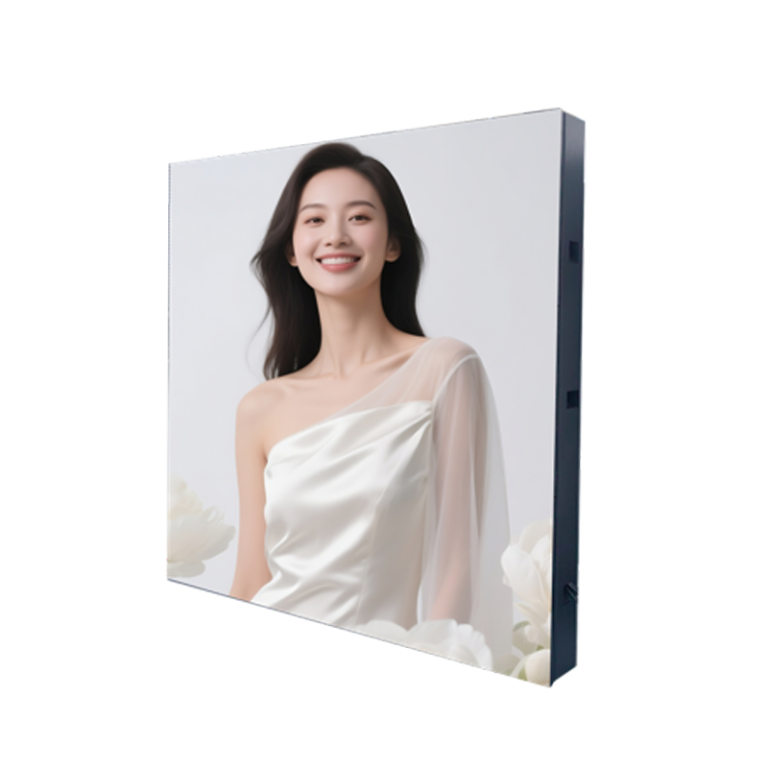
A construção atual de painéis prioriza leveza, facilidade de adaptação e resistência. A tela de LED utiliza uma caixa especial de alumínio fundido, que coloca a leveza, a espessura reduzida e a rapidez de montagem em primeiro lugar. Seu formato fino facilita a instalação, mantendo, ao mesmo tempo, uma estrutura robusta. Painéis curvos e flexíveis abrem possibilidades criativas para a montagem de palcos. Permitem que os designers criem ambientes profundos que envolvem o público ou acompanham as linhas dos edifícios. A maior resistência garante que esses sistemas funcionem de forma confiável em shows internos ou feiras ao ar livre, sem comprometer o desempenho ou os padrões de segurança.
Principais tendências em displays de LED que estão transformando a visualização de eventos
Com o avanço da narrativa digital, diversas novas tendências estão mudando o cenário. Elas mostram como as tendências em displays de LED influenciam o interesse do público em eventos do mundo todo.
Ascensão dos displays de LED transparentes e translúcidos
Os displays transparentes estão se tornando cada vez mais populares em shows, concertos e lojas. Nesses locais, a profundidade espacial é crucial. Eles misturam camadas visuais sem obstruir a visão do palco, permitindo que objetos reais se integrem harmoniosamente à iluminação digital. Esse método cria efeitos de camadas dinâmicas, dando a impressão de que os espetáculos têm múltiplas faces. Este é um ponto-chave para marcas que buscam uma estética futurista em espaços para eventos ao vivo.
Crescimento de telas de LED flexíveis e dobráveis
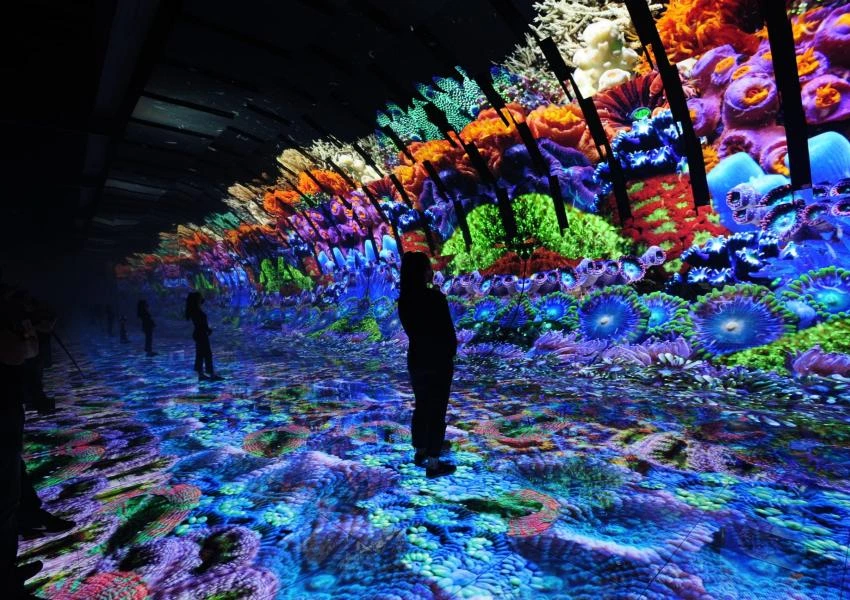
As telas flexíveis estão transformando completamente configurações inusitadas. Elas se adaptam a superfícies curvas ou superfícies arredondadas. Eventos comerciais com displays em palco e exposições criativas frequentemente exploram essa flexibilidade. Elas criam experiências imersivas que transcendem as limitações das telas planas. Essas estruturas dobráveis não apenas facilitam a movimentação, como também permitem que as equipes montem estruturas rapidamente durante turnês com várias paradas ou montagens curtas.
Adoção da tecnologia MicroLED de passo ultrafino
A tecnologia MicroLED representa o próximo grande passo no crescimento da exibição em eventos, oferecendo brilho excepcional, contraste de cores preciso e economia de energia. Essa tecnologia é ideal para apresentações de negócios de alto nível que exigem correspondência exata de cores. Sua longa vida útil e baixa necessidade de manutenção a tornam perfeita para uso contínuo. Ela funciona muito bem em salas de TV ou instalações fixas onde a confiabilidade é fundamental.
Integração de sistemas de controle inteligentes em displays para eventos
A combinação de tecnologia inteligente com hardware robusto tornou as mudanças instantâneas essenciais para os recursos visuais de eventos atuais.
Gerenciamento e sincronização de conteúdo em tempo real
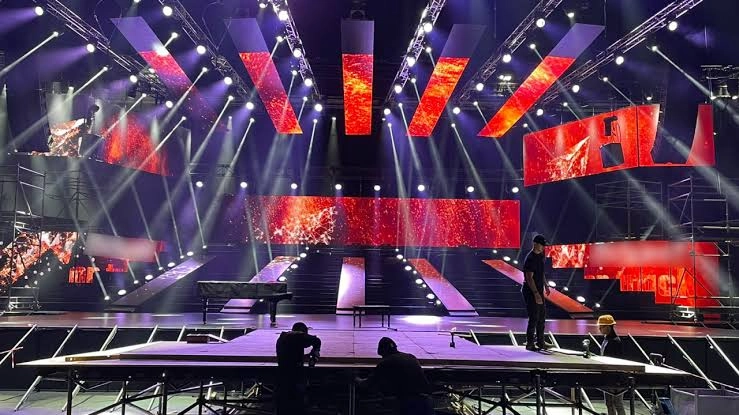
Sistemas de controle baseados em nuvem permitem que os funcionários alterem o conteúdo remotamente, em várias telas simultaneamente, mantendo a sincronização perfeita entre as partes visuais. Essa capacidade permite a integração de dados em tempo real, como publicações em redes sociais e comentários do público, criando momentos mais envolventes durante apresentações ou reuniões.
Ferramentas de Otimização Visual com Inteligência Artificial
Os computadores inteligentes desempenham um papel fundamental na melhoria do trabalho em campo. Eles ajustam o brilho, o equilíbrio de cores e o contraste automaticamente, com base na iluminação ambiente. Programas de previsão aumentam a estabilidade durante as transmissões ao vivo. Ao mesmo tempo, verificações automáticas detectam possíveis falhas precocemente. Isso reduz o tempo de inatividade, garantindo a continuidade das gravações em momentos cruciais.
Práticas sustentáveis na fabricação moderna de displays de LED
Ser sustentável tornou-se uma clara marca de ideias inovadoras no campo da tecnologia para eventos.
Inovações em eficiência energética em painéis de LED
Componentes de baixo consumo reduzem significativamente o uso de energia em grandes eventos. Eles ainda mantêm os níveis de brilho adequados para visualização durante o dia. O controle inteligente de temperatura prolonga a vida útil dos equipamentos, evitando o superaquecimento mesmo sob uso prolongado. Isso é muito importante para usos externos, como em... Visualização externa P6Mantém um brilho de ≥6000 cd/m² sob luz solar direta.
Reciclagem e Gestão do Ciclo de Vida de Displays de LED
Os fabricantes estão cada vez mais adotando ideias de economia circular. Eles fazem isso por meio de projetos modulares. Esses projetos simplificam as etapas de troca e reutilização. Quando a tela quebra, os blocos individuais podem ser substituídos rapidamente. Isso se deve ao seu design modular. Os painéis reparáveis oferecem soluções ecológicas e econômicas. Eles fazem isso sem comprometer a qualidade, combinando cuidado com o meio ambiente e um funcionamento eficiente.
O papel da sinalização LED na melhoria das experiências em espaços para eventos
Os organizadores de eventos contam com sinalização LED de alta qualidade para espaços de eventos. Eles a utilizam não apenas como um acessório estético, mas também como peça fundamental na busca por soluções, no fortalecimento da marca e na narrativa de histórias.
Sinalização LED personalizável para branding e orientação.
Sinalização interativa reforça a identidade da marca em todos os espaços do evento e também ajuda os convidados a se orientarem. Ela utiliza mapas em tela ou atualizações de tempo integradas aos sistemas de gerenciamento de eventos. Os displays de LED para ambientes internos oferecem excelente qualidade de imagem, com efeitos nítidos e precisos. Proporcionam visuais vibrantes e variados, além de efeitos de vídeo fluidos e realistas. Essa ampla gama de aplicações os torna perfeitos para decorar paredes com a identidade visual da marca em salões e também funcionam bem como guias de localização durante grandes reuniões.
Cenários imersivos para palco e elementos de narrativa visual
Grandes estruturas como telões nas bordas dos estádios alteram a atmosfera da multidão. Isso acontece por meio de imagens em movimento sincronizadas com música ou vídeos ao vivo. tela de estádio Essa potência é bem demonstrada. A tela atinge um brilho de até 10.000 nits e possui taxas de atualização acima de 1920Hz, o que elimina o desfoque de movimento durante eventos esportivos de alta velocidade. Além disso, ela exibe simultaneamente dados de placar ao vivo e conteúdo publicitário.
Direções futuras para telas de LED em aplicações para eventos
A trajetória futura das tendências em displays de LED aponta para uma integração mais estreita entre espaços reais e o mundo digital.
Convergência de AR/VR com ambientes físicos de LED
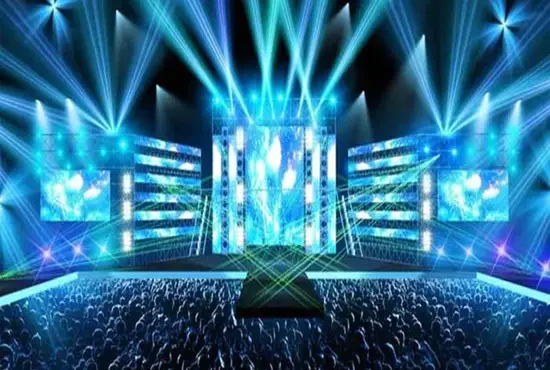
Os espaços de realidade mista sobrepõem camadas de RA a LEDs reais. Isso possibilita a realização de espetáculos híbridos. Nesses espetáculos, objetos virtuais coexistem naturalmente em cenários reais. Essa mistura amplia o poder criativo da narrativa, permitindo que atores ou palestrantes interajam diretamente com os objetos exibidos. Tanto o público presente quanto os espectadores à distância podem visualizar esses objetos.
Padrões emergentes para telas de eventos de próxima geração
O trabalho em grupo no campo está definindo regras de integração. Essas regras ajudam a facilitar a conexão entre os sistemas de blocos usados em diversos locais. Apontar novas ideias para taxas de atualização mais altas garantirá uma reprodução com qualidade de TV, o que é ideal para plataformas de streaming globais. Ao mesmo tempo, a miniaturização facilita o transporte, tornando mais simples do que nunca a instalação de sistemas visuais completos em vários locais.
Sobre nós – Iluminando eventos através da engenharia de precisão.
Somos uma empresa de alta tecnologia focada em soluções completas de LED, que incluem P&D, fabricação e vendas para ambientes internos, externos, instalações fixas e iluminação flexível. Você pode nos encontrar em LeyaledNossa base em Shenzhen ocupa 7200 m² e conta com oito linhas de montagem SMT automatizadas. Isso garante um controle de qualidade rigoroso, em conformidade com as normas ISO 9001:2008, e é inspecionada pelos grupos CNAS e TÜV SÜD. Com mais de 50 profissionais de P&D focados em soluções de iluminação e geração de energia inteligente, oferecemos soluções personalizadas de OEM/ODM. Fabricamos cada projeto em até sete dias, conforme a necessidade. Isso demonstra nossa busca pela excelência em todas as etapas, desde pequenas lojas até feiras internacionais.
FAQ
Q1: O que determina a melhor seleção de espaçamento entre pixels para diferentes tipos de eventos?
A1: O espaçamento entre pixels define a densidade de pixels. Valores menores, como 3 a 4 mm, são ideais para ambientes internos com visibilidade de perto. Isso inclui salas de reunião ou salas de TV que utilizam modelos da série P3. Por outro lado, espaçamentos maiores, como 6 a 10 mm, são adequados para shows ao ar livre. Nesses casos, é necessário visualizar o conteúdo de longe, como em grandes painéis de sinalização.
Q2: Como os sistemas de controle modernos melhoram o desempenho de eventos ao vivo?
A2: O sistema de sincronização baseado na nuvem garante uma reprodução fluida em várias telas. Ao mesmo tempo, programas de IA ajustam o brilho automaticamente, com base na iluminação do ambiente. Isso mantém a qualidade da imagem uniforme mesmo com variações de tempo.
P3: Onde posso explorar soluções avançadas para exteriores, concebidas para instalações permanentes?
A3: Para opções robustas e resistentes às intempéries, procure por painéis com classificação IP65, que oferecem proteção contra chuva e poeira. Eles também possuem revestimento anti-UV, ideais para fachadas de edifícios ou eventos ao ar livre. Você pode conferir a página do produto P6 para outdoors de LED diretamente aqui. Ou, se preferir, entre em contato conosco através do nosso portal de contato.