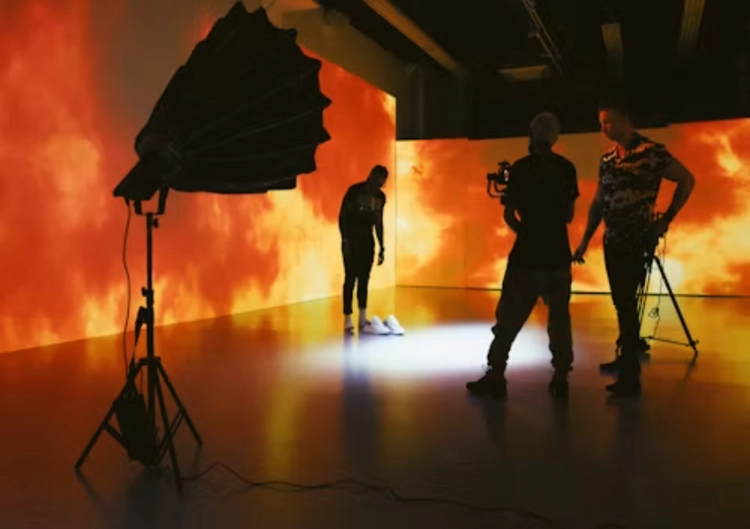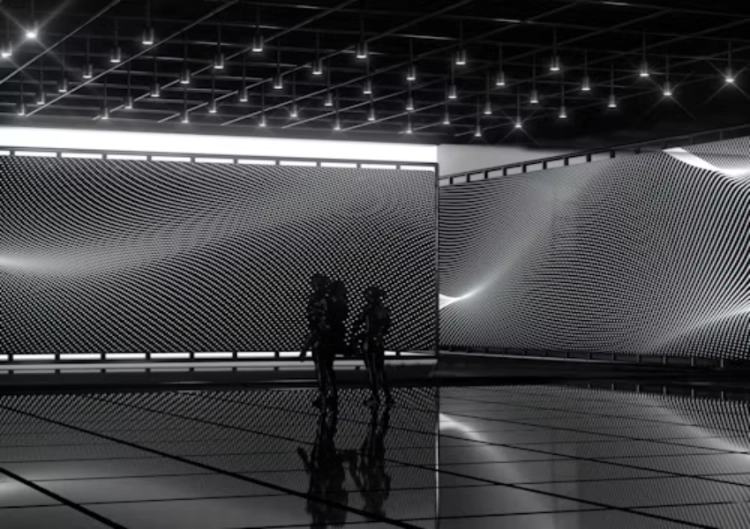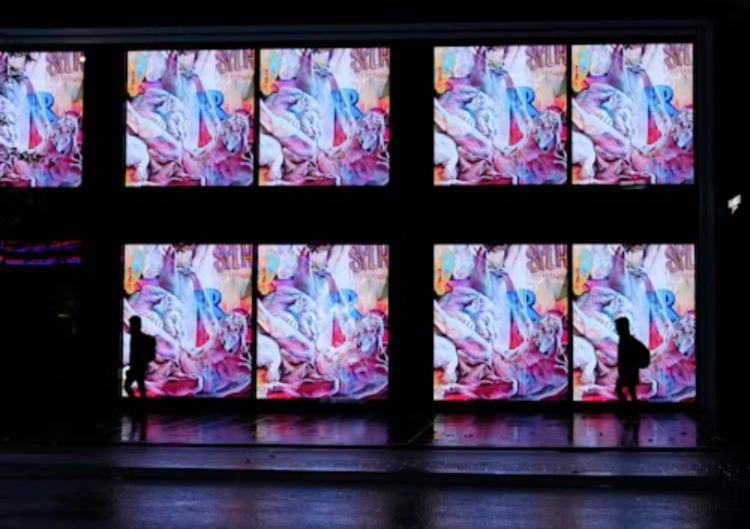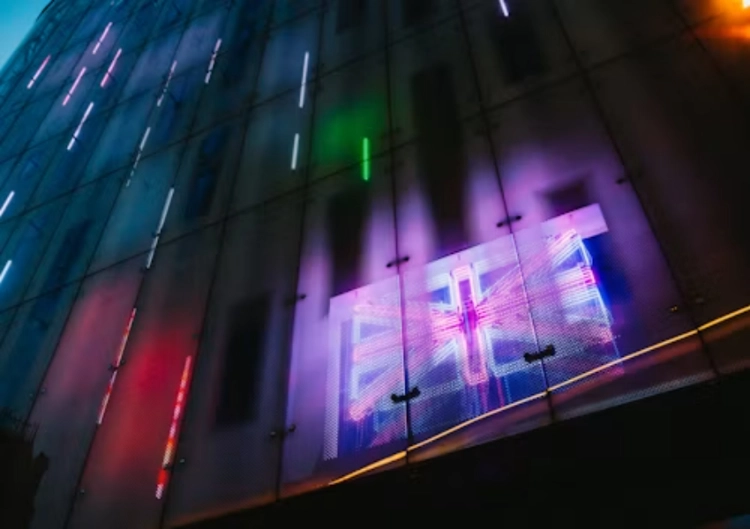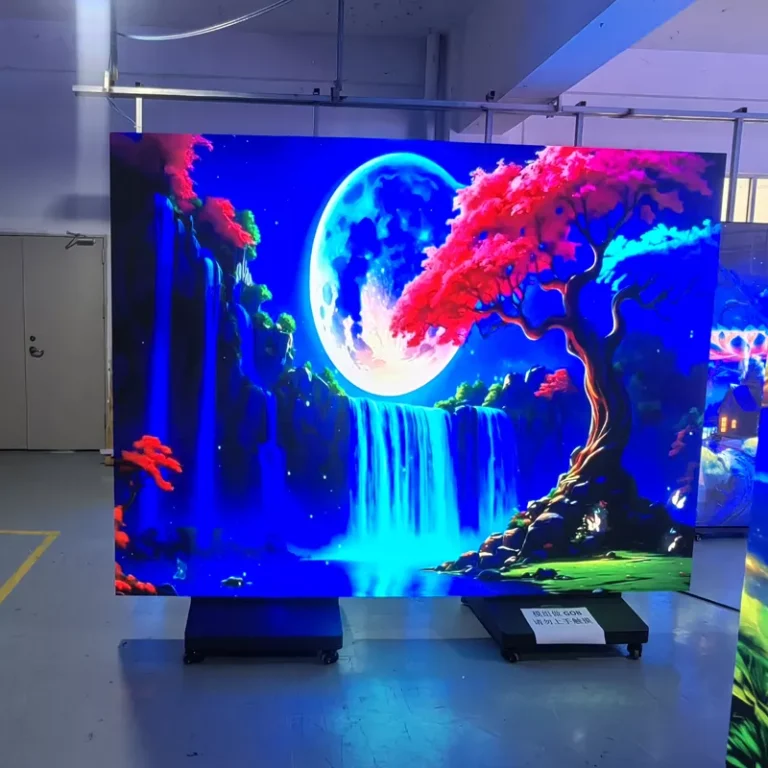
Nos eventos atuais, as narrativas visuais são essenciais para o envolvimento do público. A sinalização em LED transforma as mensagens básicas do evento em uma ferramenta dinâmica que conecta marcas e público por meio de movimento, iluminação e cores. Telas de LED confiáveis aumentam a atenção do público e fortalecem o reconhecimento da marca por meio de um estilo visual consistente.
Entendendo o papel da sinalização LED em espaços para eventos
A importância da comunicação visual em eventos
Áreas de exposição e estandes dependem de telas de LED como pontos-chave para compartilhar detalhes, destacar conquistas e formar impressões da marca. Essas telas, com seus benefícios tecnológicos especiais, servem como um "coração visual" essencial no planejamento de espaços. Visitantes e expositores as apreciam muito. A mesma ideia se aplica a espaços para eventos, onde recursos visuais envolventes ajudam a criar memórias duradouras.
Tipos de telas de LED utilizadas em ambientes de eventos
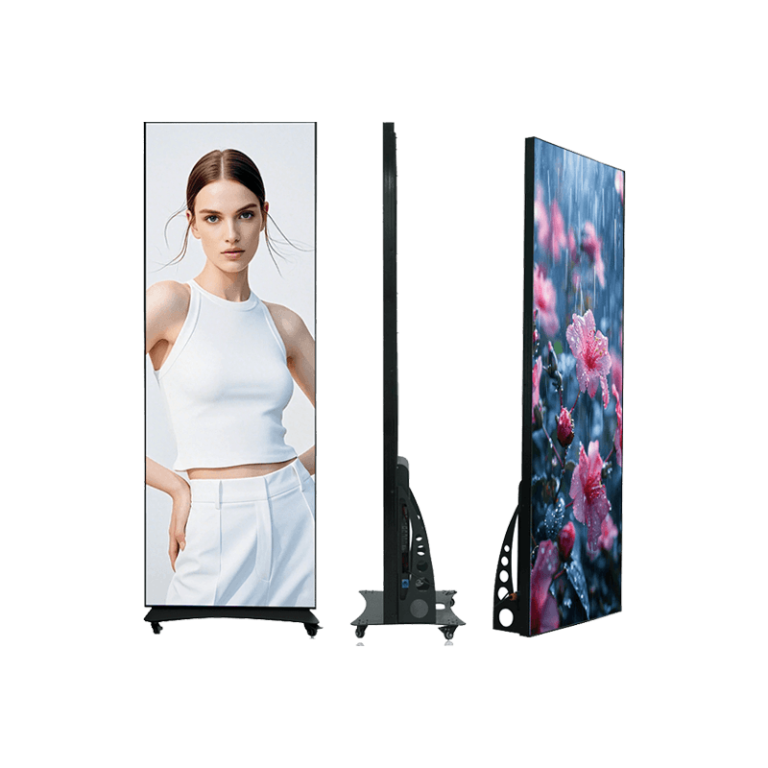
A escolha do tipo de tela adequado depende do uso, seja em ambientes internos ou externos. Os painéis de LED para ambientes internos são mais indicados para visualizações mais próximas e oferecem imagens nítidas, ideais para reuniões ou apresentações. Por exemplo, o Vitrine interna P4.81 Oferece um amplo ângulo de visão de 160° juntamente com um forte contraste para imagens nítidas em salas grandes.
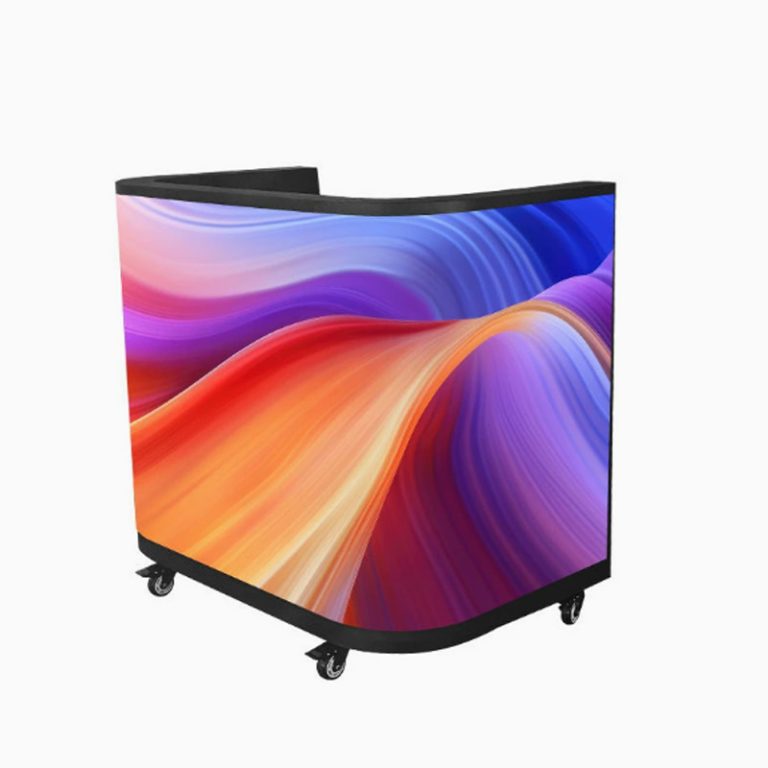
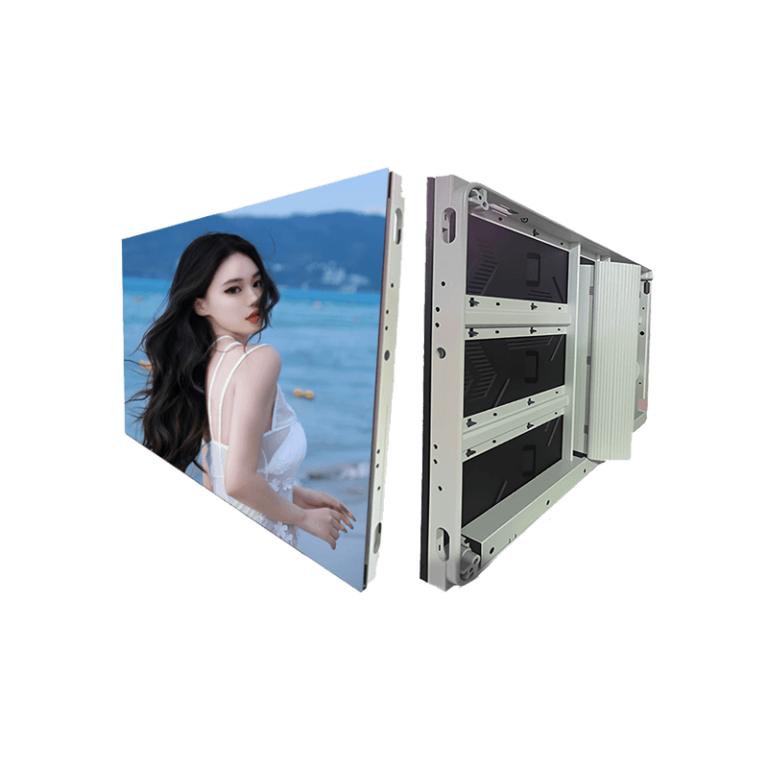
As telas externas precisam de maior brilho e resistência às intempéries. Display exterior P2.604 Isso fica evidente, com 10.000 nits de brilho e proteção IP65 que mantém as imagens nítidas mesmo sob luz solar intensa — perfeito para shows musicais ou eventos esportivos. A flexibilidade das estruturas curvas também permite arranjos de palco criativos que se adaptam a espaços com formatos irregulares, mantendo o equilíbrio visual.
Principais fatores de desempenho na avaliação de displays de LED
Antes de escolher a melhor sinalização LED para espaços de eventos, é preciso verificar os principais fatores que afetam a qualidade da imagem e a confiabilidade do funcionamento.
Brilhança, Contraste e Accuração de Cores
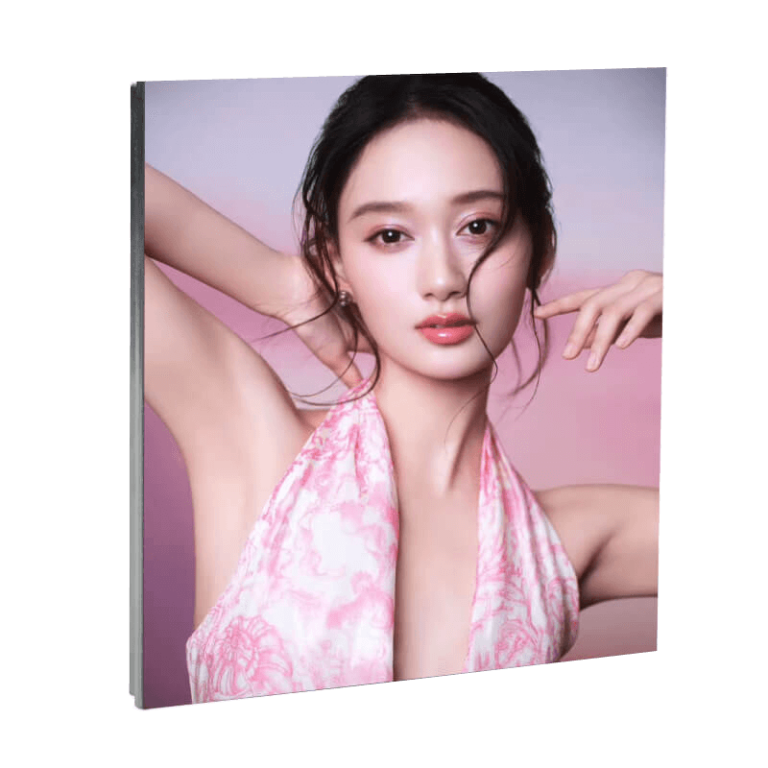
O brilho define a qualidade da imagem em diferentes níveis de luz; o contraste molda a profundidade da imagem; e a precisão das cores mantém as cores da marca fiéis. Nossos gabinetes de alumínio ultrafinos pesam 15% menos que os convencionais e oferecem excelente dissipação de calor, além de total resistência à água IP65. Essas características garantem uma emissão de luz constante, sem superaquecimento ou deformação durante apresentações prolongadas.
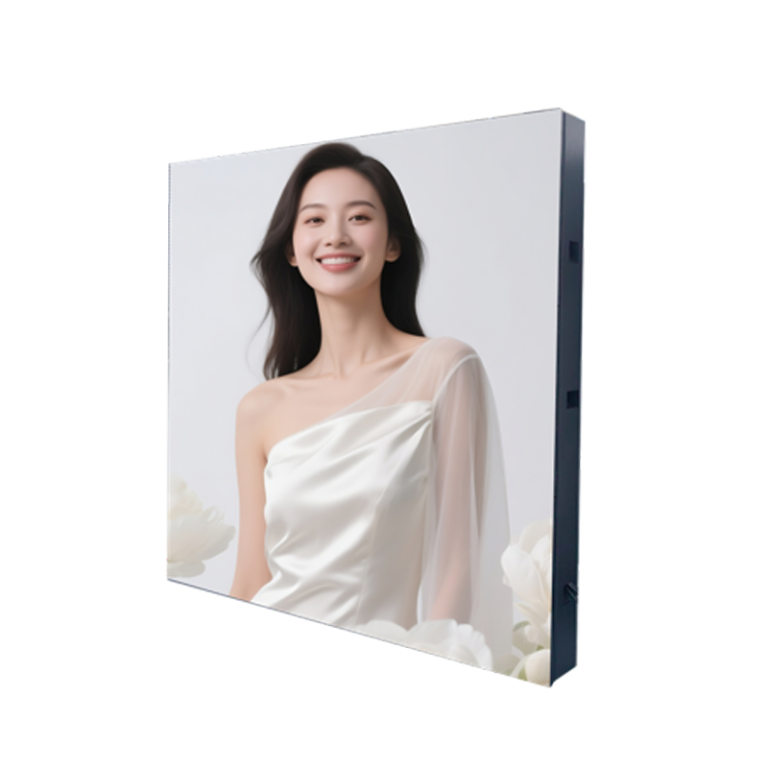
O Display LED de perfil de alumínio Atinge um forte contraste de até 9500:1 com cores brilhantes, graças a uma configuração de máscara de alta visibilidade, tornando-o muito útil para áreas de marca ou expositores que necessitam de tonalidades fiéis à realidade.
Resolução, tamanho do pixel e distância de visualização
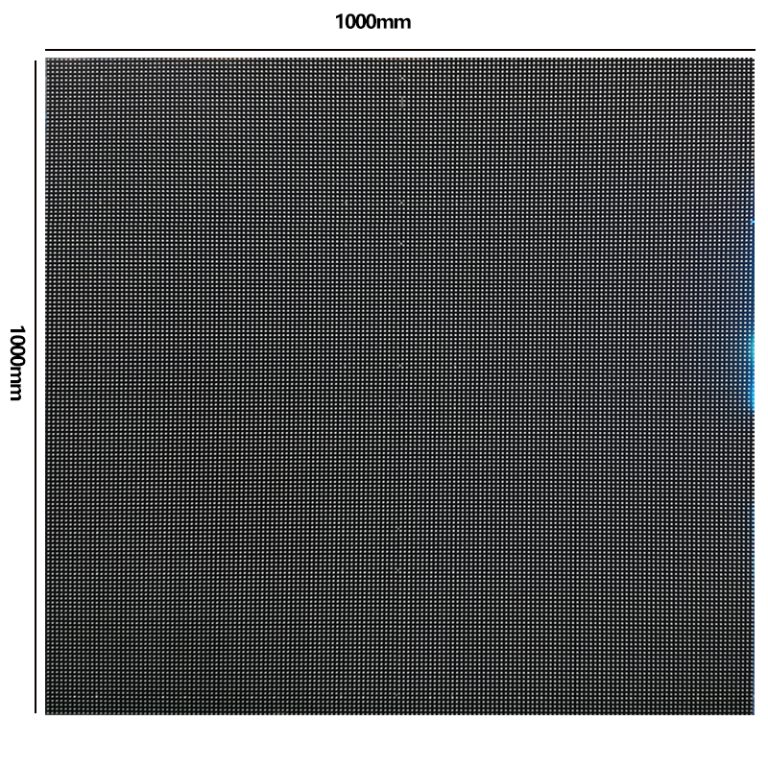
O espaçamento entre pixels determina a nitidez das imagens em diferentes distâncias. Espaçamentos menores, como 2,6 mm, proporcionam detalhes nítidos mesmo de pontos próximos, enquanto espaçamentos maiores são ideais para grandes instalações externas onde as pessoas ficam a uma certa distância. Adequar a resolução às necessidades do orçamento permite que os planejadores otimizem os recursos sem comprometer a qualidade da experiência.
Sincronização da taxa de atualização e dos quadros
Uma alta taxa de atualização reduz o desfoque em transmissões ao vivo ou gravações de vídeo. O display LED P6 de alumínio fundido utiliza uma estrutura robusta de alumínio fundido com espaçamento de pixels de 6 mm (P6), combinando construção sólida e imagem nítida. Ele suporta taxas de atualização de ≥3840Hz, o que garante a reprodução fluida de gráficos em movimento ou vídeos em tempo real — essencial para eventos de premiação transmitidos pela TV ou encontros híbridos online.
Considerações de design para sinalização LED em eventos
Integrar telas digitais em espaços reais exige um planejamento cuidadoso da construção e do design da mensagem.
Integração estrutural com a arquitetura do palco ou do espaço.
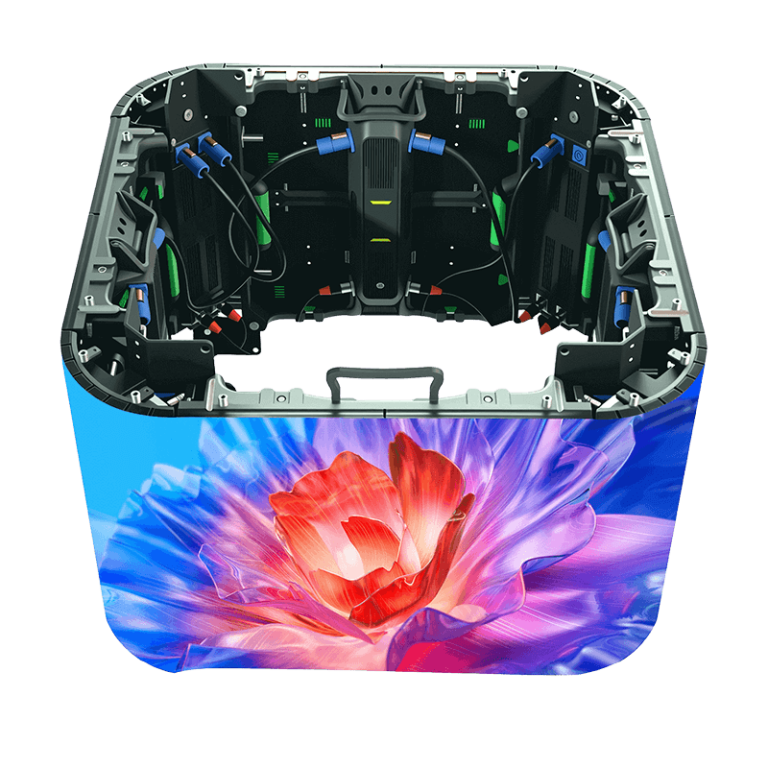
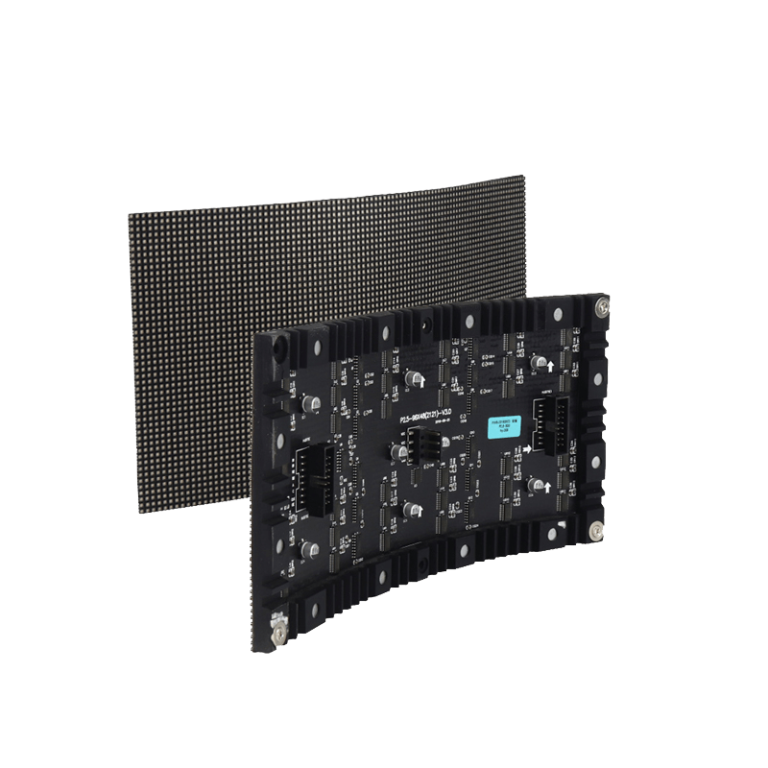
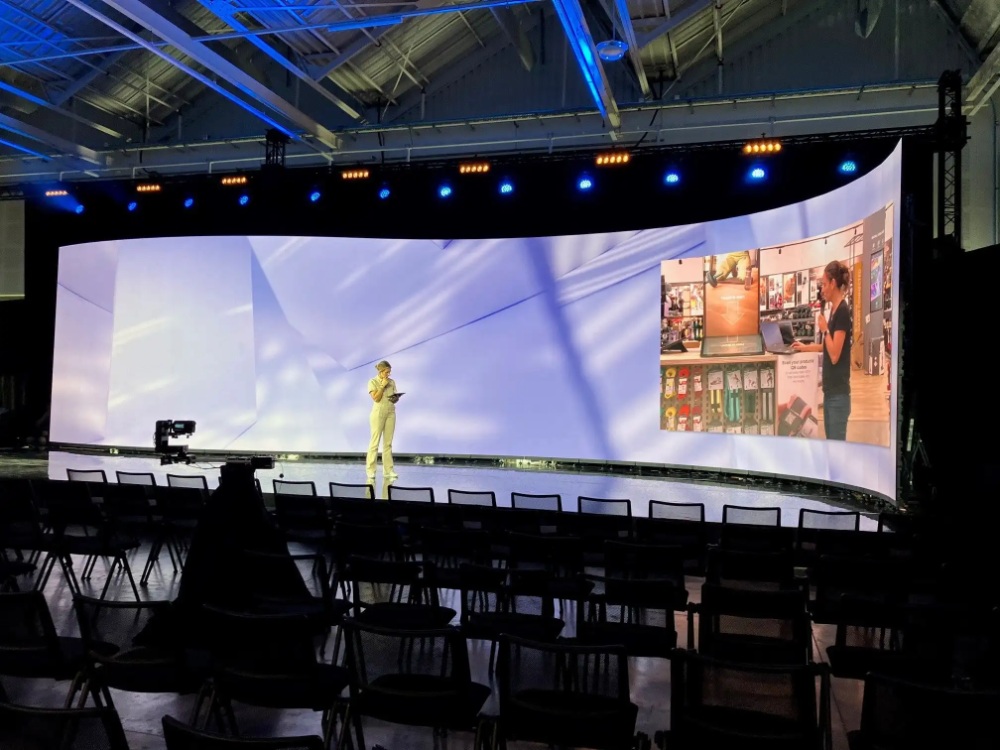
As estruturas leves facilitam a montagem, e o design modular permite configurações adaptáveis para diversos layouts. A tela de LED utiliza uma estrutura leve e sua montagem e desmontagem são simples e rápidas. Essa adaptabilidade se ajusta a diversos formatos de palco — de cenários retos a painéis curvos — sem obstruir a visão.
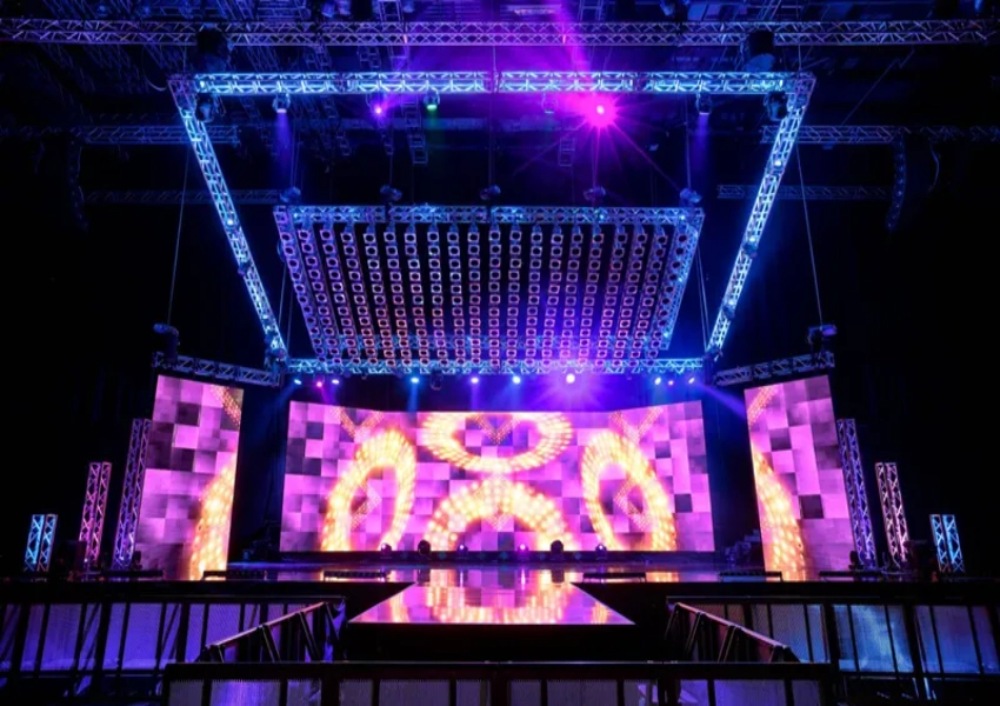
Formas únicas, como bolas ou laços, podem surgir de sistemas baseados em peças, muito semelhantes aos utilizados em grandes exposições, como podemos ver em exemplos de trabalhos anteriores.
Estratégias de design de conteúdo para máximo impacto
As mensagens devem acompanhar o ritmo do evento para manter a atenção do espectador. Gráficos em movimento sincronizados com dicas de áudio intensificam as conexões emocionais, enquanto esquemas de cores equilibrados evitam o cansaço visual por longos períodos. A variação na duração das apresentações ao longo do evento mantém a fluidez da narrativa, transformando a identidade visual fixa em histórias que se desenvolvem ao longo de toda a programação.
Comparando Tecnologias: Displays de LED SMD vs DIP
A seleção tecnológica influencia tanto as características de saída quanto a adequação ao uso.
Características da tecnologia de diodos de montagem em superfície (SMD)
As telas SMD proporcionam melhor mistura de cores graças aos conjuntos de diodos de três partes que melhoram a uniformidade entre os pixels. Seus amplos ângulos de visão são ideais para tarefas em ambientes internos, como reuniões de negócios, onde as pessoas visualizam as telas de diferentes ângulos.
Características da tecnologia Dual In-line Package (DIP)
Os LEDs DIP se destacam em locais externos devido ao seu alto brilho e resistência a mudanças climáticas, como variações de temperatura ou umidade — essenciais para festivais ao ar livre ou instalações temporárias expostas à chuva ou oscilações solares.
Durabilidade, manutenção e eficiência operacional
Além da estética, a durabilidade e a facilidade de manutenção são os atributos que conferem valor ao longo de muitos usos.
Fatores de resistência ambiental e longevidade
Fabricada com tecido resistente ao desgaste com classificação IP65, a base de alumínio fundido com um sistema de aletas de dissipação de calor de alta qualidade proporciona excelente refrigeração e prolonga a vida útil da tela. Um bom sistema de fluxo de ar também impede o aumento da temperatura durante longos períodos de uso, comuns em reuniões com duração de vários dias.
Facilidade de manutenção e substituição de componentes
Os módulos de acesso frontal permitem que os funcionários resolvam problemas rapidamente sem desmontar unidades inteiras — algo essencial quando os intervalos entre as peças são curtos. Se a tela falhar, os módulos individuais podem ser substituídos rapidamente devido ao seu design modular, o que facilita bastante a manutenção. Peças comuns reduzem o tempo de espera, mantendo a qualidade constante em diferentes situações.
Avaliação do ROI e da relação custo-benefício em investimentos em LED
Investir em telas de nível profissional significa ponderar os custos iniciais em relação aos benefícios duradouros.
Equilibrando o investimento inicial com o valor a longo prazo
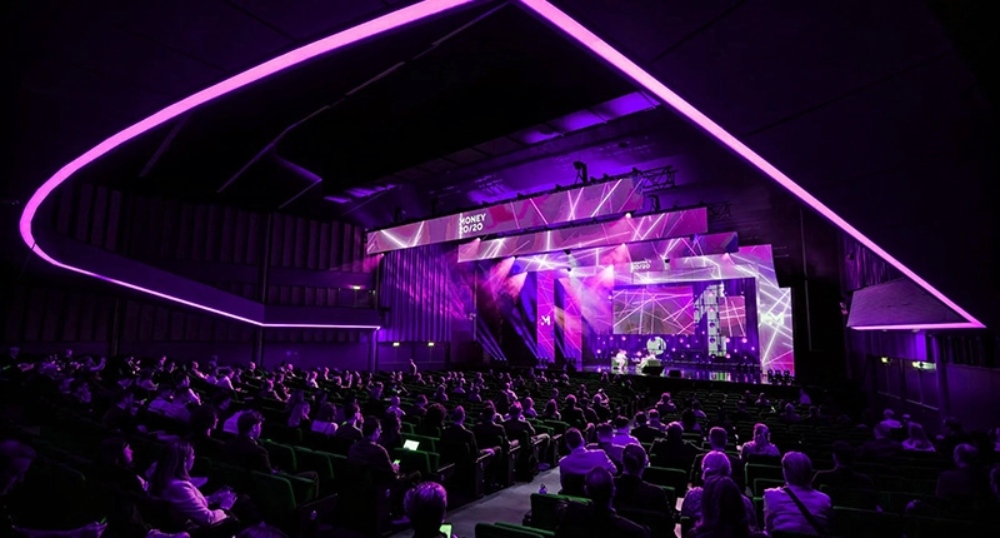
As lâmpadas LED de baixo consumo reduziram significativamente o uso de energia ao longo dos anos, mantendo um alto brilho. Sistemas de cultivo como o nosso alumínio P6 Adaptar-se facilmente às novas necessidades sem substituições totais — um ponto importante para gestores de espaços que lidam com diferentes tipos de eventos ao longo do ano.
Avaliação do suporte do fornecedor e da cobertura da garantia
Um suporte técnico sólido garante o bom funcionamento de tudo em momentos cruciais, como transmissões ao vivo ou palestras principais. As empresas geralmente fornecem uma equipe técnica qualificada que age rapidamente para solucionar quaisquer problemas durante o evento. Além disso, as garantias completas protegem contra defeitos de peças durante toda a vida útil do produto.
Tendências futuras que moldam a sinalização LED para espaços de eventos
Novas ideias continuam a mudar a forma como a sinalização digital se conecta com o público em grande escala.
Avanços em telas de passo fino
A tecnologia MicroLED agora oferece imagens supernítidas, ideais para visualizações de perto em espaços pequenos, como salas de trabalho ou ateliês de arte. A junção suave dos painéis elimina as emendas em paredes largas, aumentando a unidade estética em instalações com visão panorâmica que combinam design arquitetônico com narrativas multimídia.
Integração com sistemas interativos e inteligentes
O controle baseado em IA personaliza o envolvimento, alterando mensagens ao vivo com base em dados da interação do público, e verificações conectadas à IoT fornecem correções remotas para garantir o funcionamento perfeito antes do início de cada apresentação — isso reduz o trabalho manual para quem gerencia configurações complexas com várias telas.
Leyaled: Seu parceiro em displays de LED para projetos de eventos.
Neste mundo em constante mudança da sinalização LED de alta qualidade para espaços de eventos, nós da Leyaled Com mais de dez anos de experiência em fabricação, baseada em um processo meticuloso realizado no centro criativo de Shenzhen, a FWS Technology Co., Ltd. se destaca como uma empresa de tecnologia focada em toda a área de displays de LED, abrangendo pesquisa, fabricação e vendas. Nossa fábrica ocupa 7.200 metros quadrados com oito linhas SMT automatizadas, que mantêm os padrões de qualidade dos produtos consistentes, verificados pelas normas ISO 9001:2008. Nos últimos 14 anos, a FWS Technology manteve uma equipe técnica qualificada, que representa 10% de todos os funcionários. Combinamos conhecimento em planejamento de vanguarda com práticas de fabricação sustentáveis, guiados por nossa principal regra: "Qualidade é a base da sobrevivência". Seja para soluções personalizadas de OEM/ODM ou gerenciamento completo de projetos — desde a concepção da ideia até o suporte pós-venda — garantimos que cada configuração brilhe com a mais alta qualidade, digna de palcos internacionais.Sobre Nós).
Para verificar soluções personalizadas que atendam às necessidades do seu espaço — desde painéis flexíveis para ambientes internos, como o P4.81 Enclosure, até estruturas robustas para ambientes externos, como o P2.6 Display — entre em contato conosco diretamente através do nosso [inserir link aqui]. página de contato.
FAQ
P1: Quais fatores devo priorizar ao selecionar uma tela de LED para um show ao ar livre?
A1: Foco em brilho acima de 5500 nits, classificação de proteção IP65 contra intempéries, amplos ângulos de visão superiores a 120° e design de gabinete modular que permite montagem rápida, semelhante à encontrada nos modelos externos P2.6.
Q2: Como o espaçamento entre pixels afeta a experiência do público em diferentes distâncias?
A2: Pixels com espaçamento menor criam imagens mais nítidas, adequadas para ambientes de close-up, como conferências; espaçamentos maiores funcionam melhor onde os espectadores estão a vários metros de distância, como estádios ou praças.
P3: Por que a taxa de atualização é importante durante eventos transmitidos ao vivo?
A3: Uma taxa de atualização mais alta evita a cintilação durante a captura da câmera, garantindo uma reprodução de vídeo suave — essencial ao transmitir apresentações usando sistemas de sinalização de nível profissional com taxas de atualização superiores a 1920 Hz, encontradas em modelos premium como a série P6 de alumínio fundido.