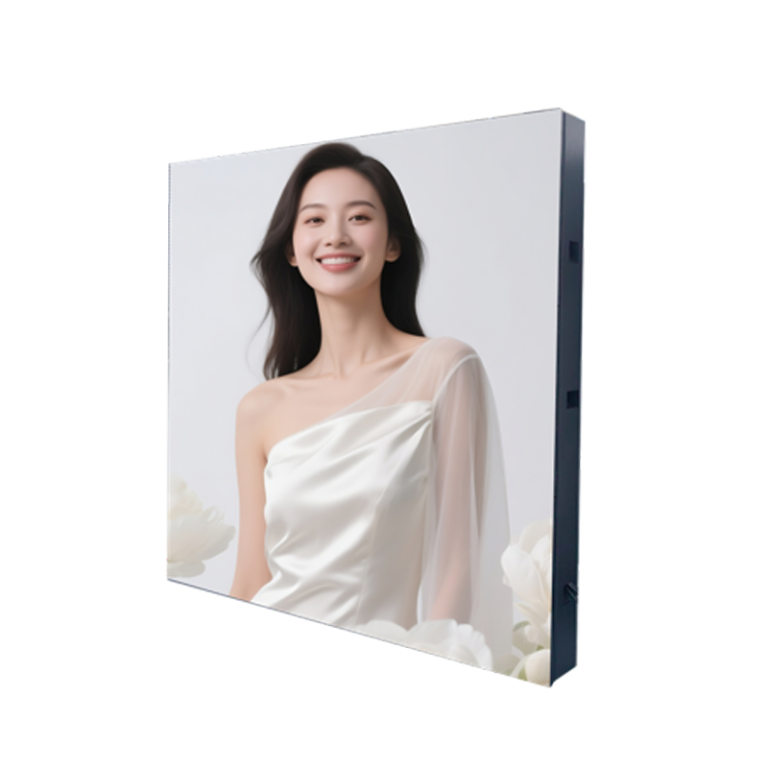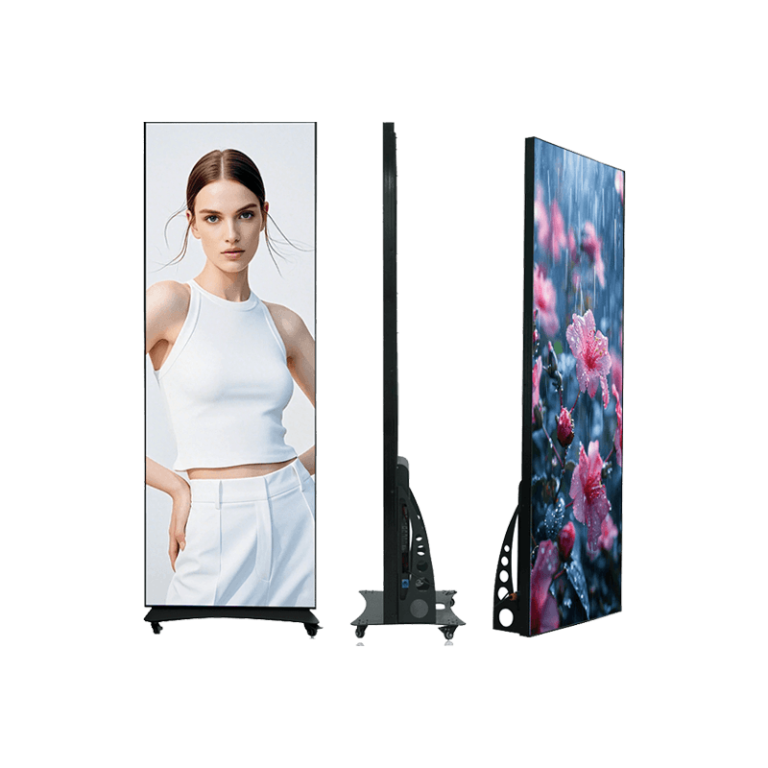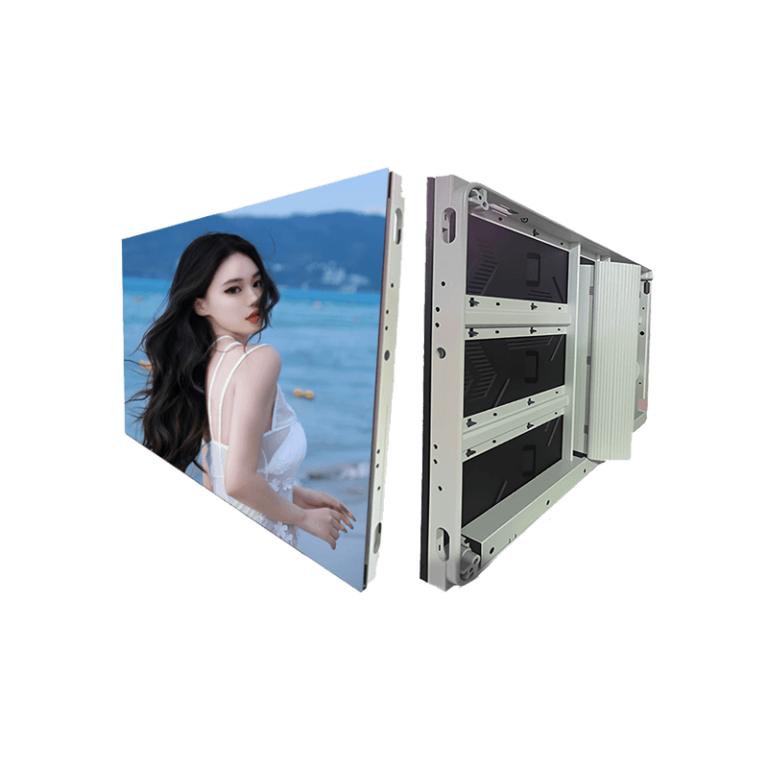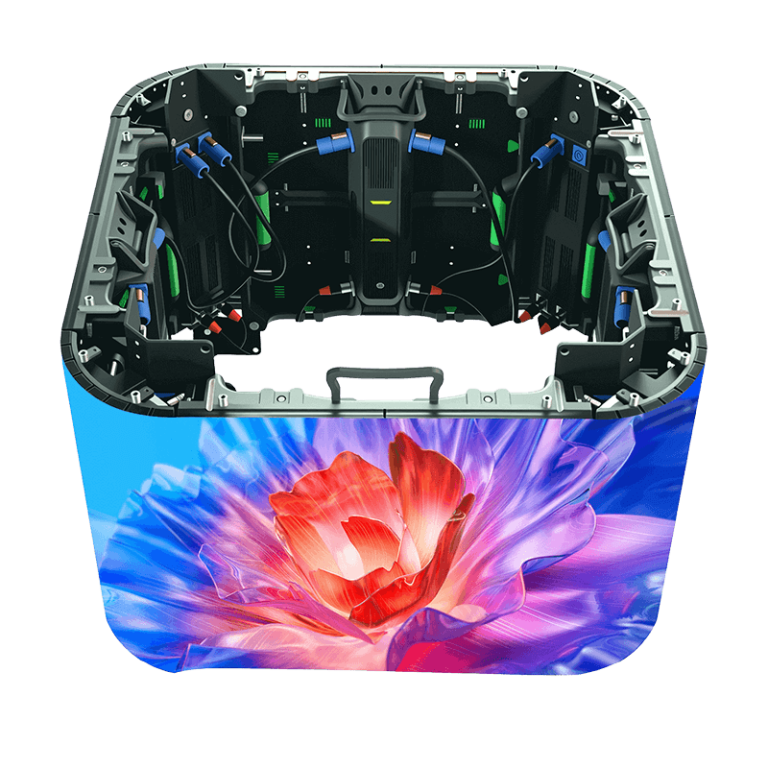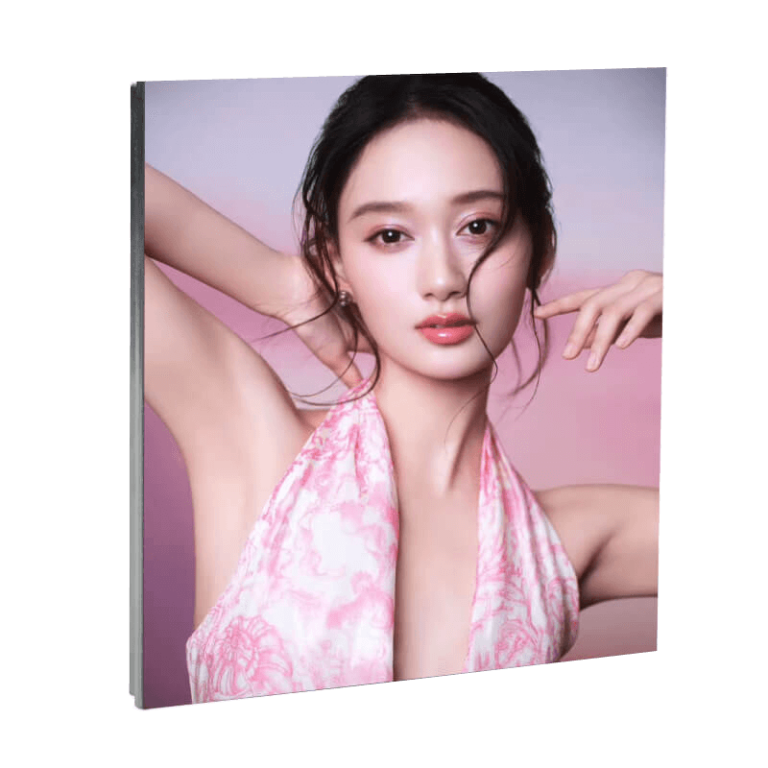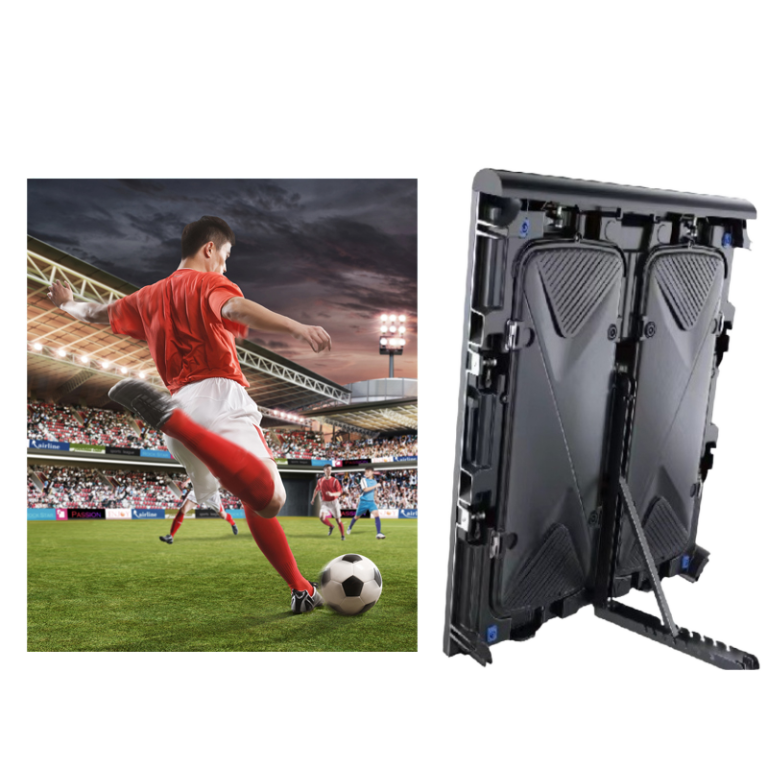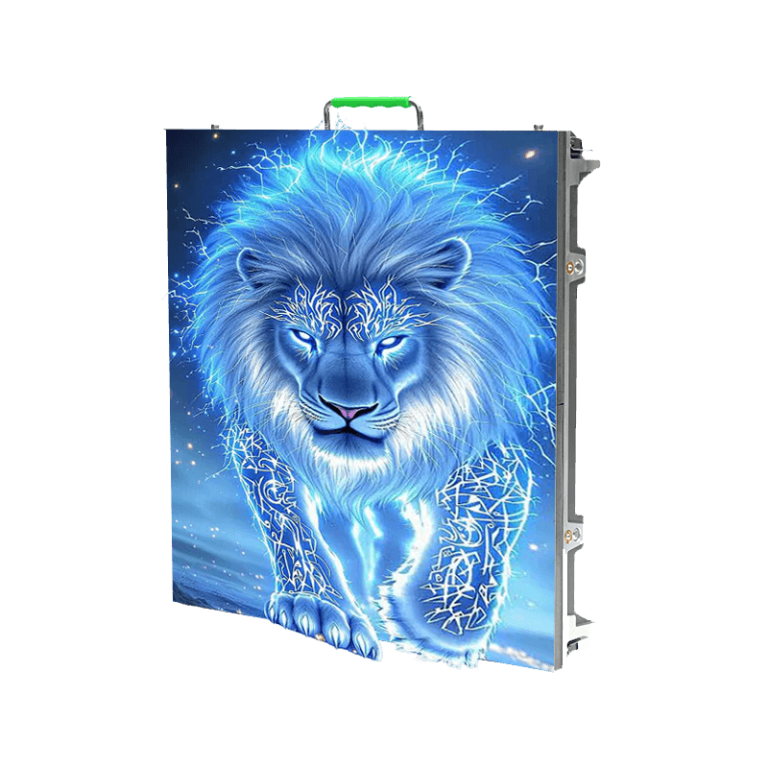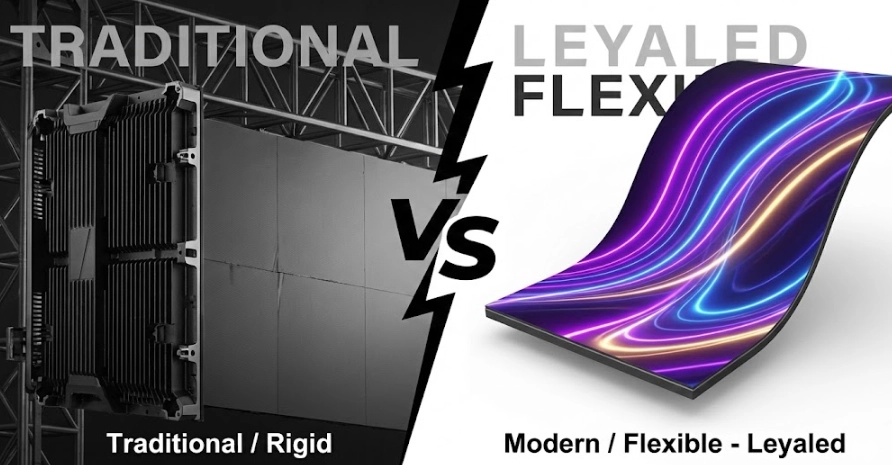
In 2026, the building and style trends that shape this year stand out plainly. Flat, fixed shapes no longer hold interest on their own. The bar for digital signs now centers on smooth flow, deep involvement, and freedom from old form limits. In current business areas, shows, and stage setups, the a call for fresh sight setups. Such as bent faces, round posts, and smooth bends. This demand reaches a record level. Yet, reaching these tricky forms with basic gear has long been a tough task for planners and fitters. And this is where the field sees a big tech change.
For more than ten years, we have led this growth. Since we started in 2012 in Shenzhen, a key spot in the Guangdong-Hong Kong-Macao Greater Bay Area, we have focused on studying and building work. With a 7,000 square meter plant and a group where 40% of the staff includes skilled tech workers, we work on fixing hard show issues. Leyaled has gained 14 years of know-how in giving inside and outside full-color fixes to many firms around the world. We note that the top styles in 2026 depend a lot on fitting in well. And that is why we push for a switch from firm boxes to handy, bendy parts that boost new ideas instead of holding them back. Our daily work involves testing new ways to make these modules tougher and easier to use. For example, we run trials in real spots like busy halls to see how they hold up. This hands-on method helps us spot small fixes that big changes miss. Clients often come back because they trust our real-world checks. In the end, we aim to make tech that fits your needs without extra hassle. This focus keeps our products ahead in a fast field.
The Limitations of Traditional Rigid Screens in Modern Design
To value the new ideas in the flexible LED module, you first need to see the bounds set by usual firm screens. Basic LED boxes use solid stuff, often die-cast aluminum or iron. They aim mainly at even, two-way faces. While they work for plain sign ads, they fall short a lot when a task needs art bends or odd shapes.
When planners try to use firm boxes for a bent face, the outcome often shows a broken, “many-sided” look instead of an even curve. The real spaces between the even boxes show up. This breaks the steady flow of the shown material. Plus, firm screens call for heavy, tricky steel builds for fitting. This adds real weight to the site load and makes the build steps harder. With 2026 style trends leaning toward clean, natural lines and light joins, holding to firm, weighty sheets cuts your chance to make truly deep setups. We have seen projects stall because of these old limits. Teams spend extra time and cash on workarounds that do not look right. In contrast, new options open doors to smoother results. This shift saves effort and brings better end looks.
What Is a Flexible LED Module?
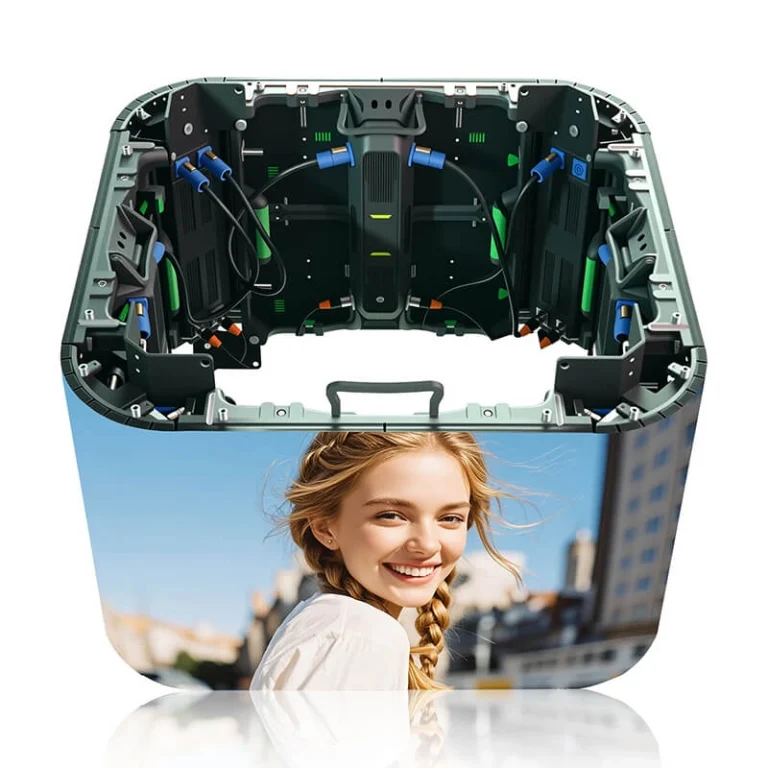
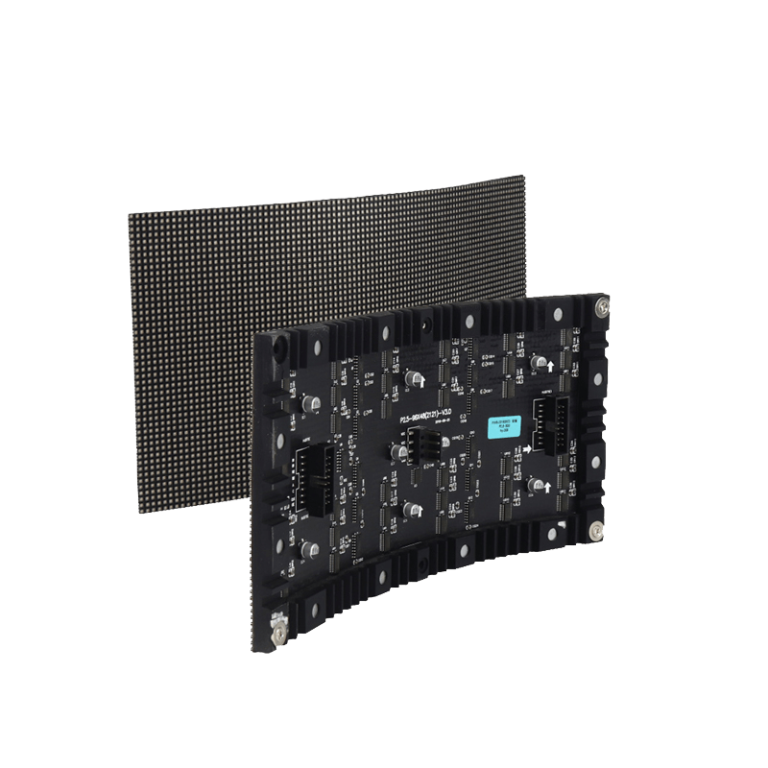
A flexible LED module, sometimes called a soft LED screen, marks a big step ahead in show tech. Unlike its firm matches, this part gets made with a bendy PCB (Printed Circuit Board) and good silicone stuff. This special mix lets the part curve, fold, and turn without harm to the inner wires or the LED bits.
Our way with this tech stresses top lightness and small size. Through smart build steps, we have reached a plan where one part weighs just 100 grams. This drop in weight changes the game for building joints. It lets the flexible LED display screen attach to faces that could never hold heavy steel boxes. Such as wall boards or hung roof builds. By using spread scan and part-based plan techs, these soft parts keep high trust and steady hold. So, “bendy” does not mean “weak.” We add layers of checks to make sure each unit stays strong under stress. This care comes from years of learning what breaks first in real use. Users get parts that last without surprise failures. In busy spots, this means less worry about quick wear.
Flexible LED Module vs Rigid Screens: Top Differences for 2026 Projects
As you carry out your tasks in 2026, looking at these two techs shows why soft parts have turned into the go-to pick for top creative fits.
Shape Versatility: Beyond the Flat Surface
The clearest gap lies in the room for new ideas. Firm screens stick to even levels or, at most, faced surfaces. On the other hand, a creative LED display with soft parts gives endless options. You can plan screens that bend in, bend out, S-form, or even ball-like.
The parts allow for big change curves up to ±90°. So, one screen can move around a 90-degree turn evenly. Or it can cover a post fully to make a smooth, round shape. If you think of a tree-form show for a hall or a band-like screen running through a shopping center, the flexible LED module fits the building. Rather than making the building fit the screen. This match turns dull spots into eye-catchers. Planners love how it follows their sketches without force. In real jobs, it cuts down on build tweaks. The result looks clean and draws crowds better.
Installation and Maintenance: Magnetic vs. Structural
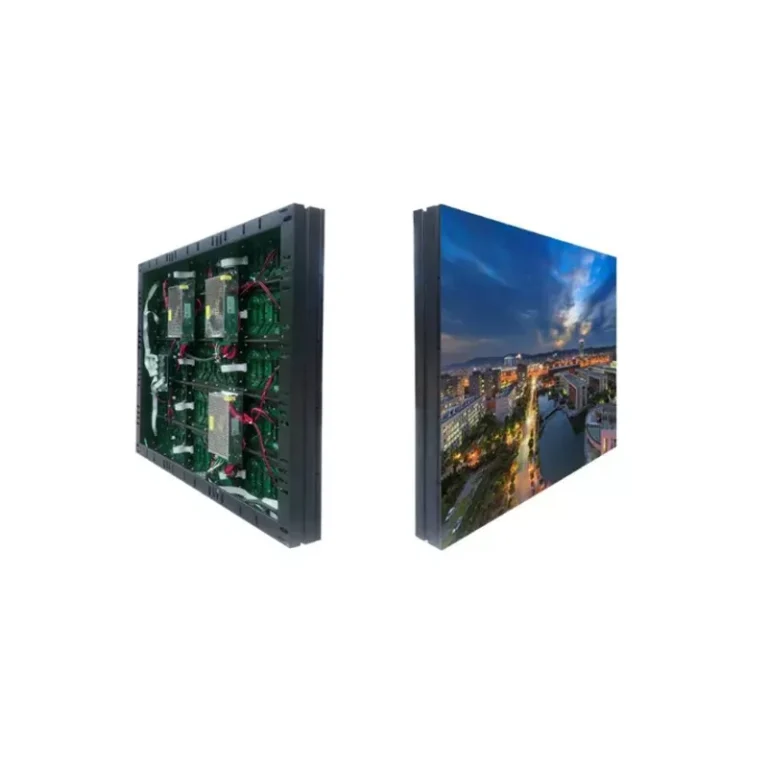
Firm screens often need back care paths and big, heavy frames. These take up key ground space. Our soft LED screen uses a strong magnet pull. Each part has built-in magnets that click right onto a basic metal frame or box.
This “Front Maintenance Design” matters a lot for current areas. It lets for fast put-together and take-apart without gear. If a part needs to be swapped, a worker can just pull the set unit from the front in moments. Without messing with the whole build. This simple fit cuts work costs and task times a lot. It proves key for the quick event plans of 2026. Teams wrap up faster, which fits tight schedules. Plus, it opens spots that old ways block. In the long run, this saves cash and stress.
Visual Continuity: Achieving True Seamless Splicing
Nothing ends deep feels quicker than a dark line seen through a video. Firm boxes, when turned to make a curve, often leave open spots. Our bendy tech fixes this with high-aim build work that keeps seamless splicing. Since the parts curve in the body rather than join at an edge, the dot space stays even over the full bend. This brings a curved LED video wall where the picture moves like a stream. It shows a full, even view with no shade shift or build sight breaks. Viewers get a smooth watch that holds them in. This tech shines in big shows where every detail counts. It boosts the whole impact without weak points.
Why the P3.91 Flexible Screen is the Best Choice for Immersive Experiences
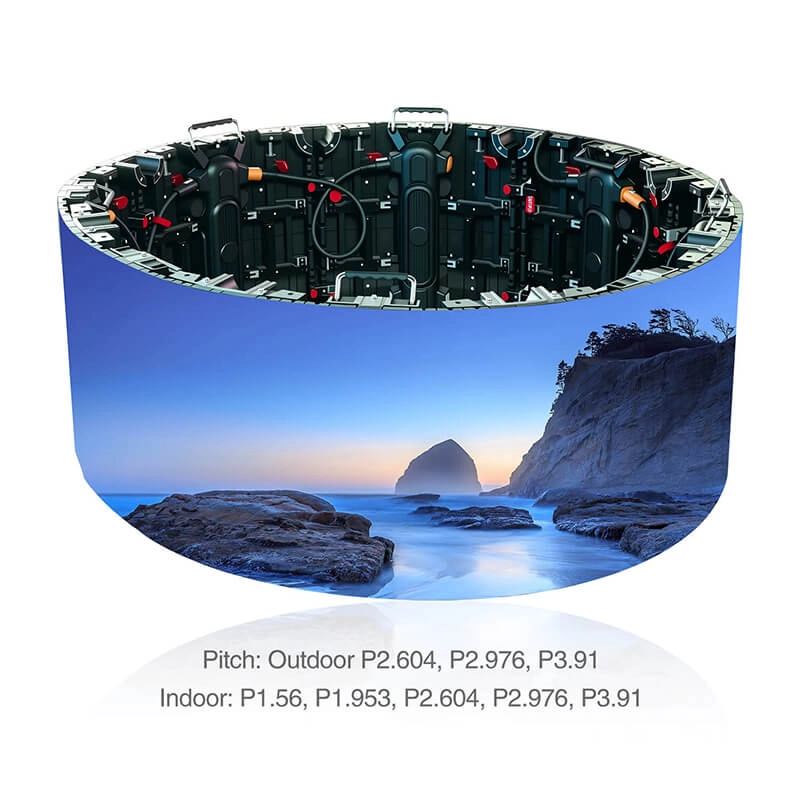
Among the many dot spaces on offer, the P3.91 type shows as the right mix of sharp sight and handy use for both inside and outside creative tasks. Our LED écran flexible is built to give great views that stand up even under close inspection.
The P3.91 brings a real dot count of about 65,536 dots per square meter. This high dot pack makes sure that 2K and 4K material looks clear and full of info. More key, for moving material, the update speed counts most. We use top driver chips to reach an update rate of 3840Hz. With the power to hit up to 7680Hz. This cuts scan marks and flashes. It proves needful for TV events or places where folks film the screen with phones.
On top, the P3.91 flexible LED fix shows high shade work (14-16 bit). Even at low light levels, the screen keeps full details and bright shades. It shifts to room light on its own. Be it set in a soft-lit spot or a strong hall, the sight punch stays even. This steady work fits many lights. Users note how it pulls eyes no matter the setup. In mixed spots, it keeps the look pro without tweaks.
Real-World Applications: Where to Use Soft LED Screens?
The handy nature of the flexible LED display screen unlocks uses once seen as out of reach.
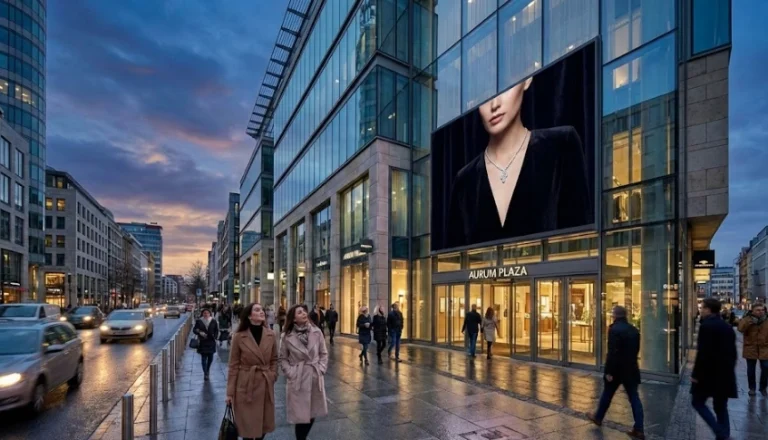
- Commercial Spaces and Malls: The “post-cover fit” ranks as a main trend. Hard posts in shopping centers often look plain. By covering them in soft parts, we turn these blocks into money-making ad posts or hands-on art setups.
- Science Museums and Exhibitions: To show the future feel, even lines get skipped. We spot soft LED screen tech used to build path shows, round world models, or twist-form screens that teach and hold guests.
- Stage and Events: Shows and road trips need gear that weighs light and sets up fast. The very thin side (depth as low as 77mm, with the frame) and magnet put-together make these screens right for road stage backs that shift from place to place.
These uses show how the tech fits daily needs. In malls, it boosts sales by drawing walks. Museums use it to make learning fun. Stages save time on moves. Each spot gains from the easy bend and light weight. Teams report quicker setups and happier crowds. This real pull makes it a top pick across fields.
Why Partner with Us? Manufacturing Excellence and Service
Picking the right gear marks just half the fight. Choosing the right build team makes sure your spend lasts. We do not just put parts together. We plan fixes. Our 14 years of experience let us catch field trends right and give ready-to-use plans.
Our quality check stays strict. Every flexible LED module and screen goes through 72 hours of hard tests before it leaves our plant. This covers high and low heat shifts and light fade checks. This makes sure the item you get hits a guard level up to IP65 (for outside types). And it fights fire (passing TUV 5VB tests). We track each batch to spot issues early. This step-by-step care builds trust in every unit. Long-term, it means fewer callbacks. Clients value this because it keeps their spots running smoothly.
We back our quality strongly with a full help set. This covers a 3-year free warranty and lifetime tech aid. We get that stops cost money. That is why we vow a reply within 24 hours for any quality problems. Our group gives pro on-site fit tips and far-off setup. This makes sure your new idea comes true just as you plan. We also train teams on care to save lives. This full backing turns a buy into a steady win. Many partners have grown with us over the years.
Conclusion
All through 2026, the time of firm, box-like shows gives way to a time of smooth, natural show-off. The flexible LED module stands not just as a part. It acts as a tool for free play. It lets builders and planners turn any face into a moving board. If you seek the even charm of a curved LED video wall or the handy side of a light, magnet fit, soft parts give a better pick.
We ask you to step past the usual, do not let even screens rule your style. Take in the bend, trust, and sight that our tech brings. Reach us now to talk about how we can make your new thoughts real. Our team waits to help shape your next big move.
FAQ (questions fréquentes)
Q: Can the flexible LED module be used for outdoor environments?
A: Yes, we supply set types made for outside use. Such as the Outdoor P3.91. These parts come with waterproof rubber bands and smart fill-glue tech to hit an IP65 guard rate. This lets them face rain, dirt, and temp shifts while keeping high light (over 5500 nits) for clear sight in straight sun. We test them in wet spots to match claims. This makes them ready for real weather without fade.
Q: How difficult is the installation process for a curved LED video wall using these modules?
A: Fitting proves much easier than with usual screens. The parts have a strong magnet pull. This lets them click right onto a metal frame build. It skips tricky lock ways and backs front care. So, one worker can fit or swap parts easily without back reach. This quick way speeds jobs and cuts the mess. In tight spots, it saves big time.
Q: What is the lifespan of a soft LED screen compared to a rigid one?
A: Our bendy screens get built to meet or beat field bars. They last over 100,000 hours. We use good silicone covers and sure driver chips that stop overheating. Plus, the spread scan and split-power feed plan cuts heat make. This adds to the long life and steady hold of the parts. We track wear in tests to push limits. Users get years of work without big drops. This edges out firm types in tough use.