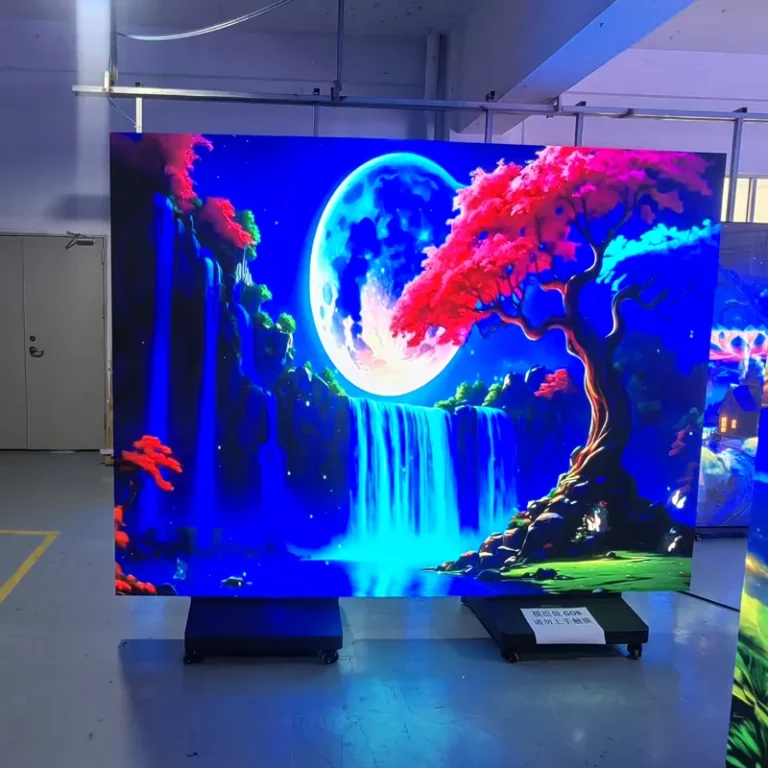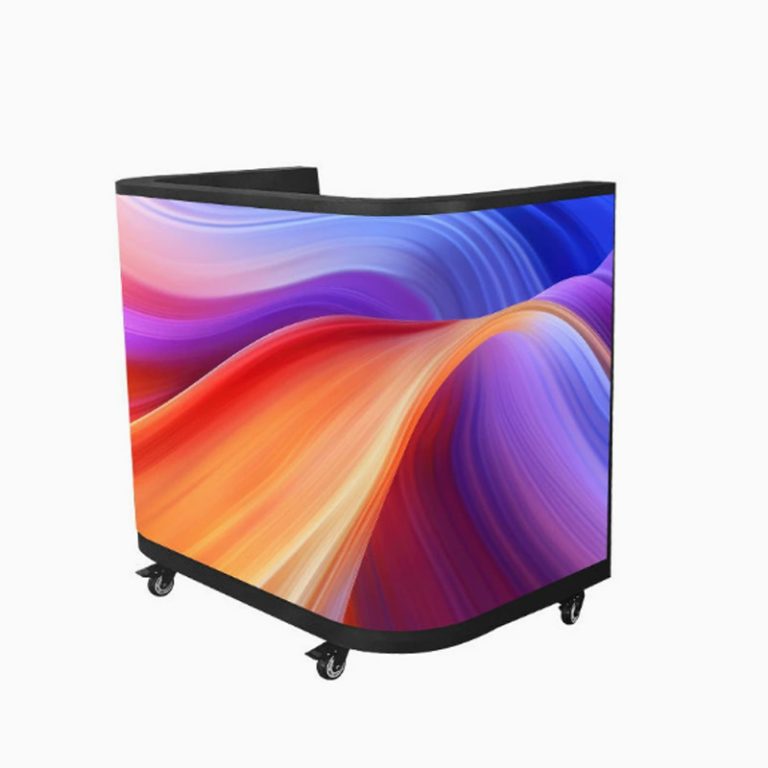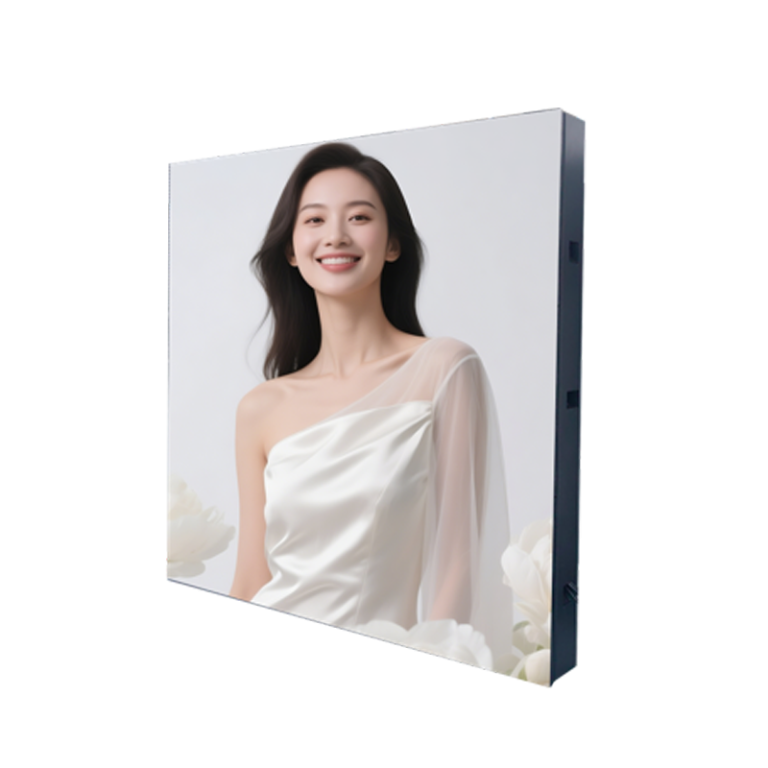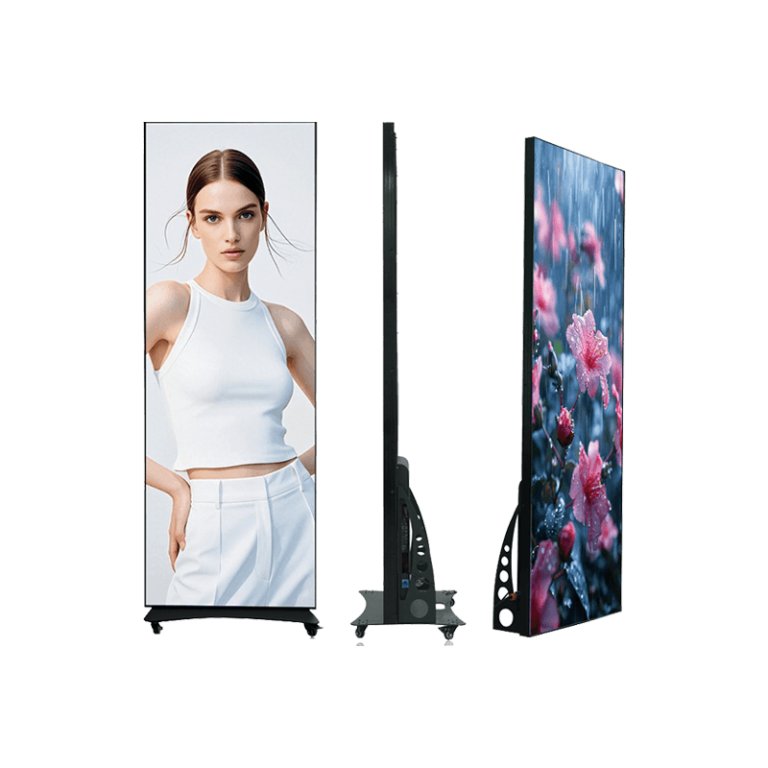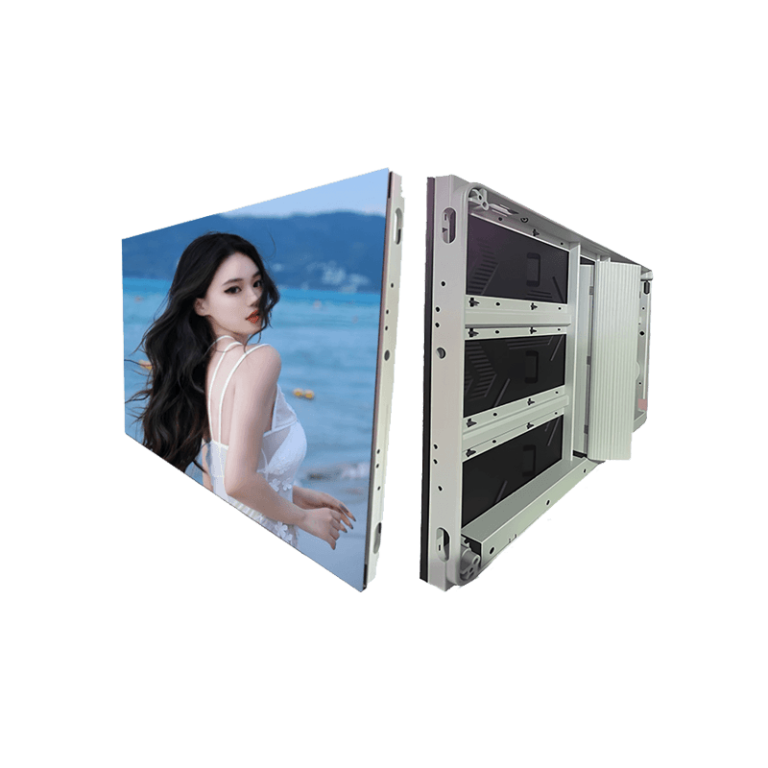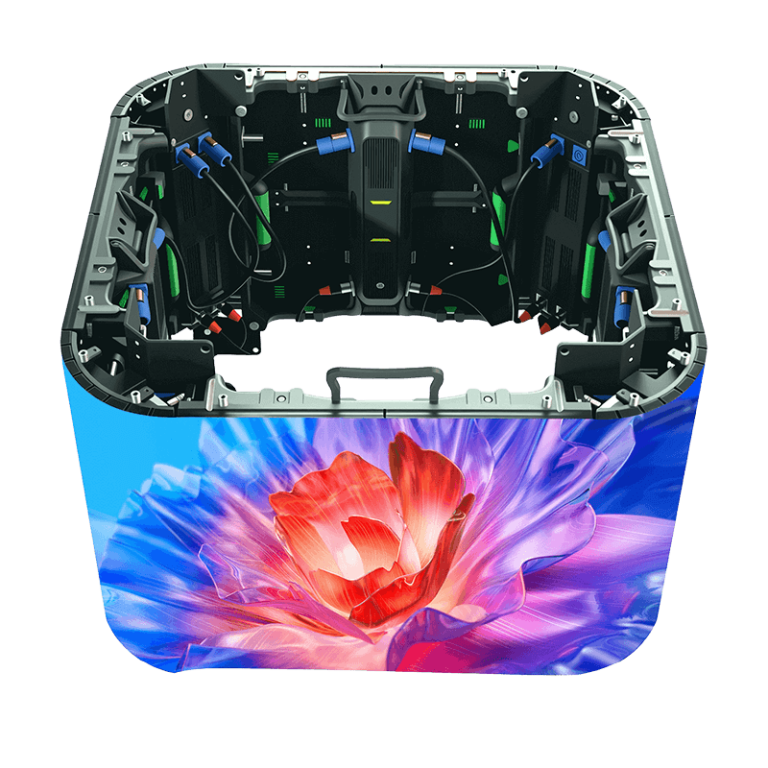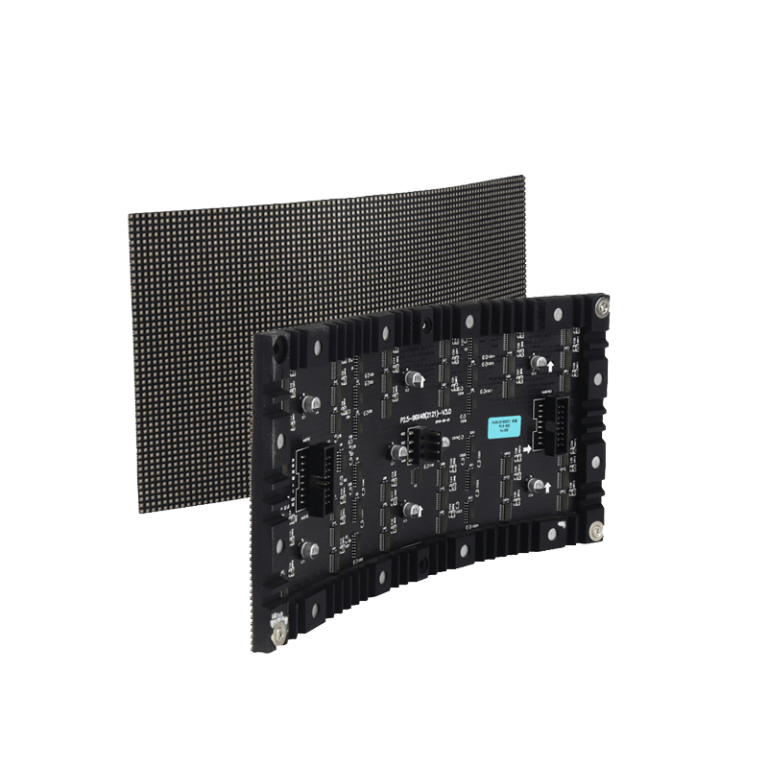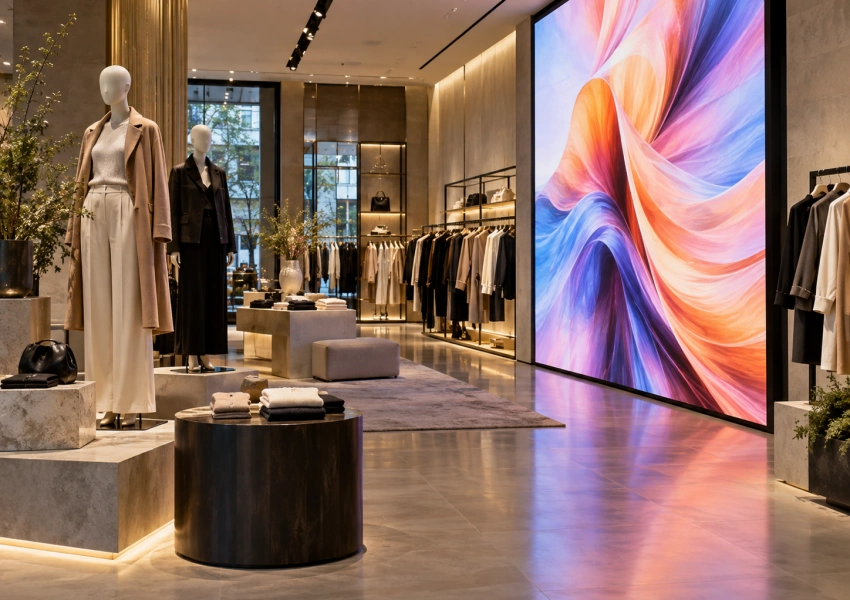
A retail LED wall can turn a plain interior into a changing brand environment, but the screen alone does not create an immersive retail display. The result depends on where shoppers enter, what they can see around fixtures, how products sit in front of the wall, how the lighting behaves, and whether the content team can keep the surface useful after launch week.
The strongest installations make the display part of the store journey. They do not simply place a large video rectangle behind a cash desk and hope motion will do the work.
Give the Wall a Clear Store Role
Start with the job the screen needs to perform. A flagship entrance may need a visual moment that signals a collection or seasonal story. A fitting area may need changing atmosphere without competing with mirrors and product detail. A central wall may need to support launches, demonstrations, live feeds, and quieter content between campaigns.
Map the first view, the close view, and the passing view. A retail LED wall can be read from several distances, but the content should not try to deliver the same information everywhere. Use large visual forms for approach routes and reserve detailed product information for zones where shoppers can stop.
Protect Product Sightlines
An LED screen for retail should support the merchandise rather than flatten it into background noise. Check whether backlit products, glass shelves, mirrors, polished flooring, and reflective packaging create glare or compete with the screen. A wall with bright content may look impressive in an empty store and overpower products once displays are installed.
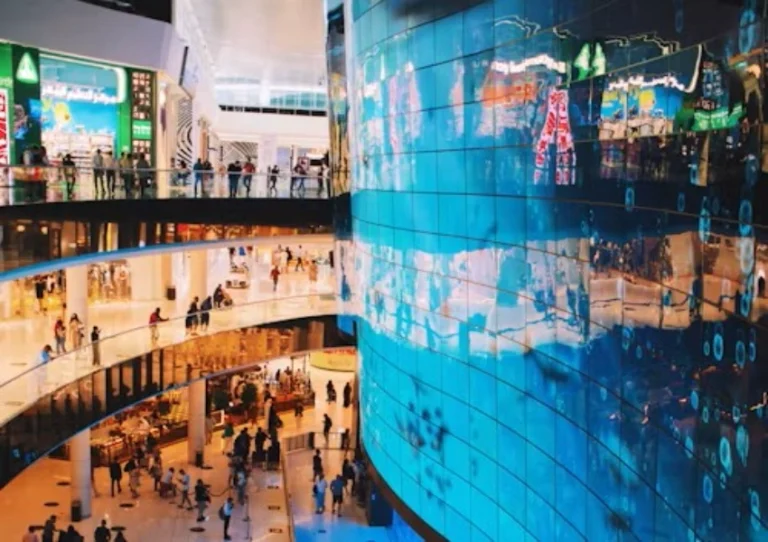
Full-colour LED display applications in shopping malls and commercial environment support text, images, animation, and video. That flexibility is useful, but the content plan still needs rules for what appears during a launch, a normal trading day, a staff briefing, or a low-light evening event.
Use Content as a Spatial Layer
Immersion works best when the content responds to the architecture. A broad moving texture can extend a material story across a wall. A product film can give a collection context. A slow change in colour or season can alter the room without rebuilding fixtures. The screen should leave enough visual space for people, merchandise, and staff to remain the focus.
Avoid treating every second as advertising inventory. Fast cuts, tiny copy, repeated calls to action, and uncontrolled brightness can make a digital retail experience feel noisy. Build a content system with layers: a background mode, a campaign mode, a product-detail mode, and an event mode. Each should have approved brightness, colour, timing, and audio assumptions if sound is used.
A corps de profil LED affichage can support a more integrated wall concept where the display sits within an interior surface. A solution d'affichage commercial provides a relevant starting point for retail planning. The selected product, control system, and interior construction still need to match the actual room.
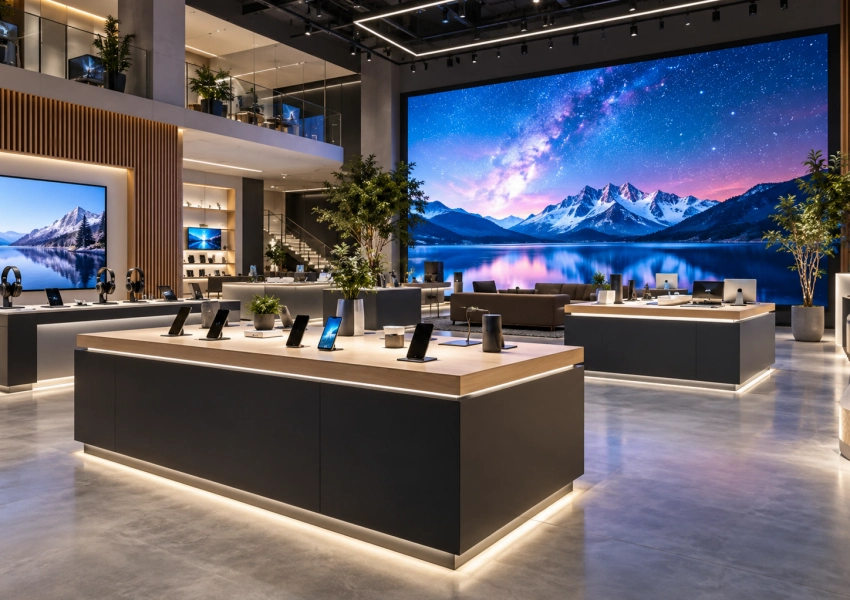
Design the Technical Layer With the Interior Team
The visible LED wall is supported by structure, power, data, ventilation, access, and control equipment. These should be agreed with the architect, shopfitter, electrical contractor, and content team before the wall is ordered. The placement of cabinet seams, power supplies, service doors, and cable routes can affect both the visual result and future downtime.
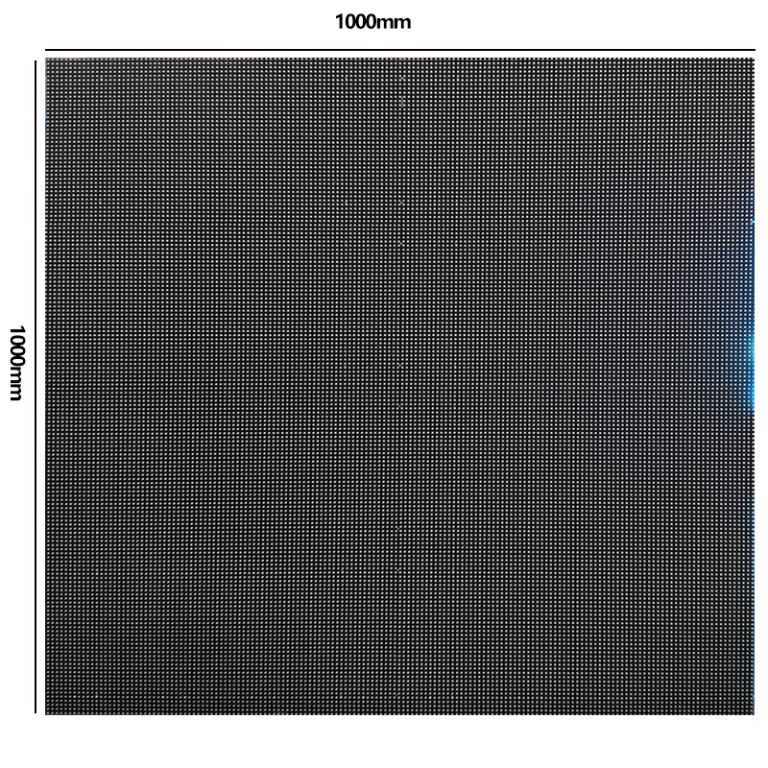
Confirm the wall dimensions, pitch, viewing distance, brightness range, source resolution, controller outputs, and service direction. A screen designed for rear access may need a service corridor. Front service can reduce space behind the wall but still requires a safe working area. Either approach needs to fit the store layout and trading hours.
Leyaled has modular indoor display families and cabinet arrangements used across commercial applications. This makes replacement and layout planning possible, but each retail project still needs a cabinet map, a spare strategy, and a record of the installed configuration. The standard LED affichage route can help define a repeatable product-family discussion for multi-store work.
Make Operations Part of the Experience
A good wall can become a problem when content updates are uncontrolled. Decide who approves files, who checks the content on the actual canvas, who can change brightness, and what happens when the network or media source fails. Local playback or a known fallback visual can prevent an empty or broken screen from undermining the store environment.
Store staff should know how to identify a signal issue, a display fault, or an incorrect playlist without being expected to repair hardware. Keep the controller configuration, active resolution, basic test pattern, content schedule, and escalation contacts in the store handover pack.
Run a commissioning session with real campaign files. Check text, skin tones, product colours, black content, fast motion, source switching, brightness transitions, reflections, and the routes used by customers. Then review the wall again after fixtures and merchandise are in place. The empty-room result is only a first step.
The review should include staff positions as well as customer positions. Cashiers, visual-merchandising teams, and security staff may see the wall for longer than passing shoppers. Their feedback can reveal a glare problem, a distracting animation, or a content transition that is not obvious during a short visitor walkthrough.
Build for Repeat Campaigns, Not One Opening Night
The most useful retail LED wall has a durable operational model. It can shift from brand film to seasonal launch, local event, product education, or a calmer background without needing a new hardware plan. That requires content templates, a practical update workflow, calibration records, service access, and a budget for spares and periodic checks.
Leyaled can be included after the retailer defines the physical wall, viewing zones, content roles, control workflow, and maintenance route. The aim is not maximum visual intensity. It is a display that makes the brand space feel deliberate and remains manageable during everyday retail work.
FAQ (questions fréquentes)
Q1: Where should a retail LED wall be placed?
A1: Place it where it supports the store journey: an entrance, feature wall, queue, product zone, or event area. Review viewing routes, merchandise sightlines, reflections, ceiling height, structure, power, and maintenance access before confirming the position.
Q2: What content works for an immersive retail display?
A2: Large visual forms, product stories, seasonal scenes, measured motion, and calm background modes usually work well. Important copy needs a tested close-view zone, while fast or dense content should be used only when it fits the store role.
Q3: How can retailers keep LED wall content consistent across stores?
A3: Use approved templates, a clear publishing owner, mapped screen resolutions, brightness presets, local fallback playback, a campaign calendar, and a handover process for store teams. Each location should still be checked for its own lighting and layout.