Outdoor LED screen failure rarely comes from one dramatic event. More often, heat weakens components, dust blocks ventilation, rain finds a weak seal, and a small connector issue becomes a dark cabinet during a busy advertising week. Good outdoor LED screen maintenance is about catching those ordinary stresses before they turn into visible downtime.
Heat, rain, and dust attack the display from different directions. Heat speeds brightness decay and strains power supplies. Rain and humidity test the cabinet seal, module back, power box, and cable entry. Dust settles on the face, enters weak joints, and reduces LED display heat dissipation. A screen built for outdoor use must fight all three at the same time.
Start With Heat Before It Starts With Failure
Outdoor screens run bright because they must compete with daylight. That brightness creates heat, and heat is one of the quietest causes of outdoor LED screen failure. A cabinet may look normal during the first acceptance test, then show color shift, black modules, or power supply trouble after weeks of summer operation.
Cabinet Design And Air Movement
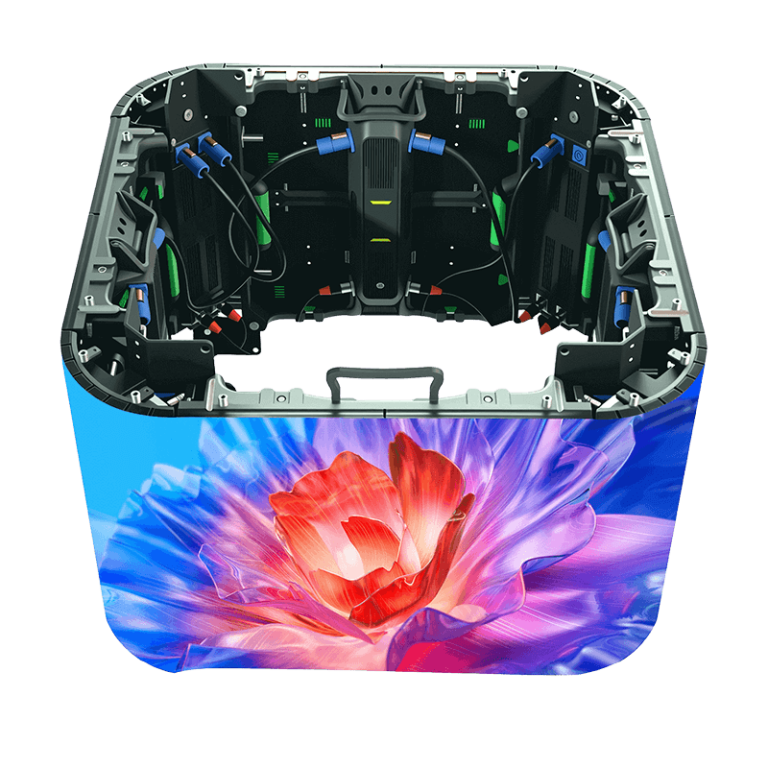
The heat path should be reviewed before installation. Cabinet material, rear clearance, power supply layout, cable bundling, and nearby walls all affect temperature. A screen mounted against a glass facade or inside a tight recess can trap heat even when the product itself has a good outdoor rating. Maintenance teams should also avoid letting dust, paper, or cable loops block airflow inside the structure.
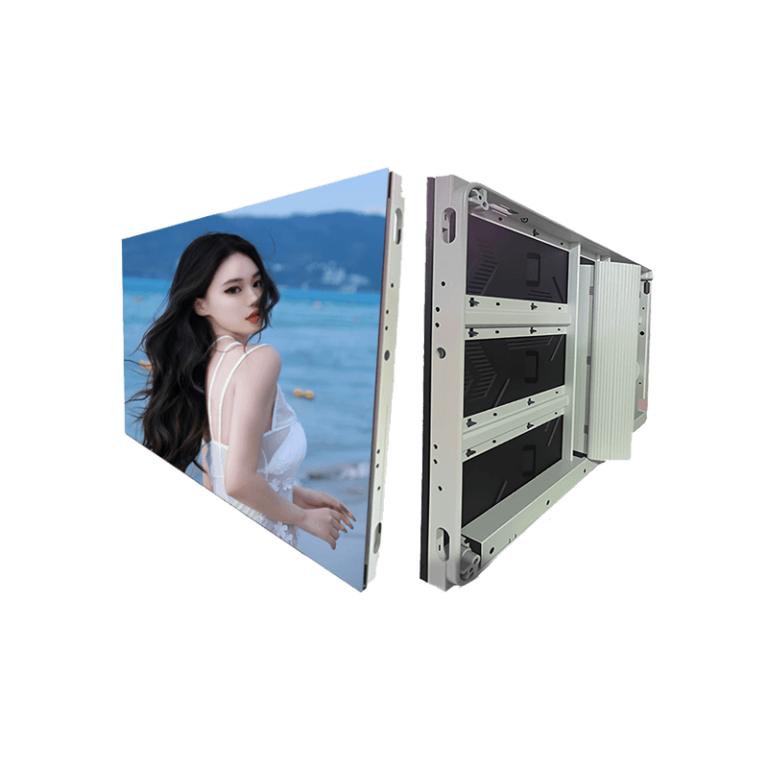
Leyaled profile aluminum LED affichage direction is relevant here because it has an aluminum cabinet design, strong heat dissipation, IP65 protection, high brightness, a 3840 Hz refresh rate, and average power figures around 200 to 270 W per square meter in certain configurations. Lower heat stress supports longer service life, especially where screens run for many hours per day.
Brightness Schedules And Power Load
Running full brightness all night is wasteful and hard on the display. A proper brightness schedule lowers power use, reduces heat, and keeps the screen from becoming a nuisance after dark. The control system should keep grayscale stable at lower brightness. Otherwise, the maintenance team may be tempted to run the screen too bright simply to keep content looking acceptable.
Waterproofing Is More Than An IP Number
A waterproof LED billboard needs cabinet sealing, module protection, cable entry control, drainage, and correct installation angle. IP65 or higher protection is a common outdoor target, and IP65 front protection and IP54 or higher rear protection are typical outdoor planning points. Still, an IP label cannot protect a poorly sealed connector.
Rain Paths And Drainage
Rain does not always fall straight down. Wind can push water into side seams, maintenance doors, and cable glands. Water can also collect inside the steel frame if drainage is ignored. Outdoor structures should be designed so water leaves the display area instead of sitting around modules, power boxes, or receiving cards.
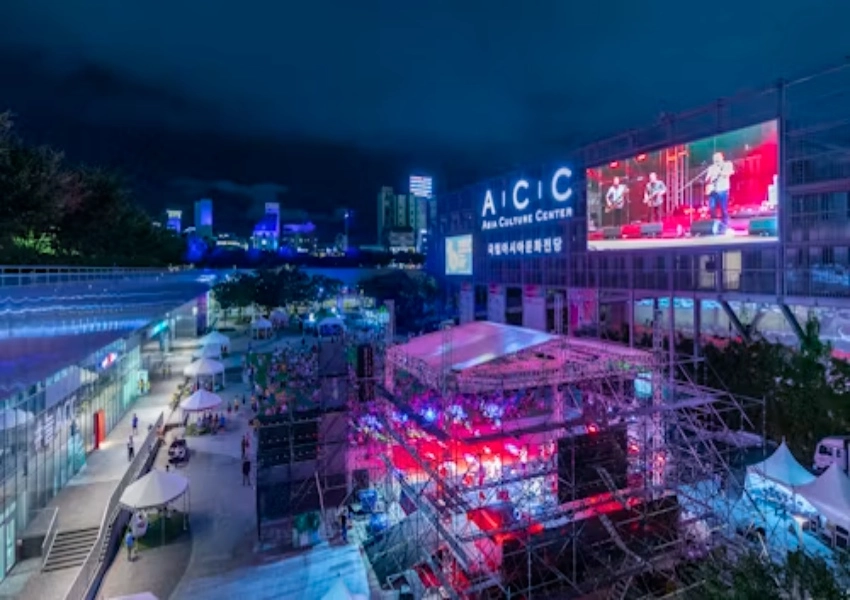
Leyaled écran du stade is a useful reminder that outdoor-facing displays may need high brightness, IP65 or higher protection, impact-aware structure, and stable operation under weather and crowd pressure. For maintenance planning, those details help only when the installation leaves real access for inspection, cleaning, and module replacement.
Connector And Power Box Checks
Connector failure is easy to overlook because it is not as visible as a broken module. Cable glands, grounding points, power boxes, and receiving-card covers should be checked after heavy rain and before seasonal weather changes. Any sign of corrosion, loose gasket, water mark, or heat discoloration deserves attention before the next storm.
Dust Control Protects Image And Electronics
Dust can make a screen look dull even when the LED modules are healthy. It can also hold moisture, reduce heat dissipation, and make service work dirtier and slower. Roadside displays, construction-area billboards, industrial zones, and desert-adjacent sites need a stricter cleaning routine than cleaner urban facades.
Cleaning Without Damaging The Display
Cleaning should match the product design. Harsh chemicals, high pressure at weak seams, and rough brushes can damage the face or push water into the cabinet. The safer routine is regular visual inspection, gentle surface cleaning, and careful check of module seams. Maintenance staff should also log recurring dusty zones because those may point to airflow or structure problems.
Dustproof Structure And Module Sealing
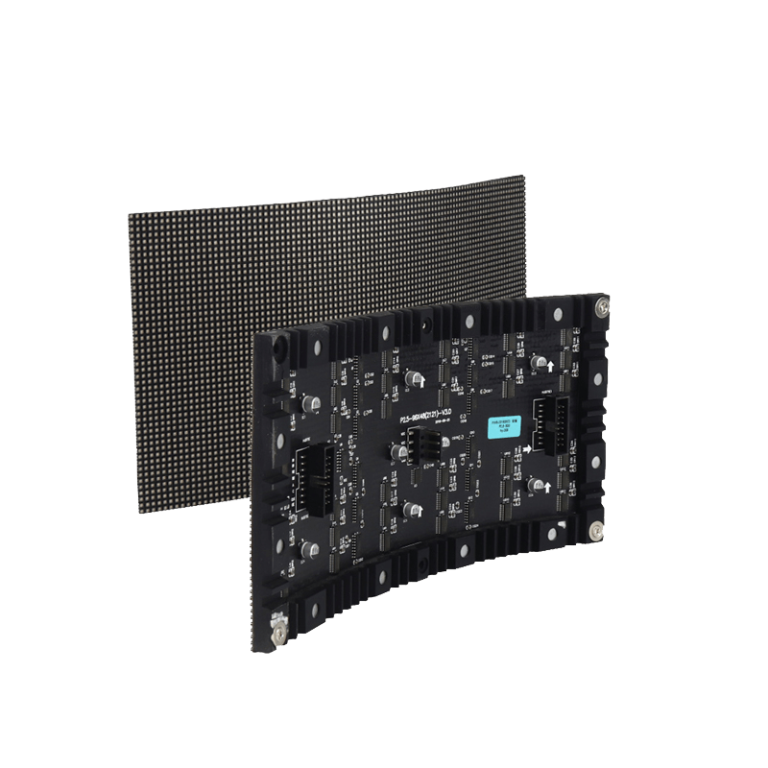
An affichage extérieur P2.604 requires especially careful protection because close-viewing products reveal small faults quickly. Leyaled product information for this direction includes a fine 2.6 mm pitch, 10,000 nits brightness, a die-cast aluminum cabinet, a special heat-dissipation frame, and a wide viewing angle. That kind of screen can look premium outdoors, but dust, heat, and water must be managed tightly.
A Maintenance Routine That Prevents Downtime
Outdoor LED screen maintenance should be scheduled, not improvised. A practical plan includes daily remote status checks, weekly visual inspections, monthly cleaning where needed, seasonal waterproof and grounding checks, and a deeper inspection before peak weather. Remote monitoring can track brightness, temperature, and pixel health, then flag abnormal brightness, high temperature, or dead pixels before the issue becomes public.
Factory quality also matters. Leyaled uses high-quality LED beads and driver chips, 72 hours of extreme testing, high-and low-temperature cycling, and brightness decay checks. Certifications such as CE and RoHS, along with onsite installation support, a 3-year free warranty, lifetime technical support, 24-hour response, and 48-hour onsite repair support. For a outdoor display project, that support helps maintenance teams plan spare modules and service routines around actual operating risk.
A maintenance budget should also include small items that are easy to forget: replacement fans where used, waterproof gasket checks, module masks, spare receiving cards, safe cleaning tools, and access equipment. These are not glamorous costs, but they prevent emergency repairs from becoming more expensive than scheduled care.
The final handover should include a maintenance log template, cabinet layout, receiving-card map, power route, spare-parts list, and safe shutdown process. When a fault appears, that paperwork helps the team locate the affected area quickly instead of opening cabinets one by one in bad weather.
FAQ (questions fréquentes)
Q1: What causes most outdoor LED screen failure?
A1: Common causes include poor heat dissipation, water entering weak seals, dust buildup, loose connectors, unstable power, weak grounding, and blocked maintenance access.
Q2: How often should outdoor LED screen maintenance be done?
A2: Remote checks can run daily. Visual inspection, cleaning, waterproof checks, and power or grounding review should follow site dust, rain, heat, and usage level.
Q3: What makes a waterproof LED billboard more reliable?
A3: IP-rated cabinets, sealed modules, protected cable entries, drainage, heat-friendly structure, stable power, spare modules, and fast supplier support all reduce failure risk.