LED screen power consumption is easy to underestimate because the number on a quotation rarely tells the whole story. A buyer may see maximum power in watts per square meter and assume that number runs all day. Another buyer may look only at average power and forget that brightness, content, cabinet heat, and operating hours change the bill. The useful answer sits between those two habits.
For a real LED screen operating cost estimate, the calculation needs five inputs: display area, average LED display wattage, daily operating hours, active days per year, and local electricity price. The formula is simple: area times average watts per square meter times hours, divided by 1,000, then multiplied by the electricity rate. The judgment behind the formula is where projects win or lose money.
Start With Average Wattage, Not Only Maximum Wattage
Maximum wattage is still important. It tells the power engineer how to size power distribution, cable routes, breakers, and backup capacity. But annual electricity cost should usually be calculated from average wattage, because LED screens rarely run full white at peak brightness for the whole day.
Maximum Power For Electrical Design
Many indoor and outdoor LED products list maximum power around 650 to 800 W per square meter. That does not mean the screen draws that load every minute. It means the electrical system must tolerate the highest load case. For a 30 square meter wall, 800 W per square meter means 24 kW of peak design load. That matters for distribution cabinets, cooling, and safety approvals.
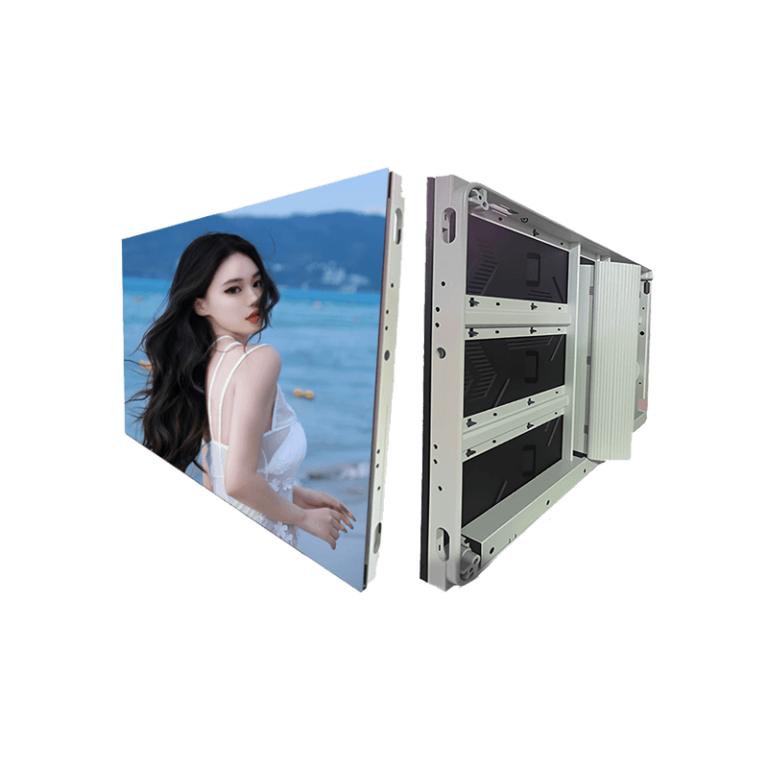
Leyaled standard LED affichage range includes both indoor and outdoor choices, so the early quote should separate peak power, average power, brightness, pixel pitch, and cabinet type. When those lines are mixed together, the finance team may approve a screen that looks affordable but later needs an electrical upgrade.
Average Power For The Yearly Bill
Average power is closer to the electricity bill. For example, Leyaled indoor P3.91 has average power below 180 W per square meter in one common configuration, while outdoor P3.91 and outdoor products can sit higher because they fight sunlight and weather. Profile aluminum outdoor products are described with strong heat dissipation and an average draw of around 200 to 270 W per square meter depending on the configuration.
Those ranges show why one LED wall electricity cost estimate cannot fit every project. A showroom wall, a 24/7 transit sign, and a sunny roadside display may all use LED technology, but their brightness duty cycles are completely different.
Build A Practical Annual Cost Formula
A simple annual estimate keeps the discussion grounded. Suppose a 20 square meter indoor LED wall runs at an average 180 W per square meter, 10 hours per day, 300 days per year, at $0.15 per kWh. The yearly electricity use is 20 x 180 x 10 x 300 / 1,000, or 10,800 kWh. The annual power cost is $1,620.
Area And Operating Hours
Area is the first number to be confirmed. Cabinet dimensions can make the actual screen slightly larger than the planned visible content area, especially when the wall must fit a fixed architectural opening. Operating hours should also be honest. A retail display may run before opening and after closing. A command room or transport hub may need near-continuous service.
For conference rooms, studios, and corporate showrooms for indoor usage, a useful benchmark is the écran intérieur P3.91 product details: 3.91 mm pixel pitch, 65,536 pixels per square meter, 16-bit grayscale, 3840 Hz to 7680 Hz refresh rate, and indoor usage brightness around 600 to 800 cd/m². A lower brightness requirement will typically result in a lower average power than that of an equivalent size and specification of an outdoor screen.
Electricity Rate And Local Rules
The electricity rate is not always one number. Some sites pay higher peak-hour tariffs. Some malls or transport locations add management fees to sub-metered electricity. For a public display, the project owner may also need dimming schedules at night to meet local light-spill rules. Those details change the LED screen operating cost more than a small difference in cabinet price.
Brightness Settings Change The Bill
An energy-efficient LED display is not just a product with a low wattage claim. It is a screen that reaches the required brightness without wasting current, overheating the cabinet, or losing grayscale at low brightness. Outdoor displays need stronger output during the day. Indoor displays need stable color at lower light levels.
Indoor Screens Do Not Need Outdoor Brightness
Running an indoor wall too bright makes viewers uncomfortable and wastes power. Indoor walls used for meeting rooms, brand halls, and studios often perform better when brightness is matched to ambient light. Good grayscale at lower brightness is valuable because the screen can look rich without being driven hard all day.
Outdoor Screens Need Smart Dimming
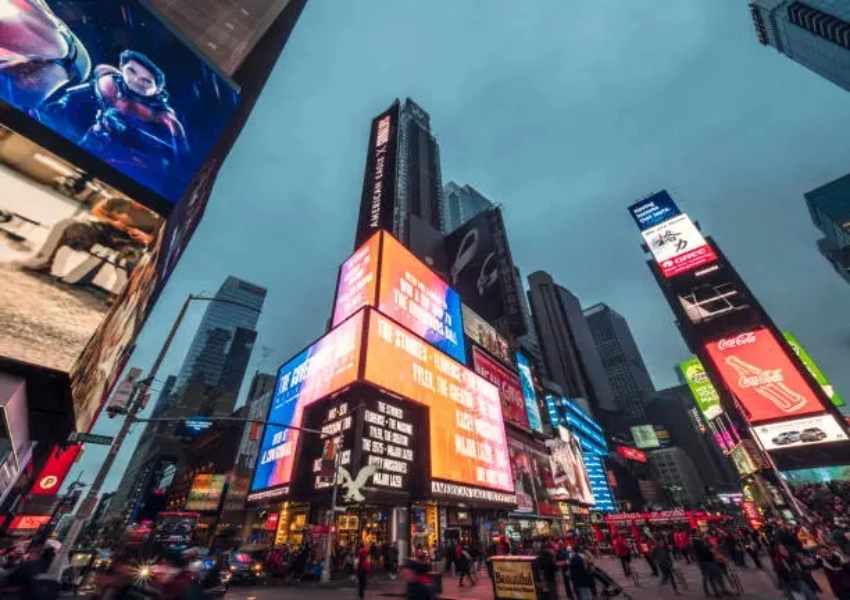
Outdoor screens face the opposite problem. They may need 5,500 nits or more in daytime, then far less at night. Smart brightness adjustment helps lower power draw, reduce heat, and protect LED lifespan. The same display can be costly or reasonable depending on whether the content schedule and brightness curve are managed well.
Product Design Affects Power And Maintenance
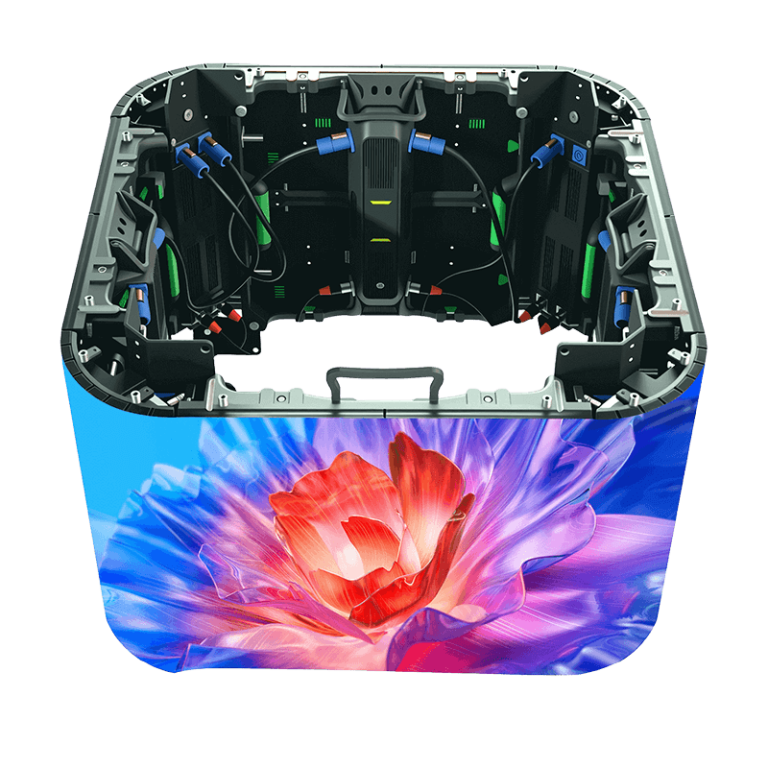
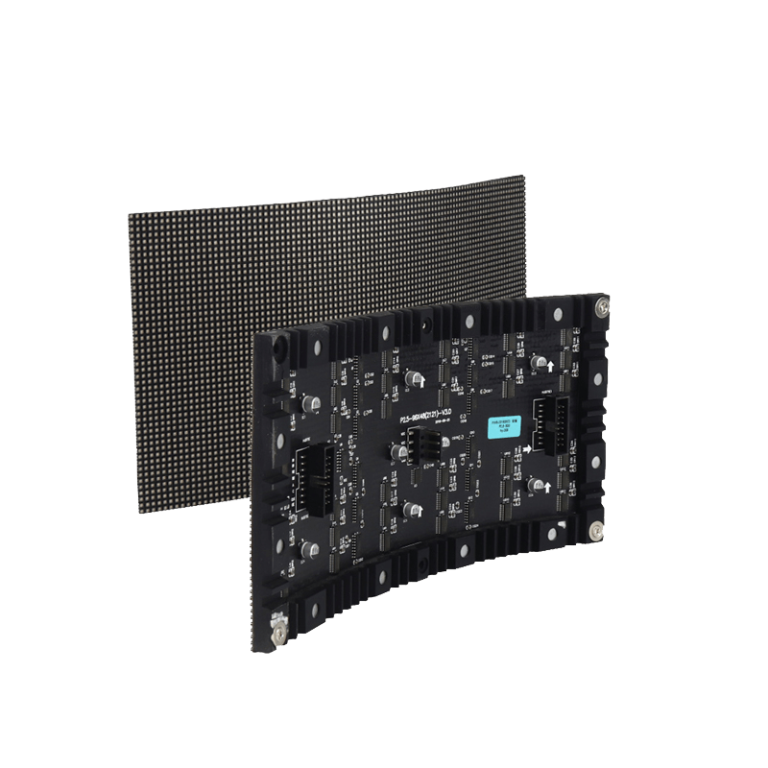
Power cost is linked to heat. Higher current creates more heat; more heat can speed brightness decay and raise maintenance pressure. That is why cabinet design, heat dissipation, power supplies, driver chips, and module quality belong in the cost conversation.
Profile aluminum LED display are particularly suited for long operating hours, with a lighter aluminum cabinet, strong heat dissipation, an IP65 rating, a 3840 Hz refresh rate, a high contrast ratio, wide viewing angles, and average power around 200 to 270 W per square meter. The indoor LED display has a voltage-divided power supply design and high brightness above 6,500 nits for use in outdoor applications.
A low LED wall electricity cost estimate should not come from cutting brightness below the application need. It should come from correct product selection, sensible brightness settings, efficient power design, and a maintenance plan that keeps modules clean and calibrated.
Where Supplier Support Enters The Cost Model
Leyaled, a Shenzhen LED display manufacturer founded in 2012, combines R&D, production, and sales with automated production lines. The company information includes 72 hours of extreme testing, high and low temperature cycling, brightness decay checks, CE and RoHS-related certification records, a 3-year free warranty, and lifetime technical support. For power planning, that matters because a stable screen with documented test routines is easier to budget than a cheaper wall with unknown heat behavior.
Before purchasing, buyers should ask the display manufacturer team for peak power, average power, recommended brightness schedule, cabinet heat path, power supply brand level, spare module plan, and expected maintenance access. That request turns LED display wattage from a vague specification into a workable operating budget.
FAQ (questions fréquentes)
Q1: What is the simplest way to estimate LED screen power consumption?
A1: Multiply screen area by average watts per square meter, daily operating hours, and yearly operating days. Divide by 1,000, then multiply by the electricity rate.
Q2: Should LED wall electricity cost use maximum wattage or average wattage?
A2: Use maximum wattage for electrical design and average wattage for annual cost. Both figures should appear in a proper project quote.
Q3: What makes an energy-efficient LED display in real use?
A3: Efficient LED beads, good driver chips, heat-friendly cabinet design, smart brightness control, stable power supplies, and proper maintenance all affect real energy use.