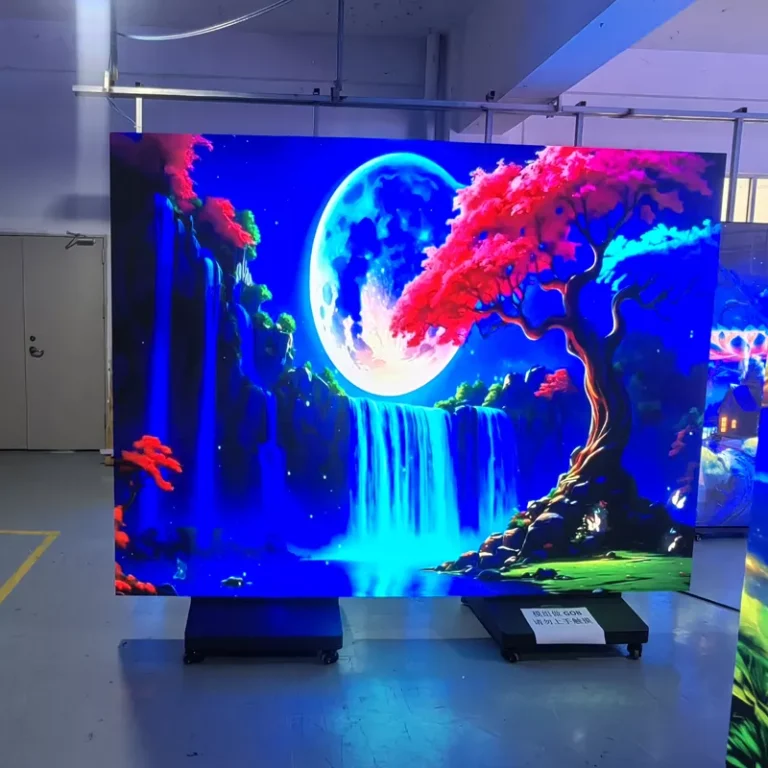
La technologie des écrans LED est devenue l'une des solutions d'affichage les plus adaptables dans le domaine de la communication visuelle actuelle. Des configurations de salles de contrôle détaillées aux grands panneaux d'affichage extérieurs, chaque écran LED repose sur la conception de ses semi-conducteurs et un assemblage précis.
Principes fondamentaux de la technologie des écrans LED
Principes fondamentaux des diodes électroluminescentes (DEL)
Au centre de chaque écran LED se trouvent des diodes électroluminescentes (DEL). Ces composants semi-conducteurs transforment le courant électrique en lumière visible. La couleur produite dépend de la composition des diodes. Généralement, des diodes rouges, vertes et bleues sont combinées pour créer des pixels en couleur. L'efficacité et le flux lumineux de ces DEL reposent sur des matériaux et une conception de puces de meilleure qualité. Cette configuration offre une émission de lumière optimale avec une faible consommation d'énergie. Haute efficacité et économies d'énergie : contribuant à la protection de l'environnement et à la réduction des émissions de carbone, les écrans LED offrent une efficacité énergétique toujours plus grande. Ce principe fondamental sous-tend tous les murs d'images LED actuels.
Structure et composition des panneaux d'affichage LED
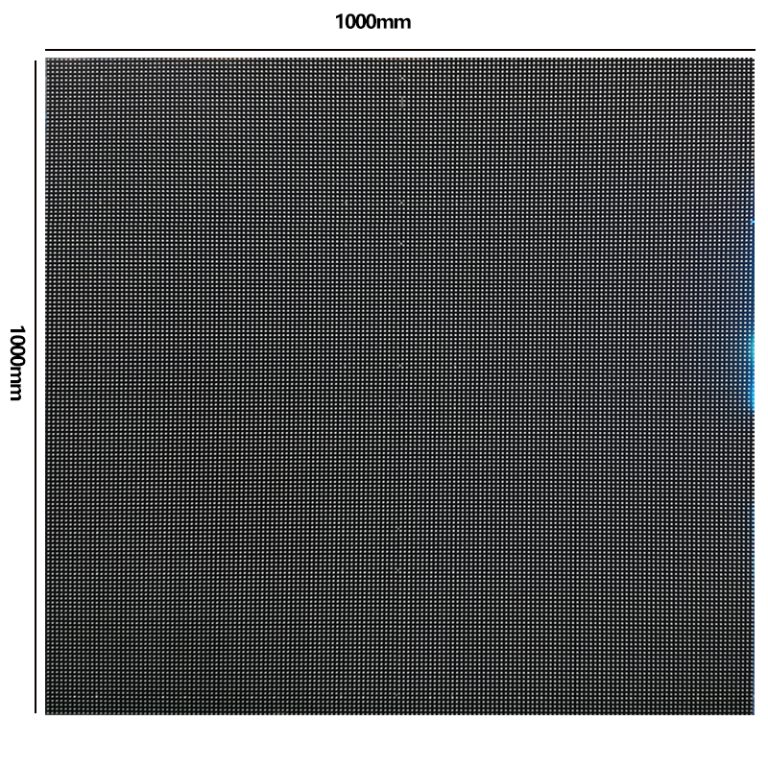
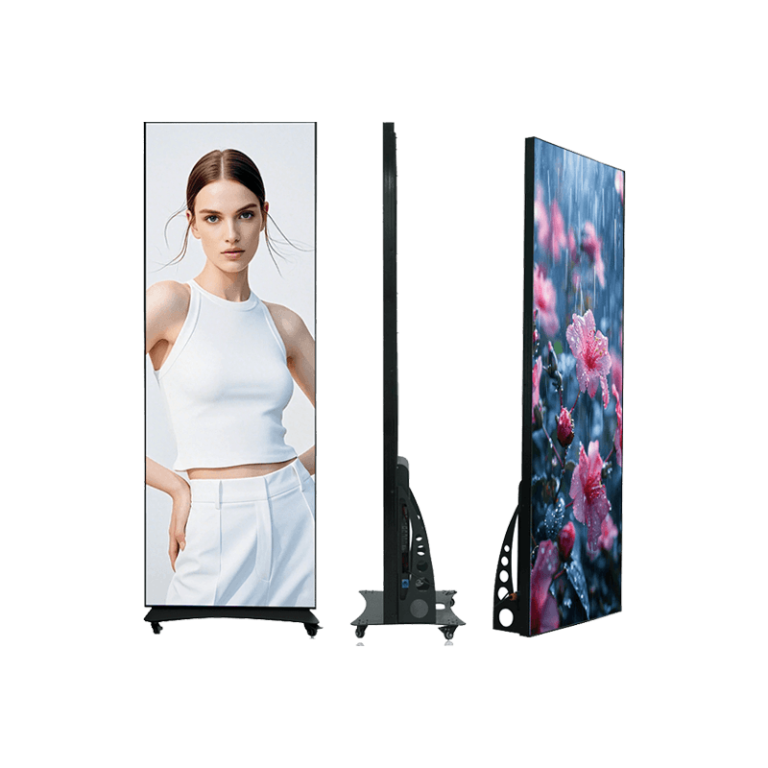
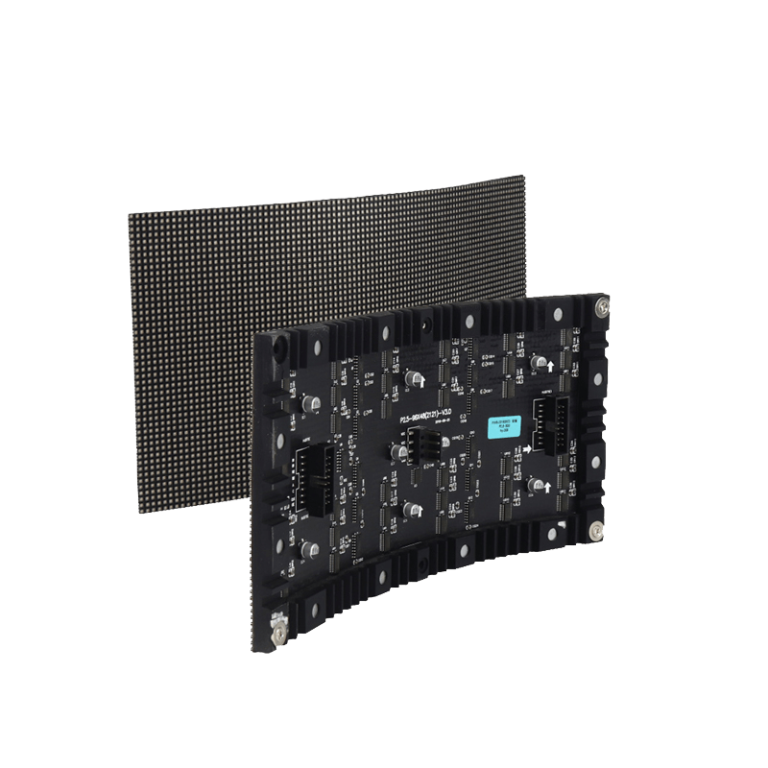
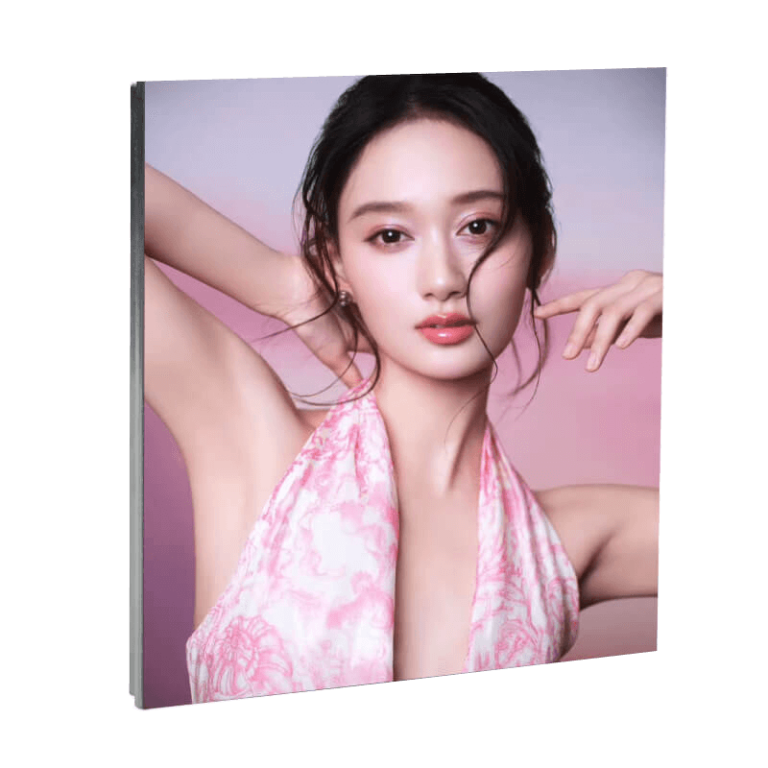
Un panneau LED est composé d'une grille de diodes placées sur des circuits imprimés (PCB). Chaque module intègre des circuits intégrés de commande. Ces composants contrôlent le flux de courant, adaptent les signaux et assurent une luminosité uniforme sur l'ensemble de l'écran. Des protections telles que des films antireflets ou des couches imperméables renforcent la robustesse et le contraste. L'écran LED haute définition d'intérieur P4.81 offre une excellente qualité d'image grâce à son pas de pixel de 3,91 mm. Il bénéficie d'une haute densité de pixels, de couleurs vives et d'une fréquence de rafraîchissement élevée, garantissant ainsi des images fluides et stables. De plus, sa luminosité douce assure un confort visuel optimal. Cette structure détaillée garantit à la fois une mécanique robuste et une optique précise.
Considérations concernant le pas de pixel et la résolution
Le pas de pixel, c'est-à-dire l'espace entre deux pixels voisins, influe directement sur la netteté de l'image. Un pas plus fin offre une meilleure résolution, idéale pour les espaces de visionnage rapprochés comme les salles de réunion ou les studios. Toutefois, trouver le juste équilibre entre le nombre de pixels et les économies réalisées reste essentiel pour la planification d'un projet. L'écran LED P3 possède un pas de pixel de 3 mm et une densité de 111 111 pixels par mètre carré. Il offre des images 1080p/4K nettes, parfaitement adaptées à un usage intérieur de proximité. Cette configuration permet aux concepteurs de choisir les options les plus appropriées pour des configurations intérieures attrayantes comme pour de grands espaces extérieurs.
Architecture des systèmes de murs vidéo LED modernes
Les murs d'images LED actuels allient une ingénierie de précision à des systèmes de contrôle intelligents pour offrir des résultats visuels fluides sur de vastes surfaces.
Conception modulaire et intégration des panneaux
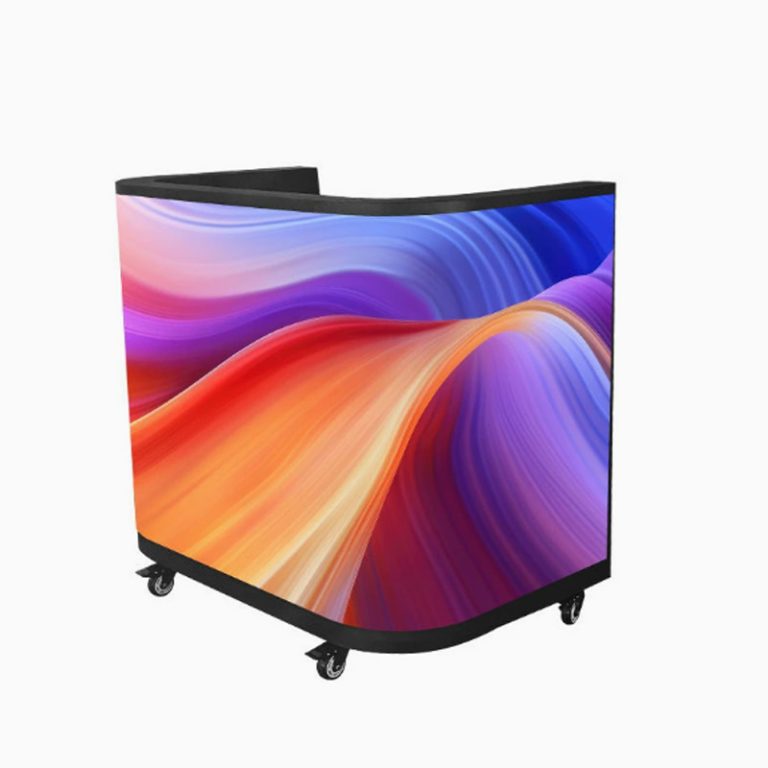
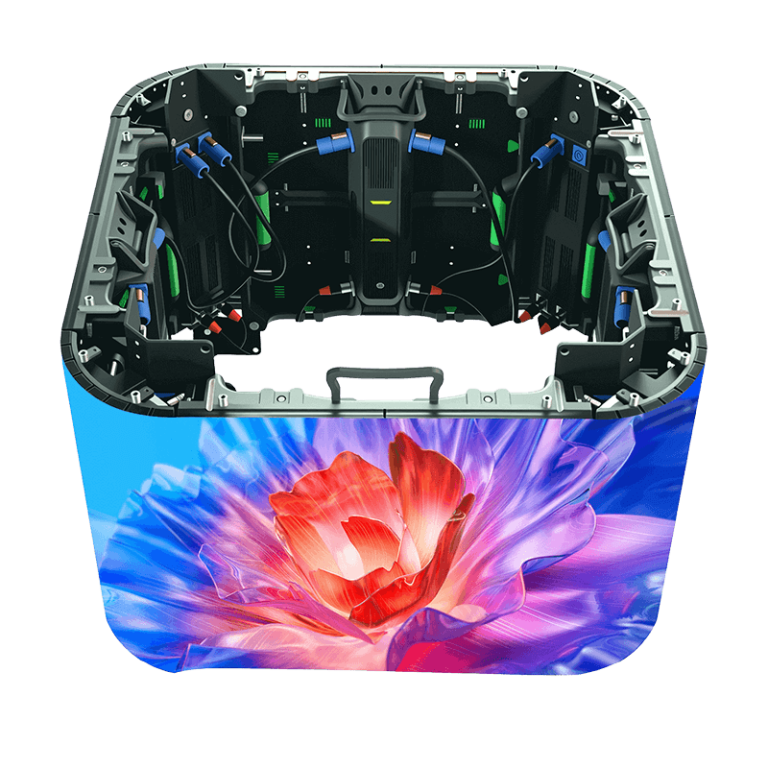
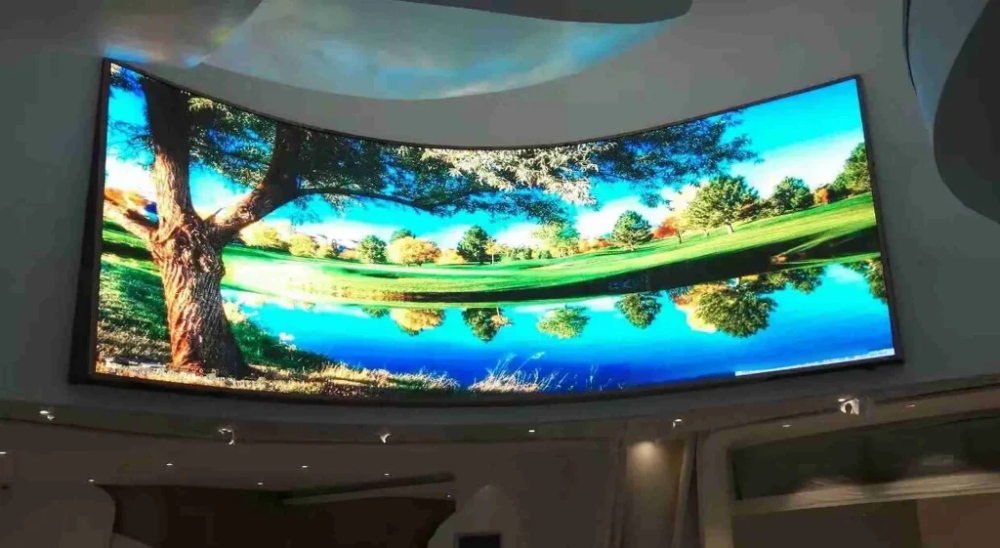
Les murs d'images sont composés de plusieurs panneaux reliés sans espace grâce à des systèmes de fixation mécanique qui maintiennent un espacement régulier entre les pixels. Des outils de verrouillage magnétique ou rapide facilitent la maintenance tout en assurant la robustesse de la structure. La conception modulaire permet d'assembler des écrans de formes et de tailles variées en fonction de la superficie et des besoins de présentation. Cette flexibilité favorise des configurations originales, comme des écrans incurvés ou de formes atypiques, pour des spectacles ou des espaces ludiques.
Systèmes de traitement du signal et de contrôle
Les processeurs de signal gèrent des tâches telles que le redimensionnement des entrées, le réglage des couleurs, la synchronisation et la création HDR. Des contrôleurs plus performants diffusent le contenu par voie filaire ou sans fil tout en garantissant une réactivité optimale. Grâce à des méthodes de transfert de données avancées et à des puces réseau Gigabit ultrarapides, la transmission longue distance est assurée sans répéteurs supplémentaires. Ces composants de contrôle garantissent une lecture fluide sur les grands murs d'images, que ce soit dans les zones de contrôle ou de diffusion.
Distribution de l'énergie et gestion thermique
Une répartition uniforme de la puissance est essentielle pour maintenir une luminosité stable sur l'ensemble des modules. Les alimentations intelligentes adaptent la tension aux besoins de la charge. Par ailleurs, les systèmes de refroidissement intégrés prolongent la durée de vie des composants. Les modules intègrent un système de refroidissement interne qui optimise la durée de vie de l'écran LED. Une gestion thermique efficace garantit un fonctionnement fiable, même dans des conditions difficiles et lors d'une utilisation continue.
Paramètres de performance définissant les écrans LED
Les indicateurs de performance permettent d'évaluer l'efficacité d'un mur d'images LED en conditions réelles d'utilisation. Ils prennent en compte l'homogénéité de la luminosité et la gestion du délai lors de spectacles en direct.
Luminosité, rapport de contraste et fidélité des couleurs
Le niveau de luminosité détermine la visibilité des images selon les conditions d'éclairage. Les écrans extérieurs nécessitent une luminosité plus élevée que les écrans d'intérieur. Le contraste, quant à lui, définit la profondeur de l'image en distinguant les zones sombres des zones claires. Les écrans LED pour stades offrent plusieurs atouts majeurs. Leur luminosité, réglable de 5 000 à 10 000 nits, garantit une image nette même en plein soleil. Un taux de rafraîchissement de 1 920 Hz ou plus réduit considérablement le flou de mouvement. Enfin, des outils de réglage assurent une uniformité des couleurs sur l'ensemble des panneaux.
Contrôle du taux de rafraîchissement, de la synchronisation des images et de la latence
Les taux de rafraîchissement élevés réduisent le scintillement lors de la lecture de séquences rapides. La synchronisation des images évite les déchirures lors du mixage de plusieurs sources. La gestion de la latence minimale est essentielle pour les émissions en direct ou les retransmissions d'événements où la précision du timing est primordiale. Grâce à l'utilisation de méthodes de balayage dynamique, l'image reste stable. Elle est exempte de bruit, reste nette et offre des effets de mouvement dynamiques. La lecture vidéo est fluide.
Angles de vision et mesures d'uniformité optique
De larges angles de vision garantissent des couleurs stables depuis différents points de vue, un atout essentiel pour les stades et les salles où le public est dispersé. Des diffuseurs optiques atténuent les effets de moiré sur les images des caméras. Un réglage uniforme corrige les variations de luminosité sur les panneaux.
Types d'écrans LED utilisés dans les murs vidéo
Différents cas d'utilisation nécessitent certains types d'écrans adaptés aux conditions du site ou à la facilité d'installation.
Écrans LED à vision directe (DVLED)
La technologie DVLED se passe des couches de rétroéclairage des écrans LCD. Elle utilise à la place des diodes auto-émissives pour une luminosité maximale, avec des modules extensibles adaptés aux arènes ou aux centres de contrôle.
Technologie des composants montés en surface (CMS) vs technologie des puces sur carte (COB)
Caractéristiques de la technologie SMD
Chaque pixel combine des diodes RVB dans un seul module de surface, offrant ainsi un bon compromis entre netteté et économies. Il convient parfaitement aux applications intérieures telles que les halls d'exposition ou les espaces de vente.
Caractéristiques de la technologie COB
La technologie COB intègre de nombreuses diodes directement sur leur support, sans boîtiers séparés. Cela renforce la protection contre la poussière et l'eau et améliore la dissipation thermique. Elle convient donc parfaitement aux environnements difficiles comme les aires de repos.
Configurations d'affichage LED intérieures et extérieures
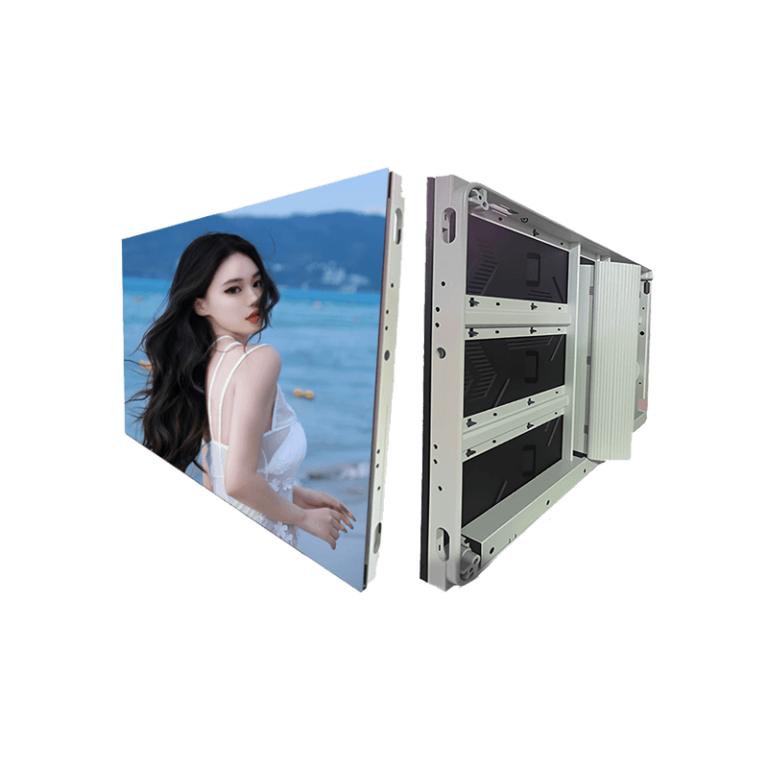
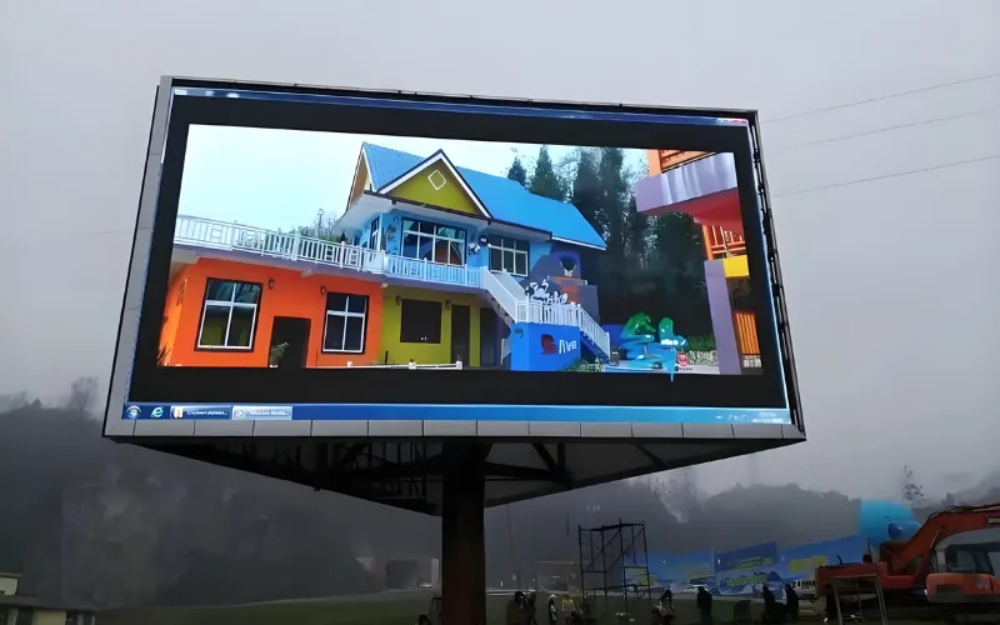
Les configurations intérieures privilégient un faible espacement des pixels pour une netteté optimale à courte distance. Les configurations extérieures mettent l'accent sur la résistance aux intempéries. Ce boîtier en fer étanche sert à protéger les équipements extérieurs. Il est parfaitement compatible avec les écrans LED. Il résiste efficacement au vent, à la pluie et au sable. panneau publicitaire LED extérieur P6 Ce niveau de performance est démontré par son étanchéité IP65 et sa construction robuste en acier, idéale pour des installations publicitaires extérieures durables. Pour les espaces intérieurs nécessitant des images détaillées, comme les studios ou les salles d'exposition, le Vitrine d'affichage intérieure P4.81 offre une capacité d'assemblage fluide avec une luminosité douce, idéale pour un confort visuel prolongé.
Intégration des murs d'images LED dans les écosystèmes d'affichage modernes
L'intégration détermine la façon dont un mur d'images LED s'intègre aux systèmes numériques. Celle-ci comprend notamment les systèmes de gestion de contenu (CMS) et les méthodes de liaison.
Systèmes de gestion de contenu (CMS) pour le contrôle visuel dynamique
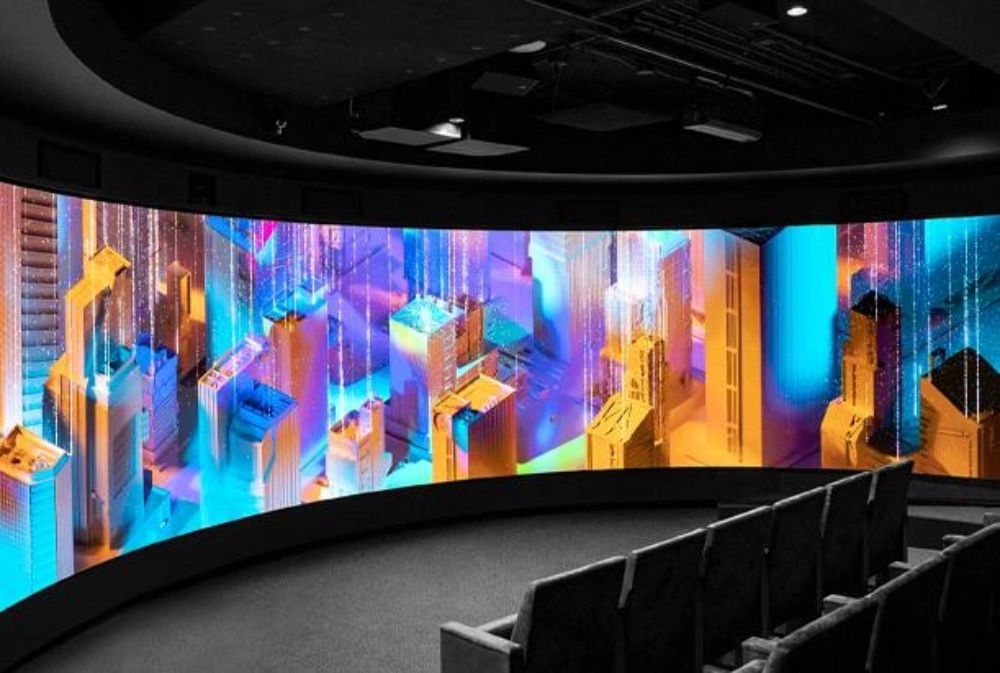
Les outils de gestion de contenu permettent une planification centralisée, la création d'agencements, des mises à jour instantanées et la connexion à des capteurs IoT. Ces capteurs ajustent automatiquement la luminosité en fonction de l'éclairage ambiant tout au long de la journée, garantissant ainsi des économies d'énergie sans intervention manuelle.
Protocoles de connectivité et interfaces de données
Normes d'interface communes
Les interfaces HDMI, DVI, SDI et DisplayPort permettent de gérer des entrées multi-résolution et assurent la compatibilité avec divers appareils sources.
Options de contrôle basées sur le réseau
Les liaisons Ethernet permettent des contrôles à distance et des mises à jour logicielles pour les installations de grande envergure. Ceci garantit un fonctionnement optimal des réseaux d'entreprise ou des systèmes d'affichage urbain. Compatible avec de multiples interfaces (HDMI, DVI et VGA, par exemple), il se connecte facilement aux ordinateurs et aux lecteurs multimédias.
Tendances futures du développement des murs d'images LED
Les progrès technologiques continuent de transformer la façon dont la messagerie visuelle évolue grâce à des étapes d'ingénierie à petite échelle.
Progrès dans la technologie MicroLED
La technologie MicroLED utilise de minuscules puces auto-émissives pour obtenir des pixels d'une finesse exceptionnelle, inférieure à 1 mm. Elle offre un contraste élevé tout en consommant moins d'énergie que les LED classiques. Ceci ouvre la voie à des murs d'écrans haute définition 8K pour les futurs studios de diffusion.
Intégration avec les systèmes d'étalonnage basés sur l'IA
Les méthodes d'apprentissage automatique corrigent automatiquement les couleurs au fil du temps grâce aux données des capteurs. Elles prédisent l'usure des pièces avant même que les problèmes ne soient apparents, ce qui réduit le temps de maintenance tout en assurant une stabilité visuelle sur le long terme.
Pratiques de fabrication durables
Le développement durable influence la planification actuelle. Il privilégie les matériaux réutilisables et des procédés efficaces permettant de réduire les coûts d'exploitation à long terme. L'adoption de matériaux recyclables diminue l'impact environnemental des cycles de production.
Au sein de notre installation de fabrication à Leyaled, Nous nous spécialisons dans la conception et la fabrication de solutions complètes d'écrans LED, de la recherche à la commercialisation à l'international. Basés à Shenzhen, nous disposons de huit lignes de production automatisées SMT certifiées ISO 9001:2008. FWS Technology Co., Ltd. est une entreprise de haute technologie spécialisée dans l'ensemble du secteur de l'affichage LED, couvrant la recherche, la fabrication et la vente. Tous nos produits sont certifiés ISO 9001:2008, CCC et CE.
Notre groupe allie l'expertise en conception lumière à une ingénierie énergétique performante. Cela nous permet de réaliser des projets d'affichage LED OEM/ODM sur mesure en quelques jours. Nous proposons une large gamme de produits, notamment des installations fixes d'intérieur. écrans de stade Conçu pour les terrains de sport avec une luminosité allant jusqu'à 10 000 nits. Également disponible : des solutions modulaires pour l'extérieur, telles que… affichage extérieur P3 Nos écrans sont optimisés pour une netteté optimale à courte distance. De plus, leurs revêtements flexibles s'intègrent parfaitement à tous les styles architecturaux. Notre objectif est de créer des systèmes de murs d'images LED durables, alliant performance et esthétique grâce à une innovation constante. Nous nous appuyons sur 15 ans d'expérience au service des marchés internationaux. Pour toute question concernant des projets d'affichage personnalisés ou pour des échanges techniques sur l'intégration d'écrans LED grand format dans les espaces commerciaux, veuillez nous contacter via notre site web. page de contact.
FAQ (questions fréquentes)
Q1 : Qu’est-ce qui détermine si un mur vidéo LED convient à une utilisation intérieure ou extérieure ?
A1 : Les caractéristiques du site sont adaptées à l’écran. Les écrans d’intérieur privilégient une résolution élevée. Les modèles d’extérieur mettent l’accent sur l’étanchéité, comme la norme IP65, et utilisent des boîtiers en acier robustes, similaires à ceux des panneaux d’affichage extérieurs.
Q2: Comment le pas de pixel affecte-t-il la qualité de l'image?
A2 : Un espacement plus fin entre les pixels offre une meilleure netteté pour les zones à vision rapprochée. Un espacement plus large permet de réaliser des économies sur les grandes surfaces sans compromettre la lisibilité en plein soleil.
Q3 : Pourquoi choisir une construction modulaire pour des installations à grande échelle ?
A3 : La construction par éléments facilite l’assemblage et l’entretien. Elle permet une grande flexibilité d’assemblage, des panneaux de réunion cintrés aux larges panneaux de bord de stade. Ceci garantit une adaptation à de nombreux usages.