رشد سریع تولید مجازی، دو راه اصلی برای ساخت فضاهای بصری جذاب را پیش روی ما قرار داده است. این راهها شامل نمایشگرهای هوشمندی است که توسط دیوارهای LED هدایت میشوند و تنظیمات استاندارد پرده سبز. هر دو ابزار، نحوهی خلق صحنههای دیجیتال توسط فیلمسازان، پخشکنندگان و استودیوها را کاملاً تغییر دادهاند. با این حال، گردش کار روزانه و نتایج فنی نهایی آنها کاملاً متفاوت است.
تعریف نمایشگرهای هوشمند و دیوارهای LED
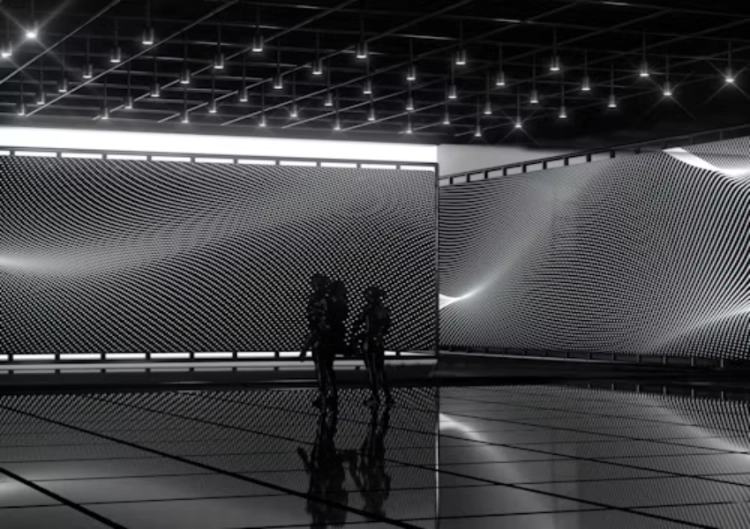
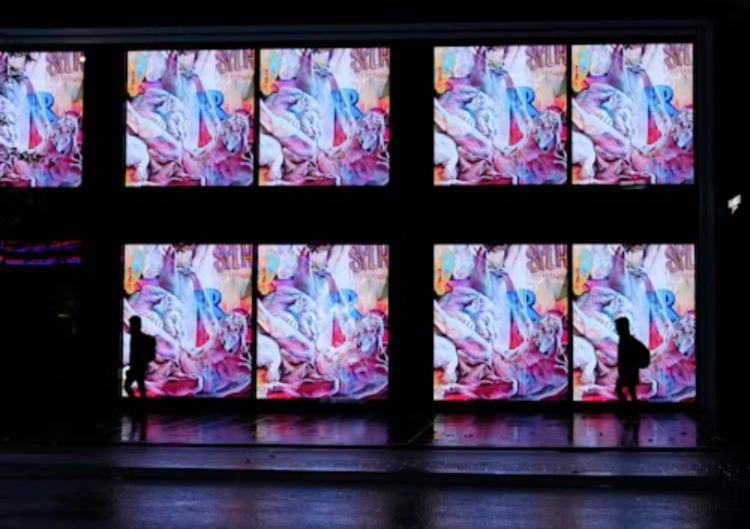
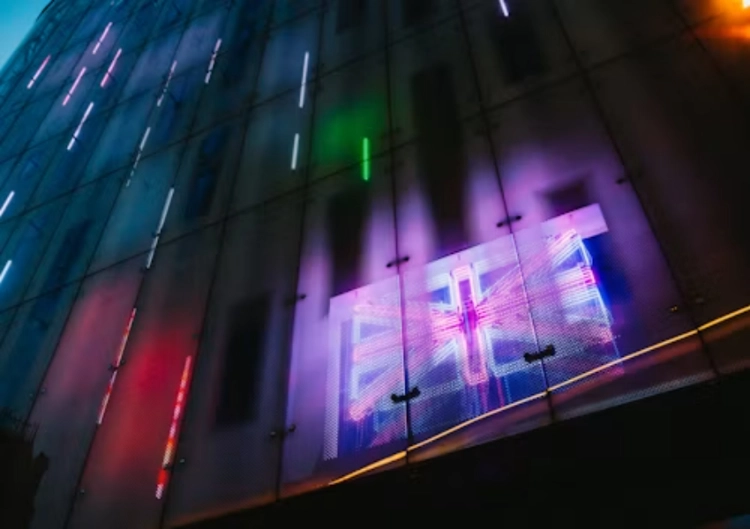
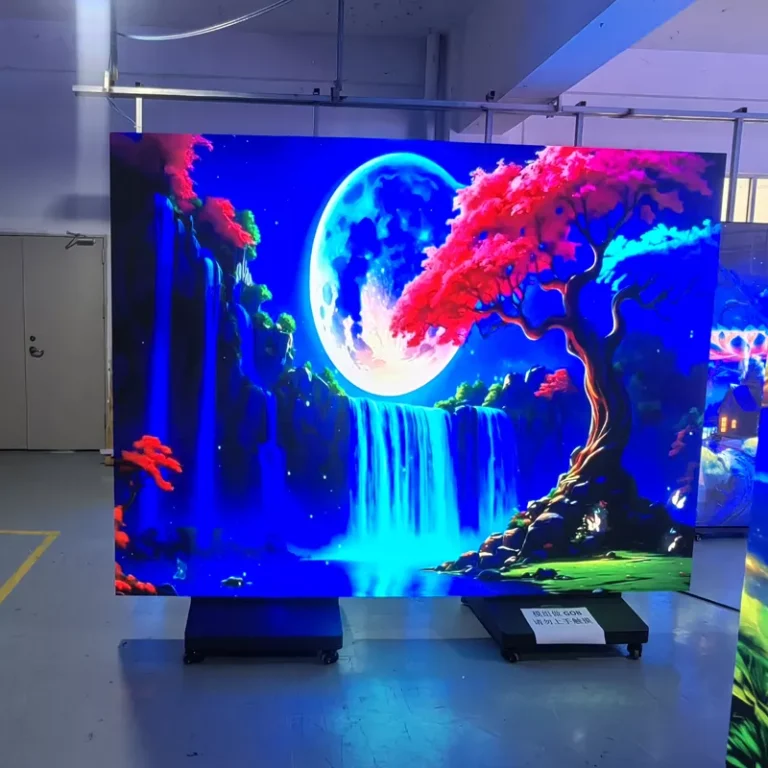
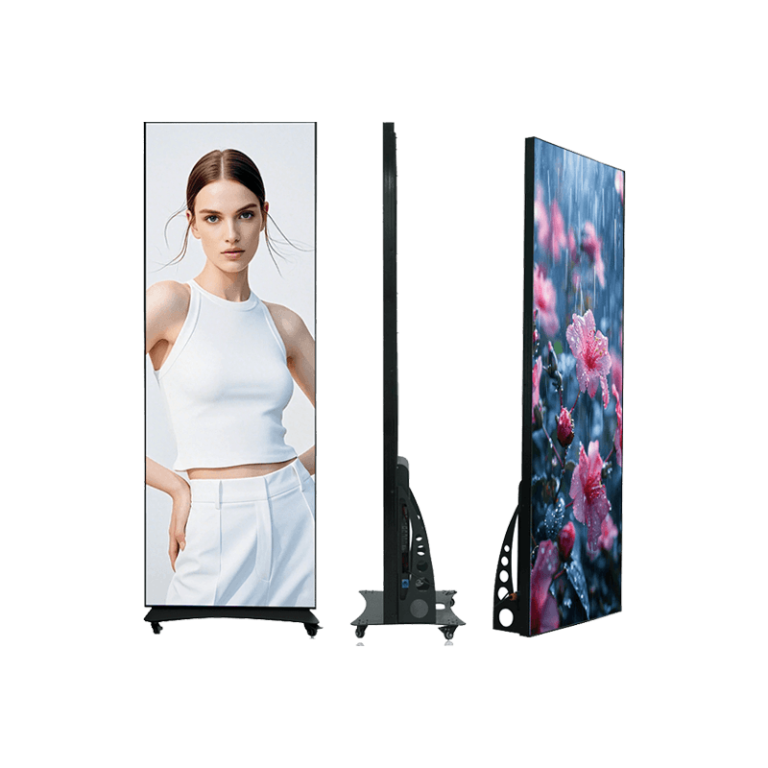
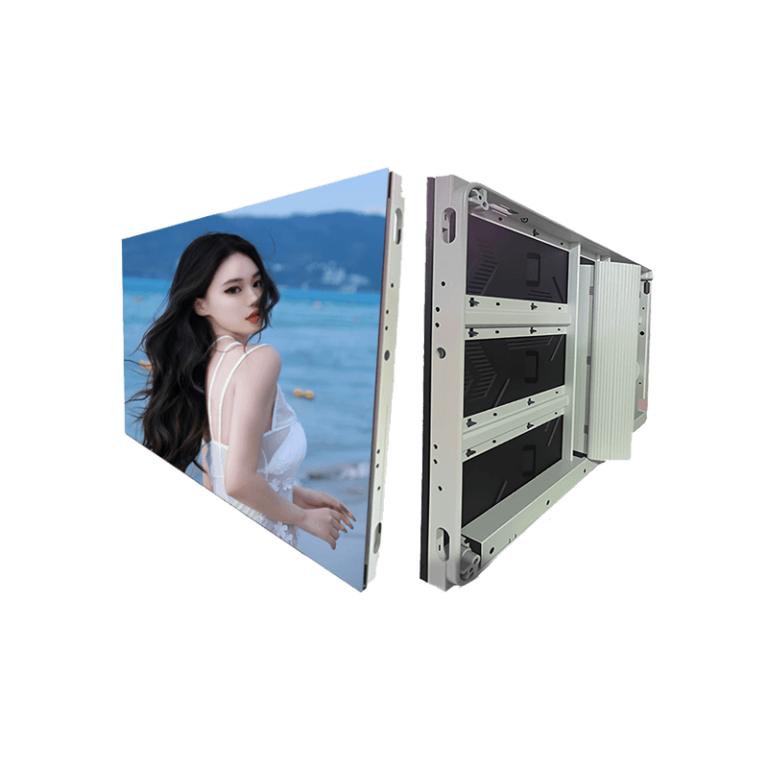
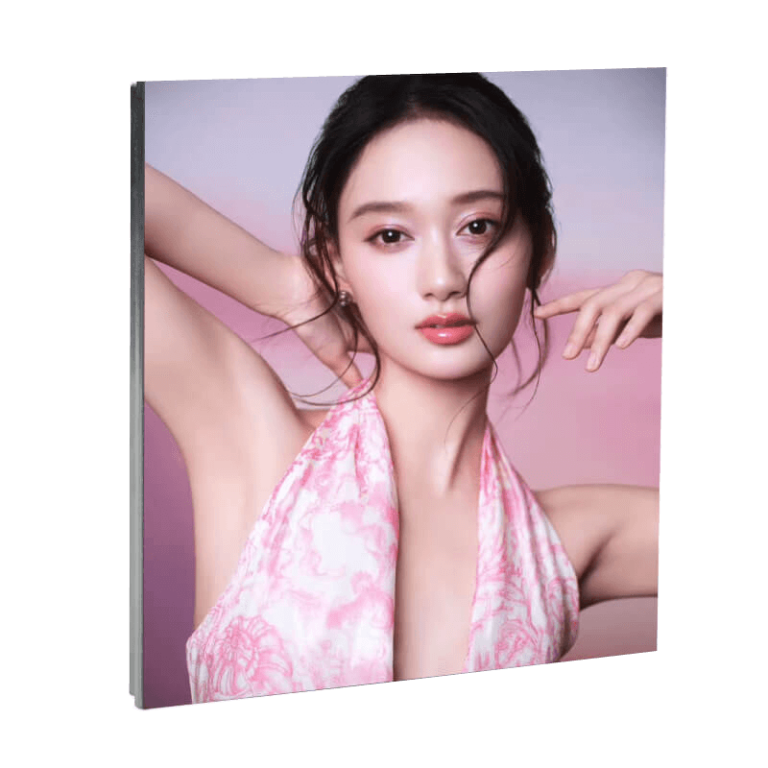
نمایشگرهای هوشمند به سیستمهای دیواری LED مدرن متکی هستند. آنها پسزمینههای بصری فوری ایجاد میکنند که جایگزین تصاویر ثابت یا مجموعههای مبتنی بر کروما میشوند. صفحه نمایش LED دارای یک کابینت آلومینیومی ریختهگری شده مخصوص است. این طراحی بر سبک و نازک نگه داشتن دستگاه تمرکز دارد و همچنین امکان راهاندازی بسیار سریع را فراهم میکند. بنابراین، انتخابی عالی برای فضاهای استودیویی بزرگ است که در آنها مونتاژ سریع و بهروزرسانیهای سریع صحنه مورد نیاز است. این دیوارهای LED میتوانند سیگنالهای ورودی مختلفی را دریافت کنند. گزینههایی مانند DVI، VGA، HDMI و S-video برای مطابقت با فیدهای دوربین زنده به خوبی کار میکنند.
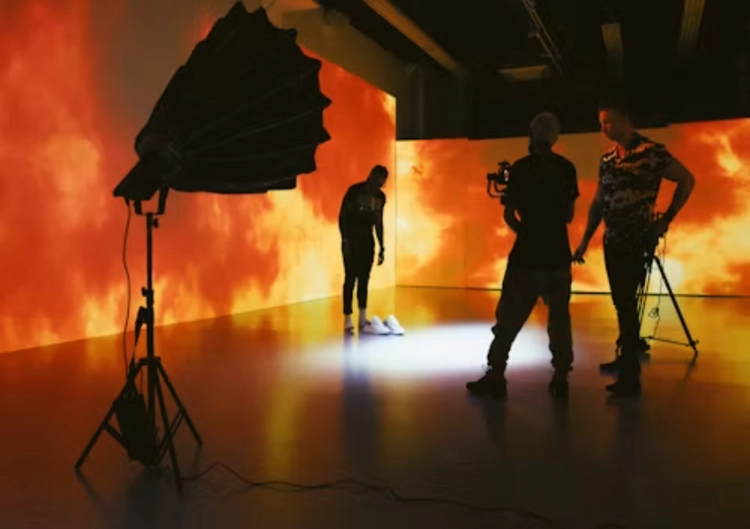
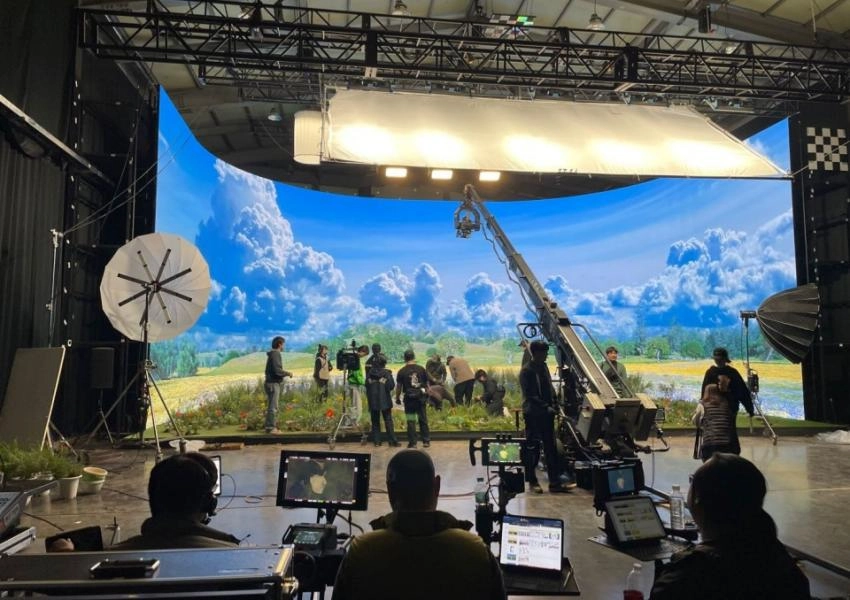
برخلاف پسزمینههای ساختهشده که بعداً در مرحله پس از تولید اضافه میشوند، دیوارهای LED محتوای دیجیتالی را مستقیماً در مراحل فیلمبرداری قرار میدهند. قابلیت اتصال یکپارچه، تضمین میکند که تصاویر در مناطق بسیار وسیع بدون شکستگی باقی بمانند. این مزیت آشکار توسط صفحه نمایش LED استادیوم پشتیبانی میشود. این صفحه نمایش دارای ویژگی اتصال یکپارچه است که میتواند محدودیت اندازه یک صفحه نمایش را از بین ببرد. در نتیجه، میتواند به راحتی یک سیستم نمایش فوقالعاده بزرگ را تشکیل دهد که هر منطقهای از استادیوم را پوشش میدهد.
اصول اولیه تولید پرده سبز
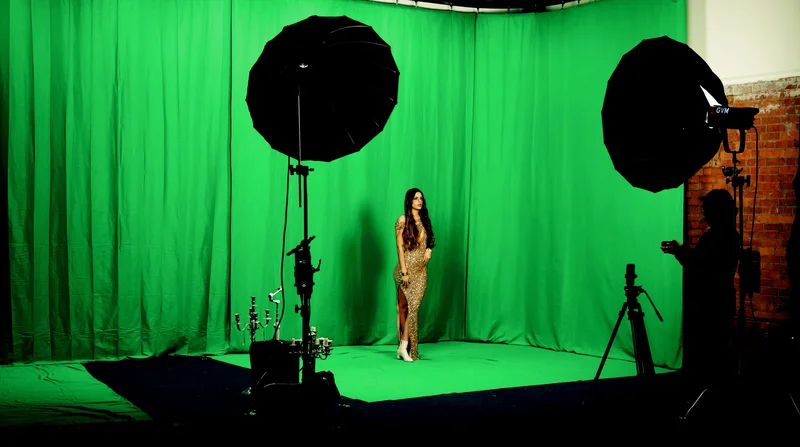
فناوری پرده سبز یا کروماکی هنوز بخش اساسی کار تولید مجازی است. این فناوری با جدا کردن یک رنگ خاص، معمولاً سبز، از ویدیوی ضبط شده عمل میکند. سپس، تدوینگران آن رنگ را با تصاویر تولید شده توسط کامپیوتر در مرحله پس از تولید جایگزین میکنند. با این حال، رسیدن به نتایج پایدار نیاز به کنترل بسیار دقیق نورپردازی دارد. این کار از سایهها یا نشت رنگ که فرآیند کلیدگذاری را دشوار میکند، جلوگیری میکند. این روش آزادی شگفتانگیزی برای اضافه کردن CGI پیچیده فراهم میکند. با این حال، پس از اتمام فیلمبرداری، زمان و تلاش زیادی برای ویرایش لازم است.
مقایسه فنی: نمایشگر هوشمند در مقابل پرده سبز
هم نمایشگرهای هوشمند و هم پردههای سبز سعی میکنند موارد دنیای واقعی را با تصاویر مجازی ترکیب کنند. با این حال، وقتی صحبت از واقعگرایی، رفتار نورپردازی و سرعت گردش کار روزمره میشود، آنها یکسان نیستند.
کیفیت تصویر و واقعگرایی
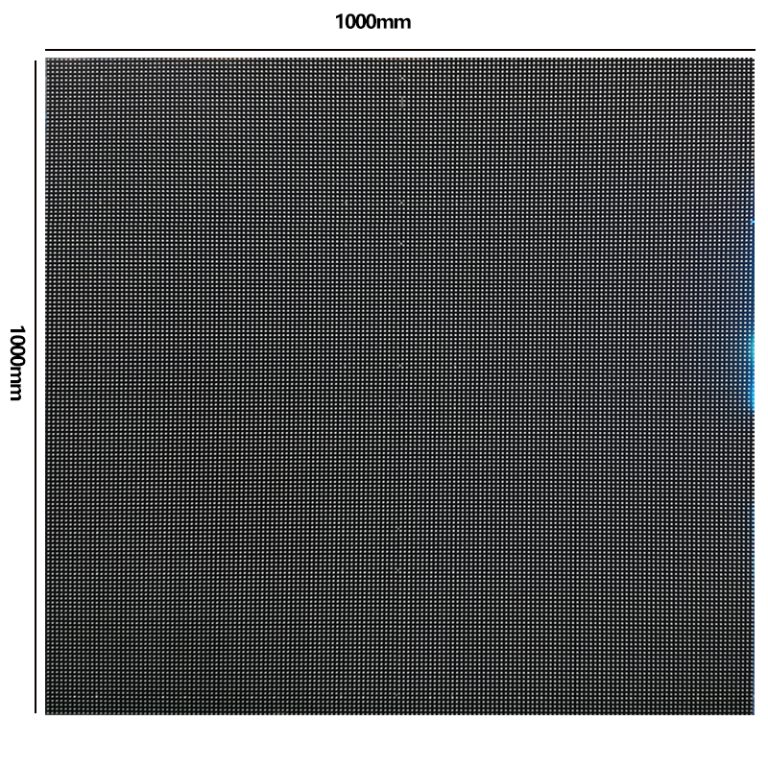
دیوارهای LED در واقعگرایی بسیار عالی عمل میکنند. آنها نور واقعی ساطع میکنند که به طور طبیعی به بازیگران و وسایل صحنه برخورد میکند. بازتابها روی اشیاء فلزی براق یا رنگ پوست، واقعی به نظر میرسند. این اتفاق به این دلیل میافتد که پسزمینه روشن، نور واقعی ساطع میکند. وضوح بالا و نمایش جزئیات: پیکسلهای کوچک، مانند P1.25، P1.8، P2 و غیره، میتوانند تصاویر و متن با کیفیت بالا ارائه دهند. این امر تصویر را حتی در نماهای نزدیک نیز بسیار واضح نگه میدارد. چنین جزئیاتی برای پروژههای سینمایی که از دوربینهای با وضوح بالا استفاده میکنند، ضروری است. از سوی دیگر، پردههای سبز کاملاً به ابزارهای نرمافزاری برای ایجاد عمق یا جلوههای حرکتی متکی هستند. دیوارهای LED به طور طبیعی این جلوهها را از طریق نمایش فیزیکی واقعی نشان میدهند.
ملاحظات نورپردازی در هر چیدمان
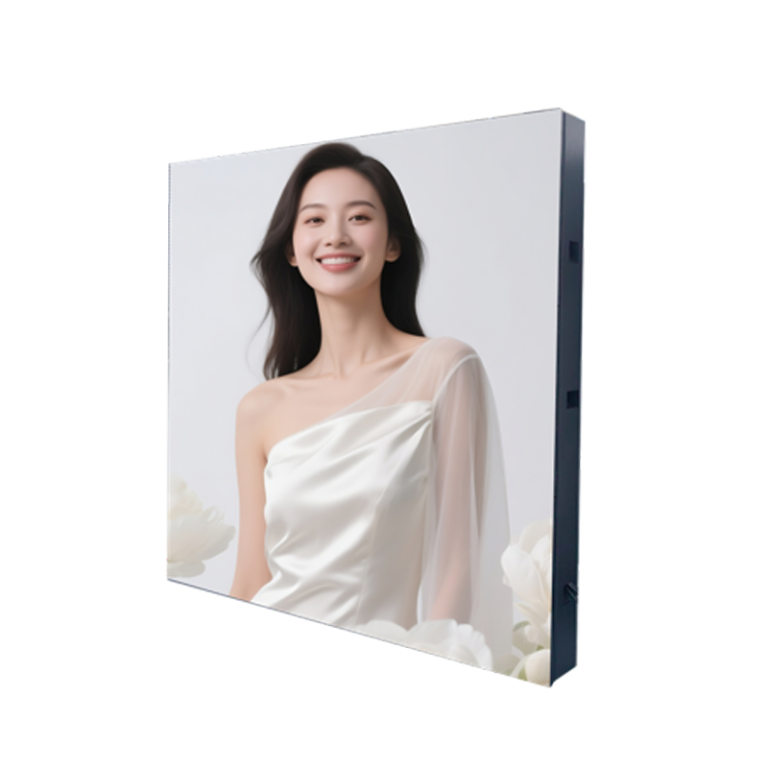
تنظیم روشنایی برای سرعت بخشیدن به تولید بسیار مهم است. نمایشگرهای هوشمند این بخش را آسانتر میکنند. آنها نوری میتابانند که با حال و هوا و زاویه پسزمینه مجازی مطابقت دارد. به عنوان مثال، ما نمایشگر LED پروفایل آلومینیومی نرخ تازهسازی تصویر ۳۸۴۰ هرتز و نسبت کنتراست ۱۰۰۰۰:۱ را ارائه میدهد. همچنین از نگهداری از جلو و عقب پشتیبانی میکند. این ویژگی، آن را برای استودیوهای فیلمسازی که به تطبیق رنگ واقعی در سطوح نور متغیر نیاز دارند، ایدهآل میکند. در عین حال، پردههای سبز به نورپردازی کاملاً روان در سراسر پسزمینه نیاز دارند. این امر از سایههای بد یا رنگهای مختلط که بعداً باعث ایجاد مشکل در کروماکی میشوند، جلوگیری میکند.
کارایی گردش کار و تأثیر پس از تولید
نمایشگرهای هوشمند کار پس از تولید را به میزان زیادی کاهش میدهند. آنها به کارگردانان اجازه میدهند تا ظاهر نهایی را همانجا در صحنه فیلمبرداری ضبط کنند. ابزارهای رندرینگ بلادرنگ، مانند Unreal Engine، میتوانند پسزمینههای فعال را مستقیماً به دیوارهای LED ارسال کنند. این امر بازخورد بصری فوری را به کل عوامل میدهد. این روش نیاز به کارهای سنگین کامپوزیت را از بین میبرد. این نوع کار در پروژههای پرده سبز رایج است، جایی که تدوینگران باید هر فریم را به صورت دستی تنظیم کرده و بخشهای CGI را اضافه کنند.
عوامل هزینه، نگهداری و مقیاسپذیری
اگرچه هر دو گزینه نتایج حرفهای ارائه میدهند، اما ساختار هزینه آنها متفاوت است. دلیل این امر این است که یکی به سختافزار بیشتری نیاز دارد، در حالی که دیگری به کار نرمافزاری بیشتری نیاز دارد.
سرمایهگذاری اولیه و هزینههای بلندمدت
ساخت دیوارپوشهای LED در ابتدا هزینه بیشتری میطلبد. با این حال، این هزینهها بعداً متعادل میشوند. آنها با کاهش ساعات پس از تولید و کاهش نیاز به فیلمبرداریهای مجدد اضافی، در هزینهها صرفهجویی میکنند. مصرف برق کم و طول عمر طولانی: مهرههای LED برق کمتری مصرف میکنند و نسبت به دستگاههای نمایش سنتی از نظر انرژی کارآمدتر هستند. از سوی دیگر، پردههای سبز در ابتدا هزینه بسیار کمی دارند. اما به تدوینگران ماهری نیاز دارند که از نرمافزارهای قوی استفاده میکنند. این امر هزینههای جاری را در درازمدت افزایش میدهد.
الزامات نگهداری و پشتیبانی فنی
کار تعمیر و نگهداری برای این دو فناوری یکسان نیست. پنلهای LED برای حفظ یکنواختی روشنایی در تمام قسمتها، نیاز به بررسیهای منظم دارند. برخی از انواع حتی ابزارهای خودکاری برای این کار دارند. ماژول، ذخیرهسازی دادههای کالیبراسیون مخصوص به خود را دارد و هنگام تعویض، دادهها را به طور خودکار وارد میکند. صفحات سبز ممکن است گاهی اوقات فقط به یک لایه رنگ جدید یا پارچه جدید نیاز داشته باشند. با این حال، آنها ابزارهای بررسی داخلی موجود در صفحات نمایش مدرن را ندارند.
انعطافپذیری خلاقانه در محیطهای تولید
انتخاب بین نمایشگرهای هوشمند و تنظیمات کروما معمولاً به خواستههای تیم بستگی دارد. آنها باید بین داشتن کنترل در طول فیلمبرداری زنده یا داشتن آزادی در مرحله تدوین، یکی را انتخاب کنند.
قابلیتهای تجسم بلادرنگ با دیوارهای LED
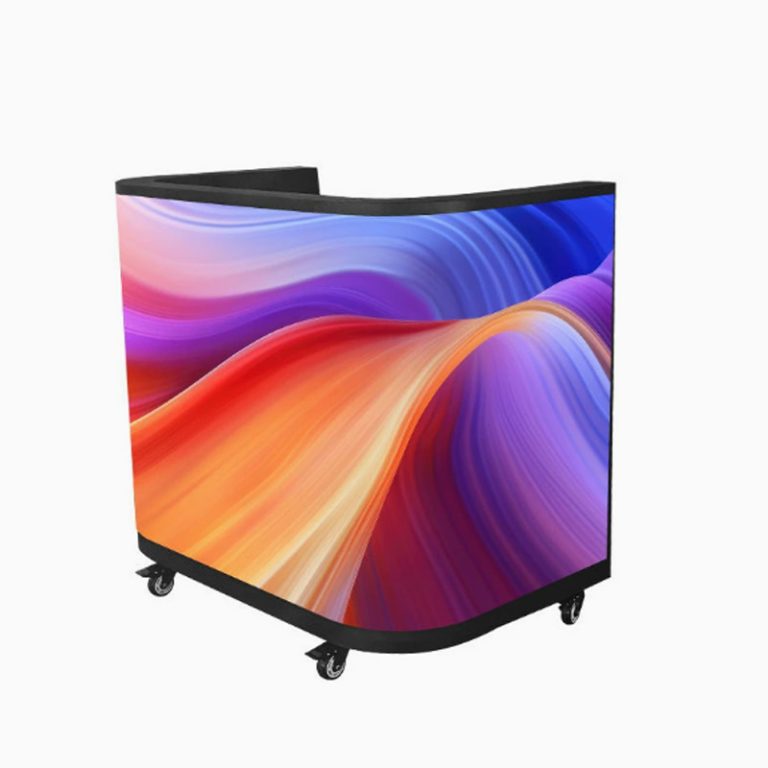
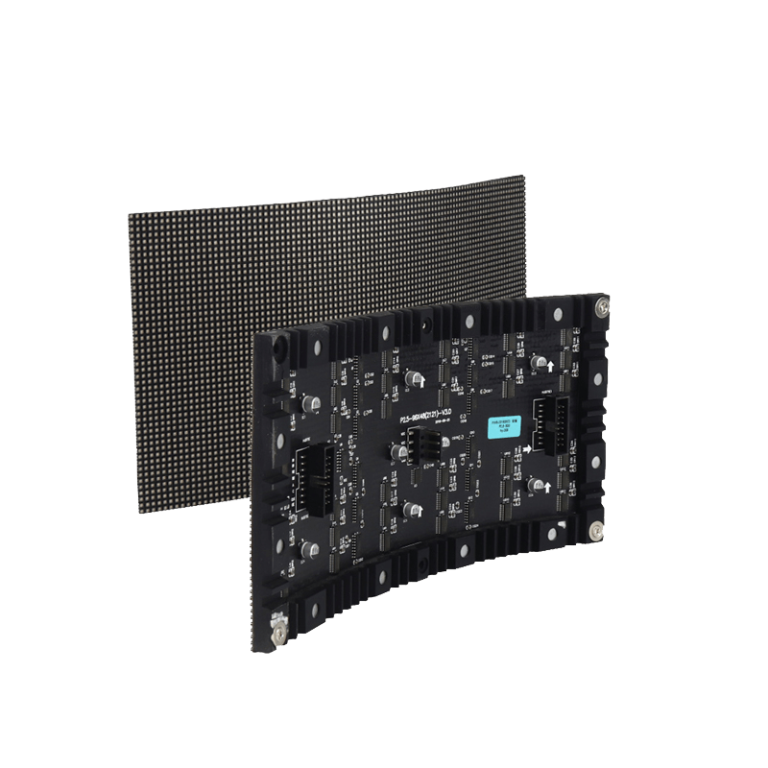
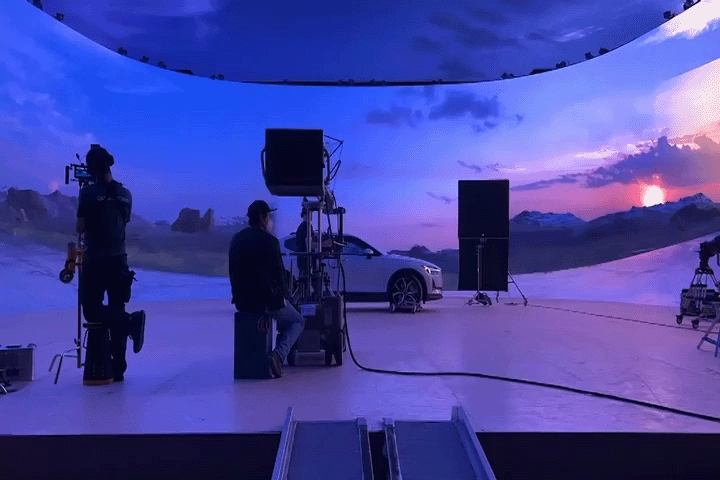
دیوارهای LED به کارگردانان این قدرت را میدهند که صحنههای نهایی را فوراً ببینند. آنها مجبور نیستند منتظر بارگذاری فایلهای دیجیتال بمانند. با استفاده از صفحه نمایشهای انعطافپذیر ما، تیمها میتوانند اشکال منحنی یا گرد بسازند. این فناوری از فناوری اتصال غشای نرم استفاده میکند. عوامل فیلمبرداری میتوانند صحنههای عریضی را شبیهسازی کنند که به حرکات دوربین واکنش روان نشان میدهند. این به تیم نورپردازی، هنرمندان جلوههای ویژه و کارگردانان کمک میکند تا بهتر با هم کار کنند. آنها میتوانند جزئیات پسزمینه را به صورت زنده در حین فیلمبرداری تغییر دهند.
انعطافپذیری جایگزینی پسزمینه با استفاده از پرده سبز
وقتی که کل دنیاهای CGI باید بعد از فیلمبرداری اصلی ساخته شوند، پردههای سبز هنوز بهترین انتخاب هستند. آنها آزادی کامل برای خلق مکانهای علمی تخیلی یا سرزمینهای جادویی میدهند. این مکانها را نمیتوان فقط با پردههای فیزیکی ساخت. پروژههایی که به مکانهای مختلف زیادی در یک استودیوی کوچک نیاز دارند، از این مزیت زیادی بهره میبرند. یک صحنه کروما ساده میتواند به اندازه صحنههای مختلف عمل کند. تیم فقط فایلهای دیجیتال را بعداً تغییر میدهد.
انتخاب فناوری مناسب برای نیازهای استودیویی شما
استودیوهایی که این گزینهها را بررسی میکنند باید انتخاب خود را با اهداف اصلی پروژه خود مطابقت دهند. آنها همچنین باید به فضای فعلی و برنامههای خلاقانه خود نگاه کنند.
ارزیابی اهداف تولید و نوع محتوا
برای برنامههای تلویزیونی زنده یا صحنههای فعال، تغییر سریع پسزمینه کلیدی است. مکانهایی مانند اتاقهای خبر یا نمایشهای موسیقی مجازی به این سرعت نیاز دارند. نمایشگرهای هوشمند به دلیل قدرت طراحی در لحظه، عملکرد بهتری در اینجا ارائه میدهند. پروژههایی که بر روی اضافات سنگین CGI تمرکز دارند، ممکن است هنوز هم پرده سبز را بیشتر دوست داشته باشند. آزادی تغییر چیزها بعداً برای آنها مهمتر از دیدن فوری آن است.
یک گردش کار ترکیبی که از هر دو روش استفاده میکند، اغلب بهترین نتیجه را میدهد. استفاده از دیوارهای LED برای قسمتهای جلویی با ظاهری واقعی و در عین حال اضافه کردن پسزمینههای دور بعداً از طریق کروماکی، هوشمندانه است. این کار بدون از دست دادن حس بصری عمیق، هزینهها را منصفانه نگه میدارد.
ملاحظات فضا، برق و زیرساخت
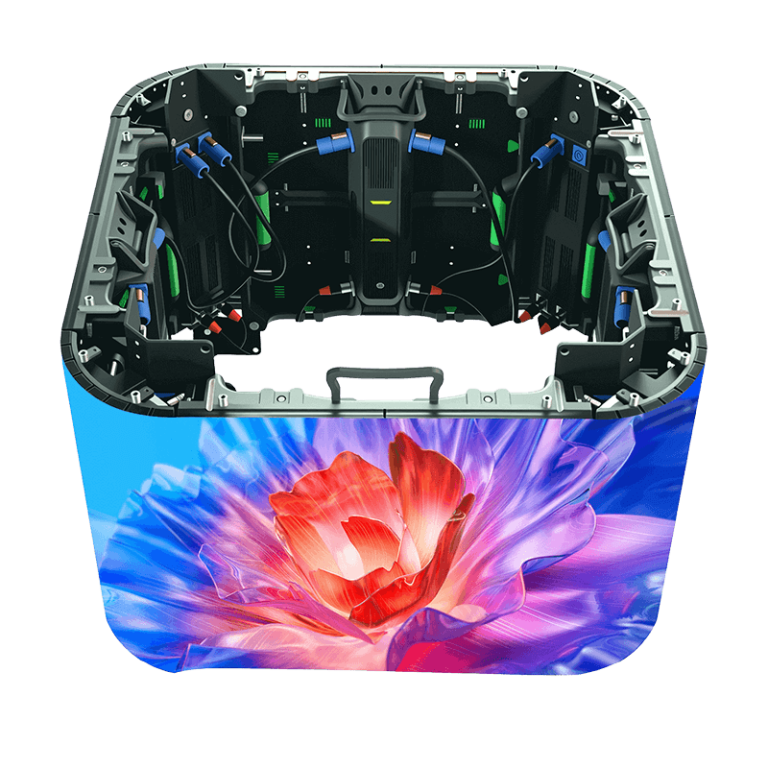
فضای فیزیکی ساختمان تأثیر زیادی بر انتخاب فناوری دارد. طراحی ماژولار و نصب انعطافپذیر: با اتخاذ یک ساختار ماژولار، صفحه نمایش از چندین ماژول واحد تشکیل شده است. این طراحی قطعه به قطعه امکان بزرگ یا کوچک شدن چیدمانها را فراهم میکند. آنها به خوبی در استودیوهای بزرگ یا اتاقهای داخلی کوچک جای میگیرند. با این حال، سیستمهای LED به خطوط برق قوی و جریان هوای خوب نیاز دارند. دلیل این امر این است که پنلهای روشن، مانند پنلهای مورد استفاده در...، گرما تولید میکنند. محفظه نمایشگر داخلی P4.81پردههای سبز خیلی راحتتر در مکانهای کوچکتر جا میشوند. آنها فقط به برق اولیه برای چراغها نیاز دارند.
روندهای آینده در فناوری تولید مجازی
ایدههای جدید، سیستمهای صفحه نمایش فیزیکی و ابزارهای ویرایش نرمافزاری را به هم نزدیکتر میکنند.
پیشرفتها در عملکرد نمایشگرهای LED
نمایشگرهای هوشمند جدید از گامهای پیکسلی کوچکتر استفاده میکنند. این به افراد اجازه میدهد بدون دیدن هیچ خطی، از فاصله بسیار نزدیک نگاه کنند. نمایشگرهای LED با گام کوچک، درزهای اتصال را یکپارچه میکنند. همچنین، تراشههای درایور کممصرف، هزینههای روزانه را کاهش میدهند. در عین حال، روشنایی را در طول روزهای فیلمبرداری بسیار طولانی ثابت نگه میدارند. این یک گام بزرگ برای اهداف استودیوی سبز است که به دنبال مصرف انرژی بهتر هستند.
نقش در حال تکامل تکنیکهای کروماکی
ابزارهای هوشمند هوش مصنوعی کروما اکنون مرحله حذف پسزمینه را سرعت میبخشند. آنها این کار را بسیار دقیقتر میکنند. تنظیمات ترکیبی، صفحههای LED جزئی را با بخشهایی از صفحه سبز ترکیب میکنند. این امر شکاف بین ظاهر فیزیکی واقعی و آزادی دیجیتال را پر میکند.
درباره ما – نوآوری در تعالی بصری از طریق راهکارهای نمایشگر هوشمند
در لیالدما بر ساخت سیستمهای نمایشگر LED مدرن تمرکز داریم. ما آنها را برای مصارف حرفهای، از استودیوهای پخش گرفته تا سالنهای نمایش بزرگ، میسازیم. کارخانه ما در شنژن ۷۲۰۰ متر مربع مساحت دارد. این کارخانه مجهز به هشت خط خودکار SMT است. این امر تولید دقیق و مداوم هر پنلی را که میفروشیم، تضمین میکند. شرکت فناوری FWS یک شرکت فناوری پیشرفته است که در صنعت نمایشگرهای LED یکپارچه تخصص دارد. این شامل تحقیق و توسعه، تولید و فروش میشود. طیف محصولات ما شامل ماژولهای تمام رنگی داخلی/خارجی است. آنها تحت استانداردهای ISO 9001:2008 گواهی شدهاند. این امر تضمین میکند که معیارهای قابلیت اطمینان جهانی به طور مداوم رعایت میشوند. با یک شبکه بازاریابی معتبر در سراسر شرق چین، جنوب چین، مرکز چین و شمال چین، ما سفارشیسازی OEM/ODM را ارائه میدهیم. این امر توسط بیش از ۳۰ مهندس پشتیبانی میشود. آنها قادر به ارائه طرحهای سفارشی در عرض هفت روز هستند. این نشان دهنده تعهد ما به خدمات سریع بدون آسیب رساندن به کیفیت است.
برای یافتن راهحلهای ویژهای که با ارتقاء بصری استودیوی شما مطابقت دارند، لطفاً با ما تماس بگیرید. اگر در مورد افزودن تنظیمات نمایشگر هوشمند به کار روزانه خود به مشاوره نیاز دارید، با ما تماس بگیرید در هر زمان از طریق وب سایت رسمی ما.
سوالات متداول
سوال ۱: نمایشگرهای هوشمند چگونه تولید در لحظه را در مقایسه با روشهای سنتی افزایش میدهند؟
الف) نمایشگرهای هوشمند، بازخورد بصری فوری از صحنه ارائه میدهند. آنها تصاویر صحنه نهایی را مستقیماً روی سطوح LED نشان میدهند. این امر نیاز به ویرایش پس از تولید را کاهش میدهد. همچنین به بازیگران کمک میکند تا با فضاهای مجازی اطراف خود بهتر تعامل داشته باشند.
Q2: آیا پنلهای LED انعطافپذیر برای استفاده مداوم در استودیو به اندازه کافی بادوام هستند؟
A2: بله. پنلهای انعطافپذیر از مهرههای لامپ قوی استفاده میکنند. این پنلها عمر طولانی و عملکرد ثابتی دارند. حتی در برابر تغییرات خمشی زیاد نیز مقاومت خوبی دارند. این ویژگی آنها را برای برنامههای تولیدی شلوغ که نیاز به بهروزرسانی مکرر شکل دارند، ایدهآل میکند.
سوال ۳: چه عواملی تعیین میکنند که آیا دیوار LED یا پرده سبز برای پروژه من مناسبتر است؟
A3: انتخاب بیشتر به نوع پروژه بستگی دارد. رویدادهای تعاملی زنده از پاسخ سریع نمایشگرهای هوشمند سود زیادی میبرند. از سوی دیگر، فیلمهای CGI سنگین که نیاز به ویرایش عمیق دارند، معمولاً به تنظیمات کروما متکی هستند. این تنظیمات توسط ابزارهای قوی کلیدسازی رایانه پشتیبانی میشوند.