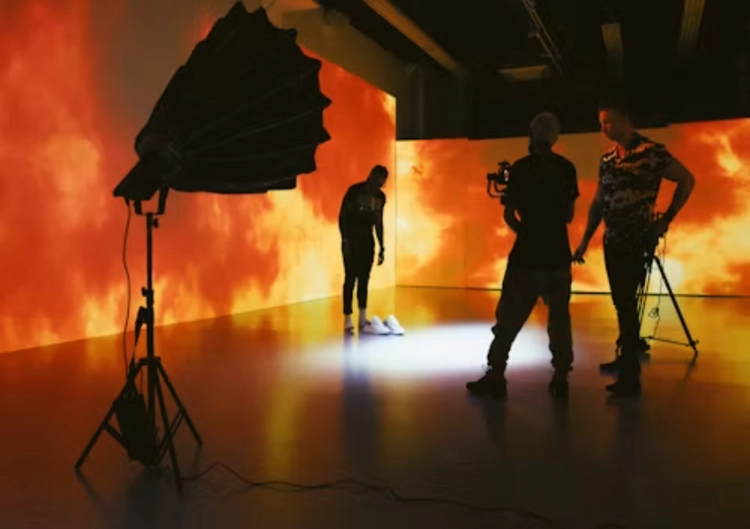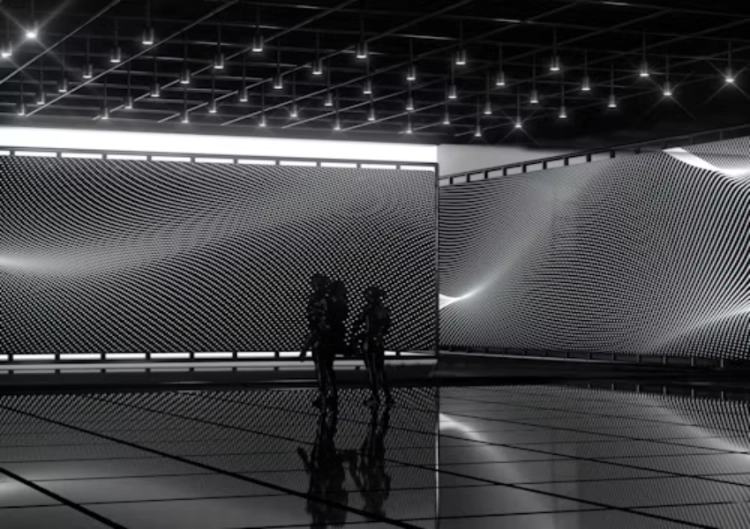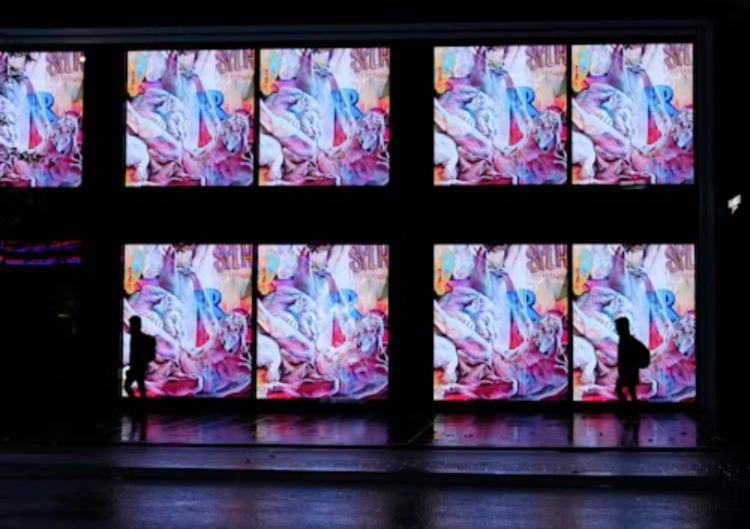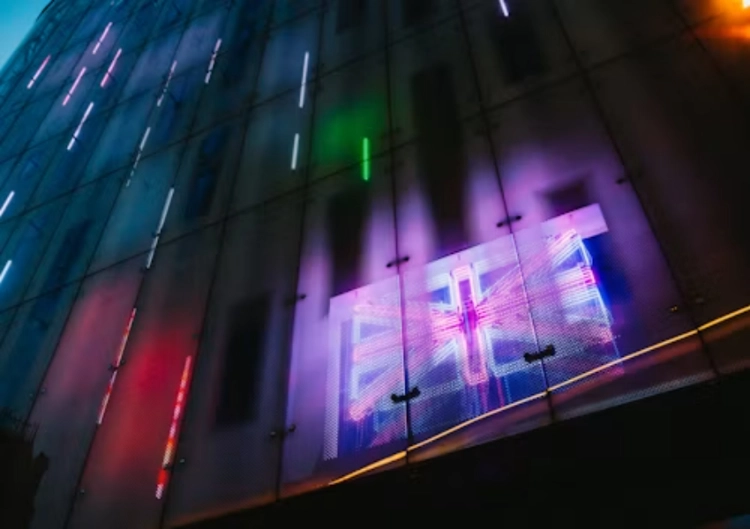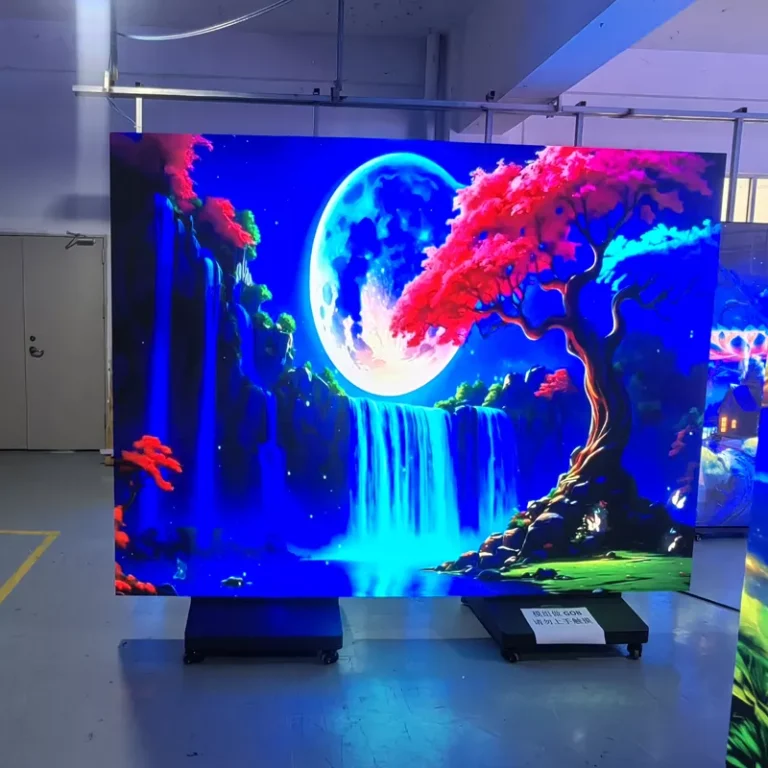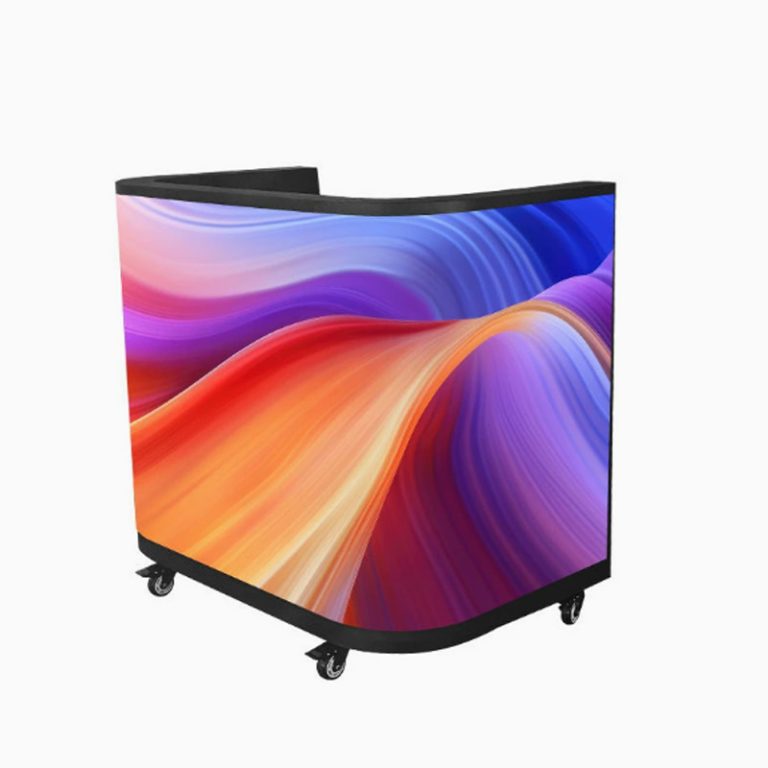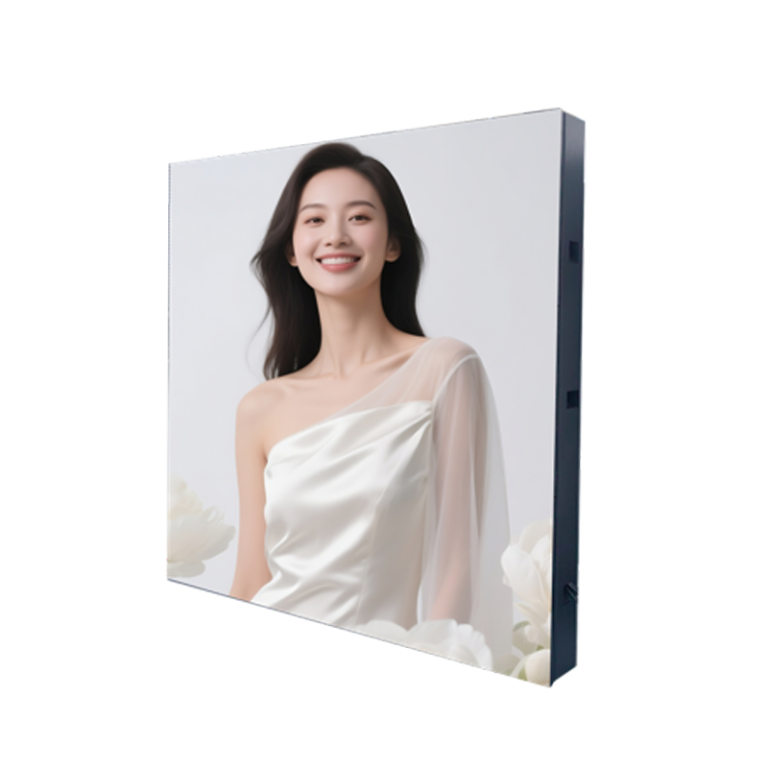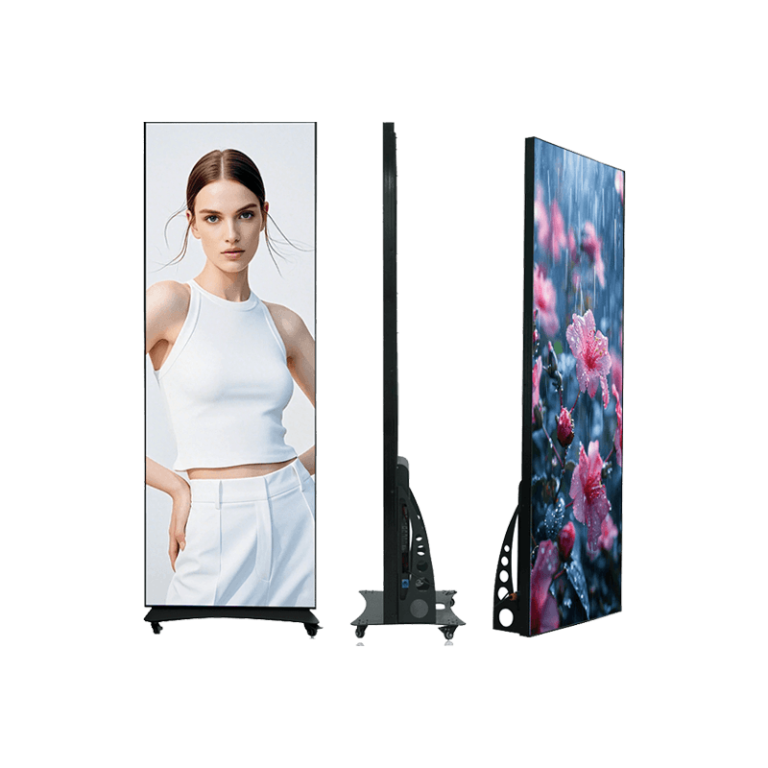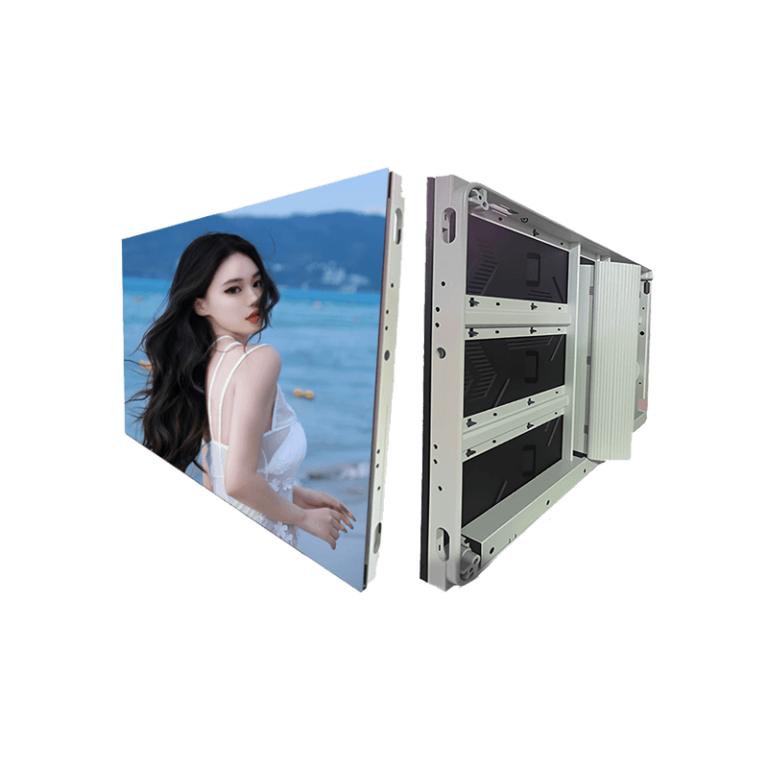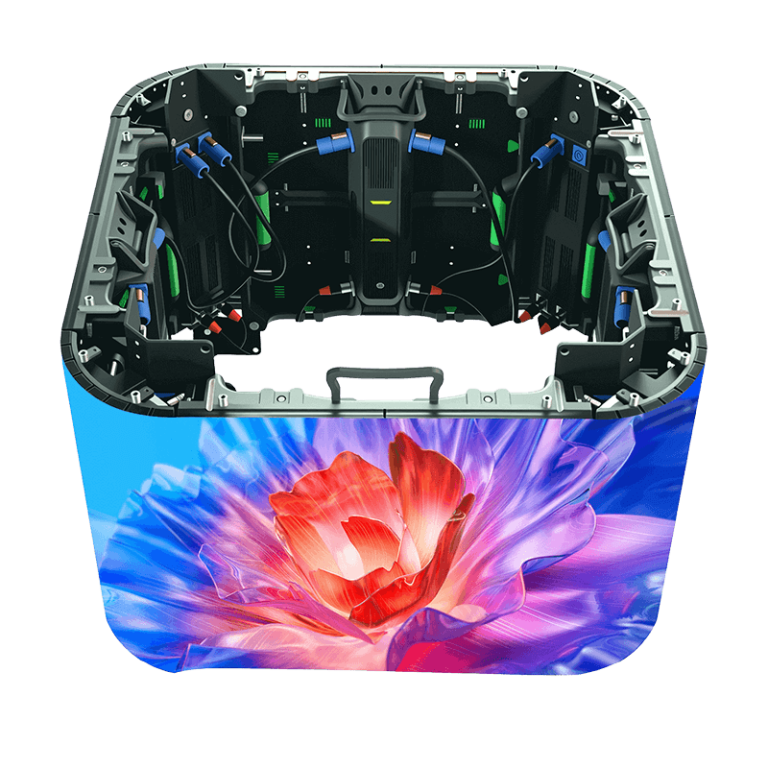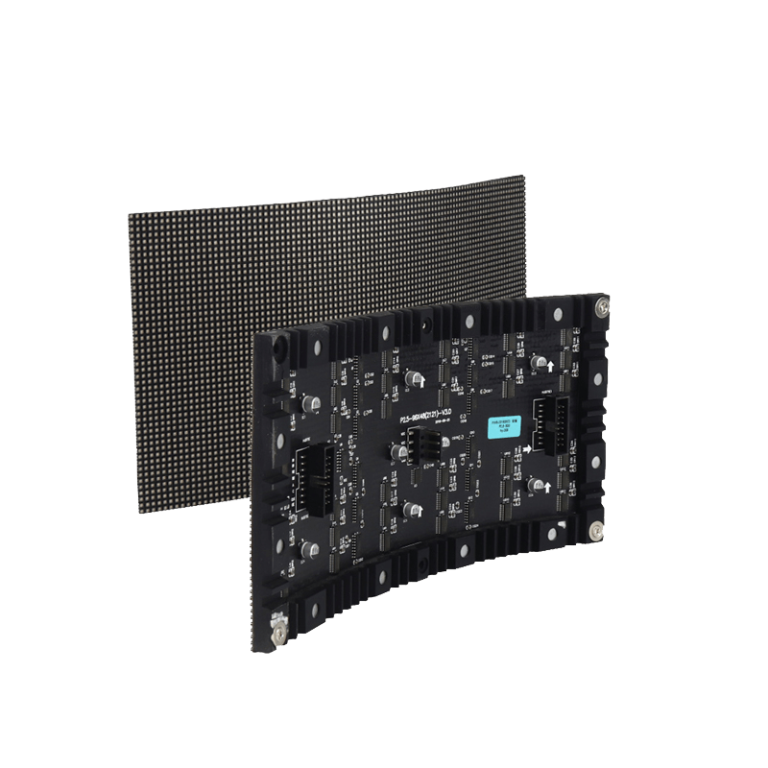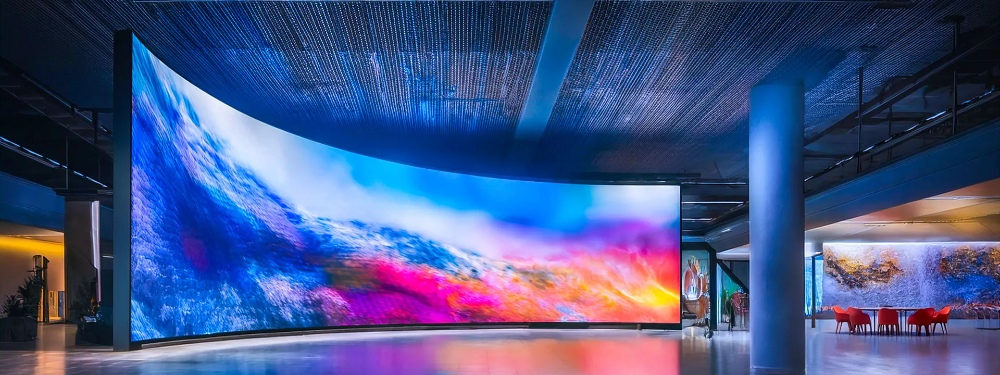
با هدایت معیارهای صفحه نمایش LED انعطافپذیر منحنی ۲۰۲۶، بازار به مرحلهای کلیدی میرسد و به طور کامل از طراحیهای صفحه نمایش سفت و سخت به انعطافپذیر در کاربردهای تجاری و صنعتی تغییر میکند. صفحه نمایشهای LED انعطافپذیر با شکل انعطافپذیر و تطبیقپذیر، در زوایای گسترده خم میشوند و تا میشوند. یک ماژول واحد، زاویه خمش تا ۳۵ درجه به چپ و راست را با حداکثر قوس خمشی بیش از ۱۱۰ درجه ارائه میدهد. این امر، تقاضا برای سطوح منحنی و اشکال عجیب و غریب را برآورده میکند. چنین پیشرفتی ناشی از ترکیب میکرو LEDها، پایههای پلیمری و مدارهای درایور بهبود یافته است. این موارد، صفحه نمایشهای بسیار نازک و کممصرفی را ایجاد میکنند که برای هر ساختمان یا محیط طراحی مناسب هستند.
مروری بر معیارهای صفحه نمایش LED منعطف منحنی در سال 2026
دستاوردهای فناوری قبل از سال ۲۰۲۶ شامل استفاده گسترده از واحدهای فیلم نازک OLED، پایههای ترکیبی فلز-پلیمر و تنظیمات اسکن گسترده میشود. این پیشرفتها قابلیت اطمینان را بهبود میبخشند. صفحه نمایشهای انعطافپذیر واقعاً فناوری نمایشگر را متحول میکنند. آنها از مرزهای سفت و سخت صفحه نمایشهای قدیمی رهایی مییابند. این صفحه نمایشها که بر پایههای خمشونده و قطعات الکترونیکی فیلم باریک ساخته شدهاند، قابلیت خم شدن و شکلپذیری بالایی را ارائه میدهند. از آنجایی که بخشها به دنبال محیطهای جذاب هستند - از فضای داخلی خودرو گرفته تا ویترین فروشگاهها - نقش مواد انعطافپذیر در برنامههای پیامرسانی بصری حیاتی میشود.
روششناسی و معیارهای ارزیابی معیارها
برای ارزیابی صفحه نمایشهای LED انعطافپذیر منحنی، ما یکنواختی روشنایی، سطح کنتراست، دقت رنگ، پایداری نرخ تازهسازی و استحکام فیزیکی را تحت آزمایشهای خمش متعدد بررسی میکنیم. روشهای استاندارد آزمایش، موارد استفاده روزمره را شبیهسازی میکنند. آنها یکنواختی روشنایی در سراسر شعاع خمش، دقت قرارگیری پیکسلها و ماندگاری رنگ را ارزیابی میکنند. این معیارها مهم هستند زیرا عملکرد روان را حتی در صورت خم شدن یا غلتیدن صفحه نمایش در هنگام راهاندازی یا استفاده تضمین میکنند.
معیارهای عملکرد تعریفشده برای صفحه نمایش LED انعطافپذیر منحنی در سال ۲۰۲۶
تحولات نسبت روشنایی و کنتراست
پیشرفت در مدیریت روشنایی پیکسل به پیکسل، نحوه نمایش محتوا در نمایشگرهای منحنی را روی اشکال مختلف سطح تغییر میدهد. نرخهای نوسازی بسیار بالا، تصاویر واضح و بدون لرزش را ارائه میدهند. لایههای نوری اکنون برای کاهش تابش خیرهکننده بهترین عملکرد را دارند. در عین حال، آنها رنگ سیاه عمیق را روی پایههای خمشونده حفظ میکنند. این لایهها وضوح دید را در زیر نور مستقیم خورشید یا چراغهای اتاق پرو بهبود میبخشند - که برای تنظیمات ساختمانهای بیرونی کلیدی است.
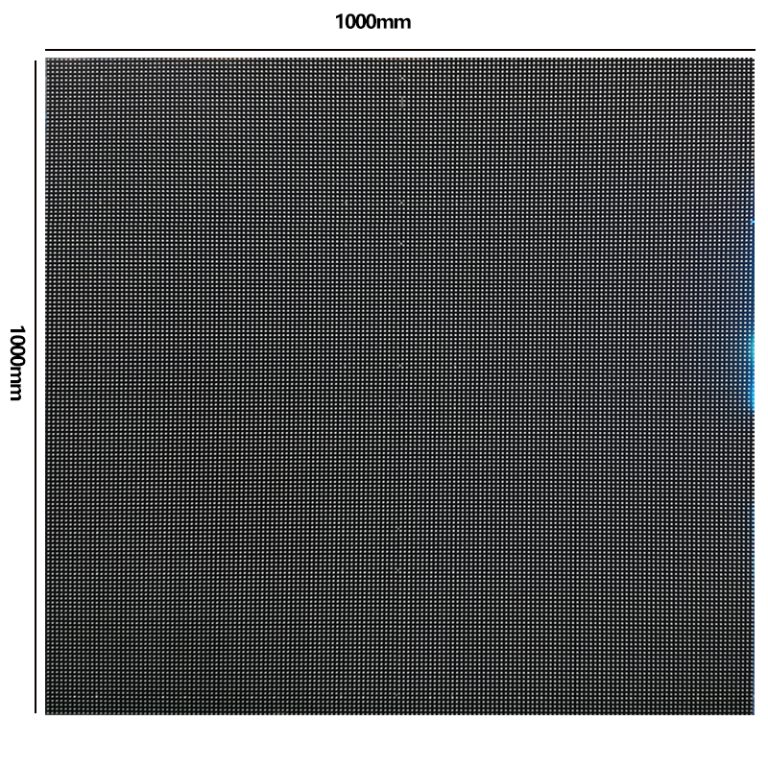
در صفحه انعطاف پذیر LED این تغییر را به خوبی نشان میدهد. این نمایشگر دارای اتصال روان با فواصل کمتر از 0.5 میلیمتر و نرخ تازهسازی بالای 3840 هرتز است. این ویژگی، تصاویر واضحی بدون نقص حرکتی ارائه میدهد. ساختار کممصرف آن 15 تا 20 درصد انرژی کمتری نسبت به نمایشگرهای معمول مصرف میکند. با این حال، کنتراست بالایی را روی سطوح خمیده حفظ میکند.
دقت رنگ و گسترش گاموت
حقیقت رنگ همچنان در قلب بررسیهای معیار برای قوانین ۲۰۲۶ قرار دارد. روشهای بهتر تنظیم RGB، همراه با لایههای نقطه کوانتومی، دامنه رنگ را فراتر از سطوح Rec. 709 گسترش میدهند. حتی در حالت خمیده، کیفیت تصویر یکسان باقی میماند. این نمایشگر، یک صفحه نمایش یکنواخت و ثابت، تصاویر واضح و رنگهای روشن را نشان میدهد. LED های انعطافپذیر نسل بعدی، مدلهای قبلی را شکست میدهند. آنها یکنواختی رنگ بهتری را در شرایط خمیدگی شدید ارائه میدهند. این امر سایههای ثابتی را در سراسر پنلهای متصل در فضاهای جذاب فروشگاه یا نمایشگاه تضمین میکند.
نرخ تازهسازی، زمان پاسخدهی و پایداری حرکت
نرخهای بهروزرسانی بالای ۱۲۰ هرتز اکنون نیاز اساسی برای محتوای زنده در مناطق منحنی را برآورده میکنند. تراشههای درایور تنظیمشده، تأخیر در جریان سیگنال را کاهش میدهند. روشهای تطبیقی، زمانبندی بین قطعات را در حین اعمال خمیدگی حفظ میکنند. صفحه نمایش انعطاف پذیر P3.91 به حداکثر پایداری حرکتی میرسد. ساختار لایه نرم آن از زوایای خمش زیادی بدون از دست دادن چسب پشتیبانی میکند - برای چیدمانهای گرد یا موجی که نیاز به حرکت مداوم دارند، ایدهآل است.
طراحی سازه و نوآوریهای مواد
مهندسی زیرلایه برای انعطافپذیری و استحکام
طراحی مواد، استانداردهای استحکام را برای صفحه نمایشهای LED منحنی و انعطافپذیر در سال ۲۰۲۶ تعیین میکند. پایههای ترکیبی پلیمر-فلز اکنون مقاومت کششی را با ویژگیهای جریان گرما ترکیب میکنند. این پایهها گرما را به خوبی در قطعات بسیار باریک پخش میکنند. صفحه نمایشهای انعطافپذیر LED عمدتاً از ماژولهای انعطافپذیر استفاده میکنند. این پایهها دارای پیوندهای هسته مغناطیسی قوی و بردهای مدار FPC قابل خم شدن از پایههای عایق انعطافپذیر هستند. چنین پلههایی از ترکهای ریز در آزمایشهای تنش خمشی مکرر جلوگیری میکنند. آنها همچنین جریان الکتریکی را در طول هزاران چرخه خمش حفظ میکنند. کنترل گرما از طریق صفحات خنککننده غیرفعال داخلی در ساخت فیلمهای باریک پیشرفت میکند. این امر امکان کار پایدار حتی در طول اجرای طولانی و با استحکام بالا را فراهم میکند.
معماری ماژولار در نمایشگرهای منحنی
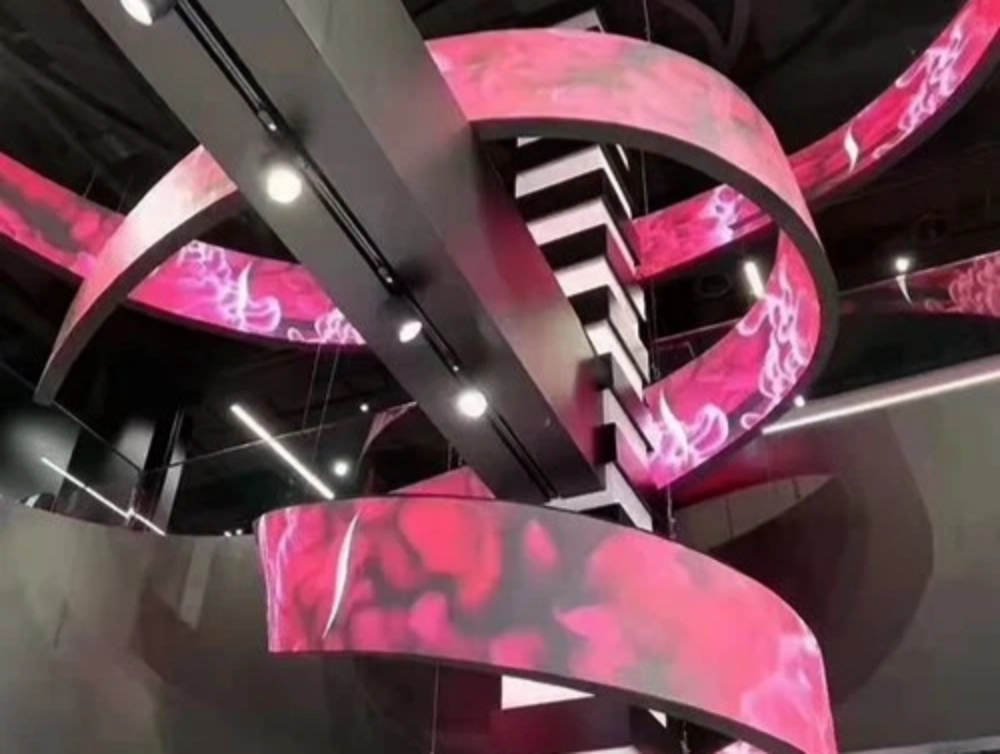
سبک مدولار امکان رشد برای سازههای منحنی بزرگ را فراهم میکند. همچنین از طریق طراحی قطعات قابل جابجایی، نگهداری آسان را تضمین میکند. فناوری آستر صاف، فاصله پیکسلها را در امتداد منحنیها ثابت نگه میدارد - نکتهای حیاتی برای ساخت دیوارهای عریض یا گنبدهای پیچشی در مناطق عمومی. طرحهای منحنی یا لبهدار سفارشی با خطوط مختلف ساختمان سازگار هستند. آنها از محدودیتهای صفحه نمایشهای جعبهای ساده فرار میکنند. مواردی مانند پروفیلهای آلومینیومی (P6.67) از قابهای سبک استفاده میکنند. این موارد به نصب سریع بدون از دست دادن استحکام ساخت یا دقت دید کمک میکنند.
ادغام با سیستمهای کنترل پیشرفته
فناوریهای درایور هوشمند و بهبودهای پردازش سیگنال
سیستمهای تنظیم مبتنی بر هوش مصنوعی اکنون بخشهای اصلی تنظیمات کنترل فعلی برای نمایشگرهای منحنی را تشکیل میدهند. آنها روشنایی را به طور خودکار با تغییر نور اتاق تنظیم میکنند و تنظیمات فوری تصویر را در تمام بخشهای پنلهای مرتبط تضمین میکنند. قوانین ارسال داده به پشتیبانی از جریان داده بالاتر برای پخش با جزئیات بسیار بالا و بدون از دست دادن تأخیر تبدیل میشوند.
صفحه نمایشهای LED انعطافپذیر برای تمام مناطق بزرگ، مناسب نقاط شکلدار هستند. این تنظیمات هوشمند، جزئیات خاص خمیدگی را میخوانند تا نگاشت سیگنال صحیح را حفظ کنند. آنها حتی در اشکال پیچیده مانند تونلها یا دیوارهای داخلی، اعوجاج را از بین میبرند.
پروتکلهای اتصال و همگامسازی برای استقرارهای ۲۰۲۶
روشهای زمانبندی بیسیم در تنظیمات چند پنلی پیشرو هستند. آنها از لینکهای کمتأخیر استفاده میکنند که با سیستمهای صوتی و تصویری فعلی کار میکنند. قوانین لینک مشترک، اتصال بین انواع قطعات را آسان میکند. آنها یک کلید زمانبندی دقیق فریم را برای رویدادهای جذاب مانند نمایشهای عملی یا پنلهای خودرو نگه میدارند.
معیارهای دوام، قابلیت اطمینان و عملکرد زیستمحیطی
آزمایشهای استحکام فیزیکی، سالها فشار کاری را از طریق چرخههای خمش خودکار در دهها هزار تکرار با اندازههای خمش متغیر، شبیهسازی میکنند. ارتباط بین مقاومت در برابر سایش و طول عمر کاری، معیار اصلی را تعیین میکند. این معیار، مراحل تأیید محصول را در سراسر جهان هدایت میکند. صفحه نمایشهای LED انعطافپذیر، مصرف برق کم و طول عمر بالایی نیز ارائه میدهند. لایههای محافظ، سایش ناشی از ورود آب یا نور UV را بیشتر کاهش میدهند - که کار در موزههای داخلی و دیوارهای خارجی را که در معرض آب و هوای متغیر هستند، تضمین میکند.
پیشرفتهای بهرهوری انرژی و مدیریت حرارتی
معیارهای صرفهجویی در مصرف انرژی، بر نیاز کمتر به برق در هر متر مربع در مقایسه با مساحت نمایشگر تأکید دارند. آنها به طور متوسط برای اندازههای خم کمتر از ۵۰۰ میلیمتر، حداکثر روشنایی بیش از ۱۰۰۰ نیت را حفظ میکنند. خنککننده غیرفعال تعبیهشده در لایههای پایه، هیتسینکهای بزرگ را بدون از دست دادن ثبات کار، کاهش میدهد. این مراحل با اهداف سبز جهان مطابقت دارد. آنها از طریق ترفندهای هوشمند بازیابی انرژی در مدارهای درایور، رد کربن مرتبط با تابلوهای دیجیتال بزرگ را کاهش میدهند.
چشمانداز بازار و روند کاربردها تا سال ۲۰۲۶
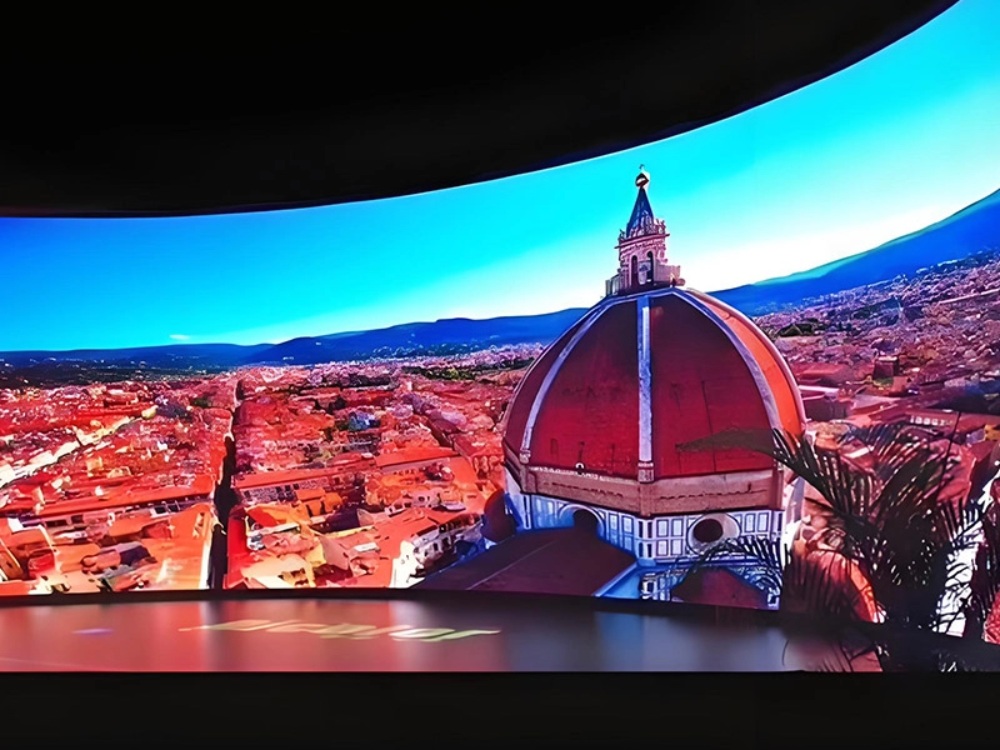
صفحه نمایشهای LED انعطافپذیر منحنی، حوزههای زیادی را به طور همزمان تغییر میدهند - از فضای داخلی خودرو که به نمایشگرهای پنلی تطبیقی نیاز دارند تا دیوارهای رسانهای ساختمان که با جریانهای محتوایی زنده، مناظر شهری را تقویت میکنند. در کنسرتها و رویدادهای بزرگ، صفحه نمایشها به هم متصل میشوند تا پسزمینههای منحنی یا موجدار ایجاد کنند. فضاهای فروشگاهی اغلب از چیدمانهای پیچیدهای استفاده میکنند که داستانها را با ایدههای طراحی فضا ترکیب میکنند. سالنهای نمایش از فرمهای گرد برای مشارکت عمیق بیننده از طریق داستانهای گسترده استفاده میکنند. جدیدترین مدلهای ما به طیف خلاقانهای کمک میکنند که در آن نمایشگرها فضا را شکل میدهند. آنها به خوبی با بازاریابی مبتنی بر تجربه در نقاط گردشگری یا مراکز فرهنگی مطابقت دارند.
چشمانداز رقابتی و محرکهای نوآوری
رقابت بین تولیدکنندگانی که بر کوچکسازی میکرو الایدی، سیستمهای تنظیم مبتنی بر هوش مصنوعی و مسیرهای مواد سبز تمرکز دارند، افزایش مییابد. کار تیمی بین متخصصان مواد، مهندسان تراشه و متخصصان اتصال سیستم، مسیرهای پس از ۲۰۲۶ را شکل میدهد. این مسیرها بر رشد مدولار با روشهای ساخت سبز تأکید دارند.
در این چیدمان متغیر، غرفهها قرار دارند لیالد. این یک شرکت فناوری پیشرفته مستقر در شنژن است که بر روی راهکارهای نمایشگر تمام LED تمرکز دارد و تحقیق و توسعه، تولید و شبکههای فروش جهانی را با ۱۵ سال سابقه پوشش میدهد. شرکت فناوری FWS، یک شرکت فناوری پیشرفته است که بر روی حوزه نمایشگر تمام LED تمرکز دارد و تحقیق و توسعه، ساخت و فروش را پوشش میدهد. سایت ما دارای هشت خط تولید خودرو SMT است که برای کار دقیق تحت چارچوبهای تأیید ISO9001:2008 تنظیم شدهاند. با شنژن به عنوان پایگاه، ما یک شبکه جهانی تحقیق و توسعه، تولید و خدمات ایجاد میکنیم. از طریق تلاشهای جدید و مداوم مانند برنامههای تحقیق و توسعه "روشنایی سبز" که به دنبال پاسخهای کم کربن هستند، ما متعهد به ارتقای مهارتهای مهندسی SIGHT در سراسر جهان هستیم.
برای متخصصانی که به دنبال پاسخهای سفارشی هستند که ترکیبی از انعطافپذیری و اطمینان کاری را در کاربردهای متنوع - از چیدمان صحنه گرفته تا مراکز مسافرتی - در بر میگیرد، از شما میخواهیم که مجموعه کامل محصولات ما را از طریق ما بررسی کنید. پلتفرم رسمی.
برای گفتگو در مورد نیازهای پروژههای سفارشی یا کار تیمی فنی در مورد تنظیمات صفحه نمایش LED منعطف منحنی نسل بعدی که با معیارهای آینده برای استانداردهای 2026 مطابقت دارد، لطفاً از طریق ما با ما تماس بگیرید. صفحه تماس.
سوالات متداول
سوال ۱: چه پارامترهای کلیدی، کیفیت مطلوب نمایشگرهای LED خمیده و انعطافپذیر را تا سال ۲۰۲۶ تعریف میکنند؟
A1: پارامترهای اصلی شامل یکنواختی روشنایی بالای 95٪، نسبت کنتراست بیش از 10000:1 روی سطوح منحنی، نرخ تازهسازی فراتر از حداقل آستانههای 120 هرتز، استقامت مکانیکی تأیید شده طی دهها هزار چرخه خمش، به علاوه دقت رنگ تأیید شده در سطوح تلرانس Delta E ≤ 2 در شرایط نوری استاندارد است.
سوال ۲: معماریهای ماژولار چگونه کارایی تعمیر و نگهداری را بهبود میبخشند؟
A2: مونتاژهای ماژولار امکان جدا شدن پنلهای مجزا را بدون نیاز به برچیدن کل سازه فراهم میکنند؛ ترازبندی یکپارچه، گام پیکسل ثابت را در سراسر منحنیها تضمین میکند، در حالی که مکانیسمهای اتصال مغناطیسی امکان تعویض سریع را در طول عملیات میدانی فراهم میکنند - که زمان از کارافتادگی را به میزان قابل توجهی کاهش میدهد.
سوال ۳: چرا مدیریت حرارتی در ماژولهای انعطافپذیر فوقالعاده نازک بسیار مهم است؟
A3: اتلاف حرارت کارآمد از گرمای بیش از حد موضعی که میتواند یکنواختی پیکسلها را کاهش دهد، جلوگیری میکند؛ زیرلایههای هیبریدی پلیمر-فلز بارهای حرارتی را به طور مساوی توزیع میکنند در حالی که لایههای خنککننده غیرفعال تعبیهشده، پایداری عملیاتی را در شرایط خروجی مداوم با روشنایی بالا که برای طول عمر عملکرد در سطح تجاری ضروری است، حفظ میکنند.