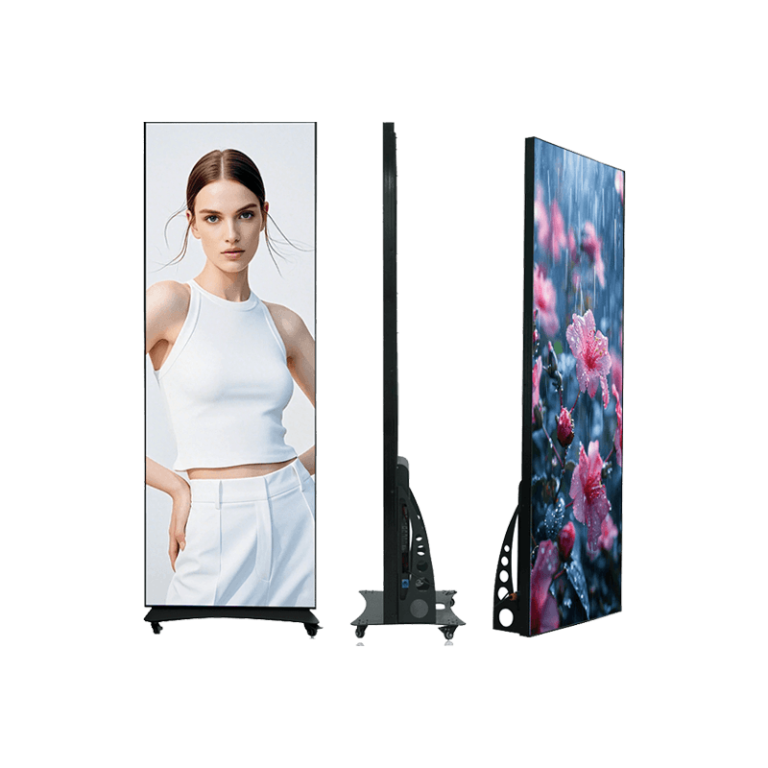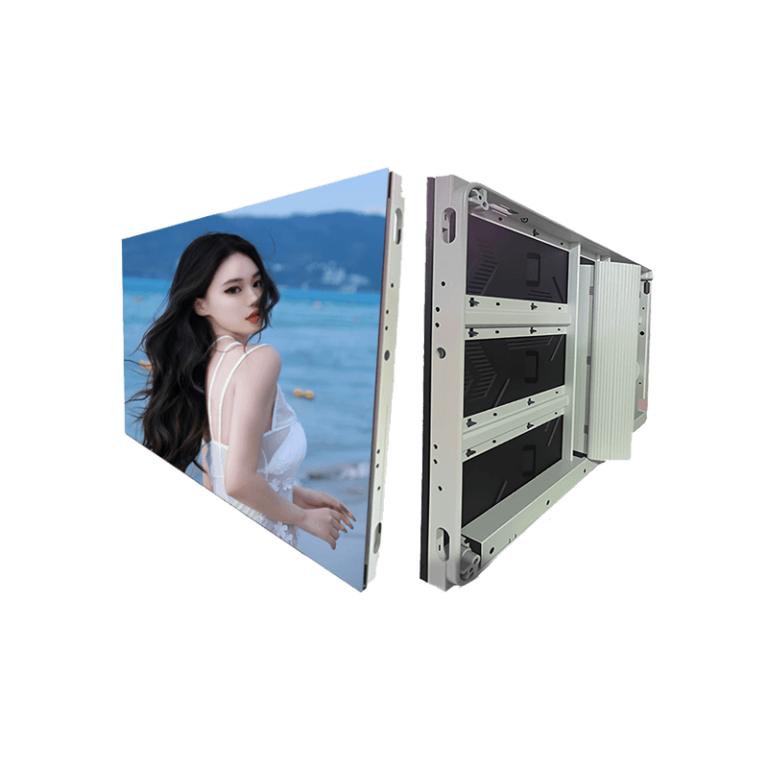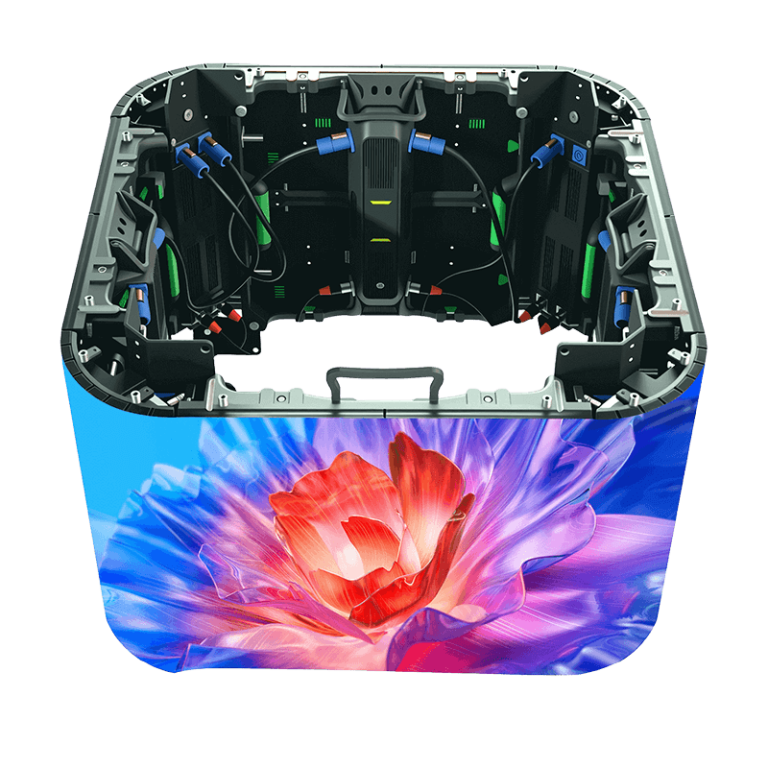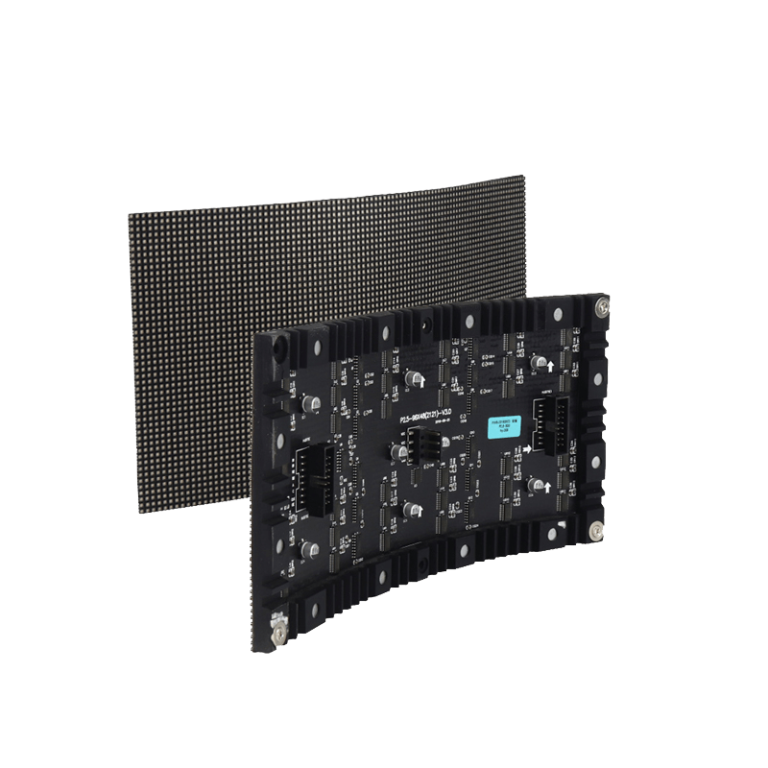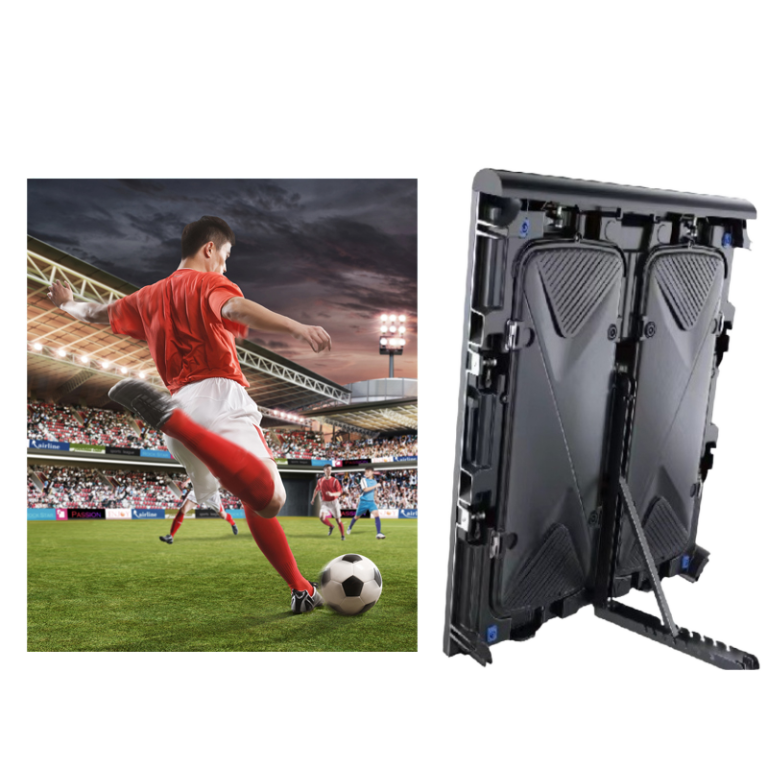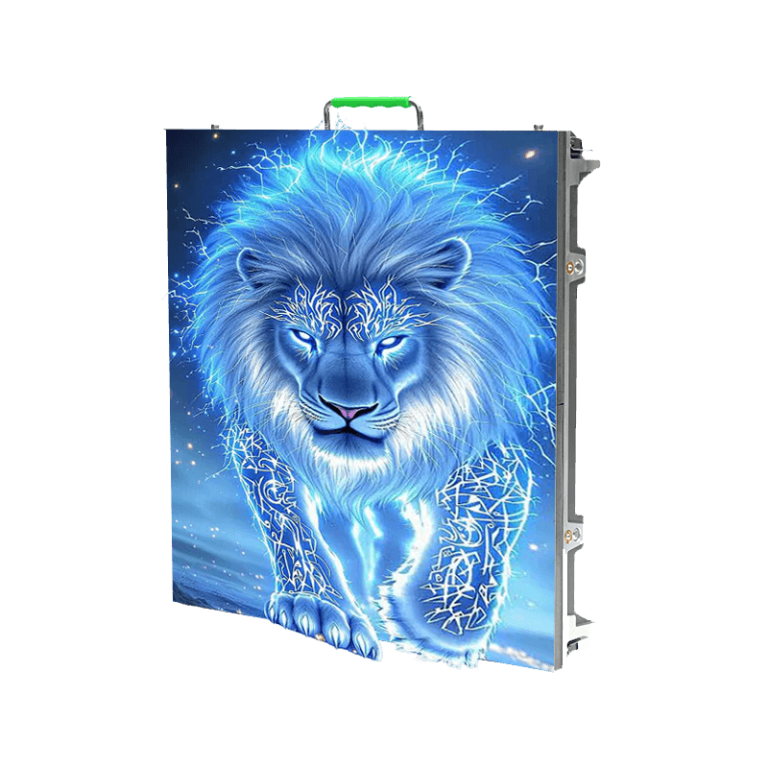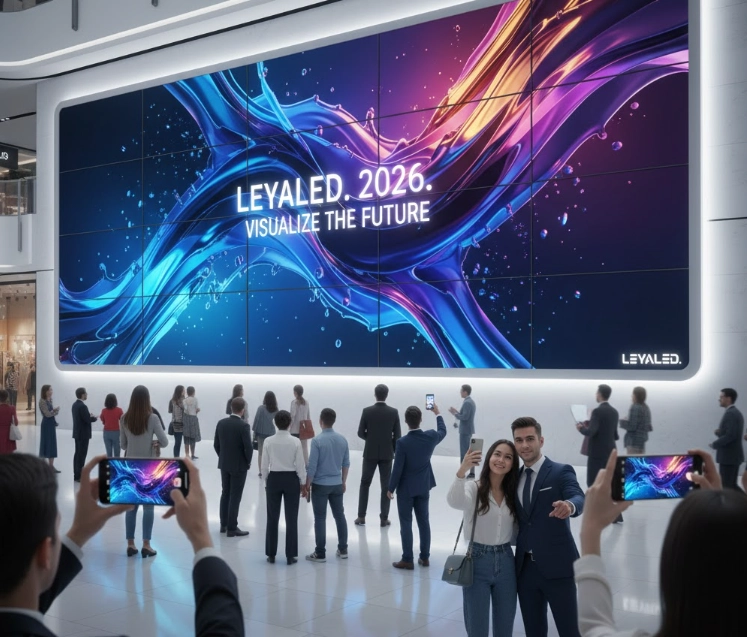
As we approach a marketplace that relies more on digital tools and demands stronger visual elements in 2026, the importance of creating compelling visual narratives has reached new heights. Businesses have seen a clear change in the ways they connect with customers. Simple posters and basic monitors fail to hold the quick interest of today’s shoppers. The sector now favors detailed, adaptable, and lively screen options that turn ordinary indoor areas into engaging spaces full of life.
Before exploring the specifics of current screen advancements, we would like to share a bit about who we are. We operate as Leyaled, a technology-focused company founded back in 2012, with a main emphasis on producing and distributing premium LED screens around the world. Located right in the center of the Guangdong-Hong Kong-Macao Greater Bay Area, our spacious 7,000-square-meter plant features automated assembly lines built to satisfy the toughest global quality rules. In the last 14 years, we have earned trust through close work with countless companies across the globe. Our role goes beyond selling displays; we offer complete visual setups supported by official high-tech approvals and a strong focus on dependable quality. Our staff includes 40% skilled technical experts, which means every task we handle gains from top-notch design work and a focus on real people in our support.
The Rising Demand for High-Density Pixel Pitch in Indoor Spaces
The path of indoor promotion in 2026 centers on closeness and sharpness. Different from large outdoor signs that people notice from far off, like hundreds of meters, indoor screens sit much nearer to viewers, often just within easy reach. Such nearness calls for a pixel spacing that removes any rough texture and delivers a flat, clear look similar to printed pages.
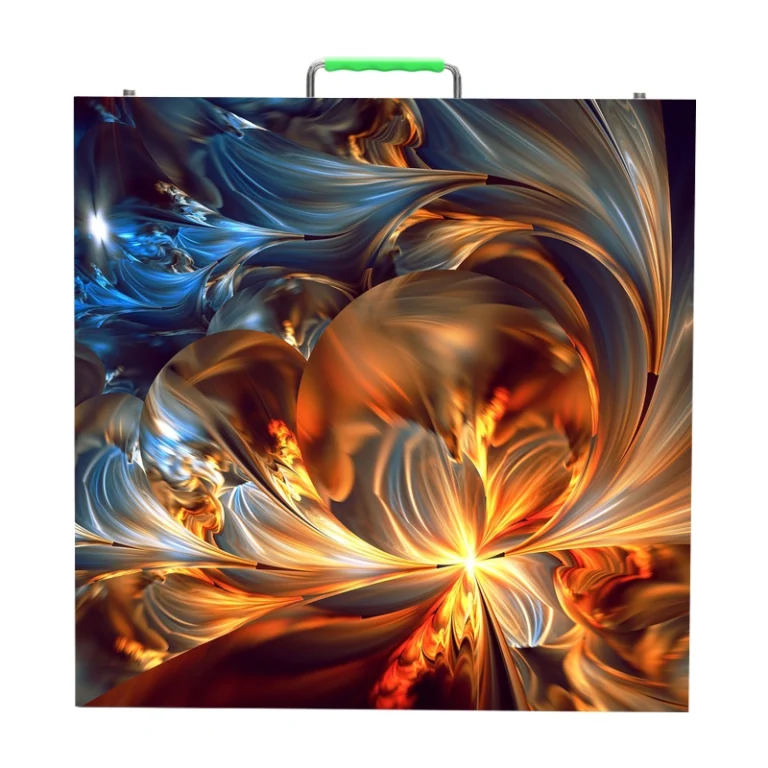
The P3.91 setup hits the right mark in this area. It has a pixel pitch of 3.91mm, striking a good mix of affordability and sharp display quality. Considering the standards for 2026, where 4K and 8K videos are becoming common in office entrances and upscale stores, the close spacing of this pitch keeps all parts of the digital material clear and defined. With 65,536 dots in each square meter, the pictures stay precise even from a distance as short as three meters, making sure viewers get a smooth experience without any blur.
More than simple pixel count, the change in 2026 brings screen tech right into the core structure of buildings. Screens no longer act as extra pieces; they form key parts of room layouts. This shift needs equipment that bends easily, stays light, and holds colors under different light levels inside, from soft-lit galleries to sunny areas with lots of windows in shopping centers, all while keeping the overall design intact and functional.
Engineering Excellence: The Hardware Behind the Visuals
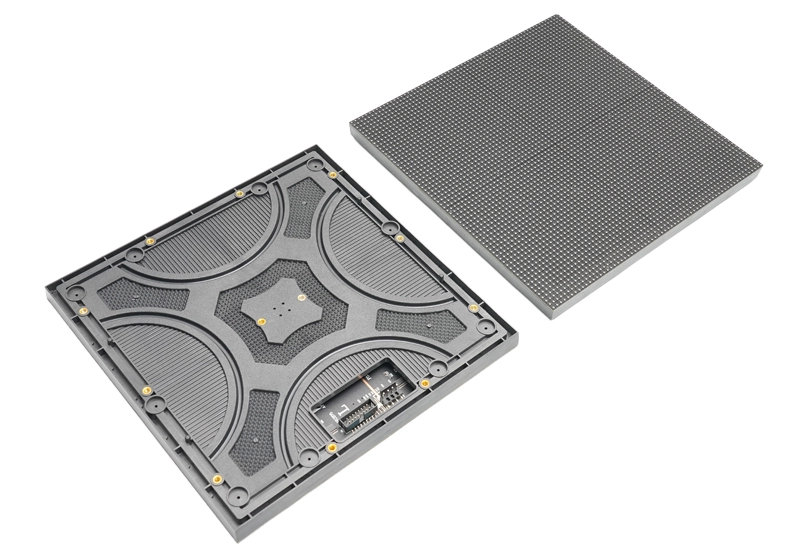
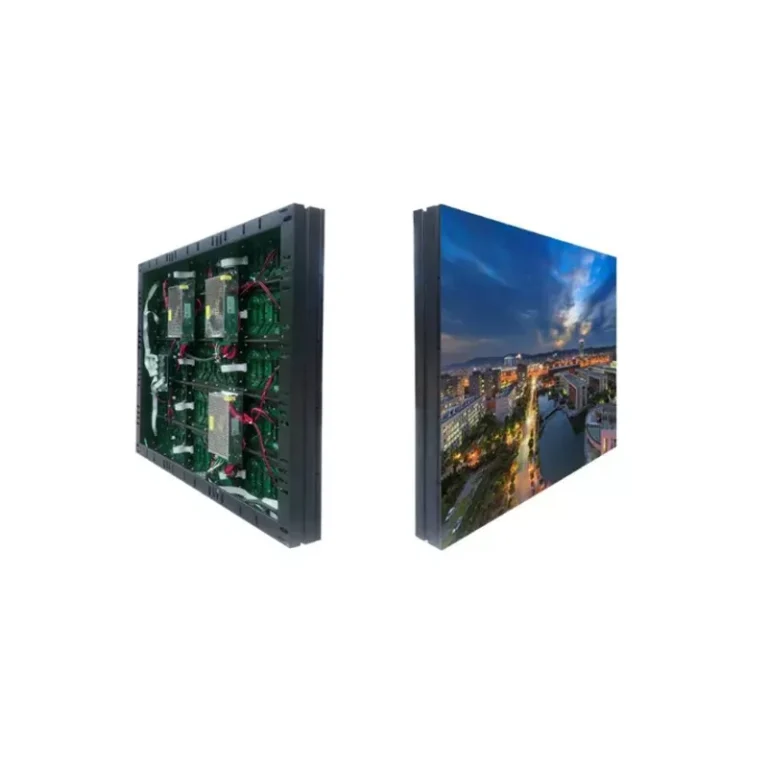
To earn the top spot in a busy field, the actual structure of the screen must match the smart parts within in terms of quality. Our design team has worked hard to shift from bulky, awkward metal frames to precise molded aluminum panels.
Choosing die-cast aluminum changes everything for a few key reasons. It provides solid strength and exact fitting that older options simply cannot equal. Every panel gets made with accuracy down to less than a millimeter, so when they connect, the joins look perfectly smooth. As several units link up to form a big video surface, any spaces between them disappear to the eye, giving a full, unbroken area for sharp content that draws people in.
On top of that, weight plays a big role in setting up screens indoors. Plenty of older structures have limits on how much weight they can hold for wall or ceiling mounts. Our light panels, at about 15kg for each square meter, cut down the pressure on the building’s frame a great deal. This simple handling leads to quicker setup times and cheaper worker fees, something project leaders always keep in mind. The way aluminum lets heat escape also helps the screens stay cooler, which stretches the useful life of the inner parts and keeps steady work going through round-the-clock use without breaks.
Visual Fidelity and the Importance of High Refresh Rates

By 2026, how people take in media has shifted a lot. Almost anyone makes their own content now, and most guests carry advanced phones that shoot at slow speeds or many frames per second. One big issue with past screen tech shows up as shakes or lines when someone films it with a camera.
To fix this problem, the Indoor display P3.91 employs smart control chips that handle refresh speeds from 3840Hz up to an impressive 7680Hz. Such quick rates make sure the picture holds steady, offering no shakes for eyes or phone cameras. This works well for live shows, TV events, or quick social clips shot near the screen, where the output stays clean and professional every time.
Getting colors right forms another main part of how we approach visuals. Using 16-bit color depth, our displays show billions of shades, creating even fades and rich darks. This kind of detail matters a lot for high-end shops and car shows, where the soft glow of cloth or the shine on vehicle lines needs exact matching. The light level, often over 1000 nits in indoor versions, makes sure the material stands out in bright rooms, and the wide 160-degree angle lets everyone in the space see the details without distortion from any spot.
Durability and Long-Term Value in 2026
Buying a digital screen counts as a major investment, and companies in 2026 pay close attention to overall costs and how long things last. A display cannot just shine on day one; it needs to keep that level for many years ahead.
Our promise of dependability begins with picking top-grade LEDs and parts rated for 100,000 hours of use. To make certain each piece passes our tough checks, we run a full 72-hour test run in the plant before shipping. This step spots and fixes any early problems in a safe setting, so the item reaches the customer ready to perform at its best right away.
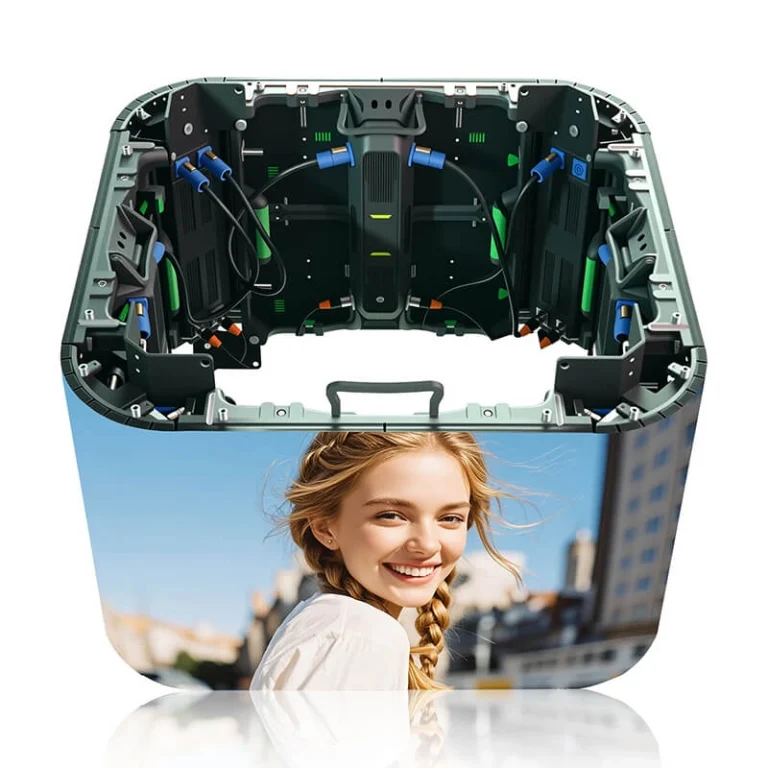
Easy upkeep stands out as another spot where we follow what clients say. Our builds allow access from the front or back sides. In tight store spaces, pulling out a part from the front without taking apart the whole frame saves huge time. This setup cuts stoppages and keeps the promo running, which guards the business’s income flow without interruptions.
Energy Efficiency and Environmental Responsibility
With worldwide rules on power use getting tougher by 2026, how much energy big screens take has turned into a top worry for those running facilities. Past large LED setups often used a lot of electricity, yet new progress lets us shrink their effect on the planet in real ways.
By fitting efficient power units and smart circuit boards, our indoor models keep average use under 180W per square meter. This goes beyond just eco-friendliness; it cuts down regular bills in a direct manner. Plus, less heat means the building’s cooling systems work less hard, adding extra savings on power. Picking an efficient screen lets firms match their promo aims with green goals, all without losing the strong visual punch they need.
Versatile Applications for Modern Businesses
The adaptable spacing of the P3.91 pitch lets it work well in many different places. We have watched these screens go into all sorts of spots, each facing its own set of hurdles, and come out strong every time.
Corporate Showrooms: Firms rely on these clear walls to share their story, showing charts and successes in ways that grab attention with fine points.
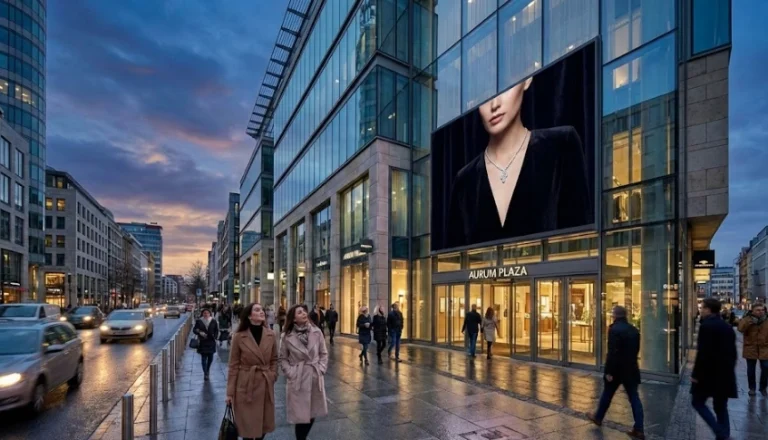
Retail and Malls: High-class stores turn the screens into virtual models or deep-set backdrops that build real bonds with buyers on an emotional level.
Broadcasting and Studios: The quick refresh and true colors make these units ideal for news areas and fake stage setups in production.
Public Venues: Places like airports and rail stops use the sharp view of P3.91 to show live updates and key ads at the same time without confusion.
The way the panels fit together opens up design ideas past the usual flat shape. We shape them into bends, tall forms, or hanging setups that circle people, delivering a full surround digital feel that pulls viewers right in.
Comprehensive Service and Technical Support
We hold the view that support quality matches hardware quality in value. In the quick-moving scene of 2026, customers face no room for holdups. Our help plan aims to ease worries from the first talks through the full life of the item.
Each job starts with a skilled review, where our tech pros guide on the best setup by looking at sight lines, room lights, and build limits. After installation, we back it with a full 3-year coverage, showing faith in how we build things. Our worldwide help system means aid stays close, with promises to handle issues in under a day.
We offer broad lessons for local staff too, so they handle updates and simple fixes without stress. We aim to give clients strength, handing them a solid aid they count on daily to push their work ahead with confidence.
Final Thoughts on the Future of Indoor Displays
Selecting an indoor screen in 2026 shapes how brands look and how customers connect. The P3.91 LED screen leads as the top pick since it meets the main wants of today’s field: top sharpness, solid build, easy setup, and smart energy use. By sticking to these core areas, we keep guiding partners through the twists of online messaging, making sure their words not only reach eyes but stick in minds long after.
If your plan includes updating indoor areas with fresh screen tech, we welcome you to check our wide options. Our group stands ready to craft a sight setup that sparks ideas and brings real gains you can track.Contact us now!
Preguntas frecuentes
Q: What is the optimal viewing distance for a P3.91 indoor screen?
A: For a P3.91 pixel pitch, the optimal viewing distance starts at approximately 3 to 4 meters. At this range, the individual pixels become indistinguishable to the human eye, resulting in a seamless and high-definition image.
Q: How does the refresh rate affect my advertising content?
A: A higher refresh rate, such as 3840Hz or 7680Hz, ensures that the image is stable and flicker-free. This is crucial if people will be taking photos or videos of the screen, as it prevents the appearance of black scan lines in the footage, making it ideal for social-media-friendly environments.
Q: What kind of maintenance does an indoor LED wall require?
A: Our systems are designed for low maintenance, featuring modular components that can be easily accessed from the front or back. Regular checks on the power connections and keeping the surface free of dust are usually sufficient to ensure the screen performs optimally for its 100,000-hour lifespan.