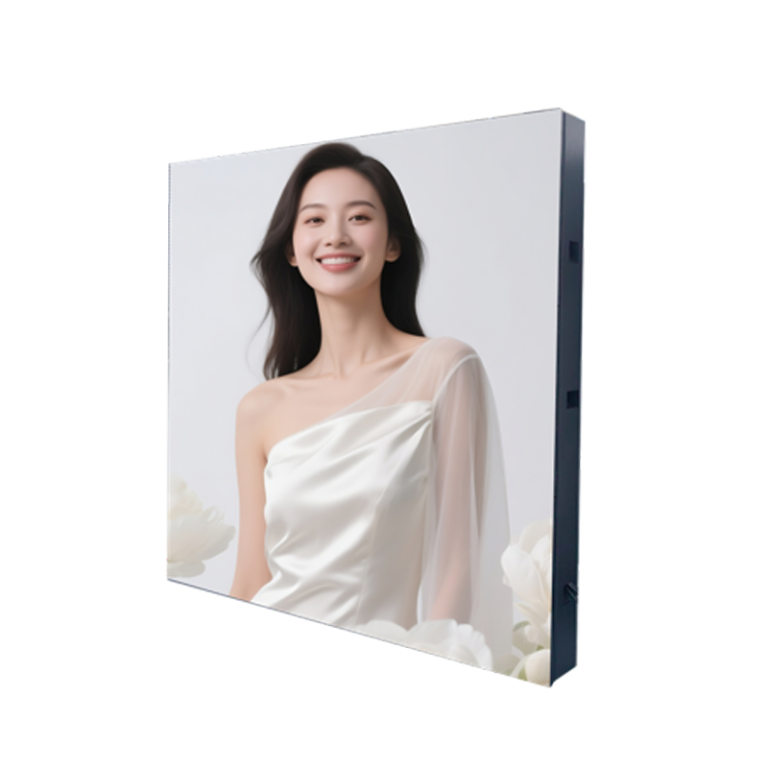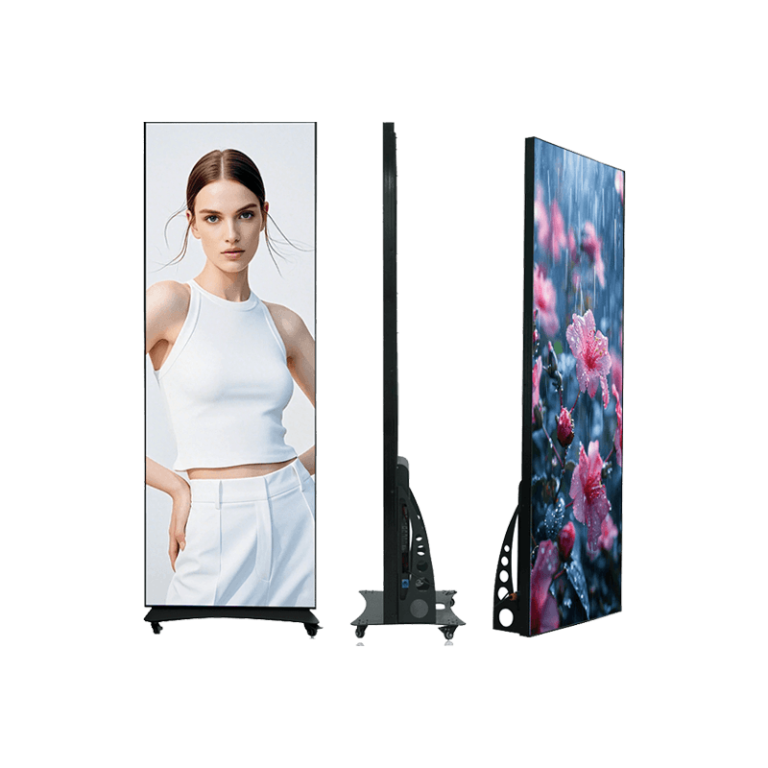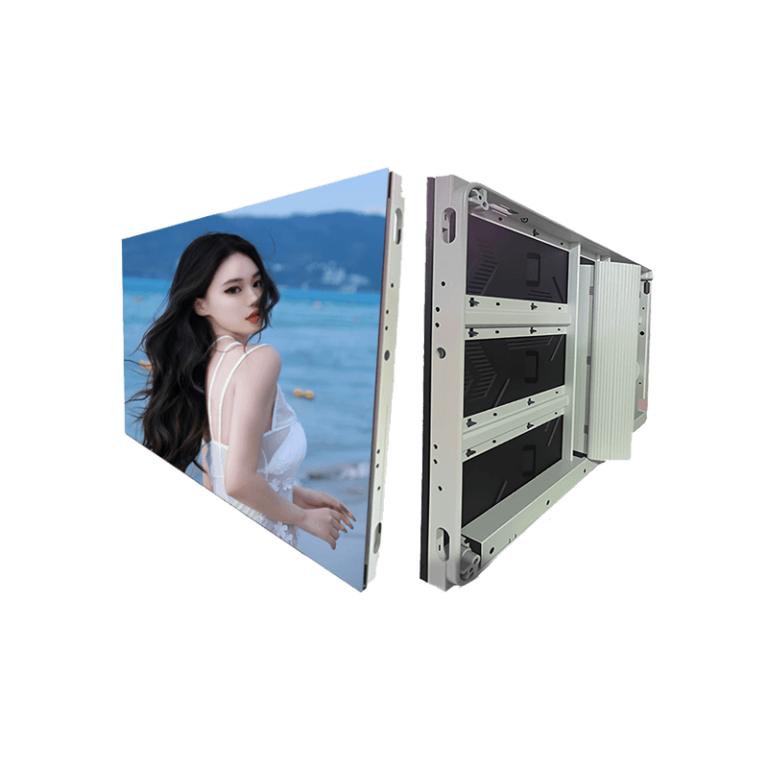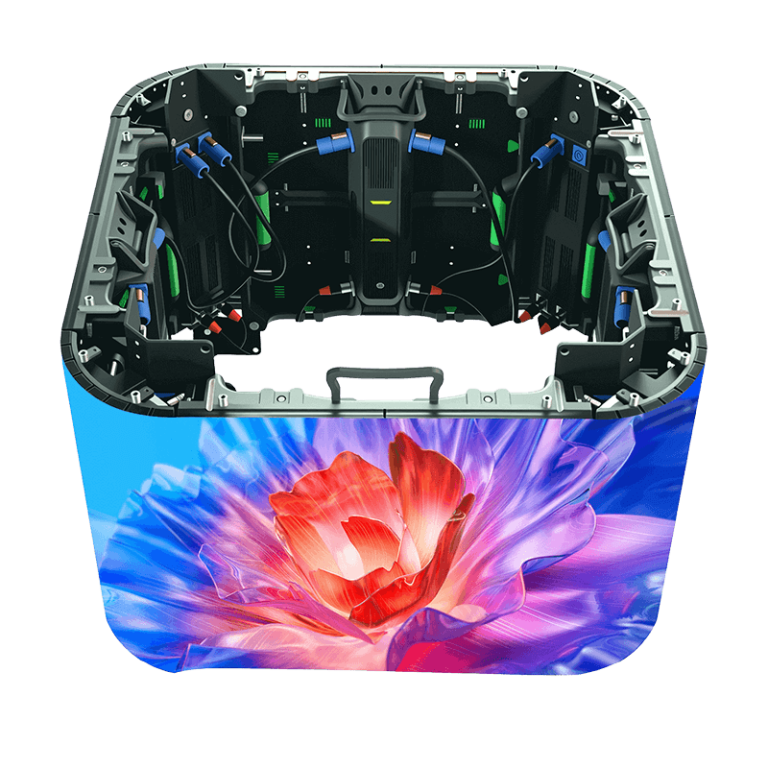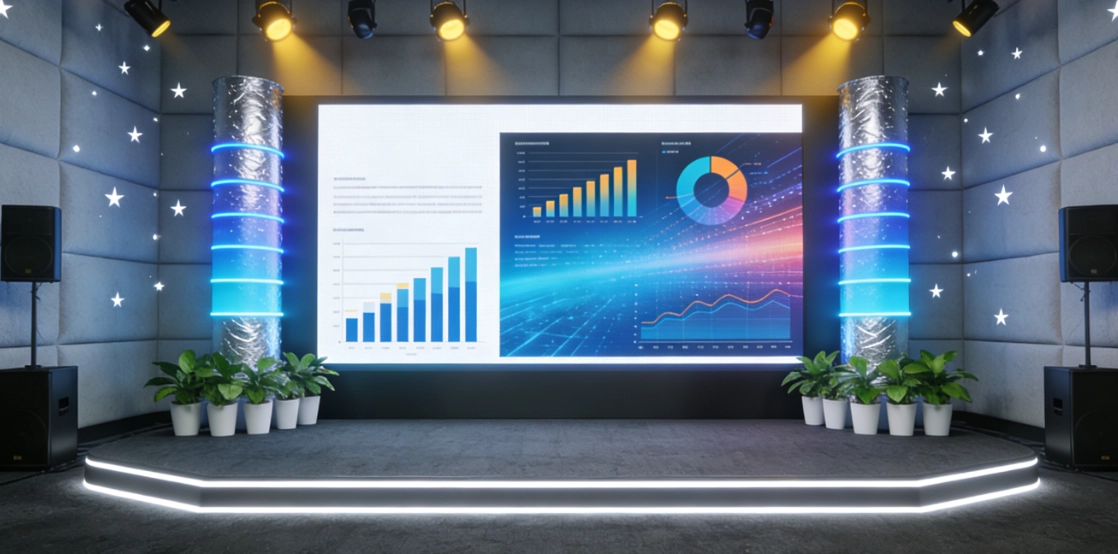
In the current landscape of live production, a truly remarkable event is defined by the depth of its visual impact. Modern audiences no longer just watch a presentation; they expect to be pulled into a sensory experience that lingers long after the lights go down. This shift has placed high-end display technology at the very heart of venue planning.
When you look for a partner to bring these visions to life, experience and reliability are the twin pillars of success. This is where Leyaled steps in. Since our founding in October 2012, we have dedicated over a decade to mastering the art of high-tech LED manufacturing. Based in the innovative hub of Shenzhen, our 7,000-square-meter facility powers the creative needs of thousands of global partners. We don’t just supply hardware; we provide the backbone for digital storytelling. From immersive museum exhibits to high-stakes corporate summits, our team blends technical precision with a deep understanding of what makes a crowd stop and stare. Choosing the right screen is about more than just pixels—it is about trusting a legacy of innovation that ensures your message never misses a beat.
Key Factors to Evaluate When Selecting LED Screens for Events
The Role of LED Screens in Event Success
LED screens have changed the way visual stories unfold at events. For a product launch, a music concert, or an industry seminar, these displays play a key part in showing striking visuals. Their clear, detailed features make sure that each picture and video looks sharp and engaging. This helps grab focus in busy places.
Another key advantage is support for lively content. You can easily move from live streams to branded animations and interactive shows. All this happens with smooth movement and steady visuals. Such flexibility boosts viewer interest. It also makes your message stick better.
Think about scalability too. LED displays fit well into various venue sizes and setups. A small screen works for a training session. A wide arrangement suits a big conference room. Modular builds allow easy adjustments. They match your area and sight lines perfectly.
Aligning Screens with Venue and Event Needs
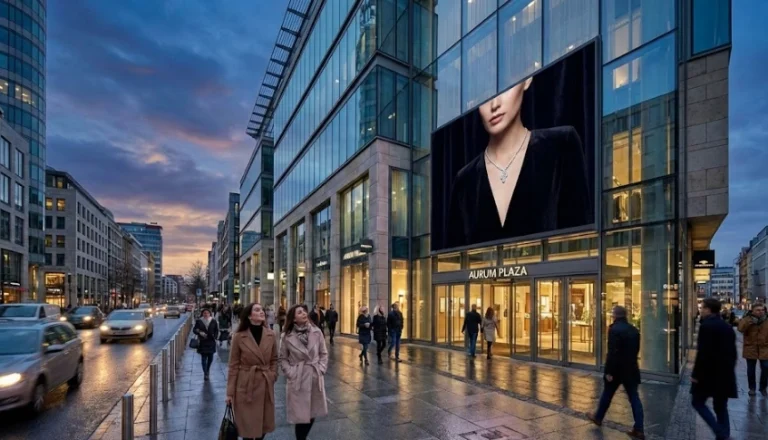
Pick LED screens for events by matching tech details to site conditions. In indoor spots like hotels or exhibit halls, choose displays with average brightness, about 600–800cd/㎡. This cuts down on shine while keeping things visible. Outdoor gatherings need brighter screens to fight sunlight.
The crowd size affects your pick as well. Big spaces call for finer pixel spacing to keep pictures clear from far away. Setups might have blocks or low ceilings. Modular, light LED panels handle these best. They make setup and takedown simple.
Technical Specifications That Matter in LED Screens
Pixel Pitch: Defining Your Image Quality
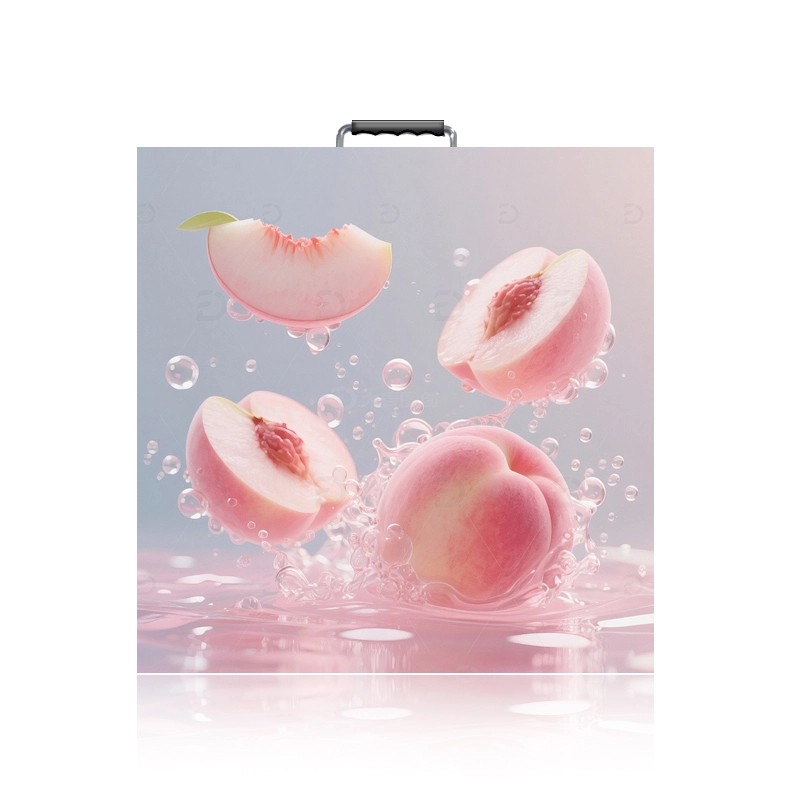
Pixel pitch means the space between two nearby pixel centers. It shapes how clear the image is. A tighter pitch packs in more pixels. This leads to better sharpness. For indoor events with close viewers, a 3.91mm pixel pitch gives great detail. It stays within budget too.
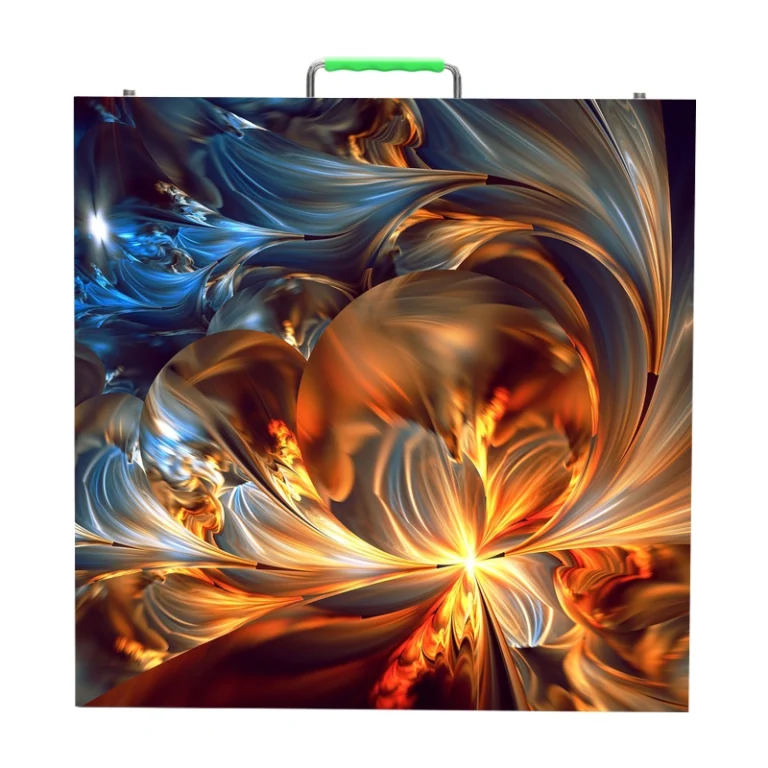
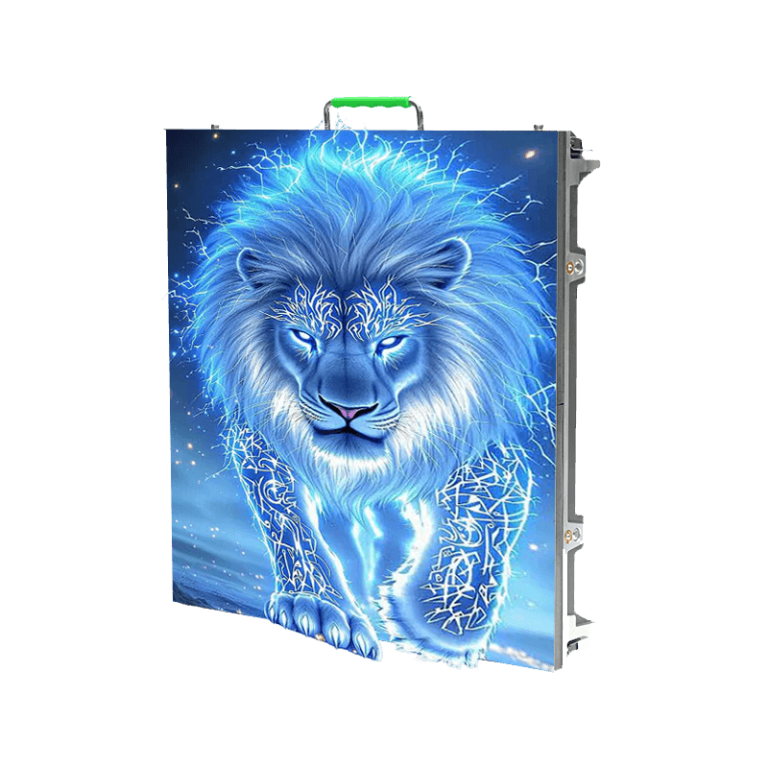
The P3.91 indoor high-definition LED display gives clear image quality with its 3.91mm pixel pitch. It has a density of 65,536 dots/㎡. This setup provides sharp pictures. It’s perfect for detailed talks or movie-like visuals in closed areas.
Brightness Balance for Eye Comfort
Set brightness with care. If it’s too dim, content is tough to spot. If it’s too strong, it strains the eyes. For indoor use, 600–800 cd/㎡ brightness fits malls or meeting rooms. It avoids shine. This level keeps text readable. It doesn’t tire eyes in steady light, like in studios or offices.
Refresh Rate: Ensuring Smooth Playback
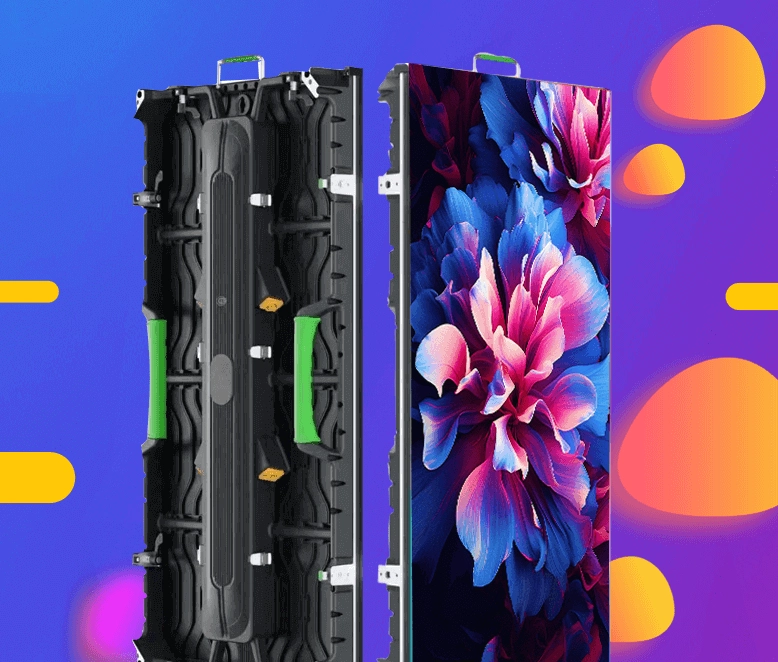
A strong refresh rate matters for fast-moving items like videos or live streams. Flicker distracts and can mess up camera shots in live events. Modern LED panels start at ≥1920Hz. Some go up to 3840Hz. They fix these problems.
It features a high refresh rate. This keeps lively content running smoothly and steadily. Your viewers see clear visuals. There’s no blur or trails from motion.
Color and Grayscale Precision
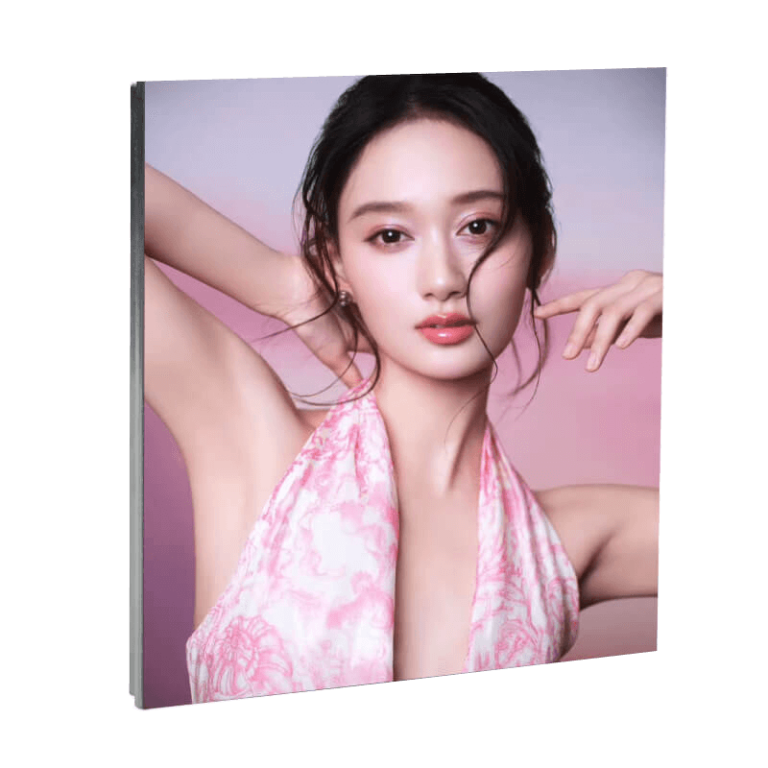
How true colors look decides if content seems real on screen. Clear display: 65,536 dots/㎡, 16-bit grayscale (28.1T colors), ≥1920Hz refresh (3840Hz premium). A 16-bit grayscale allows wide shades. It creates smooth color shifts. This boosts depth. It’s key for brand-focused spots or story visuals.
Design Features That Enhance Event Experience
Seamless Splicing for Immersive Displays
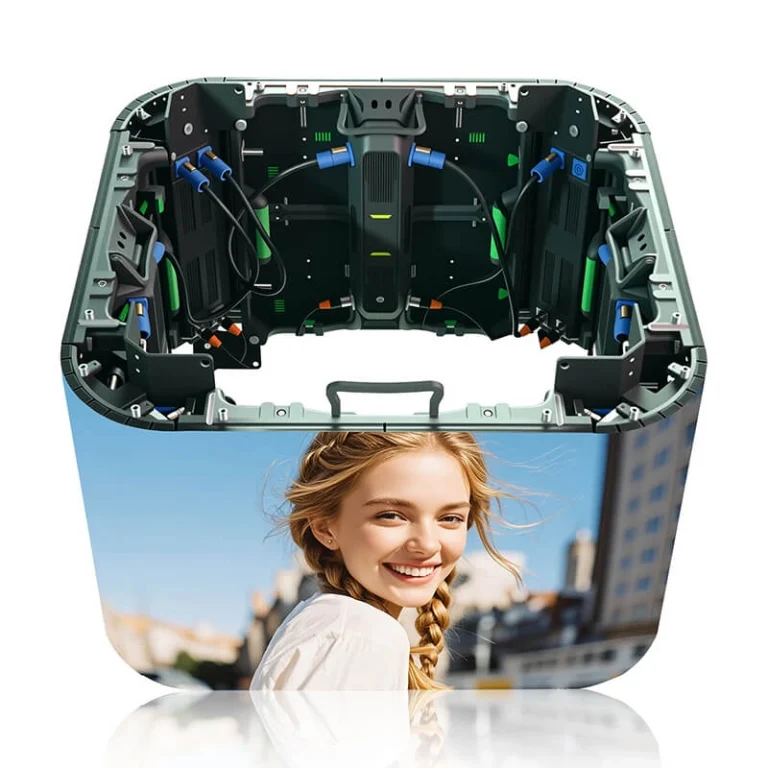
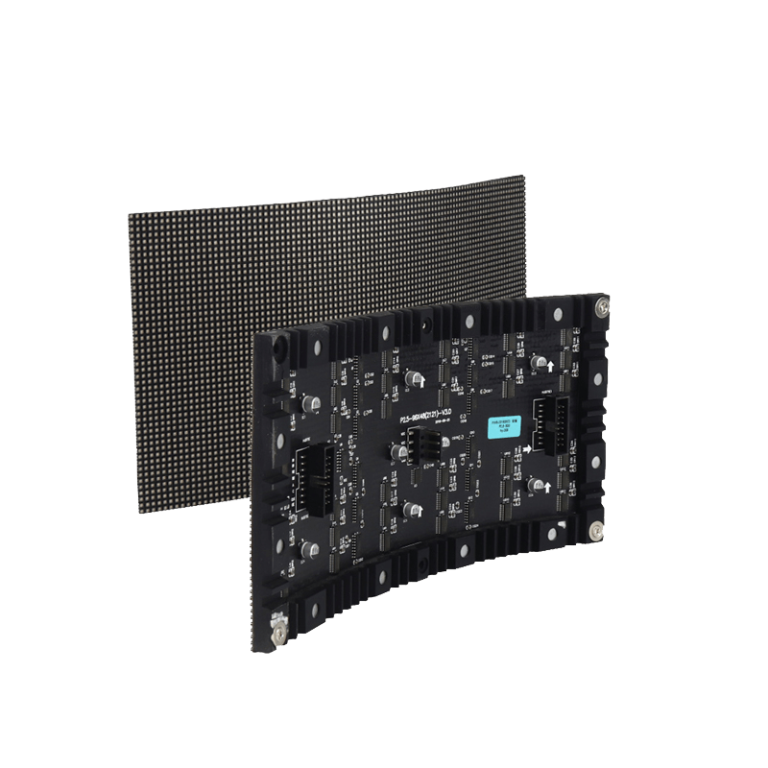
For big displays, smooth joining keeps the look whole. Modular boxes with close fits remove gaps that pull focus. With seamless splicing technology, this display assembles into large, engaging screens. It allows creative shapes. Think wide backdrops or tall digital walls. Image quality stays top-notch.
Broad Viewing Angles for Inclusive Engagement
Not everyone sits up front. Wide sight lines are important. Flicker-free, bright colors, 140°H/120°V wide view. These spans keep image quality even. Everyone in the space gets the same strong view.
Lightweight Durability for Event Logistics
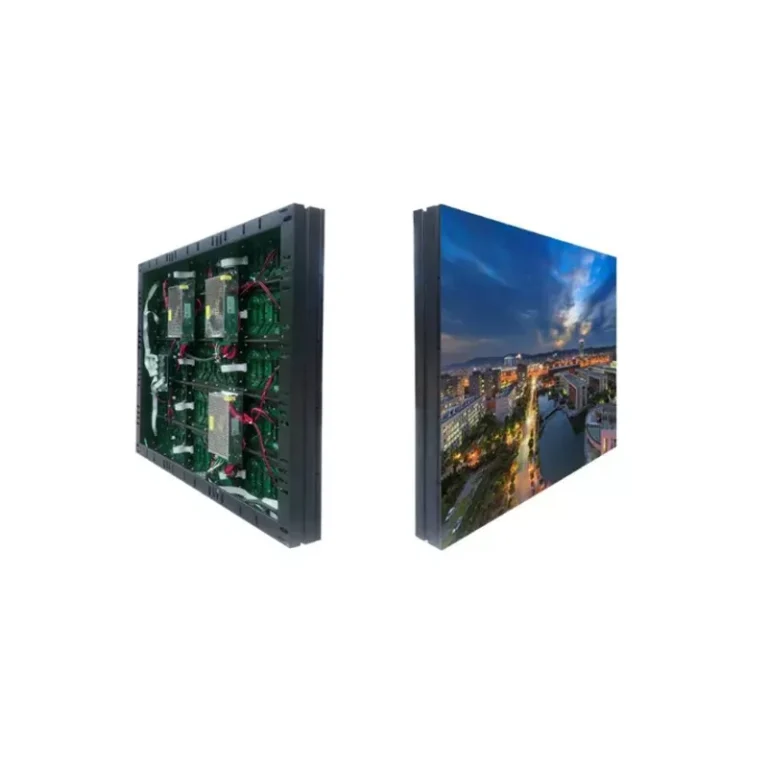
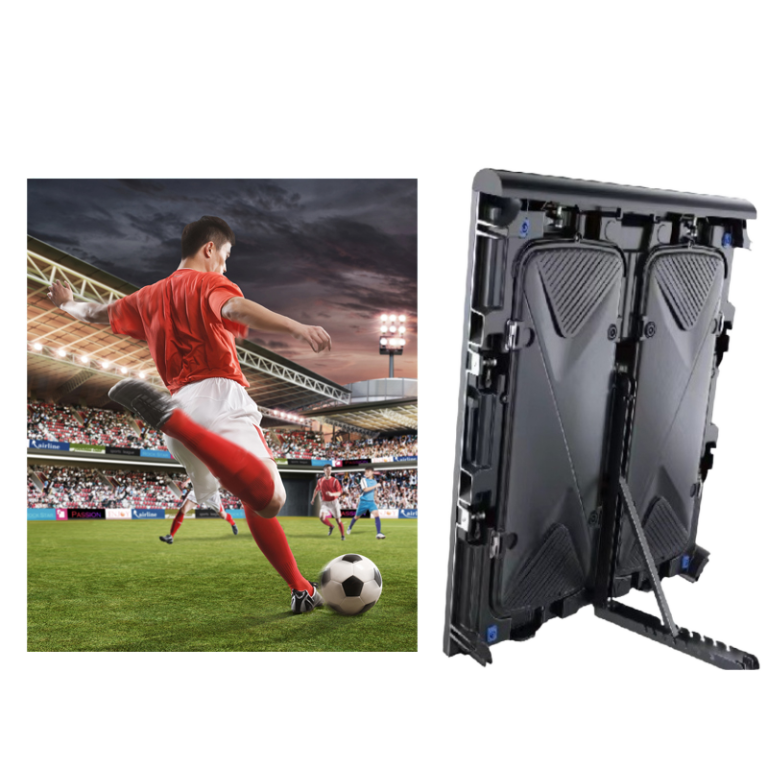
Events move quickly. Time and safety count most. Light boxes from die-cast aluminum handle easy during install and pack-up. Light and thin box, easy to disassemble and assemble. Strong covers and smart packing, like EPE cotton and cardboard corner guards, protect in travel.
Practical Considerations Before Making a Purchase Decision
Installation Requirements and Flexibility
Before buying an LED setup, check how it fits your site. Modular options let you adjust screen sizes for odd shapes or limits like low ceilings or curved walls.
Setup ways, like hanging or floor-based, should fit your event’s needs. Installation to achieve seamless splicing means less work on site. It speeds up prep time too.
Maintenance Efficiency and Packaging Protection
Busy spots require gear that’s tough and simple to fix. Modules need front or back access for fast swaps. No full teardown required. We use premier cardboard and neutral packing to pack products. EPE cotton and cardboard corner guards are added inside. They stop damage from bumps in shipping.
Parts wear out over time. They might need tweaks. Modular systems make checks and changes easy. This cuts idle time in key event slots.
Support Services and Contact Information from Leyaled
Picking the best screen is just one step. Good help from experts can boost your project. At Leyaled, get pro advice. It covers screen size, pixel pitch, setup choices, and brightness for your spot.
After-sale help matters too. Quick tech support runs through the product’s life. A call or email brings aid. This gives calm knowing performance stays strong at each event.
Preguntas frecuentes
Q: What makes the pixel pitch of 3.91mm ideal for indoor events?
A: It offers a balanced resolution that supports clear visuals even at close viewing distances without inflating costs unnecessarily.
Q: Can I customize the screen size based on my venue’s dimensions?
A: Yes, modular cabinets allow flexible assembly to fit various configurations—ensuring seamless integration into your space layout.
Q: How does Leyaled ensure product safety during shipping?
A: They use neutral packaging with EPE cotton and cardboard corner guards to reduce risks of damage caused by transport collisions.