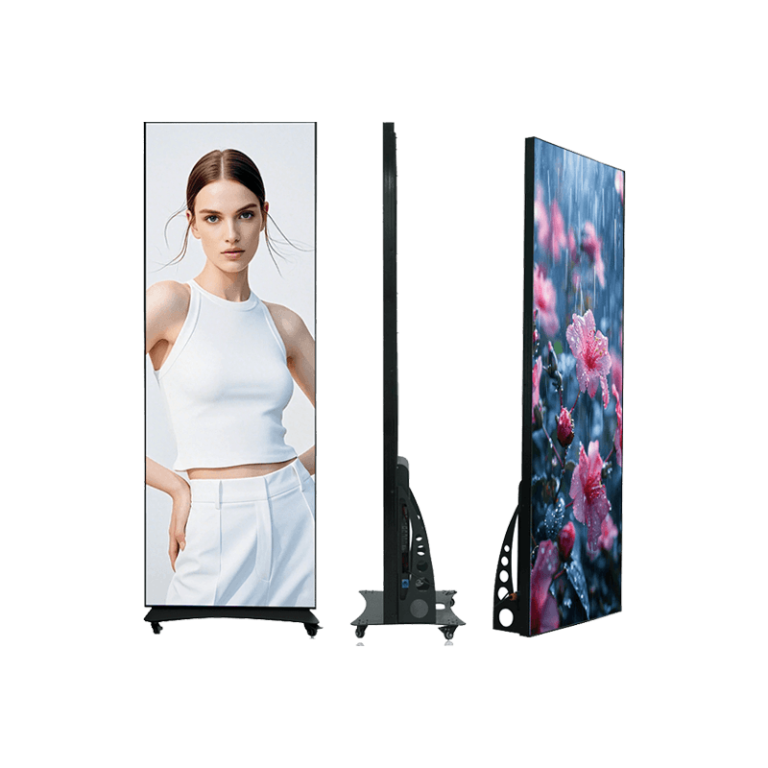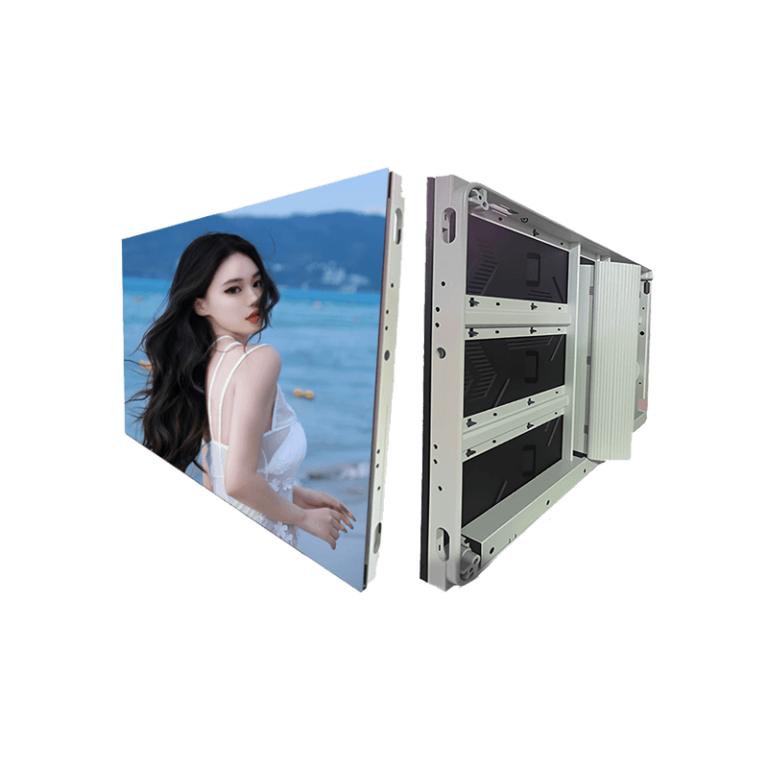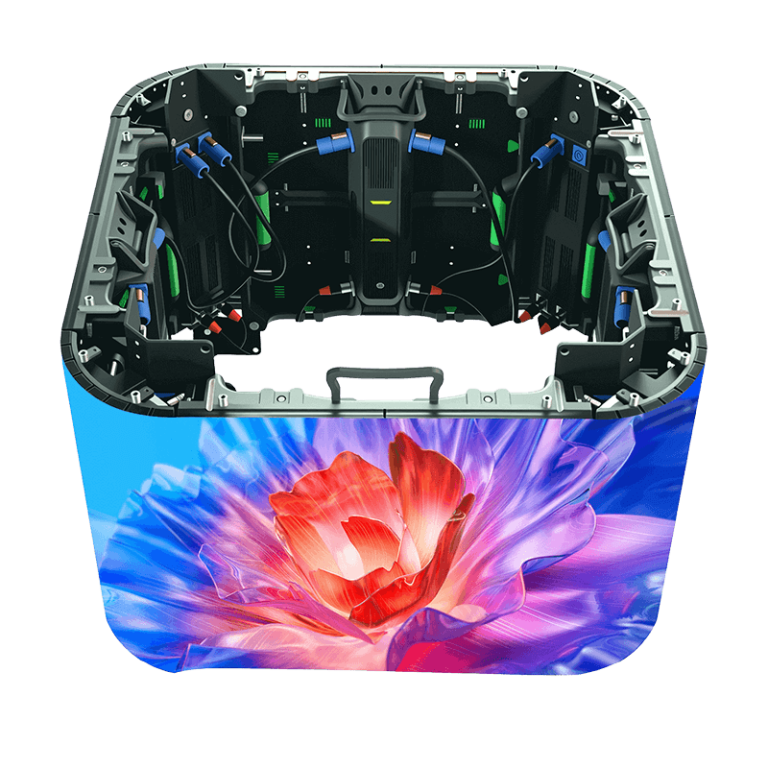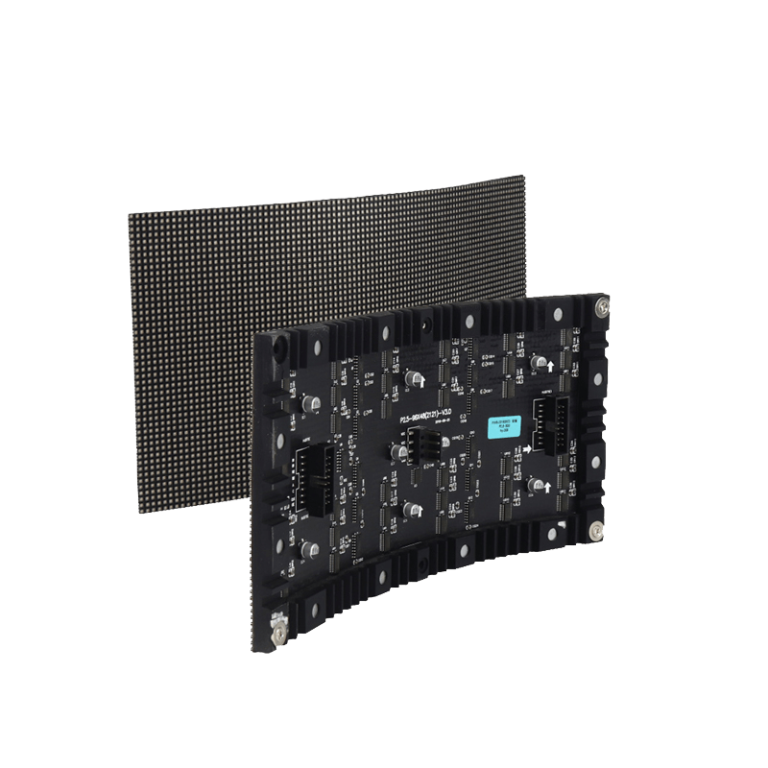
As we walk into 2026, the need for visual setups is changing quickly. We are leaving behind basic, low-quality billboards and heading toward engaging, dense visual spaces that require exact technical work. For more than ten years, Leyaled has led this change, seeing the shift from heavy P10 screens to slim, sharp displays. We do more than just make products; we are a group of engineers, creators, and fixers focused on perfecting pixels. Started in the center of the Greater Bay Area, our 7,000-square-meter plant turns basic materials into stunning visual works. Our staff, with 40% in technical R&D roles, works toward one goal: to offer skilled, top-notch, and full services that help our partners succeed.
We think hardware and support must work together closely. When you pick us as a partner, you gain years of know-how from many winning projects in Southeast Asia, Europe, and the Americas. We push for steady new ideas, making sure every part from our automatic lines follows strict “Industry 4.0” rules. We value the faith you give us, so we stick to a view where quality forms the base of lasting. If you are an installer seeking a steady supply line or an event planner wanting a screen that holds up in a live show, we are the committed pros handling the details to make your idea a lively truth.
The 4K Outdoor Revolution: More Than Just Pixels
The definition of a “video wall” has evolved. In 2026, an outdoor video wall is no longer just a digital poster; it is a 4K or even 8K canvas capable of broadcasting live events with zero latency or displaying naked-eye 3D content with cinematic precision. However, as pixel pitch shrinks, data density explodes.
A standard P3.91 outdoor screen boasts a physical dot density of approximately 65,536 dots per square meter. When you scale this up to a massive stadium screen or a building facade, you are dealing with a bandwidth requirement that pushes traditional cabling to its breaking point. This brings us to the critical architectural debate of 2026: Do you rely on the traditional Audio Video Switch Matrix (AVSM) or embrace the flexibility of Audio Video over IP (AVoIP)?
Defining the Contenders: AVSM vs. AVoIP
To choose wisely for your upcoming job, it helps to understand the clear differences in how these two systems work.
The Traditionalist: AVSM (Matrix Switching)
AVSM stands for the direct-circuit method. It sets up a fixed physical link from source to screen.
- The Pros: It sends raw video with almost no delay. For a set, smaller job where the control area sits right behind the screen, this stays a firm, though stiff, option.
- The Cons: It relies on lots of gear and resists growth. If you want more inputs or to widen your video wall, you might have to swap the whole matrix switcher frame. Also, send distance stays short due to HDMI or DVI wire limits, needing costly boosters for far stretches.
The Futurist: AVoIP (Networked Distribution)
AVoIP packetizes video data and transmits it over standard 1G or 10G Ethernet networks (Cat6 or Fiber).
- The Pros: Scalability is infinite. To add a screen, you simply plug a decoder into the network switch. To add a source, you plug in an encoder. Crucially for 2026, it allows for decentralized management. You can control a massive outdoor display in a stadium from a server room kilometers away via fiber optics.
- The Cons: It introduces minor latency (milliseconds) and uses compression, though modern codecs like SDVoE have rendered this visually lossless.
Our Verdict: For high-end, large-scale 4K outdoor projects in 2026, AVoIP is the superior architecture due to its flexibility and integration with smart city infrastructures. However, a robust network architecture means nothing if the endpoint—the screen itself—cannot handle the signal fidelity.
Why Hardware Matters: Matching Architecture to P3 Specifications
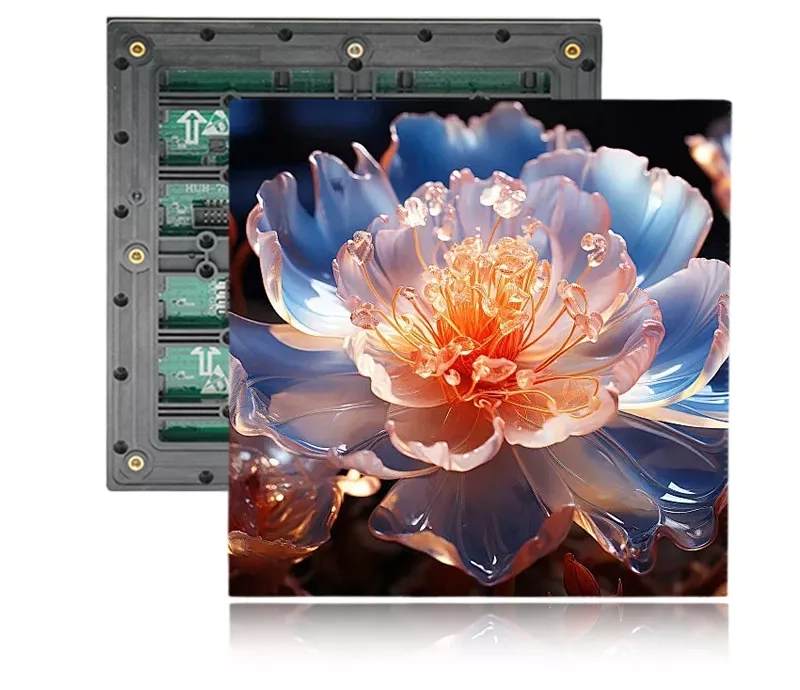
You might have the quickest AVoIP network anywhere, but if your LED parts lack the speed or light output to show that data, the spend wastes away. Here, the match between design and our Outdoor Display P3 decides if the project wins.
1. The Necessity of High Refresh Rates
In an AVoIP environment, data packets arrive at high speeds. If the screen’s driver IC cannot refresh the LEDs fast enough, you get visual artifacts, tearing, or the dreaded Moiré effect when filmed.
Our P3 outdoor series solves this with a refresh rate ranging from 3840Hz to 7680Hz. This specification is non-negotiable for 2026 standards. Whether it is a live camera feed at a concert or a high-speed sports replay, our screens ensure the image remains stable and flicker-free. High refresh rates also allow for smoother grayscale transitions (14-16 bit), ensuring that the subtle color gradients in a 4K HDR video are preserved perfectly, even under bright sunlight.
2. Battling the Sun: Brightness and Efficiency
Outdoor video walls meet the top foe: straight sunlight. A regular indoor screen (600-800 nits) appears dark outside. Our P3 answer gives a light level of 5500 to 10,000 nits.
But raw light alone does not suffice. We use “Green Lighting” tech. With smart light tweaks, our screens adjust to surroundings. Even if light drops to 20% at night to avoid glow pollution, our strong color tech keeps the picture clear and not blurred. This mix of power and savings is vital for cutting ongoing run costs (OPEX) for your customers.
3. Seamless Splicing for True 4K
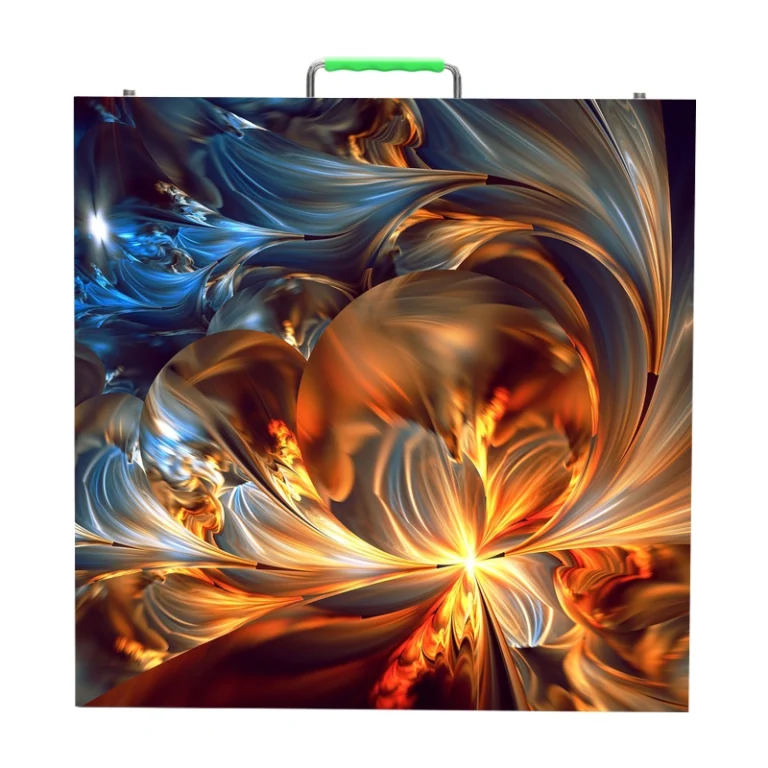
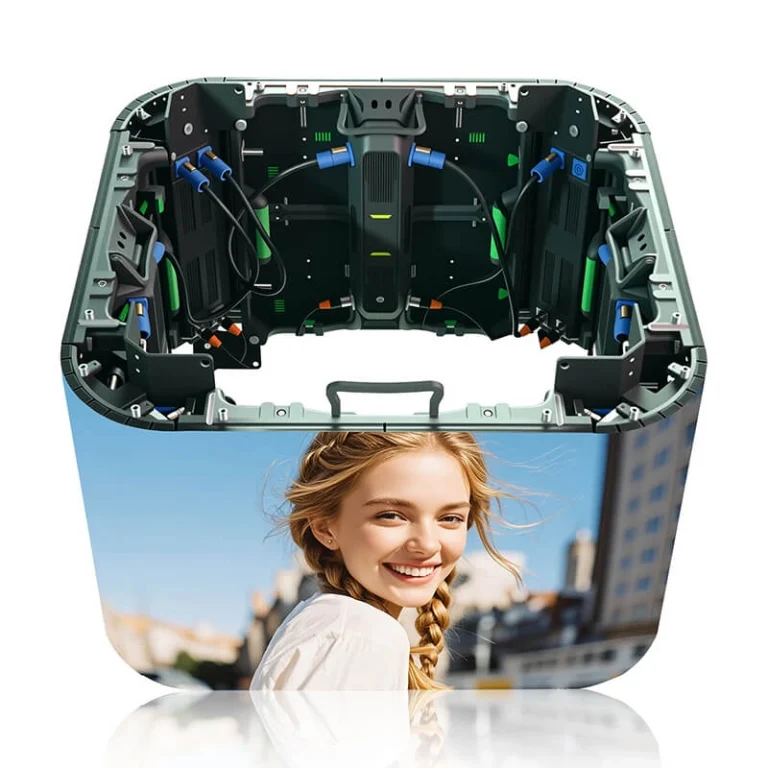
The promise of a video wall is a unified image. Gaps between cabinets destroy this illusion. We utilize high-precision die-cast aluminum cabinets (typically 500x500mm or 500x1000mm). Unlike iron cabinets, die-cast aluminum is molded with CNC precision, ensuring that the tolerance is less than 0.1mm.
This allows for truly seamless splicing. When you are building a 4K wall, which might require combining hundreds of cabinets, this mechanical precision ensures that the pixel pitch remains consistent across the entire surface. The result is a visual feast that looks like a single, monolithic sheet of digital glass.
Reliability in Harsh Environments: The IP65 Advantage
In the debate of architecture, we must not overlook durability. An outdoor 4K wall is an investment that must survive typhoons, heatwaves, and freezing winters. We engineer our products to withstand the elements, ensuring that your content keeps playing regardless of the weather.
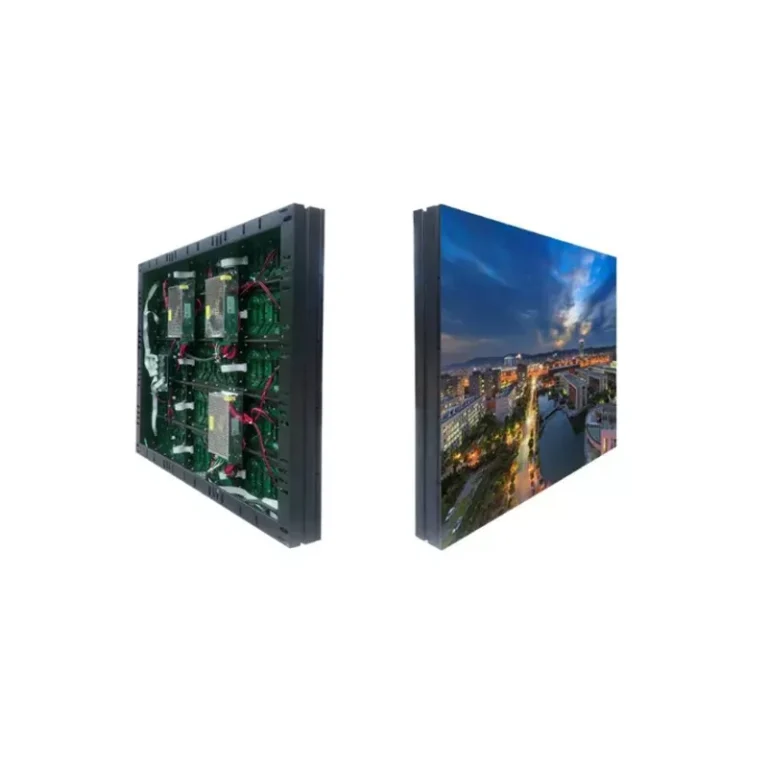
Waterproof Engineering: Our outdoor modules achieve an IP65 protection rating or higher. We achieve this not just by sealing the cabinet, but by using advanced glue-filling technology on the module surface and incorporating waterproof rubber rings. This prevents moisture ingress, which is the primary cause of “dead pixels” in outdoor displays.
Thermal Management: Heat is the enemy of electronics. Our all-aluminum housing design features high-height heat dissipation ribs. This physical design maximizes surface area for natural cooling, eliminating the need for noisy, power-hungry air conditioning units in many installations. We test our screens rigorously, ensuring stable operation from -20℃ to 60℃.
Dual Power Redundancy: For critical AVoIP deployments, downtime is unacceptable. We offer dual-voltage power supply options with automatic deployment. If one power unit fails, the backup takes over instantly. This “hard connection” design eliminates loose internal cables, further increasing system stability.
Use Cases: Where P3 + AVoIP Shines
To visualize how these technologies come together, we have compiled a comparison of key application scenarios for 2026.
| Application Scenario | Primary Challenge | The Leyaled Solution (P3 + AVoIP) | Key Benefit |
| Outdoor Concerts | Rapid setup & Live broadcasting | Die-cast Aluminum Rental Cabinets + High Refresh (3840Hz) | Lightweight design (approx. 15kg/m²) allows for quick hanging; high refresh ensures no flicker on camera. |
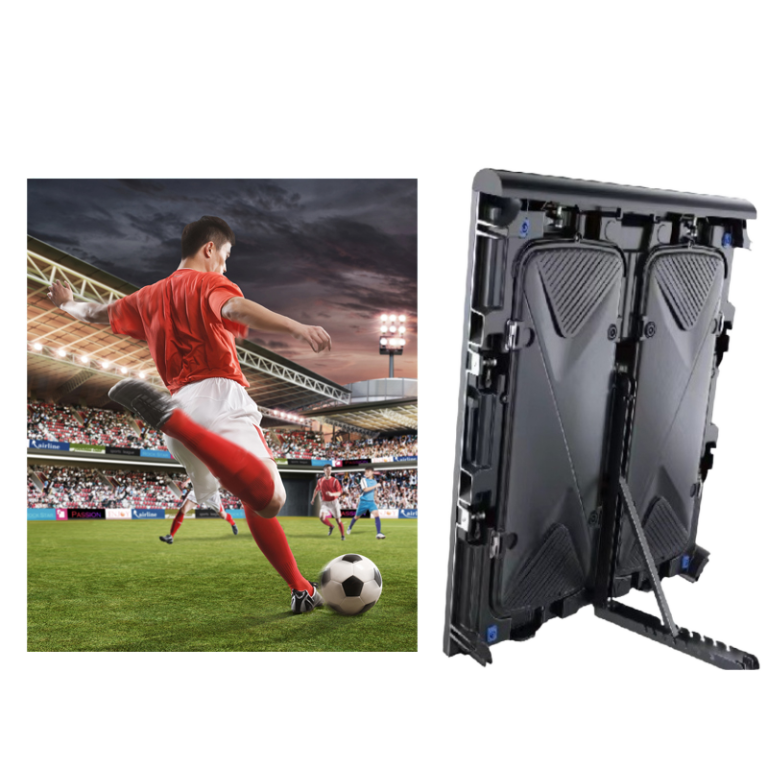
| Sports Stadiums | Safety & Distance | Soft Mask Modules + Fiber Optic AVoIP | Soft masks protect athletes from impact; AVoIP allows the control room to be hundreds of meters away. |
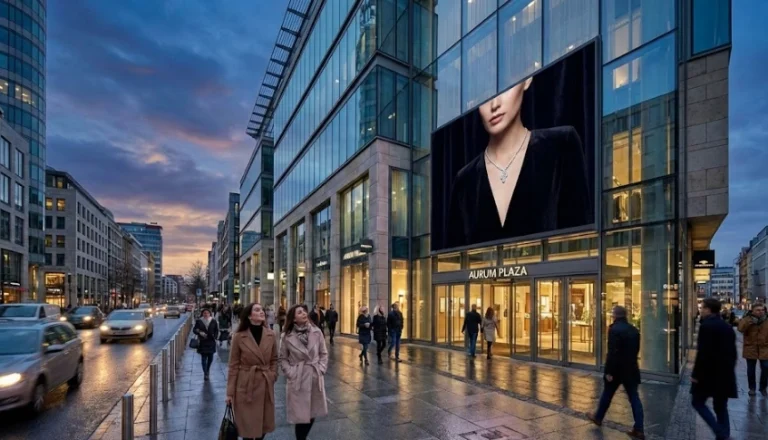
| 3D Billboards (DOOH) | Visual Impact & uptime | Seamless Splicing + Dual Power Supply | High contrast (5000:1) enables naked-eye 3D effects; dual power ensures ads run 24/7. |
| Smart City Info | Distributed Management | Intelligent Cluster Management + 5G/Network | Manage hundreds of screens remotely; auto-brightness adjusts to day/night automatically. |
Note on Rental Applications: When we mention rental products, we refer to the specialized lightweight cabinets we manufacture for AV rental companies to purchase and add to their inventory for events. We provide the hardware that makes your rental business profitable.
Service & Support: The Human Element
Tech works only as well as the help behind it. We hold that getting a video wall starts a teamwork, not ends a deal.
We stand by our gear with a 3-year free warranty and lifetime tech aid. Our sureness stems from our steps: every screen goes through 72 hours of extreme aging testing—like high-pressure and high-heat cycles—before leaving our Shenzhen plant.
If a problem pops up, our “one-on-one project responsibility system” makes sure you avoid a phone queue. We vow a reply in 24 hours. We also give forward care tips, showing your group how to wipe screens and set values to stretch the life of the display past the usual 100,000 hours.
Conclusion
In 2026, the issue goes beyond picking AVoIP or AVSM; it centers on selecting a full system that brings outcomes. While AVoIP gives the needed bandwidth for current 4K data send, it needs a display end that matches its output.
By pairing the growable design of AVoIP with the fast refresh, strong light, and tough IP65 shield of our Outdoor Display P3, you create a lasting visual tool. We urge you to see past the numbers and spot the worth of careful building and loyal teamwork.
If you aim to lift your outdoor visual jobs and wish to talk tech details for your next setup, our group waits to hear. Let us shape the next era of outdoor display tech side by side.
Preguntas frecuentes
Q: What is the main advantage of using P3 pixel pitch over P10 for outdoor screens in 2026?
A: P3 pixel pitch offers significantly higher resolution and pixel density (over 65,000 dots/m²) compared to P10. This allows for clear, 4K-quality viewing from much closer distances (3-5 meters), making it ideal for pedestrian-level advertising and high-impact events where audience engagement is critical.
Q: Can your outdoor P3 displays really withstand heavy rain and extreme heat?
A: Yes. Our displays are engineered with an IP65 waterproof rating using advanced glue-filling and waterproof rubber rings. They also feature aluminum housings with specialized heat dissipation ribs, allowing them to operate reliably in temperatures ranging from -20℃ to 60℃ without external air conditioning.
Q: Does using AVoIP architecture add latency to the video wall display?
A: While AVoIP does introduce a microscopic amount of latency compared to direct Matrix Switching, modern high-bandwidth networks and efficient codecs have reduced this to milliseconds, which is virtually imperceptible to the human eye. For live events, our screens’ high refresh rates (3840Hz+) further ensure smooth, synchronized playback.