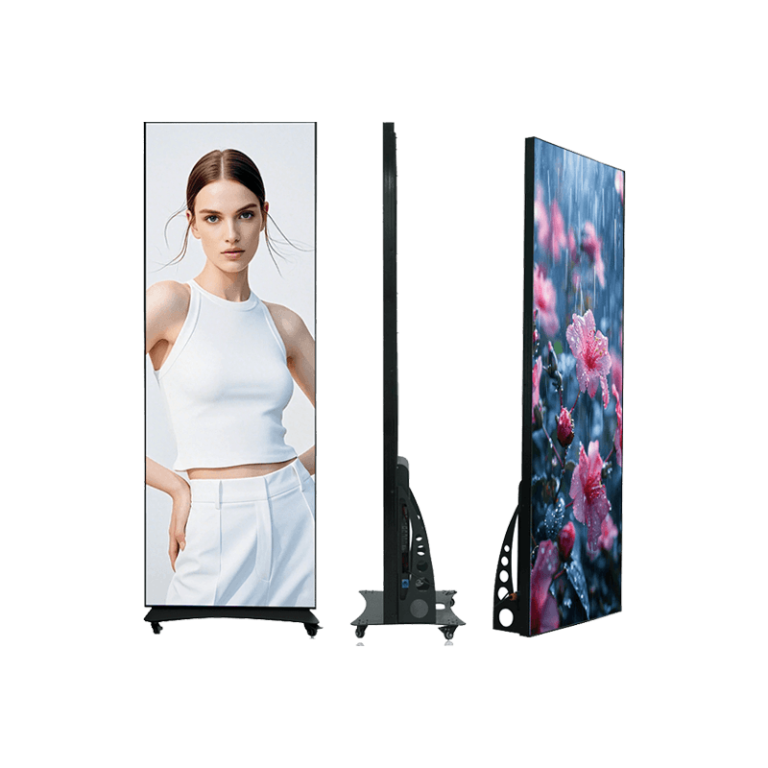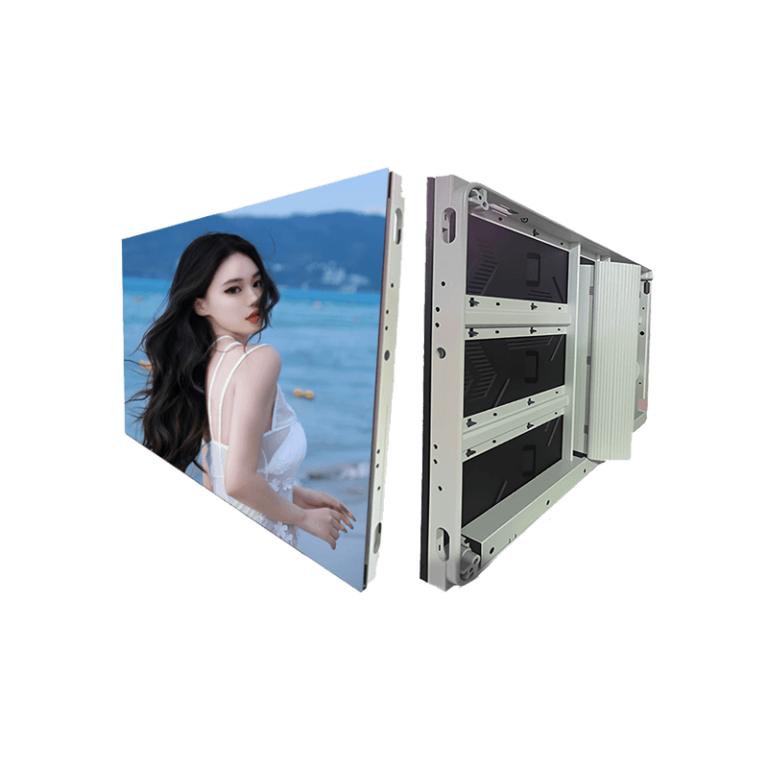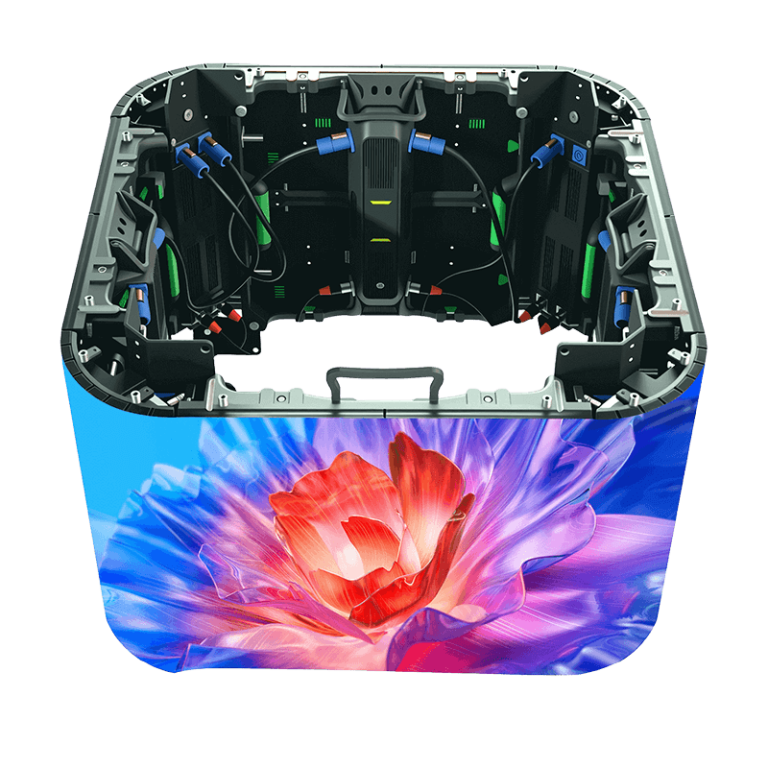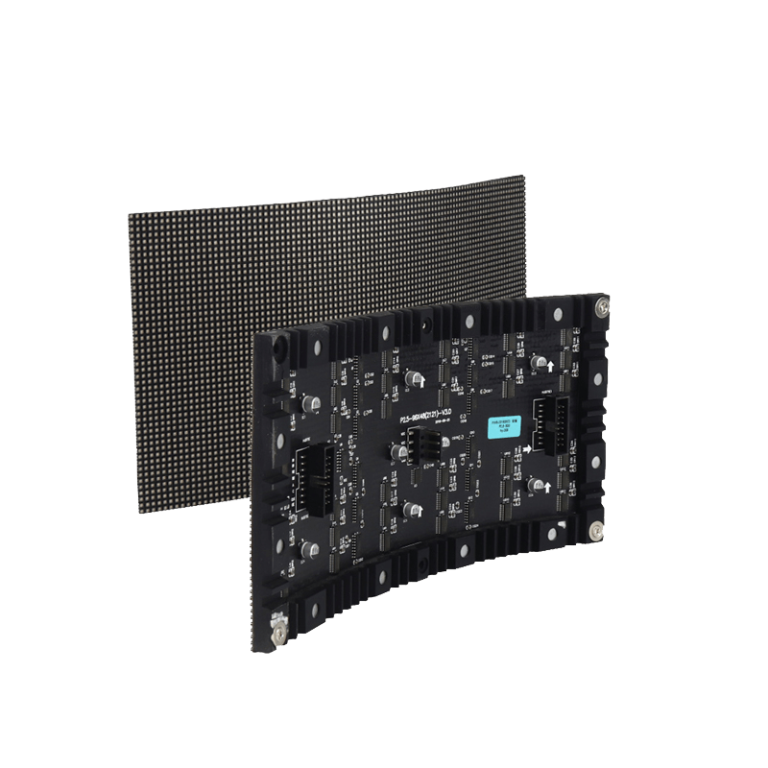
The world of digital signage keeps changing quickly as 2026 draws near. For those planning a strong advertising effort or a building improvement, the choice between a new Transparent screen and a solid Traditional LED Display can shape the project’s future results. Experts in this field since 2012 help guide toward the greatest return on investment for the right setting, particularly when picking a capable outdoor LED screen. This guidance ensures that decisions align with practical needs and long-term goals in various outdoor environments.
Meet the Experts Behind Your Visual Success
Before examining the key differences in detail, an introduction to the background is in order. Situated in the core of Shenzhen’s tech center, Leyaled stands as a leading high-tech company with more than 14 years dedicated to LED production. The operation runs from a 7,000-square-meter site where fresh ideas blend with careful craftsmanship. The group includes 40% technical pros who aim to deliver far more than basic equipment; complete visual systems form the core offering. Through collaborations with numerous international businesses, national high-tech approvals, and global benchmarks such as CE and RoHS have been achieved. Quality serves as the base for ongoing operations, and the goal remains to light up ideas using skilled, dependable, and high-standard outdoor LED screens along with cutting-edge Transparent screen methods.
This approach has proven effective over time, as partnerships continue to grow and projects succeed across different regions. The focus on reliability means that every solution meets real-world demands, from small setups to large-scale installations. By combining local knowledge with global standards, Leyaled ensures that clients receive tools that enhance their spaces without unnecessary complications. Over the years, this commitment has built a track record of satisfied users who value both the products and the support provided.
Decoding the Visual Impact: Aesthetics vs Pure Power

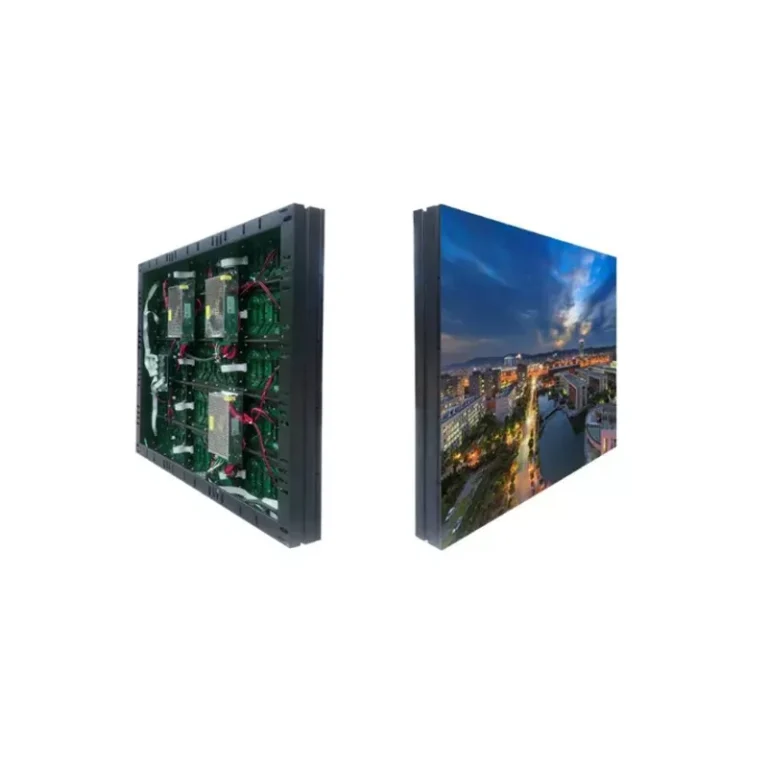
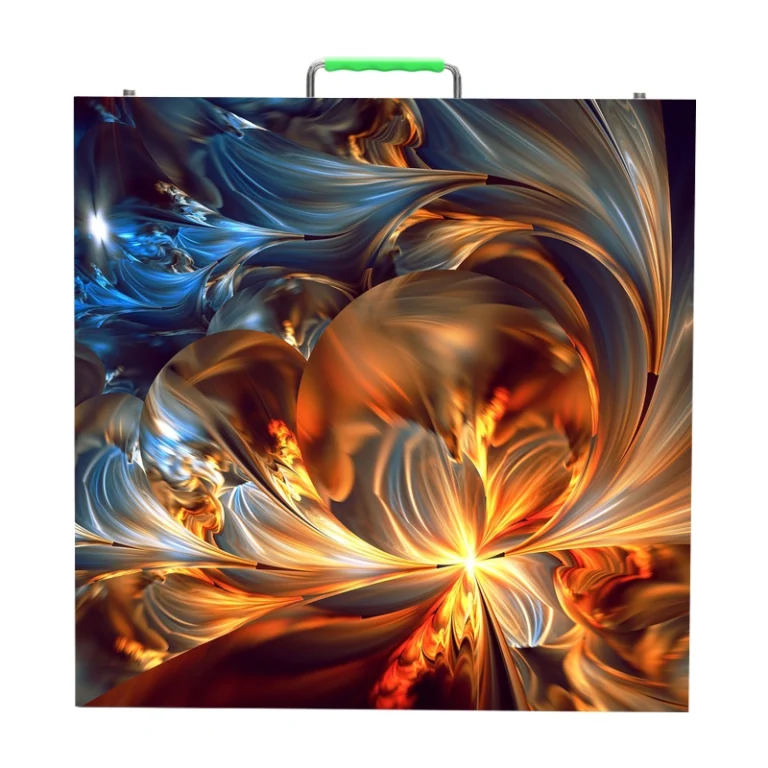
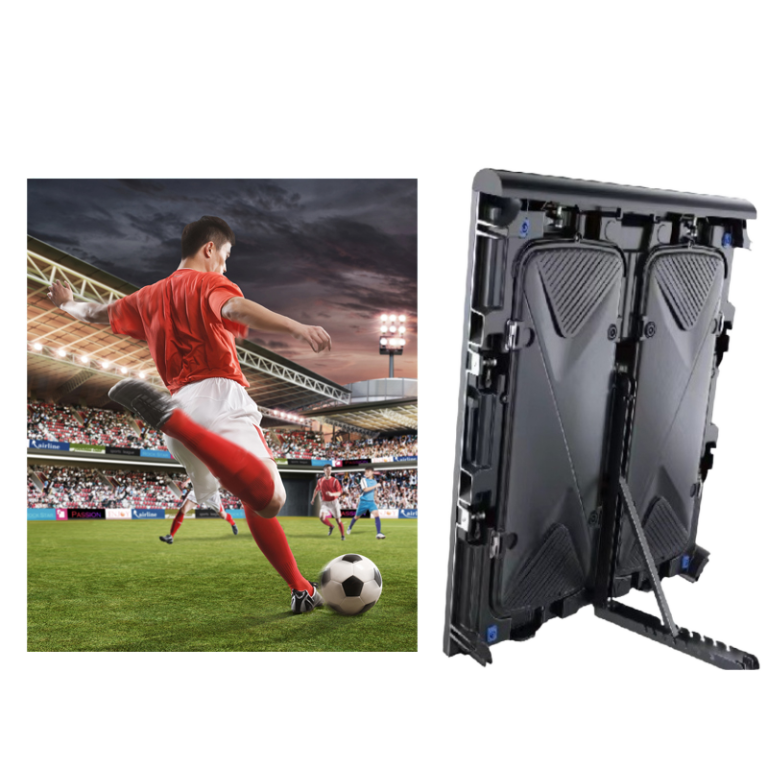
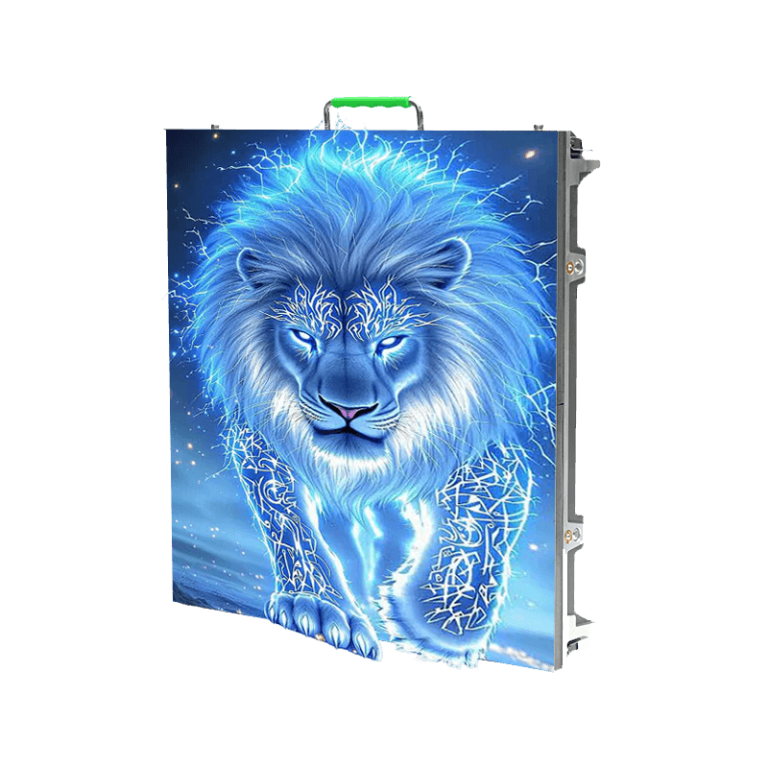
When looking at these two options side by side, the initial point to note involves how each screen fits into its location. A Traditional LED Display, often used as a standard outdoor LED screen, is built for a strong effect via firm, bright panels that stand out clearly. Such setups suit roadside signs or big arena screens, where what lies behind does not matter much. They create a large “digital area” that grabs focus through bold scale and vivid hues, drawing eyes from afar without effort.
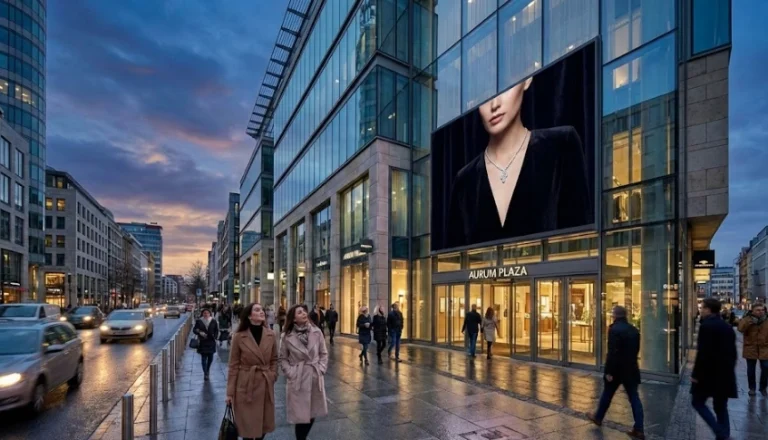
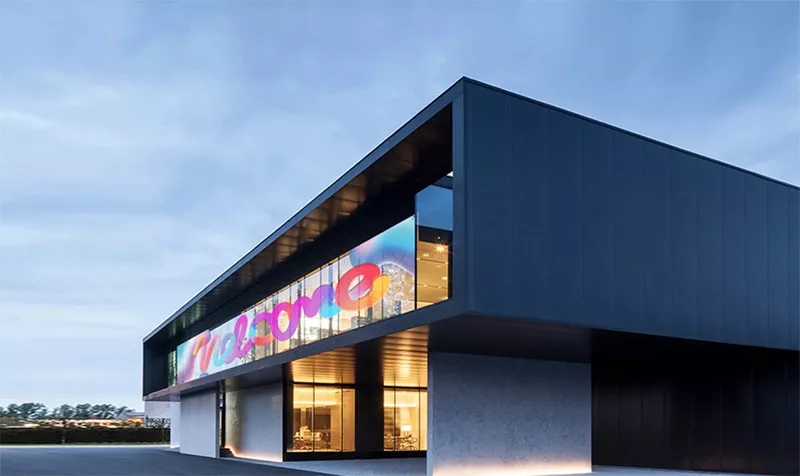
On the other hand, the growing need for pleasing designs in buildings has turned the Transparent screen into a key option for current outdoor LED screen efforts. These units provide as much as 75% see-through quality, so they let sunlight flow freely and keep indoor views open. In spots like glass fronts of fancy stores or office buildings, this Transparent screen method creates eye-catching hovering images while keeping the structure’s look intact. As 2026 arrives, the push toward “hidden tech” positions the Transparent screen as the leading pick for city areas, where rules on looks for regular outdoor LED screen setups grow more demanding. This shift reflects broader changes in how urban spaces balance function with style, making transparent options increasingly common in design plans.
Furthermore, the ability to blend into architecture without overpowering it adds real appeal for projects where harmony matters. Traditional models, while powerful, can sometimes clash with modern building lines, whereas transparent ones enhance the overall scene. This difference becomes clear in evaluations of site suitability, where visual flow plays a major role in approval processes and public reception.
The Cost of Ownership: Energy Efficiency and Structural Weight
True worth goes beyond the upfront bill; it covers all expenses over many years of use. Here, the divide between these approaches shows up most clearly in practical terms. Traditional LED Displays serving as an outdoor LED screen tend to be weighty, which often means adding large metal supports to the building’s front. Such additions raise both worker efforts and supply costs right from the start of the outdoor LED screen plan.
The focused Pantalla transparente presents a far better path forward in terms of savings. Every Transparent screen unit tips the scale at around 4kg and measures only 80mm thick. This very light build frequently permits attachment straight to current window edges, skipping the costly frame upgrades that a Traditional LED Display demands. Moreover, since this Transparent screen relies on natural airflow for cooling, it avoids the need for strong cooling machines, which are a must for a Traditional LED Display or a typical outdoor LED screen. Cutting out air conditioning needs and heavy metal work lets the Transparent screen lower setup fees and ongoing power charges, positioning it as the smart pick for cost-aware yet upscale outdoor LED screen tasks.
Over time, these advantages add up significantly, especially in locations with high energy rates or tight budgets for maintenance. Clients often find that the initial savings extend into easier handling and fewer surprises down the line. By focusing on lightweight materials and simple designs, the transparent option aligns well with modern goals of sustainability and efficiency, reducing overall strain on resources while delivering strong performance.
Performance and Durability in Extreme Environments
A key worry for every outdoor LED screen task centers on how well the gear stands up to weather challenges. Traditional LED Displays have earned respect as the reliable choice for toughness over time. Their sealed metal housings offer great defense from dirt and strong downpours in any outdoor LED screen setup. Yet, recent advances in building techniques have lifted Transparent screen capabilities to match those high levels of endurance.
Designs for the Transparent screen and outdoor LED screen lines include IP65-67 safeguards against water and particles. These pieces receive treatments to fight rust, wear from air, and dampness buildup. Be it a seaside outdoor LED screen dealing with salty winds or a downtown Transparent screen facing thick smog, the steady nature of the parts promises extended service life. Before leaving the production line, each Transparent screen part undergoes a 72-hour endurance check, guaranteeing that the outdoor LED screen choice holds firm past 2026. Although a Traditional LED Display may hit a bit higher top light output, the Transparent screen options now achieve clear visibility levels that work fine under the toughest sun conditions.
This progress means that users no longer have to trade off between style and strength, as both technologies now handle real outdoor pressures effectively. Testing protocols ensure consistency, so deployments in varied climates—from humid tropics to deserts—perform without fail. Such reliability builds confidence in long-term planning, where downtime costs real money and reputation.
Technical Versatility and Maintenance Ease
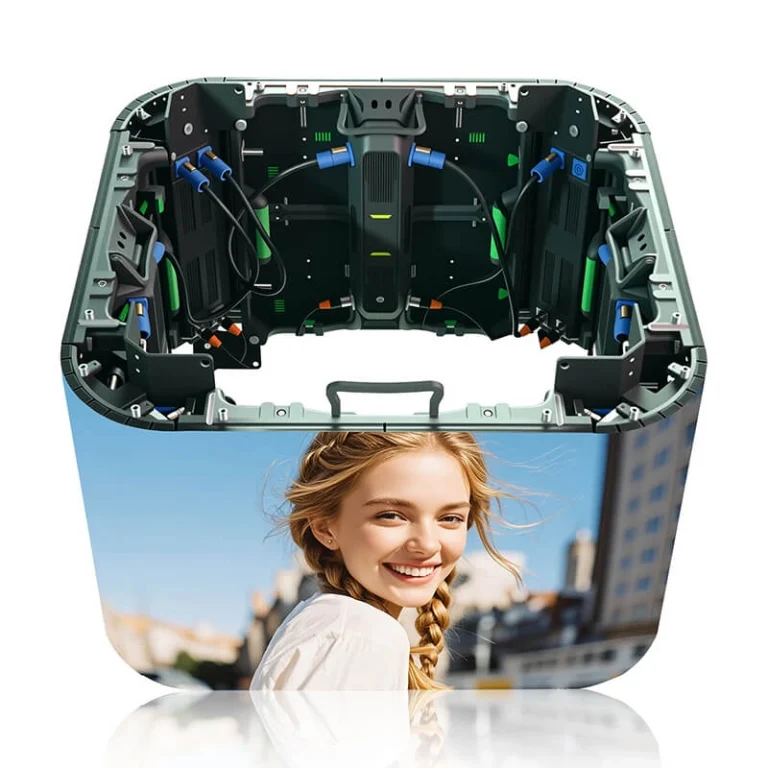
Upkeep frequently turns into a challenge for those managing outdoor LED screen systems. Traditional LED Displays generally call for back-side entry, so plenty of room must sit behind the outdoor LED screen for workers to reach. When the outdoor LED screen hangs high on a surface, fixing a single part might require hiring costly lifting gear each visit.
The piece-by-piece setup of a current Transparent screen makes handling much simpler overall. A good number of Transparent screen models support front-side fixes, allowing quick swaps of sections in just moments without breaking down the full outdoor LED screen frame. This setup shortens pauses in operation and keeps the Transparent screen promo materials active without delay. Adding in the straightforward care routine and no tricky cooling parts to mend, the Transparent screen choice often rises as the stronger one for sustained outdoor LED screen dependability in daily runs.
Versatility extends to how these screens adapt to different content needs, from static ads to dynamic videos, all while keeping maintenance low. Operators appreciate the reduced hassle, which translates to lower ongoing expenses and smoother workflows. In busy urban settings, where access can prove tricky, this ease becomes a major plus that tips the scales toward transparent solutions.
Why Professional Service and Partnership Matter
Selecting the proper outdoor LED screen type marks just part of the process; finding a suitable collaborator covers the rest. Pride comes from offering a full support bundle that begins well ahead of the Transparent screen placement. The team supplies tailored light and tech plans to match the pixel spacing and glow of the outdoor LED screen exactly to the planned sight range.
Starting from early talks through worldwide aid for the Transparent screen, backing stands firm for all items. A three-year no-cost guarantee and endless tech help apply to each outdoor LED screen. Should an issue pop up with the Transparent screen, a reply arrives in 24 hours or less. Such dedication explains the strong ties formed with users in spots like knowledge centers, performance halls, and posh shopping areas around the world. Expertise is provided to make sure the 2026 outdoor LED screen effort turns into more than a buy; it becomes a valuable holding that pays off steadily.
Partnerships like these foster trust, as clients see not just products but ongoing value through updates and advice. From site surveys to post-install checks, the service layer ensures smooth integration into existing setups. This holistic view helps avoid common pitfalls, leading to projects that exceed expectations in both function and form.
Conclusion: Finding Your Best Value for 2026
The right pick hinges on exact aims and site details. For a tough, super-bright sign along a road, a Traditional LED Display remains a prime outdoor LED screen answer. Still, in city builds, storefronts, and cases where looks and power savings lead, the Transparent screen clearly brings the top worth. It mixes cheaper setup outlays, slimmer energy draw, and a forward-looking sight charm that a Traditional LED Display fails to equal in full.
As plans form for the next outdoor LED screen step, weighing the lasting gains of a slimmer, thriftier, and prettier Transparent screen proves wise. Help stands ready to steer through these picks and supply top-grade gear plus skilled backing needed for a thriving outdoor LED screen venture. Looking ahead, trends point to more blended tech in public spaces, where such choices drive innovation and satisfaction alike.
Preguntas frecuentes
Q:What is the main benefit of choosing a Transparent screen over a Traditional LED Display for an outdoor LED screen project?
A:The primary benefit is the 75% transparency, which allows natural light to pass through and preserves the building’s aesthetic while being much lighter and more energy-efficient than a Traditional LED Display.
Q:Can a Transparent screen handle rain and outdoor weather as well as a standard outdoor LED screen?
A:Yes, our Transparent screen models are built to IP65-67 standards, making them waterproof, dustproof, and resistant to corrosion, ensuring they perform reliably in all outdoor LED screen environments.
Q:Is the installation process for a Transparent screen more complex than a Traditional LED Display?
A:Actually, it is much easier. Because a Transparent screen cabinet weighs only 4kg and is very thin, it requires far less structural support than a Traditional LED Display, significantly reducing the labor cost of your outdoor LED screen project.