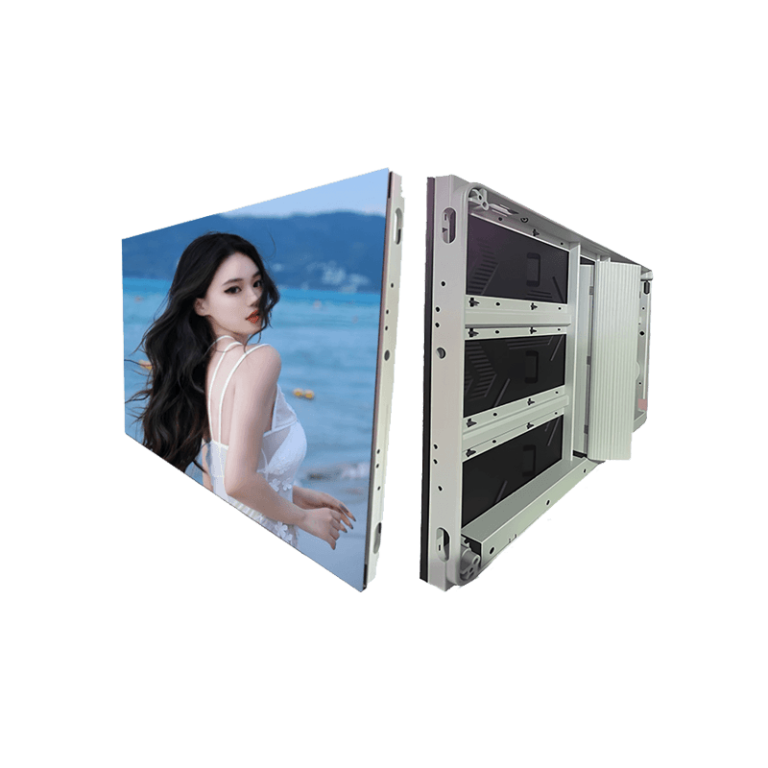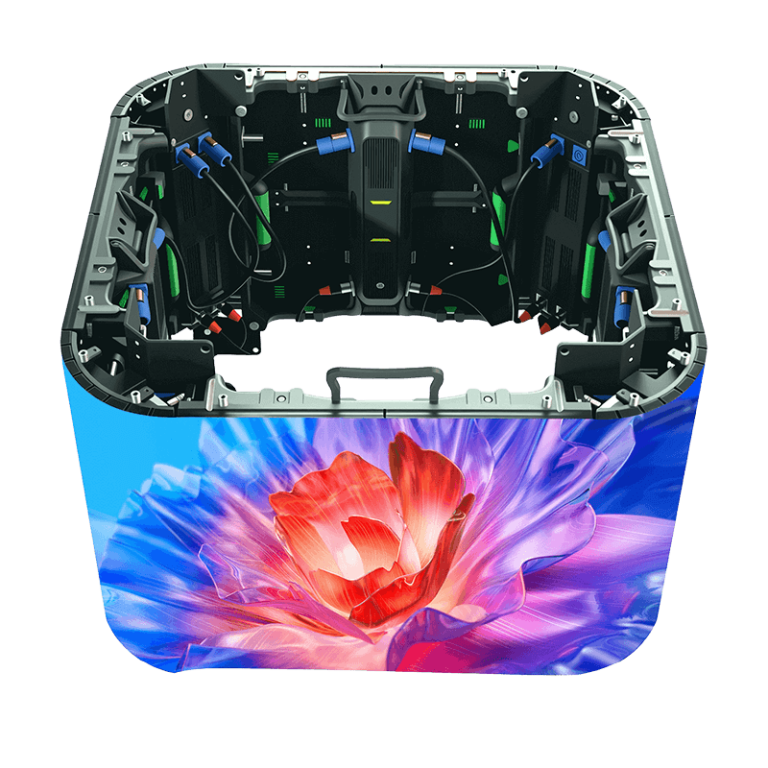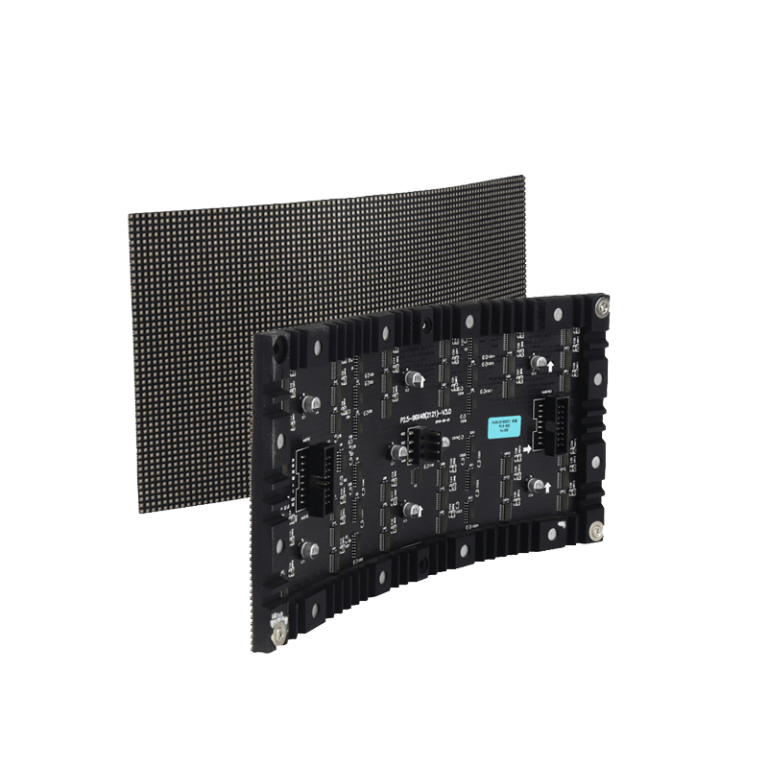
An annual LED billboard maintenance cost cannot be set responsibly with one percentage of the purchase price. A roadside screen, a rooftop display, and a wall in a sheltered commercial district may use similar cabinets but need very different access, inspection, cleaning, traffic management, and electrical work.
The useful budget is a plan, not a guessed fee. It separates predictable work from contingency work and states the assumptions that can change the cost during the year.
Build the Budget Around the Site
Start with the physical location. Record screen height, mounting type, front or rear service, access platform, lifting needs, traffic restrictions, site security, wind and rain exposure, dust, nearby trees, coastal conditions, operating hours, and the availability of local technicians.
Outdoor LED screen maintenance becomes more involved when simple access requires a lift, lane closure, roof permit, or building-management appointment. Those items may cost more than the replacement component itself. The maintenance plan should say who arranges access equipment and who approves work during trading or traffic hours.
Separate Scheduled Work From Fault Response
Scheduled work can include visual inspection, cleaning, seal checks, cable inspection, thermal review, brightness and colour checks, calibration review, and test patterns. Fault response covers unexpected module, power, signal, water-ingress, connector, or controller issues. Put them in separate budget lines so a routine visit is not confused with a major corrective event.
Use Environmental Exposure to Set the Inspection Plan
Outdoor LED product contexts include dust and water protection, UV and wind resistance, automatic brightness adjustment, grayscale correction, and modular maintenance. Those features support outdoor operation, but they do not remove the need for site-specific inspection.
Direct sun, wind-blown dust, humidity, rain, salt, exhaust, and repeated temperature changes can affect cleaning needs, seals, connectors, drainage, cabinet condition, and colour uniformity. The interval should fit the environment and operating hours. A fixed universal calendar is not credible for every billboard.
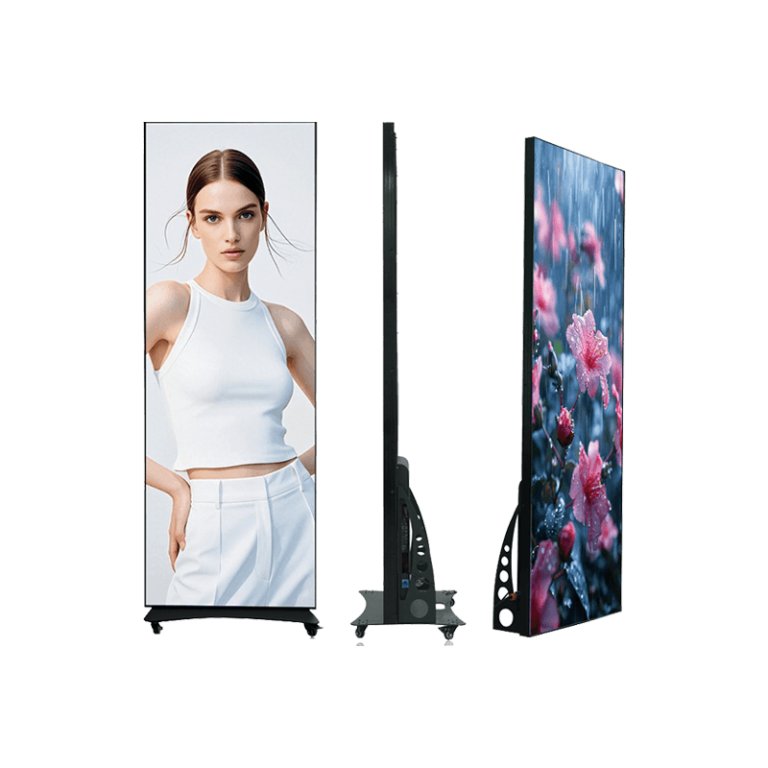
El exterior led pantalla can provide the product context for a maintenance discussion, while the exterior led cartelera relates more closely to large advertising installations. The owner should still verify the model’s protection rating, service instructions, and site limitations in the final contract.
Include Calibration, Content, and Electrical Checks
Outdoor displays age and operate unevenly when different areas receive different heat, light, moisture, or operating load. Budget for a review of brightness, colour, grey content, cabinet seams, dark areas, and replacement matching. Keep test patterns and a record of settings so that a later technician can compare the current wall with its accepted condition.
Content management also affects maintenance. A screen driven at an unnecessarily high brightness all night may add operating stress without improving the message. A defined day and night brightness policy, checked on site, can support both readability and sensible operation. It should be based on the location, local light restrictions, and the quoted system rather than a generic setting.
Electrical checks should cover visible cable condition, cabinet connections, grounding, surge-protection arrangements, ventilation, drainage around equipment, and the function of isolation devices. Work on incoming power or site protection must be assigned to qualified electrical personnel under local requirements.
Outdoor family examples with IP65 protection, 16-bit grayscale, and refresh ranges tied to specific configurations. The PPantalla exterior de 6,25 can help identify a product-family path, but it should not be used to infer the maintenance scope or cost for every installed screen.
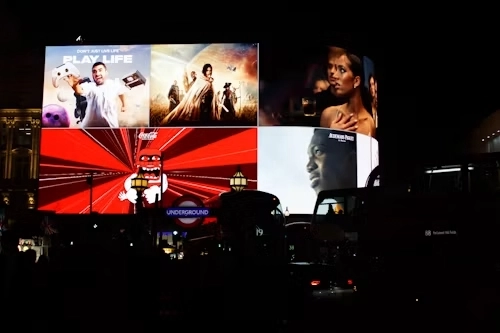
Plan Spares and Access Before a Fault Happens
The most useful spare strategy starts with an installed cabinet map. Record module batches, receiving-card type, power supply model, controller settings, calibration files, and the location of each cabinet. Keep only the spares that can be matched and stored correctly; an untracked spare can create a visible colour or brightness difference.
Ask how a technician reaches the failed part. Rear service might need a platform behind the billboard. Front service might require a lift, public-area isolation, or a scheduled building closure. Include these routes in the annual plan and in the emergency response process.
The budget should also distinguish between a small local repair and a larger intervention involving structural access, water investigation, cable replacement, or a processor issue. Owners do not need to predict every fault, but they do need a contingency process with named decision-makers.
Review invoices and service notes after each intervention. Tag the root cause, the affected cabinet zone, the access method, the downtime, the parts used, and the follow-up action. After one operating cycle, this record can separate recurring environmental issues from isolated faults and give the next annual budget a better basis than a generic allowance.
Use an Annual Budget Worksheet
Instead of assigning a fixed rate, build the annual worksheet with scheduled visits, access equipment, cleaning materials, site permissions, technician time, inspection reports, test equipment, calibration work, spare stock, electrical checks, remote monitoring where installed, and an allowance for unplanned faults.
Note the assumptions: annual operating hours, normal brightness modes, exposure level, service direction, lift or traffic requirements, local labour availability, and the warranty or support boundary. Revisit the plan after the first operating year. Actual fault records and access costs are stronger inputs than a generic industry percentage.
Keep the budget owner, display supplier, site manager, and electrical contractor aligned on those records. Clear handover notes reduce duplicated callouts and make it easier to approve work before a small issue becomes a larger service event.
Archive the approved annual worksheet with service reports.
Leyaled can support the product and configuration side of the review after the owner provides the installed cabinet map, environmental conditions, access route, and operating history. A sound maintenance budget is an operating document that keeps the outdoor LED display serviceable, not a number copied from a brochure.
Preguntas frecuentes
Q1: What should an LED billboard maintenance budget include?
A1: Include inspections, cleaning, access equipment, permits, technician time, calibration, test patterns, spares, electrical checks, environmental checks, documentation, and contingency for faults. The site and access route determine much of the real cost.
Q2: Can owners use a fixed percentage of purchase cost each year?
A2: It can be a rough internal placeholder, but it is not a reliable final budget. Exposure, height, operating hours, access, warranty boundaries, spare strategy, and local labour requirements can change the annual requirement significantly.
Q3: How often should an outdoor LED display be inspected?
A3: The interval should reflect environmental exposure, operating hours, access constraints, and the supplier’s model-specific guidance. High dust, rain, salt, heat, or difficult access may justify a different plan than in a sheltered location.