La tecnología de pantallas LED se ha convertido en una de las opciones de visualización más versátiles para la comunicación visual actual. Desde complejas configuraciones en salas de control hasta grandes letreros exteriores, la base de cada pantalla LED reside en su diseño de semiconductores y un ensamblaje meticuloso.
Fundamentos de la tecnología de pantallas LED
Principios básicos de los diodos emisores de luz (LED)
El centro de cada pantalla LED cuenta con diodos emisores de luz (LED). Estos actúan como dispositivos semiconductores que transforman la corriente eléctrica en luz visible. El color producido depende de la composición del material del diodo. Generalmente, los diodos rojos, verdes y azules se combinan para crear píxeles a todo color. La eficacia y la luminosidad de estos LED dependen de mejores materiales y diseños de chips. Esta configuración proporciona la mejor emisión de luz con un bajo consumo de energía. Alta eficiencia y ahorro energético: Al promover la protección del medio ambiente y la reducción de emisiones de carbono, las pantallas LED avanzan hacia una mayor eficiencia energética. Esta idea básica sustenta todas las pantallas de videowall LED actuales.
Estructura y composición de los paneles de visualización LED
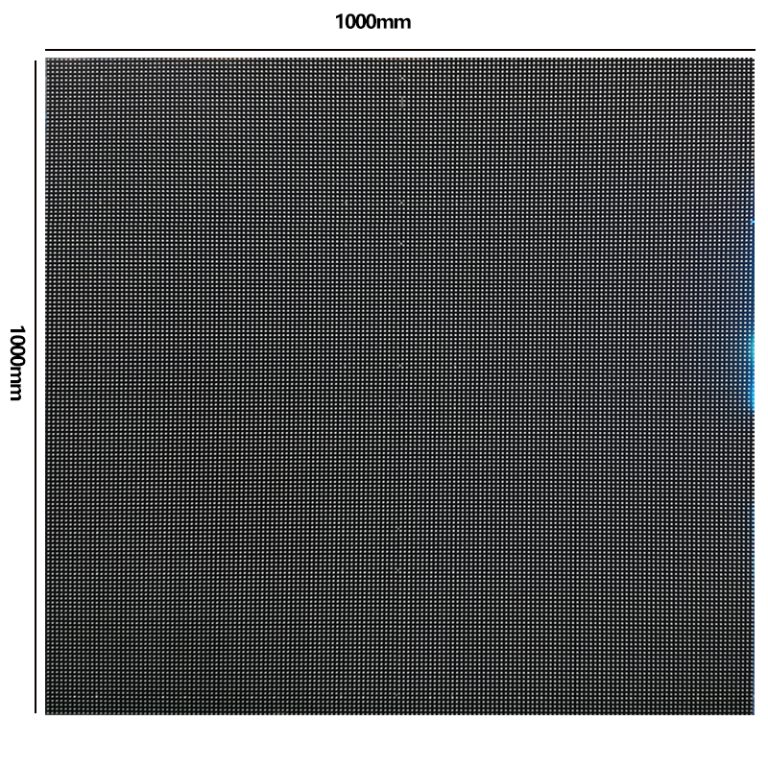
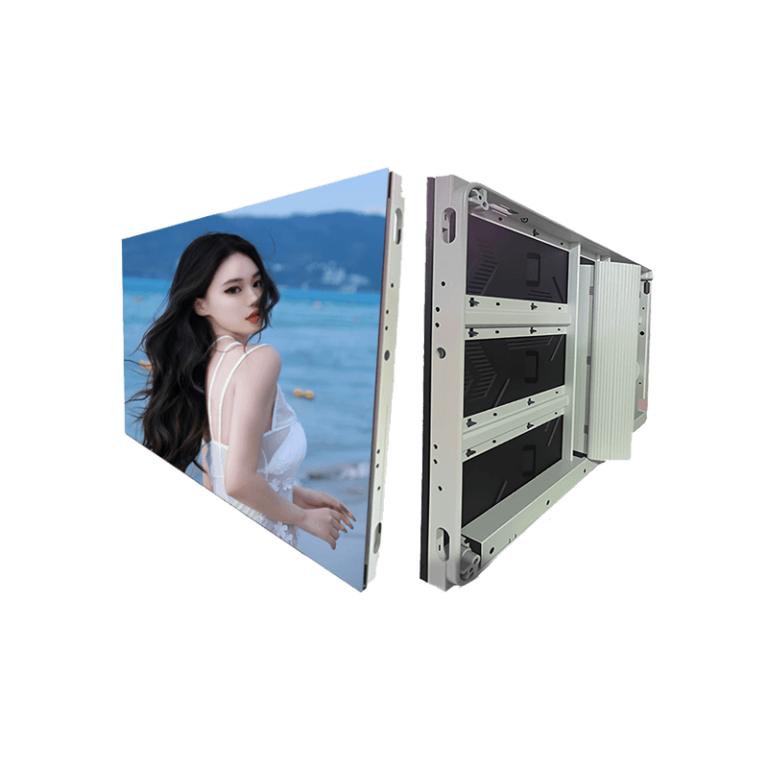
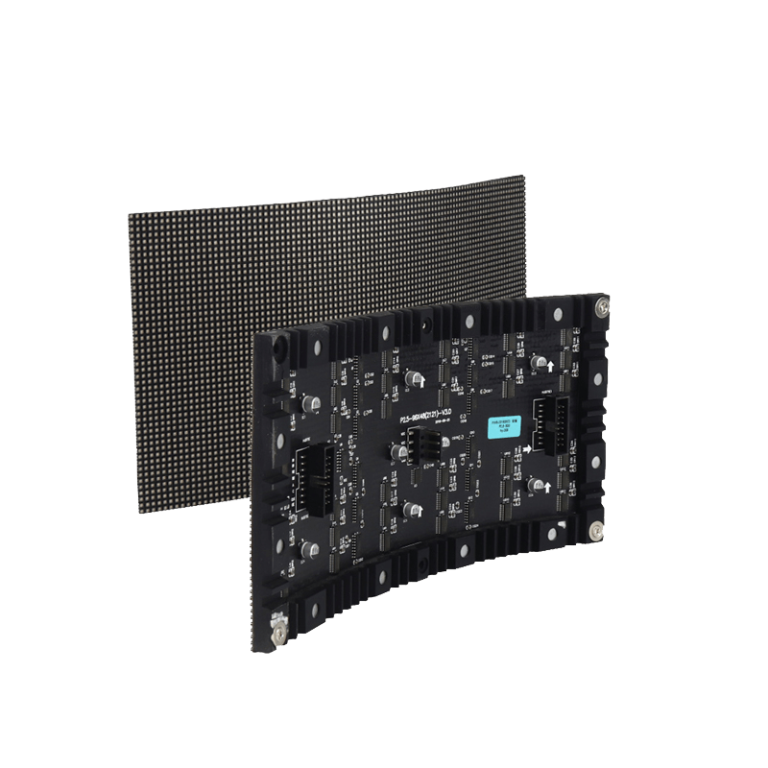
Un panel LED incluye una matriz de diodos colocados en placas de circuito impreso (PCB). Cada módulo combina circuitos integrados de control. Estos componentes controlan el flujo de corriente, sincronizan las señales y mantienen un brillo uniforme en toda la pantalla. Las cubiertas protectoras, como las máscaras antirreflejos o las capas impermeables, mejoran la resistencia y el contraste. La pantalla LED de alta definición para interiores P4.81 ofrece una excelente calidad de imagen con un paso de píxel de 3,91 mm. Cuenta con una alta densidad de píxeles, colores brillantes y una alta frecuencia de actualización. Esto garantiza imágenes en movimiento fluidas y estables. Al mismo tiempo, su brillo suave facilita la visualización. Esta estructura detallada proporciona una mecánica sólida y una óptica precisa.
Pixel Pitch y Resolución
El paso de píxel se refiere al espacio entre píxeles adyacentes e influye directamente en la nitidez de la imagen. Un paso de píxel menor proporciona una mejor resolución, ideal para entornos de visualización cercanos, como salas de reuniones o estudios. Sin embargo, encontrar el equilibrio entre la cantidad de píxeles y el ahorro de costes sigue siendo fundamental para la planificación de proyectos. La pantalla LED P3 cuenta con un paso de píxel de 3 mm y 111 111 píxeles por metro cuadrado. Ofrece imágenes nítidas en 1080p/4K, perfectas para la visualización en interiores. Esta configuración permite a los diseñadores elegir opciones adecuadas tanto para entornos interiores atractivos como para grandes pantallas exteriores.
Arquitectura de los sistemas modernos de videowall LED
Las pantallas de vídeo LED actuales combinan la ingeniería pieza a pieza con sistemas de control inteligentes para ofrecer resultados visuales fluidos en grandes superficies.
Diseño modular e integración de paneles
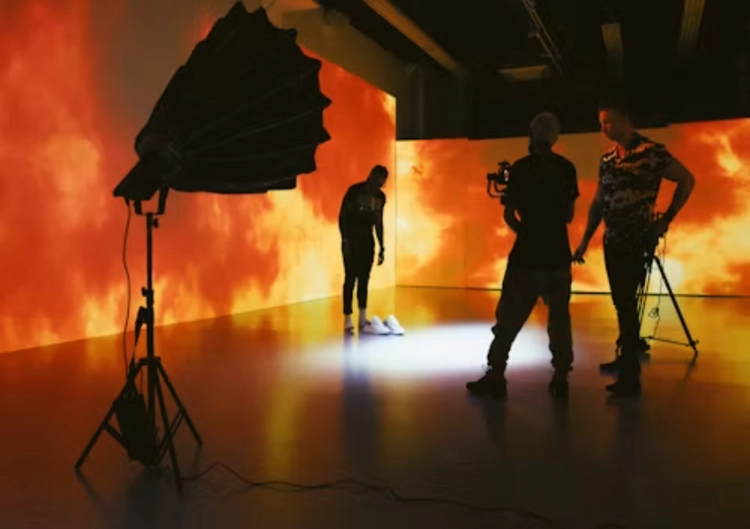
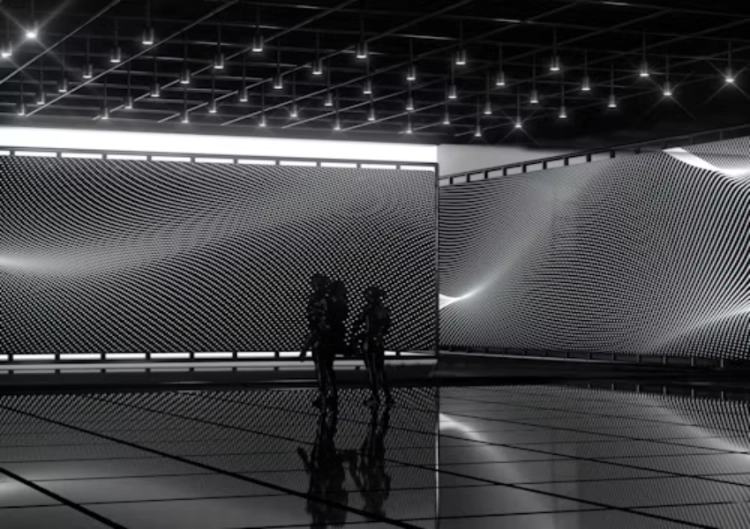
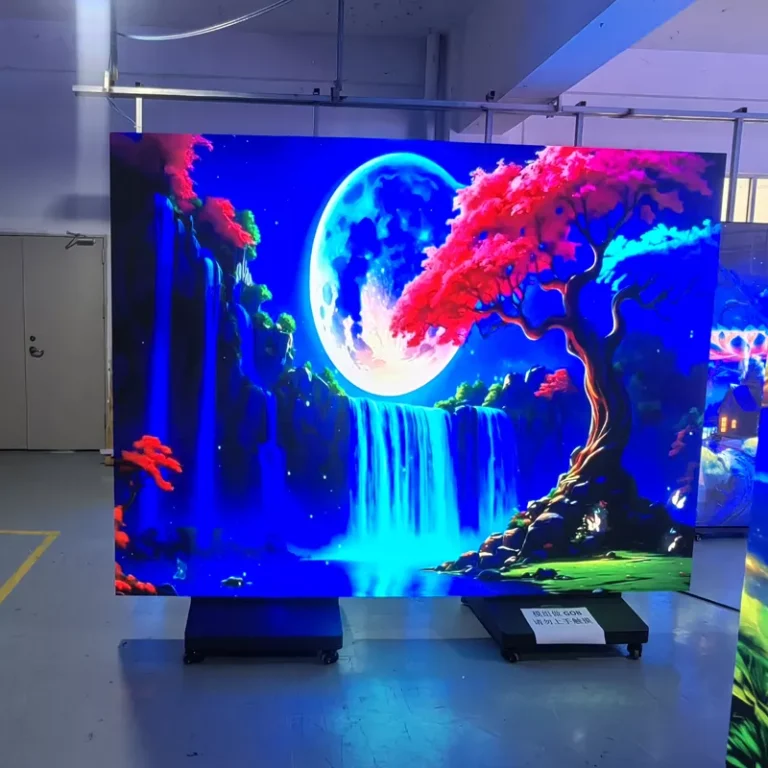
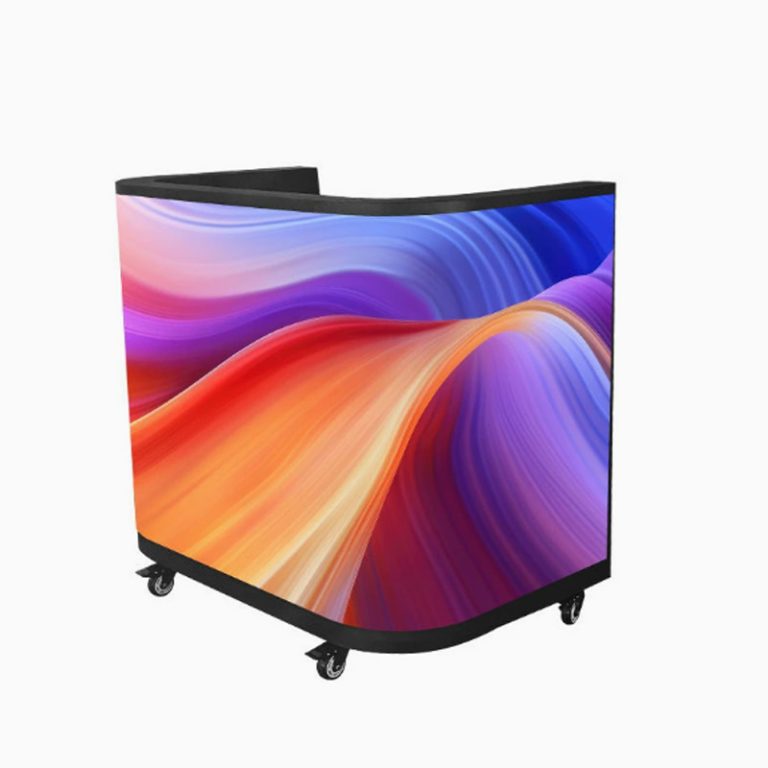
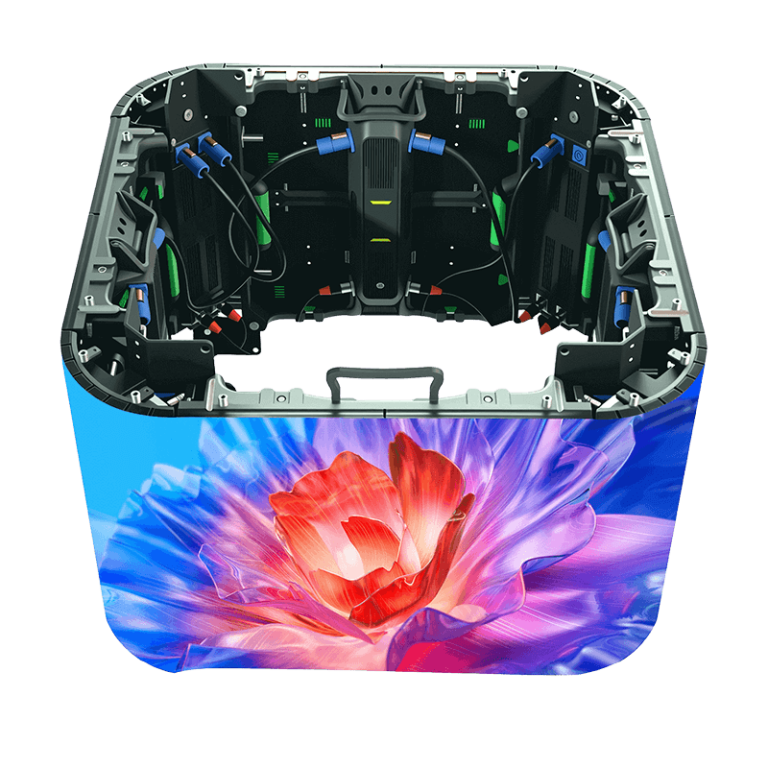
Las pantallas de video se componen de varios paneles unidos sin espacios mediante sistemas de fijación mecánica que mantienen una separación precisa entre píxeles. Las herramientas magnéticas o de bloqueo rápido facilitan el mantenimiento y garantizan la robustez de la estructura. El diseño modular permite a los usuarios combinar pantallas de diversas formas y tamaños según las dimensiones del espacio y las necesidades del espectáculo. Esta flexibilidad facilita la creación de configuraciones innovadoras, como pantallas curvas o con formas inusuales para espectáculos o espacios de entretenimiento.
Sistemas de procesamiento de señales y control
Los procesadores de señal gestionan tareas como el redimensionamiento de la entrada, el ajuste de color, la sincronización y la creación de HDR. Los controladores más avanzados distribuyen el contenido mediante métodos cableados o inalámbricos, manteniendo un rendimiento instantáneo. Gracias a métodos avanzados de transferencia de datos y chips de datos de red Gigabit de alta velocidad, permiten la transmisión a larga distancia sin necesidad de repetidores adicionales. Estos componentes de control garantizan una reproducción estable en grandes pantallas de vídeo en puntos de control o áreas de transmisión.
Distribución de energía y gestión térmica
Una distribución uniforme de la potencia es fundamental para mantener un brillo constante en los módulos. Las unidades de alimentación inteligentes ajustan el voltaje según las necesidades de carga. Además, los sistemas de refrigeración integrados prolongan la vida útil de los componentes. Los módulos incluyen refrigeración interna, lo que extiende la vida útil de la pantalla LED. Un buen control térmico garantiza un funcionamiento fiable incluso en entornos exigentes durante su uso continuo.
Parámetros de rendimiento que definen las pantallas LED
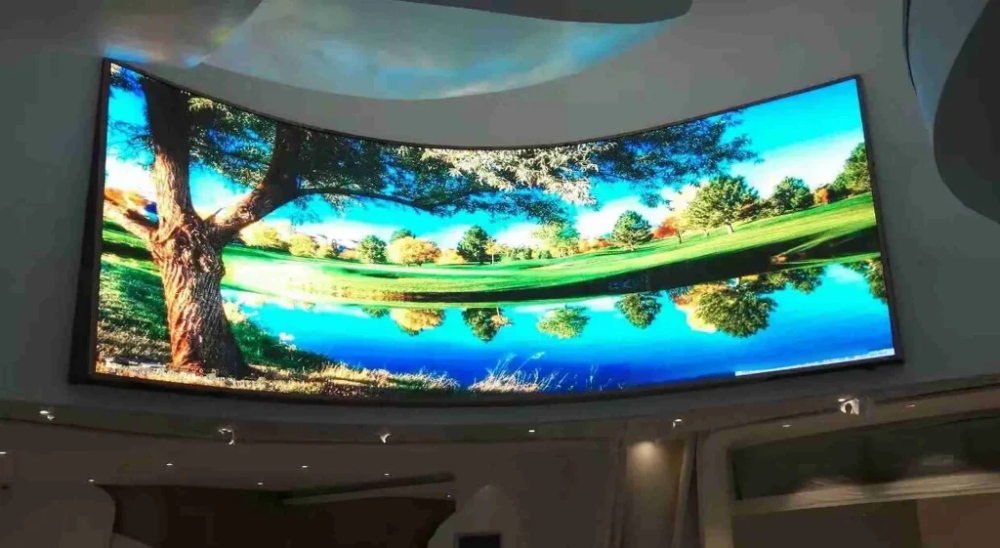
Las métricas de rendimiento muestran qué tan bien funciona una pantalla LED en uso real. Esto abarca desde la uniformidad del brillo hasta la gestión del retardo en programas en directo.
Brillo, relación de contraste y precisión del color
Los niveles de brillo determinan la visibilidad de los objetos bajo diferentes condiciones de luz. Las pantallas para exteriores requieren un brillo mayor que las de interiores. La relación de contraste define la profundidad de la imagen al diferenciar las zonas oscuras de las claras. Las pantallas LED para estadios ofrecen varias ventajas clave. El brillo varía de 5000 a 10000 nits, lo que garantiza una visión nítida incluso con luz solar intensa. Las frecuencias de actualización de 1920 Hz o superiores reducen eficazmente el desenfoque de movimiento. Las herramientas de ajuste también aseguran una uniformidad de color en múltiples paneles.
Control de frecuencia de actualización, sincronización de fotogramas y latencia
Las altas frecuencias de actualización reducen el parpadeo en la reproducción de escenas de acción rápida. La sincronización de fotogramas evita el desgarro de la imagen al mezclar varias fuentes. El manejo de baja latencia resulta fundamental para programas en directo o retransmisiones de eventos donde la precisión temporal es crucial. Mediante métodos de escaneo dinámico, la imagen se mantiene estable. Evita el ruido, se mantiene nítida y muestra efectos de movimiento dinámicos. La reproducción de vídeo es fluida.
Ángulos de visión y métricas de uniformidad óptica
Los amplios ángulos de visión garantizan colores uniformes desde distintos puntos, lo cual resulta fundamental para estadios o pabellones donde el público observa desde diversas ubicaciones. Los difusores ópticos reducen el efecto moiré en las imágenes de la cámara. El ajuste de uniformidad corrige las variaciones de luz en los paneles.
Tipos de pantallas LED utilizadas en videowalls
Diversos casos de uso requieren ciertos tipos de pantallas diseñadas para adaptarse a las condiciones del lugar o para facilitar la instalación.
Pantallas LED de visión directa (DVLED)
La tecnología DVLED prescinde de las capas de retroiluminación de las pantallas LCD. En su lugar, utiliza diodos autoiluminados para lograr un brillo máximo, con configuraciones de módulos ampliables ideales para estadios o centros de control.
Tecnologías de dispositivos de montaje superficial (SMD) frente a tecnologías de chip sobre placa (COB).
Características de la tecnología SMD
Cada píxel combina diodos RGB en una unidad de montaje superficial, lo que proporciona un buen equilibrio entre nitidez y ahorro de costes. Es ideal para uso en interiores, como salas de exposiciones o zonas comerciales.
Características de la tecnología COB
La tecnología COB integra numerosos diodos directamente en las bases, sin necesidad de encapsulados adicionales. Esto aumenta su resistencia al polvo y al agua, y mejora la disipación del calor. Por lo tanto, resulta ideal para entornos exigentes como centros de servicio.
Configuraciones de pantallas LED para interiores y exteriores
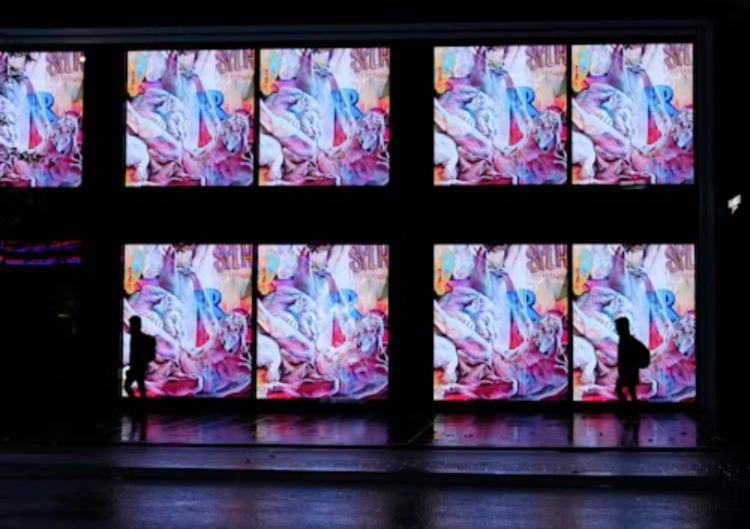
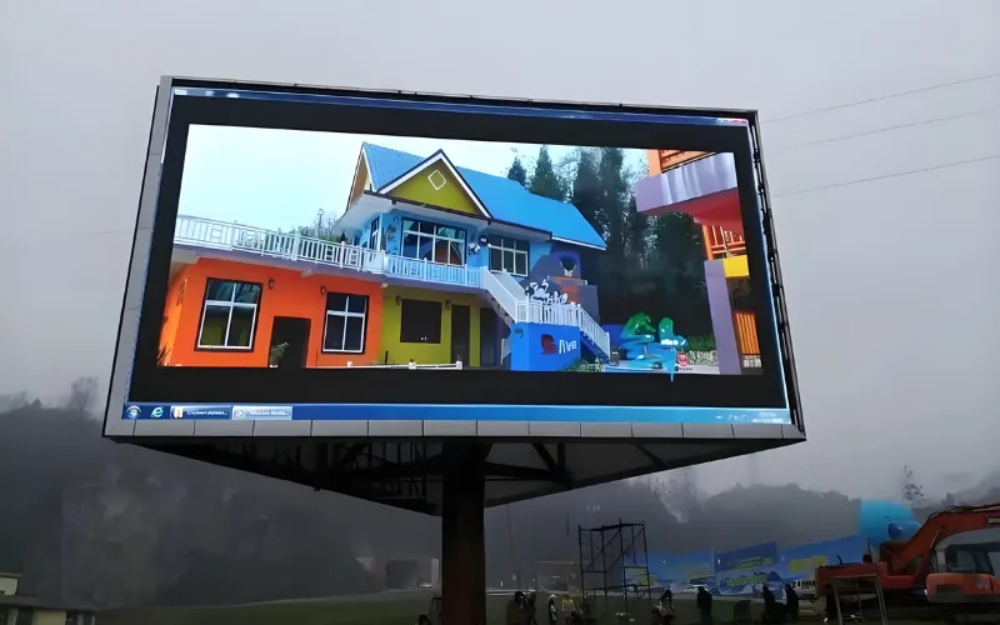
Las configuraciones para interiores se centran en un paso de píxel reducido para una claridad de corto alcance. Las de exteriores priorizan la resistencia a la intemperie. Este gabinete de hierro impermeable sirve para proteger los equipos de exterior. Funciona bien con pantallas LED. Soporta eficazmente el viento, la lluvia y la arena. cartel led al aire libre P6 muestra este nivel con impermeabilidad IP65 y una construcción de acero resistente apta para instalaciones publicitarias exteriores duraderas. Para lugares interiores que necesitan imágenes detalladas como estudios o salas de exhibición, el Caja de visualización interior P4.81 Ofrece una unión fluida con un brillo suave, ideal para una visualización cómoda durante largos periodos.
Integración de videowalls LED en ecosistemas de visualización modernos
La integración determina qué tan bien se adapta una pantalla LED a las configuraciones digitales. Esto incluye sistemas de gestión de contenido (CMS) y métodos de enlace.
Sistemas de gestión de contenido (CMS) para control visual dinámico
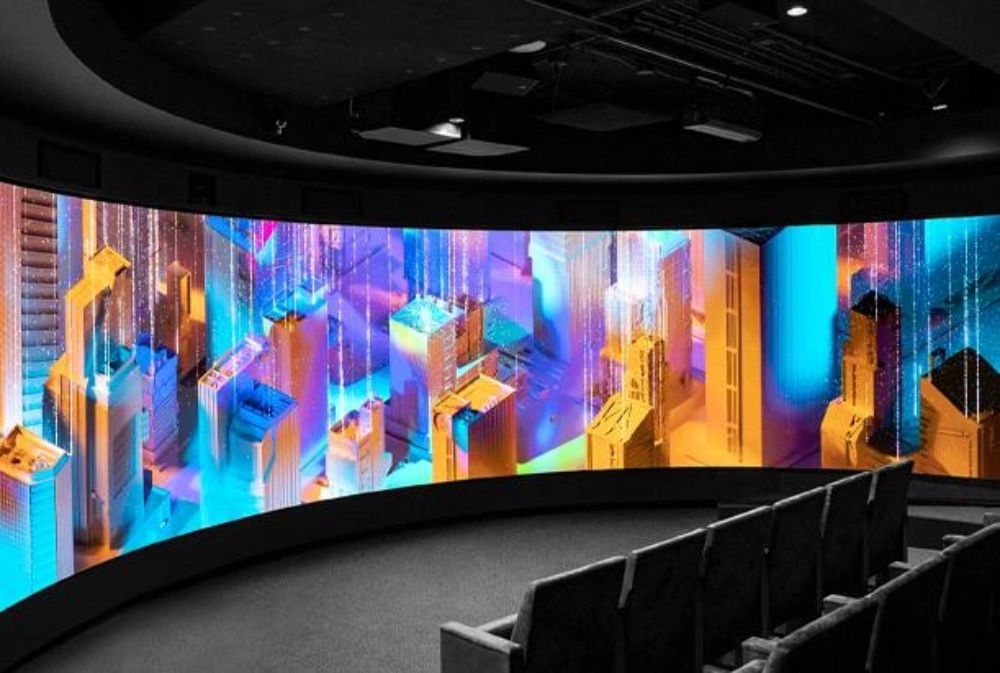
Las herramientas CMS permiten la planificación centralizada, la creación de diseños, las actualizaciones instantáneas y la conexión con sensores IoT. Estos sensores ajustan automáticamente el brillo según los niveles de luz ambiental durante todo el día, lo que garantiza el ahorro energético sin necesidad de intervención manual.
Protocolos de conectividad e interfaces de datos
Estándares de interfaz comunes
Las conexiones HDMI, DVI, SDI y DisplayPort admiten entradas de múltiples resoluciones. Mantienen compatibilidad con diversas fuentes de señal.
Opciones de control basadas en la red
Los enlaces Ethernet permiten realizar comprobaciones remotas y actualizaciones de software en instalaciones de gran tamaño. Esto garantiza un funcionamiento óptimo en redes corporativas o sistemas de señalización urbana. Admite múltiples interfaces (como HDMI, DVI y VGA), que se pueden conectar fácilmente a ordenadores o reproductores multimedia.
Tendencias futuras en el desarrollo de videowalls LED
Los avances tecnológicos siguen transformando la forma en que se desarrolla la mensajería visual mediante pequeños pasos de ingeniería.
Avances en la tecnología MicroLED
La tecnología MicroLED incorpora diminutos chips autoiluminados que permiten obtener píxeles de tamaño muy reducido, inferiores a 1 mm. Esto se traduce en un gran contraste con un menor consumo energético que los LED convencionales. El resultado son pantallas de alta definición 8K para futuros estudios de radiodifusión.
Integración con sistemas de calibración basados en IA
Los métodos de aprendizaje automático corrigen automáticamente los colores con el tiempo mediante bucles de información de sensores. Predicen el desgaste de las piezas antes de que se manifiesten problemas evidentes, lo que reduce el tiempo de mantenimiento y mantiene la uniformidad visual a largo plazo.
Prácticas de fabricación sostenibles
La sostenibilidad impulsa la planificación actual. Hace hincapié en los materiales reutilizables con sistemas de transmisión eficientes que reducen los costos operativos a largo plazo. La adopción de materiales reciclables disminuye el impacto ambiental durante los ciclos de producción.
Dentro de nuestra configuración de fabricación en Leyaled, Nos especializamos en el desarrollo de soluciones integrales de pantallas LED, desde la investigación hasta la comercialización a nivel mundial. Operamos desde nuestra sede en Shenzhen, donde contamos con ocho líneas de montaje superficial automatizado (SMT) certificadas según la norma ISO 9001:2008. FWS Technology Co., Ltd. es una empresa de alta tecnología centrada en el sector de las pantallas LED, abarcando la investigación, la fabricación y la venta. Todos nuestros productos cuentan con las certificaciones ISO 9001:2008, CCC y CE.
Nuestro grupo combina habilidades de diseño de iluminación con ingeniería de potencia inteligente. Esto nos permite ofrecer servicios personalizados de fabricación de pantallas LED OEM/ODM en cuestión de días. Ofrecemos una amplia gama de tipos de productos, incluyendo configuraciones fijas para interiores como pantallas de estadio Diseñado para áreas deportivas con hasta 10000 nits de brillo. Además, opciones modulares para exteriores como pantalla exterior P3 Están optimizadas para una claridad de corto alcance. Además, las cubiertas flexibles se adaptan a la perfección a la estética de cualquier edificio. Nuestro objetivo se centra en crear sistemas de videowall LED duraderos que combinen un rendimiento sólido con una estética impecable mediante ideas innovadoras. Respaldamos esto con 15 años de experiencia al servicio de los mercados internacionales. Si tiene preguntas sobre proyectos de visualización personalizados o desea obtener información técnica sobre cómo integrar grandes pantallas LED en edificios comerciales, contáctenos a través de nuestra página web. página de contacto.
Preguntas frecuentes
P1: ¿Qué determina si una pantalla de vídeo LED es adecuada para uso interior o exterior?
A1: Los factores del sitio se ajustan para adaptarse. Las pantallas de interior se centran en una resolución de píxeles fina. Los modelos de exterior priorizan la impermeabilidad, como las protecciones IP65, y utilizan robustos gabinetes de acero, muy similares a los de las vallas publicitarias exteriores.
Q2: ¿Cómo afecta el tono de píxel a la calidad de la imagen?
A2: Los píxeles más pequeños ofrecen mayor nitidez para puntos de visión cortos. Los píxeles más grandes permiten ahorrar costes en áreas extensas sin perder legibilidad con luz brillante.
P3: ¿Por qué elegir la construcción modular para instalaciones a gran escala?
A3: Su construcción pieza a pieza facilita el montaje y el mantenimiento. Permite uniones flexibles para crear cualquier forma, desde paneles traseros curvos hasta tableros anchos tipo estadio. Esto garantiza la adaptabilidad a diversos usos.