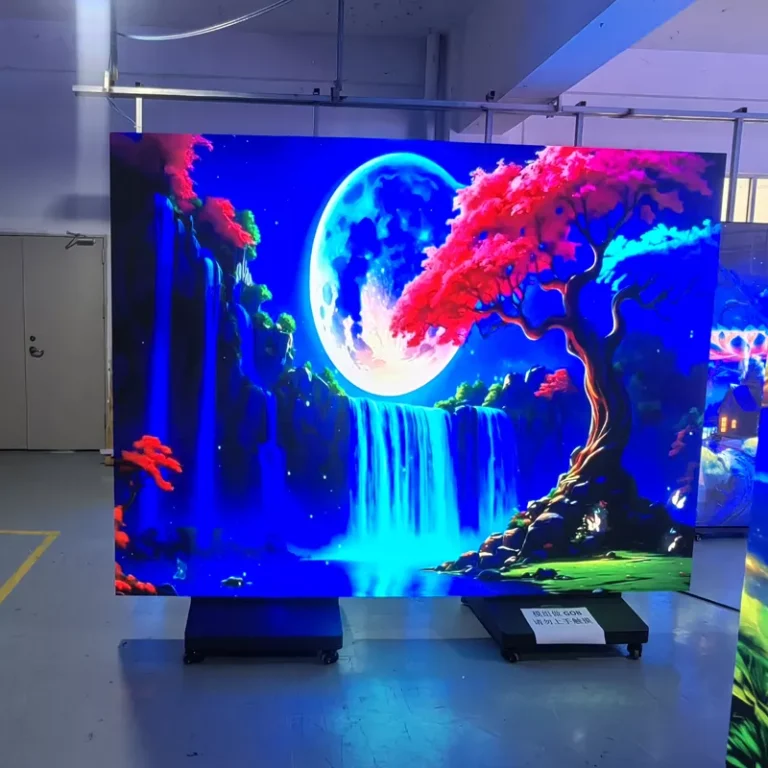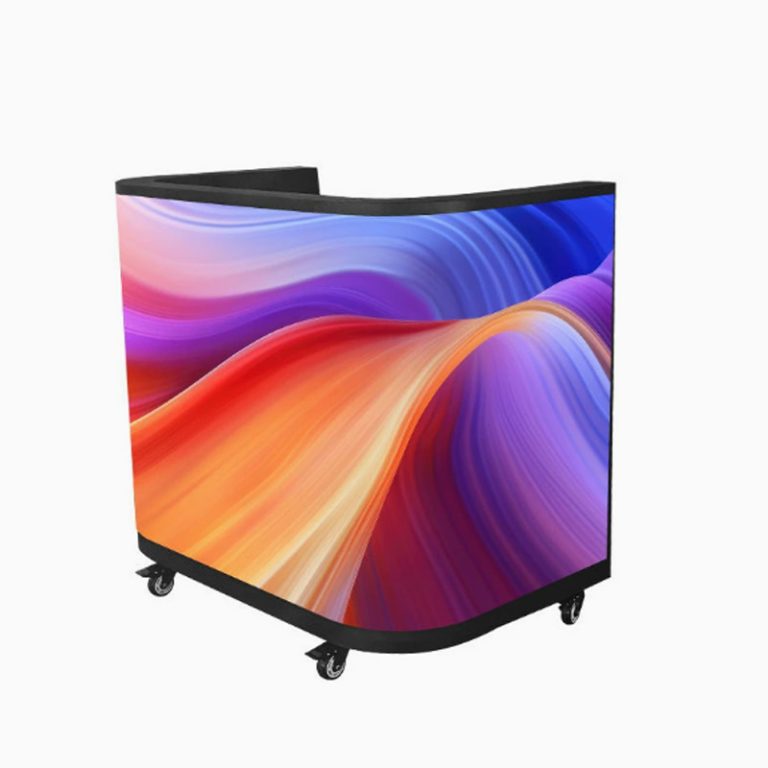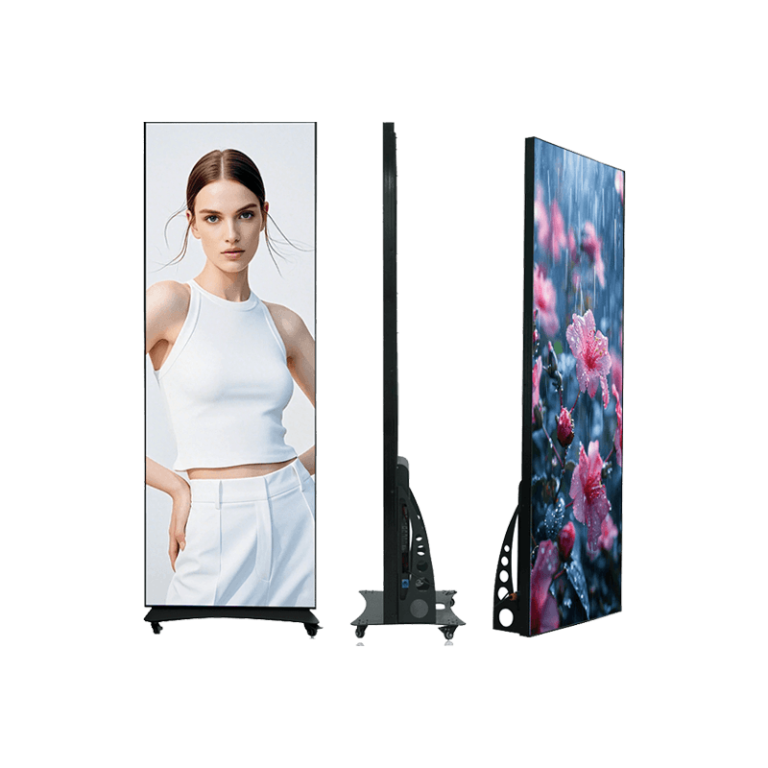
A billboard can look expensive for the wrong reason. The structure may be solid, the cabinets may be bright, and the content may be sharp on a laptop, yet the real viewer only sees it from across a road at traffic speed. That is where the P3 vs P6 LED display decision becomes practical rather than cosmetic. Pixel pitch should match distance, screen size, content style, and the revenue model behind the billboard.
P3 has a 3 mm pixel pitch, so it packs more pixels into every square meter. P6 sits around 6 mm, with fewer pixels and a lower detail level at close range. For outdoor LED pixel pitch planning, that difference is not automatically good or bad. It only becomes good or bad after the site distance is known. A LProvinz LEDs Anzeige project should start with the viewer, not with the smallest pitch on a quotation.
What Pixel Pitch Changes On A Billboard
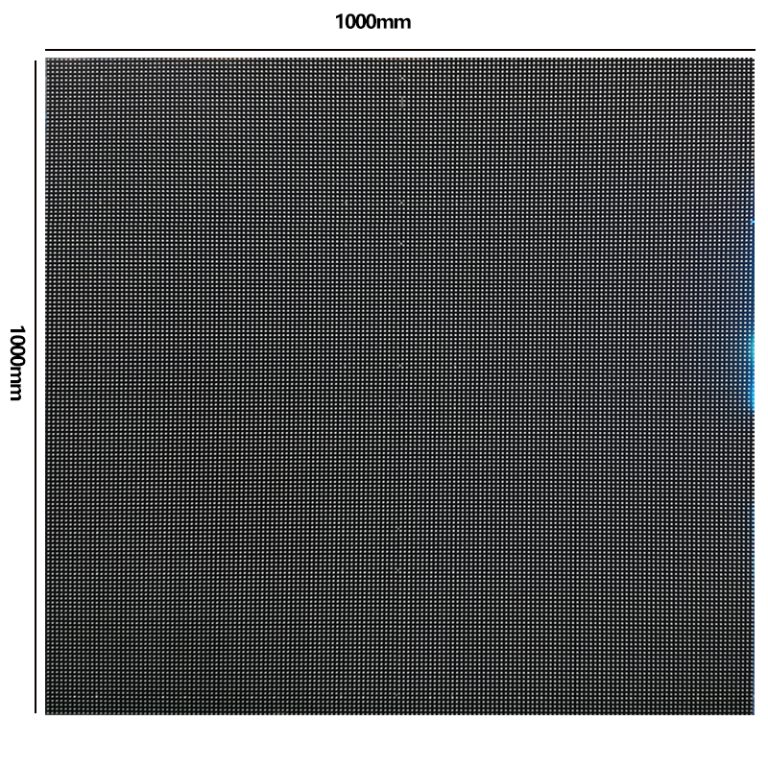
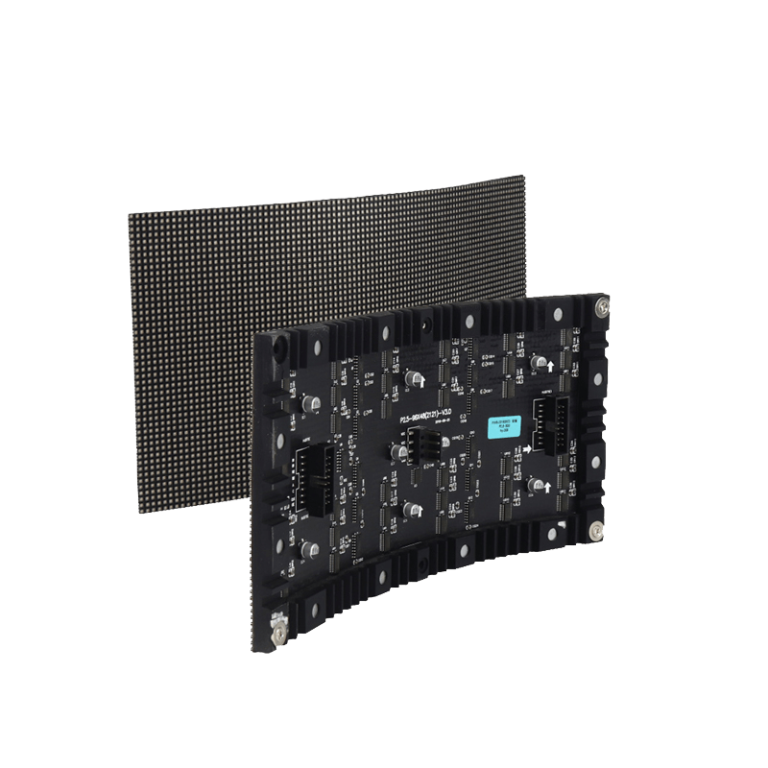
Pixel pitch is the distance from the center of one LED pixel to the center of the next. A smaller pitch means higher pixel density and smoother detail. A larger pitch usually costs less per square meter and can still look excellent when the audience is far enough away. Billboards are often viewed from moving vehicles or across open space, so the perfect showroom image may not be the perfect outdoor buying decision.
Pixel Density And Close Viewing
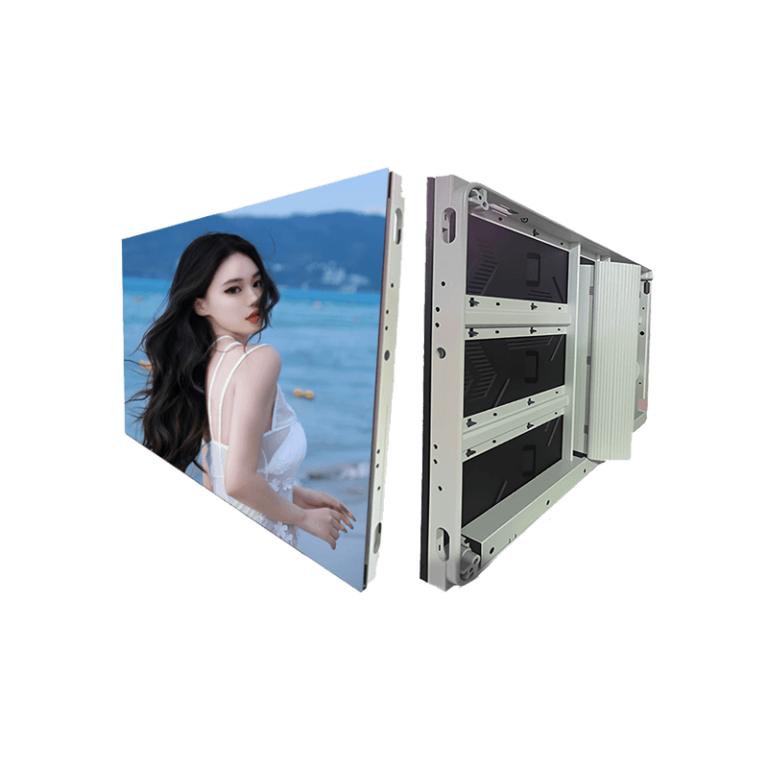
A P3 outdoor LED screen can carry smaller text, fine product details, and richer motion graphics. The outdoor P3 display has a 3 mm pitch, 111,111 pixels per square meter, a wide viewing angle, a 3840 Hz refresh rate, and high outdoor brightness. Those traits fit city storefront facades, transport entrances, pedestrian zones, and premium commercial locations where people may stand close enough to notice pixel structure.
The risk is cost. P3 uses more LEDs, more driving circuits, and more processing demand than a larger pitch screen. If the billboard is twenty meters away from most viewers, the extra detail may be invisible. A buyer then pays for a resolution that the audience cannot use.
Distance And Readable Content
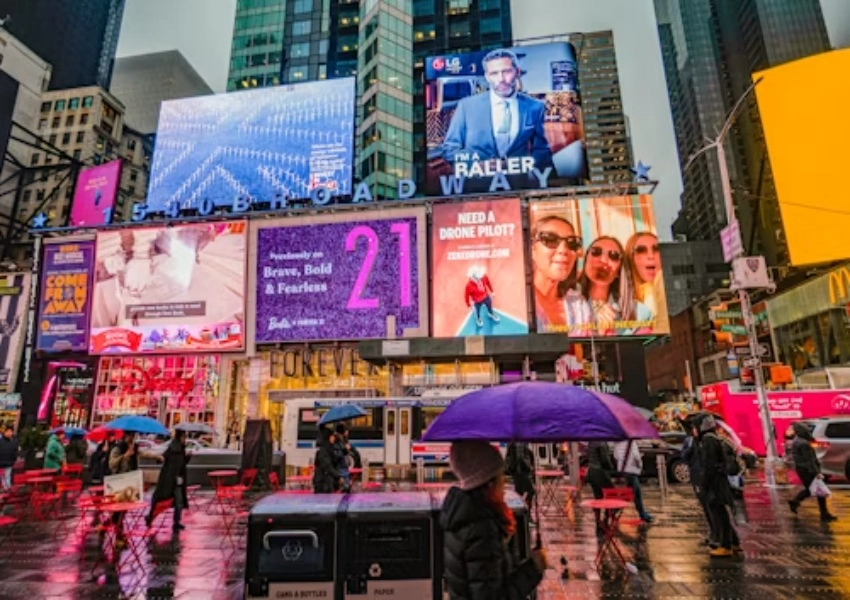
P6 is more forgiving for large roadside displays. A P6 LED billboard may not look fine enough at three meters, but at a longer billboard viewing distance, it can deliver readable brand messages, large product images, and high-impact video without forcing the budget into a finer pitch. That is why large outdoor signs often use P5, P6, P8, or similar pitch ranges depending on the site.
Where P3 Works Better
P3 becomes attractive when the screen is close to the audience or when the message depends on detailed visuals. Think of a shopping street billboard, a building corner display viewed from sidewalks, a roadside sign near a traffic light, or a public plaza screen where pedestrians stop and watch. In those cases, a coarse pitch can make edges look rough and small copy hard to read.
Die P3 outdoor LEDs Bildschirm direction also suits advertisers that run mixed creative: product close-ups, QR-style layouts, price details, and fast social-style video. For a media operator, finer pitch can help sell premium slots because the screen can handle a wider range of content. That said, fine pitch outdoors asks more from cabinet sealing, heat control, calibration, and maintenance access.
Content That Needs Detail
P3 makes more sense when creative includes faces, cosmetics, cars, electronics, fashion textures, and short text lines. It can also help when the screen is not huge. On a small or medium billboard, P6 may not have enough total pixels for sharp content. A small screen with a coarse pitch can feel like a digital sign rather than a premium media surface.
Where P6 Makes Better Business Sense
P6 often wins when the billboard is large, high-mounted, or viewed from a longer distance. At that point, the audience reads big shapes and simple messages. A larger pitch can reduce cabinet and module cost, simplify heat pressure, and keep the project budget closer to the expected advertising income.
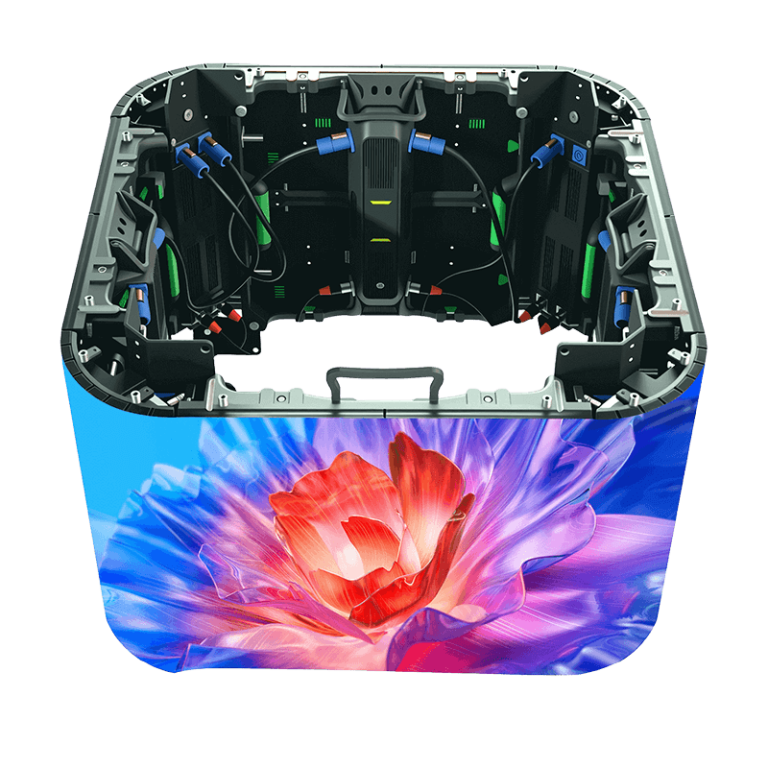
Leyalted P6 LEDs Werbetafel product direction is built for outdoor advertising with high brightness, IP65-level protection, reinforced outdoor structure, and sealing details suited to rain, wind, UV exposure, and dust. For a media owner, those outdoor protections matter as much as pixel pitch because downtime can erase the benefit of a lower purchase price.
Large Format And Faster Payback
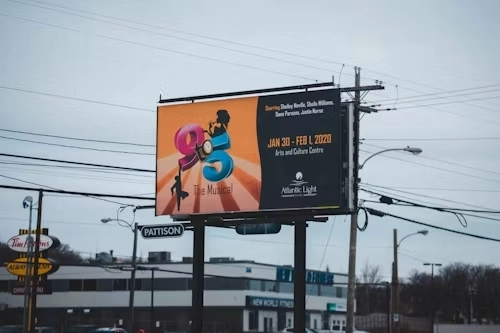
A P6 screen may be the stronger choice when the business plan depends on size, reach, and operating stability. If the billboard is beside a highway or mounted high on a building, advertisers pay for repeated exposure, not close-up detail. In that setting, a well-built P6 LED billboard can return money faster than a finer display that raises capital cost without raising ad rates.
Brightness, Weather, And Maintenance Still Matter
Pixel pitch is only one part of outdoor performance. Outdoor LED screens also need enough brightness for sunlight, strong waterproofing, dust control, heat dissipation, safe power distribution, and reliable service access. High-brightness RGB LEDs, IP65 or higher front protection, weather resistance, UV resistance, and operation planning around temperature and moisture.
For billboard projects, the Leyaled sales team should be asked for brightness range, average power, maximum power, refresh rate, cabinet material, service method, and spare module policy. A P3 screen with poor heat control can age badly. A P6 screen with weak sealing can fail in rain. The pitch label alone does not protect the investment.
How To Choose Between P3 And P6
A practical rule is simple: if viewers are close, the screen is modest in size, or the content carries fine detail, P3 deserves serious attention. If the screen is large, the viewer is farther away, and the content is built around big images and short copy, P6 may be the more sensible billboard choice.
Before ordering, buyers should send the supplier the screen size, photos of the site, shortest and longest viewing distance, road speed, sun direction, installation height, and expected content type. Leyaled’s Shenzhen factory background, automated production lines, 72-hour aging tests, high-and low-temperature checks, brightness decay testing, a 3-year free warranty, and lifetime technical support can then be tied to a real project plan rather than a generic model recommendation.
FAQ (häufig gestellte Fragen)
Q1: Is P3 always better than P6 for outdoor billboards?
A1: No. P3 gives finer detail, but P6 can be better for large billboards viewed from longer distances because it can lower cost while keeping the image readable.
Q2: What billboard viewing distance fits P3 outdoor LED screen projects?
A2: P3 is stronger for closer pedestrian or street-level viewing, especially when content includes small text, faces, product detail, or premium visual effects.
Q3: What should be checked besides outdoor LED pixel pitch?
A3: Check brightness, IP protection, heat dissipation, cabinet structure, power load, refresh rate, maintenance access, warranty, and spare module support.