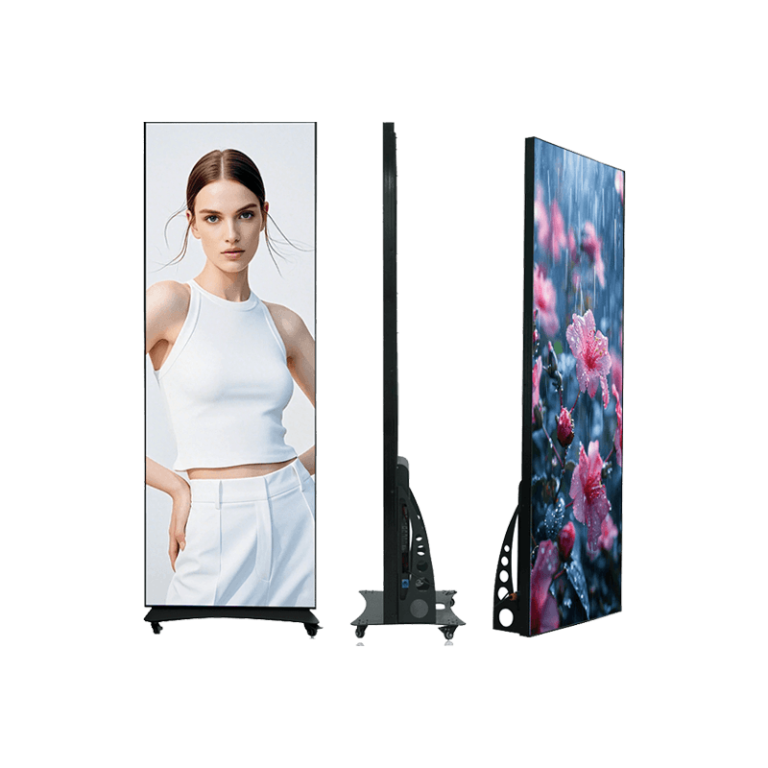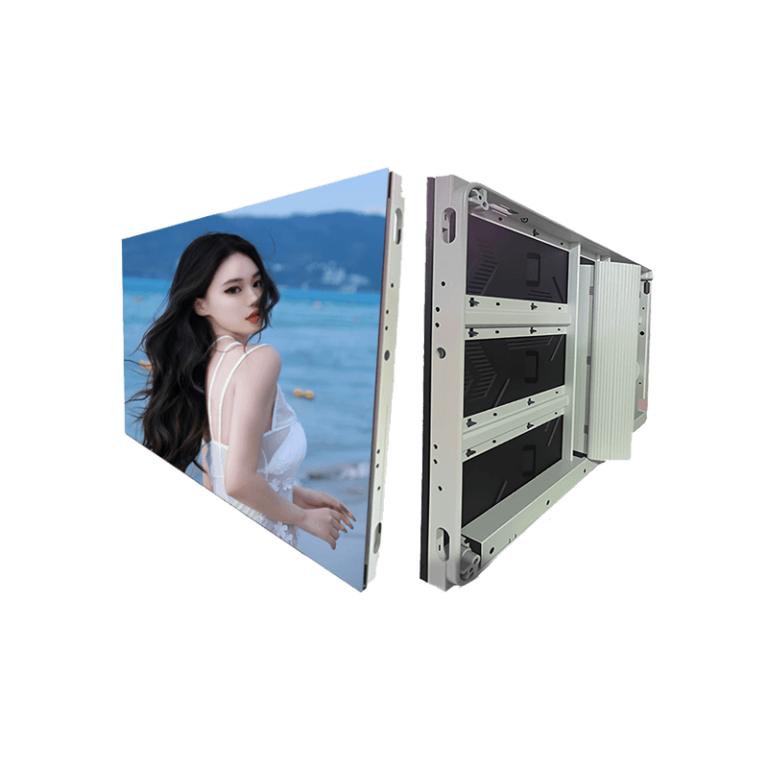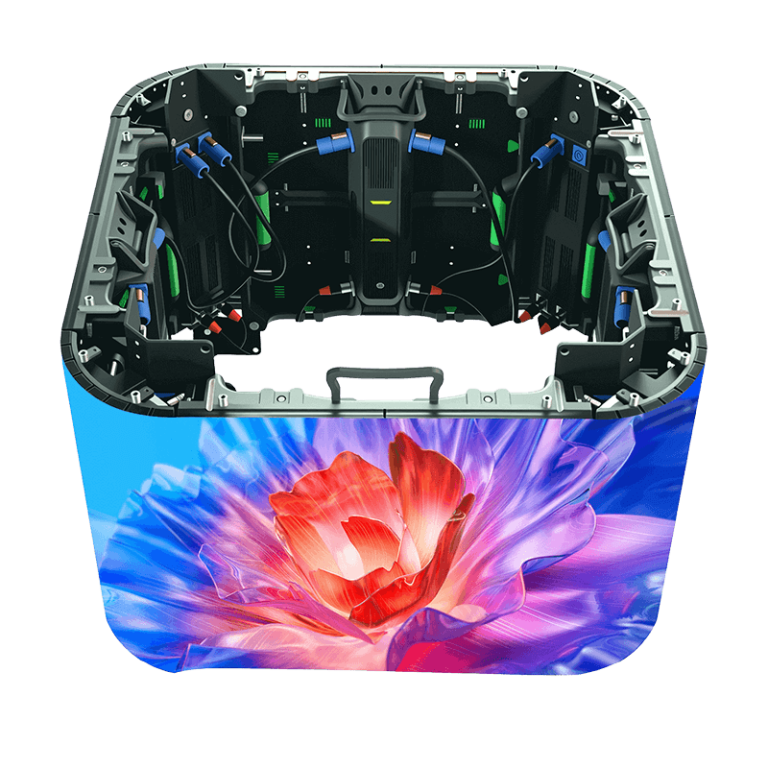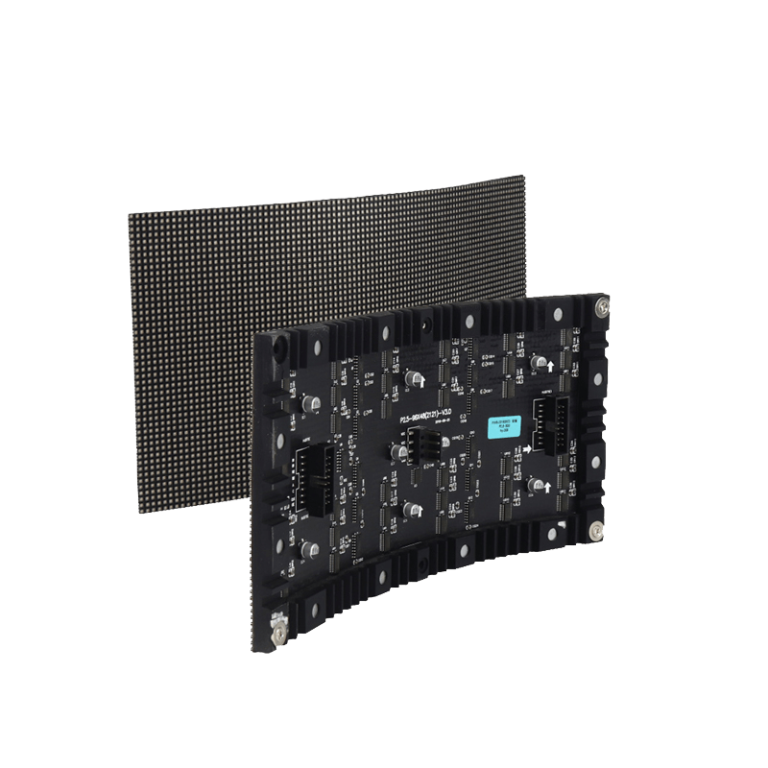
Display technologies have changed greatly over the years. They shifted from large cathode ray tubes to slim, bendable LED panels. This change came from the need for sharper images, improved power savings, and wider uses in fields like advertising, TV broadcasting, and smart buildings.
Traditional Display Technologies
Cathode Ray Tube (CRT) Displays: Characteristics and Limitations
CRT displays ruled the market long ago, and they were cheap and good at showing colors. These devices used electron beams to hit screens coated with phosphor and create pictures. But their large bulk, heavy build, and big energy use made them unfit for today’s setups. They could not reach strong brightness or small sizes. So, they faded away as fresh methods appeared.
Liquid Crystal Displays (LCD): Advantages and Disadvantages
LCDs changed flat-panel tech in a big way, and they worked by having liquid crystals that electric currents could adjust to manage light flow. The good points were small radiation output, lighter weight, and fairly low power needs when compared to CRTs. However, they had narrow viewing ranges, slower reaction speeds, and duller hues. These problems limit them in big or outside uses that demand strong light levels.
Plasma Displays: Features and Market Presence
Plasma screens gave deeper dark areas and stronger contrast than LCD, and they did this with gas cells that ionized to send out ultraviolet light. Even though their image quality was top-notch back then, they often got burn-in marks, used lots of power, and cost a lot to keep up. Such drawbacks sped up the move to LED systems. Those systems offer great visuals plus better running efficiency.
LED Display Technology
The field wanted screens that mixed clear pictures with power savings. So, LED tech rose as a key advance, which links strong output and eco-friendliness well.
Structure and Functionality of LED Displays
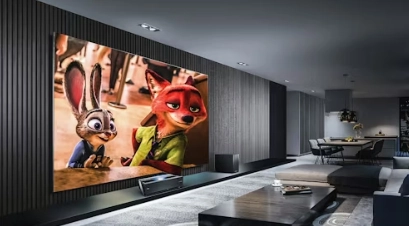
With special software for editing and playing programs, you can adjust text, drawings, photos, and more. You add, remove, or change them using tools like keyboards, mice, or scanners, and it also takes in and shows video feeds from devices such as recorders or DVD players. This setup with modules lets you arrange things flexibly. It fits many situations, from tiny inside panels to huge outside signs, which makes it one of the most fitting display methods now.
Types of LED Displays: Indoor, Outdoor, Flexible, and Special Screens
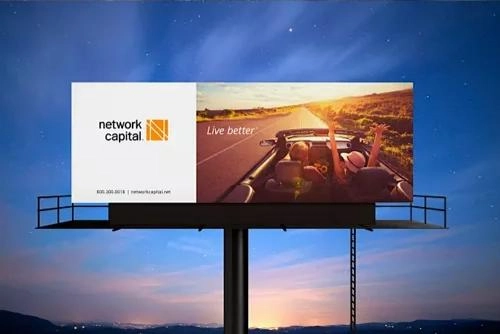
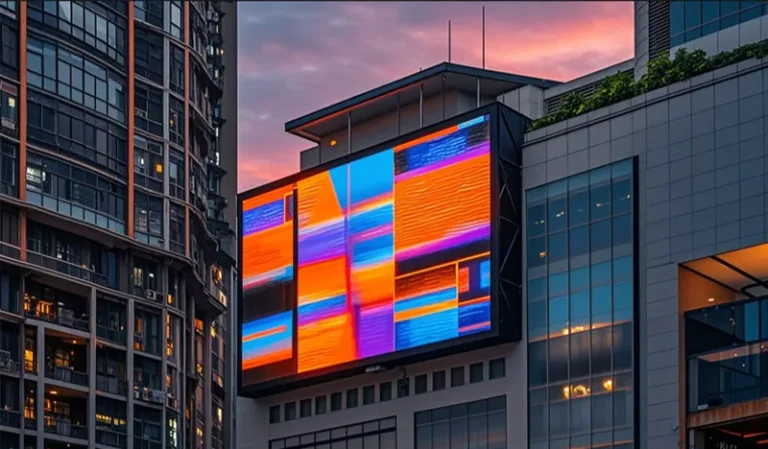
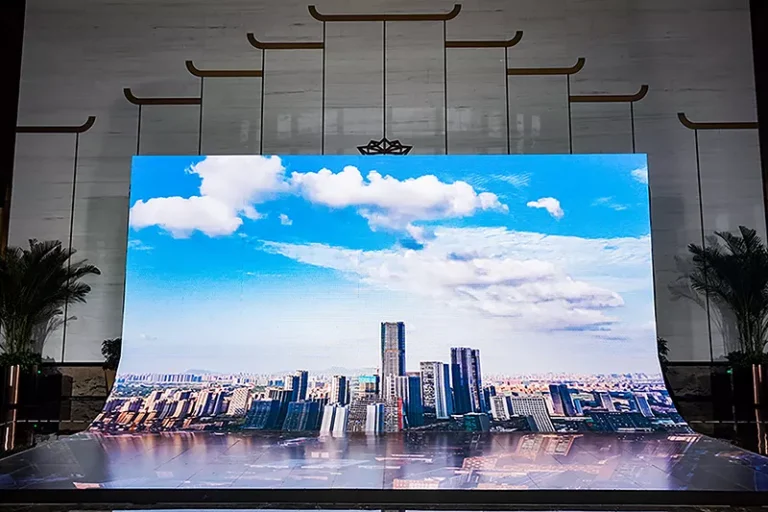
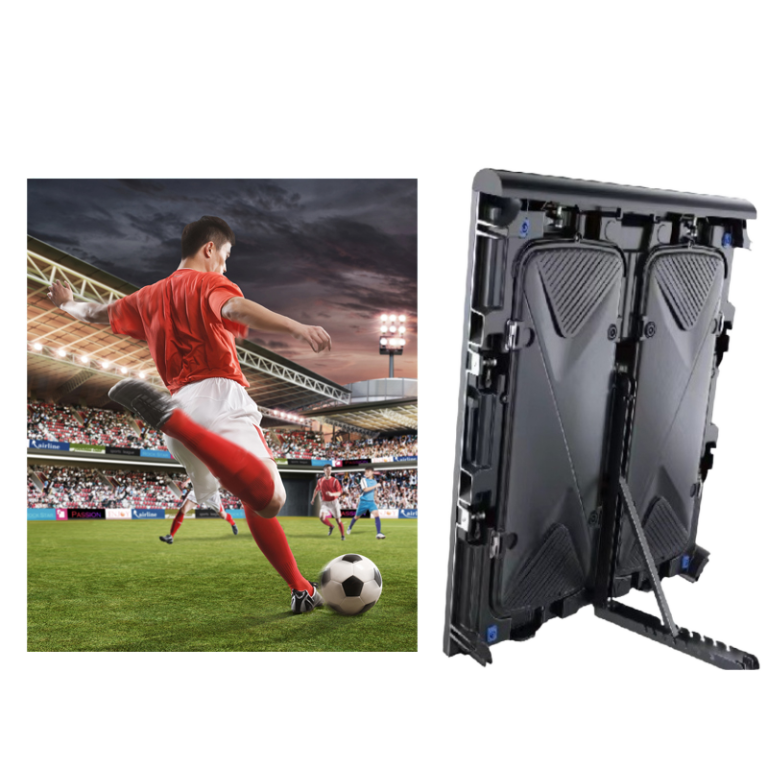
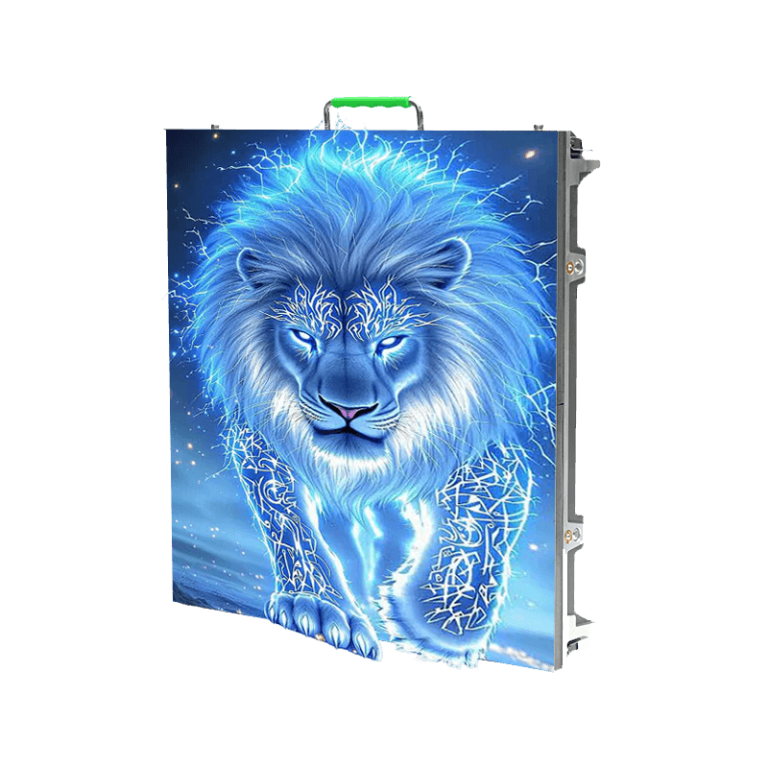
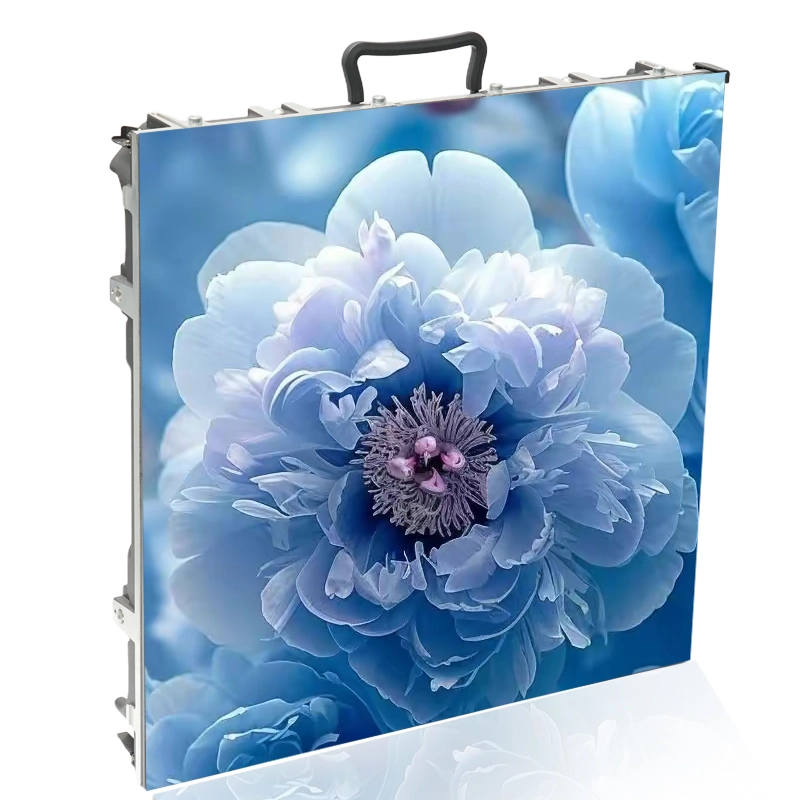
Indoor LED screens, like the indoor P4.81 display Enclosure, join together without gaps. They have fast refresh speeds for even moving images in meeting rooms or display areas. Outdoor types, such as the Outdoor Led Billboard P6, use cabinets rated IP65 for water resistance. These hold up against rain and sun rays while keeping a clear sight in bright daylight. Bendable screens use flexible bases for artistic setups on rounded walls or building fronts. Unique-shaped displays, like clear or reflective ones, open new options for shop displays or smart rooms. There, looks blend with practical use.
Innovations in LED Display Technology
Dynamic scanning tech keeps pictures steady without extra sounds, which brings lively motion results, and the video runs smoothly. LED displays push for low-carbon ways and green care. They grow toward even better power use. New small-pitch setups now join without seams. Smart systems adjust brightness on their own to match the room light, which gives the best view without eye strain.
Comparative Analysis: LED vs. Traditional Displays
When you compare LEDs to older display kinds, it shows why LEDs lead in today’s digital image systems for business areas.
Visual Performance and Quality
Brightness Levels: LED Versus LCD and Plasma
LEDs reach much higher light outputs than LCDs or plasma screens, and they do this by sending light straight out, not through spread-backlight methods. For outside items like outdoor display P3, they give 600–1000 cd/m2 light strength, which ensures sharp views even in full sun, which old tech cannot do.
Color Accuracy and Consistency Across Different Technologies
Point-to-point fix tech uses the LED light principle to keep colors true, which skips the shifts often seen in LCD backlight setups. At the same time, it holds even color output over big panels.
Viewing Angles and Their Impact on User Experience
LCDs face limits from their filter layers, but LEDs keep steady color truth over angles wider than 160°, which creates a deep-dive feel for viewers at different spots and ranges. It matters a lot for places like stadiums with a stadium screen.
Energy Efficiency and Environmental Impact
LED displays run on low voltage with small power draw, yet they provide strong light. Their better light-to-power ratio means big energy cuts over past types, and those old ones depend on wasteful electron beams or gas sparks. LED displays last a long time. They resist hits and run steadily. The module build makes upkeep simple. You can swap single parts without taking apart the whole thing, which beats fragile plasma or closed LCD parts that wear out fast.
Cost Considerations in Display Technologies
Upfront prices might seem steep at first because of parts like SMD lamp beads or cast aluminum frames in items such as a profile aluminum LED display. However, lower power needs and little upkeep lead to smaller total costs over many years. The module style of LED setups makes them simple to set up and care for. Daily jobs like fixing bad pixels or updating control programs take less work than fixing vacuum tubes or plasma parts, which boosts trust, especially in key spots like travel centers.
Leyaled’s Contribution to LED Technology
As a skilled manufacturer focused on fresh ideas in image fixes, we mix design skills with strong factory-level building accuracy.
Overview of Leyaled as a Reliable Manufacturer
FWS Technology Co., Ltd. sits in Shenzhen with a 7,200 m² site, which has eight auto SMT lines, four of which run fully on their own. The company focuses on research, manufacturing, and selling in the full LED display field. All items pass ISO 9001:2008, CCC, and CE checks for steady quality in inside and outside full-color screens. Our view is that quality forms the base of staying alive, which shapes each step from picking parts to help with after-sales service. We ask experts looking for solid display answers to check our lineup on the Leyaled. There, new ideas meet skilled work built over more than ten years of steady growth.
Range of Products Offered by Leyaled: Standard, Outdoor, Indoor, Flexible, Special Screens
Our list covers basic fixed setups for shop fronts, which include fine-pitch options great for office spots. Flexible types fit changing building designs. Tough outside signs handle bad weather. Unique forms like see-through glass walls or touch mirrors are all there. You can find them at our product center.
Advantages of Leyaled’s Products
Outside lines like outdoor P6 display have IP65 seals that fight storms, and they keep ≥6000 cd/m2 light in full sun for round-the-clock work. They use full fill tech for lasting steadiness in wild heat shifts. Inside, small-pitch types give top gray levels up to 16-bit, which ensures exact color changes for TV rooms or show spots. Our build team aids custom plans from business squares to control rooms. They use module link platforms in our fix hub (Commercial Display, Control Center, Smart Square, Transportation). Each job gets pixel sizes tuned to view ranges for the best image value.
Conclusion
LED tech beats old CRTs, LCDs, and plasma setups. It gives top light strength and power savings. Plus, it supports longer life and easy growth for any use, from tiny inside signs to big outside boards like our main P6 model. Built-in perks cover even light spread and trust from module builds that allow steady updates. Picking a skilled teammate guarantees not just item strength but also link know-how needed for hard setups. There, timing match counts most. Our promise goes beyond making it into a full-time tech aid built for buyer wins. Experts can contact us anytime via our online reach page. No need for phone info.
FAQ
Q1: What are the main benefits of choosing an LED display over traditional technologies?
A1: LEDs offer better light fit for varied conditions. They use less power than CRTs or LCDs. They also have longer run times that cut replacement needs. At the same time, they hold steady color truth over use.
Q2: How does Leyaled ensure the quality of its LED displays?
A2: Every piece goes through strict checks in auto SMT lines under ISO rules. We use brought-in glow materials with top IC chips for steady output in long runs.
Q3: Where can I find more information or contact your team?
A3: For full details or job talks on any type, from bendable art screens to set outside setups, check our main contact area at Leyaled’s contact page. Our pros answer fast to expert questions from around the world.