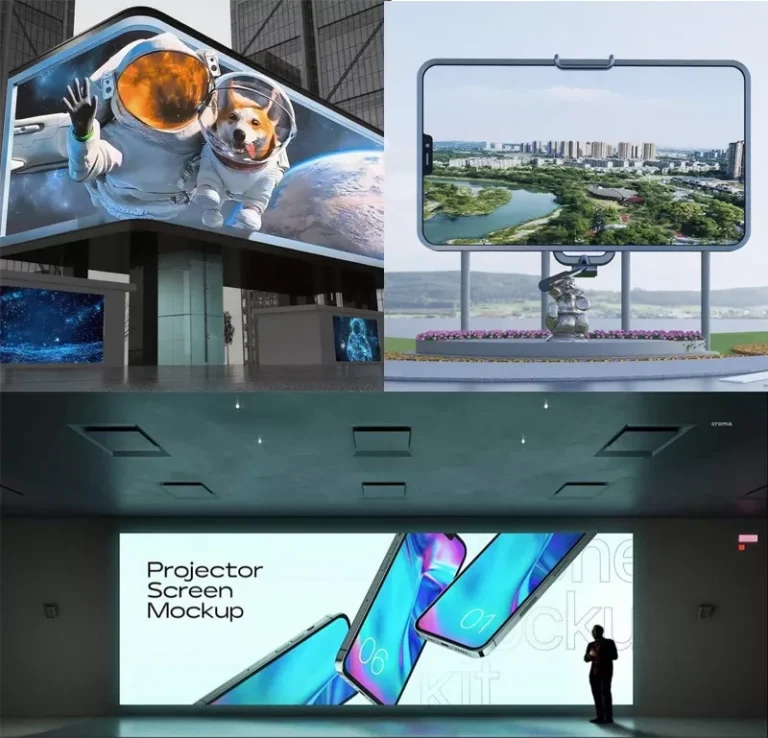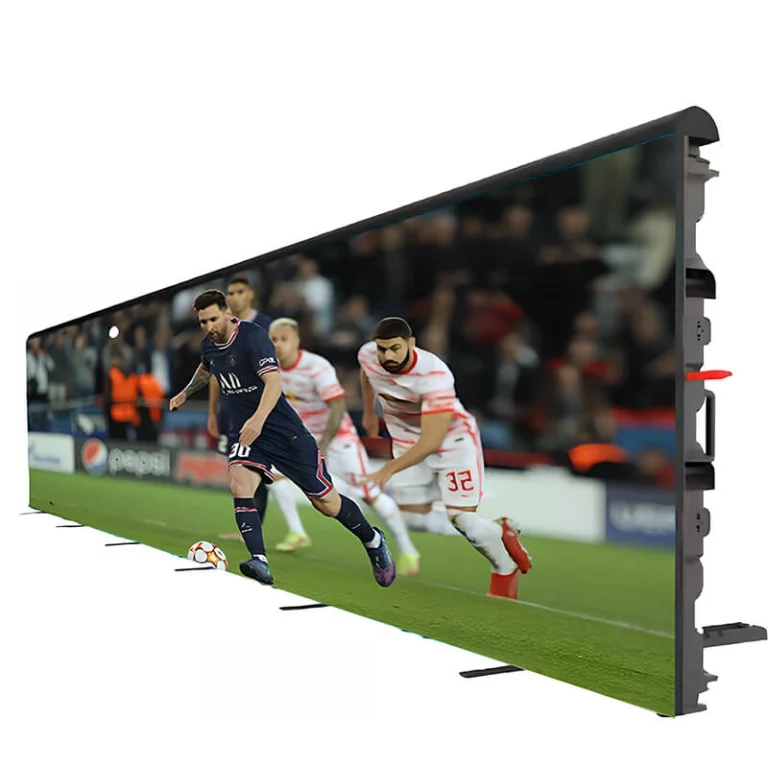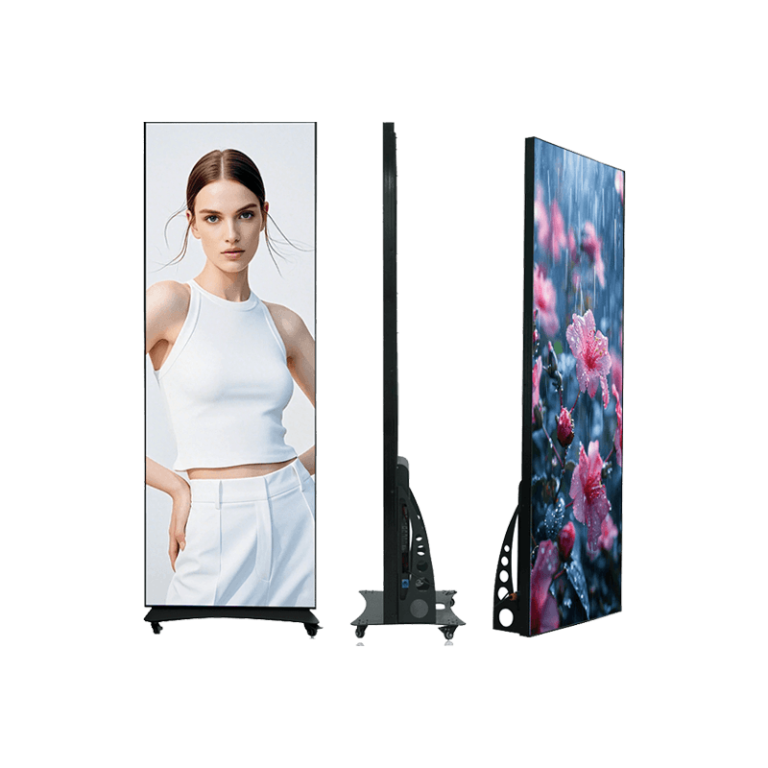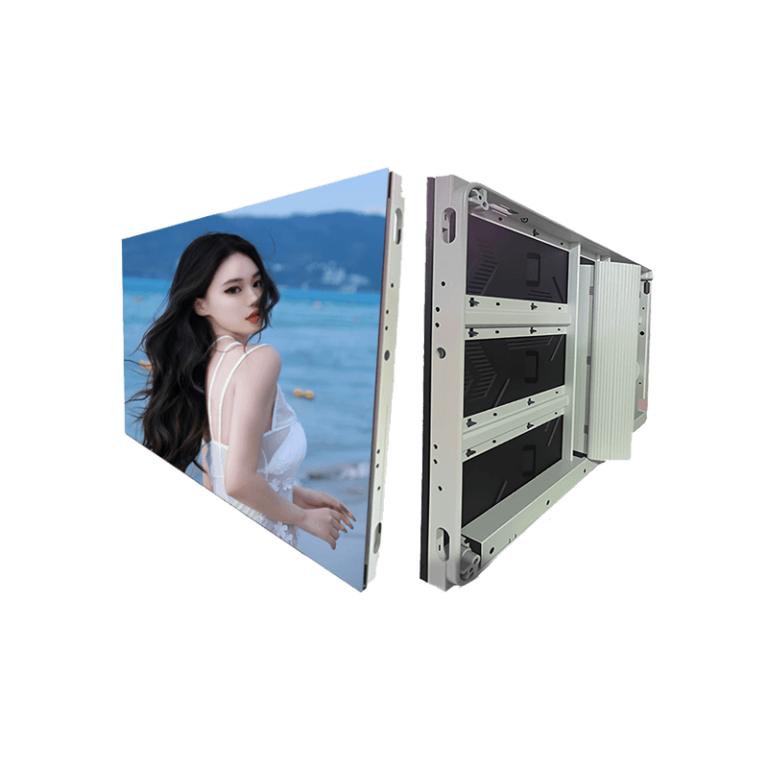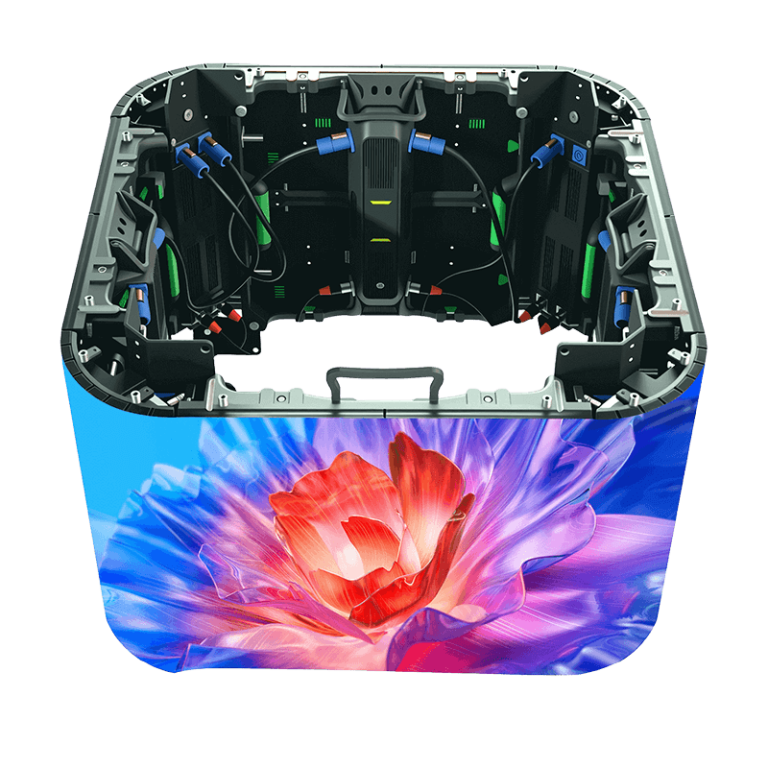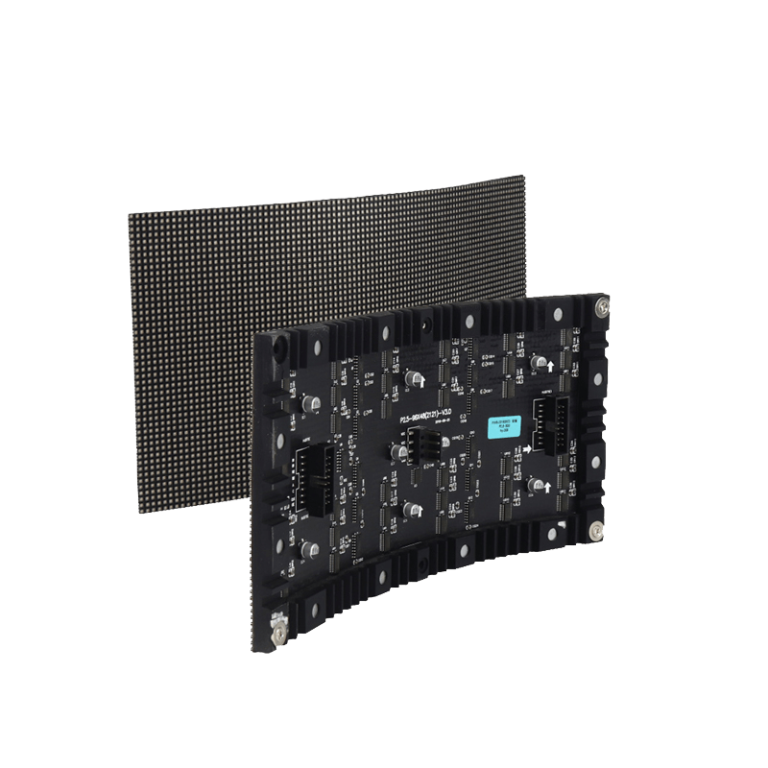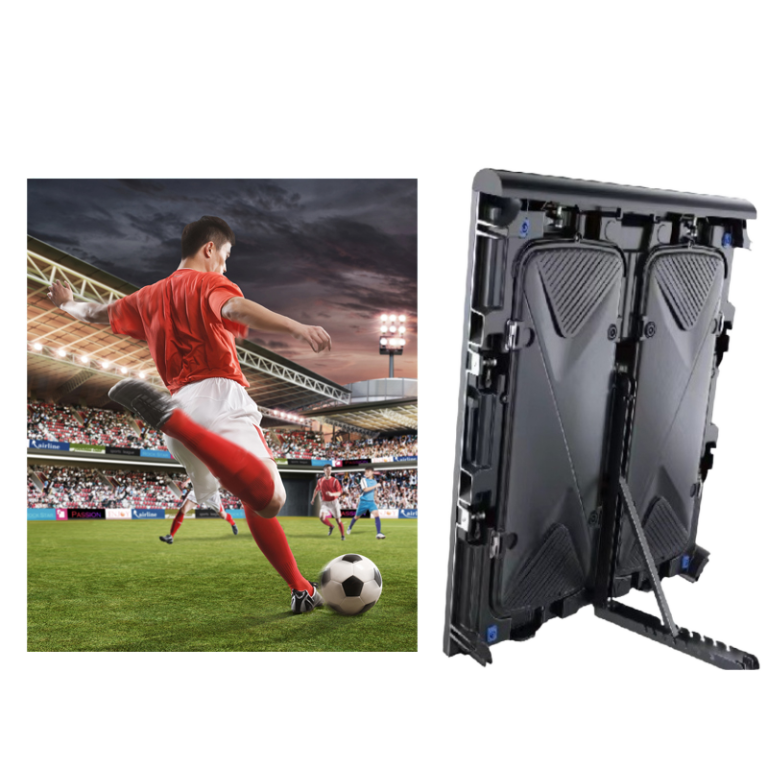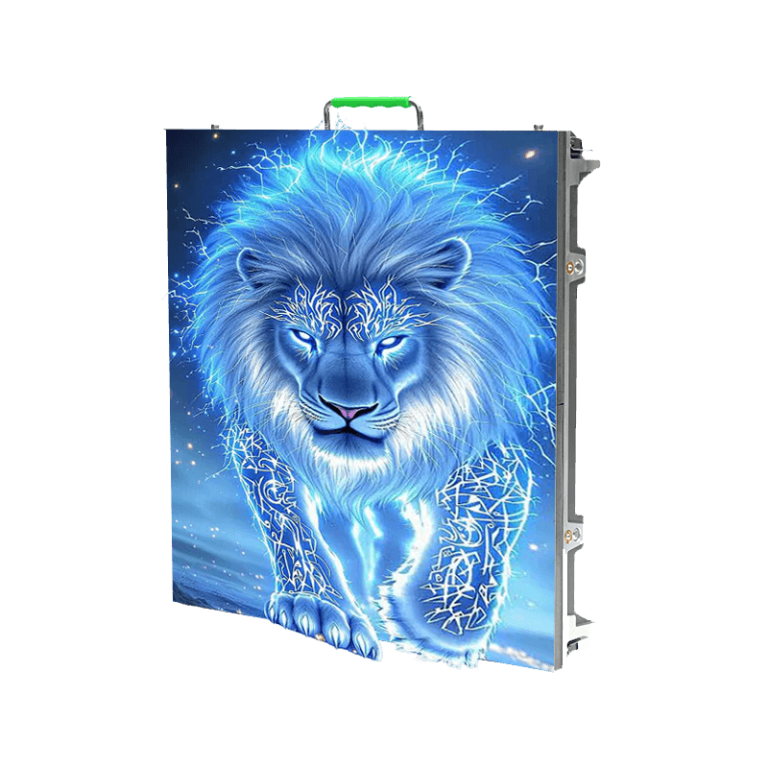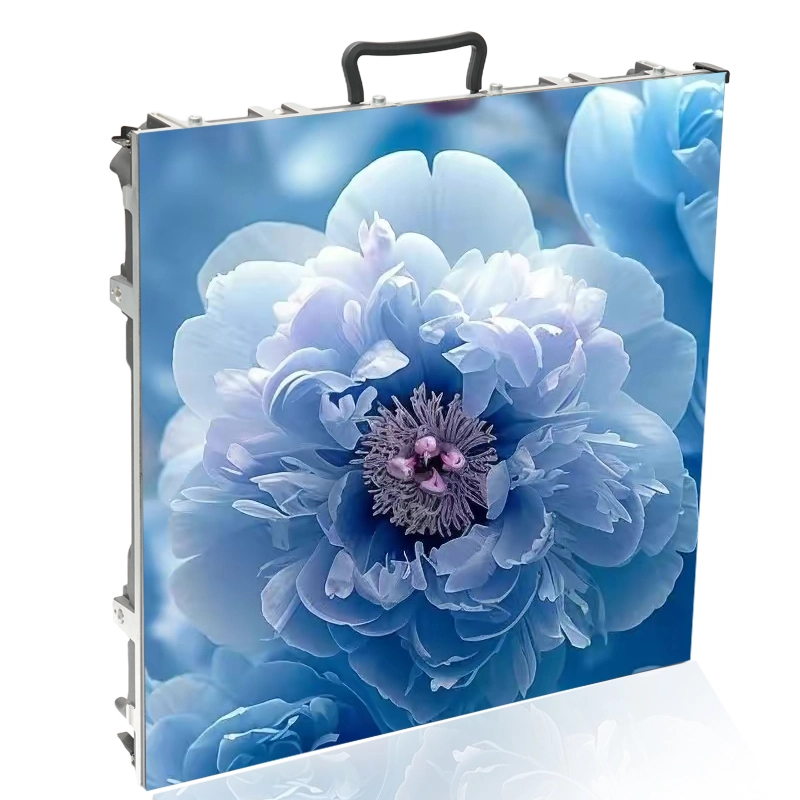
The retail world has seen a major change as we move through 2026, where winning customer notice now depends on lively, pulling-in sight shows that grab people right away. For more than ten years, our group has led this tech growth, seeing up close how a well-placed indoor digital display board can turn a quiet shop front into a busy center of interest and more visitors. As a tech company started in 2012 with a large 7,000 square meter making plant in Shenzhen, we have focused on careful research and making of sight fixes that shape the current business look. Our path over the past fourteen years has allowed us to grow strong skills and form close work ties with thousands of companies, giving us a special view on what really helps in the tough retail area. When you join Leyaled, you do not just buy parts; you get a store of knowledge from a team where 40% of the workers are skilled tech staff set on “green lighting” and power-saving new ideas. We hold that quality forms the base of staying alive and honesty builds business, so we are leading you through the main rules for picking the best indoor LED screen to boost your brand show this year.
Defining the Gold Standard for Indoor Visuals in 2026
In the current digital era, the definition of a high-quality LED screen indoors has evolved beyond simple resolution metrics to encompass a holistic view of visual performance, energy efficiency, and viewer comfort. Retailers must prioritize specifications that align with the sophisticated expectations of modern consumers who are accustomed to 4K and 8K screens in their daily lives. The primary differentiator for a top-tier display in a retail environment is the refresh rate, which dictates how smooth motion appears and, crucially, how the screen performs when captured on smartphone cameras by social media-savvy shoppers.
A low refresh rate results in unsightly flickering lines in photographs and videos, which can negatively impact your brand image when customers attempt to share your store’s aesthetics online. Consequently, we strongly advocate for screens that boast a high refresh rate of 7680Hz, ensuring that every frame is rendered with absolute fluidity and stability, regardless of the camera shutter speed used by your audience. Furthermore, brightness calibration is equally critical; an indoor LED sign board solution must strike a delicate balance by offering around 800cd/㎡, which is luminous enough to cut through ambient store lighting without causing visual fatigue to shoppers standing in proximity.
Energy consumption has also become a non-negotiable factor for cost-conscious businesses aiming for sustainability in 2026. The most advanced displays utilize common cathode technology or optimized circuit designs to significantly reduce power usage without compromising visual impact. We emphasize selecting products that maintain an average power consumption of approximately 300W/㎡, as this efficiency translates directly into lower operational costs over the display’s lifespan, fulfilling our corporate mission of promoting environmental protection and energy conservation globally.
Why Versatility and Cabinet Design Matter for Retail
When putting money into a digital face for a shop area, the real build of the box counts as much as the electrical parts in it, since it sets the simple setup, heat loss, and full long life of the setup. Old steel boxes are usually heavy and hard to handle, making them tough to put in spots where looks and space use matter most. This is why we suggest choosing an indoor digital display board made from pressed aluminum, a material known for being very light and slim, which helps quick put-together and a smooth fit into different build plans.
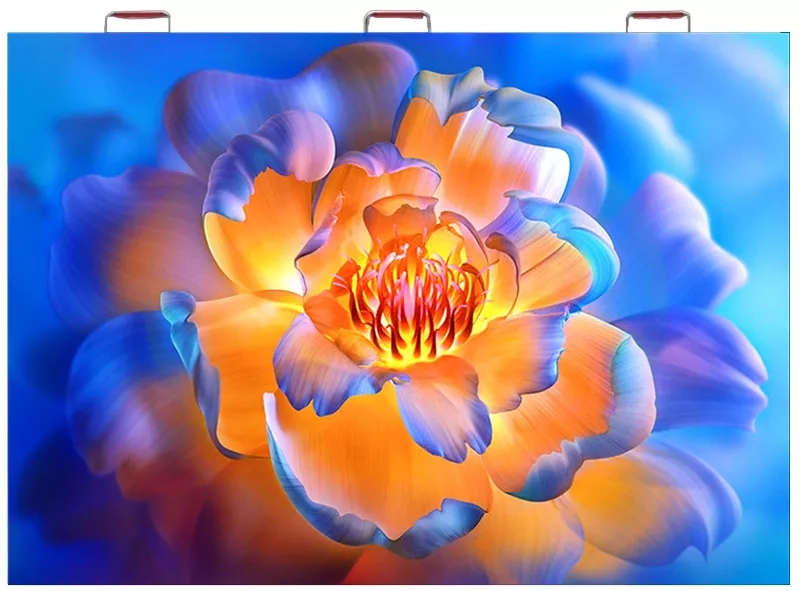
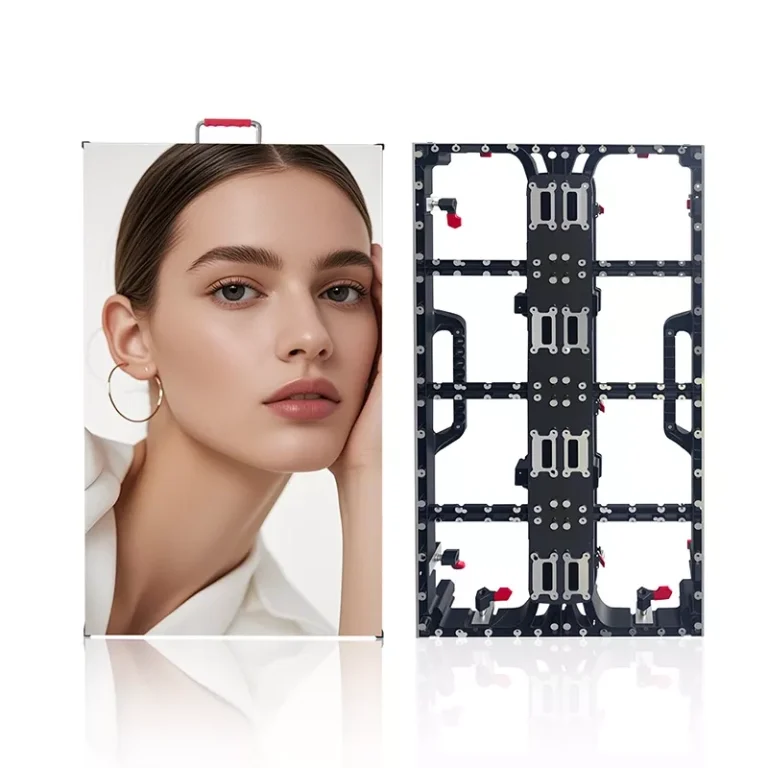
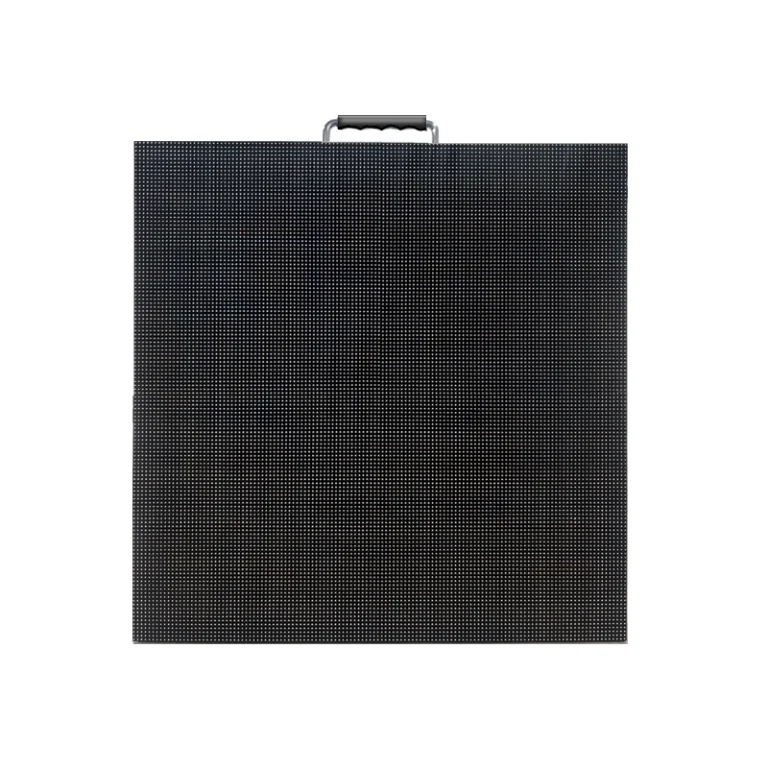
إن Indoor P4.81 display shows this better build work, with a custom pressed aluminum box sized at 500x500mm or 500x1000mm that puts light weight first without giving up build strength. Though often grouped as a rental-type box due to its quick-lock parts and easy move, this plan works very well for fixed shop sets that need a current, clean look and the bend to change for time-based sales or shop plan shifts.
The good points of this exact setup include:
- Superior Heat Dissipation:The aluminum stuff loses heat better on its own than steel, cutting the need for loud cool fans and making sure quiet work, which matters for fancy shop aisles.
- Seamless Splicing:The exact making of these boxes makes sure that when joined, the pixel space stays the same over the whole video wall, making a great, no-gap sight show that keeps the feel of one big picture.
- Maintenance Flexibility:Shop spots cannot take stop time, so having a setup that backs both front and back care lets techs change parts or power boxes fast, keeping your ad info going without breaks.
Ensuring Long-Term Value Through Rigorous Quality Control
Picking the best indoor LED screen is not just about the numbers on a data sheet but about the trust built into the manufacturing steps that make sure the item works steadily over years of use. We truly think that the strength of a display lies long before it goes into your shop, starting with choosing top raw stuff like good LED bits and drive chips that stop quality problems from the start. A trustworthy LED screen indoors should go through full test steps that copy hard work conditions to check its toughness.
Before any item leaves our plant, it faces a needed 72-hour hard test plan, which covers hot and cold cycles and a light fade check. This careful step makes sure that the screen you get will keep its color even and light steady even after thousands of hours of work. Also, the long life of the display gets help from a full service build; we give a 3-year promise and vow an answer in 24 hours for any questions, making sure your money stays safe. By putting first makers who stick to these strict quality check rules and offer “no-worry” after-sales help, shop owners can safely use digital signs that push interest and sales for a long time.
Final Thoughts on Elevating Your Retail Space
As we hold steady in 2026, it is clear that adding high-work digital signs is key for brands that want to stay useful and pull in a full market. By aiming at main tech numbers like a 7680Hz update speed, power-saving use, and the build quality of pressed aluminum boxes, you can pick a fix that gives quick sight force and long-term work trust. We ask you to use our fourteen years of field knowledge and set on tech new to change your business spot. For a personal talk on how to set the top sight fix for your firm, please go to our contact page to talk with our pros.
أسئلة متكررة
Q: What is the expected lifespan of a high-quality indoor LED screen used in a retail setting?
A: A professionally manufactured LED screen typically boasts a lifespan exceeding 100,000 hours, provided it operates within appropriate temperature ranges and receives regular maintenance. Our products are designed with rigorous quality control and heat dissipation features to ensure they meet and often exceed this industry standard, offering reliable performance for many years.
Q: Can the P4.81 display screen be serviced easily if a module fails?
A: Yes, the cabinet design prioritizes ease of maintenance to minimize downtime in commercial environments. It supports both front and rear maintenance, allowing technicians to quickly access and replace individual modules or power boxes without needing to dismantle the entire video wall structure, which is crucial for maintaining continuous operation in busy retail stores.
Q: Is the power consumption of these large digital displays manageable for daily operation?
A: Absolutely, energy efficiency is a core focus of modern display technology in 2026. Our screens are engineered to be energy-saving, with an average power consumption of around 300W/㎡, utilizing advanced drive methods and high-efficiency power supplies to significantly reduce electricity costs while fulfilling environmental conservation responsibilities.