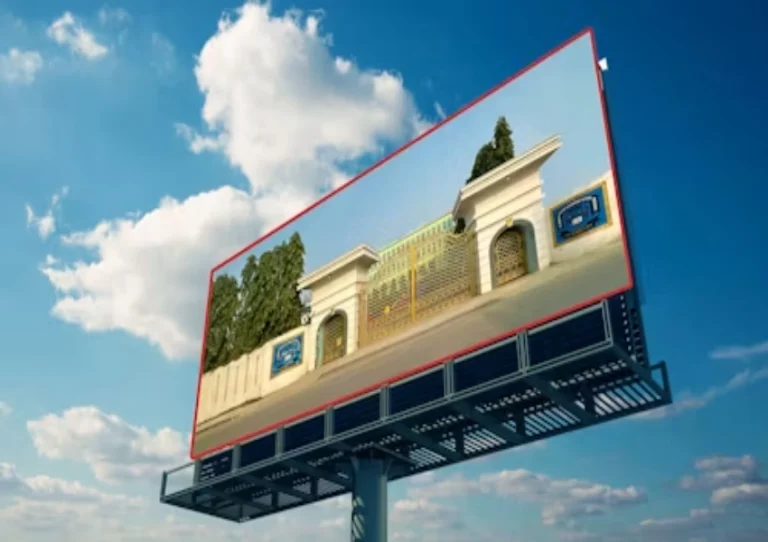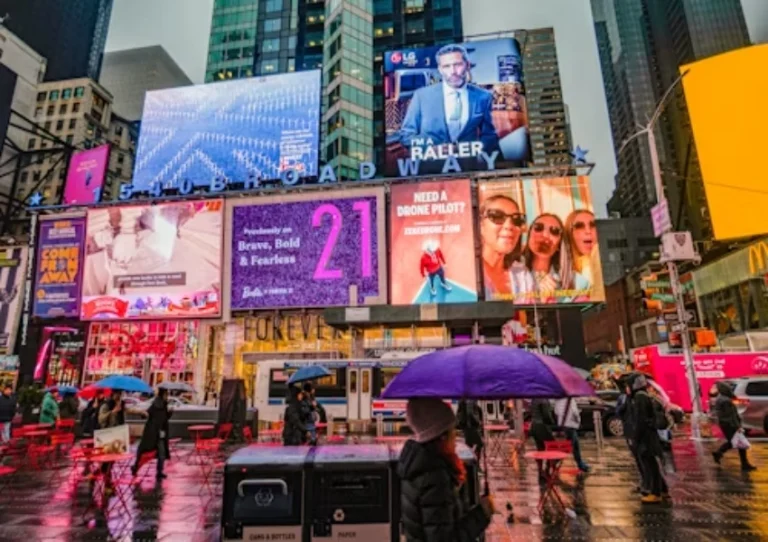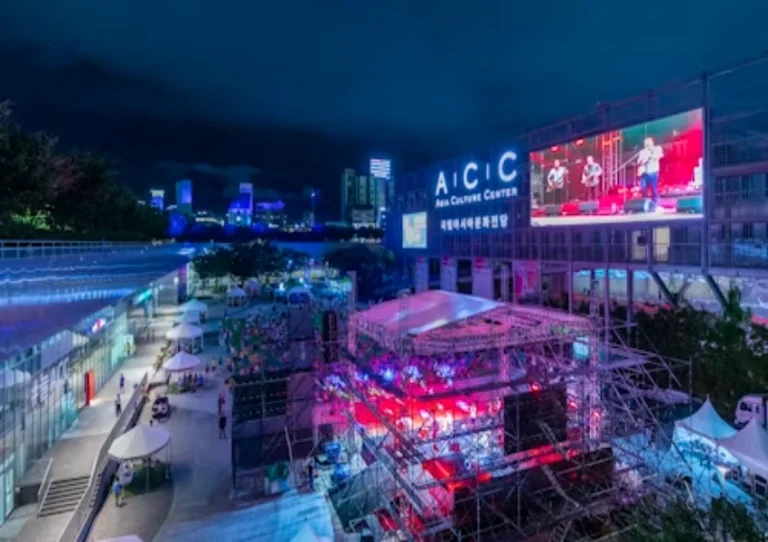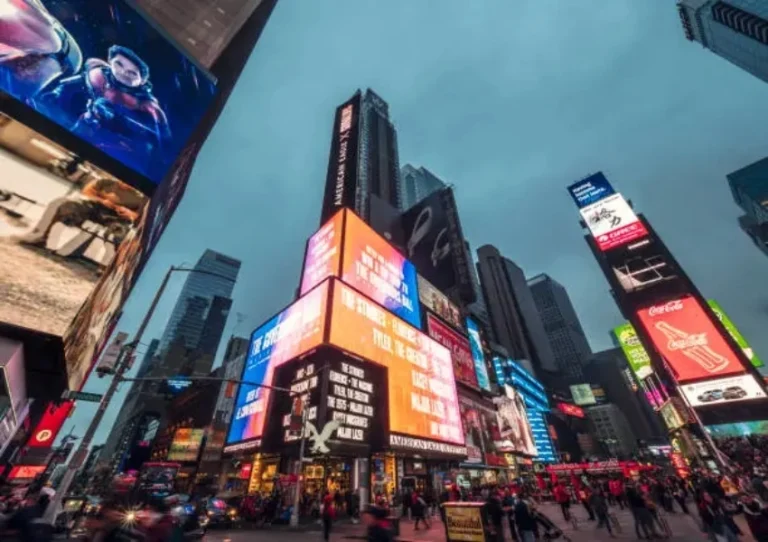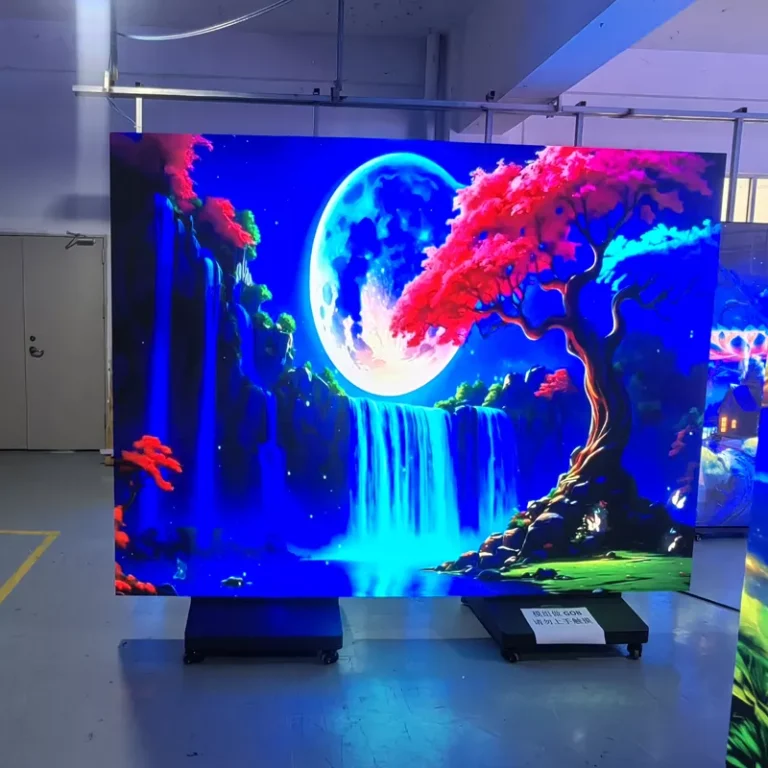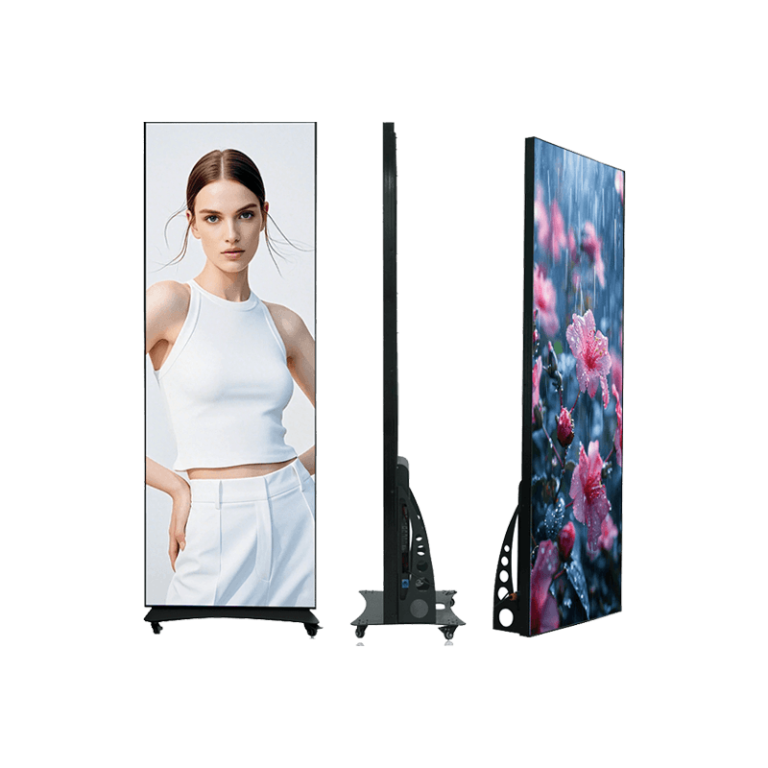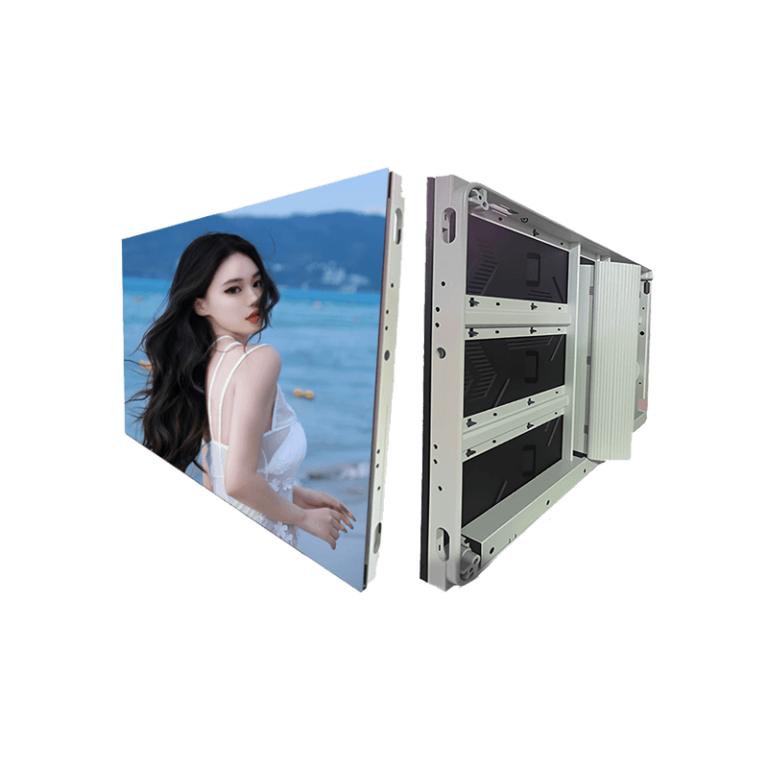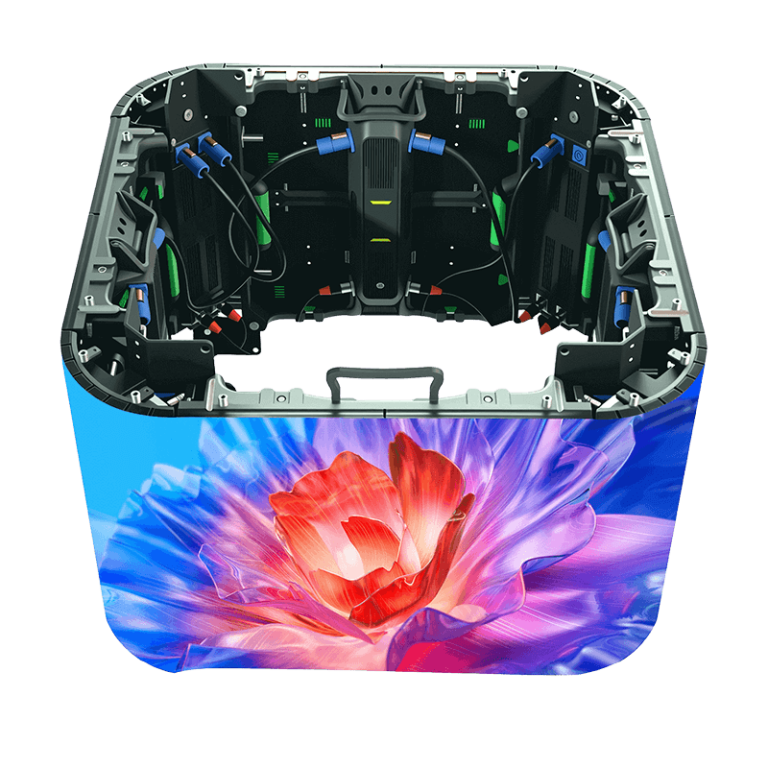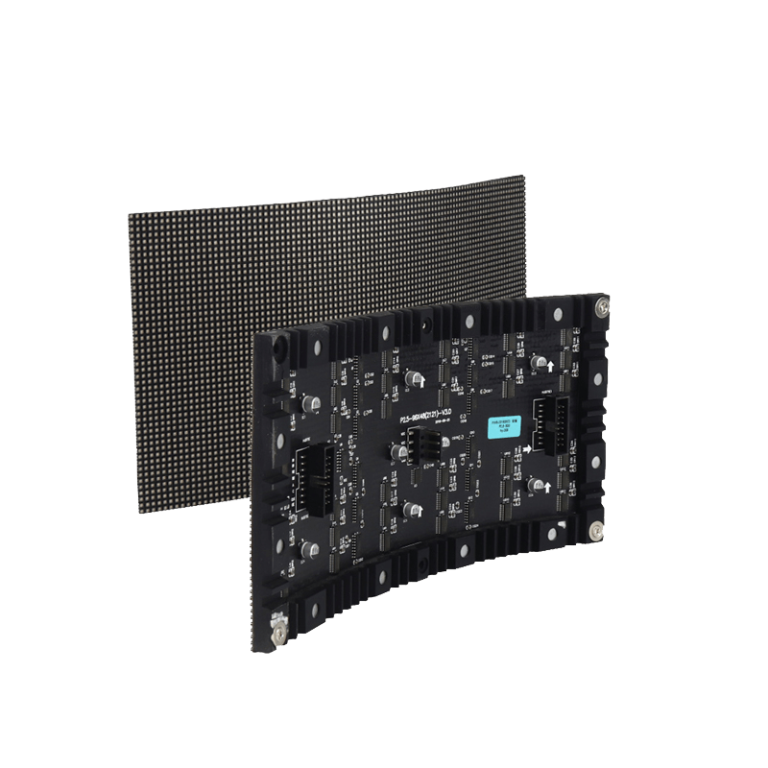
A 3D LED billboard succeeds only when the screen, corner, viewing point, and content are planned together. The effect is not produced by the LED wall alone. It comes from perspective. A naked-eye 3D display tricks the viewer into seeing depth on a flat or corner-mounted surface because the animation is built for a specific viewing angle.
That is why many disappointing 3D projects share the same problem: the buyer approves a big screen first and asks for 3D content later. By then, the corner radius, cabinet alignment, viewing distance, and pixel pitch may already limit the effect. A strong 3D digital billboard should be treated as a media surface and an optical setup at the same time.
Screen Shape Comes Before The Content
An anamorphic LED screen needs a physical shape that supports the illusion. A simple flat wall can run 3D-style content, but the most dramatic effect often comes from a corner LED screen or a shaped facade where two planes meet cleanly. The corner gives content creators a visual edge to build depth, objects, and movement.
Flat, Corner, And Curved Surfaces
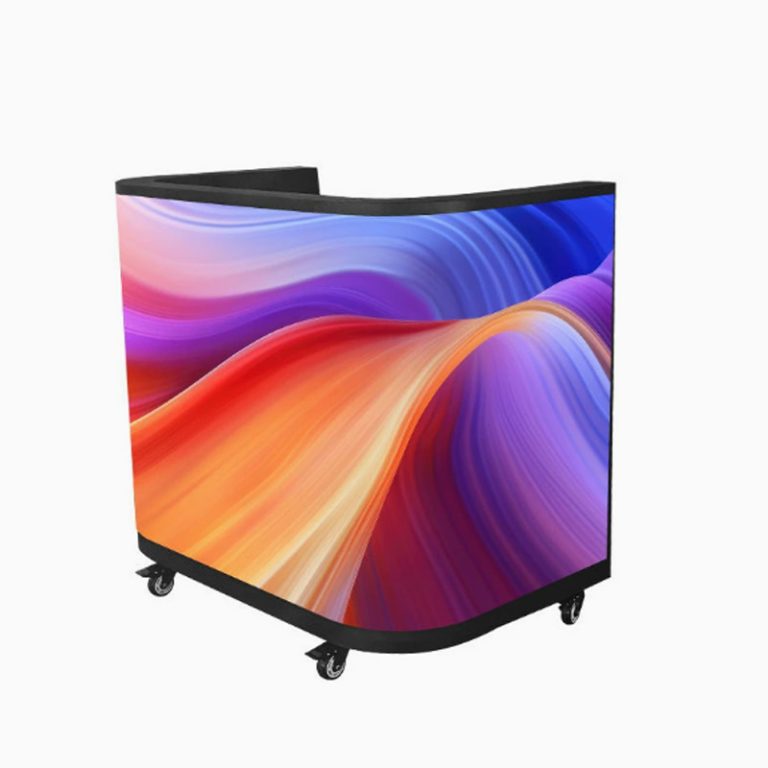
A flat display is easier to build and maintain, but the 3D effect may feel weaker unless the viewing point is tightly controlled. A corner screen can make objects appear to break out of the building, especially when the two faces meet at a clean vertical edge. A curved or flexible surface can support more creative geometry, but the content team must know the exact radius and pixel map.
لياليد flexible الصمام عرض category is relevant for shaped media surfaces because flexible LED modules can support inner arcs, outer arcs, cylinders, waves, and other creative forms. Flexible products use magnetic installation, flexible FPC circuit boards, and bend-resistant materials in the module structure. For a 3D LED billboard, that flexibility can help when the building surface is not a simple flat rectangle.
The Corner Must Be Visually Clean
The corner line is the stage for the illusion. If the cabinets are misaligned, the seam is wide, or the two faces do not match brightness and color, the 3D effect breaks quickly. The LED supplier and content studio should confirm the pixel map, cabinet layout, corner tolerance, and front maintenance method before content production starts.
Viewing Angle Decides The Illusion
A naked-eye 3D display usually has a sweet spot. Viewers standing near that area see the most convincing depth. People far outside the planned angle may still see a bright advertisement, but the 3D form can look stretched or strange. This is normal for anamorphic content, and it should be part of site planning.
Choosing The Main Viewing Zone
The main viewing zone should be based on real foot traffic or road movement. A plaza screen may aim at pedestrians standing in front of a building. A street corner display may aim at people crossing from one side. A roadside screen may have only a brief viewing window, so the 3D motion must read quickly. The better the viewing zone is defined, the easier it is to choose pixel pitch and content scale.
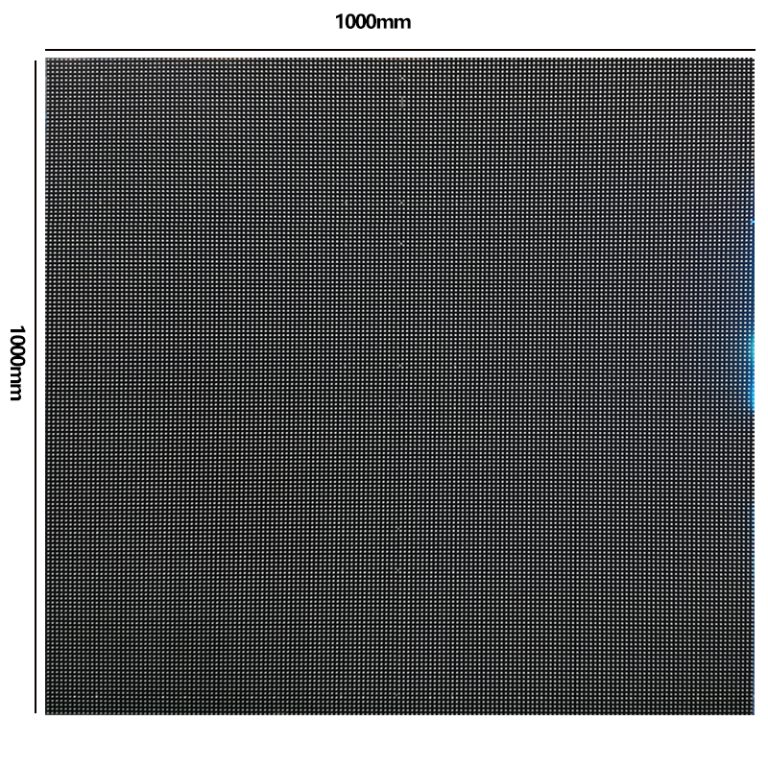
For close-view creative work, the شاشة عرض داخلية مرنة direction gives a useful reference for shaped commercial surfaces where viewers stand near the screen and notice pixel structure, seam control, and surface alignment. A 3D billboard with close pedestrian viewing often needs that kind of detail because distorted edges and jagged motion are easy to notice.
Brightness And Refresh Matter
3D content uses shadows, edges, highlights, and motion timing to create depth. If the screen lacks brightness in sunlight, the effect becomes flat. If refresh rate or grayscale is weak, fast motion can look unstable on camera. Outdoor 3D projects should ask for brightness, refresh rate, grayscale, color calibration, and camera performance, especially when the campaign is expected to spread through social video.
Content Has To Be Made For The Screen
A 3D digital billboard cannot simply reuse a normal 16:9 video. The content studio needs the screen dimensions, corner angle, pixel pitch, viewing coordinates, building photos, safe text zones, and the exact LED mapping file. Without those inputs, the animation may look fine in a preview and wrong on the installed screen.
Depth, Scale, And Timing
Good anamorphic content usually keeps the story simple. One strong object, one clear movement, and one convincing depth cue often work better than a busy scene. The viewer has only a few seconds to understand the illusion. If the content uses too many small details, the 3D effect may be lost in the visual noise.
Testing Before Public Launch
Content should be tested on the actual screen or a precise simulation before launch. The team should check the sweet spot, corner seam, brightness difference between faces, shadow behavior, and whether the object appears to float or break out from the intended angle. Day and night tests are both needed because an effect that looks strong at night may wash out in direct sunlight.
Installation Quality Protects The 3D Effect
For normal signage, a small seam issue is annoying. For a 3D LED billboard, it can ruin the illusion. Cabinet flatness, corner alignment, power stability, signal routing, and calibration all matter. Heat and water protection still matter too, because many 3D billboards are mounted on premium outdoor facades where downtime is very visible.
لياليد شاشة مرنة LED can support curved and shaped display needs with flexible module design, front maintenance, and magnetic installation. It is not a one-size answer for every 3D project, but it shows the type of module-level thinking that shaped LED work requires. For a sharp corner display, a fixed outdoor cabinet may be better; for a curved creative surface, flexible modules may open more design room.
The supplier should also help content teams understand service boundaries. If a module must be replaced, the color match and calibration should not make one patch visible in the 3D scene. Leyaled’s factory testing, 72-hour aging process, brightness decay checks, onsite installation support, 3-year free warranty, and lifetime technical support give buyers a stronger base for long-running public displays.
How To Brief A 3D Billboard Supplier
A useful RFQ for a 3D LED billboard should include building drawings, screen face dimensions, corner angle, expected viewing zone, shortest and longest viewing distance, sun direction, local weather, operating hours, content style, and whether front maintenance is required. لمقاطعة can then recommend cabinet type, pitch, brightness, IP protection, service access, and calibration support around the effect rather than only around the screen area.
The best 3D projects do not chase novelty alone. They make the physical display, the corner geometry, and the animation feel like one object. When those pieces line up, the billboard earns attention without needing exaggerated claims.
أسئلة متكررة
Q1: Does a 3D LED billboard need a corner screen?
A1: Not always, but a clean corner often makes anamorphic depth more convincing because content can use the edge as part of the illusion.
Q2: What pixel pitch works for a naked-eye 3D display?
A2: It depends on viewing distance. Close pedestrian viewing often needs a finer pitch, while larger long-distance screens can use a wider pitch if content is simple.
Q3: What should be prepared before making anamorphic content?
A3: Prepare screen dimensions, pixel map, corner angle, viewing zone, site photos, brightness target, content duration, and testing time on the installed screen.