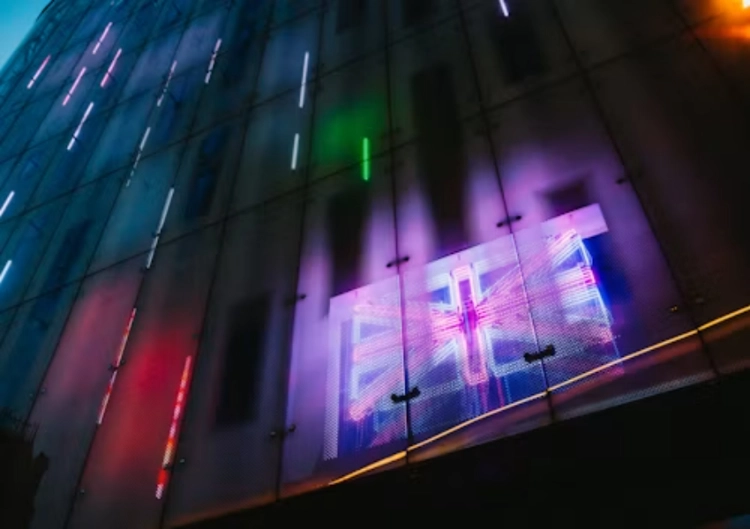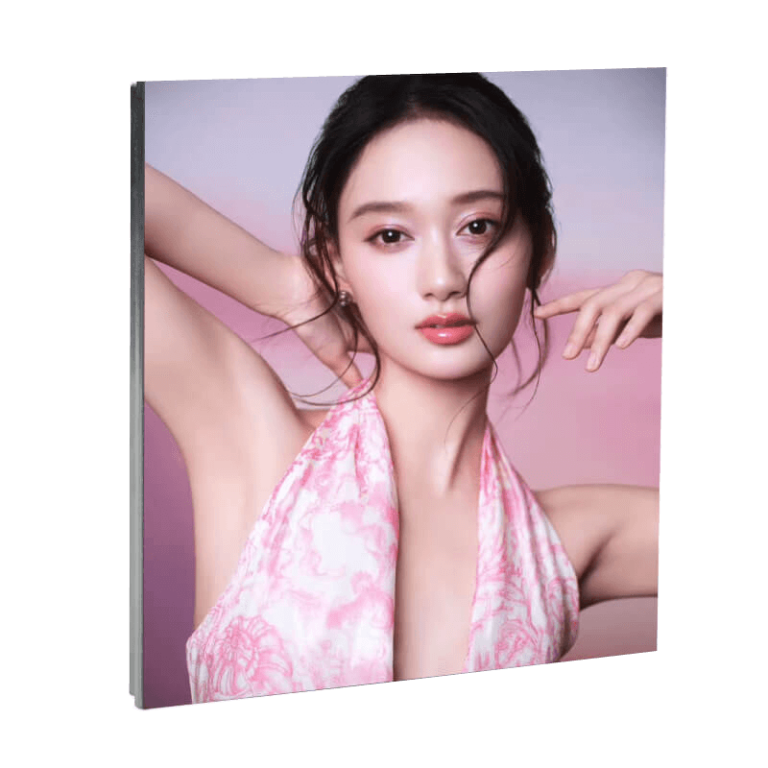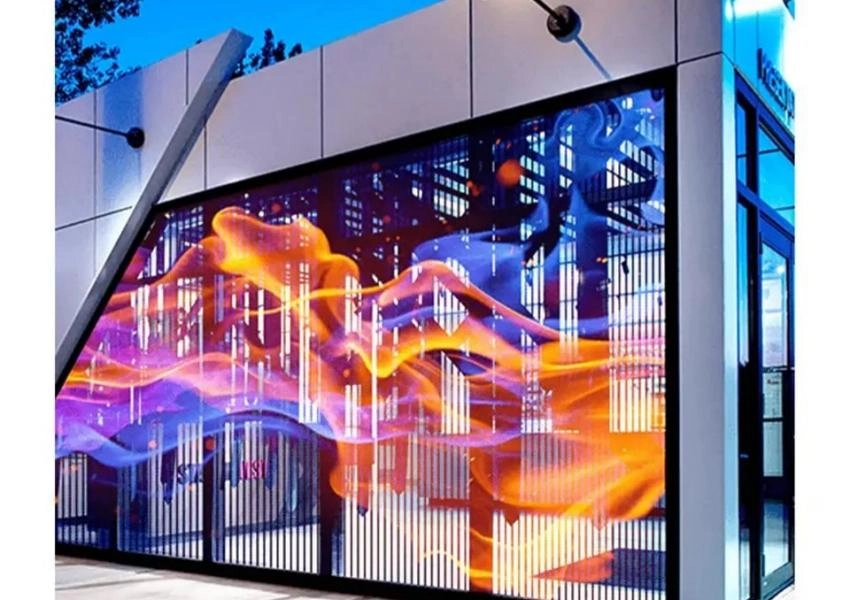
تتطور تجهيزات عرض المنتجات في متاجر التجزئة بسرعة. يتطلع المتسوقون إلى صور واضحة وجذابة. تمزج هذه التجهيزات بين الوسائط الرقمية والأماكن الواقعية. تُعد شاشات LED الشفافة الآن الخيار الأمثل للمتاجر الحديثة، فهي تتناغم تمامًا مع الجدران الزجاجية، وتحافظ في الوقت نفسه على وضوح الرؤية وتسمح بمرور الضوء. غالبًا ما تُشاهد شاشات LED شبه الشفافة خارج أو داخل واجهات المتاجر، حيث تعرض الإعلانات دون حجب إضاءة المكان. بفضل ذلك، يستطيع أصحاب المتاجر تحويل واجهات متاجرهم إلى مساحات رقمية مشرقة، دون المساس بشعور الاتساع والرحابة.
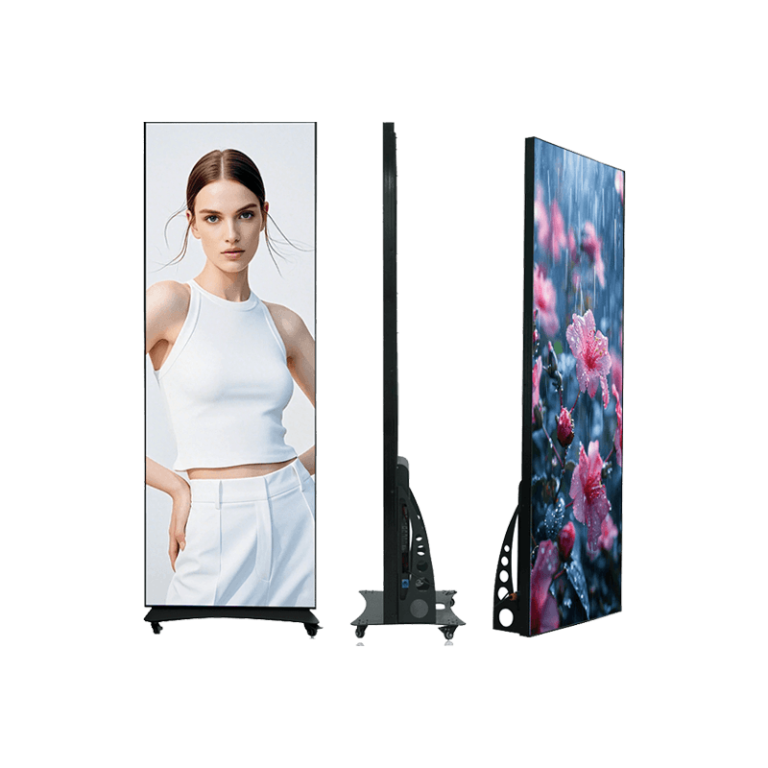
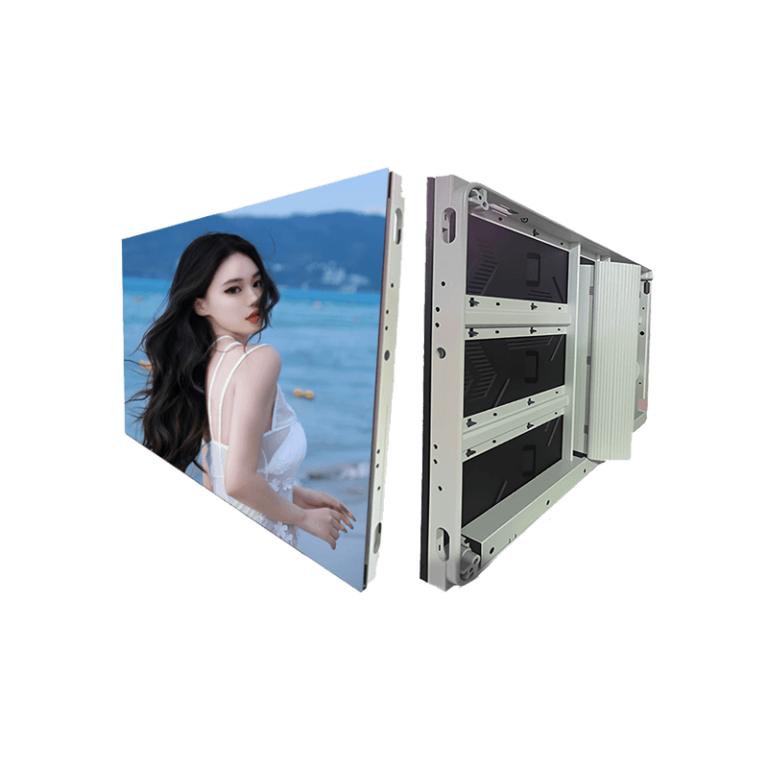
في الوقت نفسه، لا تزال شاشات LED التقليدية تحظى بأهمية بالغة. فهي الأنسب للوحات الإعلانية الخارجية الكبيرة، كما أنها مناسبة للأماكن المضيئة التي لا تتطلب رؤية واضحة من خلالها. ويتواجد كلا النوعين من الشاشات معًا اليوم، مما يعكس توجهًا سائدًا في السوق. تسعى المتاجر إلى تحقيق التوازن بين المظهر الجذاب والأداء القوي في مختلف المجالات.
مقارنة شاشات LED الشفافة وشاشات LED التقليدية في قطاع التجزئة
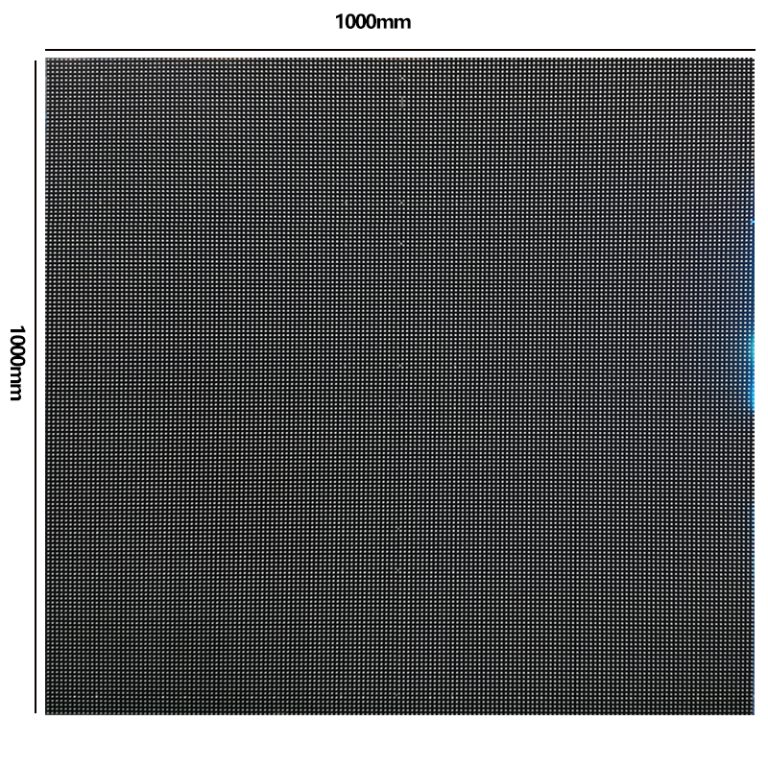
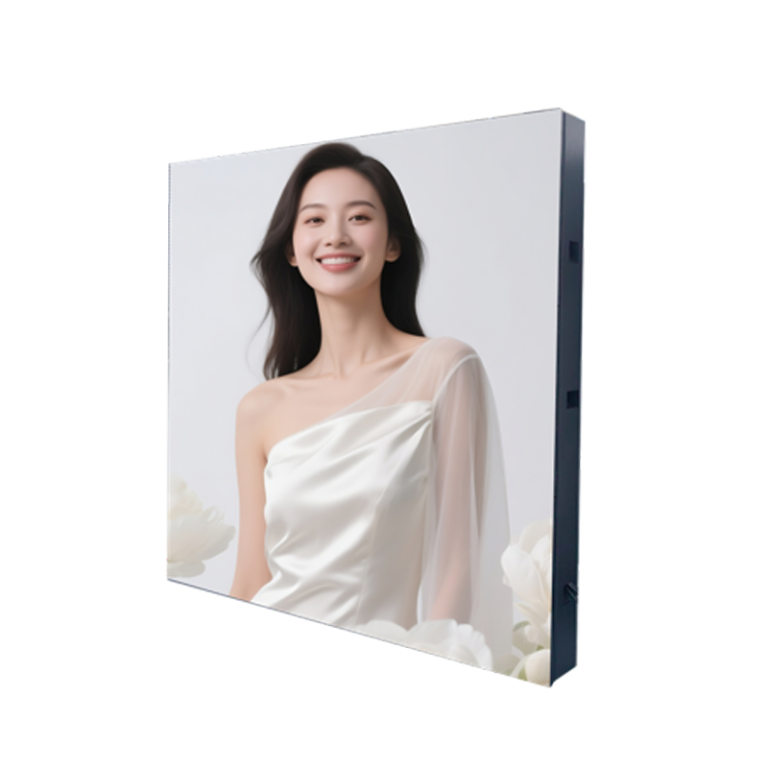
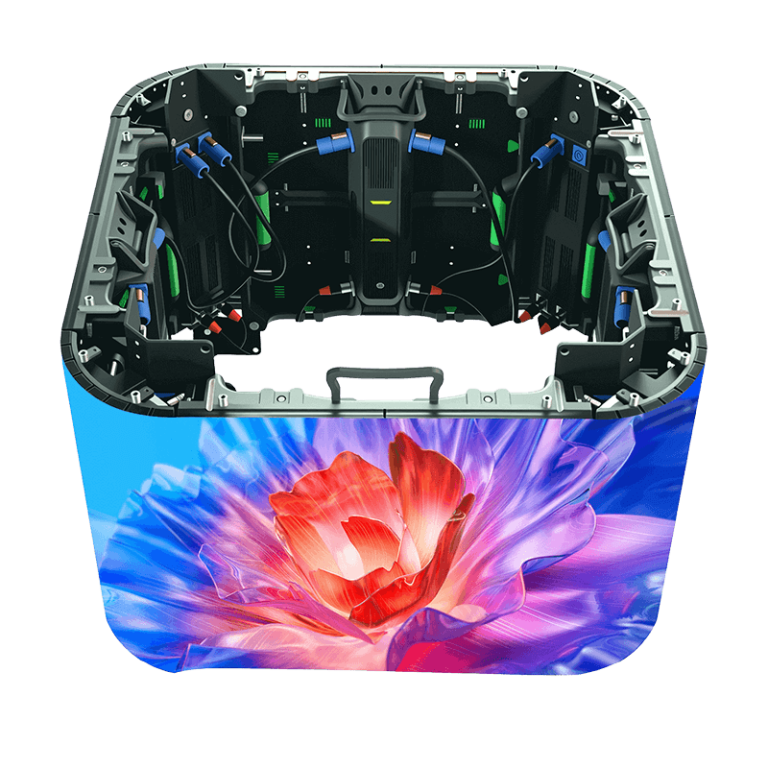
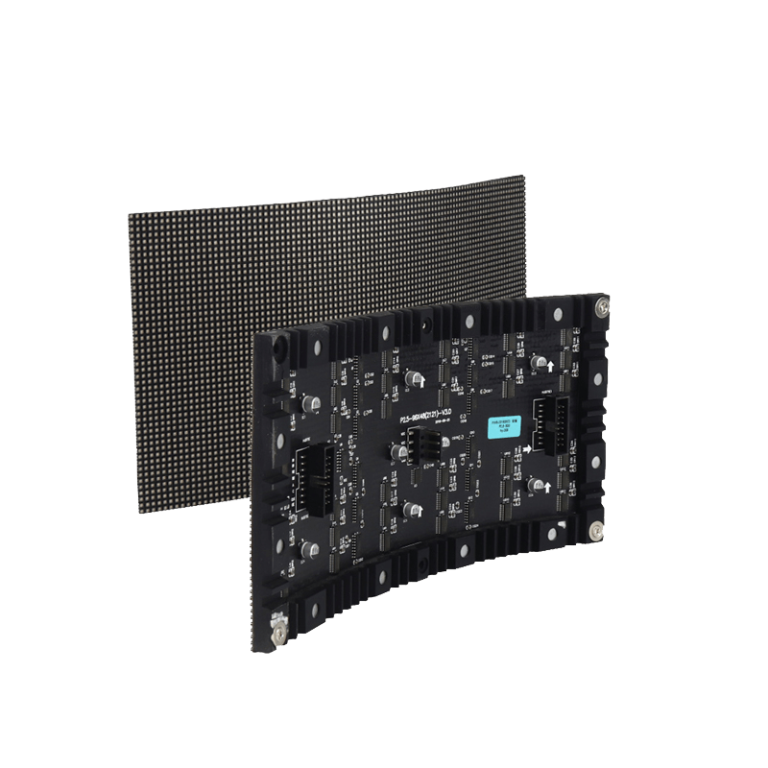
يكمن الاختلاف الرئيسي في طريقة تصنيعها وكيفية تعاملها مع الضوء. تستخدم شاشات LED الشفافة أشرطة بكسل متباعدة، ويمكن أن تستخدم أيضًا قواعد زجاجية. تسمح هذه الأجزاء بمرور الضوء الطبيعي، وتصل مستويات شفافيتها إلى ما بين 60% و90%. في الواقع، توفر شاشات LED الشفافة نسبة شفافية تتراوح بين 65% و90%. يبلغ سمك كل شريط LED 2 مم فقط. من ناحية أخرى، تُعد شاشات LED التقليدية ألواحًا صلبة. يصممها المصنعون للحصول على بكسلات متراصة وصور فائقة الوضوح. ومع ذلك، فهي تحجب الضوء تمامًا، وتمنع الرؤية من خلفها.
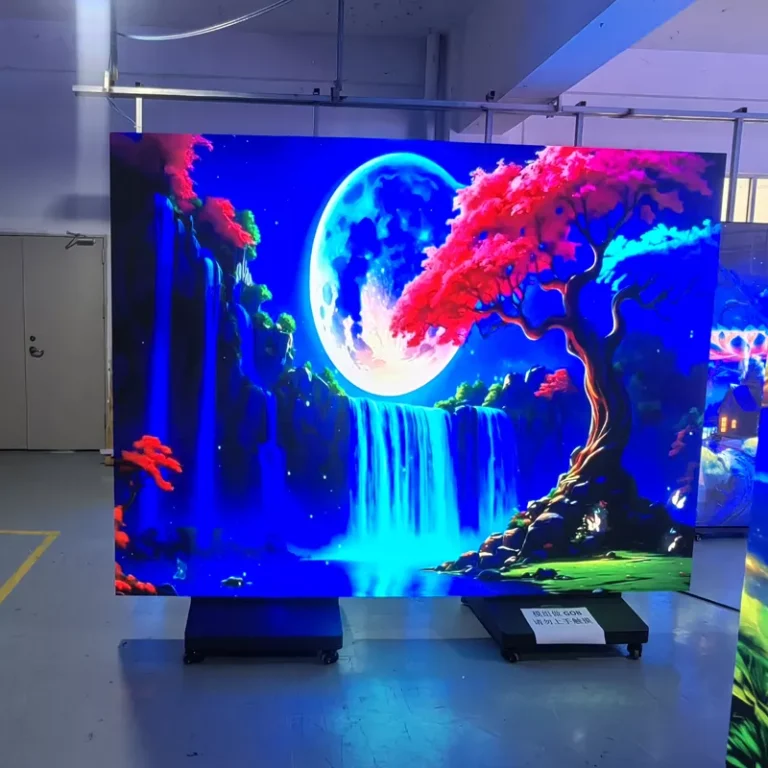
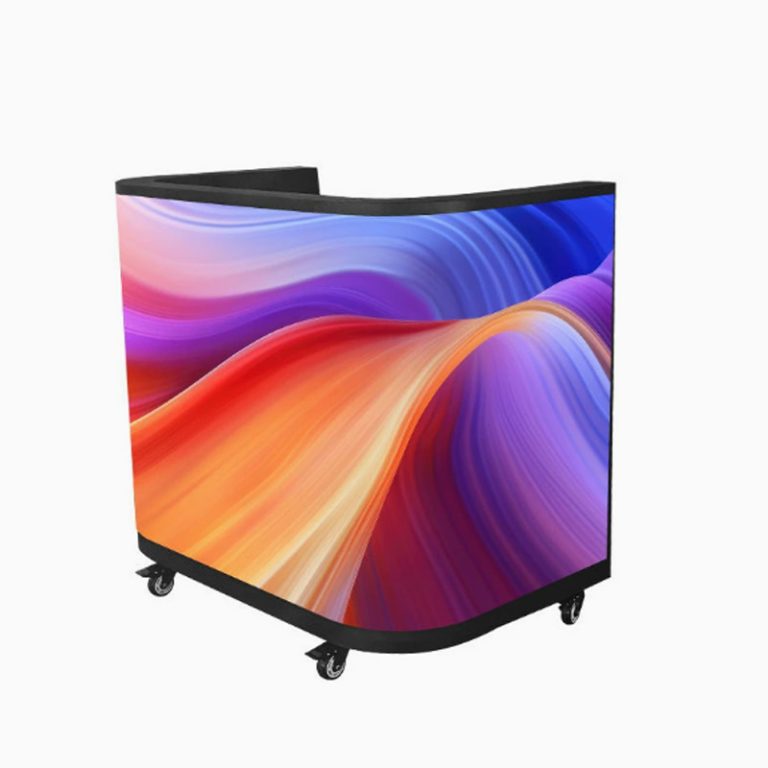
تستخدم المتاجر هذه الشاشات بطرق مختلفة. الشاشات الشفافة مثالية للواجهات الزجاجية أو واجهات العرض، إذ تُتيح رؤية واضحة للمتجر، مما يُساعد على جذب الزبائن. أما الشاشات التقليدية، فلها وظيفة مختلفة، فهي مثالية للأماكن التي تحتاج إلى إضاءة ساطعة، كما أنها تُظهر الألوان الحقيقية تحت أشعة الشمس المباشرة. وكثيراً ما نراها كلوحات إعلانية خارجية أو خلفيات للمسرح.
مقارنة فنية: الأداء والتأثير البصري
مستويات السطوع والدقة والشفافية
لا يؤثر وضوح الصورة على جودتها. تصل سطوع شاشات LED الشفافة الحديثة إلى 4500 شمعة/م²، مع الحفاظ على شفافية تصل إلى 85% بناءً على دقة البكسل. توفر معظم الشاشات الشفافة نسبة وضوح تتراوح بين 40% و90%، وتختلف هذه النسبة باختلاف الطراز، مما يخلق تأثيرًا بصريًا رائعًا، حيث تبدو الوسائط المعروضة وكأنها تطفو فوق الخلفية الحقيقية. علاوة على ذلك، تدعم هذه الشاشات دقة Full HD أو حتى 4K، وتعرض ألوانًا زاهية تتناسب تمامًا مع واجهات المحلات الداخلية.
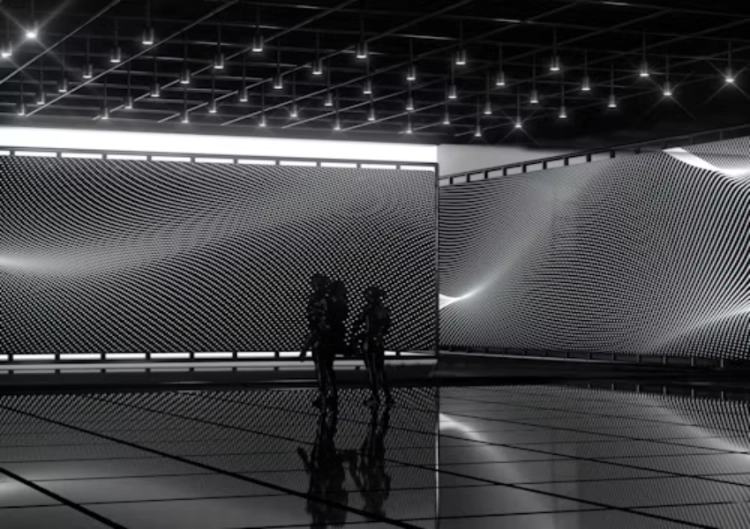
توفر شاشات LED التقليدية صورة أكثر وضوحًا، وذلك لأن وحدات البكسل فيها متقاربة جدًا. ولكن للأسف، يحجب هذا التصميم الضوء الطبيعي تمامًا. يهتم العديد من أصحاب المتاجر اهتمامًا بالغًا بمظهر مبانيهم وتوفير الطاقة. ولذلك، فإن شاشاتنا شاشة LED شفافة يوفر حلاً وسطاً رائعاً. فهو يوازن بين الرؤية الواضحة والإضاءة الساطعة واستهلاك الطاقة المنخفض.
اعتبارات التركيب والصيانة
تُعدّ سهولة التركيب فرقًا كبيرًا آخر. تتميز الشاشات الشفافة بإطارات خفيفة الوزن وقابلة للتعديل، حيث يمكن للعمال تثبيتها مباشرةً على الجدران الزجاجية. فهي لا تحتاج إلى أجزاء فولاذية ثقيلة، بل لا تتطلب هيكلًا فولاذيًا على الإطلاق، مما يُضفي تأثيرات بصرية مميزة. كما يُقلل ذلك بشكل كبير من تكاليف التركيب والصيانة. الصيانة بسيطة للغاية، حيث يمكن للعمال إصلاحها من الأمام، إذ يستبدلون الأجزاء التالفة فقط بدلًا من اللوحة بأكملها.
تتطلب الشاشات التقليدية إطارات دعم قوية للغاية، وهي ثقيلة الوزن وتنتج حرارة عالية. يرغب بعض أصحاب المتاجر في سهولة التركيب في فروع متاجرهم المتعددة، ولذلك تُعدّ الأنظمة الشفافة خيارًا أفضل لهم. فهي توفر وقت تركيب أسرع، وتتطلب عددًا أقل من العمال، كما أنها أقل عرضة للمخاطر التشغيلية.
تطبيقات شاشات LED الشفافة في بيئات البيع بالتجزئة
تحسين جاذبية واجهة المتجر وتفاعل العملاء
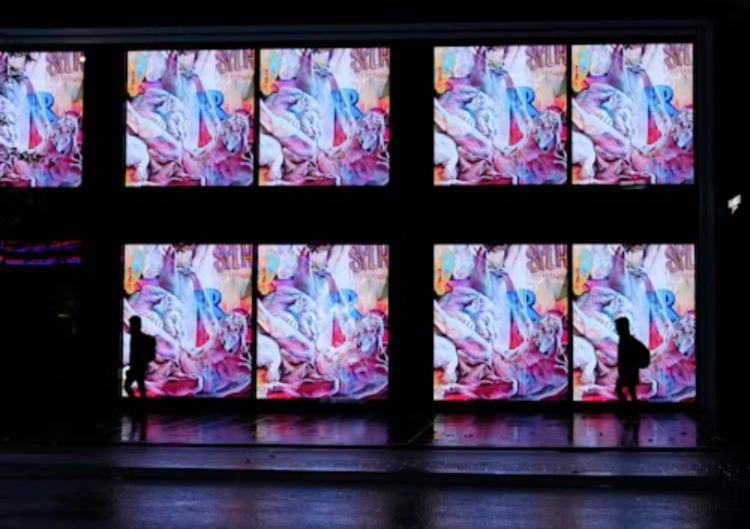
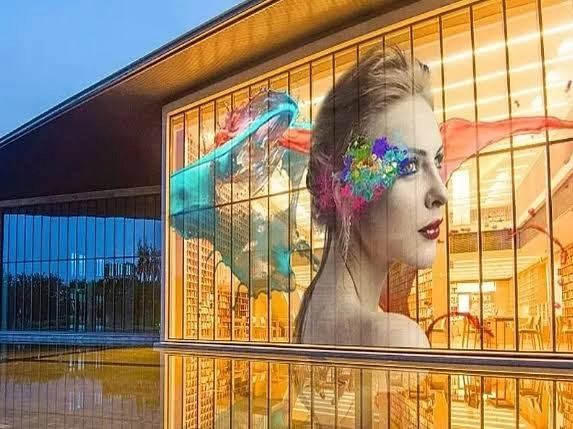
تُغيّر شاشات LED الشفافة طريقة تواصل المتاجر مع الزبائن عبر واجهاتها. إذ يُمكن للمتاجر عرض مقاطع فيديو ترويجية مباشرةً على الزجاج، مع إمكانية رؤية المتسوقين للمنتجات في الداخل. على سبيل المثال، قامت إحدى العلامات التجارية بوضع شاشة LED شفافة في واجهة صالة عرضها. خلال النهار، تعمل الشاشة كزجاج عادي لعرض المنتجات الحقيقية، بينما تتحول ليلاً إلى شاشة رقمية ساطعة لعرض إعلانات المنتجات المتحركة. تُضفي هذه الخاصية التفاعلية متعةً على تجربة التسوق، مما يزيد من إقبال الزبائن ويُشجعهم على البقاء لفترة أطول.
يمكن للمتاجر أيضاً إضافة مستشعرات الحركة أو ميزات اللمس. تدعم تقنية العرض الشفاف لدينا هذه الأدوات بشكل كامل. وبفضلها، يستطيع أصحاب المتاجر تقديم تجارب تسوق مميزة للعملاء، مما يعزز مكانة العلامة التجارية. وفي الوقت نفسه، يحافظ المبنى على مظهره الأنيق.
التكامل مع مفاهيم تصميم متاجر التجزئة الحديثة
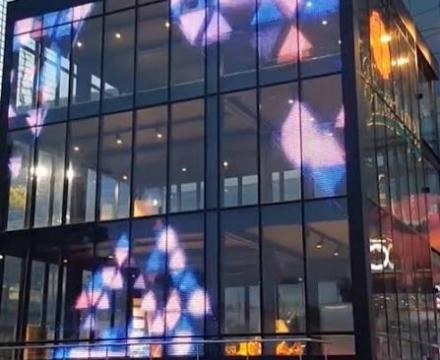
تميل تصاميم المتاجر الحديثة إلى البساطة والمساحات المفتوحة، وتُعدّ الشاشات الشفافة مثاليةً لهذه الأفكار، إذ تمزج بين الوسائط الرقمية والمبنى نفسه. تتميز هذه الشاشات بسماكة رقيقة تتراوح بين 5 و15 ملم فقط، ما يجعلها شبه غير مرئية عند إطفائها. وعند تشغيلها، تُشكّل صورًا عائمة جذابة. كما تتميز بخفة وزنها، ويمكن تركيبها مباشرةً على الزجاج باستخدام المغناطيس أو حوامل الجدران أو الأسقف، دون الحاجة إلى دعامات معقدة. وتضمن المقاسات المُخصصة ملاءمتها لمختلف تصاميم المتاجر، سواءً في واجهات المحلات الصغيرة أو القاعات الضخمة متعددة الطوابق، دون الإضرار بهيكل المبنى.
متى تظل شاشات LED التقليدية خيارًا مناسبًا
تتطور تقنية الإضاءة الشفافة بسرعة، ومع ذلك، لا تزال مصابيح LED التقليدية مفيدة للغاية. فهي الخيار الأمثل عند الحاجة إلى سطوع فائق أو مقاومة عالية للظروف الجوية القاسية. في هذه الحالات، لا تُعدّ الشفافية عاملاً حاسماً. تتطلب لوحات الإعلانات الخارجية الكبيرة سطوعًا عاليًا جدًا، إذ يجب أن يتجاوز 6000 شمعة/م² لضمان وضوحها في ضوء النهار الساطع. وتحقق الألواح الصلبة القياسية هذا الهدف بسهولة، فهي توفر سطوعًا عاليًا، يصل في الظروف العادية إلى أكثر من 6000 شمعة.
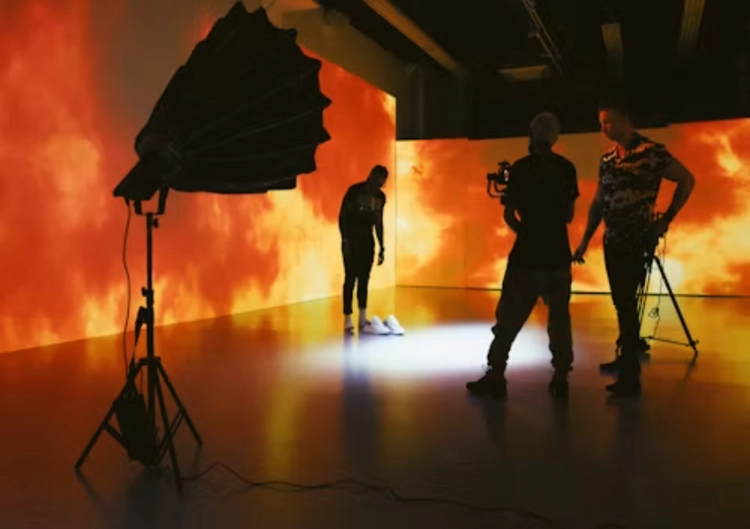
تُعدّ هذه الشاشات الصلبة مثاليةً أيضاً كخلفيات للمسارح الداخلية، وهي مناسبة تماماً للفعاليات الكبرى. في هذه المواقع، يُعدّ التأثير البصري القوي أهم من التناغم مع المحيط. تتميز هذه الشاشات ببنية متينة للغاية، مما يضمن مقاومتها للحرارة والبرودة على حدّ سواء، كما أنها تتحمل المطر والرياح في المناطق الإعلانية المزدحمة بالمدن.
عوامل كفاءة الطاقة والاستدامة
مقارنة استهلاك الطاقة وإدارة الحرارة
يُغيّر ترشيد استهلاك الطاقة طريقة اختيار المتاجر لشاشاتها اليوم. تُركّز العديد من المتاجر بشكل كبير على الممارسات الصديقة للبيئة. تستهلك شاشات LED الشفافة طاقة أقل، وذلك لاحتوائها على عدد أقل من البكسلات، بالإضافة إلى تصميمها المُحسّن للتحكم في الحرارة. فهي تعتمد على تدفق الهواء الطبيعي بدلاً من مراوح التبريد الصاخبة. في الواقع، لا تتطلب شاشات LED الشفافة أي معدات تبريد إضافية، إذ يُبرّدها الهواء الطبيعي تلقائيًا. يُؤدي هذا إلى توفير في الطاقة يزيد عن 30% مقارنةً بشاشات LED التقليدية.
تُنتج الشاشات الصلبة التقليدية حرارةً أكبر عند تشغيلها طوال اليوم، وغالبًا ما تتطلب فتحات تهوية ومراوح إضافية، مما يزيد من تكاليف الطاقة الإجمالية. في المقابل، تُساهم حلولنا الشفافة في خفض فواتير الإضاءة في المباني، كما تُقلل من الأضرار البيئية، مما يدعم الأهداف البيئية طويلة الأجل داخل المباني التجارية.
تحليل التكاليف: الاستثمار مقابل القيمة طويلة الأجل في نشر التجزئة
عوامل التكاليف الأولية والعائد على الاستثمار
قد تكون تكلفة تركيب الشاشات الشفافة أعلى في البداية من تكلفة مصابيح LED التقليدية. إلا أن فوائدها اليومية سرعان ما تعوض هذا السعر المبدئي. فهي تستهلك طاقة أقل، كما أنها أسهل بكثير في الصيانة. ويجذب مظهرها الجذاب انتباه المزيد من الزبائن، مما يؤدي بدوره إلى زيادة عدد الزوار للمتجر. ومع مرور الوقت، تساهم هذه الشاشات في رفع إجمالي المبيعات.
بإمكان أصحاب المتاجر اختيار تجهيزات مرنة مثل تجهيزاتنا جدار LED شفافيُتيح ذلك لهم مجالاً للتحديثات المستقبلية بسهولة. وفي الوقت نفسه، يحافظون على هوية العلامة التجارية ثابتة عبر العديد من فروع المتاجر. وهذا يضمن جاذبية بصرية سريعة وعوائد مالية ثابتة على مر السنين.
لياليد: شركة تصنيع موثوقة لحلول العرض عالية الجودة لمتخصصي تجارة التجزئة
لياليد شركة FWS Technology Co., Ltd. هي شركة تصنيع متخصصة مقرها في شنتشن، ولديها خبرة تمتد لخمسة عشر عامًا في أنظمة العرض المتكاملة. نركز على أحدث تقنيات العرض المرئي، بما في ذلك حلول شاشات LED الشفافة المصممة خصيصًا للمساحات التجارية. تُعد FWS Technology Co., Ltd. شركة رائدة في مجال التكنولوجيا، حيث تُغطي جميع جوانب شاشات LED، بدءًا من البحث والتطوير، مرورًا بتصنيع المكونات، وصولًا إلى بيعها. يمتد مصنعنا على مساحة تزيد عن 7200 متر مربع، ويضم ثمانية خطوط إنتاج آلية بتقنية SMT، مما يضمن جودة ثابتة من التصميم الأولي وحتى المنتج النهائي.
يضم فريقنا البحثي أكثر من خمسين مهندسًا، يعملون بجد على تطوير مواد جديدة، وتحسين كفاءة الإضاءة، وتطوير تصاميم الطاقة الذكية. وبفضل ذلك، نستطيع إنجاز مشاريع تصنيع المعدات الأصلية/تصميم المعدات الأصلية حسب الطلب بسرعة فائقة، ونضمن نتائج دقيقة خلال سبعة أيام. يمكنك الاطلاع على المزيد في موقعنا الإلكتروني. صفحة "نبذة عنا"نحن حاصلون على شهادتي ISO 9001:2008 و CE. نلتزم بمبدأ "الجودة أولاً" الصارم في جميع مراحل المشروع، بدءًا من أول تواصل وحتى خدمة ما بعد البيع. هدفنا من ذلك هو مساعدة المتاجر العالمية على تحقيق أهدافها الرقمية المتميزة.
ملخص لأهم الأفكار حول اختيار العرض في بيئات البيع بالتجزئة
يُحقق الجمع بين الميزات العملية والتصميم الجذاب نجاحًا في خطط البيع بالتجزئة الحديثة. توفر تقنية شاشات LED الشفافة قدرةً مذهلةً على المزج بين الميزات، وهي مثالية للمتاجر ذات الواجهات الزجاجية. تسعى هذه المتاجر إلى أدوات تواصل أنيقة وفعّالة، مع الحفاظ على طابعها المفتوح. في الوقت نفسه، لا تزال شاشات LED التقليدية ضرورية، خاصةً في الأماكن الخارجية حيث يُعدّ السطوع العالي والمتانة من المتطلبات الأساسية.
يضمن اختيار شريك ماهر نتائج ثابتة طوال فترة المشروع، بدءًا من الأفكار الأولية وصولًا إلى الدعم الفني طويل الأمد. نفخر بتقديم دعم شامل، ويمكنكم التواصل معنا بسهولة عبر موقعنا الإلكتروني. صفحة الاتصالنحن على أتم الاستعداد لتقديم المشورة المتخصصة لعملائنا متى احتاجوا إليها. كما نقدم عروض أسعار مخصصة تتناسب مع أهداف كل متجر على حدة.
أسئلة متكررة
س1: ما هي الفوائد الرئيسية لشاشة LED الشفافة في قطاع التجزئة؟
أ1: تسمح شاشات LED الشفافة بدخول الضوء الطبيعي إلى الداخل، وفي الوقت نفسه، تعرض محتوىً إعلاميًا ساطعًا على واجهة المتجر، مما يُعزز تجربة العلامة التجارية بشكلٍ عميق. ويتم ذلك دون حجب الرؤية الداخلية أو تغيير مظهر الزجاج الشفاف.
س2: ما الفرق بين جدار LED شفاف وشاشة LED قياسية؟
أ2: يستخدم جدار LED الشفاف وحدات بكسل متباعدة، مما يخلق تأثيرًا شفافًا واضحًا. أما الشاشات القياسية فتستخدم وحدات بكسل متراصة بإحكام، مما يشكل سطحًا صلبًا. تُعد الشاشات الصلبة أفضل لعرض صور فائقة الوضوح، ولكنها لا تعمل بكفاءة على الجدران الزجاجية.
س3: كيف يمكنني التواصل مع فريقكم للحصول على المشورة أو المساعدة التقنية؟
ج٣: يمكنك مراسلتنا في أي وقت. يُرجى استخدام نموذج الاتصال الرسمي الموجود على صفحة "اتصل بنا" في موقعنا الإلكتروني. يسعدنا الإجابة على استفساراتكم حول مشاريع شاشات LED الشفافة. كما نساعدكم في تجهيز ورش عمل مخصصة تناسب مساحة غرفتكم.