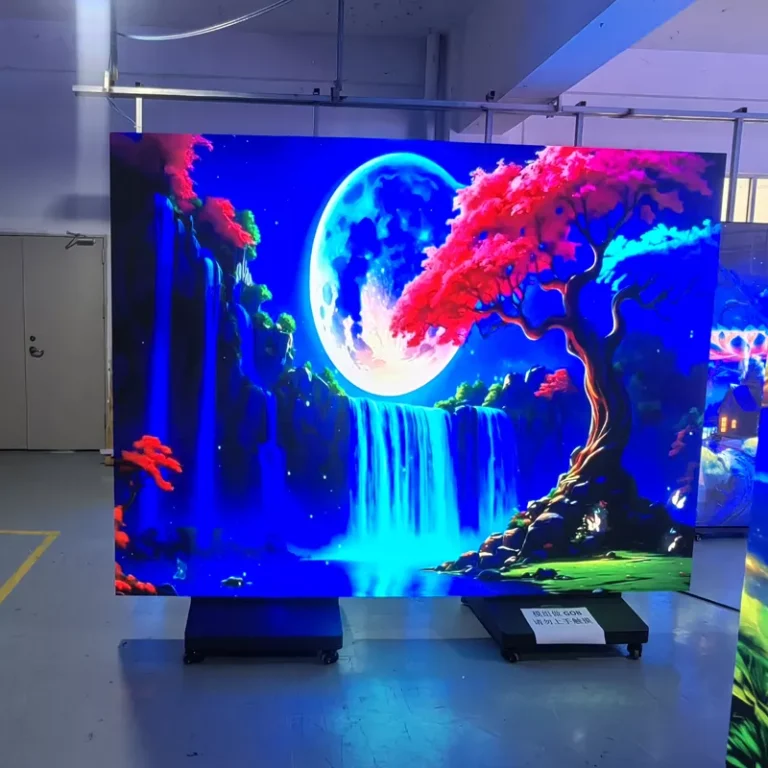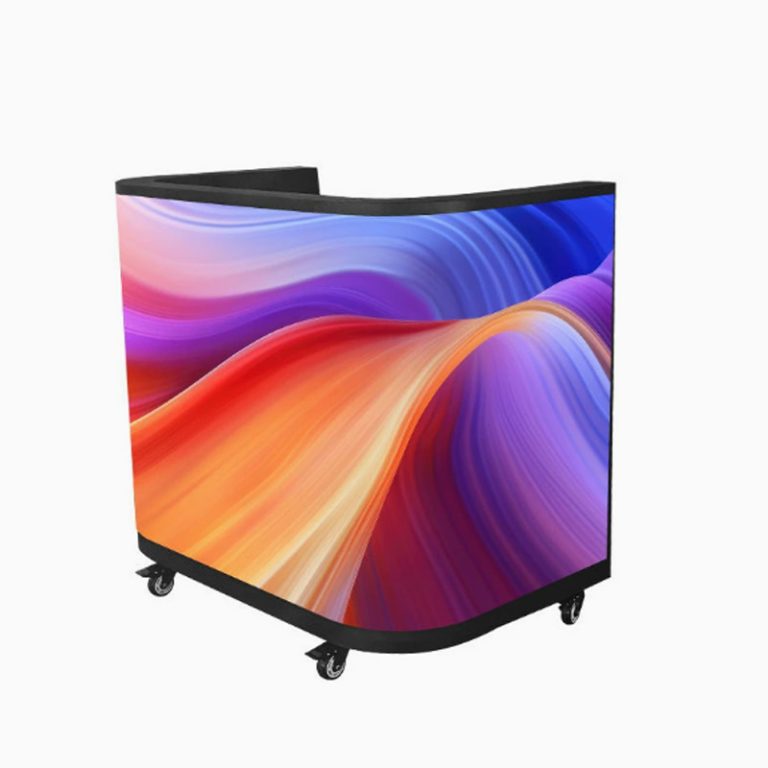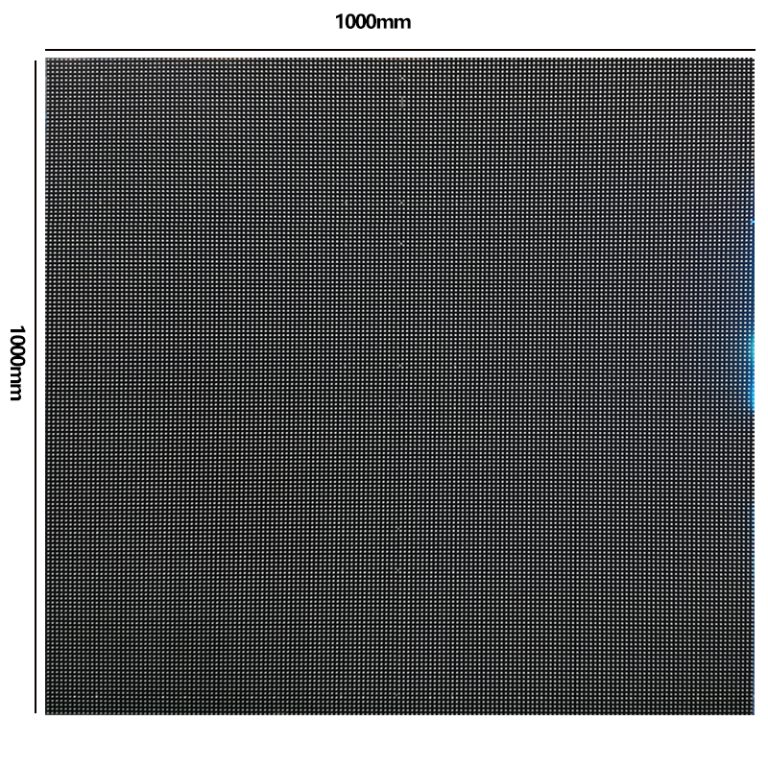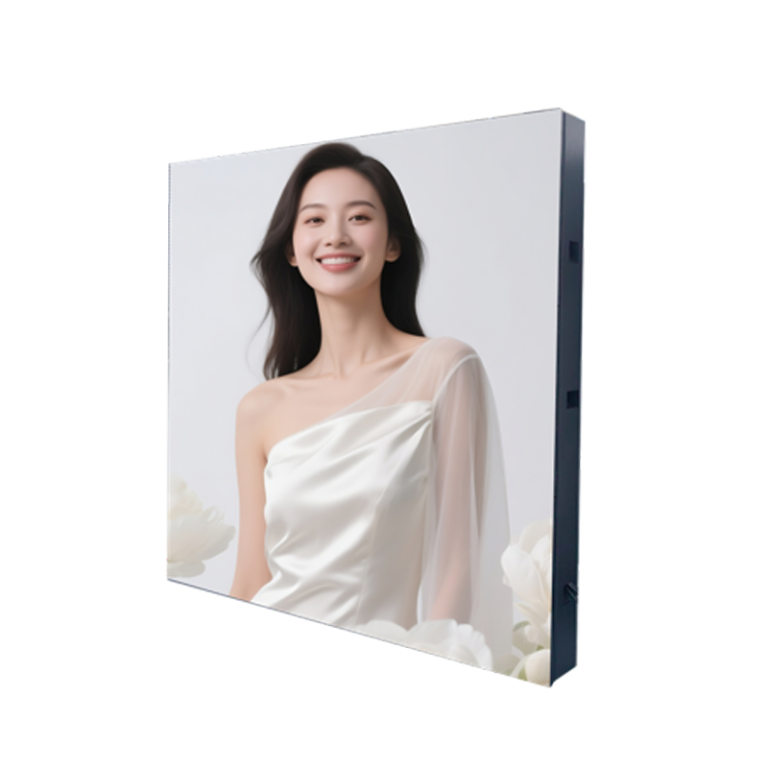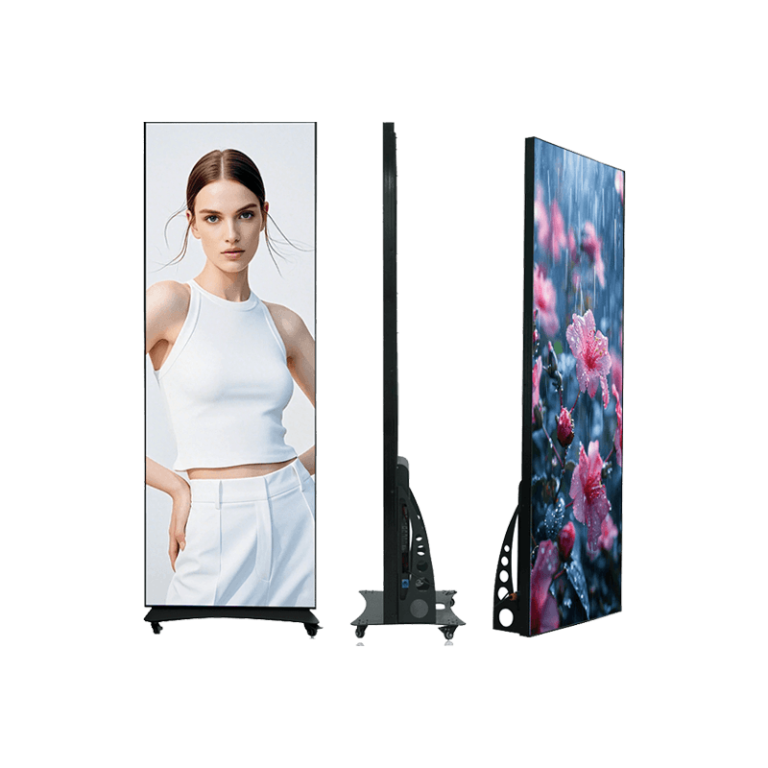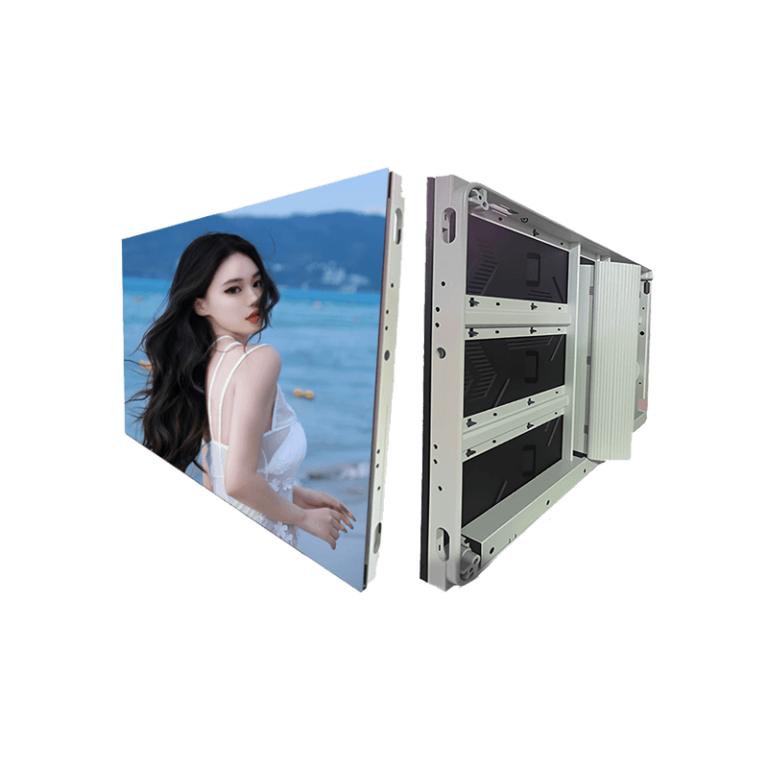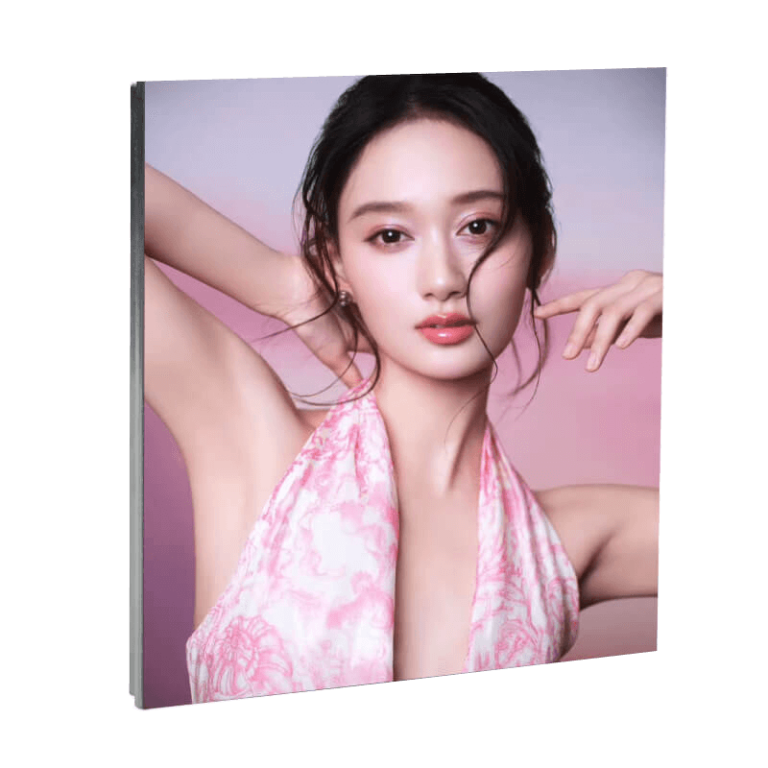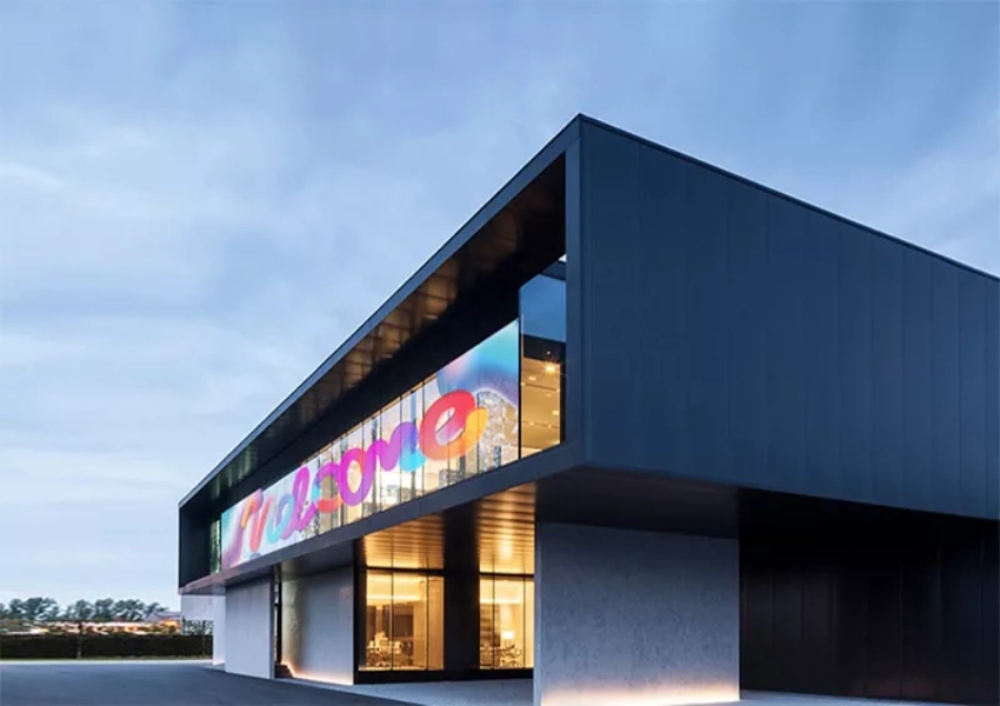
أصبح سوق شاشات LED شبه الشفافة أحد أكثر المجالات نشاطًا في مجال اللافتات الرقمية. ويعود هذا التحول إلى تصميمات المباني، ونمو المدن الذكية، وتجهيزات التسوق التفاعلية.
نظرة عامة على ديناميكيات سوق شاشات LED شبه الشفافة
المشهد العالمي للسوق ومحركات النمو
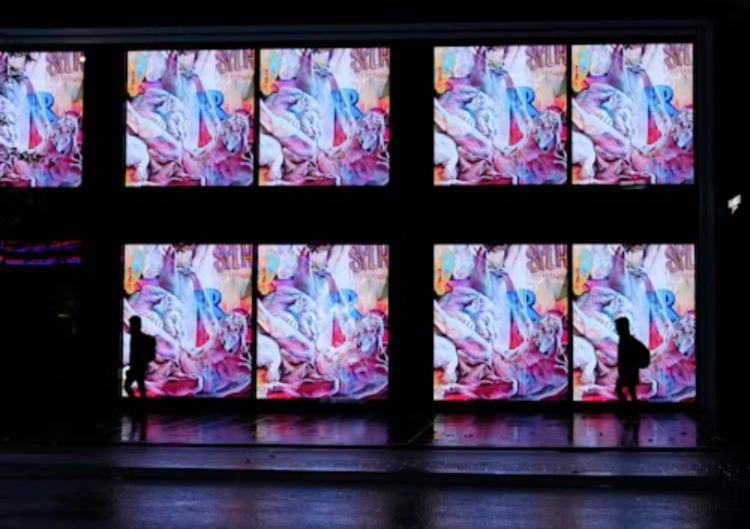
في المتاجر وأماكن السفر ومشاريع البناء, شاشات LED شفافة تُغيّر هذه التقنيات طريقة اندماج الرسائل المرئية مع البيئة المحيطة. نلاحظ بكثرة شاشات LED شبه الشفافة في واجهات المتاجر أو خارجها. تعرض هذه الشاشات الإعلانات دون حجب الضوء. وقد جعلتها براعتها في دمج الصور الرقمية مع خصائص الشفافية الحقيقية خيارًا مفضلًا للشركات التي تسعى إلى مظهر عصري ومزايا عملية.
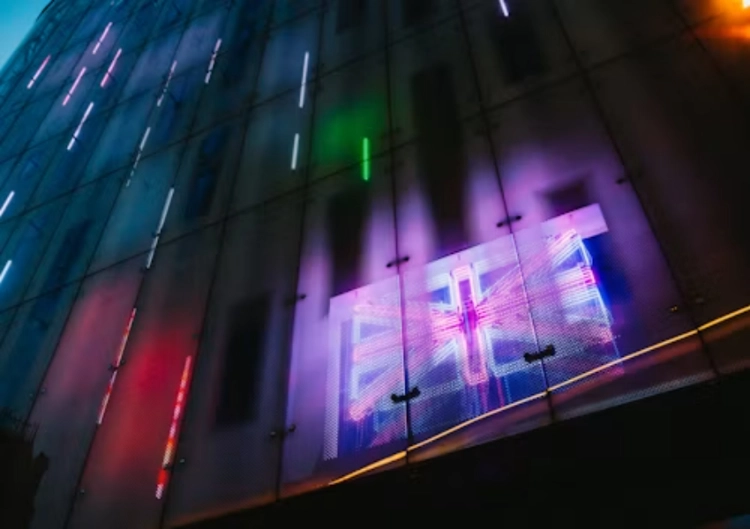
يُسهم التركيز المتزايد على تصميمات المدن الذكية في تسريع استخدامها. فمن خلال توظيف شاشات شفافة كجدران خارجية تفاعلية، تتكامل هذه التصميمات بسلاسة مع الشاشات المادية وأجهزة استشعار الحركة والحشود. هذا المزيج من الأناقة والتفاعل يُعيد تشكيل المساحات العامة لتصبح نقاط معلومات ذكية، حيث تعمل المباني كأدوات إعلامية.
أصبحت الخيارات الشفافة أكثر ملاءمة للمراكز التجارية والمشاريع البلدية. فمزيج مستويات الشفافية العالية (تصل إلى 90%) وانخفاض استهلاك الطاقة يجعل هذه الشاشات عناصر أساسية في خطط المدن الخضراء.
التطورات التكنولوجية تشكل تطور السوق
يظل التقدم التكنولوجي في صميم نمو السوق. وتُعدّ تقنية الشاشات الشفافة خطوةً أساسيةً بعد الشاشات المرنة، إذ تتجاوز القيود القديمة للأشكال المربعة الجامدة في لوحات العرض، محولةً الشاشة من مجرد أداة مستقلة إلى عنصرٍ متكامل. كما تُسهّل التطورات في اللوحات فائقة النحافة عملية التركيب مع الحفاظ على جودة تصنيع متينة.
يعمل المصممون على ضبط تباعد البكسلات بدقة لتوفير صور أكثر وضوحًا دون فقدان خصائص الشفافية. انظر إلى هذا الإنجاز. شاشة LED شفافةيدمج هذا التصميم العناصر الرقمية بسلاسة في العالم اليومي. وبفضل نسبة الشفافية التي تتجاوز 80%، توفر هذه التجهيزات وضوحًا فائقًا بدقة Full HD أو حتى 4K، مع السماح للضوء الطبيعي بالمرور عبر الواجهات الزجاجية. كما تُسهم المواد الموفرة للطاقة في خفض تكاليف التشغيل عن طريق تقليل انبعاث الحرارة والاستغناء عن أنظمة التبريد الإضافية.
اتجاهات الأسعار وتوقعاتها لعام 2026
مع ازدياد الاحتياجات في مختلف المجالات، بدأت أنماط الأسعار تستقر بفضل الجاهزية التكنولوجية والإنتاج على نطاق أوسع.
هياكل التسعير الحالية في قطاع شاشات LED الشفافة
تختلف أسعار شاشات LED الشفافة بناءً على تقارب البكسلات، ومستوى الشفافية، والحجم الإجمالي. عادةً ما تكون الوحدات الداخلية أرخص من الوحدات الخارجية لأنها لا تحتاج إلى ضبط سطوع كبير وحماية أساسية من العوامل الجوية. توفر الشاشات الشفافة نسبة شفافية تتراوح بين 40% و90% (حسب الطراز). يُضيف التخصيص - خاصةً للتركيبات المنحنية أو غير المنتظمة - تحديات تصميمية وتكاليف إضافية للمشروع. تتطلب الأعمال التي تستخدم قواعد زجاجية عالية الشفافية أسعارًا أعلى نظرًا لأنها توفر وضوحًا أفضل للضوء مقارنةً بالتصاميم الشبكية التي تُركز على خفة الوزن وسهولة التركيب.
تحركات الأسعار المتوقعة
من المتوقع استقرار الأسعار مع انتشار خطوط الإنتاج الآلي عالميًا. وسيؤدي تحسين سلاسل توريد قطع الغيار، وخاصة دوائر القيادة المتكاملة وتصنيع لوحات الدوائر المطبوعة، إلى خفض تكلفة الوحدة في مراكز التصنيع بمنطقة آسيا والمحيط الهادئ. وستستمر فجوات الأسعار بين المناطق: فمنطقة آسيا والمحيط الهادئ تحافظ على أسعارها المنخفضة بفضل تركيز قدرتها الإنتاجية؛ بينما تركز أوروبا على التخصيص؛ وتسعى أمريكا الشمالية إلى تحقيق أداء قوي في عمليات التوسع الكبيرة.
العوامل الرئيسية المؤثرة على تكاليف شاشات LED شبه الشفافة
تعتمد تكلفة الإعداد الكاملة في الغالب على المواد وطرق التصنيع وقوة خط الإمداد.
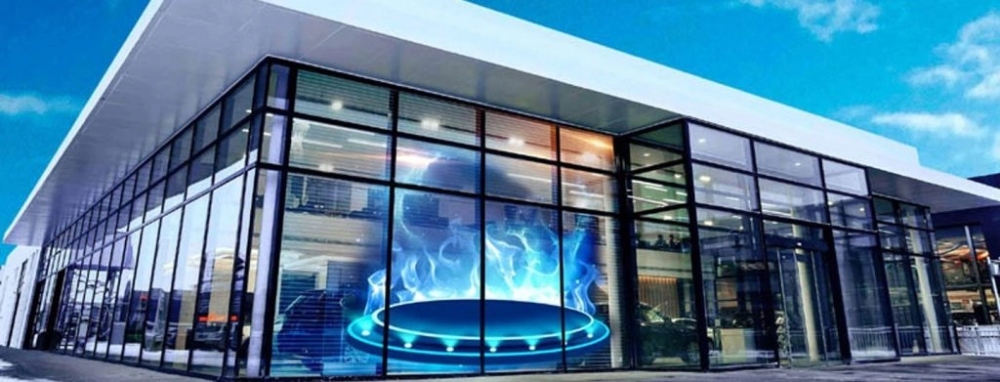
تكاليف التصنيع والمواد
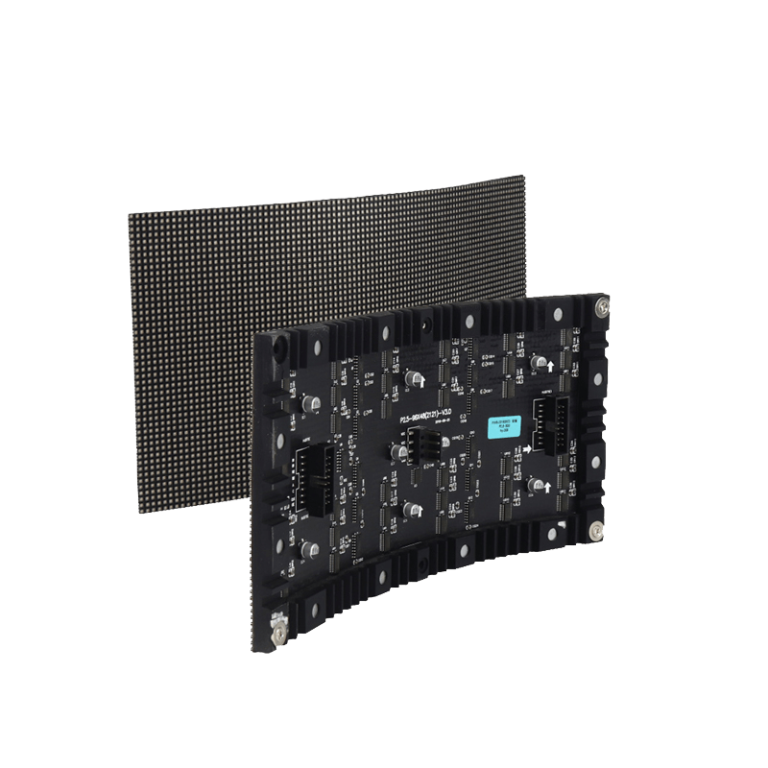
تُشكّل رقائق LED عالية الجودة، ودوائر التحكم المتكاملة الدقيقة، وتصاميم لوحات الدوائر المطبوعة الحديثة، العوامل الرئيسية المؤثرة في التكلفة. عادةً ما تستخدم شاشات LED الشفافة ذات الشبكات لوحة دوائر مطبوعة ذات فتحات مركزية، مما يجعلها شفافة. تتطلب المكونات الزجاجية خطوات تركيب معقدة، لكنها تصل إلى أسطح أكثر استواءً من تركيبات الشبكات، مما يُناسب الأجهزة الأخف وزنًا.
أصبحت أعمال الآلات أساسية في إدارة معدلات الإنتاج والحفاظ على سطوع ثابت على اللوحات الكبيرة - وهو مجال تلعب فيه خطوط SMT المتقدمة دورًا كبيرًا في خفض أسعار الوحدة مع تعزيز فحوصات الجودة.
تقلبات سلسلة التوريد والمواد الخام
تؤثر التغيرات في أسعار مواد الرقائق الإلكترونية على تكاليف المنتج النهائي بشكل مباشر. كما أن الاعتماد على موردين متخصصين للمواد الأساسية فائقة الشفافية أو المواد اللاصقة عالية الشفافية يزيد من مخاطر التحولات التي يتعامل معها المصنعون من خلال اتفاقيات شراء طويلة الأجل أو خطط التوريد المحلي.
تقسيم السوق حسب التطبيق ونوع المنتج
تُظهر تقسيمات السوق عادات سعرية واضحة بناءً على إعدادات الاستخدام وأنماط البناء.
تفاوتات التسعير حسب التطبيق
يلجأ أصحاب المتاجر بشكل متزايد إلى وضع شاشات LED شفافة في واجهات المحلات، حيث تساهم الصور الجذابة في زيادة المبيعات. وتتميز هذه الشاشات بتصميمها العالي والشفاف والنحيف للغاية. كما أن إضافة محتوى تفاعلي، مثل حركات اليد أو طبقات الواقع المعزز، يزيد من اهتمام المشترين، ولكنه يرفع تكاليف البرامج الإضافية.
تتطلب استخدامات المباني أحجامًا مخصصة تتناسب مع أشكال الواجهات. غالبًا ما تُثبّت شاشات LED الشفافة على إطارات زجاجية، مما يندمج بسلاسة مع تصميمات الجدران الزجاجية لتحقيق نتائج إعلانية رائعة. صمّم هيكلًا متينًا بتكلفة معقولة، ولكنه يضمن قوة تدوم طويلًا في مواجهة ضغوط الطقس مع الحفاظ على التوازن البصري. تحتاج تجهيزات الإعلانات المتنقلة إلى معايير متانة أفضل للعمل المتواصل في ظل ظروف إضاءة متغيرة. يصبح الوصول السهل للصيانة أمرًا بالغ الأهمية لأن أي توقفات تؤثر على تبادل معلومات السلامة وتدفق الرسائل الإعلانية.
التمييز بين أنواع المنتجات في تحليل الأسعار
توفر المناظير الشبكية تهوية أفضل، ووزنًا أخف، وصيانة أسهل بأسعار معقولة؛ بينما توفر المناظير الزجاجية رؤية أكثر وضوحًا، لكنها تستخدم إطارات أثقل تتطلب أنظمة تثبيت دقيقة - وهو خيار بين المرونة والوضوح يؤثر على اختيارات المشترين. وتضيف الطرازات الخارجية طبقات مقاومة للعوامل الجوية، مما يرفع أسعارها لتتجاوز أسعار الطرازات الداخلية. ويُعدّ ضبط السطوع أمرًا بالغ الأهمية: فغالبًا ما تتجاوز مستويات إضاءة الوحدات الخارجية 4500 شمعة/م² للحفاظ على وضوح الرؤية تحت أشعة الشمس مع الحفاظ على الألوان.
المشهد التنافسي والرؤى الاستراتيجية لعام 2026
تتغير ساحة المنافسة باستمرار حيث يتبنى اللاعبون الكبار أساليب فريدة، مع التركيز على مهارات التخصيص.
الشركات المصنعة الرائدة واستراتيجيات التسعير الخاصة بها
تُحقق مراكز التصنيع القريبة من موردي قطع الغيار ميزة تنافسية قوية من خلال مزايا الإنتاج الضخم. وتضمن الشركات التي تمتلك خطوط إنتاج SMT الآلية الحفاظ على معايير جودة ثابتة للمنتجات مع تقليل أوقات الانتظار، وهي ميزة تُقدرها شركات التركيب العالمية التي تسعى إلى خطط شحن مضمونة.
اللاعبون الناشئون واتجاهات الابتكار التي تؤثر على المنافسة السعرية
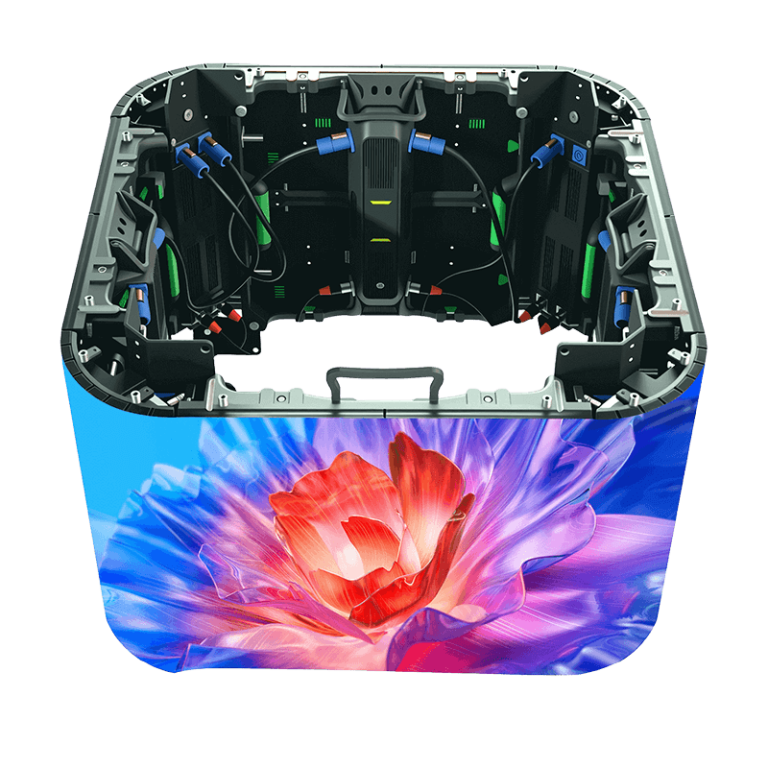
تستهدف الشركات الجديدة أنظمة الجدران الشفافة ذات التصميم المكعب، مع تصميمات متنامية تناسب أماكن متنوعة مثل صالات العرض أو مداخل المكاتب. تعمل أدوات الضبط القائمة على الذكاء الاصطناعي على تعديل توزيع الضوء على الألواح في الوقت الفعلي، بما يتناسب مع استهلاك الطاقة، مما يُشكل منافسة متزايدة في باقات الأسعار بفضل تقنيات الذكاء الاصطناعي.
توقعات الاستثمار لمشاريع شاشات LED الشفافة في عام 2026
مع نضوج التكنولوجيا، ينمو العائد على الاستثمارات بشكل مطرد في المجالات التي تستخدم حلول الإضاءة بتقنية LED شبه الشفافة.
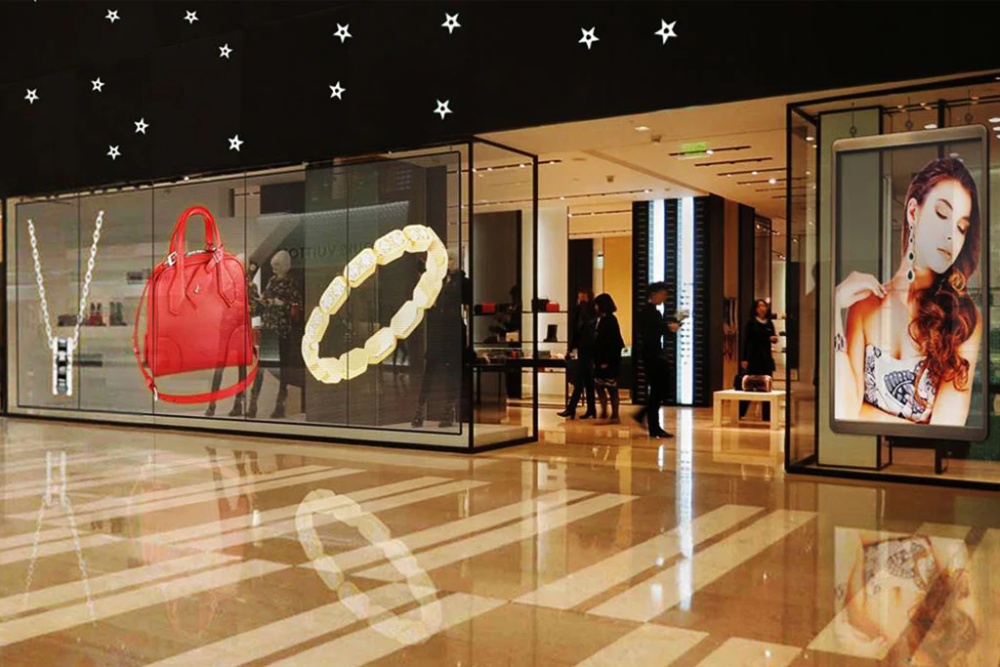
العائد المتوقع على الاستثمار في مختلف القطاعات الصناعية
تشهد سلاسل المتاجر ارتفاعًا ملحوظًا في أعداد الزوار بفضل استخدام واجهات رقمية متطورة؛ وتستفيد مساحات المكاتب من سهولة تغيير العلامة التجارية عبر طبقات محتوى قابلة للتعديل؛ وتحسّن المجموعات العامة من وضوح المعلومات دون التأثير على تدفق الإضاءة الطبيعية - حيث تحقق كل منطقة عائدًا جيدًا على الاستثمار في غضون سنتين إلى ثلاث سنوات بناءً على حجم الإعداد. تحافظ التحديثات التقنية على قيمتها على المدى الطويل نظرًا لأن تصميمات الوحدات تسمح بإجراء إصلاحات تدريجية دون الحاجة إلى استبدال النظام بالكامل - وهي ميزة رئيسية للبنى الشفافة مقارنةً بالشاشات الصلبة القديمة.
اعتبارات استراتيجية لمتخصصي المشتريات
ينبغي على فرق الشراء التحقق من تكاليف دورة حياة المنتج بالكامل، وليس فقط أسعار الشراء الأولية. يجب أن يركز اختيار البائع على معايير الإنتاج الشفافة، وسجلات الثقة، وإعدادات دعم ما بعد البيع، وتوافق المعايير البيئية مع أهداف البناء المستدام.
تعريف Leyaled
في ظل هذا المشهد المتغير، نحن في لياليد نعتبر أنفسنا روادًا في تقديم حلول متطورة لشاشات LED شفافة، مصممة خصيصًا لتحقيق أداء دقيق في واجهات المحلات التجارية، والمباني، والمعارض، والفنادق، والمطارات، والمواقع السياحية. تعمل شركة FWS Technology Co., Ltd. كشركة تقنية متقدمة متخصصة في مجال شاشات LED، بدءًا من البحث والتطوير، مرورًا بالتصنيع، وصولًا إلى البيع. يمتد موقعنا في شنتشن على مساحة تزيد عن 7200 متر مربع، وهو مجهز بثمانية خطوط إنتاج بتقنية SMT، مما يضمن استقرارًا تامًا من مرحلة الاختبارات الأولية وحتى الإنتاج بكميات كبيرة. بفضل حصولنا على اعتماد ISO9001:2008 وشهادة المطابقة CE، يجمع فريق التصنيع لدينا بين مهارات تصميم الإضاءة وأنظمة التحكم الذكية في الطاقة لتقديم شاشات شفافة موفرة للطاقة وجذابة، مصممة خصيصًا لتلبية احتياجات عملائنا حول العالم.
عبر موقعنا مركز الحلول نُدمج تقنية العرض شبه الشفافة في المناطق التجارية، مما يسمح بانتقالات سلسة بين القصص الرقمية وتصميم المبنى؛ دراسات الحالة نعرض لكم تصاميمنا الفائزة، بدءًا من قاعات اجتماعات الفنادق وصولًا إلى مشاريع البناء في المدن، حيث تُحسّن منتجاتنا من الأداء والمظهر على حد سواء؛ ويمكنكم الاطلاع على التفاصيل الكاملة للشركة على موقعنا الإلكتروني. صفحة حول, نعرض هدفنا نحو الأفكار الخضراء الجديدة؛ ويمكن للشركاء المحتملين التواصل معنا ببساطة من خلال موقعنا الإلكتروني. صفحة الاتصال للحصول على نصائح مخصصة بشأن الأعمال القادمة أو روابط تصنيع المعدات الأصلية/تصميم المعدات الأصلية المبنية على احتياجات مساحة محددة.
طريقتنا تركز على العمل الجماعي - تحويل كل واجهة زجاجية إلى أداة رسائل ذكية تجمع بين الفن ومهارة البناء مع الحفاظ على سهولة التشغيل طوال فترة تشغيلها.
أسئلة متكررة
س1: ما الذي يحدد فرق السعر بين شاشات LED الشفافة الداخلية والخارجية؟
A1: تحتاج الوحدات الخارجية إلى مواد مقاومة للعوامل الجوية، وضبط سطوع أعلى (غالبًا ما يزيد عن 4500 شمعة/م²)، وطبقات مقاومة للأشعة فوق البنفسجية، وإطارات قوية - وكل ذلك يساهم في رفع تكلفتها الكاملة مقارنة بالنماذج الداخلية المصممة أساسًا للبيئات الثابتة.
س2: ما مدى كفاءة شاشات LED شبه الشفافة الحديثة في استهلاك الطاقة؟
ج2: إنها تستخدم طاقة أقل بنسبة تصل إلى 30-35% من مصابيح LED الصلبة القياسية لأن وحدات البكسل العاملة فقط هي التي تصدر الضوء، بينما يتخطى تبريد تدفق الهواء أنظمة التبريد الإضافية - مما يعزز الخصائص الخضراء دون فقدان الإخراج الساطع.
س3: ما هي الصناعات التي ستستفيد أكثر من الاستثمار في جدار LED الشفاف؟
A3: ستحقق طوابير المتاجر التي تسعى إلى الحصول على واجهات عرض أمامية عميقة، والبناؤون الذين يخططون لواجهات عرض مناسبة للوسائط، ومجموعات السفر التي تقوم بتحديث أنظمة معلومات الركاب، ومكاتب العملاء التي تسعى إلى الحصول على علامات تجارية حية، عوائد كبيرة من خلال تركيب إعدادات عرض شبه شفافة مصممة خصيصًا لبيئات عملهم.