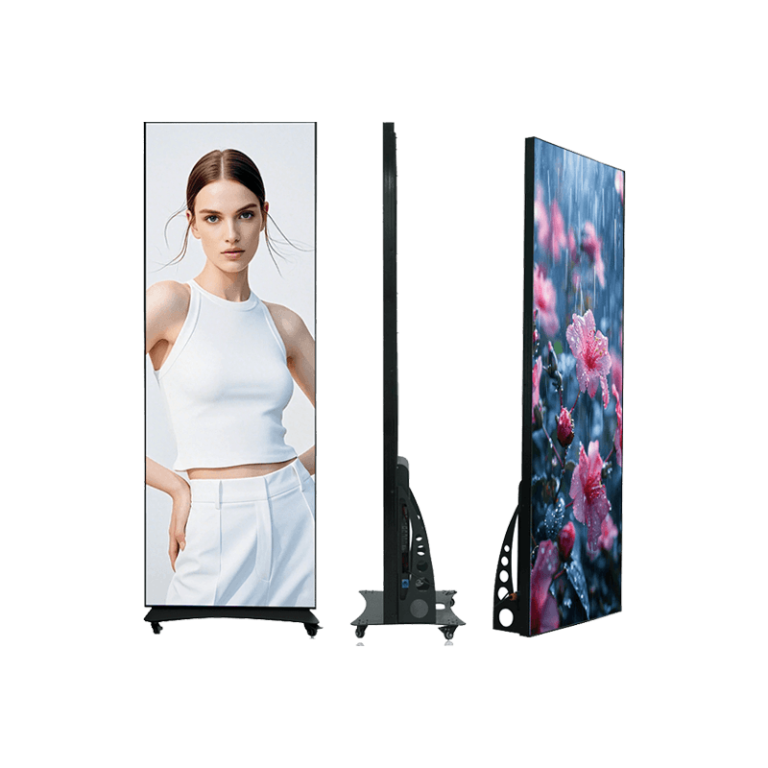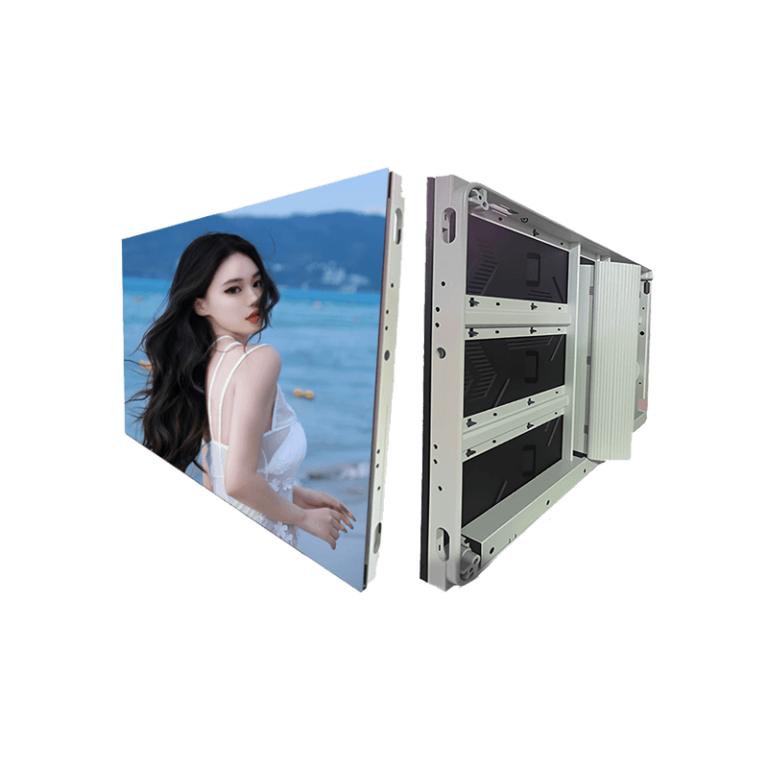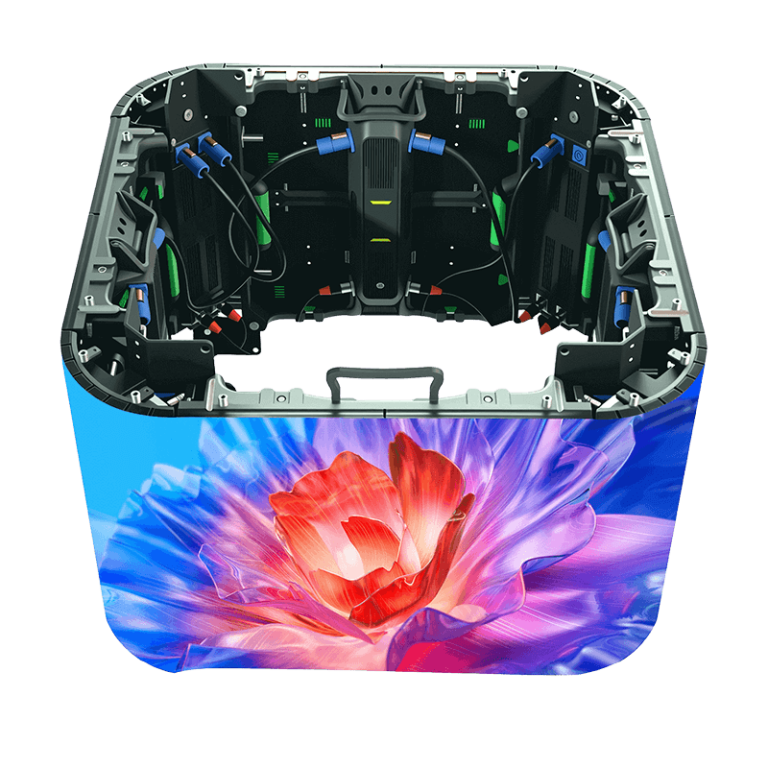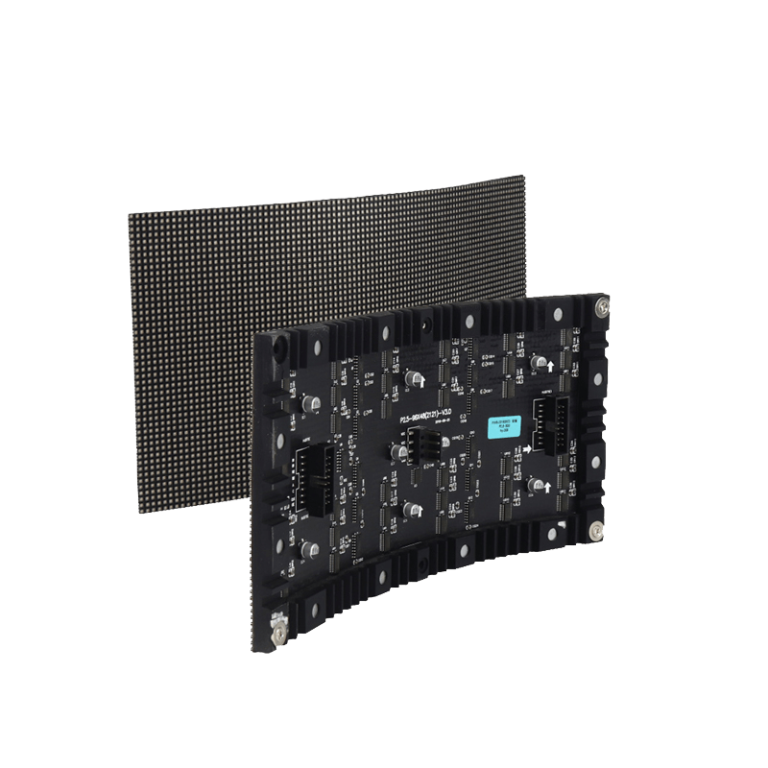
Indoor LED displays have turned into vital tools for captivating visual messaging in shops, offices, and fun spots. Picking the best type calls for a thorough look at expense elements that shape both the starting outlay and ongoing results.
Initial Investment and Long-term Value
The starting price for an indoor LED display hinges on pixel pitch, cabinet material, brightness level, and refresh rate. Take this example: P1.5625: This model is suitable for indoor use. Module size is 250 * 250 mm, resolution is 160 * 160 mm, cabinet material is die-cast aluminum, indoor white balance brightness is 600cd/m2, refresh rate is 7680HZ. These details point to fine accuracy and strong build, yet they lead to a steeper upfront cost because of the superior parts involved. Therefore, buyers must weigh these features carefully against their budget.
Durability stands out as a key element when judging overall worth. For instance, the LED display screen, designed with a custom die-cast aluminum cabinet, prioritizes lightness, thinness, and quick installation. Die-cast aluminum offers solid support and good cooling during long runs. Moreover, power use affects ongoing savings; displays like the Profile Aluminum LED Display feature an average power draw of just 270 watts per square meter. This setup cuts down on energy bills while keeping clear images and steady light output intact. As a result, such choices promote better value over time.
Maintenance and Operational Costs
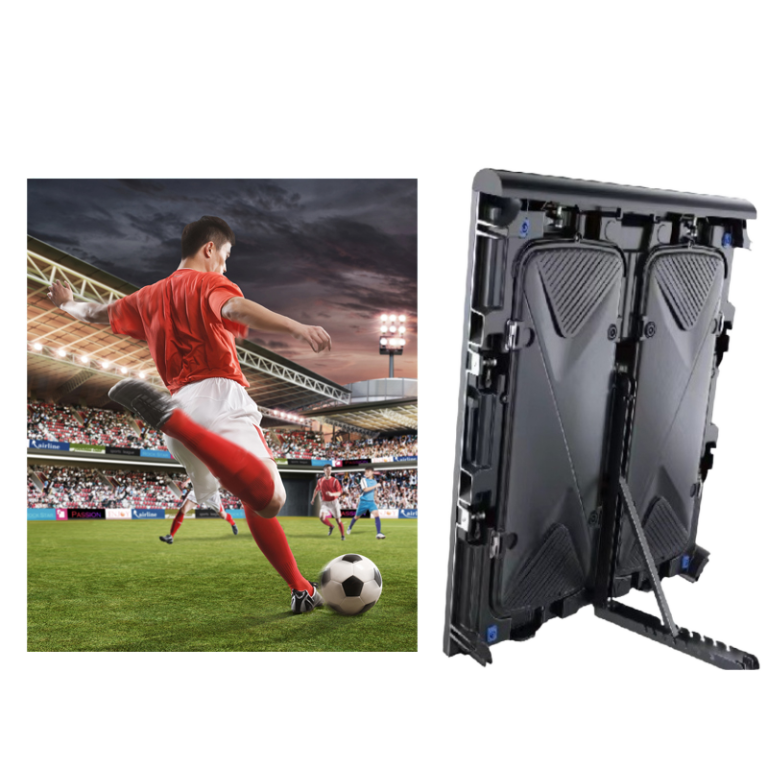
How often maintenance happens depends on how easy the design is to reach and the surroundings. Consider this: Rear Maintenance Design, Quick assembly, Wide viewing angle, High Refresh: 7680Hz, High grayscale: 14-16 bits Customized. With rear access, workers can fix parts fast from the back, which cuts lost time and related expenses. In this way, the system stays productive with less hassle.
Choices between fixing or swapping parts rely on how modular the setup is; options for front or rear access let you change just one module rather than a whole section. Plus, newer tech like high refresh rates up to 7680Hz boosts smooth running by providing steady pictures without flicker, even in dim light, and this eases wear on the LEDs, helping them last longer overall.
Assessing Quality in Indoor LED Displays
To gauge quality, you need to check resolution, sharpness, color truth, contrast levels, and how well brightness adjusts to various settings. All these specs decide how well the display works in different light setups or from varying distances to the audience. Thus, a close review helps in making smart picks.
Display Resolution and Pixel Pitch
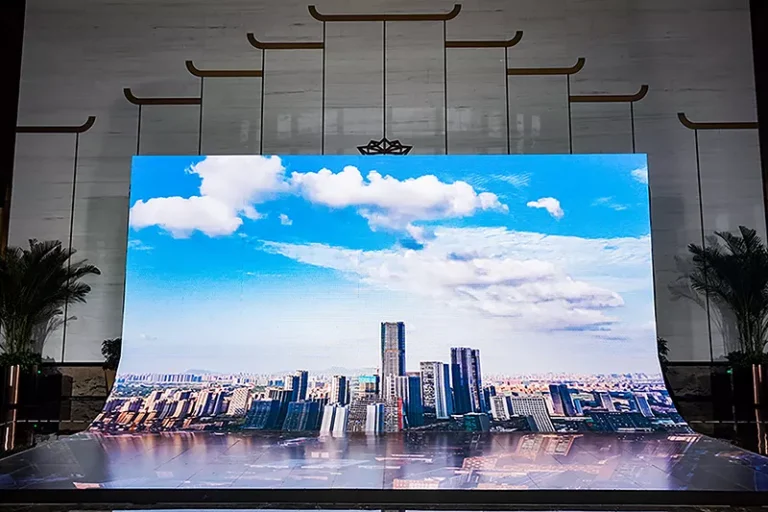
Pixel pitch sets how near the pixels sit to each other—tighter spacing gives crisper views up close. As an illustration, the P3.91 indoor high-definition LED display offers stunningly sharp image quality thanks to its 3.91mm pixel pitch. A small pitch, such as P2 or P1.5625, fits well in fancy stores or command rooms that demand very clear details, whereas bigger ones like P4.81 work better for wide views in halls or gatherings. Consequently, matching the pitch to the space ensures sharp sights without overpaying.
When picking resolution, it should fit the area’s size; more pixels per area means better detail but higher prices from extra LEDs. So, finding the right mix guarantees good sight lines without wasting money on too much detail for far-off watchers, and this balance keeps costs in check while meeting needs.
Brightness, Contrast, and Color Accuracy
Brightness affects how visible things are in room light; if it’s too faint, images look flat, but if it’s too strong, it causes shine indoors. Units that adjust from 600–800 cd/m2 offer options for places like meeting rooms or malls. Also, contrast adds to how deep images feel—Indoor Display P3.91 has 3840Hz–7680Hz refresh rate for fluid movement and bright colors in each update. Hence, these traits make visuals pop in real use.
Accurate colors bring content to life just as it should be; advanced grayscale from 14–16 bits allows smooth shifts in shades, which is vital for logos or shows where exact looks count a lot, ensuring that every display matches the intended vividness without distortion.
Key Considerations When Choosing an Indoor LED Display
Choosing the proper display means lining up tech details with what the use case requires, all while checking fit with current setups. This approach leads to choices that serve well without issues.
Application-specific Requirements
Different spots call for distinct traits—for shops, strong light and tight pixel pitch highlight goods well; in offices, smooth joins create neat views for talks; fun areas focus on wide ranges and broad angles to draw in crowds. For setups that change, like shows or short events, light panels that snap together fast without tools shine—Lightweight and easy to install: Foldable design, small volume, easy to store, no installation required, just plug in and use. Their flexibility boosts use in many event types, making them practical for varied demands.
Integration with Existing Systems
Fitting with AV gear makes blending into digital setups smooth, handling inputs like HDMI or DVI for timed play. Employing a synchronous control system, it accepts various video input signals, including DVI, VGA, and HDMI. Plus, adaptable shapes allow wall hangs or ceiling mounts based on building limits. Ease in setup shortens project times, and modular builds aid growth—from small promo screens to big video walls linked via magnets, providing scalable solutions that expand as needed.
Leyaled: A Trusted Manufacturer in Indoor LED Displays
Before diving deeper into advanced traits, it’s good to note our skill as a reliable manufacturer focused on fresh visual tools via Leyaled. We center on top-notch indoor LED displays by mixing research-driven with green-making methods, which helps us stand out in the field.
FWS Technology Co., Ltd. is a high-tech enterprise specializing in the integrated LED display industry encompassing R&D, production, and sales. Its production facility spans 7,200 square meters, equipped with 8 state-of-the-art SMT automated production lines. Our dedication goes further than just building—we test each item strictly under CNAS, UL, and SGS approvals to promise steady trust in worldwide sales. This rigorous process ensures that products meet high standards every time.
Leyaled’s Product Range and Expertise
Our lineup covers basic indoor types like the P3.91 series famous for “seamless splicing technology,” bendable mirror screens that mix style with touch features such as the Advertising Player, and profile aluminum units that pair light weight with fine heat control. These options cater to diverse needs effectively.
The LED Smart Mirror Screen combines high-end mirrors with Micro-LED tech. It supports smart interactions (multi-system wireless projection, touch, voice control) and customizations (size, ratio, irregular shapes). Such fresh ideas show our aim to blend use with varied styles suited for today’s digital spots, allowing clients to tailor displays to their exact visions without compromise.
Advantages of Choosing Leyaled Products
We stick to tight quality checks via ISO9001-approved steps to keep steady output in every run, plus we set fair prices that mix low cost with fine build norms. This makes our offerings accessible yet reliable.
Certified by CNAS, UL, and SGS, our products undergo extensive and rigorous testing before market release. Buyers gain from lasting strength supported by quick help teams that handle tailored requests fast through OEM/ODM work done on time, ensuring smooth experiences from order to setup.
Conclusion: Balancing Cost and Quality for Optimal Performance
To get the best return, you have to match savings against key marks like clear resolution and power cuts. Leaders should look at how long things last plus how well they adapt to changes, since planning cuts down on future swap costs. In essence, this forward thinking saves money in the long haul. Smart buying based on deep checks makes sure firms get tools that fit their goals spot on—be it boosting shop views or giving a clear sight at live happenings. With careful picks, displays deliver lasting impact.
FAQ
Q1: What factors should be considered when selecting an indoor LED display?
A1: Consider resolution relative to viewing distance, adjustable brightness levels suitable for ambient conditions, pixel pitch defining a sharpness range from P1.x to P4.x categories, depending on venue scale; ensure compatibility with existing signal systems supporting HDMI/DVI inputs for synchronized playback integration. These elements guide the choice toward effective use in specific settings.
Q2: How does Leyaled ensure the quality of its indoor LED displays?
A2: We employ rigorous testing protocols certified by CNAS and TUV SUD standards alongside automated SMT production lines, ensuring precision assembly consistency across all units before shipment. This method upholds top reliability for every product delivered.
Q3: Can Leyaled’s displays be customized to fit unique venue requirements?
A3: Yes—our engineering team provides bespoke customization covering dimensions, curvature options (flat or arc ±90°), interactive features like touch capability or mirrored surfaces, depending on project scope, through direct consultation available via our contact page, where comprehensive support services are provided without delay. Clients can thus achieve tailored solutions that match their spaces perfectly.