The worldwide market for LED display boards in 2026 keeps advancing through fresh tech developments, broader uses, and rising needs for tailored options. As an established manufacturer and provider, we notice that costs now depend on more than just dimensions; instead, they hinge on tech features, power savings, and suitability for tough settings.
Key Factors Influencing LED Display Board Prices
Costs for LED display boards in 2026 come from various linked elements. New tech has helped manufacturers reach better light levels, less energy use, and extended durability. LED displays show shifting figures, words, and picture images; they work inside and outside, and offer benefits that projectors, video walls, and LCDs lack. Such upgrades cut long-term upkeep expenses yet raise starting costs because of superior parts like top-grade IC chips and sourced glowing materials.
Costs of basic materials matter a lot, too. Using cast aluminum boxes—like in the Die-cast aluminum P6 type—builds strength while keeping things light. Still, shifts in metal costs affect the end price directly. Demand in the market also pushes price changes: business ads, wise urban areas, and fun sectors keep growing their reliance on LED screens for sight-based messaging and brand building.
The Impact of Emerging Technologies on LED Display Boards
With progress speeding up, new tech is changing both quality benchmarks and cost plans. The LED big-screen setup blends several main techs, such as sharp LED digital showing, smooth joining of screen parts, multi-screen picture handling, signal shifts, and web links. This blend boosts work ease and adds value for users who want live data views or multi-input control setups in control rooms or travel spots.
Plus, AI-based tuning systems now tweak light and color evenness on their own according to surroundings. IoT links let far-off checks of screen work, which cuts stop times and improves power use over groups of screens. These techs lift early costs but give strong returns over time via smart upkeep and less power loss.
Price Trends in Indoor vs. Outdoor LED Displays
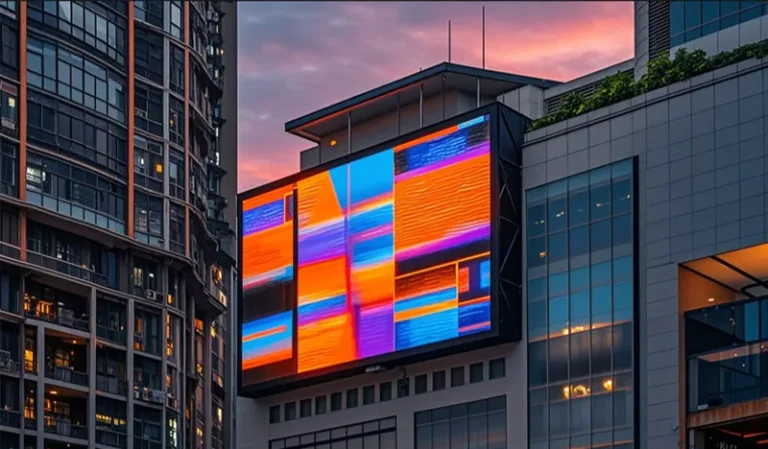
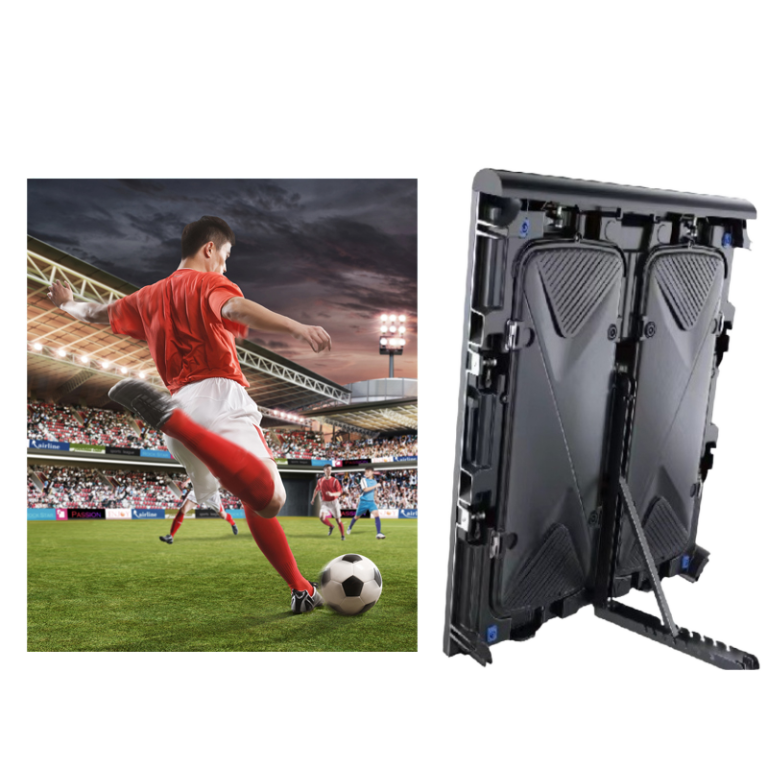
Inside screens focus on dot closeness and true colors, whereas outside ones stress shield levels and light strength. For example, the indoor P4.81 display Enclosure gets sharp sights with a dot closeness of about 43,264 pixels/m² and a refresh speed over 500Hz, which suits meeting rooms or studios where sight ease counts most. On the other hand, outside types like the outdoor P3.91 have IP65 water resistance and ≥4500 nits light to handle sun rays while keeping picture sharpness from far off.
Needs for weather protection shape outside screen costs greatly because of sealants and rust-proof treatments for steady work in rough spots. What is more, outside units need better heat release systems that add both start-up costs and building challenges compared to inside units.
Detailed Analysis of 2026 LED Display Models
To show market spots better, it helps to look at usual models next to bendable or unique-shape screens that fit special uses like building blends or hands-on shop setups.
Standard LED Displays: Features and Pricing
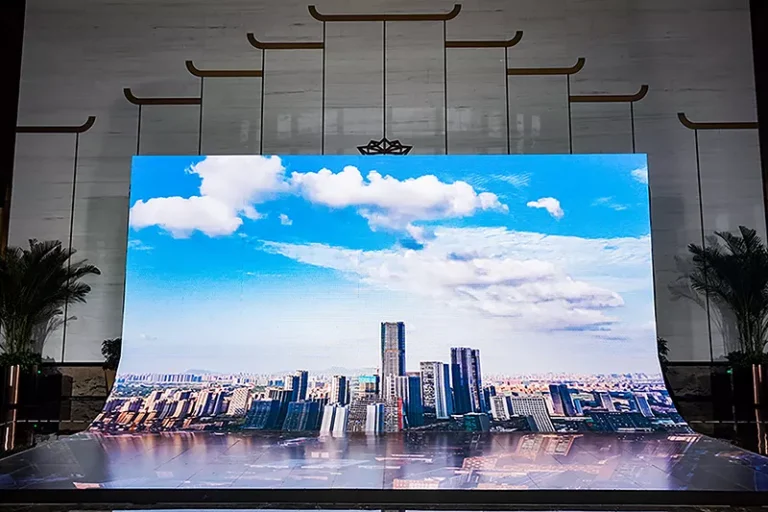
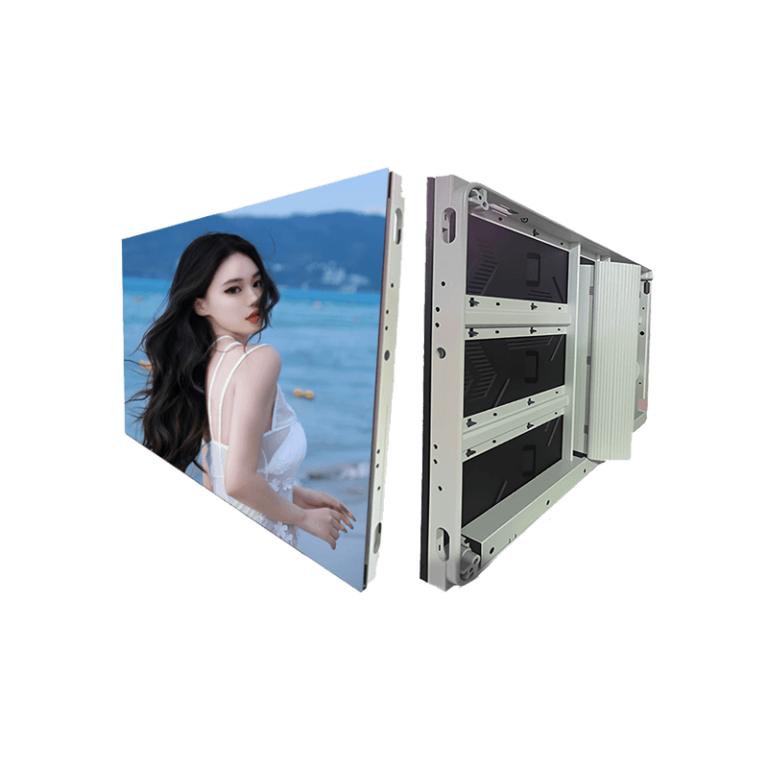
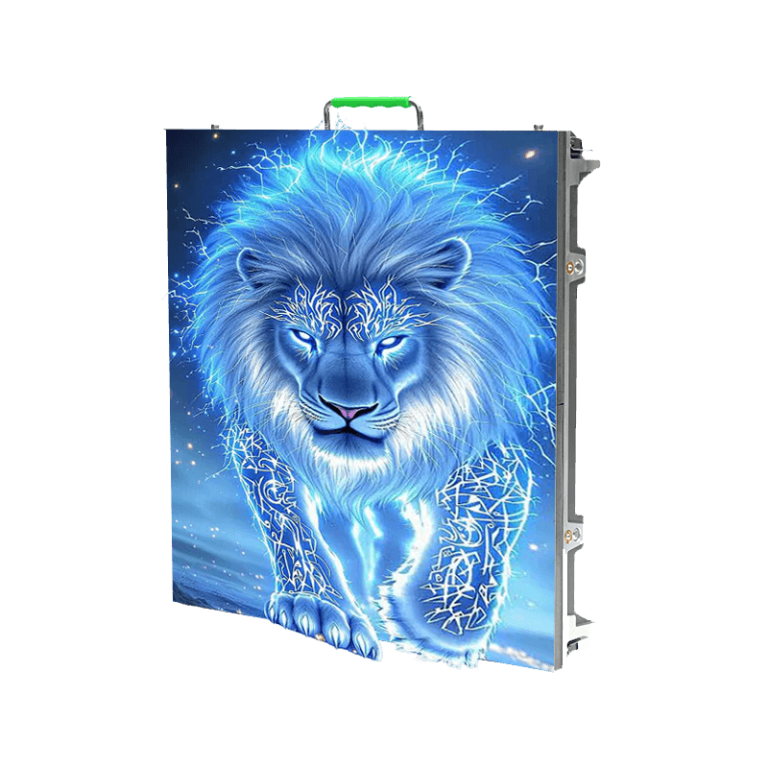
Our Standard LED Display range covers inside fixes like the P2.604 enclosure line with tiny dot spacing for sharp content replay, fitting shows or work events. Sharp and full picture quality: The dot spacing stays small, and the dot closeness stays high, which lets clear pictures and words show up. These traits make them strong in middle-to-upper setups that call for exact sights without too much power draw.
Outside usual models mix SMD1921 three-in-one LEDs with tough box builds that keep steady light even in straight sun. Their piece-based build allows for quick putting together, which matters for buyers handling big events or lasting setups that need little stop time in readying.
Flexible and Special LED Displays: Market Positioning
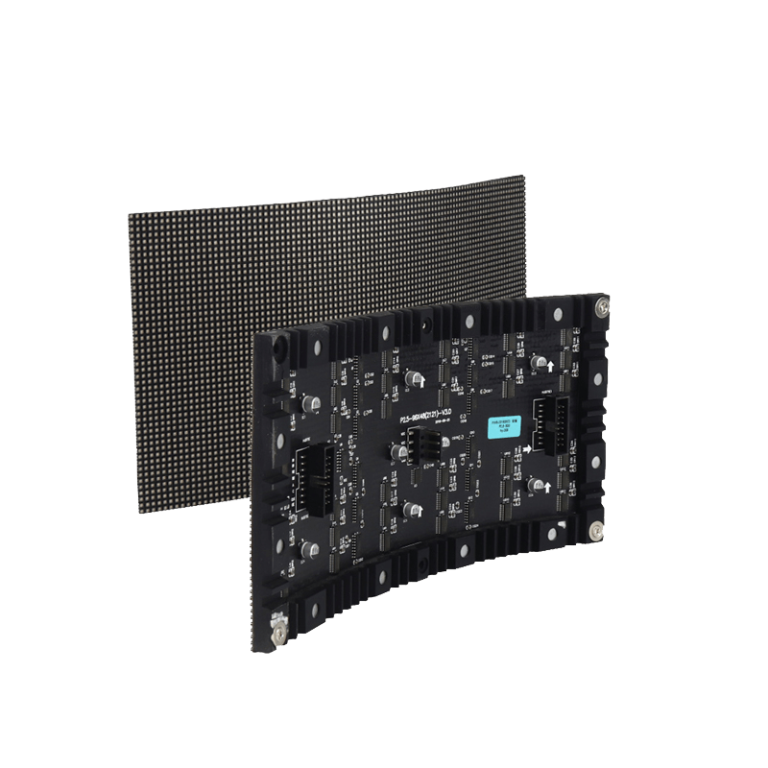
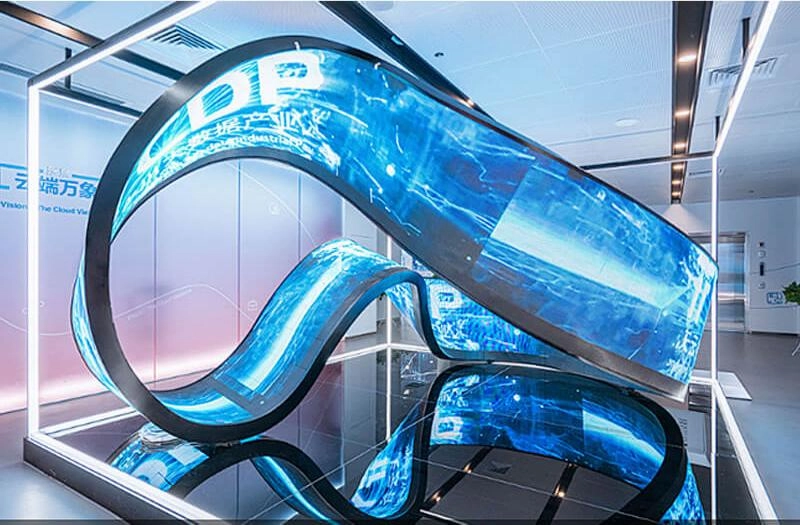
Bendable screens rank as one of the freshest groups in 2026 thanks to their fit across bent faces or fresh setups. The Flexible screen display P3.91 shows this shift by giving very thin builds (down to 0.3mm) with bend options that match for galleries or smart shop areas where deep experiences matter.
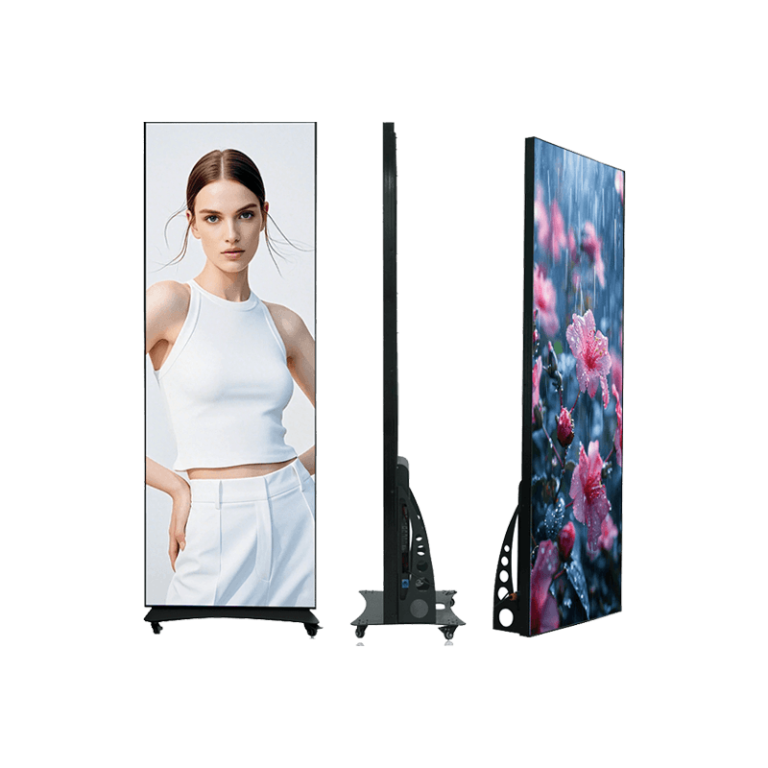
Unique-shaped goods like mirror screens join looks with use; the Advertising Player fills two roles as both shiny face and hands-on digital sign that can show 4K sights through Micro-LED tech while backing voice orders or touch links. Clear screens push fresh chances more by mixing real see-through with bright pictures—reaching up to 80% pass-through without blocking back views in building fronts or shop fronts.
Leyaled: A Reliable Manufacturer of Analytical Instruments
Leyaled runs as a Shenzhen-rooted high-tech firm focused on full LED display research, making, and selling over varied fields like business ads, travel systems, smart cities, and fun spots. FWS Technology Co., Ltd. acts as a high-tech firm focused on the full LED display field, covering research, making, and selling. With more than ten years of know-how backed by eight SMT auto-making lines in a 7,200-square-meter site approved under ISO9001:2008 rules, we make sure every item hits world quality marks like CE and CCC approvals.
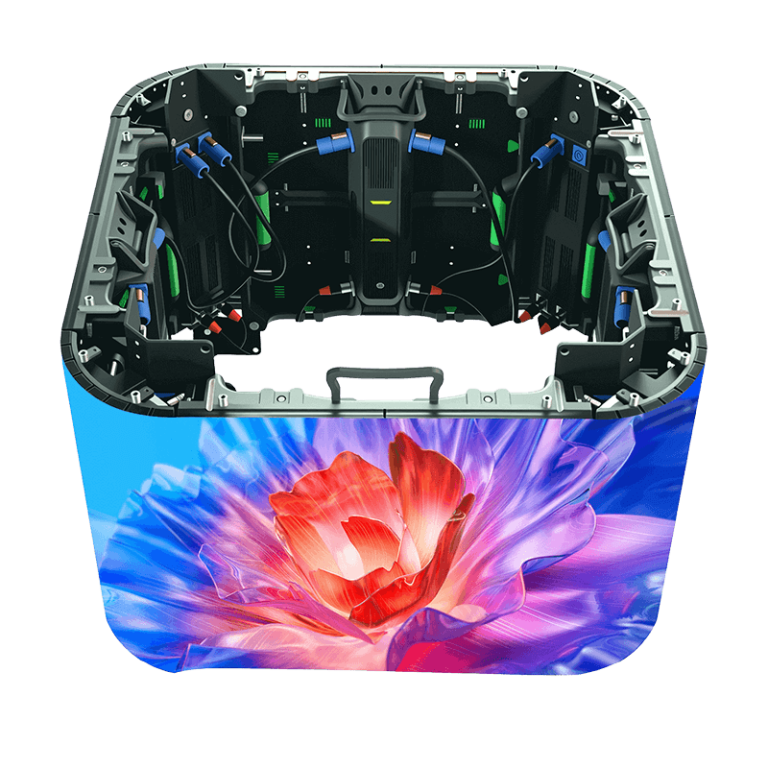
Our list covers inside/outside full-color screens, bendable parts fit for uneven faces, see-through glass-based sheets for building blends, plus special goods for control spots needing steady run trust.
Advantages of Choosing Leyaled Products
We use fair price plans rooted in smooth supply chain handling while holding firm quality checks all through making steps. Approved by CNAS, UL, SGS, Intertek, TÜV SÜD, and EMCC, our items face wide and strict tests before shop launch. Our piece designs ease setup steps over many settings—from fields with high-light edge boards to shop insides using smooth joining tech for deep brand tales. User joy stays key to our view; we offer quick tech help groups able to aid buyers from before-sale talks through after-setup tune services around the world.
Conclusion: Key Insights on 2026 LED Display Board Prices
The shift in LED display board costs for 2026 shows a field weighing tech skill with cost-saving aims. Things like power-save circuit plans, pushing low carbon and green guard, LED screens grow toward bigger power savings; smart control blends via AI/IoT systems, and lasting materials keep pushing splits among providers. Coming price guesses point to slow steadying from scale gains along with wider take-up over public build projects, smart shops, and fun sectors looking for sight-grab yet green-aware fixes.
FAQ
Q1: What are the primary factors affecting LED display board prices in 2026?
A1: The chief elements cover tech steps like moving scan tech, basic material shifts mainly aluminum box costs, market need growth into wise uses, and extra traits like weather shield for outside types.
Q2: How do Leyaled’s products stand out in the competitive market?
A2: Our fixes set apart via fresh building, varied shapes including bendable/mirror/see-through kinds, fair cost builds backed by good making steps, and set user service making sure long-run trust.
Q3: Where can I get more information or assistance regarding Leyaled’s products?
A3: For full specs or plan talks, check our main site’s touch part where our pro group will give fit advice for your use needs right away—just head to our contact page.